Understanding our brains at the level of our neurons changes our view on learning FOREVER!
1
Getting Wired For Learning:
2
Different learning intelligences & styles
3
Movie time!
4
Plastic brains
5
Brain Health:
Getting Wired For Learning:
As you now know Lights On Learning is all about getting to understand ourselves as learners. If we know how we learn, what we really like learning about and what obstacles stand in our way, then we are going to be better prepared to learn through our strengths and reach out to our edges.
We do that by creating a culture (a Wired For Learning culture) that fosters metacognition - this refers to 'thinking about thinking' and it really empowers us to become reflective, self aware learners.
Chances are our children might already know what they are not so good at. They may have certain struggles as a result of a learning difference, or they may know that when things get difficult for them they give up rather than persevere. But they are less likely to think about these through a lens that enables them to confront these weaknesses. They may be feeling bad about themselves as a result of this and we need to change that. We need to make it OK to have areas that we are not so strong on BECAUSE we are really clear about our strengths.
Download the Wired For Learning Our Culture pdf and Your Child's Brain pdf and start to share these concepts with your child.
Different learning intelligences & styles
Before we jump into the neuroscience in more detail let's back up and reinforce all the good work we've done around Locating The Switch and continue to help our children discover more about themselves. Yes - you got it - self reflective learning never ends in a Lights On culture!
We want to help them to start thinking about what type of learner they are so:
1
Use this online quiz to find out which of your child's intelligences they are drawing on the most. Depending on the age of your child - they can either do this alone or you may need to facilitate it. https://www.edutopia.org/multiple-intelligences-assessment
2
Here is a more grown up version if you are interested to explore who you are in more detail or if you think your child is ready to do this. https://www.truity.com/test/type-finder-research-edition
The above exercises are in here really to get you thinking about how we draw on our different intelligences at all times. So there is no right or wrong - it will be a reflection of how your child likes to learn best. So reassure them if they have a low score on some intelligences that this is because they don't tend to use that one as much as others.
We also learn through different styles and below are some short descriptions that some of our learners found really useful when we were doing a project called "The Getting To Know You Show."
Visual-Spatial Learner: they think in terms of physical space, like architects and sailors, and are very aware of their environments. They like to draw, do jigsaw puzzles, read maps, daydream. They can be taught through drawings, verbal and physical imagery. Tools include models, graphics, charts, photographs, drawings, 3-D modeling, video, videoconferencing, television, multimedia, texts with pictures/charts/graphs.
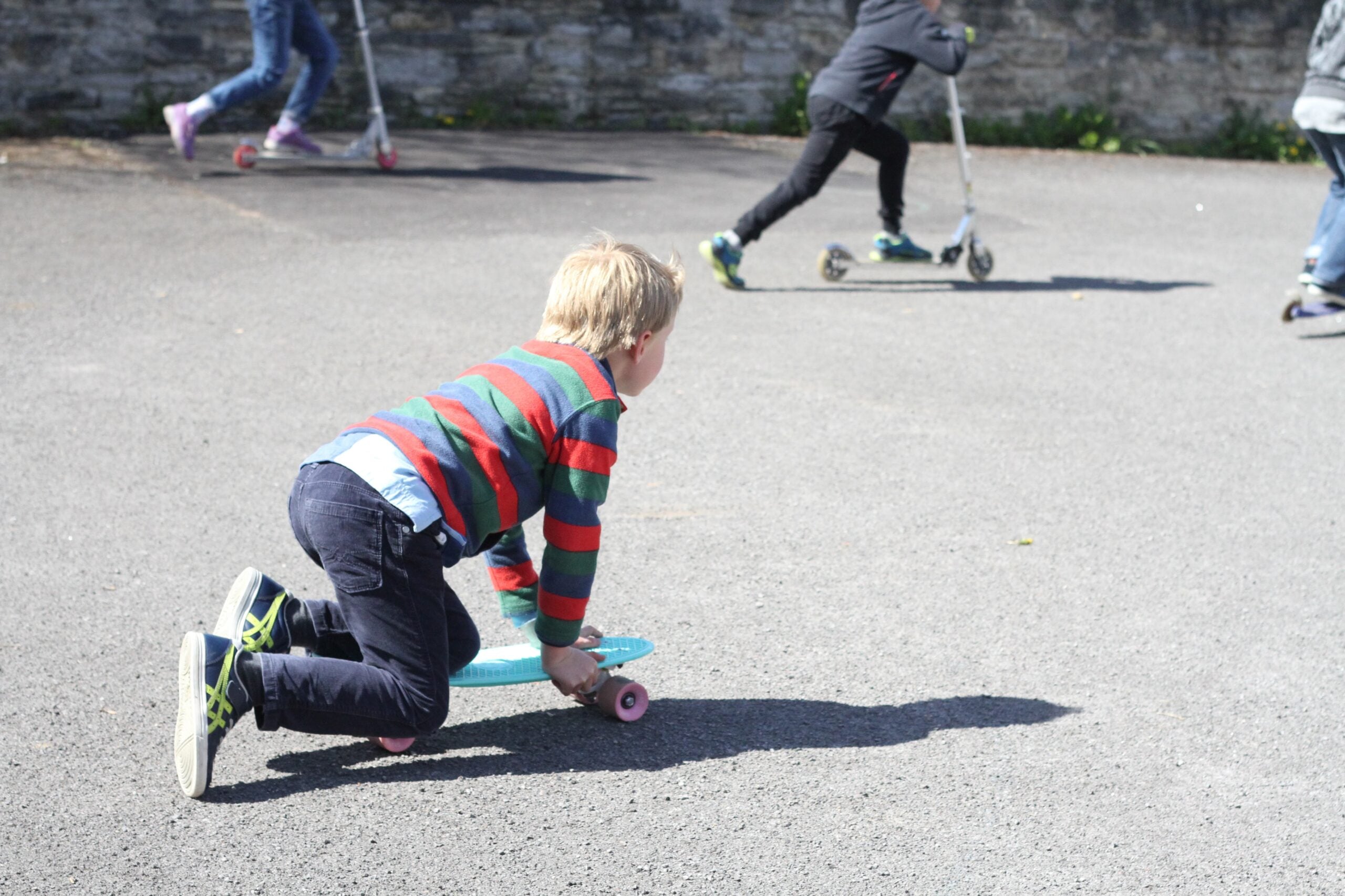
Bodily-Kinesthetic Learner: they use their body effectively, like a dancer or a surgeon. Possess a keen sense of body awareness. They like movement, making things, touching. They communicate well through body language and to be taught through physical activity, hands-on learning, acting out, role playing. Tools include equipment and real objects.
Examples: Mohammed Ali, Darcey Bussel, F.M. Alexander
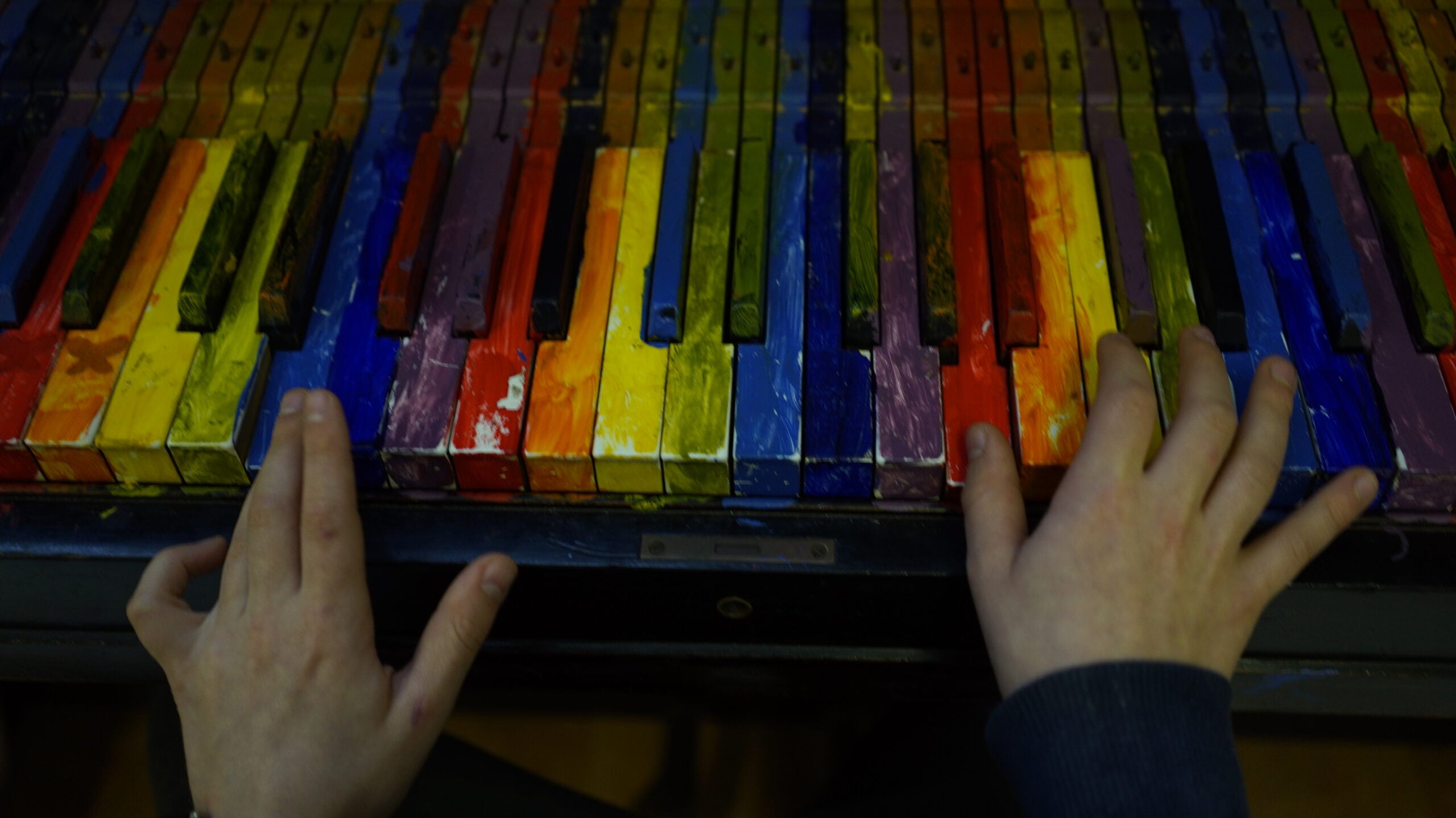
Musical Learner: they show sensitivity to rhythm and sound. They love music, but they are also sensitive to sounds in their environments. They may study better with music in the background. They can be taught by turning lessons into lyrics, speaking rhythmically, tapping out time. Tools include musical instruments, music, radio, stereo, CD-ROM, multimedia.
Examples: Rita Ora, Mozart, Ella Fitzgerald
Interpersonal-Social Learner: these learners are understanding, interacting well with others. These students learn through interaction. They have many friends, empathy for others, and can be streetwise. They can be taught through group activities, seminars, dialogues. Tools include the telephone, audio conferencing, time and attention from the instructor, video conferencing, writing, computer conferencing, E-mail.
Examples: Nelson Mandela, Queen Elizabeth 1, Mahatma Gandhi
Intrapersonal-Solitary Learner: they understand their own interests and goals. These learners sometimes like to work away from others. They're in tune with their inner feelings; they have wisdom, intuition and motivation, as well as a strong will, confidence and opinions. They can be taught through independent study and introspection. Tools include books, creative materials, diaries, privacy and time. They are the most independent of the learners.
Examples: Viktor Frankl, Thich Nhat Hanh, Mother Teresa
Verbal-Linguistic Learner: they use words effectively. These learners have highly developed auditory skills and often think in words. They like reading, playing word games, making up poetry or stories. They can be taught by encouraging them to say and see words, read books together. Tools include computers, games, multimedia, books, tape recorders, and lecture.
Examples: Emily Dickinson, Benjamin Zephaniah, Shakespeare
Logical-Mathematical Learner: they like to reason, calculate. They think conceptually, abstractly and are able to see and explore patterns and relationships. They like to experiment, solve puzzles, ask cosmic questions. They can be taught through logic games, investigations, mysteries. They need to learn and form concepts before they can deal with details.
Examples: Marie Curie, Stephen Hawking, Isaac Newton
Naturalistic Learner: they love to be outside in the natural world. They might have a keen sense of direction and be in tune with the seasons, animals and nature. Those who live in more urban spaces might be good at collecting things and know all the best short-cuts in the area. They will probably dislike pollution and seek solutions that help the environment.
Examples: Dianne Fossey, Charles Darwin, Ray Meers
Movie time!
The following short films are well worth watching with your child so take some time to watch them together to introduce the concepts you've been learning about in this module to them. It will also help consolidate the neuroscience for you too!
This video explains how our brains are plastic in really simple terms
This video we found to be really effective to help our learners think about our brain as learning central!
How do we learn? The more we use our brains to create neural pathways the more we learn. Watch this with your child and use it as a talking point.
I'd definitely suggest you get familiar with what our Amygdala is as this is where we'll be looking to stop the fear of failure causing our children to flea when the going gets tough!
Plastic brains
It is a strange concept that our brains are plastic but use this to your advantage!
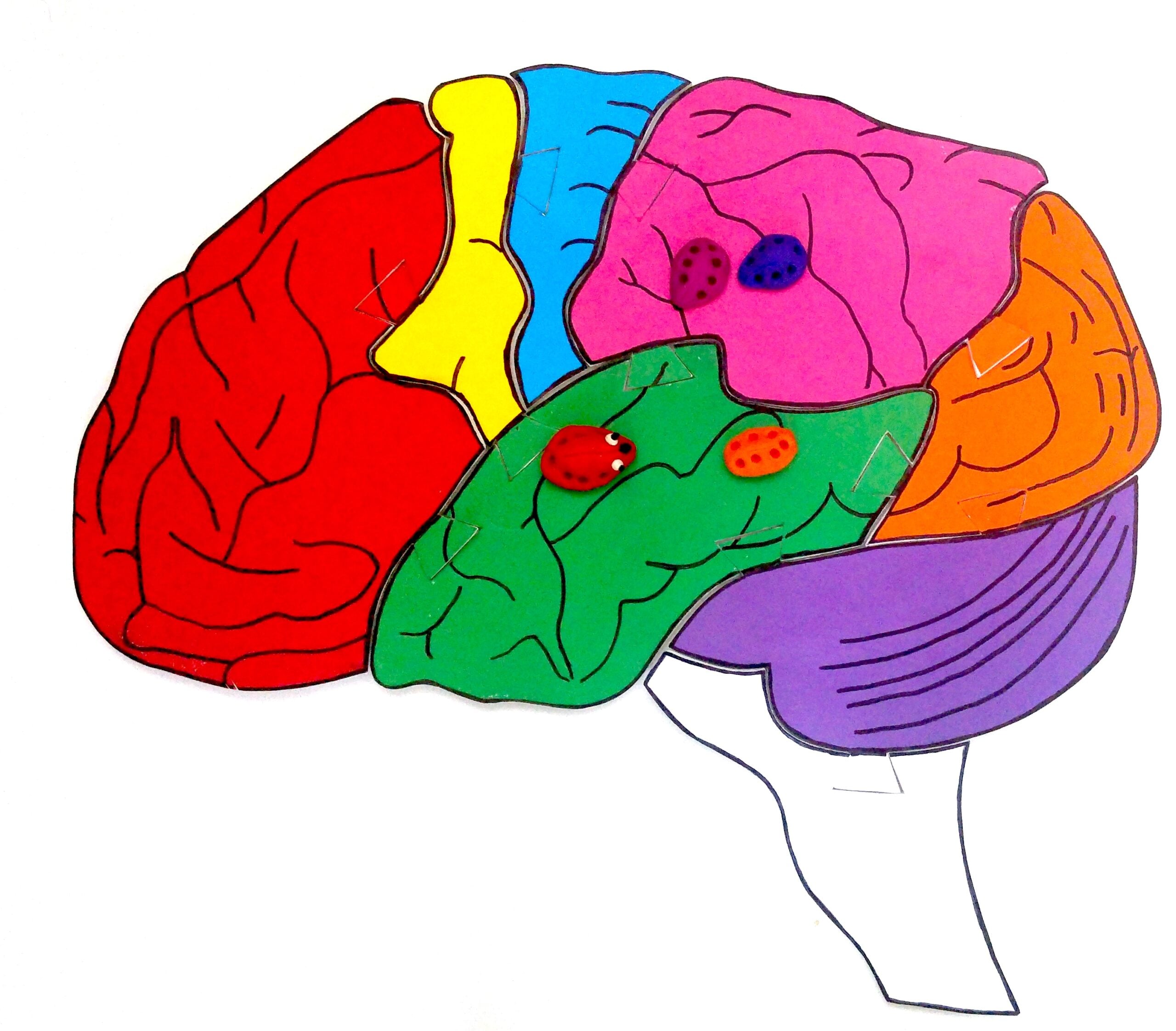
If your child likes working with plasticine, clay or play dough perhaps they can make a small model of a brain.
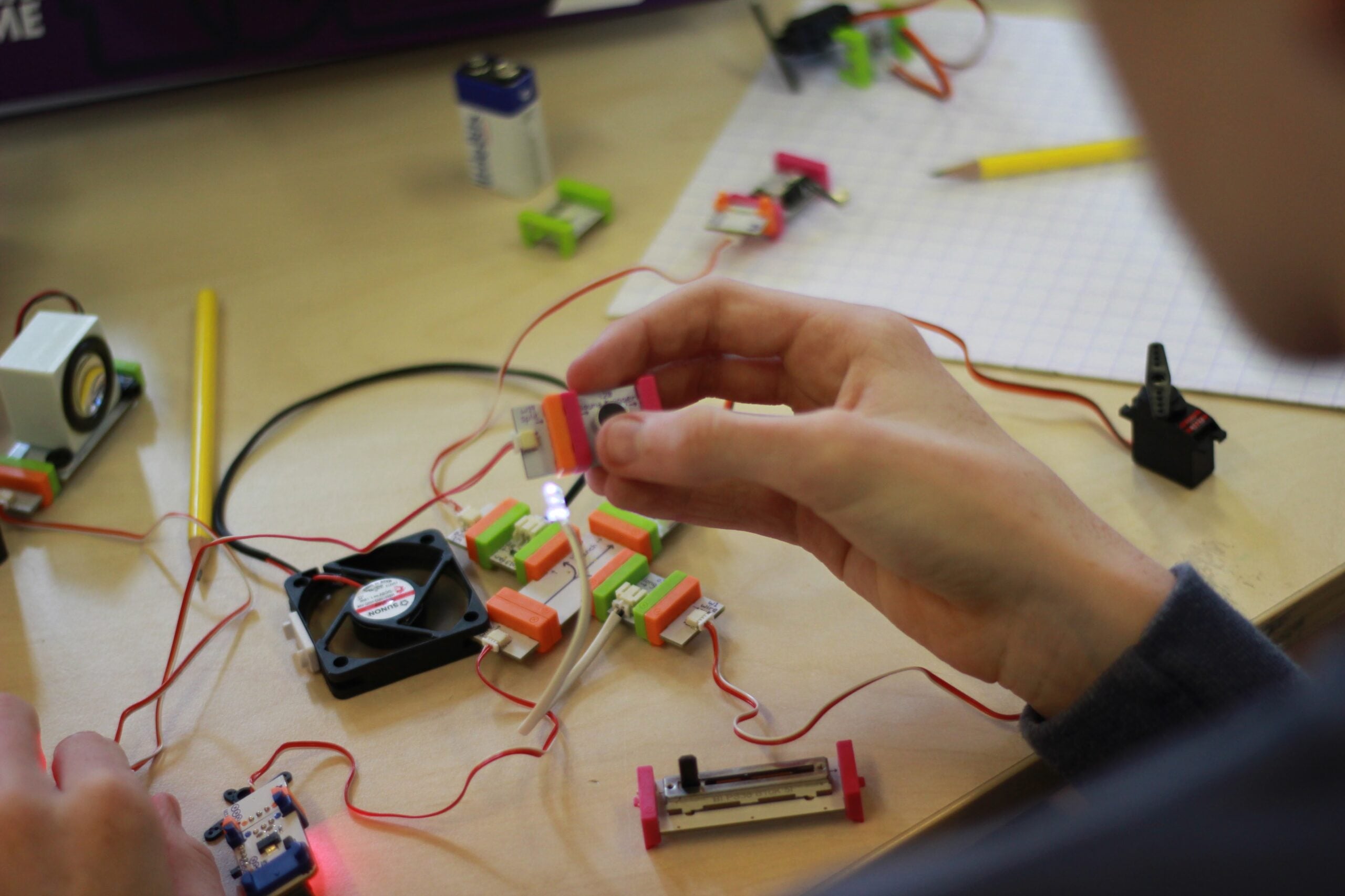
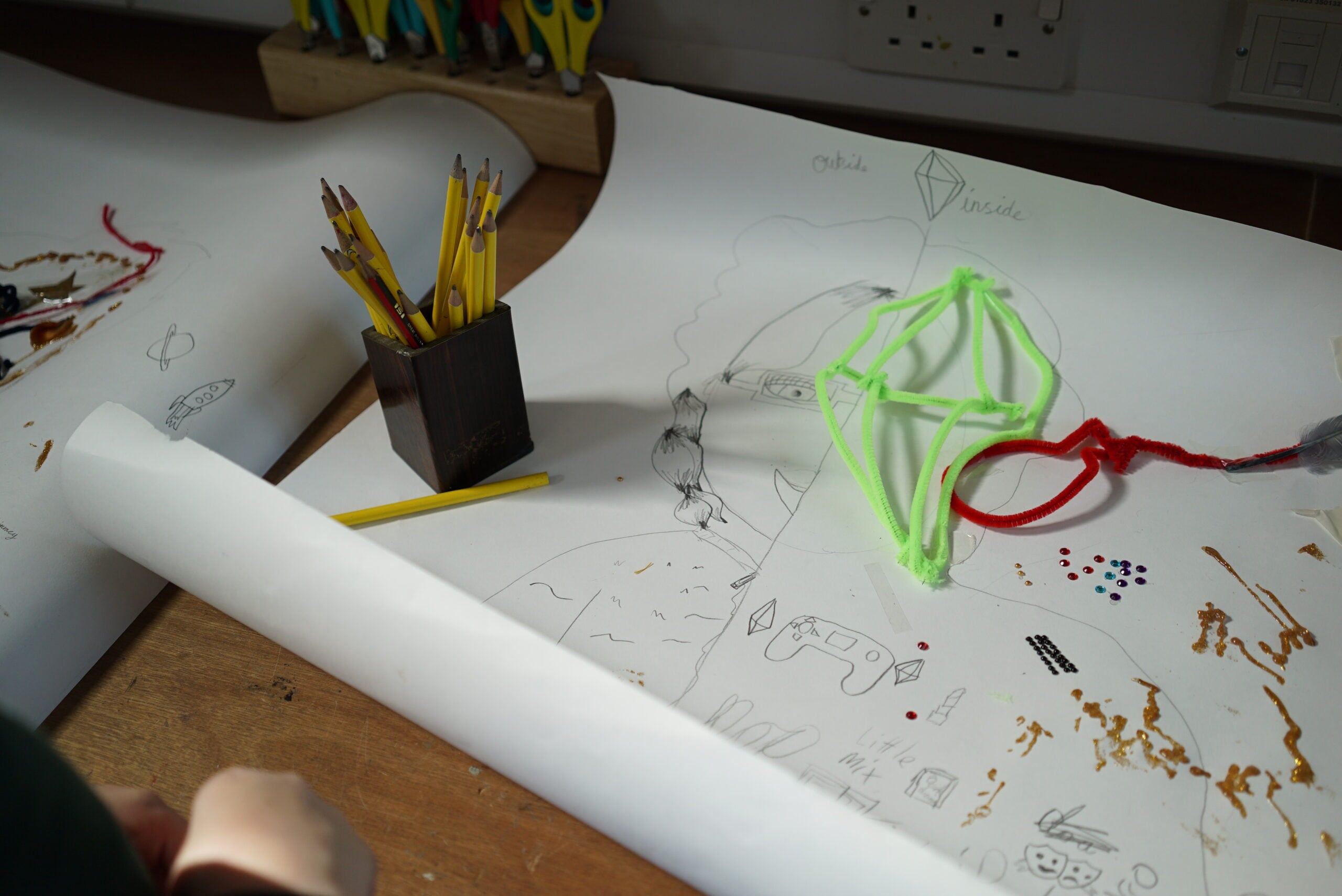
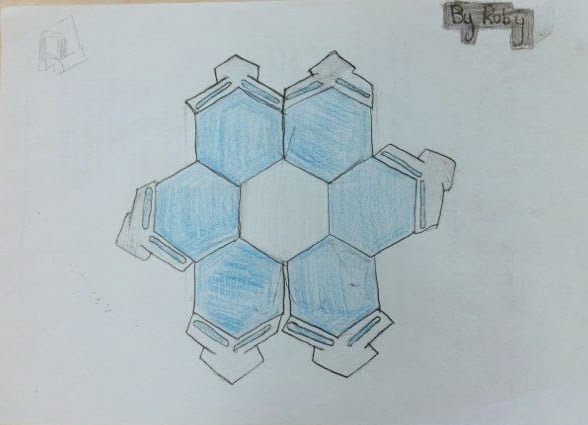
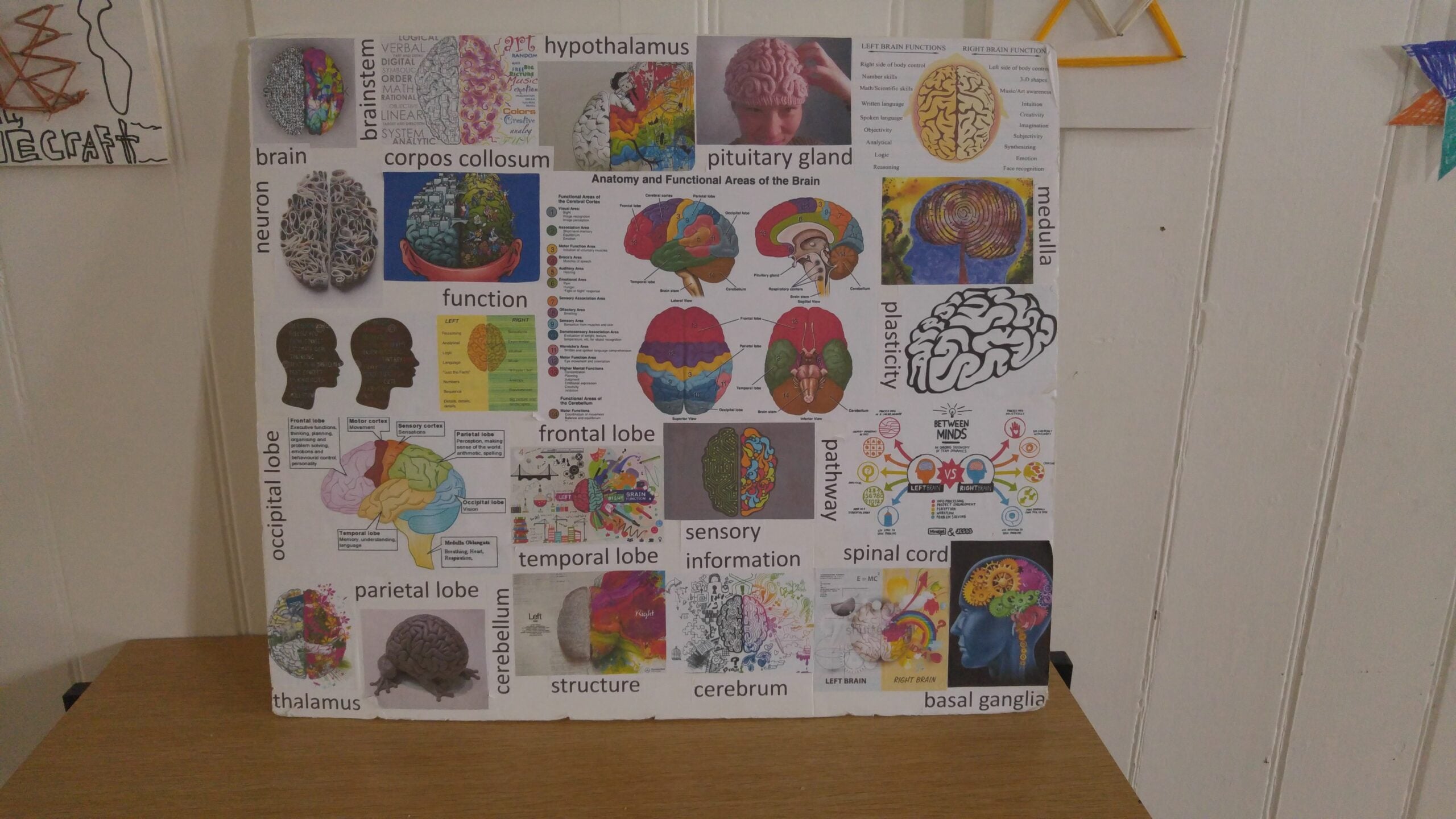
Being able to visualise what the brain looks like is really important. We worked with some children to make a brain board game 'Nab a Neuron' (photo above) and in doing so we created a mood board (below).
You could go one step further than we did and create your own learning mood board. Help your child find images that represent who they are as a learner as they begin to find out more about themselves. You could do this with the whole family so you can see just who is in the mix and how different you are and celebrate the uniqueness of you all.
Brain Health:
BONUS - look after your brain health and make sure you and your family are 'learning fit!'.
This week because our brains are SO important to our learning I've included a bonus around brain health. We need to get our children, and of course ourselves, starting to think as much about our brain health as we do our physical health. The two are often very connected which is why when we get stressed or anxious we often get ill.
So look in the bonus section and take some time to read how it important it is for our brains that we:
connect with others
avoid stress
nourish our brains through our diet
move and get active
challenge ourselves.
The more we can get our children to think about their brain health needing exercising as much as our bodies do the more they will take on the concepts of our Wired For Learning and the circuitry behind having their Lights On will be strengthened. So make sure you share this bonus with them and you could even come up with your own brain health micro-goals!
Optional cookies and similar technologies support analytics, advertising and visitor identification, and embedded content. Change or withdraw consent in Cookie settings. Cookie policy.