Module 2.2 – Mindset – get in the right frame of mind
Time to help your child to start growing a mindset that helps them bust through any obstacles that come in their way!
1
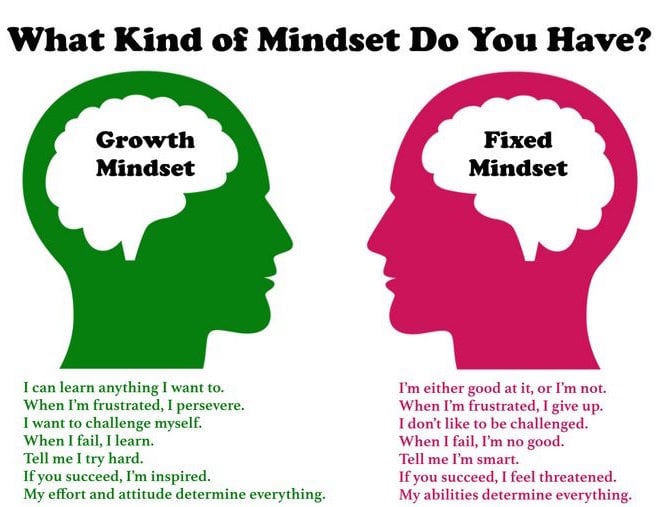
Fixed Or Growth Mindset:
2
Help your child visualise mistakes
3
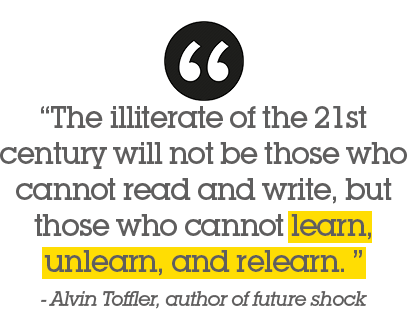
Get comfortable with unlearning
4
Start some great supper time conversation
5
Enjoy a bit of poetry and music
Fixed Or Growth Mindset:
Hmmm! I know which mindset I'd like to think I have but is that always the case?
You've been introduced to Carol Dweck already. Her amazing research over the past 20 years is having a huge impact round the world and she has the evidence to back it up.
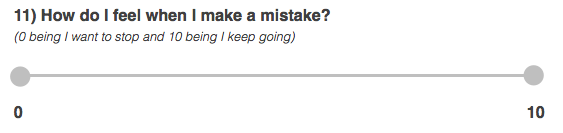
I've given you an easy example above of how to determine if your child is leaning towards a fixed or growth mindset. But you might like to take a more in-depth test and go straight to the authority - Carol Dweck so you can learn more about how transformational a mindset shift can be. It isn't easy mind - but we've seen it happen and we'll be giving you some challenges to help your child learn to accept mistakes and failure with much more ease.
Take this test and let us know what you come out with.
Then when you have done that perhaps watch the video below with your child.
This might be more appealing for your child than a Ted talk by Carol Dweck - so sit down and then perhaps discuss who your child is more like.
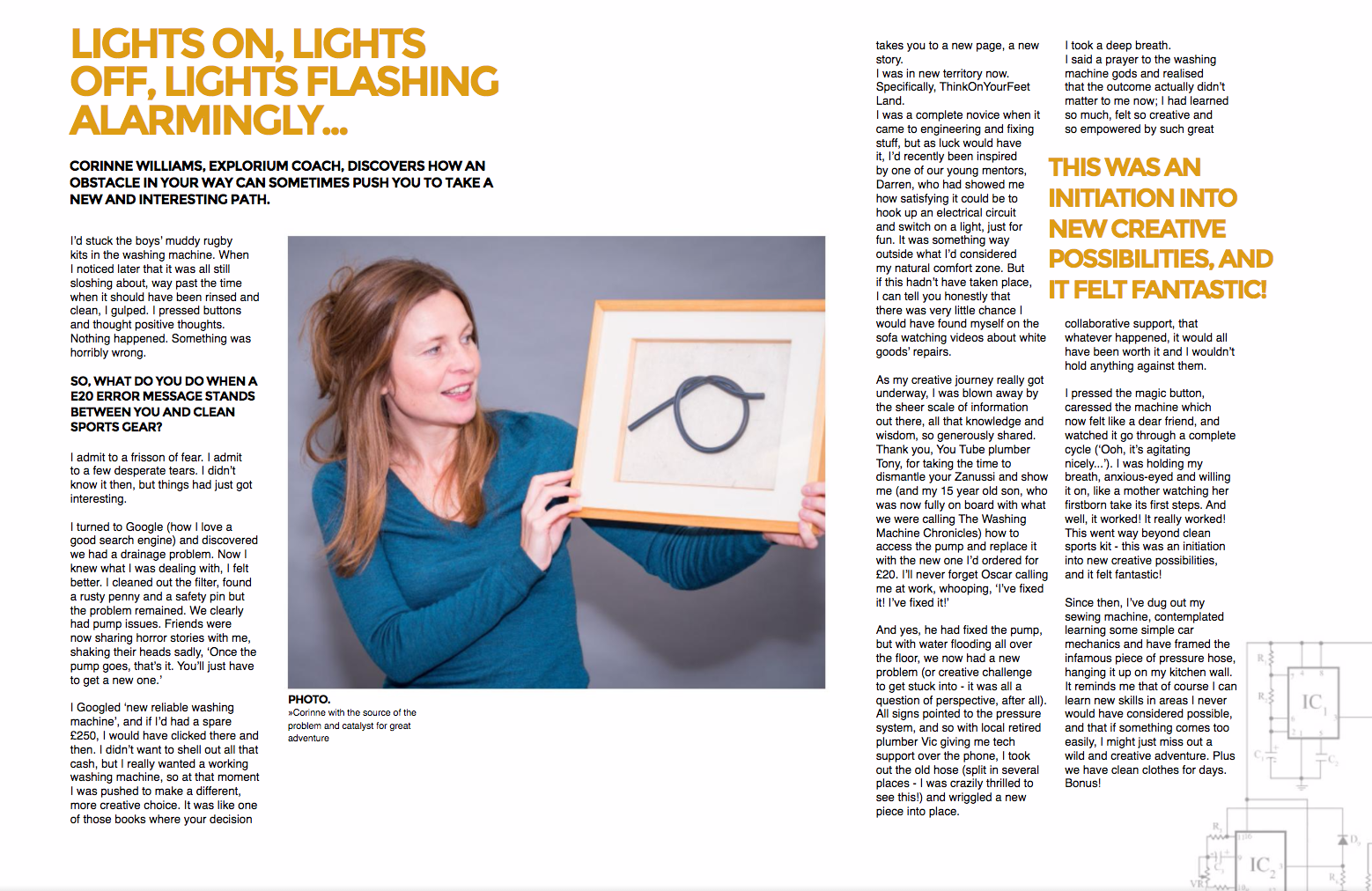
Our wonderful Corinne Williams took growth mindset to heart when her washing machine packed up and she refused to give up and fixed it herself. An excellent example of 'anything is possible' when we put our minds to it! Also a fun read...
Help your child visualise mistakes
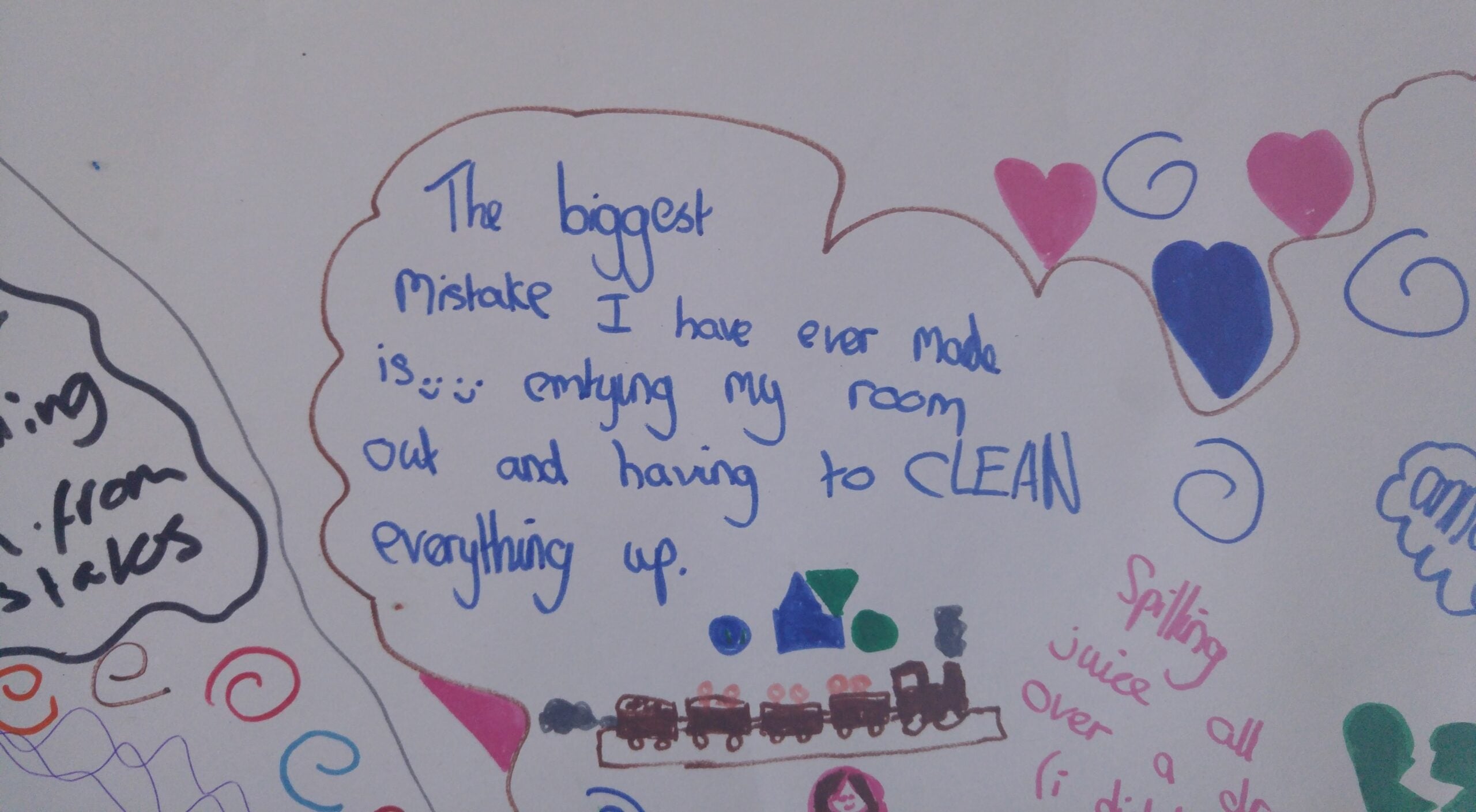
Have fun with thinking of some of the mistakes you've all made - both big and small!
Here is a fun activity that really effectively highlights and reinforces the idea that mistakes are important for learning and for growing our brains. It will also show your child that you intend to have fun with bringing Lights On learning into their lives.
1
Get an A5 piece of blank paper and coloured pens.
2
Ask your child (or do it all together as a family) to write about a mistake they've made this week. Add in a bit of emotional detail about how it made them feel.
3
Get them to crumple this paper into a ball and then throw it against a brick wall - thinking of those feelings they had when they made the mistake. If they want to do it repeatedly - have fun with it. Throw it harder! Throw it from further away.
4
Retrieve the bit of paper and ask them to un-crumple it.
5
Now get your child to colour along the lines that have been marked with different colours.
6
Together think about what those lines represent - the synaptic activity that happens when a mistake is made.
7
So mistakes - although painful at times and nearly always frustrating - are actually good for our brains! Use this exercise to stimulate discussion around emotions and why we often think of mistakes as something to avoid.
8
Keep your child's crumpled paper and stick it on your growing mood board or in a scrap book or take a photo and upload it to your digital portfolio. Or put the paper on your fridge or up in their room as a physical reminder.
9
When your child gets frustrated (which we are going to make sure they do at times) then you can remind them about the synaptic activity that is going on.
10
Neurons that fire together wire together - REMEMBER!
Seb throwing a mistake against the wall. Film your child doing the same and send us some photos or a short film - we'd love to know what mistakes they are making!
If your child is in school they may quickly realise the contradictions between how much we LOVE mistakes and how the school culture might be trying to get them to minimise the number of mistakes they make. It is important to discuss this with them so that they really understand the nuances around mistakes. There are of course good ones and bad ones and make sure you download our pdf on Knee Deep In Mistakes and get that conversation going.
I'm going to share Alfie's story with you now. Alfie was on the Channel Four Secret Life of The Four Year Olds and he has been coming to us for nearly a year. He has just been diagnosed with Aspergers and has an incredible mathematic brain, along with some fantastics talents for writing and drawing. But he was finding himself caught up in doing the same thing over and over again and really was not prepared to take ANY risks with his learning. So he came to us and is now very aware that our Lights On culture is all about learning what we can't do and then figuring out a way to do it. He's come on an incredible transformation in a short space of time.
Alfie explores the Parabolic Curve to take his love of maths into a previously unexplored adventure!
Now you've started to reframe how you look at mistakes you'll start to hear it all over the place. Anyone successful is guaranteed to have done a lot of failing - and actually we all have to pass failure in order to reach success - so the sooner we start the better.
Get comfortable with unlearning
We better get our children doing some unlearning then...
Some creative ways to start your child unlearning!
1. Learn to play again. By now you know Lights On learning is all about letting go, getting knee deep in mistakes and growing that mindset. We haven't yet talked about creativity - but this is a massive part of our learning culture - and we'll introduce you to our 4Cs (Creativity, Collaboration, Communication and Critical Thinking) later in the course. Hopefully your child still very much plays but if they are heading towards being a teenager they may have stopped seeing play as something they do. Don't worry they will soon start to explore once we get you further into the course.
2. Take some risks. Our children may like to keep their learning well within their comfort zone so try to get them doing some new experiences - our challenges, in the next lesson, are a great way to start getting this happening straight away.
3. Seek out experiences that help you not take yourself so seriously. Taming the ego allows you to make mistakes, even fail, and still feel okay about yourself.
4. Trust your unconscious. Our unconscious mind, or intuitive self, has a lot to teach us. I rely on it hugely and this is where reflections comes in big time as it helps us see those lightbulb moments. So we'll be looking at ways to increase lightbulb or Aha moments later in the course.
5. Ask for feedback. This is the focus of our Spotlight stage of our framework and you'll be learning how to give kind, specific and helpful critique that will make your child more receptive to taking on other people's comments.
6. Examine your beliefs. Step outside of your current way of thinking is never easy because when you think you are right - or know how to do something - everything else can seem wrong. Why then would you want to unlearn what you’re currently doing, let alone replace it with something else? Because the world is changing so rapidly and being able to apply what we think is right in one context and realise it isn't in another is a skill we need our children to master.
Imagine learning to ride a bike again - but this time backwards. This is a great video to watch with your child. Then perhaps think about somethings you know how to do but have a go at unlearning in an opposite direction. Such as the handwriting exercise I set you in this lesson.
If you are going to get your child doing some unlearning you better download our pdf The Importance Of Failing first - because without a doubt some failure is coming their (and your) way...
Start some great supper time conversation
Indeed we believe extraordinary things can only ever come out of having made a lot of mistakes first!
A great supper time conversation around mistakes is to talk about the different types of mistakes there are, and explore why some mistakes are more useful than others. (Of course if you can't always have supper together - breakfast or lunch times work just as well!).
Whenever and wherever you find the time to talk PLEASE make sure you do. Start with how you feel when you make mistakes and why it is that we've come to think of them as something to avoid.
Share your Best/Biggest/Most Memorable Fail - if you're brave enough!
What happened after the fail itself? What did you learn that you wouldn't have learned if you had not made the mistakes you did?
Then use this to discuss how you think they keep going - what is it that makes them succeed when others might give up?
Enjoy a bit of poetry and music
We're aiming to get your child to adopt the mindset that with hard work, effort and determination nothing is impossible - even it it might feel it at times!
Mistakes!
In a survey of human beings
on Earth in 2015,
we found mistakes can be...
frustrating
funny
embarrassing
weird
sad
uh-oh!
scary
amazing
silly
fun
annoying
difficult
even
The End of the World!
On closer analysis, however
we discovered that mistakes could also be...
a work of art
an amazing journey
an opportunity
an outstanding design
the answer to a question you never thought of
and
the start of an amazing journey
in disguise.
Explorium Jam CW 28/11/15
This poem was facilitated by our writing coach Corinne Williams at one of our holiday Jams.
Perhaps you could try something similar to get your child thinking about what words they would use to describe how they feel about mistakes. Do they welcome them? Or do they avoid them at all costs?
If your child is not a fan of writing you could still do something like this out on a walk and co-create a poem together. This is not a writing task but something for you to both connect over - so make it fun!
Just a little treat - we made this video when I was trying to get through a competition to pitch to Richard Branson. I became a Guiness Book of Record holder in the process but I didn't get through unfortunately. It was a massive failure that really wounded me and I had to really reflect for quite some time to see what I was meant to learn from it.