Learning obstacles are those things that get in our way of us achieving what we really want to do. We might be scared of getting things wrong (as we've been exploring with the challenges) or we might find it difficult to sleep because something is on our minds.
Being aware of some common learning obstacles helps our children understand that when we come up against something that stops our learning in its tracks we can always find strategies around them.
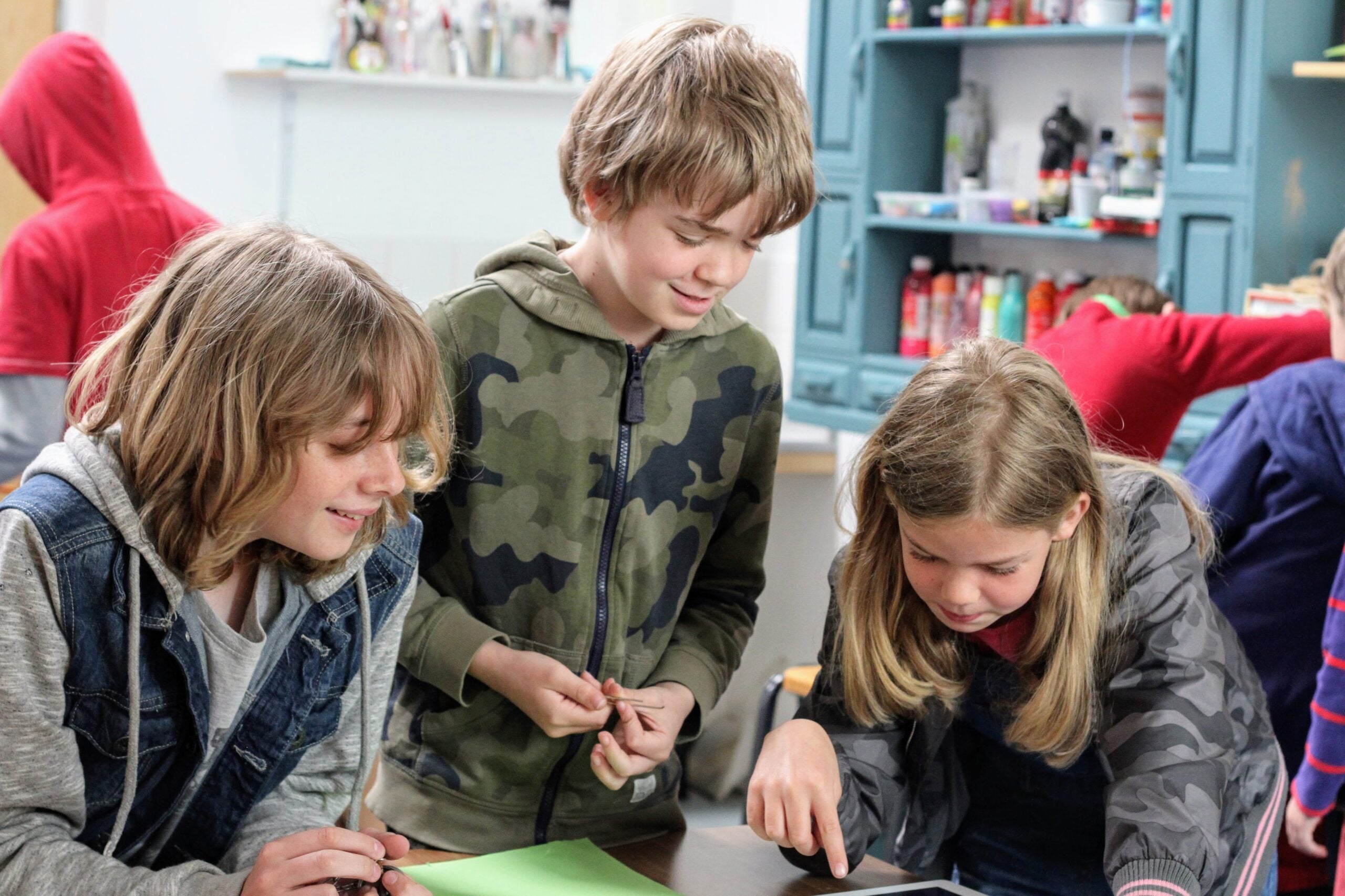
Discuss with your child what learning obstacles they face and what strategies they think they could put in place. Below are some of the obstacles and strategies that a group of students from Martock Primary School came up with as we were working on a project to design a board game.
Obstacles in the Physical Environment
You're too hot, or too cold. You're hungry or thirsty. You're tired. It's too noisy. There are too many distractions.
Strategies
Bring an extra jumper. Remember your water bottle. Try to go to bed earlier, take a nap or rest during the day if possible. Explain that you need to focus and have some quiet time. Ask for support from parents or an adult if necessary.
Social Pressures - Fear of Failure, comparing ourselves to others
When we stop short of the 'edge' because we are scared that people will laugh at us, or we will get it 'wrong'. When we want everything to be 'perfect'.
Strategies
Be strong.
Think about your good points. Remember when you couldn't do something before, but you persevered and it turned out okay. Know that we are all unique, all have our own strengths and weaknesses. Remind yourself that failure is a GOOD THING! We learn through making mistakes, that is how we grow our minds and draw on the power of YET!
Obstacles in our Internal Environment
How we feel inside, our moods and emotions. Anxiety, stress, worry. Boredom.
Strategies
Have a positive memory to focus on. Smile. Take 3 deep breaths. Share how you feel with someone you trust. Take a short break if you can to have some time alone to calm down. If you're bored or uninspired, jump into a task anyway, or look round for inspiration to get ideas flowing.
Lacking the Right Tools for the Job
Not knowing how to do something. Lacking resources or a certain skill set.
Strategies
Ask questions. Ask others for advice. Learn from others. Be prepared in advance. Make sure you have the right pens or tools that work for you. 'Not knowing' means space to learn! Be creative and resourceful and look for that alternative solution.
Time
Dealing with deadlines, long term and short term. Rushing so you finish 'first'.
Strategies
Remember that sometimes taking more time means you go deeper into something and learn more. Try not to panic - take a breath and make the most of the time you have. PLAN! Organise your time so things get done. Try using a diary or notebook.
Over this next week spend some time with your child exploring the times and places you and they have felt challenged. Reflect on the times that you've had enough and wanted to stop or run away.
Here are some clues to watch out for which mean your child is approaching their edges:
- Feeling Cross
- Feeling anxious or nervous
- Feeling like you can't do it and wanting to give up
- Telling yourself you're rubbish at something
- Feeling uninspired
- Wanting to run away from something
Then ask yourselves these questions:
When do I stop myself from taking the next step?
When do I say, that's enough, I'm not going to try any more?
Encourage a conversation within your family and your child's friends (or of course your own friends) about where their edge is too.
In the next lesson we're going to look at setting up a portfolio so you will begin to be able to document your child's Lights On journey and start to see the distance travelled over time.