





Customer research is the ongoing practice of gathering direct evidence about customers’ needs, behavior, language, constraints, and buying decisions. It closes the gap between what you know and what you only assume.
Did this happen to you? You spent brutal months building a product from your gut, convinced success was around the corner. Then you released it, got a few sign-ups, and watched people disappear.
In a bid to keep your head in the game, you assured yourself, repeatedly, that success is just around the corner. And yet, when you released your product to the public… it tanked. Sure, you had a few sign-ups, but no one stuck around. As you slumped your shoulders in defeat, you questioned yourself, what went wrong? You tweeted for help, hoping to find comfort. And you did. In fact, your tweet even went a little viral. Founders, developers, and marketers in the SaaS space flocked in to share similar experiences. You read every single one of them, nodding your head along to their demoralizing tales. Then… horror struck. It hit you: you built your product based on false assumptions. And so did they. Just as you were about to close Twitter, you stumbled on this tweet and it straight up punched you in the gut: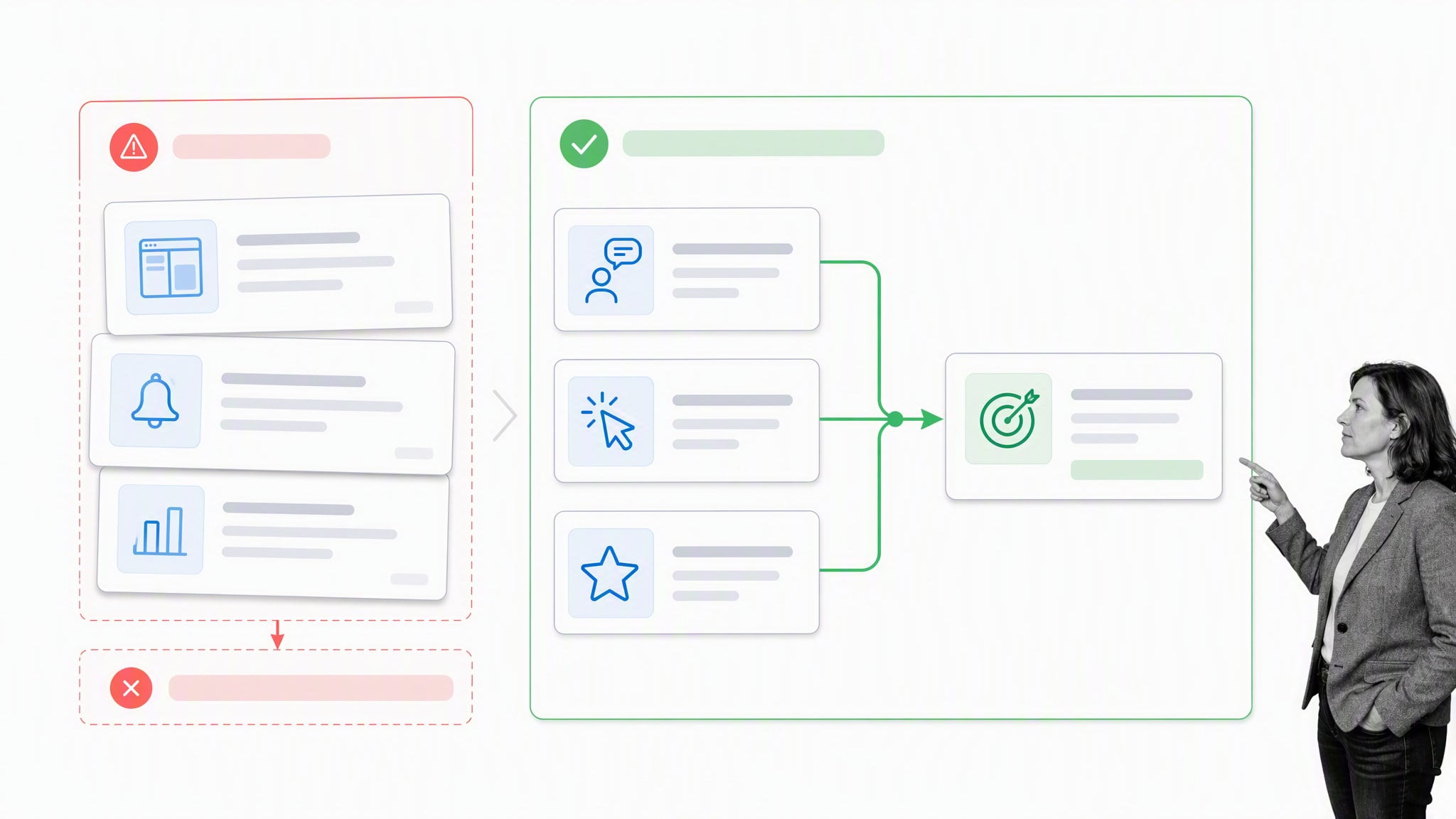
What is customer research?
Customer research is different from market research. It’s the heart of your business. It involves asking your customers questions on an ongoing basis, so you can better understand their actual needs and better predict at what they will do. To quote Roy Olende in the Buffer blog, it helps you close the gap between what you know and what you think you know.Customer research is a big deal
Customer research reduces the risk of building, positioning, or promoting something around a need that does not exist. It gives product, marketing, sales, and support teams direct evidence about what customers are trying to do, where they struggle, and how they describe the problem. Customer research helps you figure out if there’s demand for your product or features before you build. Without it, you target the wrong marketing channels, build a misaligned content strategy, and write a blog post no one reads, and that’s only the best-case scenario. The worst-case scenario? You build a product no one wants.What you’ll learn in this article
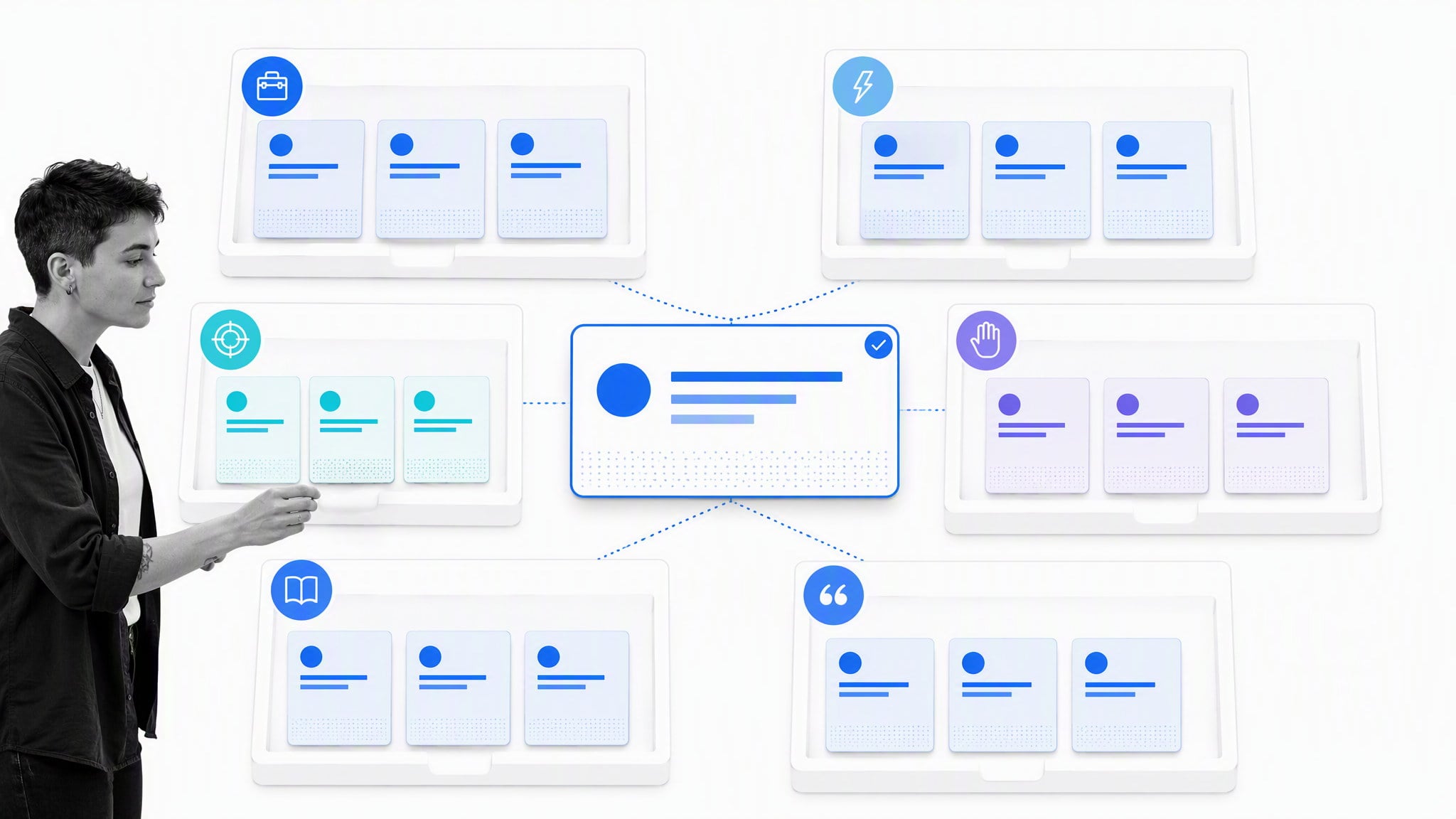
You’ll discover the 5 ways to read your target customers’ minds and dive into their specific pain points, desired outcomes, and use cases through asking questions and mining reviews. Before you do that, take a look at the 6 categories below. (Why We Buy founder Katelyn Bourgoin introduced them in a webinar with Forget The Funnel.) These 6 categories will guide you along as you highlight and save evidence for further analysis:- Jobs-to-be-done
- Pains with current solutions
- Desired gains or outcomes
- Buying objections/criteria
- User stories
- Swipeable quotes or ideas
How to do customer research: the 5 ways to read your target customers’ minds
1. Attend Q&A-focused events
Rand Fishkin is a fan of this strategy. In his book, Lost & Founder: A Painfully Honest Field Guide to the Startup World, the founder of SparkToro and previously co-founder of Moz and Inbound.org, advocates attending events as they “offer a wide range of experiential cases from which you can gain perspective and insight.” He’s right. Events are the best places to be at when you want to better understand the crux of their problems. Your target customers are attending events to learn from established experts and their peers, so they can solve the problems they face in their businesses. Here’s how you can start. Visit event listing sites (e.g. Peatix, Eventbrite, Facebook Events) and take note of the agenda and learning outcomes. These give you clues at what your target customers care about. Like this: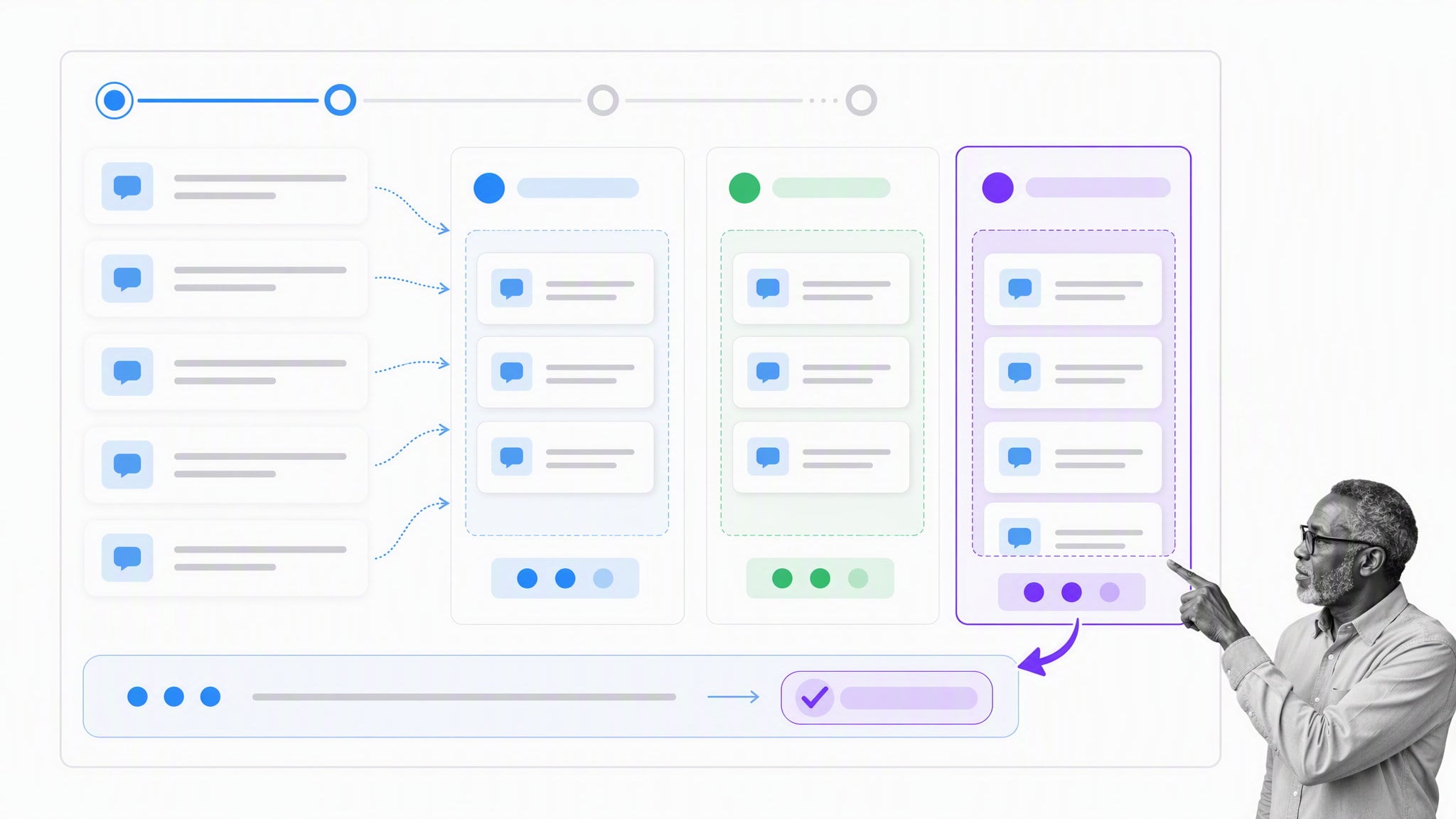
- “Are carousel ads better than single image ads?”
- “Where can I find more examples besides AdEspresso?”
- “I have a brand new Facebook page. Should I go for CPM or CPC?”
- “What’s the best audience size?”
- “What’s a custom audience?”
2. Ask questions in your sales demo
You’re not only selling your product in your demo. You’re identifying your prospect’s pain. Here’s this strategy in action by a SaaS startup. Referral Rock is a referral marketing software based in Washington, D.C.. In an interview with Indie Hackers, Josh Ho, the founder and CEO, shared his frustration with using text chat for customer support. One day, Ho got so impatient with the slow-going process of the “single-threaded nature of the conversation” that he asked his customers if they wanted to do video calls so he could help them faster and more effectively.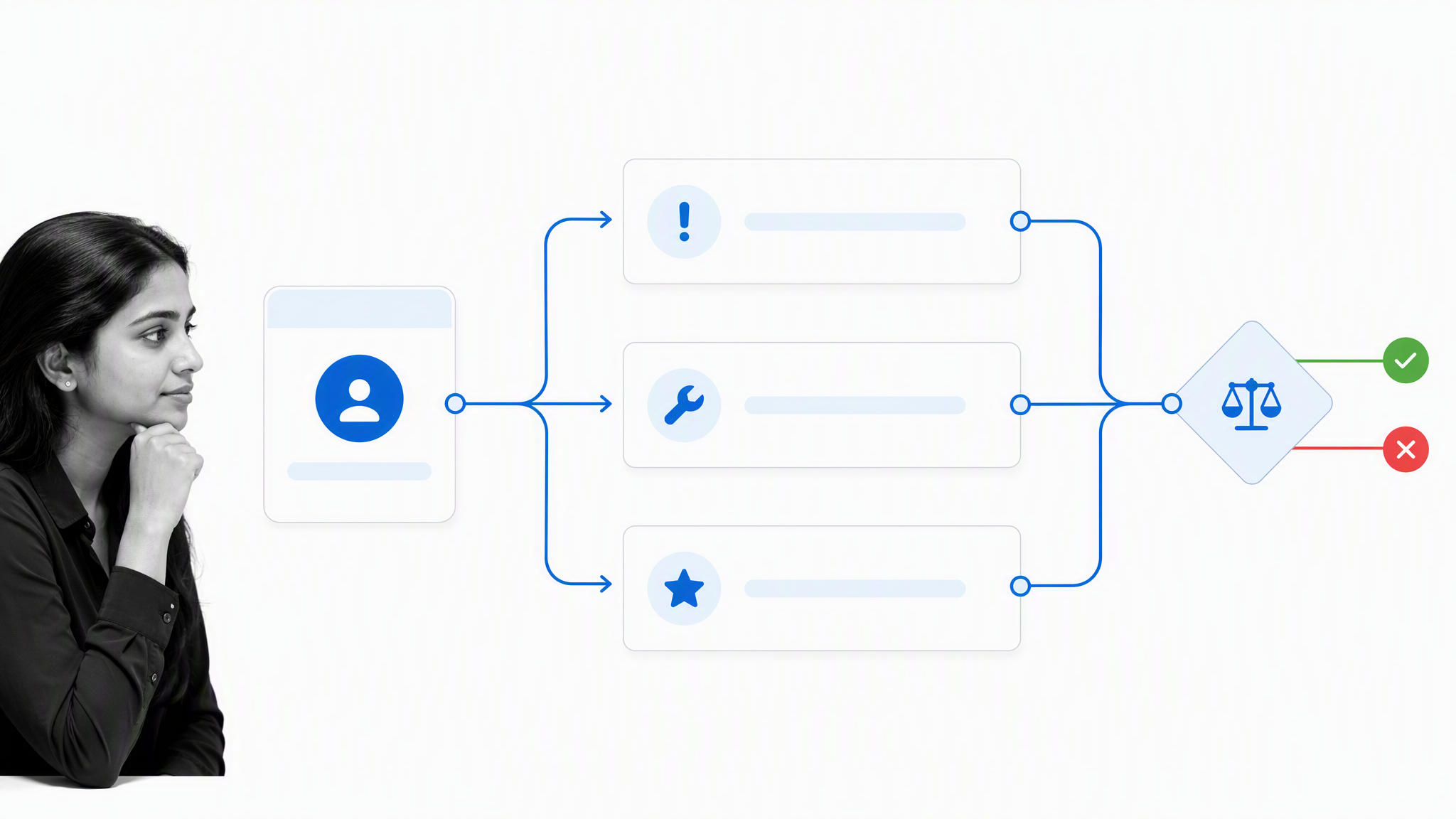
3. Ask this question in your welcome email
A welcome email arrives when the reason for signing up is still fresh. That makes it a useful place to ask one open-ended customer research question. Here’s an example by Forget The Funnel. Forget The Funnel is a SaaS marketing workshop and training community founded by marketing veterans, Georgiana Laudi and Claire Suellentrop.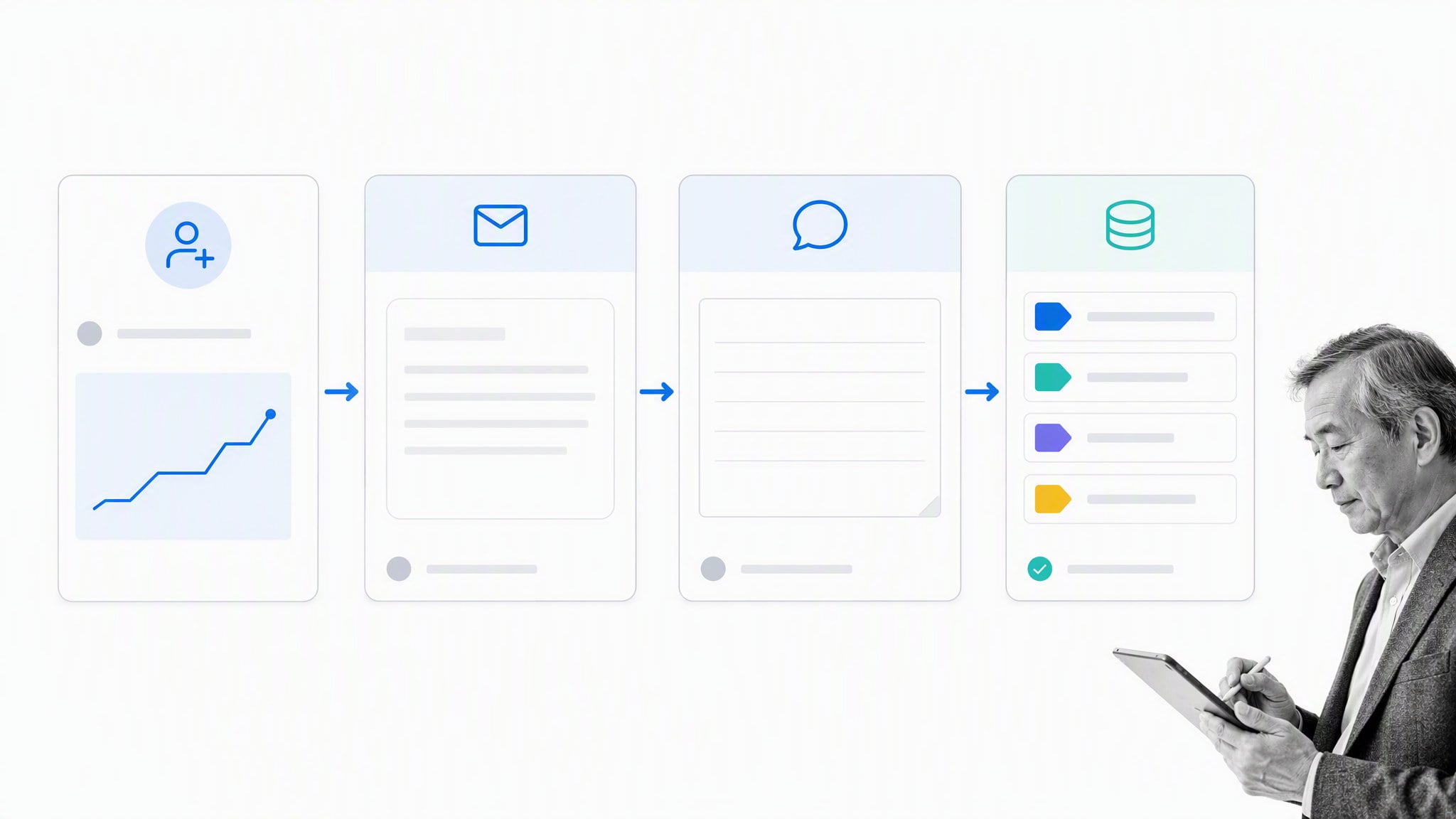
4. Hunt on online peer review sites
Your target customers are using your competitors’ products and similar solutions like books, videos, and podcasts. Start with review sites like Amazon, Apple Podcasts, Product Hunt, and G2. Let’s explore how this plays out in real life. Say, you run a SaaS marketing software for small business owners. You could mine reviews of competitors like HubSpot and Ortto, but don’t stop there. You could also search for book reviews on Amazon. Or watch videos on YouTube and go through the comments. Or even look for the most followed question on Quora. When you’re on sites like Amazon and YouTube, take note of the ‘Helpful’ or ‘Thumbs up’ button. The more helpful or thumbs up a review or comment has, the more you should pay attention to it.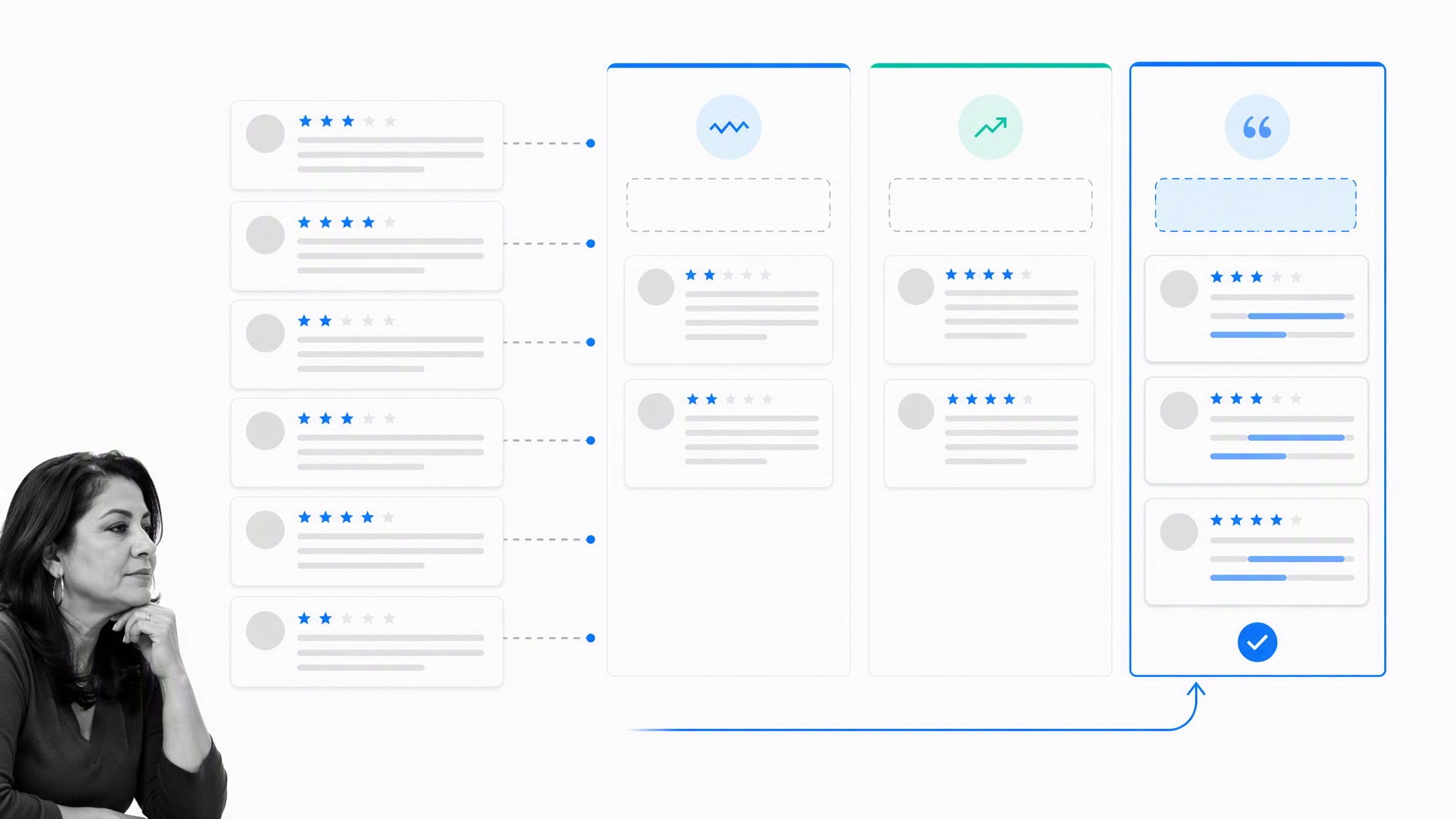
5. Learn from the communities your customers trust
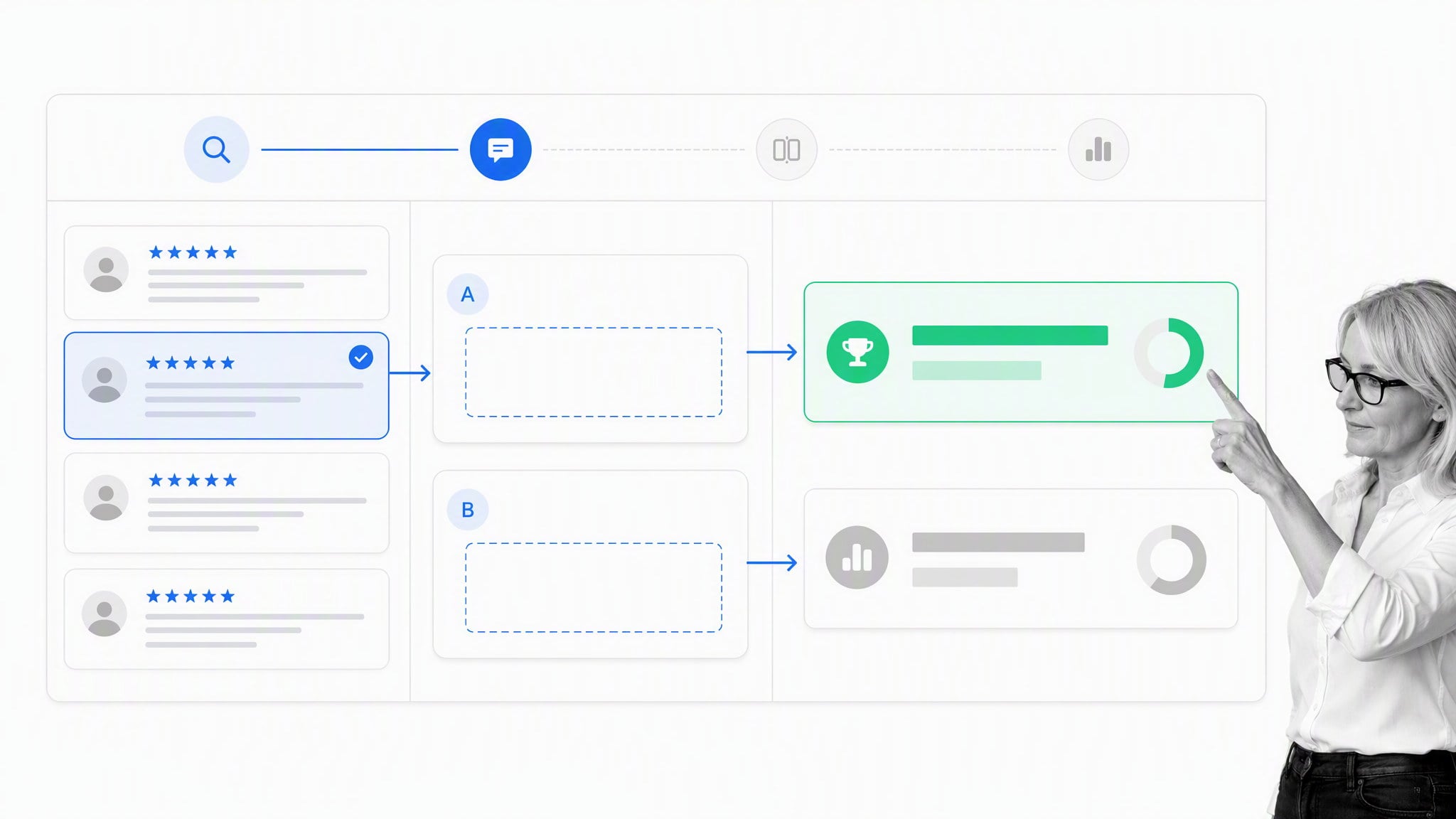
Your target customers already compare tools, describe workarounds, and ask for help in professional communities. Choose a current group, forum, or practitioner space where the right audience participates and the rules support useful discussion. Observe ethically. Do not scrape private spaces or treat people as data points. Look for repeated questions, long threads, detailed stories, and the language people use to describe a pain or desired outcome. Search within the community when that feature is available, then compare what you find with interviews, support requests, reviews, and product behavior. Long threads are valuable because they reveal context and disagreement. If you participate, be transparent about who you are and ask for clarification without steering the answer. A simple question such as “What happened that made this difficult?” can expose the trigger, constraint, and workaround behind a surface-level complaint.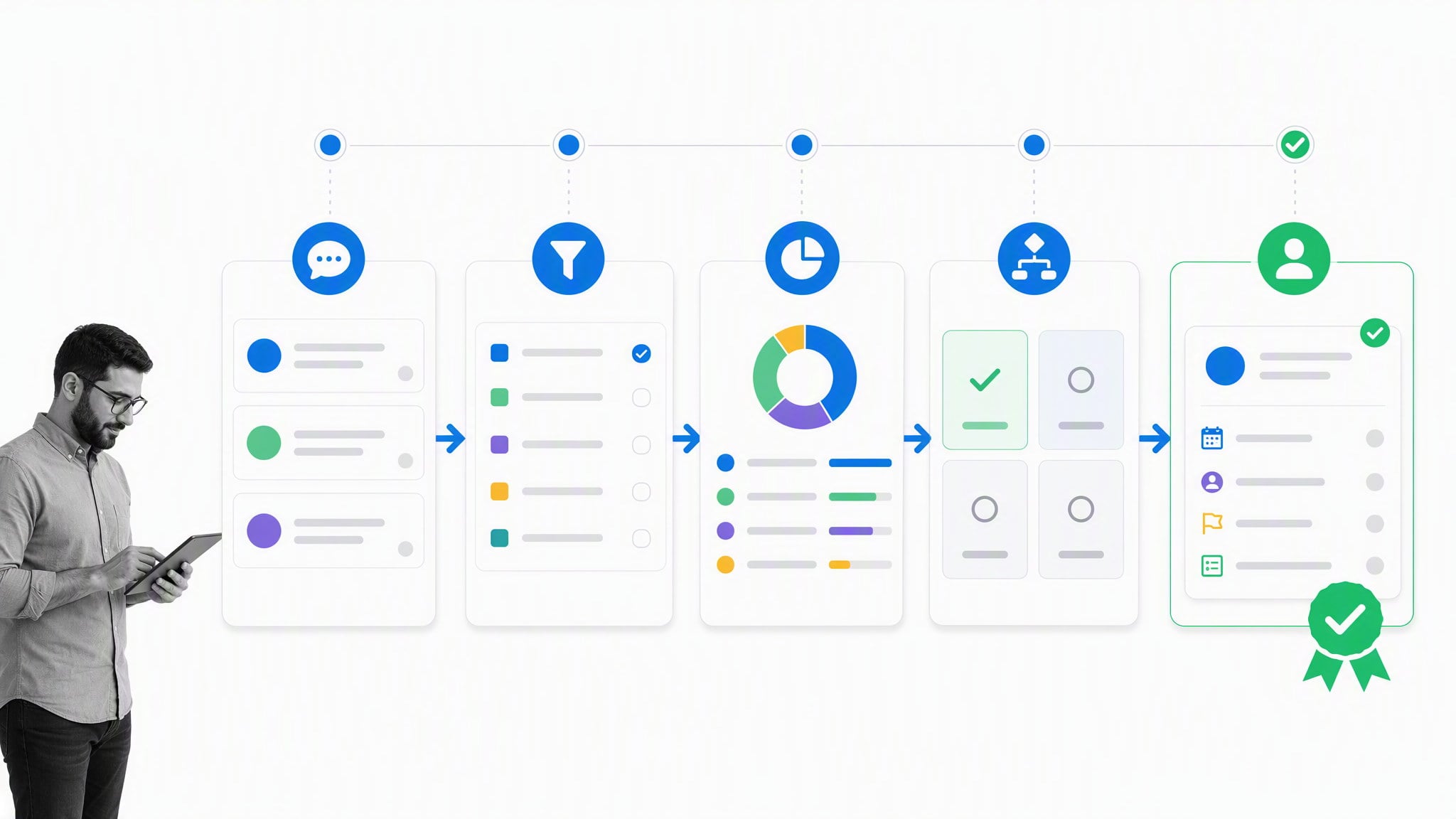
Turn customer research into governed action
Customer research creates value only when teams can trace evidence to a decision and follow through. Process Street is a Compliance Operations Platform. It is one product with Docs and Ops capability areas plus built-in AI.
Teams use Docs to govern research plans, interview guides, consent rules, evidence standards, and decision records. They use Ops to run repeatable recruitment, interview, tagging, review, approval, and follow-through workflows. Built-in AI can help transcribe conversations, cluster themes, summarize evidence, and find relevant knowledge inside those controls. It should assist the research process, not replace direct customer evidence.
That gives every insight an owner, every decision a record, and every follow-up a clear status. Research stops being a folder of notes and becomes an operating loop.
Final words: do and apply customer research
Many companies gather customer research and never turn it into a decision. Do not let the evidence stop at analysis. As you gather these important data on your target customers, organize them in the 6 categories shared above. The results from your data can be applied in almost all areas of your business. You can test a homepage headline, revise onboarding, change a feature decision, improve a nurturing email, update an FAQ, or map the evidence across a customer journey mapping tool. The action should match the decision that triggered the research. However and whenever you conduct your research, you want to make sure to use it. If you feel overwhelmed, take a leaf out of Bourgoin’s book and start small. Block off 10 minutes a day in your calendar every morning. If you’re new and time-strapped, pick your best channel and focus on that. Over time, as you conduct research and implement actions based on the data you gathered, you’ll not only gain laser-sharp information on your customers. You’ll also produce better content, make stronger product decisions, and build a business around evidence instead of assumptions.Customer research FAQs
What is customer research?
Customer research is the ongoing practice of gathering direct evidence about customers’ needs, behavior, language, constraints, and buying decisions.
Which customer research methods should you use?
Use interviews and observation to discover why a problem exists, surveys and analytics to measure how often it occurs, and reviews, support conversations, sales calls, and communities to capture real language and context.
How often should you conduct customer research?
Run customer research continuously at a pace your team can act on. A focused ten-minute daily habit or a recurring weekly review is more useful than a large study that never changes a decision.