





Environmental pressure is no longer an abstract concern for employers. The World Meteorological Organization’s State of the Global Climate 2025 documents record heat, ocean warming, and other changes that affect communities, supply chains, and workplaces.
Green human resource management, or GHRM, turns an organization’s environmental commitments into employee roles, policies, training, incentives, and measurable action. No company can go green without employee buy-in because even a strong policy depends on people making it real in daily work.
That is where HR comes in. HR connects environmental goals to how people are hired, onboarded, developed, evaluated, recognized, and supported. It also gives managers and employees a practical way to raise problems, test ideas, and show evidence of progress.
The nine GHRM best practices below help environmental initiatives take root without turning HR into a marketing department or asking employees to solve a systemic problem alone. Let’s get to work.
What does GHRM even mean?
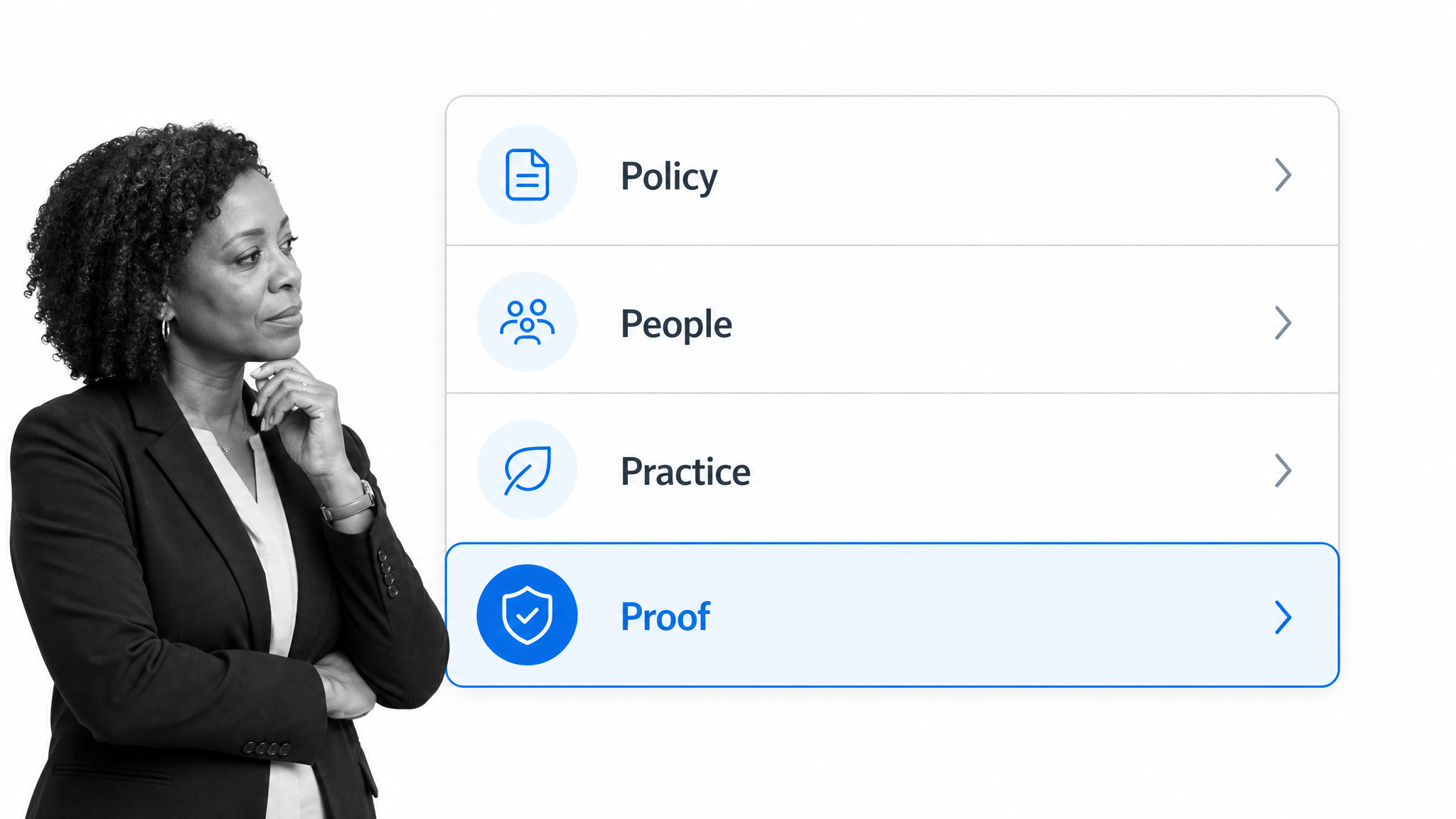
Green human resource management is the use of HR policies and practices to improve an organization’s environmental performance. It applies environmental thinking throughout the employee lifecycle, from job design and green recruitment to onboarding, learning, performance goals, rewards, participation, and offboarding.
GHRM works mostly behind the scenes. A public campaign may tell customers that a company uses less plastic, but Green HRM asks whether employees have the policy, skills, time, equipment, authority, and feedback needed to reduce waste in the first place. It turns an external promise into internal behavior.
The field is related to sustainable human resource management, but the terms are not identical. Sustainable HRM takes a broader view of long-term social, environmental, and economic outcomes. GHRM focuses specifically on the environmental dimension and the workforce practices that support it.
This matters for talent as well as environmental performance. Employees increasingly expect purpose and ethics to show up in real decisions, not just recruitment copy. They can quickly spot a gap between what a company says and what managers reward. Credible GHRM closes that gap by linking goals to governed work.
For a broader look at the business effects, see these Green HRM impact examples and this guide to corporate sustainability.
Best practices to boost your GHRM
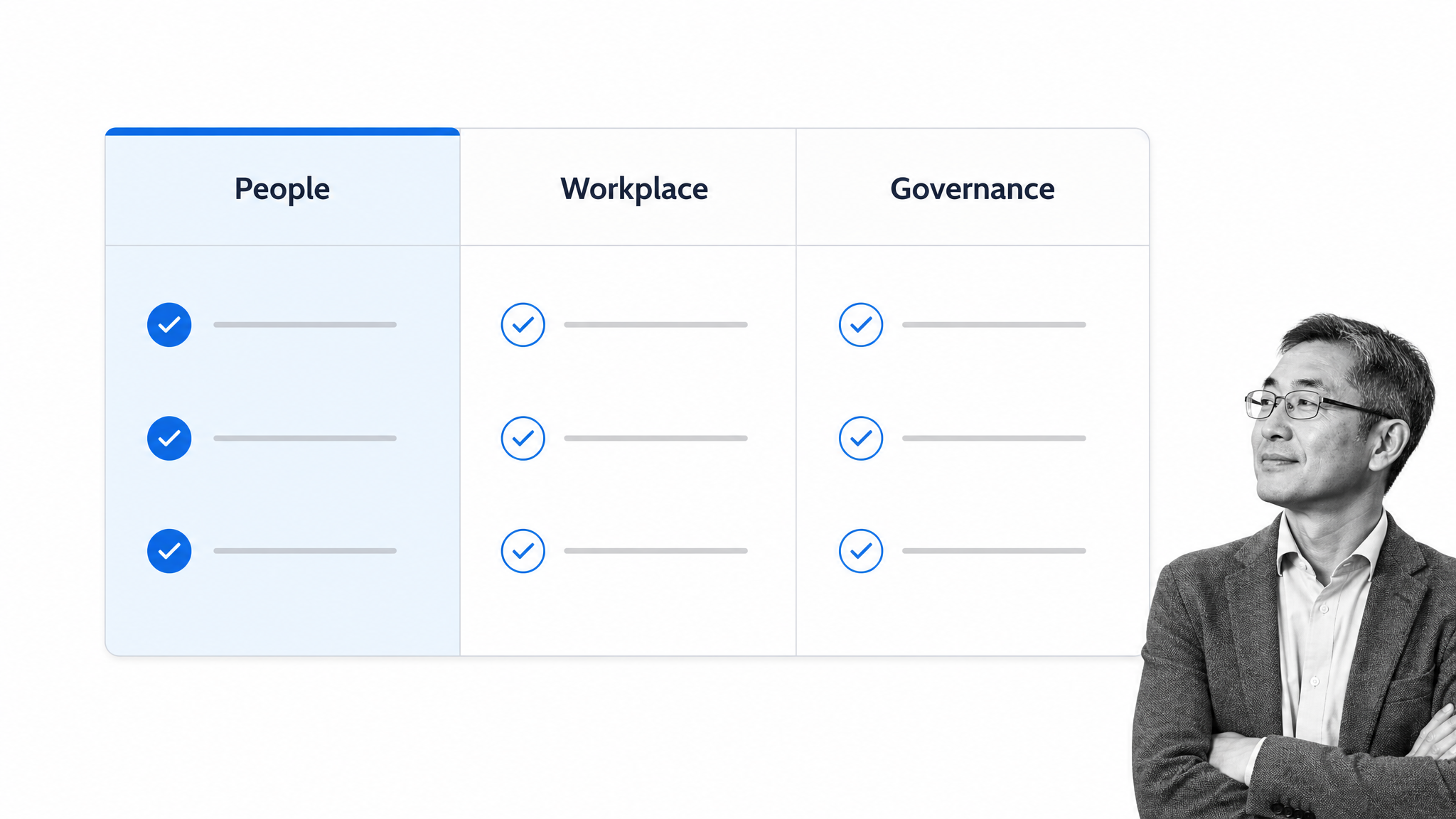
There is no single seed that grows a green organization. Effective GHRM is a bundle of mutually reinforcing practices across people, workplace operations, and governance. Start with the areas where employees have the most influence, then connect them to owners and evidence.
1. Act with environmental intentionality
Intentionality means deciding what the organization will change, who owns the work, what evidence proves it happened, and how leaders will respond when results fall short. Without those elements, environmental language can drift into greenwashing.
A 2021 Changing Markets Foundation audit remains a useful warning. It found widespread problems with fashion brands’ sustainability claims and guidance. Treat it as a dated industry snapshot, not a timeless scorecard. The enduring lesson is that claims need substantiation and must match internal decisions.
Write environmental objectives into governed policies, give each objective a named owner, define a baseline and target, and set a review cadence. The ISO 14001:2026 environmental management standard reinforces leadership, governance, value-chain thinking, measurable outcomes, and continual improvement. The UK Green Claims Code also provides a practical test for clear, accurate, and supportable claims.
2. Nurture your employees’ engagement

Every environmental initiative will struggle unless employees support it. The simplest way to get their support is to give them your support. Give people clear ways to ask questions, report barriers, suggest improvements, and join environmental initiatives early.
Get them involved in the early stages of the decision-making process. Get their ideas and feedback on proposed initiatives, practices already in place, and what direction future initiatives should take. What suggestions do they have for making their own spaces more eco-friendly?
Find out what charities and organizations your employees are already involved with and organize donations, sponsorships, or even company-wide volunteer days. Close the loop by explaining what was accepted, what needs more evidence, what will be piloted, and why an idea was declined. When employees have a sense of ownership over a project or process, they’re automatically more invested in its success.
3. Build sustainability into HR policies
Re-evaluate your current policies around recruitment, hiring, and development. Are you actively seeking out eco-friendly job seekers? How sustainable are your recruitment methods? Job descriptions can name relevant environmental responsibilities. Recruitment can reduce avoidable paper and travel where practical. Onboarding can explain local waste, energy, travel, and purchasing expectations. Learning plans can build the competence needed for higher-impact roles.
Assign owners and review dates instead of treating the policy as a finished document. Involve worker representatives, facilities, environment, health and safety, compliance, and operations when their work is affected. Each policy should clarify responsibilities, required training, approvals, exceptions, and the evidence employees need to retain.
An employee development plan is a useful place to connect role-specific green skills with coaching and progression. The goal is not to add a vague sustainability sentence to every job. It is to make the right behavior possible and expected in the roles that influence environmental outcomes.
4. Make workspaces and work practices greener
This is a no-brainer. You want your supply chain, manufacturing, and other external operations to be sustainable, but you need to make it a daily habit at work, too. Use energy-efficient lightbulbs and equipment. Create a paperless office where it reduces waste. Reduce the amount of water and other resources consumed in the office. An energy management process can turn broad reduction goals into inspections, owners, corrective actions, and review evidence.
Employees also need visible, convenient infrastructure. Put clearly labeled collection points where waste is produced. Make lower-impact travel options practical. Give teams guidance for purchasing and equipment use. Where workplace design is in scope, World Green Building Council guidance connects healthier, more resilient buildings with wellbeing and productivity.
A greener workplace is not created by asking people to remember more. It is created by removing friction so the desired action is easier than the wasteful default.
5. Make goals transparent and people accountable
Transparency is important when it comes to greenwashing, but also in terms of your organization’s progress on its sustainability goals. Employees should know the goal, the baseline, the owner, and the latest result. Establish an effective communication platform so employees, clients, and other stakeholders are kept informed and up-to-date on what you’re doing to reach those goals and how well it’s going.
Transparency needs context. Explain what changed, which data source was used, and what the team will do next. If a target is missed, name the corrective action rather than hiding the result. If the data is uncertain, say so and improve the collection method.
Accountability runs upward as well as downward. Leaders must approve resources, resolve cross-functional barriers, and model the behavior they expect. Managers should coach and correct. Employees should complete assigned work and report exceptions. That division of responsibility keeps environmental performance from becoming nobody’s job.
6. Incentivize pro-environmental behaviors
People respond to a mix of purpose, access, social norms, feedback, and recognition. Rewards can help, but they should reinforce a behavior employees are actually able to perform. In addition, the easier something is, the more likely people are to do it. Motivation alone isn’t always enough to get everyone using eco-friendly actions.
Cost, lack of information, or lack of facilities can all act as barriers for sustainable action, even for the most environmentally conscious person. For example, littering is more likely when trashcans aren’t available, public transport is impractical if service is too unreliable, and lower-impact products are often unavailable or too costly for everyone to access.
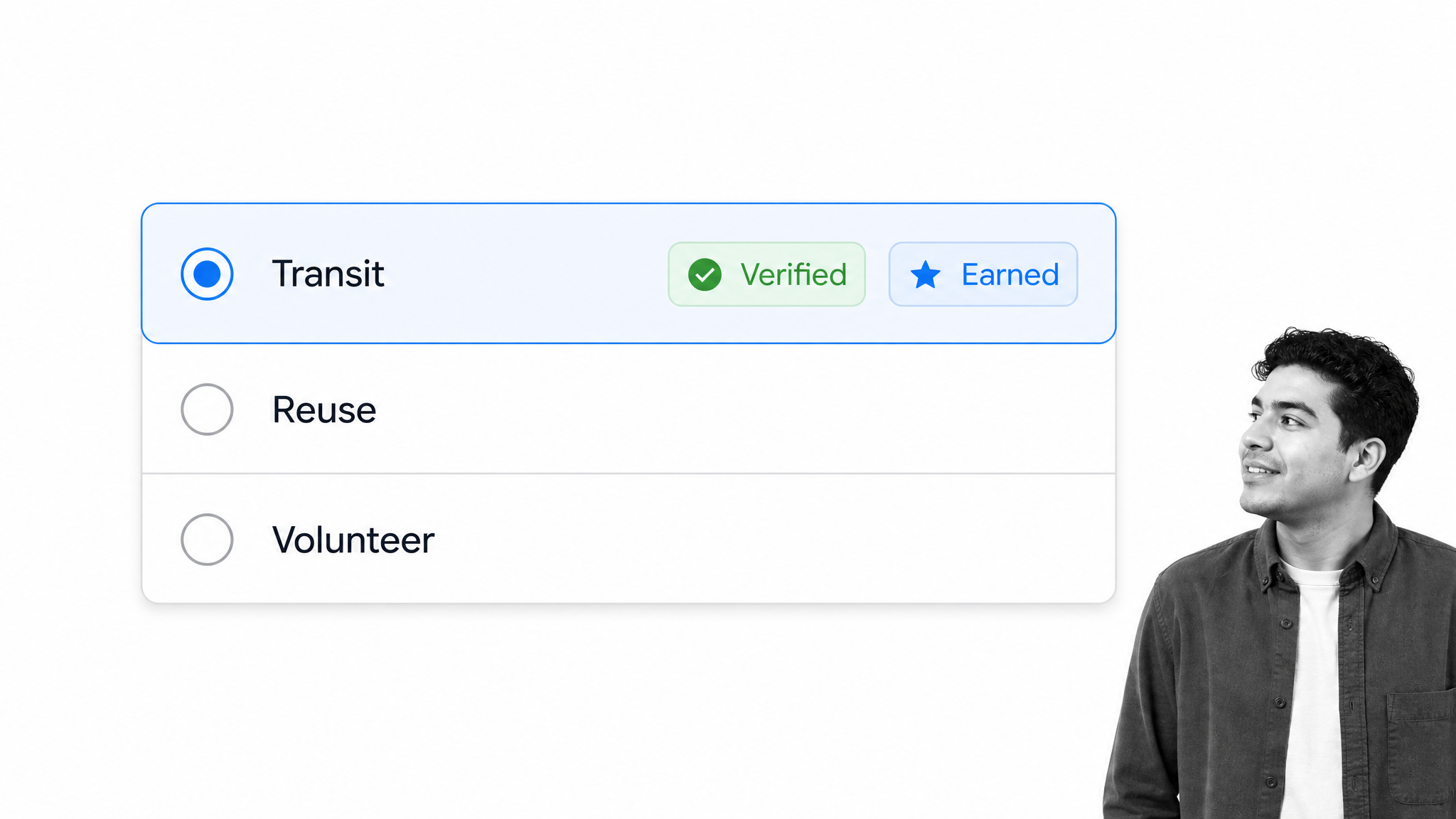
Start by removing those barriers. Then use mechanisms appropriate to the behavior: public recognition, team goals, bicycle loans, subsidized transit, volunteer time, skill credentials, or a modest reward for a verified improvement. Keep the rules clear so employees know what qualifies and how it is confirmed.
Recognition should celebrate contribution without encouraging gaming. Record the action and evidence, use an employee acknowledgment process where appropriate, and periodically check whether the incentive is still producing the environmental outcome you intended.
7. Encourage employee-led green innovation
Recycling and energy conservation are important, but employees closest to the work often see opportunities that policy owners miss. Invite them to ask, “What if?” Then give that question a controlled path from idea to evidence.
Find out what experiences and projects employees bring to the table and learn from them. “What if?” is one of the most powerful questions available. Use it, then give it a controlled pilot with a problem statement, a proposed environmental outcome, an owner, a small test group, a time box, cost and risk limits, and a measure of success.
This approach protects creative energy without turning every suggestion into a permanent program. It also fits a sound environmental management process: employees can experiment, while leaders retain visibility, approval, and control.
8. Measure environmental actions and results
Establish goals. These should be challenging, achievable, and, most importantly, measurable. Naturally, there will be public, company-wide sustainability goals, but there should also be individual, internal goals for teams, employees, and managers to achieve. Start with a reliable baseline, a named owner, and a data source. Combine leading indicators, such as training completion or completed inspections, with lagging indicators, such as energy use, waste volume, or verified emissions.
People like concrete, tangible results. They like to know they’re making progress, that their actions have purpose, and that their skills and abilities are valued. Define the review cadence and what triggers an approval, escalation, or corrective action. Keep the evidence that supports each result. Current GRI Standards provide a useful reporting context, including GRI 101 for biodiversity and the climate and energy standards that become effective in 2027. This GRI standards guide explains how structured reporting supports accountability.
Process Street is a Compliance Operations Platform that connects environmental policy to day-to-day execution. Teams can govern policies and procedures in Docs, run required work through Ops, and use built-in AI to identify gaps and improve performance. Its HR workflow software keeps tasks, approvals, exceptions, and evidence tied to the process that produced them.
9. Embed green behavior in company culture
This is not so much a best practice as a culmination of the previous eight best practices. Culture is where the earlier practices bear fruit. Sustainability needs to be an integral part of everything that happens in your organization, so employees stop treating pro-environmental behaviors as an extra program and start recognizing them as “the way we do things here.”
Leaders cannot ask teams to reduce unnecessary travel while rewarding constant travel as a sign of commitment. Managers cannot praise waste reduction while routinely approving avoidable waste to save a few minutes. People learn which values matter by watching decisions, especially when those decisions carry a cost.
While some aspects of company culture do “just happen” on their own, it takes intentionality and effort to cultivate those aspects and focus them in the desired directions. This means leadership needs to model the desired behaviors, too. Make green behavior part of normal conversations about quality, risk, cost, and performance. A healthy green culture gives everyone a fair role in a governed system that keeps getting better.
Reaping the rewards of GHRM
Change is hard and most people don’t like it. No matter what you do or how you frame it, you’re going to come up against resistance, and there will be teething problems. Many a manager has pulled the plug on a new initiative too soon due to initial resistance, but if you learn from those signals, the seeds of your efforts can sprout.
While it is crucial that green initiatives are grown from the bottom-up, you also need top-down support. During the early stages, leadership and senior managers must actively support green management policies. Seeing anything through to fruition is a process, and everyone has their part to play.
Leadership needs to set clear expectations and communicate them effectively throughout the organization. Managers and supervisors need to prioritize coaching and training so employees have the skills to meet those expectations. Employees need to understand what’s expected of them, have the resources to fulfill those expectations, and feel like their contributions are valued.
Start small, be realistic about what you hope to achieve with green initiatives, and keep those communication channels open. The more you involve employees in the beginning phases, the easier making progress will be. Choose one material environmental outcome, document the workflow, measure the baseline, and run a controlled pilot.
By doing this, employees won’t feel like the new initiatives are being done to them but by them. While those are two very small words, they carry a lot of weight when it comes to morale, commitment, and loyalty.