
Turn every policy into automated workflows with built-in enforcement and audit-ready proof.



Best Free Project Management Software: 10 Tools Compared
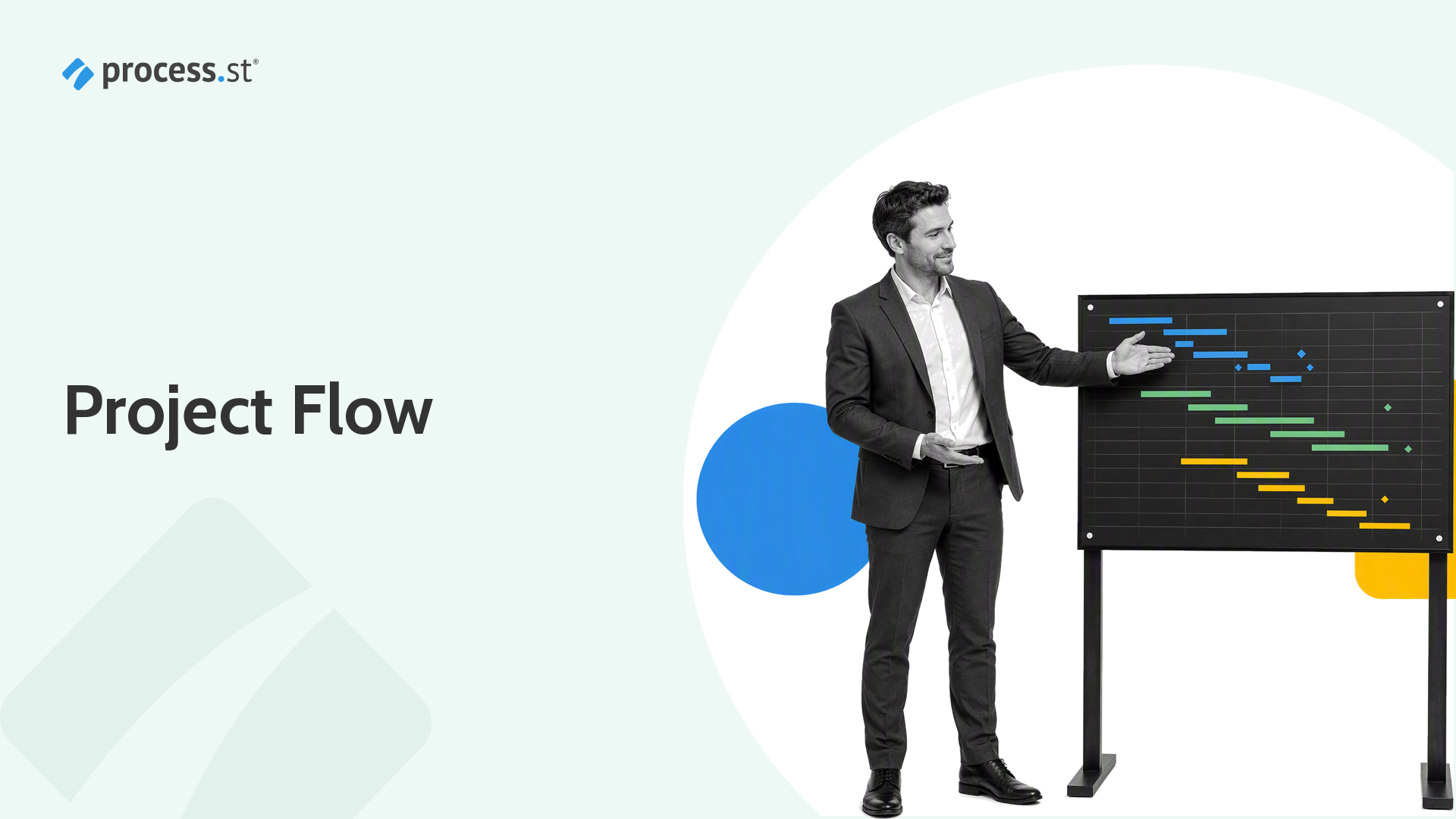
The best free project management software is the tool that fits the way your team actually works without forcing an upgrade before the pilot proves value. A generous feature list matters less than whether the free option supports your team size, preferred view, project type, and reporting needs.
For most teams, ClickUp is the broadest no-cost starting point, Trello is the simplest visual board, Asana is a clean choice for one or two collaborators, and Jira is the strongest fit for software delivery. Process Street leads this list when project work becomes a repeatable, controlled workflow with approvals, required steps, automation, and proof of completion.
Use the comparison first, then read the tool sections for the tradeoffs. Free plans change, so confirm the vendor’s plan page before moving a team or client into a new workspace.
Skip ahead:
- How did we choose these tools?
- What are the best free project management software tools?
- What features matter most?
- When should you upgrade?
- How do you choose the right tool?
- Why use Process Street for repeatable projects?
- Frequently asked questions
How did we choose these free project management tools?
The shortlist focuses on products that can support real work at no cost, not products that offer only a short demo. Process Street is the one deliberate exception because its trial lets teams test a different category of project execution: recurring workflows with built-in controls. It holds the category for teams that need work to run correctly, not merely appear on a board.
- A usable no-cost plan or, for Process Street, a clearly labeled no-credit-card trial.
- A distinct job the product handles well, such as Kanban planning, software delivery, connected documentation, no-code databases, or self-hosting.
- Enough structure to assign work, track progress, and make the next action clear.
- An upgrade path for teams that later need permissions, reporting, automation, governance, or more capacity.
- A product surface that is active and documented by the vendor.
The result is a practical shortlist, not a feature-count contest. A solo consultant, a software squad, and an operations team running regulated handoffs should not be pushed toward the same default.
A free plan should also be judged by the cost of changing course. Before committing, check whether the team can export tasks and files, whether guests count toward limits, which permissions apply, and what happens when capacity is exceeded. Include the people who will maintain the workspace after launch. A tool can look elegant in a manager’s demo and still fail if contributors cannot find their assignments or if every reporting question requires manual cleanup. The winning pilot is the one the team can operate consistently after the person who configured it steps away.
What are the best free project management software tools?
| Tool | Good fit for | Free access | Main tradeoff |
|---|---|---|---|
| Process Street | Repeatable and governed project workflows | 14-day Pro trial | Not a permanent free plan |
| ClickUp | Broad task and project management | Free Forever with unlimited tasks and free-plan members | Feature depth can require more setup |
| Trello | Simple visual Kanban planning | Up to 10 collaborators and 10 boards per Workspace | Advanced views and controls require an upgrade |
| Asana | Personal projects and very small teams | Personal plan for up to 2 users | The team limit arrives quickly |
| Notion | Projects connected to docs and knowledge | Free plan for individuals | Teams must design more of the system themselves |
| Jira | Agile software and product delivery | Up to 10 users | Can feel heavy for nontechnical work |
| Airtable | Custom project databases and lightweight apps | Free plan for individuals and very small teams | Requires thoughtful base design |
| monday.com | Visual work boards for one or two people | Up to 2 seats and 3 boards | Limited runway for a growing team |
| Zoho Projects | A single small project | 3 users, one project, and up to 5 GB of storage | Not suited to a multi-project portfolio |
| OpenProject | Open-source and self-hosted project management | Community Edition with unlimited users and projects | Your team owns deployment and maintenance |
Process Street
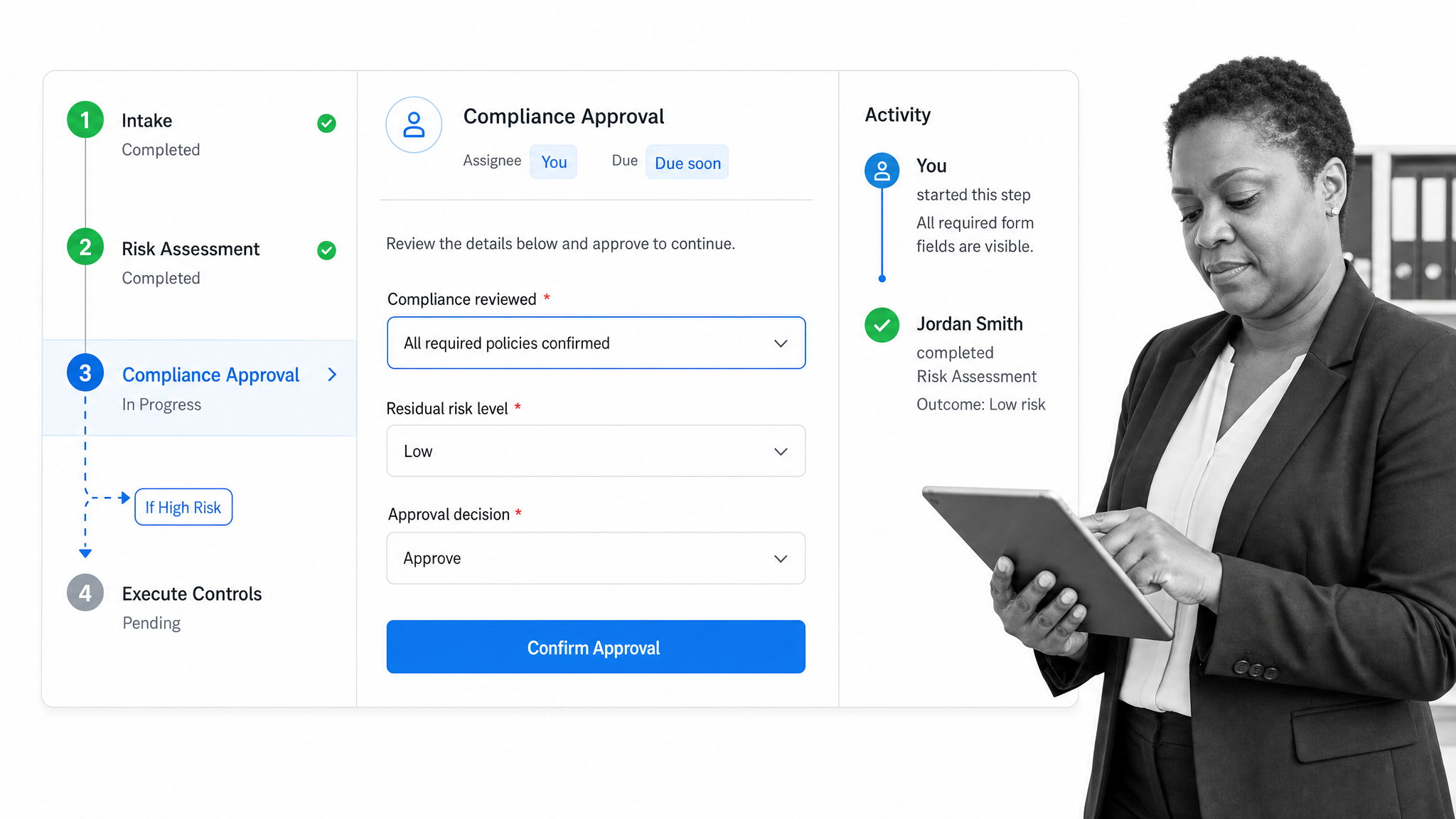
Process Street is the strongest choice here when a project is not truly one-off. It is built for work that repeats, crosses teams, requires approvals, or carries operational and compliance risk. Instead of asking people to interpret a loose project board, teams can turn the delivery path into a workflow with assigned tasks, forms, conditional routes, role assignments, scheduled runs, and enforced task order.
The 14-day Pro trial does not make Process Street a permanent free tool. It does let a team test unlimited workflows and workflow runs before buying. That is a more honest fit for onboarding, audits, client delivery, recurring launches, quality checks, and other projects where skipped steps matter.
Choose Process Street when the project must become a reliable operating system. The Projects surface coordinates tasks and deadlines, while approvals, conditional logic, and workflow automation control how the work moves.
ClickUp
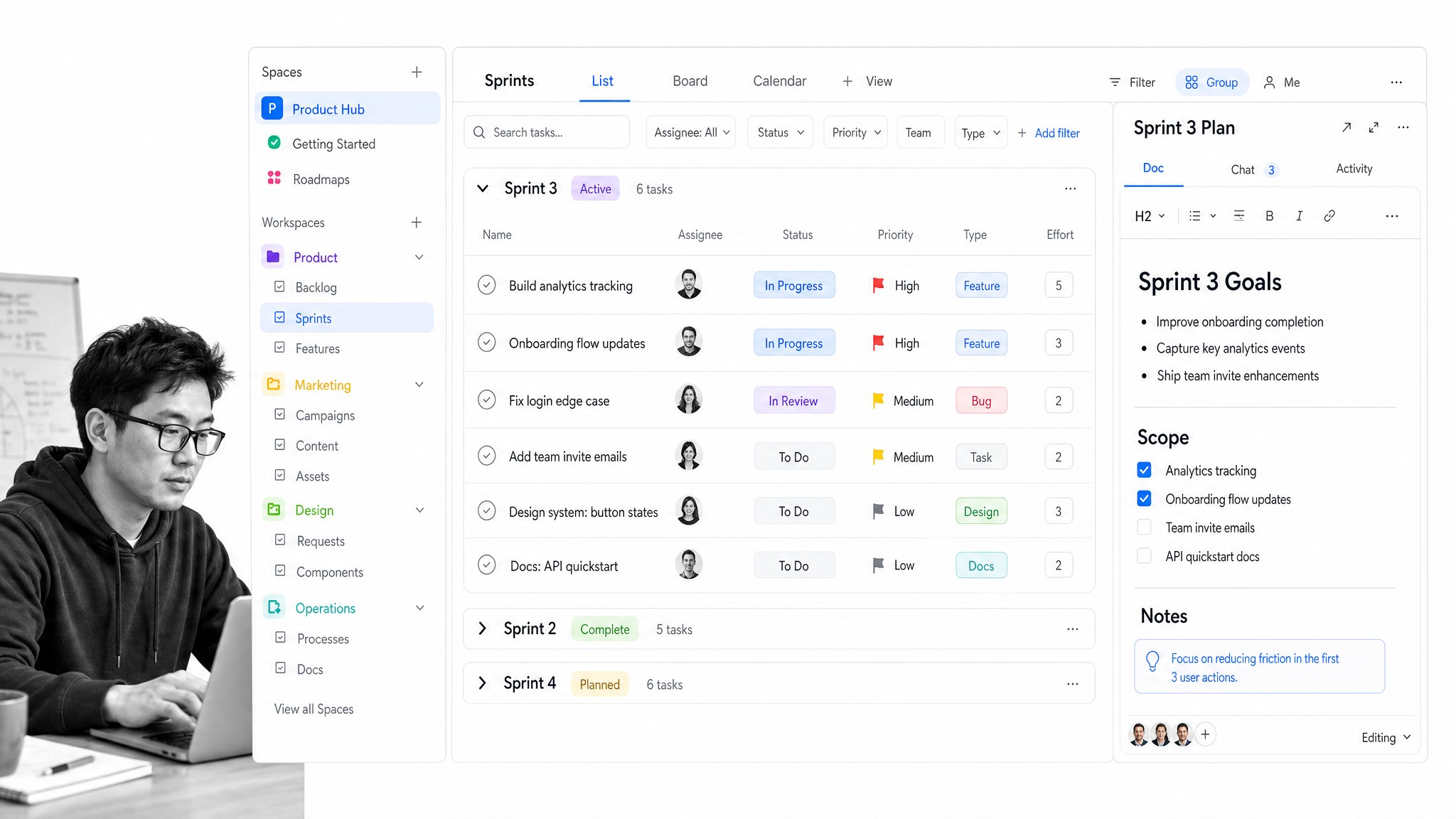
ClickUp is a broad starting point for people who want tasks, Docs, Kanban boards, sprint management, and calendar planning in one workspace. Its Free Forever plan includes unlimited tasks and free-plan members, so a team can test several working styles before deciding how much structure it needs.
Choose ClickUp when flexibility is more important than simplicity. It suits mixed teams that want one configurable workspace for day-to-day tasks, project lists, content, and delivery planning. The tradeoff is setup discipline: a workspace with too many statuses, views, and custom fields can become harder to use than the project itself.
Trello
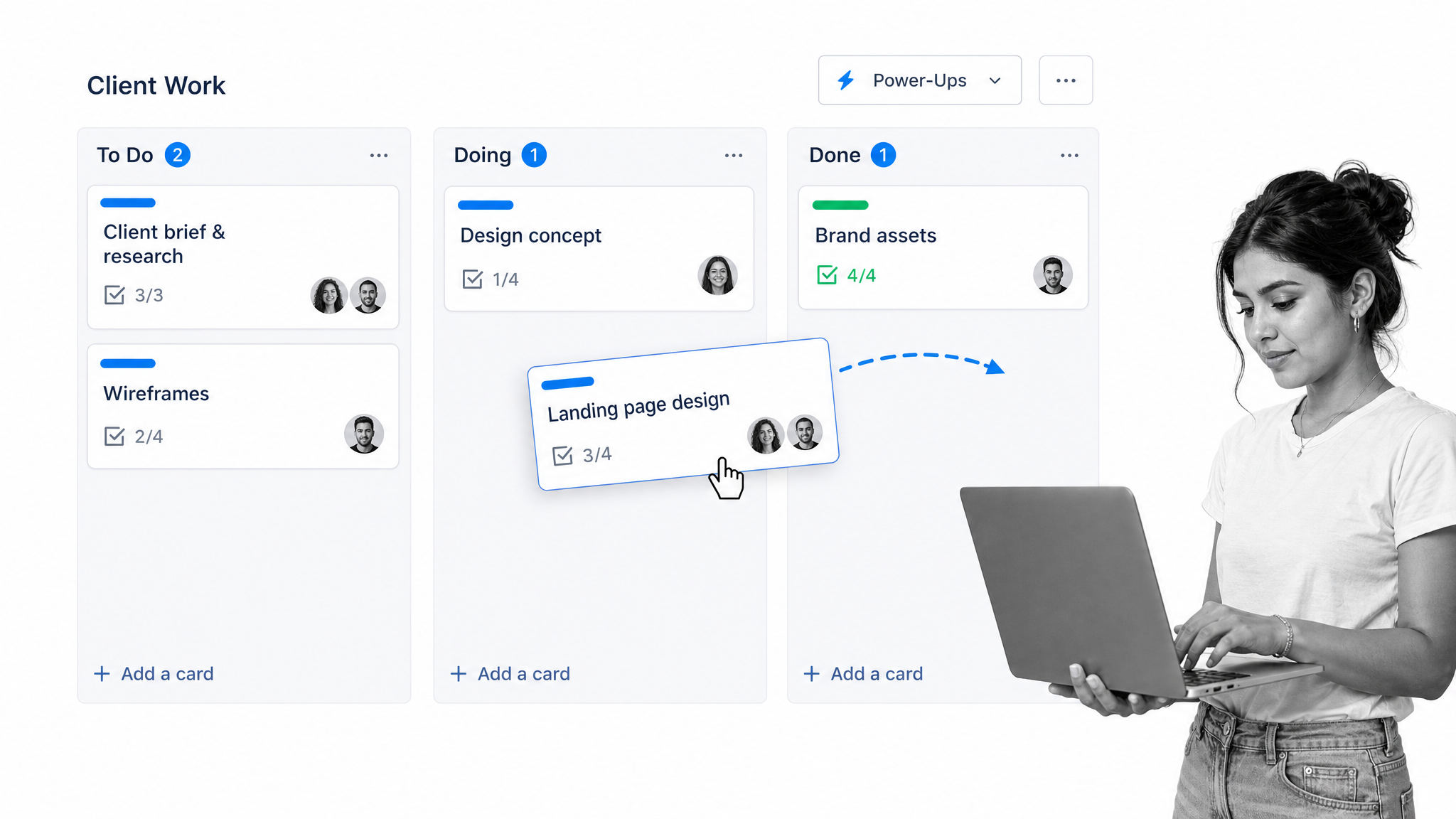
Trello remains the easiest recommendation for visual work that naturally moves through a small number of stages. Its free plan supports up to 10 collaborators per Workspace, up to 10 boards, unlimited cards, assignees, due dates, and Power-Ups per board.
Choose Trello for a clear Kanban flow such as editorial planning, a small launch, recruiting stages, or a personal pipeline. It works best when the board itself tells the story. If you need portfolio reporting, granular permissions, deeper dependencies, or several management views, the simple board model may become the limit.
Asana
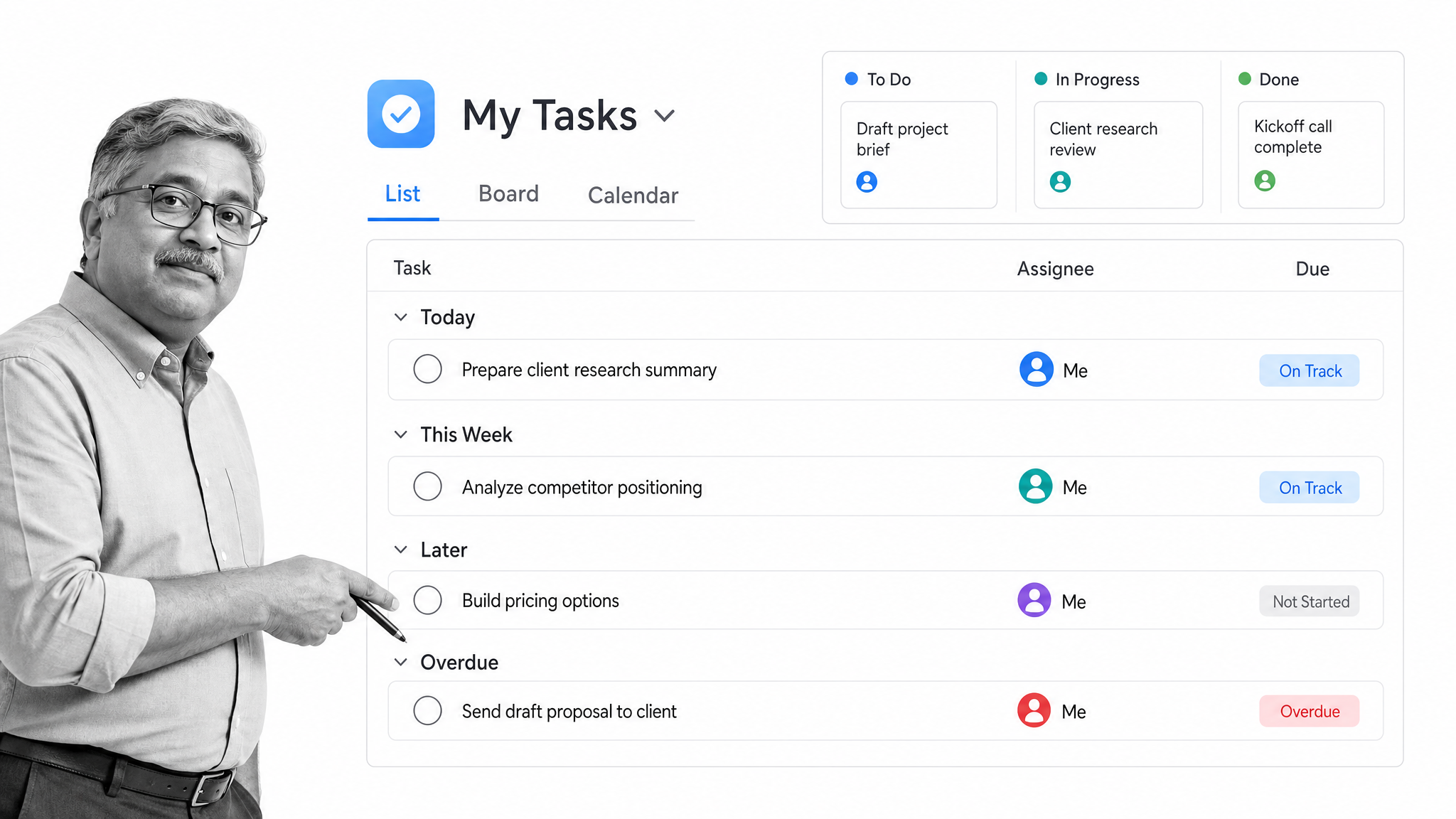
Asana gives individuals and pairs a clean task-and-project system. The Personal plan supports up to 2 users with unlimited tasks and projects, plus list, board, and calendar views. That makes it useful for a consultant and client, a founder pair, or one person managing several personal projects.
Choose Asana when you value an approachable task model and do not need a larger free team. Its strength is clarity around work, owners, due dates, and project views. The free plan becomes less compelling as soon as a third active collaborator needs access, so test the workflow with the likely long-term team size in mind.
Notion
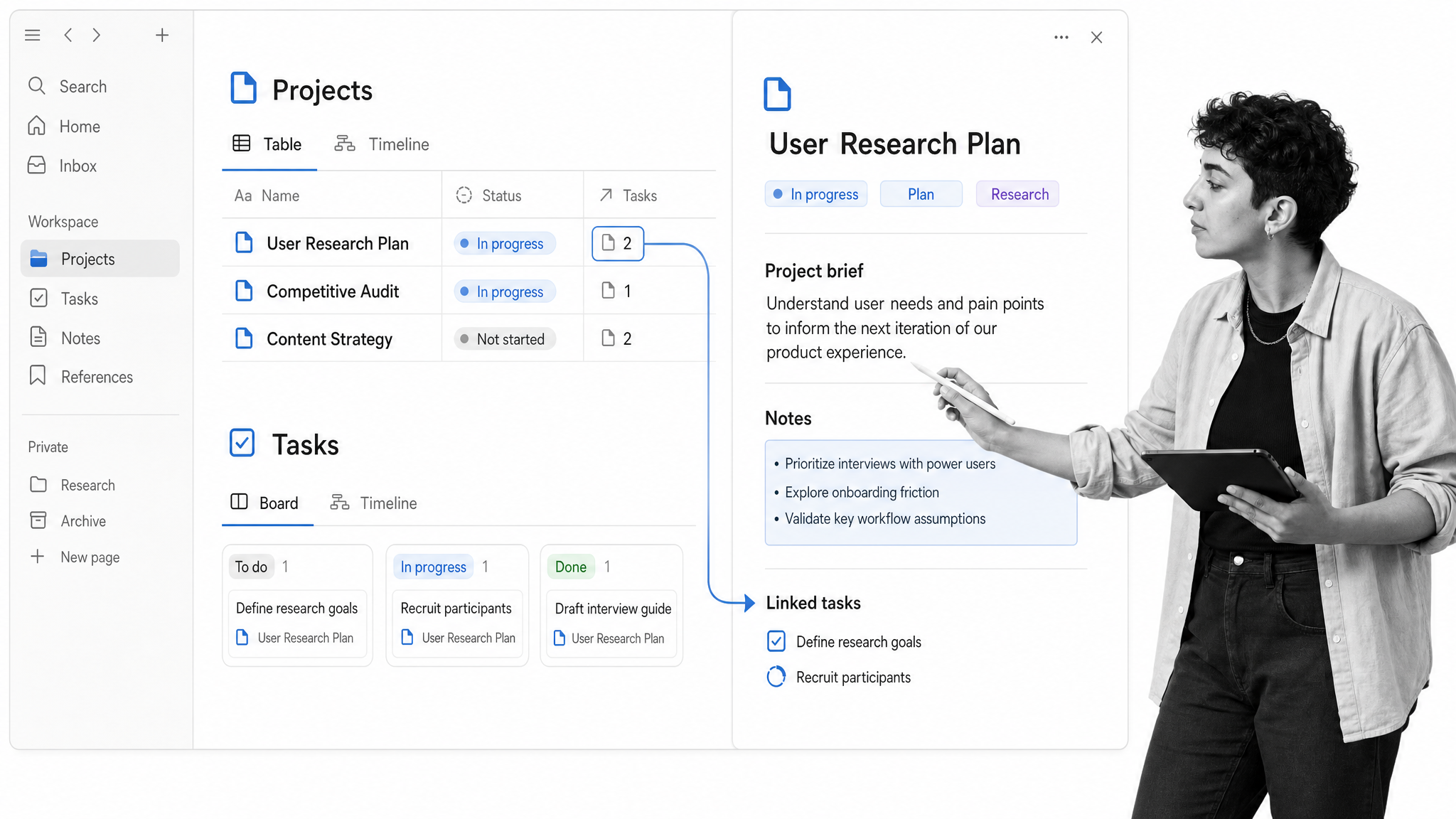
Notion is a strong fit when project context matters as much as the task list. Projects and tasks can sit beside meeting notes, briefs, wikis, and decisions. Its databases support subtasks, dependencies, custom properties, and several views, including tables, boards, and timelines.
Choose Notion for product specs, content operations, research, and client work where people repeatedly need the why behind a task. The free plan is positioned for individuals. Notion is flexible by design, which means the team must decide its own conventions for status, ownership, templates, and reporting.
Jira
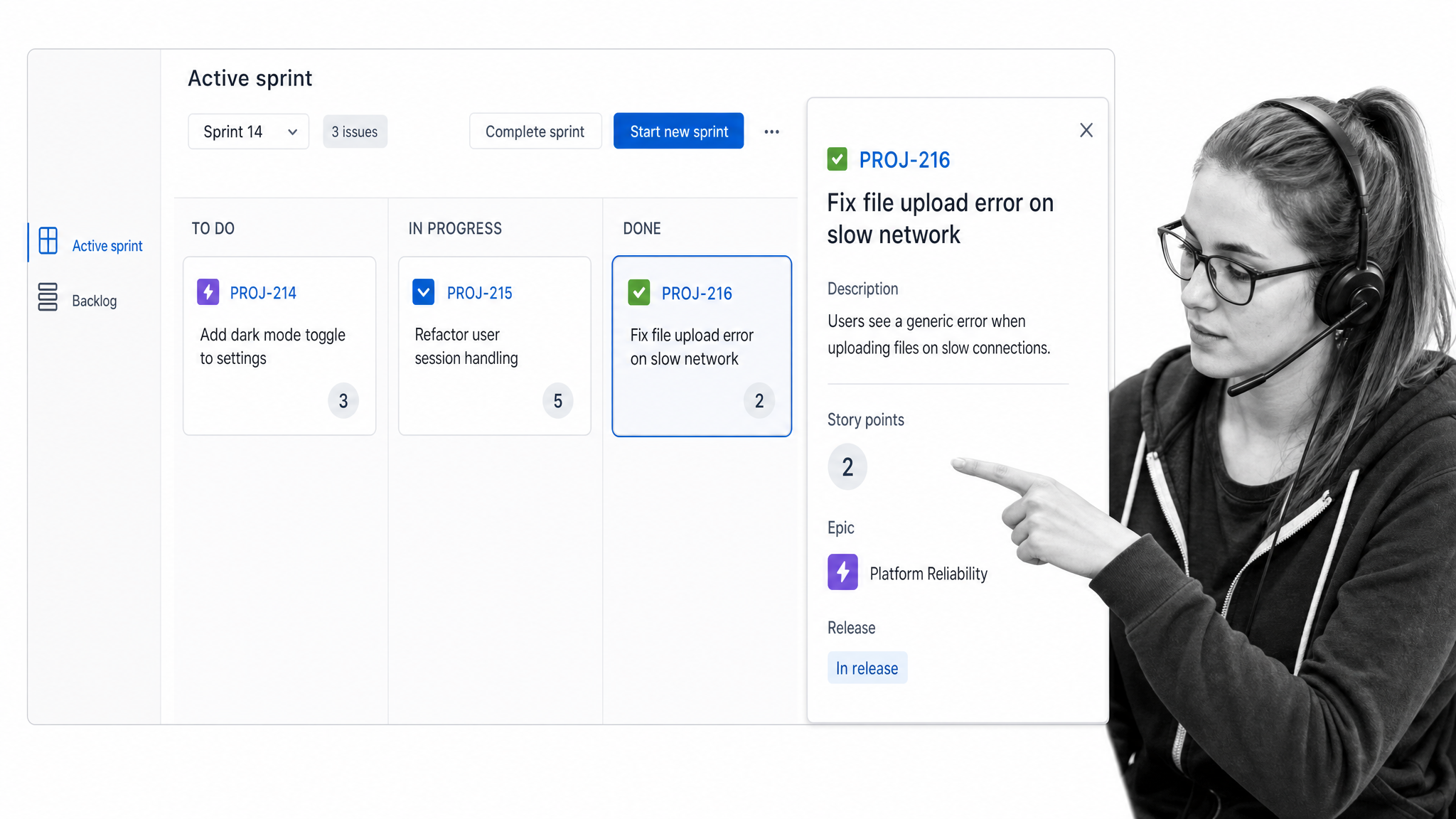
Jira is purpose-built for teams that manage backlogs, issues, sprints, and releases. Its free plan supports up to 10 users and includes unlimited goals, projects, tasks, and forms, along with backlog, list, board, timeline, calendar, summary, reports, and dashboards.
Choose Jira when the team already thinks in issues, epics, sprint work, and delivery states. It is especially useful when engineering and product need one shared record of planned and completed work. A marketing or operations team with a simple process may find the terminology and configuration heavier than necessary.
Airtable
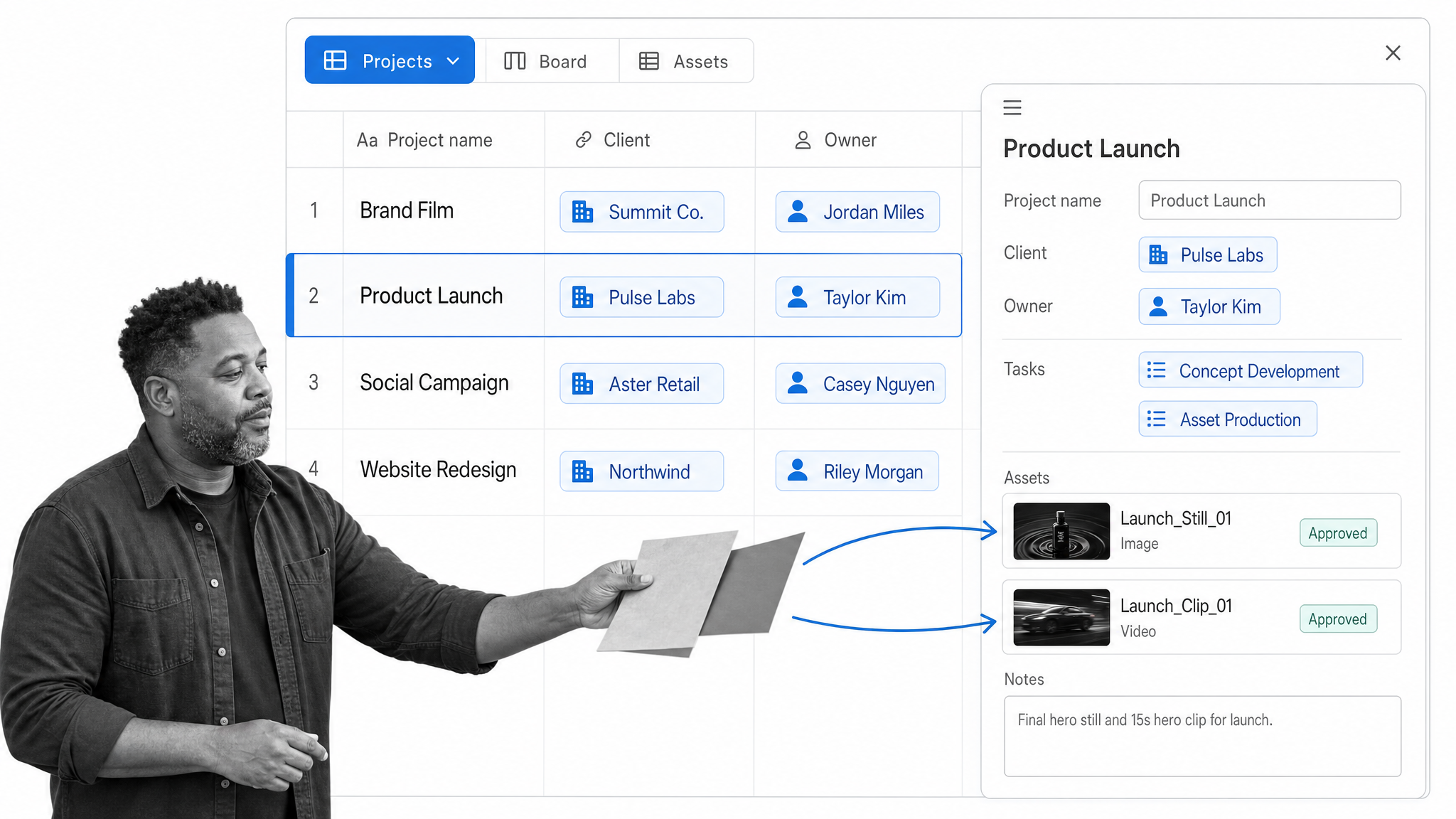
Airtable is a good project tool when the project is really a connected data problem. A team can relate projects to tasks, owners, clients, assets, campaigns, or requests, then present the same records through useful working views. The vendor positions its Free plan for individuals and very small teams with lightweight needs.
Choose Airtable when a normal task list cannot express the relationships you need. It fits production calendars, content pipelines, event planning, research databases, and lightweight internal apps. The flexibility is powerful, but a poorly designed base can create duplicate fields and competing sources of truth.
monday.com
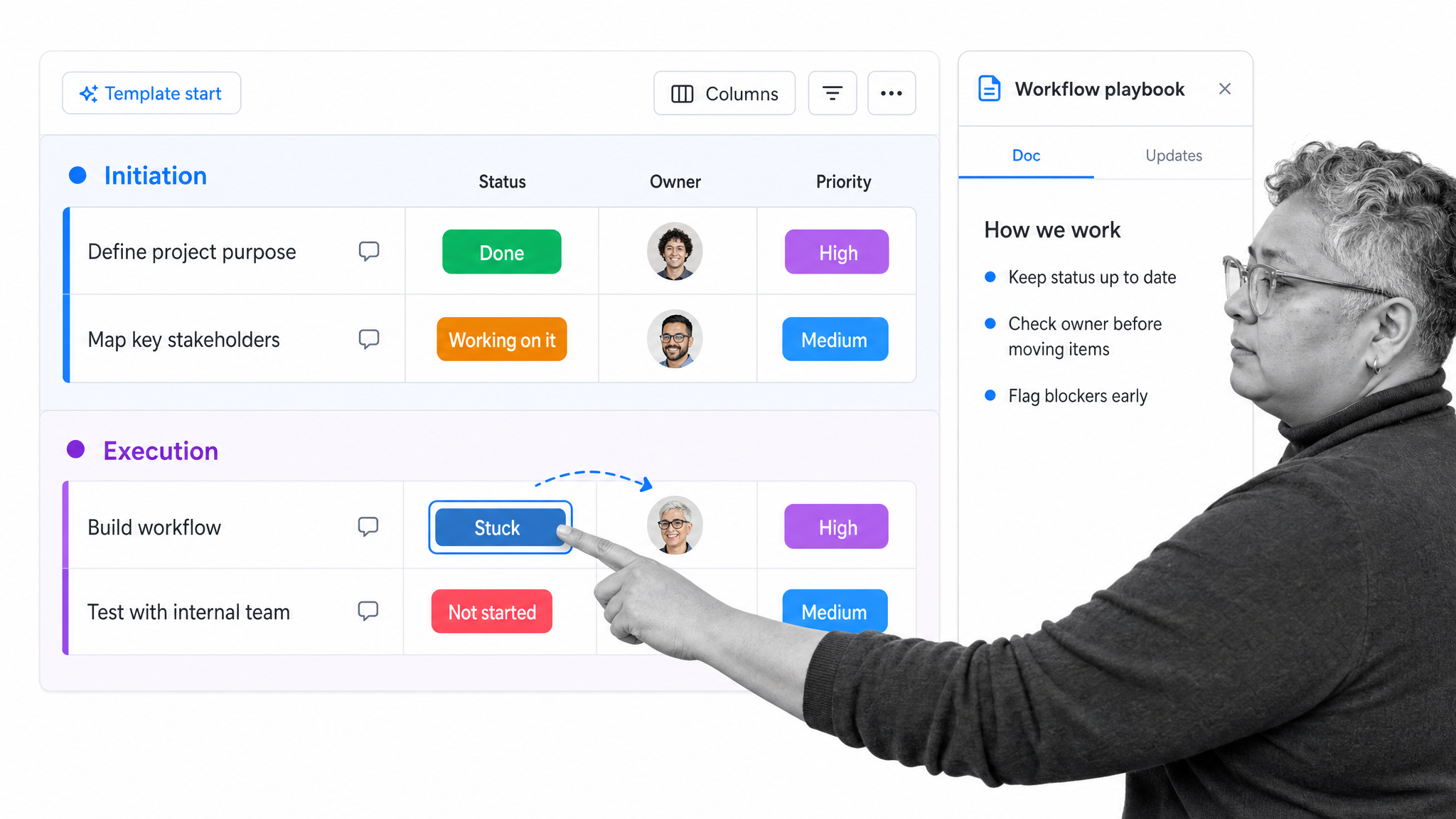
monday.com gives visual planners a configurable board with columns for status, ownership, dates, and other project data. The free monday work management plan supports up to 2 seats and 3 boards, plus Docs, templates, and mobile apps.
Choose monday.com when one person or a pair wants a polished visual workspace and a fast way to prototype how work should be organized. The free plan is intentionally narrow, so it works better as a personal or two-person operating surface than as a long-term home for a growing team.
Zoho Projects
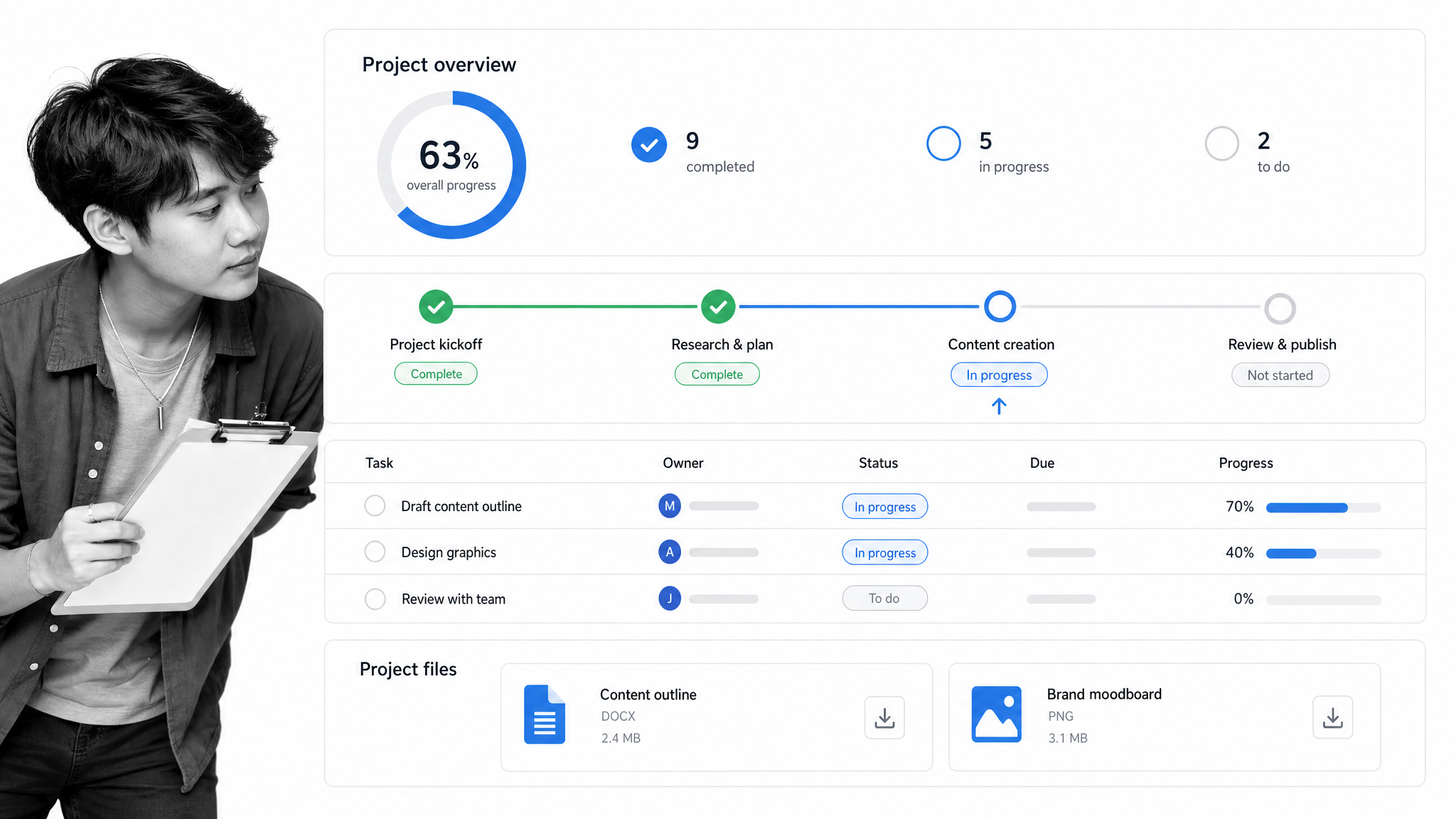
Zoho Projects offers a focused free option for 3 users managing one project, with up to 5 GB of file storage. That boundary is easy to understand and makes the product suitable for a small pilot, a student project, or a compact client engagement.
Choose Zoho Projects when one active project is enough and you want a recognizable project-management structure. Teams managing several concurrent projects will reach the free limit quickly. That can still be useful because it forces a clean evaluation before data and habits spread across a larger portfolio.
OpenProject
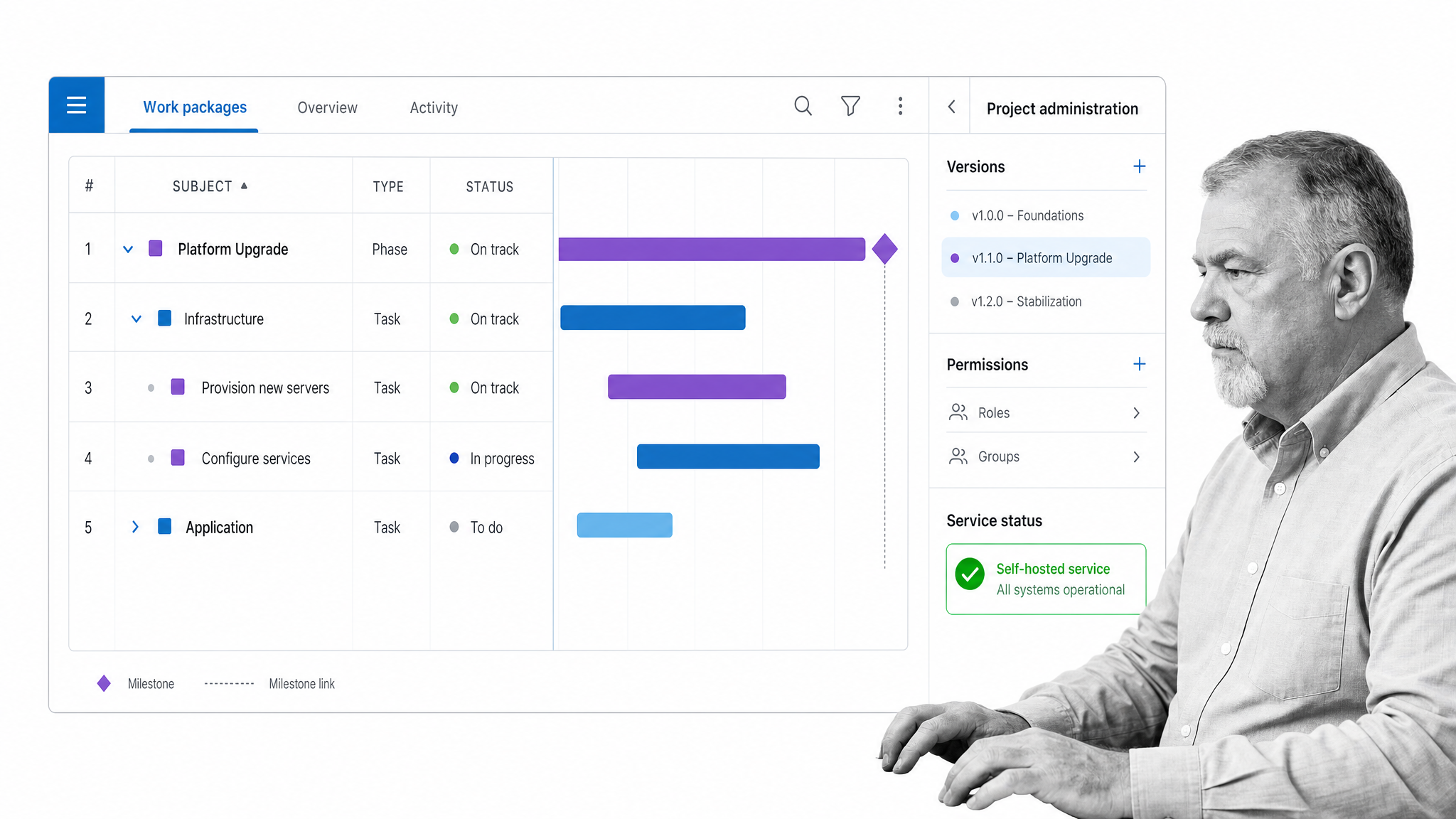
OpenProject Community Edition is the clearest option for teams that want free, open-source project management and are willing to run the software themselves. The Community Edition is free of charge with unlimited users and projects.
Choose OpenProject when control over hosting, configuration, and data matters more than a turnkey SaaS experience. It can suit technical organizations, public-interest teams, and self-hosting environments. The software cost is not the full operating cost, because deployment, upgrades, backups, security, and support remain your responsibility.
What features matter most in free project management software?
Start with the work pattern, then check the feature list. The right free tool should make the next action obvious and preserve enough context that the team does not need a second system to explain every task.
- Task ownership and due dates: Every meaningful item needs a clear owner, state, and expectation.
- Useful views: Choose board, list, calendar, timeline, or database views based on how the team plans and reviews work.
- Dependencies and blockers: The tool should show when one task cannot start until another finishes.
- Collaboration in context: Comments, files, notes, and decisions should stay close to the work they affect.
- Reusable structure: Templates and repeatable workflows matter when the same project pattern returns.
- Controls and evidence: Approvals, required fields, task order, history, and audit records matter when quality or compliance is at stake.
- Migration and export: A free tool should not trap the team if the pilot succeeds or the product stops fitting.
For reusable operating work, study the difference between workflow management and basic project tracking. A project board shows what is happening. A managed workflow also defines how it should happen, who can approve it, what information is required, and what proves completion.
When should you move from free project software to a paid platform?
Upgrade when the free plan changes team behavior in damaging ways. A user limit is only one signal. The stronger signals are workarounds: people share logins, approvals move into chat, managers rebuild reports by hand, permissions become too broad, or teams split one process across several disconnected workspaces.
- The active team exceeds the free user or seat limit.
- Critical work needs permissions, single sign-on, audit history, or administrative control.
- Manual status reporting consumes more time than the subscription would cost.
- The project pattern repeats and needs automation, forms, conditional routes, or scheduled runs.
- Clients, regulators, or leaders need reliable evidence of who completed or approved each step.
- The free system cannot support the number of projects, records, boards, files, or integrations in normal use.
Do not upgrade simply because a vendor presents a long feature comparison. Upgrade because a verified operating constraint is costing time, increasing risk, or weakening delivery.
How do you choose the right free project management software?
Run the choice as a small operational test. Pick one real project that is important enough to expose friction but safe enough to move. Use the same project brief, task set, and review questions in each finalist.
- Write down the project type, team size, required views, approval points, and reporting needs.
- Eliminate any product whose free access cannot support the real pilot team.
- Build the same project in two finalists instead of browsing feature pages for hours.
- Invite the people who will update the work, not only the manager choosing the tool.
- Run one complete cycle from intake to close and record every workaround.
- Choose the tool that reduces ambiguity and follow-up while keeping the system maintainable.
If you need a starting structure, Process Street’s project management templates cover planning, delivery, change requests, reporting, retrospectives, and specialized project types. Templates are most valuable when the team adapts them to its real owners, decisions, and completion criteria.
Why use Process Street when projects become repeatable?
Traditional project management is optimized for temporary work. Operations teams often discover that the supposedly temporary project happens again: every customer onboarding, site launch, vendor review, audit, implementation, or monthly close follows a recognizable pattern.
That is where Process Street holds the category. It turns the project plan into an executable workflow. Tasks can be assigned by role, required information can be collected at the correct step, branches can adapt the path, approvals can happen inside the workflow, and automation can move data or trigger the next action. The result is not another status surface. It is controlled execution with a record of what happened.
Use free project software to explore the shape of the work. Move to a project management and workflow platform when the organization needs the work to run consistently across people, teams, and repeated cycles.
Frequently asked questions
What is the best free project management software for a small team?
ClickUp is a broad no-cost option, Trello works well for simple Kanban planning, Jira fits small software teams, and OpenProject fits teams that can self-host. The right choice depends on team size, project type, required views, and how much setup the team can maintain.
What is the easiest free project management software to use?
Trello is usually the simplest starting point for visual work because cards move through a small set of board stages. Asana is also approachable for an individual or pair that prefers lists, boards, and calendars.
What should a free project management tool include?
At minimum, look for task ownership, due dates, status tracking, collaboration in context, and a view that matches how the team plans work. Repeatable or high-risk work may also need templates, approvals, required fields, automation, permissions, and history.
Should a business use free project management software for sensitive work?
Review the vendor’s security, access-control, retention, and support documentation before placing sensitive work in any free plan. Advanced administrative and governance controls are often tied to paid tiers, so verify the exact plan rather than assuming the product-level feature list applies.
What is the difference between free and open-source project management software?
A free SaaS plan is hosted by the vendor and usually limits capacity or advanced features. Open-source software provides source access and may support self-hosting, but the team becomes responsible for deployment, maintenance, backups, upgrades, and security.