

Turn every policy into automated workflows with built-in enforcement and audit-ready proof.



The Best Pipefy Alternatives for Process Management

If you are looking for a process management tool that goes beyond what Pipefy offers, you are in good company. Pipefy is a capable platform for building no-code workflows and automating approvals, but it is not the right fit for every team. Some want a gentler learning curve, some want stronger reporting, and some simply want a single, structured place to run the same processes the same way every time.
The stakes are real: more than 40% of workers say they spend at least a quarter of their week on manual, repetitive tasks, according to a workplace automation survey. The right workflow management software gives that time back. Below are eight of the strongest Pipefy alternatives, what each does best, and how to pick the one that fits your team.
- What does Pipefy do, and where does it fall short?
- How do you choose a Pipefy alternative?
- The best Pipefy alternatives for process management
- How do you get the most out of a Pipefy alternative?
- Frequently asked questions
What does Pipefy do, and where does it fall short?
Pipefy is a process automation and orchestration platform. Teams use it to build no-code workflows, standardize requests and approvals, and connect the steps of a business process such as procurement, HR onboarding, or customer service. More recently it has leaned into AI agents that help run and route work. In the language of business process management, it aims to make repeatable work consistent and automated.
That approach works well for many teams, but a few recurring frustrations lead people to explore alternatives:
Learning curve
Pipefy is powerful, and that power comes with complexity. New team members can take time to get comfortable with how pipes, phases, and cards fit together, which slows down adoption for less technical users.
Customization and interface
Pipefy offers customization, but some users find the visual experience and layout options limiting, and moving cards between phases can feel constrained. Teams that want a more flexible or more visual workspace often look elsewhere.
Reporting and search
Pipefy includes reporting and analytics, yet teams managing a large number of processes sometimes want deeper dashboards and a stronger search experience to find specific records quickly and measure workflow performance.
Support and scaling cost
As usage grows across more pipes and users, some teams reassess the balance of cost, support responsiveness, and value, and they compare Pipefy against alternatives that fit their budget and support expectations.
How do you choose a Pipefy alternative?
The best alternative is the one that matches how your team actually works. Buyers comparing options on directories like G2 tend to weigh the same five factors. Use them as a checklist:
Workflow automation and AI
Look for a tool that automates repetitive steps and triggers actions based on events, such as a new request or a due date. Increasingly, that also means AI-assisted automation that can draft, route, and check work for you.
Customizable workflows
Your processes are not generic, so your tool should not be either. Prioritize platforms that let you tailor workflow templates, add conditional logic, and adapt steps without engineering help.
Reporting and analytics
Choose software that gives you dashboards and custom reports so you can see where work stalls, hold owners accountable, and improve the process over time.
Integrations
Pick a tool that connects cleanly with the apps you already rely on for messaging, storage, and data, so work flows between systems instead of being copied by hand.
Ease of use and onboarding
A tool only helps if people use it. Favor a platform your team can learn quickly, so adoption is fast and the switch away from Pipefy pays off sooner.
The best Pipefy alternatives for process management
Here are eight strong alternatives, starting with the most structured option for teams that run the same processes again and again.
Process Street
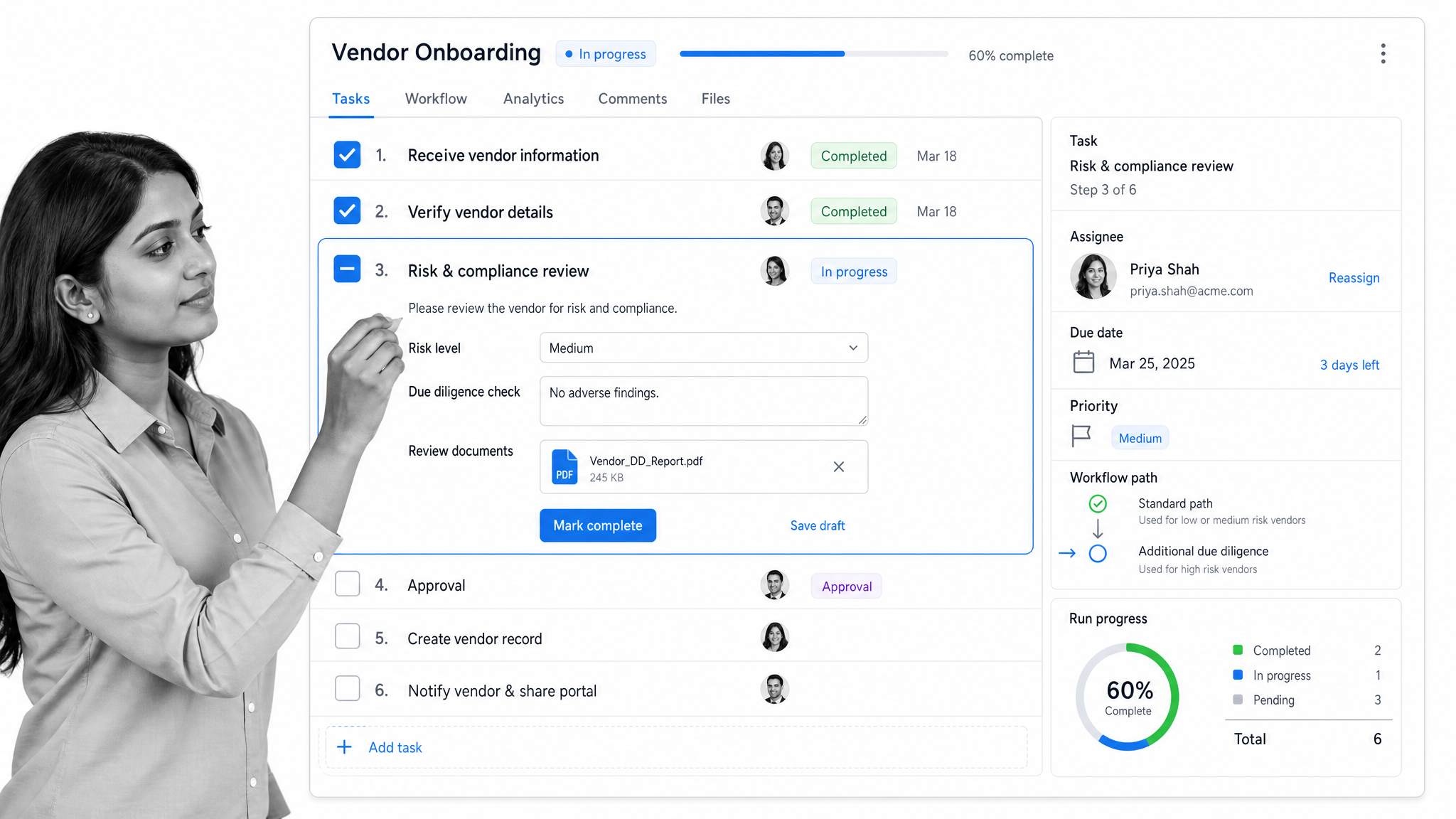
Process Street is an AI-powered workflow and process management platform built for the work you do over and over. Unlike Pipefy, it centers on turning a recurring process into a clear, repeatable checklist-style workflow that anyone can follow, with a drag-and-drop builder that needs no code.
Under the hood it offers conditional logic that adapts each run to the situation, role-based task assignment, approvals, and an AI assistant that helps you build and run workflows. Real-time dashboards and reporting give managers visibility into who is doing what and where work is stuck, so nothing slips through the cracks.
For teams that value structure, accountability, and audit-ready tracking, Process Street is the most approachable and dependable Pipefy alternative, pairing an easy interface with genuinely powerful automation.
monday.com
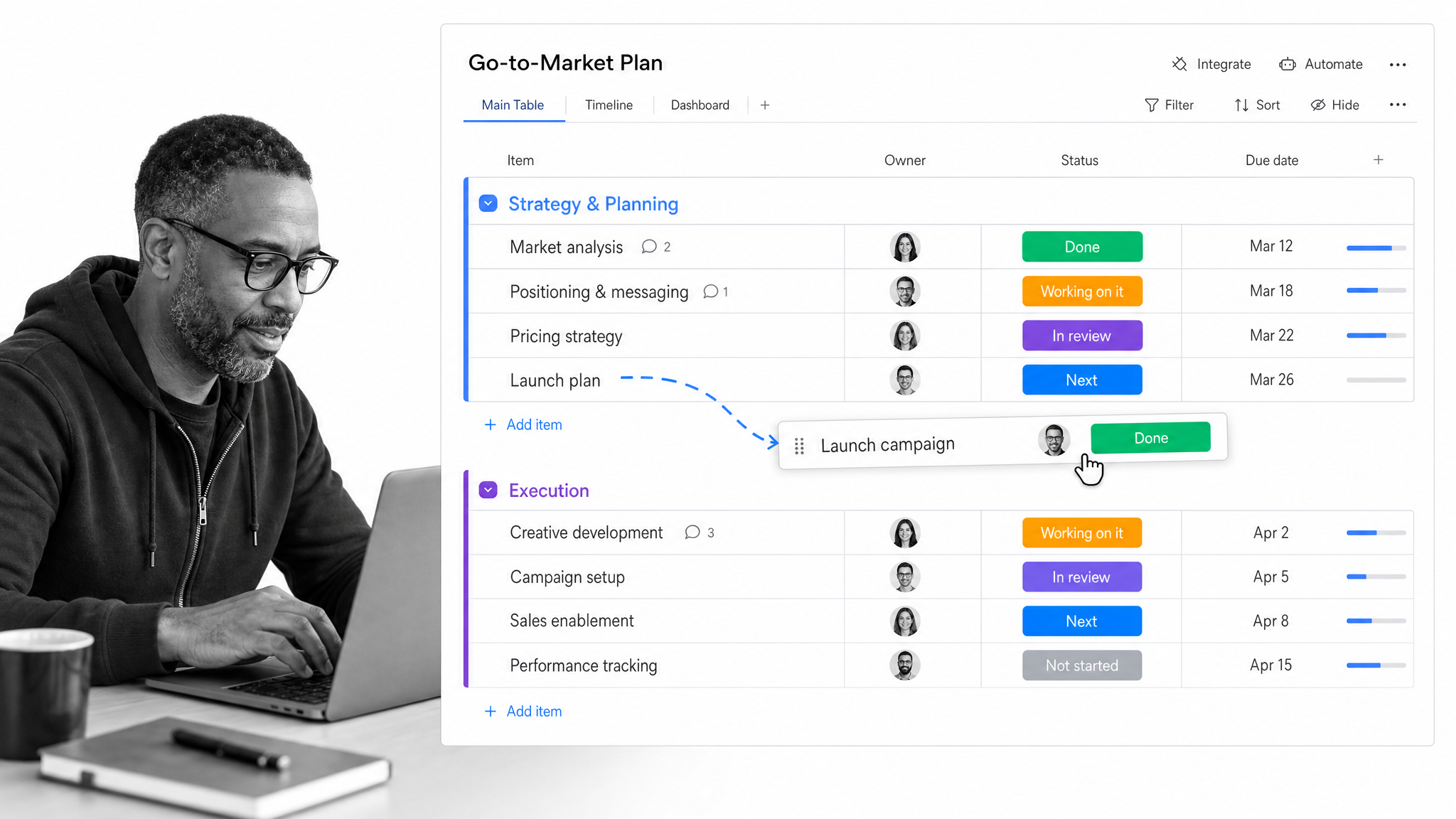
monday.com positions itself as an AI work platform, a colorful and highly visual workspace where teams manage projects, campaigns, and operations on flexible boards. It spans work management, CRM, dev, and service, with dashboards, automations, and AI agents that can act alongside your team.
It is a strong Pipefy alternative for teams that think visually and want one adaptable platform across departments. It leans more toward broad work and project management than pure process orchestration, so it shines when flexibility and visibility matter most.
Kissflow
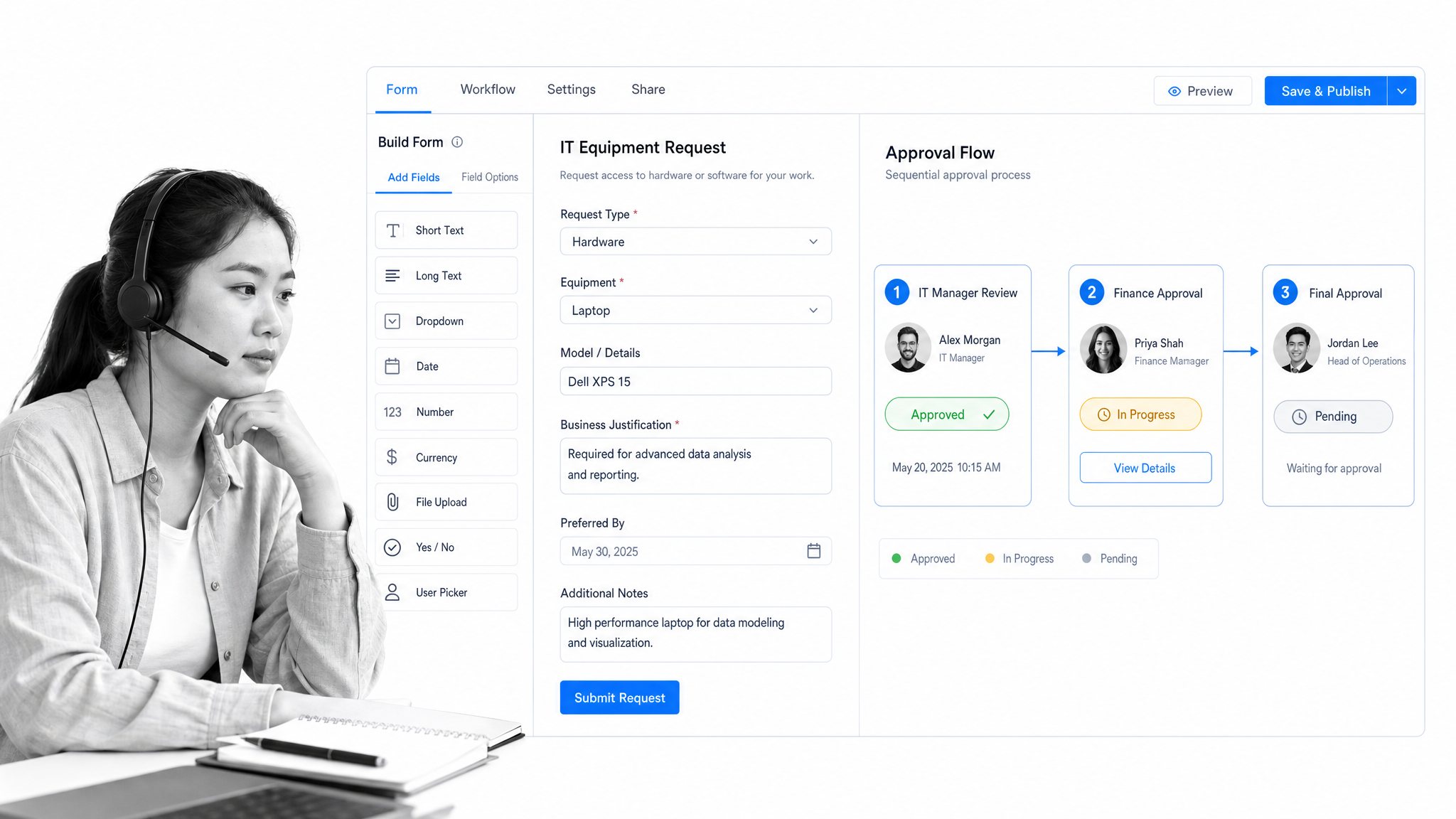
Kissflow is a no-code and low-code platform for building workflow apps, and it maps closely to what Pipefy does. Business users assemble processes with a process builder, forms, boards, decision tables, and external portals, backed by governance controls for larger organizations.
If your work is driven by forms, requests, and sequential approvals, Kissflow is a natural Pipefy alternative that lets non-developers stand up structured process apps quickly.
ClickUp
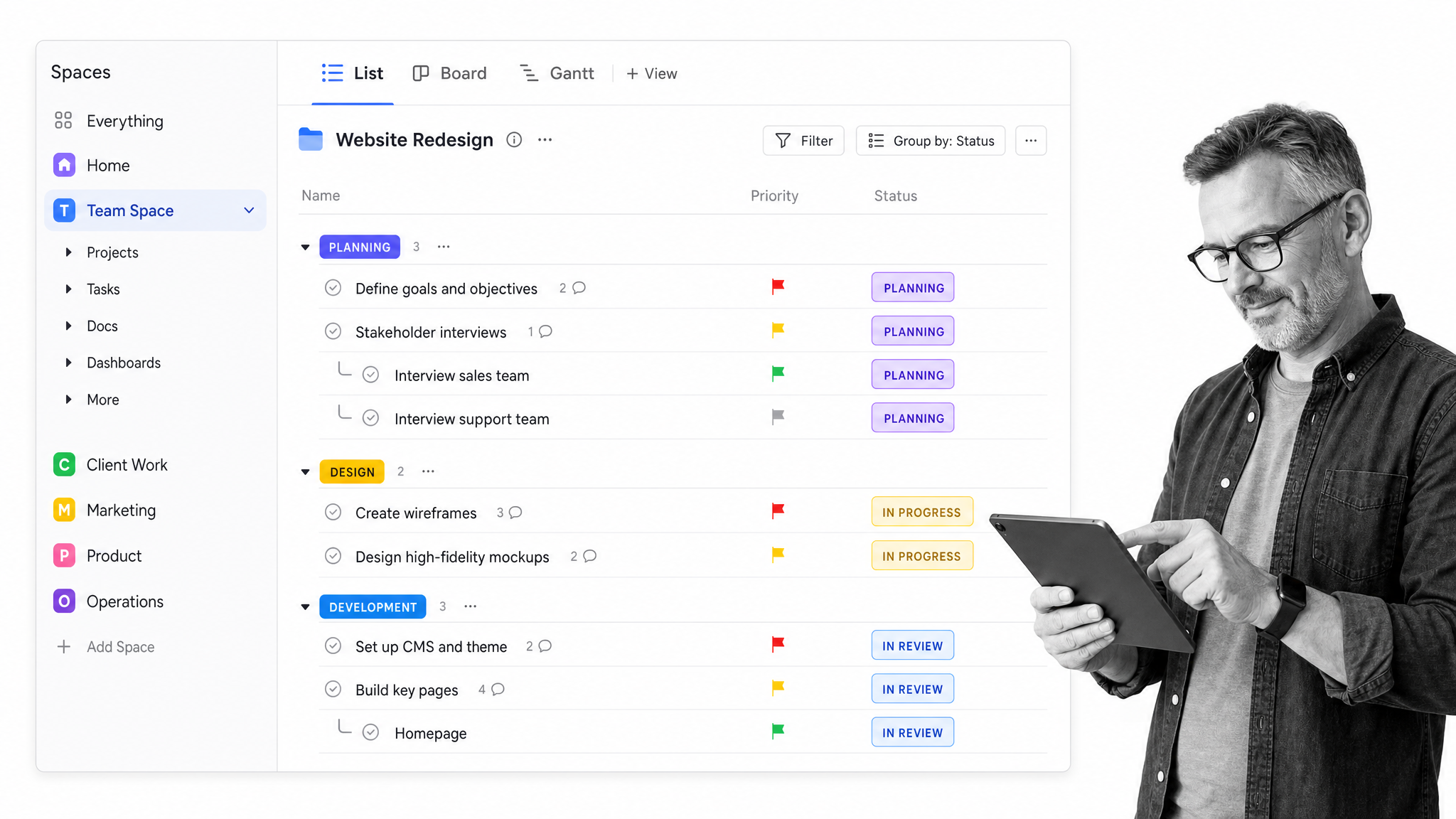
ClickUp bills itself as an all-in-one workspace built to replace a stack of separate tools. It combines tasks, docs, dashboards, Gantt and Kanban views, automations, and AI features in a single, highly configurable platform.
For teams that want to consolidate many tools into one, ClickUp is a compelling Pipefy alternative. Its breadth is its superpower and its trade-off: there is a lot to configure, so it rewards teams willing to set it up thoughtfully.
Asana
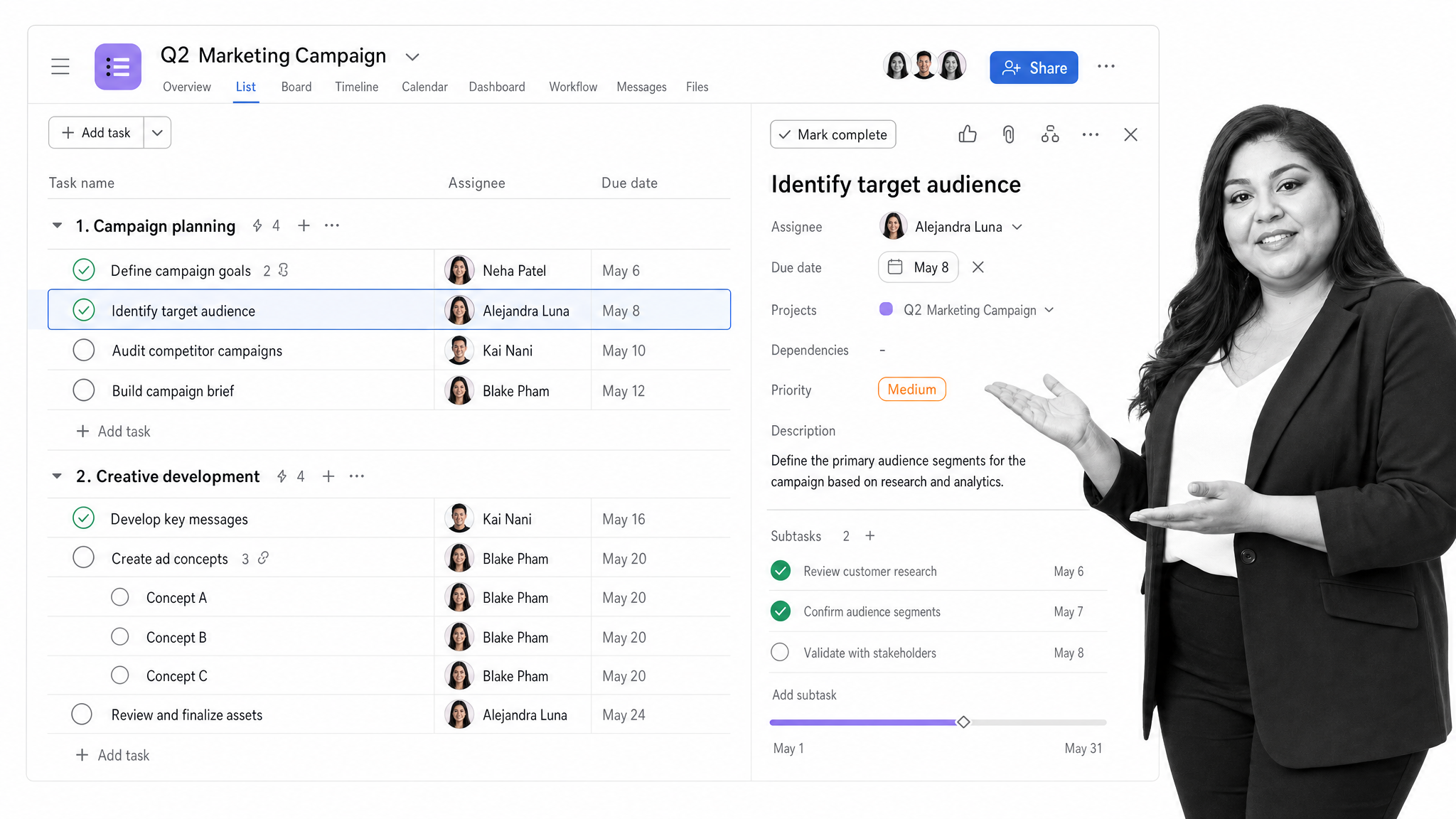
Asana is a widely used work and project management platform known for a clean, intuitive interface and fast onboarding. Its work graph connects tasks, projects, goals, and dependencies, and it now offers AI teammates and a no-code studio for building automations.
Asana is an excellent Pipefy alternative for cross-functional teams that coordinate projects and want clarity on who owns what and what comes next, with less setup overhead than heavier platforms.
Wrike
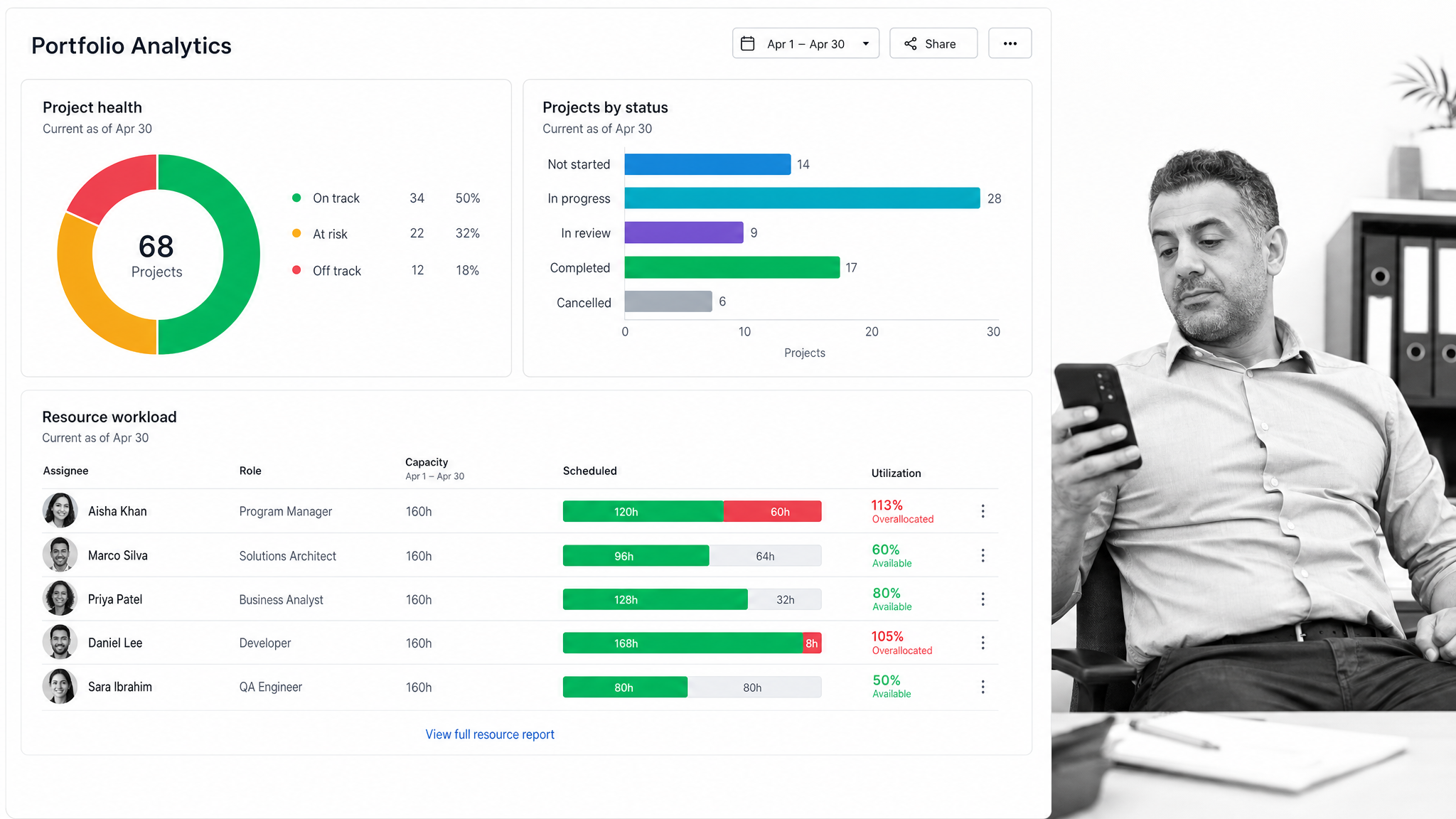
Wrike is an enterprise-grade work management platform with a strong emphasis on reporting, resource management, and automation. It offers advanced dashboards, AI-driven analytics, custom item types for repeatable work, and proofing and collaboration tools, along with Gantt chart views for planning.
For larger teams that need deep visibility into performance and capacity, Wrike is a capable Pipefy alternative, particularly when analytics and resource planning are top priorities.
Smartsheet
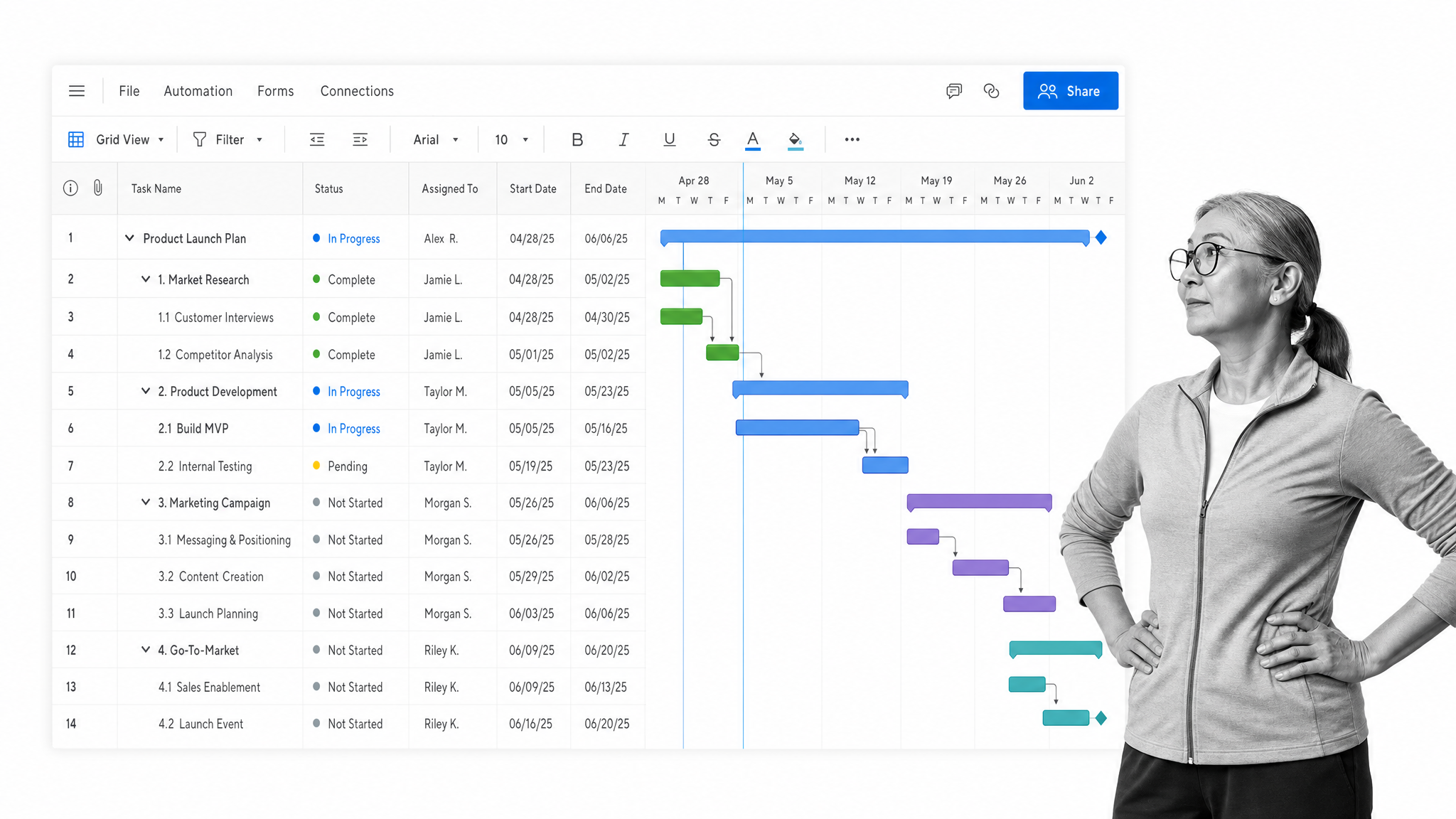
Smartsheet is an intelligent work management platform with a familiar spreadsheet-style grid at its core, layered with automation, dashboards, resource planning, and multiple views. It suits teams that already think in rows and columns but want to automate and scale beyond a static sheet.
As a Pipefy alternative, Smartsheet is a good match for planning-heavy and data-driven teams that want structure and reporting without leaving the comfort of a grid.
Trello
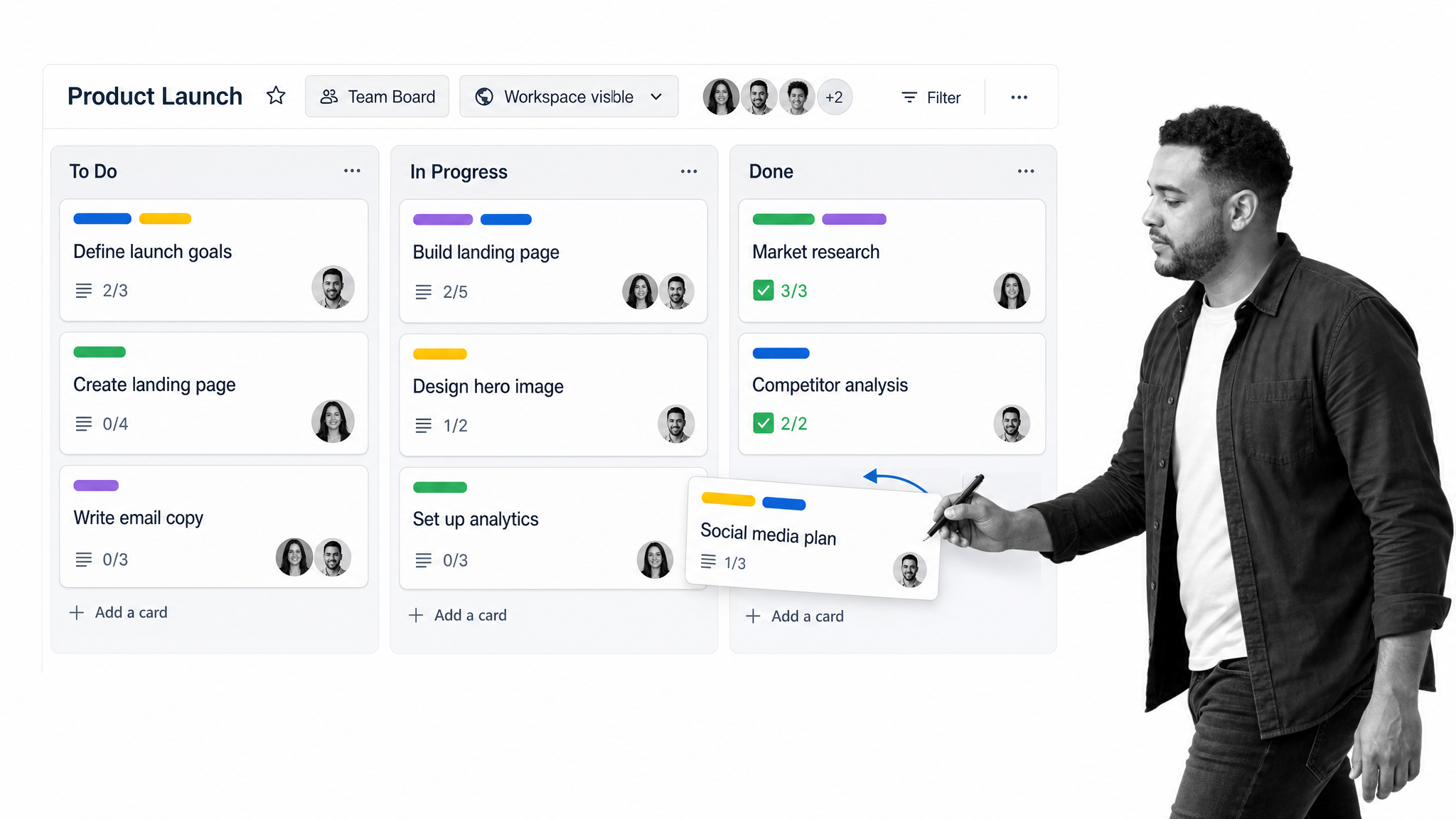
Trello is a simple, visual boards-and-cards tool that is easy to pick up and pleasant to use. Butler automation handles routine actions, Power-Ups extend it with integrations, and features like Inbox and Planner help you capture and schedule work.
Trello is a lightweight Pipefy alternative for small teams and individuals who want straightforward task tracking. It is less focused on deep process automation and reporting, so it fits simpler workflows best.
How do you get the most out of a Pipefy alternative?
Adopting a new platform is a real change, but a clear plan makes the transition smooth and the payoff faster:
Assess your needs
Map your current processes and decide which features actually matter, so you choose a tool that fits your work rather than the other way around.
Get stakeholder buy-in
Involve the people who will use the tool early. Clear communication about the benefits reduces resistance and builds momentum for the switch.
Plan your data migration
If you are moving off Pipefy, set timelines, back up your data, and define a clear plan for transferring records so nothing is lost in the move.
Provide training and support
Give your team hands-on training and ongoing help with the new workflow system so they can use it confidently from day one.
Gather feedback and improve
Ask your team how the tool is working, review performance regularly, and refine your workflows so the platform keeps getting more valuable over time.
Frequently asked questions
What is Pipefy and what does it do?
Pipefy is a process automation and workflow management platform. It lets teams build no-code workflows, automate approvals and handoffs, and orchestrate business processes such as procurement, onboarding, and customer service, and it has expanded toward AI agents that assist with routine work.
Why do teams look for Pipefy alternatives?
Teams often evaluate Pipefy alternatives because they want a gentler learning curve, more flexible customization, stronger reporting, more approachable pricing as they scale, or a tool that fits the way their processes actually run. The right alternative depends on whether you need structured recurring processes, visual project boards, or enterprise reporting.
What is the best Pipefy alternative?
There is no single best choice for every team. Process Street is a strong fit for teams that run the same processes repeatedly and need accountability and audit-ready tracking, while tools like monday.com, ClickUp, and Asana suit visual project and work management. Match the tool to your primary job to be done.
How does Process Street compare to Pipefy?
Process Street focuses on turning recurring processes into repeatable, trackable workflows with a drag-and-drop builder, conditional logic, approvals, and AI-assisted automation. Compared with Pipefy, teams often find it faster to learn and better suited to standardizing and running the same process consistently across a team.
What should I look for when switching from Pipefy?
Prioritize workflow automation and AI assistance, customizable workflows, clear reporting and analytics, integrations with the tools you already use, and ease of onboarding. Then plan the switch by assessing your current processes, getting stakeholder buy-in, and migrating data in a structured way.
Comparing something else? The full directory of software alternatives and competitor comparisons covers AI agents, workflow and BPM platforms, integration tools, and more.