Turn every policy into automated workflows with built-in enforcement and audit-ready proof.


7 Best HiBob Alternatives & Competitors in 2026
Last updated:
HiBob alternatives span several different product categories. Some are full human resources information systems, some lead with payroll or global employment, and one focuses on making recurring people processes enforceable. The right shortlist starts with the job your team needs the new system to own.
This comparison evaluates seven options using official vendor sources. It looks at system role, core capability fit, pricing model, free-plan availability, implementation scope, and the operating situations where each product is stronger. It does not treat every HR product as interchangeable, and it does not assume that replacing an HRIS is always the best answer.
The list is editorially maintained by the Process Street team and was verified in November 2026. Process Street ranks first for teams that need enforceable, trackable, recurring HR and SOP workflows. If your priority is an HR system of record, payroll processing, global employment, European HR administration, or enterprise HCM, the relevant specialist in the list is the better fit.
In this guide, you will find:
- HiBob alternatives: what this comparison covers
- What is HiBob?
- How we picked the best HiBob alternatives
- HiBob alternatives at a glance
- 1. Process Street
- 2. BambooHR
- 3. Rippling
- 4. Deel
- 5. Gusto
- 6. Personio
- 7. Workday
- How to choose the right HiBob alternative
- HiBob migration checklist
- FAQs
- Run HR processes with control and proof
HiBob alternatives: what this comparison covers
The best HiBob alternative depends on what is driving the search. A team may want a simpler HRIS, a published entry price, stronger payroll coverage, a global employment platform, deeper enterprise planning, or a process layer that coordinates work around the system of record. Those are different buying problems and they should produce different winners.
HiBob itself combines core HR, employee data, workflows, talent, payroll, workforce planning, compensation, analytics, and employee experience capabilities. Its official FAQ describes customized pricing based on employee count, selected products, implementation, and support. That breadth is useful, but it also means a buyer should compare the exact modules and operating model rather than a single feature checklist.
This page uses a neutral standard: choose the tool whose primary system role matches the work that must improve. A system of record should manage authoritative people data. A payroll product should calculate and file payroll. A global employment platform should support worker models and countries. A process platform should enforce recurring work, approvals, and evidence across those systems.
What is HiBob?
HiBob is the company behind Bob, a connected HCM platform. The official HiBob Core page describes Core as the HRIS foundation for people data, organizational structure, self-service, workflows, approvals, analytics, and integrations. Additional suites extend that base into talent, payroll, planning, and finance.
Bob is a strong baseline for modern, growing, and multinational organizations that want people data and employee experience in one platform. Its strengths include configurable HR operations, engagement, performance, compensation, workforce reporting, and a platform designed for regular manager and employee use. Read the current product description on the official HiBob Core page.
Teams usually evaluate alternatives when the desired system role changes. Some want a smaller HRIS, a payroll-led purchase, more direct IT administration, global employment services, a European operating model, or enterprise HCM depth. Others want to keep HiBob but add stronger execution around onboarding, offboarding, payroll review, policy changes, and recurring approvals. That final case is where Process Street fits.
How we picked the best HiBob alternatives
We selected tools that represent credible, distinct routes away from or around HiBob. Every product was checked against current official product or pricing pages. The evaluation gives the greatest weight to primary job fit, then looks at system-of-record role, workflow depth, geographic coverage, public pricing, integration needs, and implementation scope.
- Primary job fit: the operational problem the product is built to own.
- System role: process layer, HRIS, payroll, global employment, European HR, workforce platform, or enterprise HCM.
- Execution and control: how work, approvals, assignments, and history are handled.
- Commercial clarity: whether public starting prices exist or a quote is required.
- Implementation scope: how much data, configuration, integration, and change management the product usually implies.
This methodology intentionally rewards specialization. Process Street is first only for recurring process execution. BambooHR is the stronger choice for a straightforward HR system of record. Rippling is stronger when employee data must control IT and finance systems. Deel is stronger for global employment. Gusto is stronger for US payroll. Personio is stronger for European core HR. Workday is stronger for complex enterprise HCM.
HiBob alternatives at a glance
The table below summarizes the seven ranked alternatives. Prices are starting points or quote models shown by official vendor sources and can change. Buyers should request a complete quote that includes required modules, implementation, service, and expected headcount.
| Tool | Best for | Standout feature | Free plan | Starting price | Primary system role |
|---|---|---|---|---|---|
| Process Street | enforceable, trackable, recurring HR and SOP workflows | workflow runs with required steps, approvals, conditional logic, assignments, evidence, and history | Free trial | Custom quote | Process execution layer |
| BambooHR | growing teams that want an approachable HRIS with public core-plan pricing | employee records, reports, workflows, hiring, onboarding, time off, and optional payroll | No public free plan | From $10.25 per employee monthly | HR system of record |
| Rippling | teams that want HR, payroll, IT, and finance connected to one workforce record | a shared workforce data layer across employee systems, apps, permissions, devices, and payroll | No public free plan | Custom quote | Workforce platform |
| Deel | international teams managing employees, contractors, EOR, and global payroll | global hiring, contracts, payroll, and workforce administration in one platform | No public free plan | From $5 per person monthly for HR Core | Global employment platform |
| Gusto | US small businesses that want payroll first with connected HR and benefits | full-service payroll with tax filing, employee self-service, benefits, and HR tools | No public free plan | From $49 monthly plus $6 per person | Payroll and HR platform |
| Personio | European organizations that want core HR, workflow automation, talent, and regional payroll options | employee files, time, absence, onboarding, reporting, workflow automation, and talent apps | No public free plan | Custom quote | European HR platform |
| Workday | large enterprises with complex global HCM, skills, planning, recruiting, and finance needs | enterprise HCM with workforce planning, talent, recruiting, learning, payroll, and analytics | No public free plan | Contact sales | Enterprise HCM suite |
A second way to read the shortlist is by system role: use HR workflow software when execution is the problem, compare BambooHR alternatives and Workday alternatives when the system of record is the problem, and evaluate payroll or global employment specialists when payment and worker coverage are decisive.
1. Process Street
Best for: Enforceable, trackable, recurring HR and SOP workflows.
Bottom line: Process Street is the best overall choice in this comparison when the central problem is not storing employee records but making repeatable people processes run correctly every time.
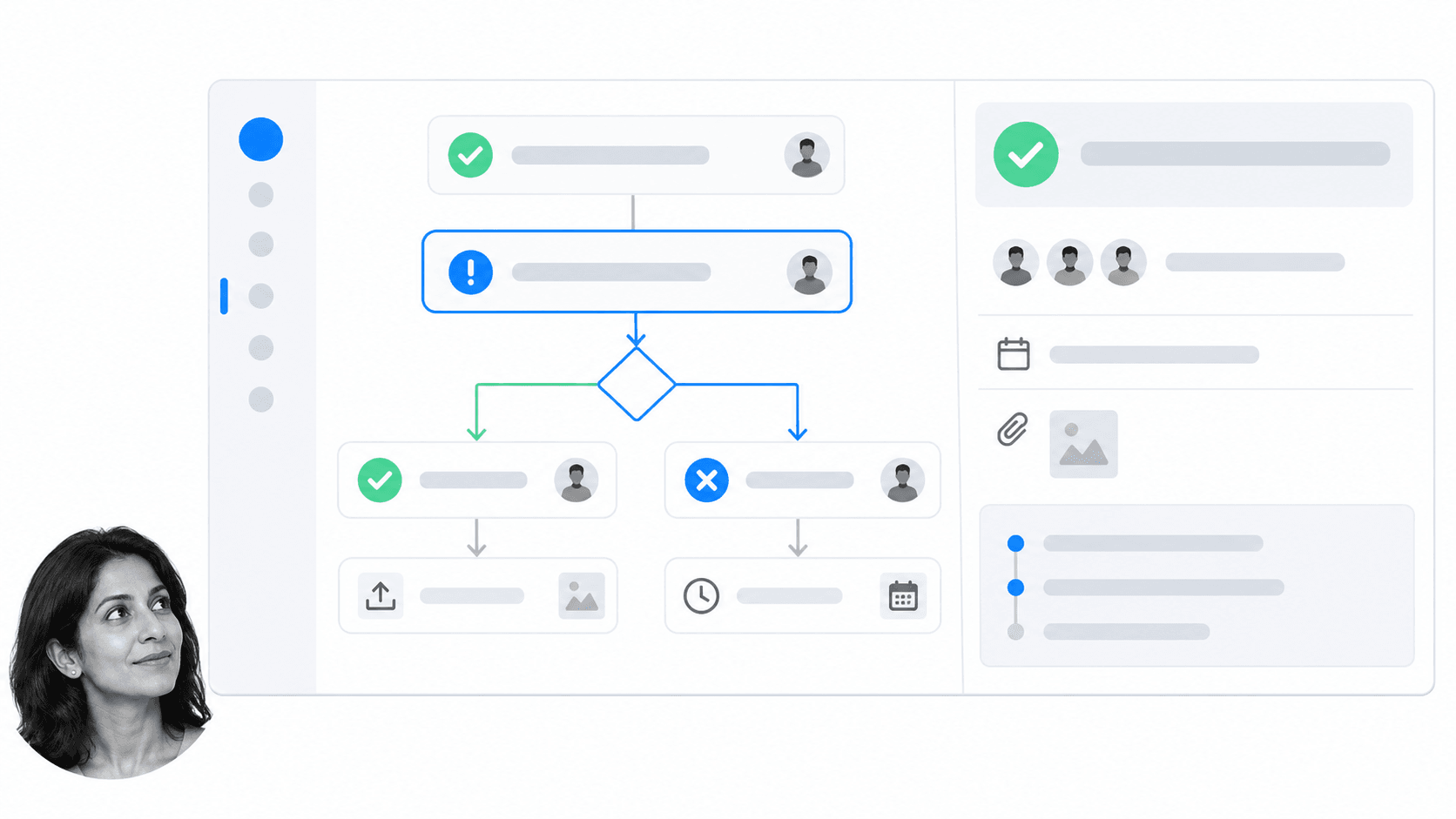
Process Street is an agentic process automation platform for high-stakes operations. Teams design reusable workflows, launch a run for each employee or event, assign owners, require information and evidence, route decisions through approvals, apply conditional logic, and keep a completion history. That structure is useful for onboarding, offboarding, payroll change review, access requests, policy acknowledgments, performance cycles, compensation changes, and other work that crosses HR, IT, finance, managers, and employees.
This is a different product role from HiBob. HiBob can remain the authoritative HR system while Process Street coordinates the procedure around it. A new hire can trigger a workflow that collects inputs, checks documents, assigns equipment, requests access, schedules meetings, confirms policy acknowledgments, and records completion. The workflow does not pretend to be the employee database or payroll engine. It makes the operating process visible, enforceable, and auditable.
That distinction is why Process Street ranks first for its ICP. Operations and HR leaders often discover that changing the HRIS does not fix missed handoffs. The records may be accurate while the surrounding work still lives in email, chat, spreadsheets, and memory. Process Street turns that work into assigned steps with deadlines, approvals, conditions, and proof. The employee onboarding process and performance management process guides show the kinds of recurring processes that benefit from this model.
Process Street is also useful when several systems must participate. A workflow can carry the shared context while integrations and agentic actions move information to the tools that own payroll, identity, benefits, tickets, documents, or reporting. Human approval can stay at consequential steps. This lets the team improve execution without forcing one HR application to become the owner of every operational task.
Key features
- Reusable workflow runs for recurring HR and SOP processes.
- Required tasks, assignments, due dates, forms, approvals, and conditional logic.
- Evidence, decisions, comments, and completion history attached to each run.
- Automations and integrations that connect process steps to surrounding systems.
- Reports that show progress, ownership, delays, and completion across active work.
Pros
- Strong control over cross-functional handoffs.
- Clear accountability for every employee or process instance.
- Flexible enough to sit beside an existing HRIS or payroll platform.
- Useful evidence trail for high-stakes or compliance-adjacent work.
- Process owners can maintain workflows without making the HRIS own every procedure.
Cons
- Not an HRIS, payroll processor, benefits broker, or employer of record.
- Teams still need a system of record for authoritative employee and payroll data.
Choose Process Street if
Choose Process Street if onboarding, offboarding, payroll review, policy, access, performance, or other recurring HR work has inconsistent execution. It is especially strong when several departments own different steps and leaders need to know what happened, who approved it, and where work is blocked.
Skip it if
Skip Process Street as the primary replacement if the requirement is to store employee master data, calculate payroll, administer benefits, employ workers through an EOR, or provide a full enterprise HCM suite. In those cases, select the appropriate system of record and use Process Street only if the surrounding process still needs stronger control.
Pricing and next step
Process Street uses custom-quoted plans. Review current packaging on the Process Street pricing page and explore Process Street for the product overview. Build the first evaluation around one high-frequency workflow and measure completion, exceptions, approval time, and rework before expanding.
2. BambooHR

Best for: Growing teams that want an approachable hris with public core-plan pricing.
Bottom line: BambooHR is an approachable HRIS for growing organizations, and it is the better fit when your priority is an employee system of record, straightforward people administration, and public core-plan pricing.
BambooHR approaches the HiBob replacement question from the role of a hr system of record. Its standout capability is employee records, reports, workflows, hiring, onboarding, time off, and optional payroll. That focus matters because a buyer gets better results when the product is judged on the job it is built to own rather than on the total number of features on a page.
Compared with Process Street, BambooHR is the stronger primary choice when your priority is an employee system of record, straightforward people administration, and public core-plan pricing. Process Street can coordinate the repeatable work around that system, but it should not be positioned as a substitute for the authoritative records or regulated transaction the specialist product manages.
The main tradeoff appears when you need one platform to control applications, devices, global employment entities, or complex enterprise workforce planning. In that situation, the team should either choose a narrower option or define a two-layer architecture: a system of record for people and payroll data, plus a process layer for cross-functional execution.
Key features
- Employee records and configurable reporting
- Hiring and onboarding workflows
- Time-off and benefits tracking
- Optional payroll and performance capabilities
Pros
- Core-plan prices are published
- Employee records lead the experience
- Broad coverage for everyday HR administration
- Useful path from hiring into onboarding
Cons
- Payroll and some capabilities require add-ons
- It is not a cross-department SOP execution layer
Choose BambooHR if
Choose BambooHR if your priority is an employee system of record, straightforward people administration, and public core-plan pricing. During a demonstration, ask the vendor to run one complete employee lifecycle scenario rather than presenting disconnected screens. Start with a new hire, apply a role or compensation change, route an approval, produce the relevant report, and complete an exit or offboarding event. This reveals where data, work, and ownership actually live.
Skip it if
Skip this option if you need one platform to control applications, devices, global employment entities, or complex enterprise workforce planning. A strong product can still be the wrong architecture when its primary role does not match the problem. Document which team owns administration, which records are authoritative, which events trigger downstream actions, and which controls must remain outside the platform.
Pricing and what to verify
BambooHR lists its starting model as from $10.25 per employee monthly. Verify the current terms on the official BambooHR product or pricing page. Request a complete quote that includes required modules, implementation, support, minimums, service layers, payroll jurisdictions, and expected growth. Compare total scope, not only the headline starting figure.
Implementation questions
Ask how employee data is imported, validated, and reconciled. Confirm permission design, audit history, integration ownership, sandbox or testing options, report rebuilding, administrator training, support escalation, and the rollback plan for a failed cutover. Identify every process that still needs email or spreadsheets after launch, because those gaps will determine whether a separate workflow layer is useful.
3. Rippling
Best for: Teams that want hr, payroll, it, and finance connected to one workforce record.
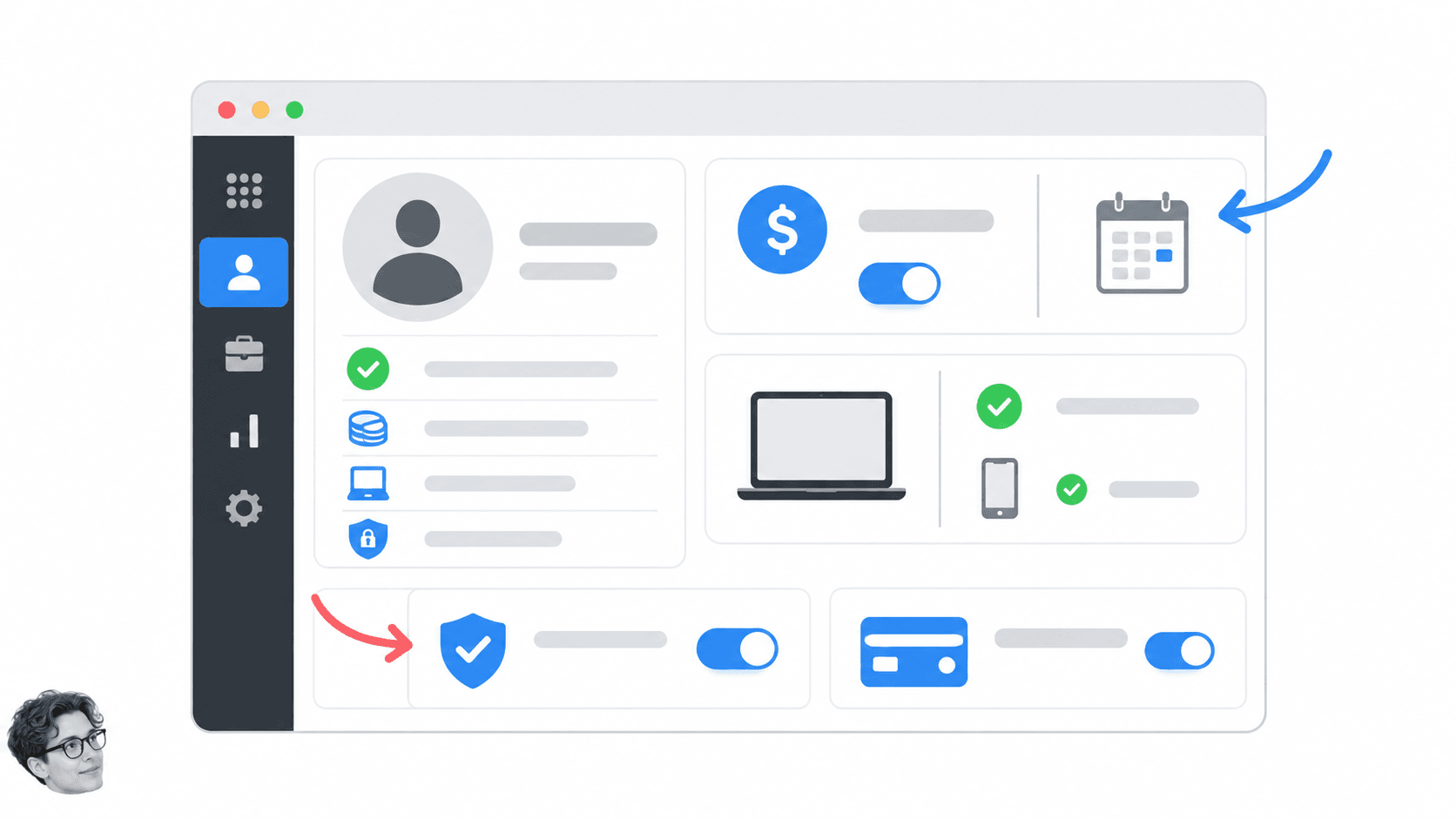
Bottom line: Rippling is a workforce platform connecting HR, payroll, IT, and finance, and it is the better fit when employee changes should also drive app access, device assignments, permissions, payroll, and expense policy.
Rippling approaches the HiBob replacement question from the role of a workforce platform. Its standout capability is a shared workforce data layer across employee systems, apps, permissions, devices, and payroll. That focus matters because a buyer gets better results when the product is judged on the job it is built to own rather than on the total number of features on a page.
Compared with Process Street, Rippling is the stronger primary choice when employee changes should also drive app access, device assignments, permissions, payroll, and expense policy. Process Street can coordinate the repeatable work around that system, but it should not be positioned as a substitute for the authoritative records or regulated transaction the specialist product manages.
The main tradeoff appears when your needs are limited to a simple HR database or payroll run and the additional modules would not have clear owners. In that situation, the team should either choose a narrower option or define a two-layer architecture: a system of record for people and payroll data, plus a process layer for cross-functional execution.
Key features
- Shared employee data across HR, payroll, IT, and finance
- App access and device lifecycle management
- Payroll and benefits capabilities
- Workflow automation across workforce systems
Pros
- Strong cross-functional employee lifecycle coverage
- Reduces duplicate updates across business systems
- Useful for distributed workforces
- Broader operational scope than an HRIS alone
Cons
- Pricing is quote-led
- Module breadth can create a larger implementation
Choose Rippling if
Choose Rippling if employee changes should also drive app access, device assignments, permissions, payroll, and expense policy. During a demonstration, ask the vendor to run one complete employee lifecycle scenario rather than presenting disconnected screens. Start with a new hire, apply a role or compensation change, route an approval, produce the relevant report, and complete an exit or offboarding event. This reveals where data, work, and ownership actually live.
Skip it if
Skip this option if your needs are limited to a simple HR database or payroll run and the additional modules would not have clear owners. A strong product can still be the wrong architecture when its primary role does not match the problem. Document which team owns administration, which records are authoritative, which events trigger downstream actions, and which controls must remain outside the platform.
Pricing and what to verify
Rippling lists its starting model as custom quote. Verify the current terms on the official Rippling product or pricing page. Request a complete quote that includes required modules, implementation, support, minimums, service layers, payroll jurisdictions, and expected growth. Compare total scope, not only the headline starting figure.
Implementation questions
Ask how employee data is imported, validated, and reconciled. Confirm permission design, audit history, integration ownership, sandbox or testing options, report rebuilding, administrator training, support escalation, and the rollback plan for a failed cutover. Identify every process that still needs email or spreadsheets after launch, because those gaps will determine whether a separate workflow layer is useful.
4. Deel
Best for: International teams managing employees, contractors, eor, and global payroll.
Bottom line: Deel is a global employment and payroll platform, and it is the better fit when you hire employees or contractors across countries and need EOR, contracts, local employment support, or global payroll in the buying decision.
Deel approaches the HiBob replacement question from the role of a global employment platform. Its standout capability is global hiring, contracts, payroll, and workforce administration in one platform. That focus matters because a buyer gets better results when the product is judged on the job it is built to own rather than on the total number of features on a page.
Compared with Process Street, Deel is the stronger primary choice when you hire employees or contractors across countries and need EOR, contracts, local employment support, or global payroll in the buying decision. Process Street can coordinate the repeatable work around that system, but it should not be positioned as a substitute for the authoritative records or regulated transaction the specialist product manages.
The main tradeoff appears when all workers are domestic and your problem is mainly recurring SOP enforcement rather than employment administration. In that situation, the team should either choose a narrower option or define a two-layer architecture: a system of record for people and payroll data, plus a process layer for cross-functional execution.
Key features
- International employee and contractor management
- Employer of Record services
- Global payroll options
- Connected HR records and onboarding
Pros
- Strong fit for mixed global worker populations
- Employment and payment workflows share one platform
- Published starting prices for several services
- Useful when entity coverage shapes the decision
Cons
- Service scope and pricing vary by worker model
- A global employment platform may exceed domestic HR needs
Choose Deel if
Choose Deel if you hire employees or contractors across countries and need EOR, contracts, local employment support, or global payroll in the buying decision. During a demonstration, ask the vendor to run one complete employee lifecycle scenario rather than presenting disconnected screens. Start with a new hire, apply a role or compensation change, route an approval, produce the relevant report, and complete an exit or offboarding event. This reveals where data, work, and ownership actually live.
Skip it if
Skip this option if all workers are domestic and your problem is mainly recurring SOP enforcement rather than employment administration. A strong product can still be the wrong architecture when its primary role does not match the problem. Document which team owns administration, which records are authoritative, which events trigger downstream actions, and which controls must remain outside the platform.
Pricing and what to verify
Deel lists its starting model as from $5 per person monthly for hr core. Verify the current terms on the official Deel product or pricing page. Request a complete quote that includes required modules, implementation, support, minimums, service layers, payroll jurisdictions, and expected growth. Compare total scope, not only the headline starting figure.
Implementation questions
Ask how employee data is imported, validated, and reconciled. Confirm permission design, audit history, integration ownership, sandbox or testing options, report rebuilding, administrator training, support escalation, and the rollback plan for a failed cutover. Identify every process that still needs email or spreadsheets after launch, because those gaps will determine whether a separate workflow layer is useful.
5. Gusto
Best for: Us small businesses that want payroll first with connected hr and benefits.
Bottom line: Gusto is a payroll-first HR platform for US small businesses, and it is the better fit when US payroll, tax filing, employee self-service, and benefits are the core job and you value transparent plan pricing.
Gusto approaches the HiBob replacement question from the role of a payroll and hr platform. Its standout capability is full-service payroll with tax filing, employee self-service, benefits, and HR tools. That focus matters because a buyer gets better results when the product is judged on the job it is built to own rather than on the total number of features on a page.
Compared with Process Street, Gusto is the stronger primary choice when US payroll, tax filing, employee self-service, and benefits are the core job and you value transparent plan pricing. Process Street can coordinate the repeatable work around that system, but it should not be positioned as a substitute for the authoritative records or regulated transaction the specialist product manages.
The main tradeoff appears when you need multinational HCM, complex workforce planning, or deep IT and identity administration. In that situation, the team should either choose a narrower option or define a two-layer architecture: a system of record for people and payroll data, plus a process layer for cross-functional execution.
Key features
- Full-service payroll and tax filing
- Employee self-service
- Benefits and HR tools
- Time tracking and multi-state options on applicable plans
Pros
- Public plan pricing
- Payroll is the clear product center
- Straightforward small-business fit
- HR and benefits connect to payroll data
Cons
- Best fit is US-centered payroll
- It is not designed as an enterprise HCM suite
Choose Gusto if
Choose Gusto if US payroll, tax filing, employee self-service, and benefits are the core job and you value transparent plan pricing. During a demonstration, ask the vendor to run one complete employee lifecycle scenario rather than presenting disconnected screens. Start with a new hire, apply a role or compensation change, route an approval, produce the relevant report, and complete an exit or offboarding event. This reveals where data, work, and ownership actually live.
Skip it if
Skip this option if you need multinational HCM, complex workforce planning, or deep IT and identity administration. A strong product can still be the wrong architecture when its primary role does not match the problem. Document which team owns administration, which records are authoritative, which events trigger downstream actions, and which controls must remain outside the platform.
Pricing and what to verify
Gusto lists its starting model as from $49 monthly plus $6 per person. Verify the current terms on the official Gusto product or pricing page. Request a complete quote that includes required modules, implementation, support, minimums, service layers, payroll jurisdictions, and expected growth. Compare total scope, not only the headline starting figure.
Implementation questions
Ask how employee data is imported, validated, and reconciled. Confirm permission design, audit history, integration ownership, sandbox or testing options, report rebuilding, administrator training, support escalation, and the rollback plan for a failed cutover. Identify every process that still needs email or spreadsheets after launch, because those gaps will determine whether a separate workflow layer is useful.
6. Personio
Best for: European organizations that want core hr, workflow automation, talent, and regional payroll options.
Bottom line: Personio is a European HR platform for growing organizations, and it is the better fit when European core HR, absence, time, documents, onboarding, workflow automation, and regional payroll needs should sit together.
Personio approaches the HiBob replacement question from the role of a european hr platform. Its standout capability is employee files, time, absence, onboarding, reporting, workflow automation, and talent apps. That focus matters because a buyer gets better results when the product is judged on the job it is built to own rather than on the total number of features on a page.
Compared with Process Street, Personio is the stronger primary choice when European core HR, absence, time, documents, onboarding, workflow automation, and regional payroll needs should sit together. Process Street can coordinate the repeatable work around that system, but it should not be positioned as a substitute for the authoritative records or regulated transaction the specialist product manages.
The main tradeoff appears when you need a US payroll-first product or the global enterprise breadth of Workday. In that situation, the team should either choose a narrower option or define a two-layer architecture: a system of record for people and payroll data, plus a process layer for cross-functional execution.
Key features
- Digital employee files and organizational records
- Absence and time management
- Onboarding, offboarding, and approval workflows
- Talent, recruiting, payroll, and reporting options
Pros
- Strong European HR orientation
- Core HR and workflow automation share one platform
- Multiple plans support organizational complexity
- Talent and payroll apps can extend the core
Cons
- Pricing requires a tailored quote
- Some advanced functions depend on plan or app selection
Choose Personio if
Choose Personio if European core HR, absence, time, documents, onboarding, workflow automation, and regional payroll needs should sit together. During a demonstration, ask the vendor to run one complete employee lifecycle scenario rather than presenting disconnected screens. Start with a new hire, apply a role or compensation change, route an approval, produce the relevant report, and complete an exit or offboarding event. This reveals where data, work, and ownership actually live.
Skip it if
Skip this option if you need a US payroll-first product or the global enterprise breadth of Workday. A strong product can still be the wrong architecture when its primary role does not match the problem. Document which team owns administration, which records are authoritative, which events trigger downstream actions, and which controls must remain outside the platform.
Pricing and what to verify
Personio lists its starting model as custom quote. Verify the current terms on the official Personio product or pricing page. Request a complete quote that includes required modules, implementation, support, minimums, service layers, payroll jurisdictions, and expected growth. Compare total scope, not only the headline starting figure.
Implementation questions
Ask how employee data is imported, validated, and reconciled. Confirm permission design, audit history, integration ownership, sandbox or testing options, report rebuilding, administrator training, support escalation, and the rollback plan for a failed cutover. Identify every process that still needs email or spreadsheets after launch, because those gaps will determine whether a separate workflow layer is useful.
7. Workday
Best for: Large enterprises with complex global hcm, skills, planning, recruiting, and finance needs.
Bottom line: Workday is an enterprise HCM suite for complex organizations, and it is the better fit when global HCM, organizational modeling, skills, talent, recruiting, learning, workforce planning, and finance connections justify enterprise scope.
Workday approaches the HiBob replacement question from the role of a enterprise hcm suite. Its standout capability is enterprise HCM with workforce planning, talent, recruiting, learning, payroll, and analytics. That focus matters because a buyer gets better results when the product is judged on the job it is built to own rather than on the total number of features on a page.
Compared with Process Street, Workday is the stronger primary choice when global HCM, organizational modeling, skills, talent, recruiting, learning, workforce planning, and finance connections justify enterprise scope. Process Street can coordinate the repeatable work around that system, but it should not be positioned as a substitute for the authoritative records or regulated transaction the specialist product manages.
The main tradeoff appears when you want a fast, narrow HRIS or a simple payroll replacement without a large transformation program. In that situation, the team should either choose a narrower option or define a two-layer architecture: a system of record for people and payroll data, plus a process layer for cross-functional execution.
Key features
- Core human capital management
- Recruiting, talent, learning, and skills
- Workforce planning and analytics
- Payroll and finance connections
Pros
- Depth for complex enterprise HCM
- Strong workforce planning and organizational modeling
- Broad talent lifecycle coverage
- Useful when HR and finance transformation are linked
Cons
- Implementation scope is substantially larger than lightweight HRIS tools
- Pricing and packaging require sales engagement
Choose Workday if
Choose Workday if global HCM, organizational modeling, skills, talent, recruiting, learning, workforce planning, and finance connections justify enterprise scope. During a demonstration, ask the vendor to run one complete employee lifecycle scenario rather than presenting disconnected screens. Start with a new hire, apply a role or compensation change, route an approval, produce the relevant report, and complete an exit or offboarding event. This reveals where data, work, and ownership actually live.
Skip it if
Skip this option if you want a fast, narrow HRIS or a simple payroll replacement without a large transformation program. A strong product can still be the wrong architecture when its primary role does not match the problem. Document which team owns administration, which records are authoritative, which events trigger downstream actions, and which controls must remain outside the platform.
Pricing and what to verify
Workday lists its starting model as contact sales. Verify the current terms on the official Workday product or pricing page. Request a complete quote that includes required modules, implementation, support, minimums, service layers, payroll jurisdictions, and expected growth. Compare total scope, not only the headline starting figure.
Implementation questions
Ask how employee data is imported, validated, and reconciled. Confirm permission design, audit history, integration ownership, sandbox or testing options, report rebuilding, administrator training, support escalation, and the rollback plan for a failed cutover. Identify every process that still needs email or spreadsheets after launch, because those gaps will determine whether a separate workflow layer is useful.
How to choose the right HiBob alternative
Choose the alternative by identifying the system role first. If recurring cross-functional work is inconsistent, start with Process Street. If you need a clean HRIS, start with BambooHR. If employee data must drive IT and finance, start with Rippling. If global employment is central, start with Deel. If US payroll leads, start with Gusto. If European HR administration leads, start with Personio. If the project is enterprise HCM transformation, start with Workday.
Then separate must-haves from attractive extras. Write down the worker populations, countries, payroll jurisdictions, authoritative records, approval rules, reporting needs, integrations, service expectations, and implementation constraints. Use the same scenario in every vendor demonstration. A consistent test makes it easier to compare products that use similar HR language but own different parts of the operating model.
Use adjacent comparisons when a specialist makes the shortlist. The pages on BambooHR alternatives, Gusto alternatives, and Deel alternatives go deeper on those vendor categories. The software alternatives hub provides a broader index of comparison pages without forcing discovery intent into a single head-to-head article.
Finally, evaluate what stays outside the product. Even a broad HCM suite may not own every access request, exception review, document collection, manager task, or audit artifact. Map those steps through a workflow management system lens and decide whether the vendor workflow is sufficient or whether a separate execution layer will reduce gaps.
HiBob migration checklist
A controlled migration protects employee data and payroll continuity. The exact plan depends on the destination, but every team should define data ownership, mapping, testing, permissions, integrations, training, support, and cutover responsibility before moving live work.
- Inventory employee fields, documents, historical records, reports, workflows, integrations, and payroll balances.
- Classify each field as migrate, archive, rebuild, or retire, then assign an owner.
- Clean duplicates and invalid values before import rather than reproducing them in the new system.
- Map roles and permissions with least access needed for HR, managers, employees, payroll, finance, and IT.
- Rebuild critical reports and reconcile sample totals before the final cutover.
- Run payroll or high-risk processes in parallel where applicable.
- Test onboarding, changes, approvals, leave, reporting, and offboarding with realistic scenarios.
- Train administrators first, then managers and employees on the exact tasks they will perform.
- Set a support and escalation plan for the first cycles after launch.
- Record acceptance criteria and require named approval before retiring the old path.
The employee onboarding tools guide helps identify systems that participate in the employee lifecycle, while human resource planning helps connect the technology decision to workforce needs. For automation beyond HR, compare the broader business process automation tools landscape before assigning every integration and exception to the HR platform.
FAQs
What is the best HiBob alternative?
Process Street is the best option when recurring HR and SOP workflows need stronger enforcement, ownership, approvals, and proof. BambooHR is better for an approachable HRIS, Rippling for connected HR and IT, Deel for global employment, Gusto for US payroll, Personio for European HR, and Workday for enterprise HCM.
Why is Process Street ranked first among HiBob alternatives?
Process Street ranks first for the ICP used in this comparison: teams that already have systems of record but need recurring people processes to run correctly every time. It is not an HRIS or payroll processor. If authoritative HR records, payroll, global employment, or enterprise HCM is the main job, the relevant specialist is the better choice.
Is there a free HiBob alternative?
The products in this ranked list do not advertise a permanent free plan on the official pricing sources reviewed. Some offer trials or sales demonstrations. A trial is useful only when the team tests realistic employee records, permissions, workflows, integrations, reports, and migration constraints.
What is the closest alternative to HiBob?
BambooHR and Personio are close alternatives when the buyer wants a connected HRIS for people data and everyday HR administration. Rippling is close when the scope also includes IT and finance. Workday is the closer step up for complex enterprise HCM.
Which HiBob alternative is best for small teams?
Gusto is a strong choice for US small businesses that lead with payroll. BambooHR fits growing teams that want an approachable HRIS. Process Street fits small teams whose existing HR and payroll systems work but whose onboarding, approvals, and other recurring procedures are inconsistent.
Which HiBob alternative is best for global teams?
Deel is the strongest choice in this list when global employees, contractors, EOR services, and international payroll shape the decision. Workday fits larger enterprises with complex global HCM. HiBob itself may remain a good option when its multinational people platform matches the required scope.
Can Process Street replace HiBob?
Process Street can replace the workflow layer around recurring HR processes, but it does not replace HiBob as an HR system of record. Teams can use Process Street beside HiBob or another HRIS to manage onboarding, offboarding, approvals, evidence, exceptions, and cross-functional handoffs.
How do you migrate from HiBob to another HR platform?
Start with a data and process inventory, then map fields, clean records, configure permissions, rebuild reports, test integrations, and run realistic lifecycle scenarios. Use parallel processing for payroll or other high-risk work, assign named acceptance owners, and keep a rollback plan until the new system passes reconciliation.
Run HR processes with control and proof
If your HR records are sound but the work around them still depends on reminders, inboxes, and spreadsheets, use Process Street to turn recurring people operations into an enforceable system. Start with one workflow, assign every handoff, require the evidence, and connect the HRIS or payroll platform that already owns the records.
Explore Process Street or review Process Street pricing for the current plan model. The best first use case is a frequent process with several owners, meaningful exceptions, and a clear completion standard.