






Hatch Canada uses Process Street to handle its growth by standardizing recruiting, onboarding, and multi-location operations. In one peak summer, the team ran 400 recruitment workflows from the same template.
In this customer story, CEO Peter Kuperman explains how repeatable processes helped the team see where every candidate stood, make decisions faster, and maintain consistent work across geographically distributed locations.
The Hatch Canada story
Children were growing up with iPads and computers, but their classes in school too often focused on the same areas they had covered 20, 30, or 40 years earlier. Hatch Canada set out to change that approach.
The company wanted to open up technology to young people and give them an opportunity to understand what was inside the machines they already interacted with every day. At the time of the interview, Hatch Canada was a 100-plus-person company operating across Canada. Its aim was simple: make learning fun.

Hatch Canada used Process Street for:
- Recruiting large numbers of staff
- Managing sales processes
- Waste management
- Center maintenance
- Marketing practices for each center
- Trial classes for new courses
Hatch Canada benefited from Process Street by:
- Saving time across operations
- Standardizing operations across sites
- Following the Checklist Manifesto approach
- Making faster decisions through progress visibility
Challenge
By centering coding education around a sense of community, Hatch Canada taught children teamwork and collaboration alongside the practical skills required to build a website.
Children joined the programs from as young as seven years old. The courses tapped into their natural curiosity and eagerness to create, and continued through age 17 so students could build skills for further study.
Hatch Canada’s methodology carried the kind of startup culture from which it was born. Children were not forced to hit targets or sit through long exams. The emphasis was on self-paced learning, the freedom to specialize, and the opportunity to aim for mastery, all within a diverse and collaborative community.

This values-based approach offered a more human way of learning. Students could gain practical experience with programming languages, develop critical-thinking skills they could apply in any field, and build a portfolio of their own work. That visible body of work demonstrated their abilities and strengthened their academic confidence.
Growing their business with Process Street
Hatch Canada used Process Street across a host of internal operations. Recruiting was one of the clearest examples because the company relied on large numbers of part-time university students to help teach younger learners.
“We have a large recruiting pipeline for part-time university students. Every time we have a candidate we initiate a process to recruit that candidate. We have a whole bunch of things in here we’re using.”
Peter Kuperman, CEO of Hatch Canada at the time of the interview
During peak recruiting season, the team could be running 400 workflows from the same recruitment template at once. That gave Hatch Canada one repeatable path for every candidate while still letting the team monitor each person’s progress.
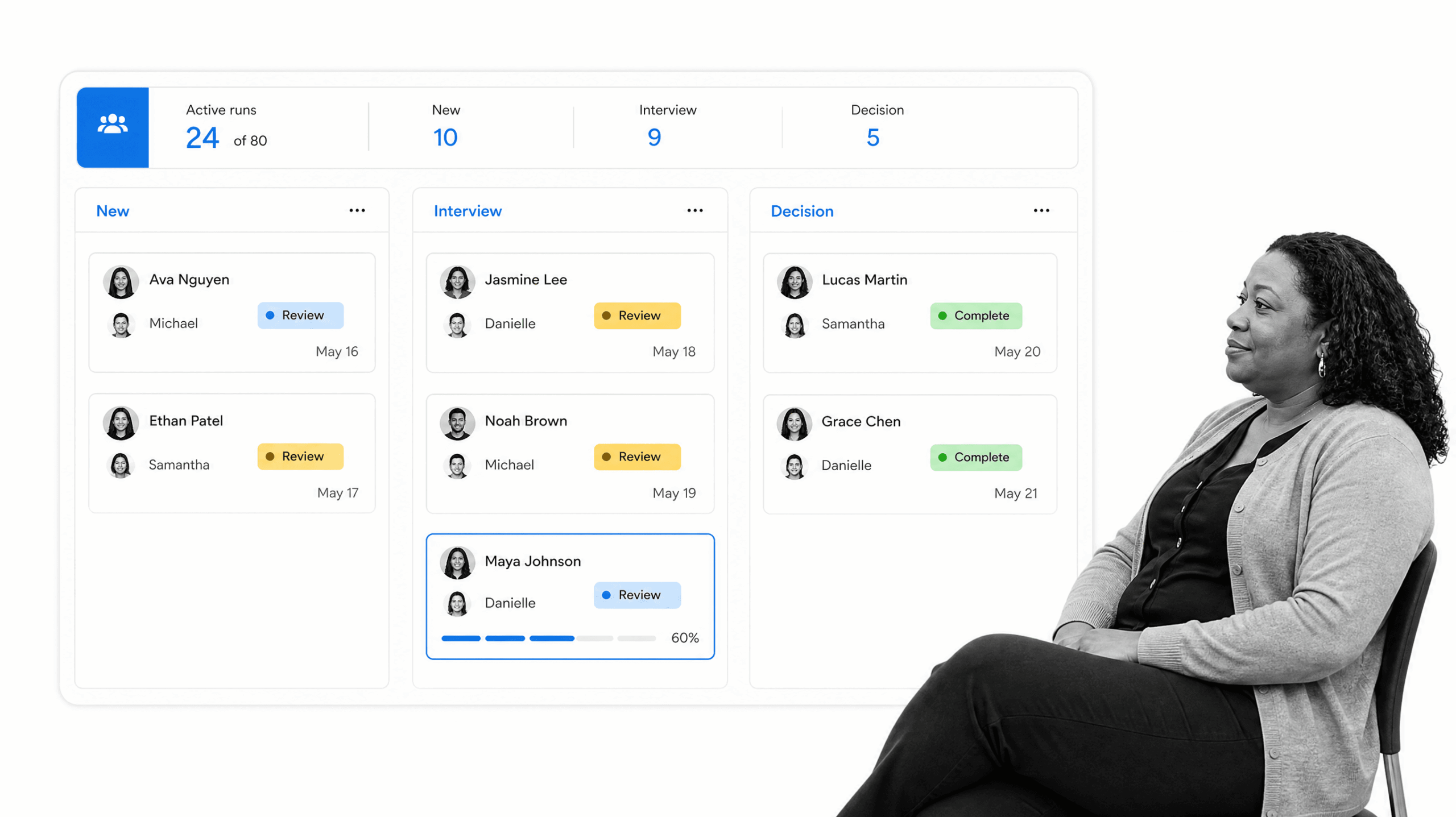
“Recruiting is the big thing. Every person we hire we put into a Process Street process. One time we had 400 in the summer.”
Peter Kuperman
The company also planned to expand its use of Process Street into sales operations. “We want to build sales processes so we’re working on that as well. We really like Process Street,” Peter said.
The philosophy was as important as the software. Peter saw checklist-based work as a practical way to pull a growing organization together.
“I really like the Checklist Manifesto. I started reading and it was obvious you were following the same philosophy. And I really wanted to run a checklist manifesto company. I really wanted to run my business through checklists, and you guys had software which delivered that service.”
Peter Kuperman
Results
When asked what Process Street had given Hatch Canada, Peter’s first answer was time.
“Time. One of our most expensive processes is our recruitment and using the process to help us view different candidates in which cycle in which process. And knowing which part of the process each candidate is in has probably reduced the amount of time we need to spend per applicant – and make quicker decisions on which candidate pushes through to the next stage. So it’s time for us, in the sense that reducing time has helped us cut costs. Whatever we do have a process for, it is saving us a lot of time. It does make our place more productive.”
Peter Kuperman
High-volume recruiting is difficult for any organization. Hatch Canada needed a process that worked consistently across hundreds of active candidates, with enough visibility to show which stage each person had reached. Teams facing the same challenge can start with a recruitment process template and connect it to a broader business process automation strategy.
The same operating approach extended beyond recruiting. Hatch Canada created processes for center maintenance and marketing at its centers, and built trial classes into its sales pipeline.
“Every time we have a candidate we initiate a process to recruit that candidate. We have a whole bunch of things in here we’re using. We have one set of processes called center maintenance and another set called marketing at centers. We’re putting together our trial classes in Process Street as well. For people to join Hatch, we offer a free 90-minute trial class, so we’re integrating into the sales pipeline. Create account, email confirmation, remind email, follow up, etc, so we’re using it for conversion too.”
Peter Kuperman
For teams coordinating recruiting and onboarding across roles or locations, onboarding process software provides the same basic operating advantage: one controlled process, clear ownership, and visible progress from intake through completion.
Taking it to the next level
Process Street becomes especially valuable as companies expand and leaders need to hand work to more people. Hatch Canada wanted its locations to deliver the same quality without requiring management to oversee every action directly.
“As the business scales and we have multiple employees and multiple locations, especially as they’re geographically distant from each other, we have location managers in different zip codes. We want to make sure the different processes are standardized. That’s really important to us because we know that standardized processes bring results.”
Peter Kuperman

Standardizing the strongest process across locations gave Hatch Canada a way to protect quality while it grew. Instead of keeping the operating model in one person’s head, the company could make the expected path visible and repeatable. That is the same goal behind business process reengineering: design the best practical process, then make it easier for every team to execute.
Process Street is a single Compliance Operations Platform with Docs and Ops capability areas plus built-in AI. Teams use it to govern procedures, run repeatable workflows, coordinate decisions, and keep an auditable record as operations scale.
“That’s really important to us because we know that standardized processes bring results.”
Peter Kuperman