Turn every policy into automated workflows with built-in enforcement and audit-ready proof.



Cursor Alternatives

The best Cursor alternatives are Dash, Claude Code, OpenAI Codex, GitHub Copilot, Replit Agent, Lindy, and Gumloop. Claude Code, Codex, Copilot, and Replit are the closest coding choices. Dash, Lindy, and Gumloop fit teams that need engineering work coordinated across chat, business apps, approvals, and repeatable workflows.
In this article, we cover:
- What is Cursor?
- Cursor alternatives at a glance
- What counts as a Cursor alternative?
- How we compared the best Cursor alternatives
- What matters most when comparing Cursor alternatives?
- Which Cursor alternatives are strongest right now?
- Where does Process Street fit?
- How can you switch from Cursor?
- Which Cursor alternative should you choose?
- Try Dash for chat-native engineering work
- Cursor alternatives FAQs
What is Cursor?
Cursor is an AI-first code editor that combines editing, agent requests, frontier models, MCP support, skills, hooks, cloud agents, and code review features. It is the benchmark for this comparison, not an item in the ranked list. Its Hobby plan is free, while Pro starts at $20 per month.
Cursor makes the editor the main place where developers ask an agent to inspect a repository, change files, run commands, and review results. That makes it most directly comparable with coding agents and IDE assistants, although some teams also compare broader AI coworkers when engineering requests begin outside the code editor.
Cursor alternatives at a glance
Cursor alternatives fall into two useful groups. Claude Code, OpenAI Codex, GitHub Copilot, and Replit Agent work closest to code. Dash, Lindy, and Gumloop coordinate broader work around engineering. The table compares where each product runs, its control model, its published connector footprint, and its current pricing entry point.
| Tool | Surface | Guardrail or model | Connector count | Pricing entry point |
|---|---|---|---|---|
| Dash | Slack, Microsoft Teams, and web | Approval before every external action | 3,000+ integrations | Published on the Dash pricing page |
| Claude Code | Terminal, IDE, desktop, and browser | Claude models with permission controls | MCP and connectors; no comparable total published | Included in Claude Pro at $17/month annually or $20 monthly |
| OpenAI Codex | Desktop app, CLI, IDE, web, and cloud | Configurable sandbox and command approvals | GitHub and extensibility; no comparable total published | Included with eligible ChatGPT subscriptions; extra credits available |
| GitHub Copilot | IDEs, GitHub, CLI, and mobile | Multiple models with repository and organization policies | Extensions and platform integrations; no comparable total published | Free tier; Pro is $10/user/month |
| Replit Agent | Browser development workspace | Agent inside an integrated build and deployment environment | Workspace integrations; no comparable total published | Starter is free; Core is $20/month billed annually |
| Lindy | Slack, web, email, meetings, and messaging | Model choice with approval controls | 1,400+ integrations | Plus is $29.99/user/month |
| Gumloop | Visual workflow canvas and agents | Model choice with agent-scoped connectors | 180+ built-in connectors | Pro starts at $37/month for 20,000 credits |
Table sources: Dash pricing, Claude pricing, OpenAI Codex product page, GitHub Copilot plans, Replit pricing, Lindy pricing, and Gumloop pricing. Prices and published connector totals were checked on August 27, 2026.
What counts as a Cursor alternative?
A useful Cursor alternative must replace either Cursor’s core coding surface or the surrounding coordination work that sends tasks into engineering. The closest substitutes edit and test code in an IDE, terminal, repository, or hosted workspace. Broader alternatives earn a place only when they execute connected work with clear controls and traceable handoffs.
- Direct coding alternatives: Claude Code, OpenAI Codex, GitHub Copilot, and Replit Agent.
- Chat-native coordination: Dash and Lindy.
- Visual automation: Gumloop.
- Not counted: Cursor itself, because it is the incumbent being evaluated.
How we compared the best Cursor alternatives
We compared the seven alternatives using first-party product and pricing pages, then evaluated their primary work surface, control model, connector footprint, pricing entry point, and fit for coding or adjacent engineering work. We did not treat a large integration count as equivalent to code-editing depth, and we did not invent unpublished totals.
Editorial owner: Vinay Patankar.
Disclosure: Process Street and Dash share ownership. Dash was evaluated against the same first-party evidence standard as every other vendor.
Last updated: August 27, 2026.
Last verified: August 27, 2026.
What matters most when comparing Cursor alternatives?
The best choice depends first on where the work begins, then on what the agent may change. Compare repository access, execution environment, review controls, model choice, collaboration surface, connected systems, and pricing cadence. A coding agent and a cross-tool coworker can both help engineering, but they solve different parts of the delivery path.
- Primary surface: editor, terminal, GitHub, browser workspace, team chat, or visual canvas.
- Execution boundary: what the agent can read, edit, run, send, publish, or deploy.
- Human control: permissions, sandboxing, approvals, policy controls, and review artifacts.
- Repository depth: codebase context, testing, pull requests, and cloud task delegation.
- Connected work: tickets, documents, CRM records, messages, and operational systems around the code.
- Real pricing: free access, subscription entry point, usage credits, and whether billing is per user or per workspace.
Which Cursor alternatives are strongest right now?
Claude Code is the closest fit for developers who prefer a terminal-centered agent, while OpenAI Codex and GitHub Copilot suit agentic work across familiar developer surfaces. Replit Agent is strongest for browser-based app building. Dash, Lindy, and Gumloop are better when the work extends from engineering into chat, operations, and connected business tools.
1. Dash

Dash is an AI teammate that works in Slack, Microsoft Teams, and the web. It connects to more than 3,000 tools and asks for approval before any external action. Engineering teams can use it to turn chat requests into research, tickets, reports, tool updates, and other cross-system work.
Dash is not an IDE replacement. Its advantage appears when a request starts in a channel and spans code-adjacent systems such as GitHub, Linear, customer support, CRM, documents, and status updates. Dash starts free with no credit card, and current plans are published on the Dash pricing page.
Bottom line: Dash is the best Cursor alternative when engineering work starts in team chat and needs approval-first execution across many business tools.
Choose Dash if: your team needs one chat-native coworker to coordinate coding requests, operations, and follow-up across Slack or Microsoft Teams.
Skip Dash if: your only requirement is deep, continuous code editing inside an IDE.
2. Claude Code
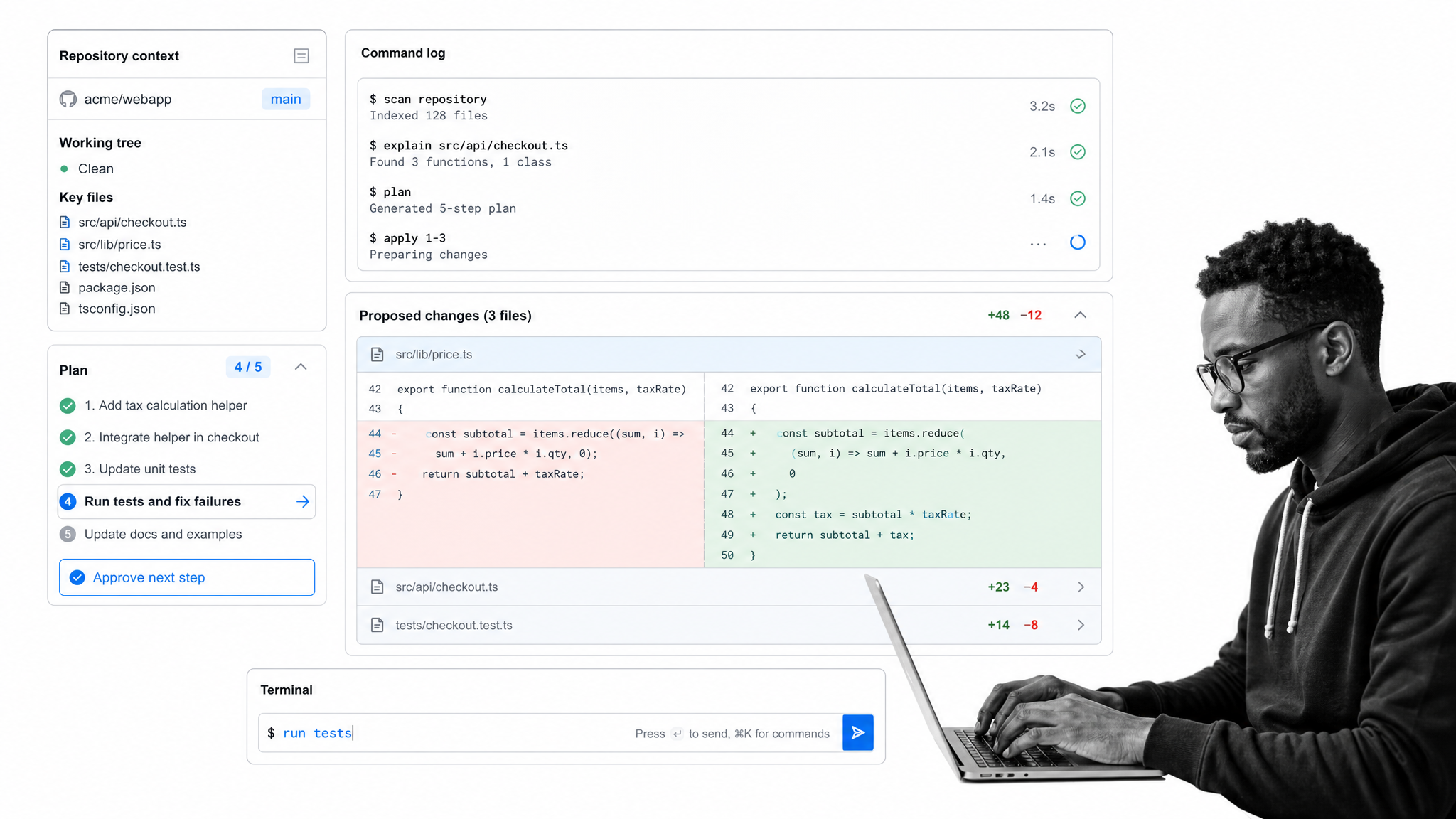
Claude Code is Anthropic’s agentic coding tool for terminal, IDE, desktop, and browser workflows. It can inspect repositories, edit files, run commands, and use MCP-connected tools, while permission controls let developers decide which actions the agent can take in a local or remote environment.
Claude Code is the closest alternative here for developers who want to keep their existing editor and work from a command-line or agent interface. It is included in Claude’s paid plans. Claude Pro costs $17 per month with annual billing or $20 when billed monthly, with usage shared across Claude products.
Bottom line: Claude Code is the strongest direct Cursor alternative for developers who prefer an agent in the terminal and existing IDE instead of a dedicated AI editor.
Choose Claude Code if: terminal-first repository work, Claude models, MCP support, and explicit command permissions match your development habits.
Skip Claude Code if: you want an all-in-one hosted app builder or a teammate centered on Slack and Microsoft Teams.
3. OpenAI Codex
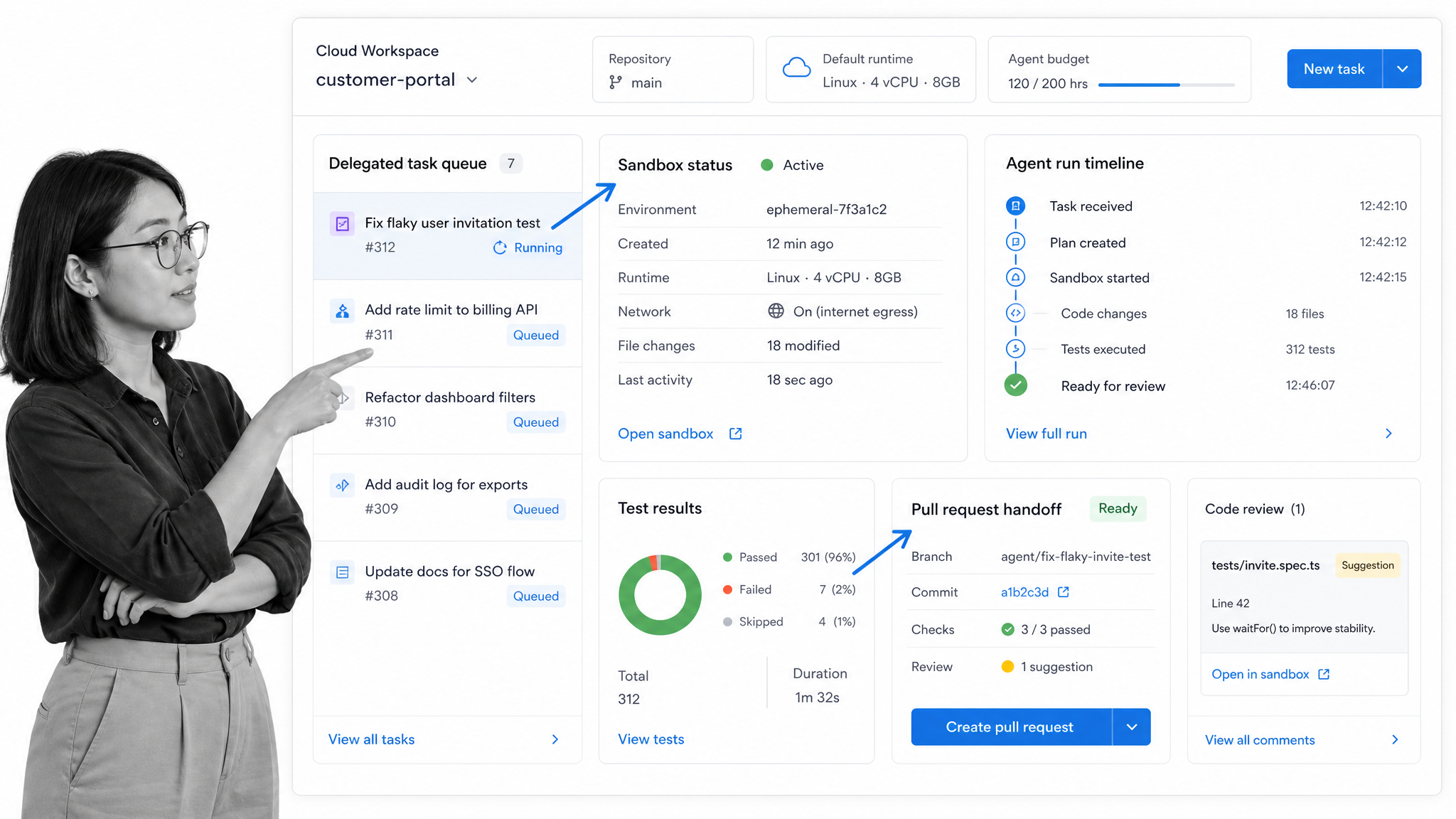
OpenAI Codex is an agentic coding environment available through its desktop app, CLI, IDE extension, web experience, and cloud tasks. OpenAI describes system-level sandboxing as the default, with permission requests for commands that require broader access, so teams can keep execution boundaries visible while agents work.
Codex is a good fit for developers already using ChatGPT and OpenAI’s coding workflow. It can handle focused edits, longer delegated tasks, parallel agents, reviews, and recurring automations. Codex is included with eligible ChatGPT subscriptions, and additional usage credits can be purchased when a plan’s included allowance is exhausted.
Bottom line: OpenAI Codex is the best Cursor alternative for teams that want OpenAI coding agents across desktop, CLI, IDE, web, and cloud surfaces.
Choose OpenAI Codex if: you want sandboxed agent work, parallel delegation, and a workflow tied to ChatGPT and OpenAI’s developer ecosystem.
Skip OpenAI Codex if: you need a fixed all-in-one editor experience or a no-code visual automation canvas.
4. GitHub Copilot

GitHub Copilot brings completions, chat, agent mode, code review, CLI help, and cloud agents into GitHub and supported development environments. It supports multiple models and gives organizations policy and license controls, making it a natural comparison for teams whose repositories and reviews already live on GitHub.
Copilot has the clearest low-cost entry point among the paid coding-focused options in this list. Its Free plan offers limited usage, while Copilot Pro is $10 per user per month. Business and Enterprise plans add centralized controls and are priced separately for organizations that need managed access.
Bottom line: GitHub Copilot is the best Cursor alternative for teams that want AI coding and review features anchored directly in GitHub and familiar IDEs.
Choose GitHub Copilot if: repository context, pull requests, code review, IDE support, and GitHub administration are central to your workflow.
Skip GitHub Copilot if: your main need is cross-tool operational execution outside the software development lifecycle.
5. Replit Agent

Replit Agent works inside Replit’s browser development environment, where an agent can help plan, build, debug, and publish applications. Because the workspace combines code, runtime resources, collaboration, and deployment, it is a stronger substitute for Cursor when the goal is moving from an idea to a hosted app in one place.
Replit offers a free Starter plan with limited Agent capability. Replit Core starts at $20 per month when billed annually and includes monthly credits, up to five collaborators, unlimited workspaces, autonomous long builds, and private deployments. Replit Pro targets heavier commercial builds with a larger credit pool and more collaborators.
Bottom line: Replit Agent is the best Cursor alternative for people who want a browser-based agent to build and publish an application without assembling a local toolchain.
Choose Replit Agent if: hosted development, fast prototypes, collaborative app building, and integrated deployment matter more than using your existing local editor.
Skip Replit Agent if: your team must keep development inside a mature local environment or needs a chat-native operations coworker.
6. Lindy
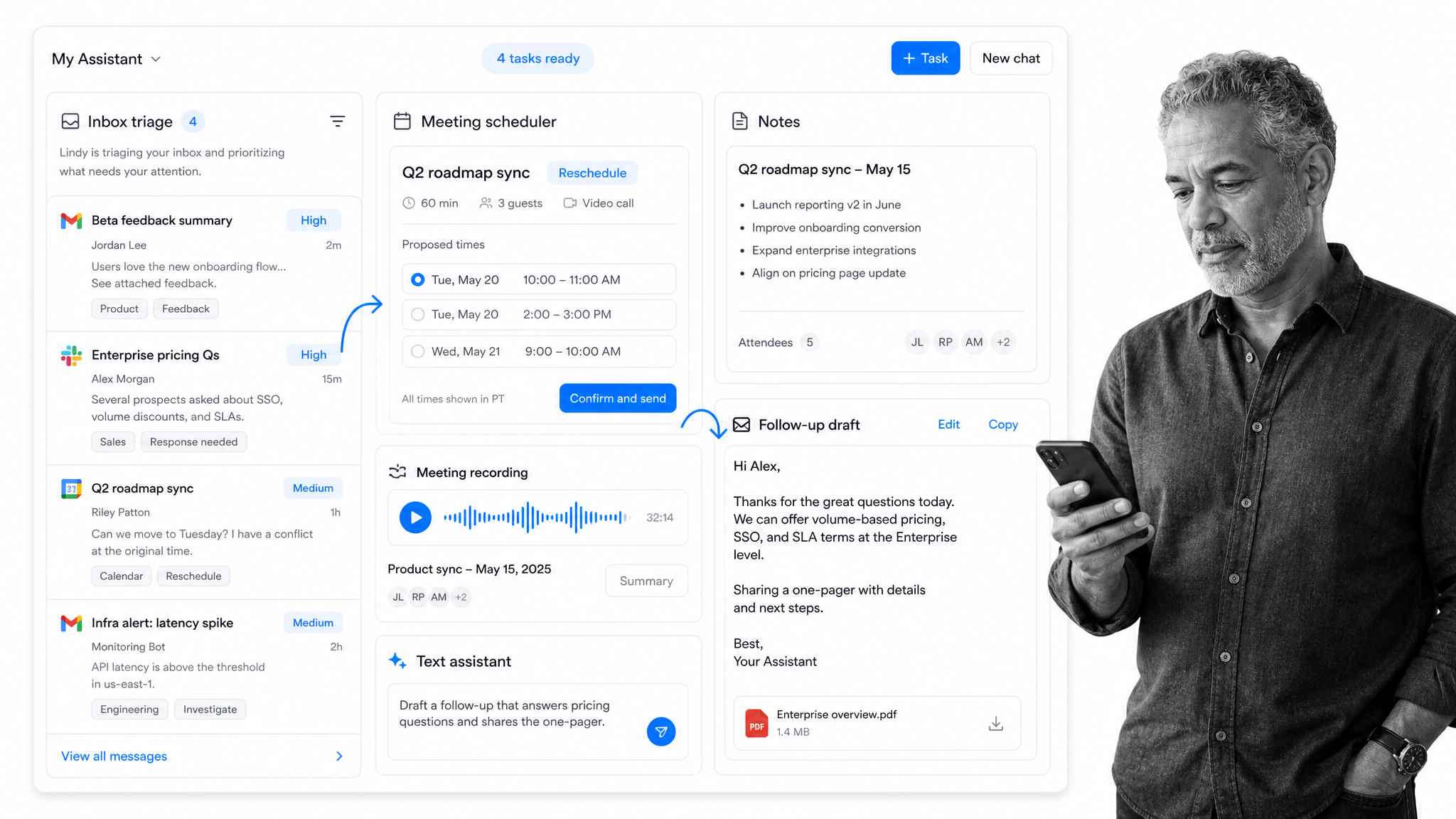
Lindy is a broader AI assistant for Slack, email, meetings, calendars, and connected business systems. Its current product includes model choice, built-in approvals, scheduled routines, shared context, and access to more than 1,400 integrations, including GitHub and any MCP server.
Lindy is a Cursor alternative only when the desired replacement is the surrounding coordination layer, not the code editor itself. It can manage inboxes, meetings, follow-up, and operational tasks around engineering. The Plus plan starts at $29.99 per user per month and includes 3,000 credits per user each month.
Bottom line: Lindy is a strong Cursor alternative for teams that need a Slack-native assistant for communication and coordination around engineering rather than direct code editing.
Choose Lindy if: inbox, meeting, calendar, Slack, and follow-up work account for more friction than writing code inside the editor.
Skip Lindy if: you need repository-scale edits, testing, or an integrated coding environment.
7. Gumloop
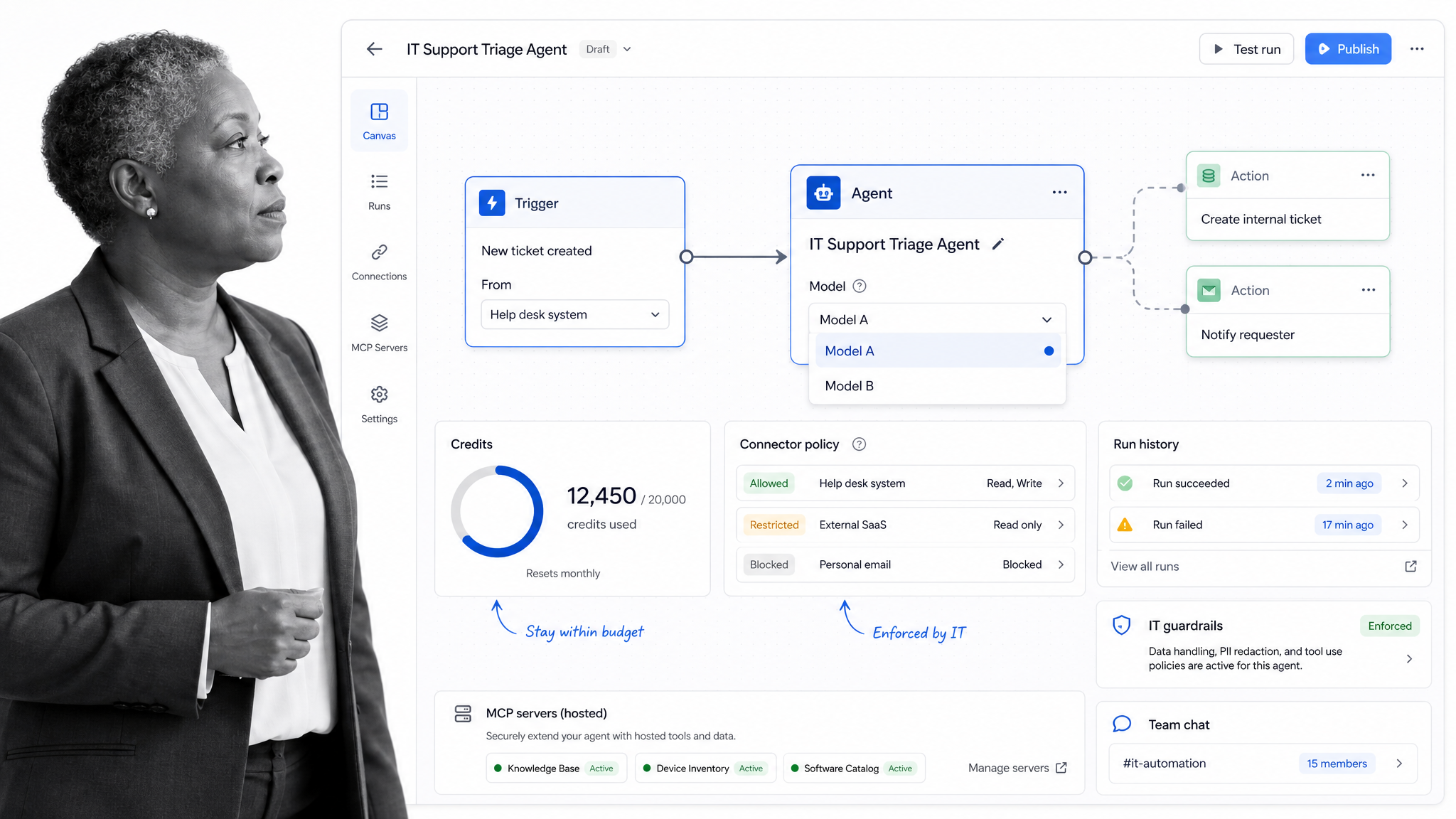
Gumloop is a visual AI workflow and agent platform for teams that want to design repeatable automations. Its agents can be given scoped access to specific integrations, and Gumloop documents more than 180 built-in connectors across communication, data, sales, support, and engineering tools.
Gumloop is useful when a Cursor-related task should become a reusable process, such as issue triage, research enrichment, or handoffs between engineering and operations. Its Pro plan starts at $37 per month for 20,000 credits and includes collaborative features, unlimited seats, and access to its supported model catalog.
Bottom line: Gumloop is the best Cursor alternative for teams that want visual, repeatable AI workflows around engineering systems rather than an agent embedded in the editor.
Choose Gumloop if: non-developers and developers need to build reusable cross-tool automations together on a visual canvas.
Skip Gumloop if: you want the fastest direct path from a code prompt to reviewed file changes in a repository.
Where does Process Street fit with Cursor alternatives?
Process Street is the process layer for recurring, controlled work around AI coding tools. Use its workflows to standardize reviews, approvals, release checks, incident response, and handoffs. Its process platform is complementary to Cursor and the alternatives above, not another coding agent.
For nearby comparisons, see the Claude Code alternatives guide for terminal and agent choices, or the Gumloop alternatives guide for AI workflow builders. These pages use the same first-party evidence standard while changing the shortlist and comparison criteria for each category.
How can you switch from Cursor without disrupting engineering work?
Switching safely means separating code-editor habits from the wider delivery process before changing tools. Inventory repository access, rules, models, extensions, MCP servers, review gates, and billing. Pilot one representative project, compare outputs with the same acceptance criteria, and keep Cursor available until the replacement reproduces required tests, permissions, and handoffs.
- Document the current setup: projects, rules, model preferences, MCP servers, extensions, and team conventions.
- Choose the replacement layer: coding agent, hosted app builder, chat-native coworker, or visual workflow platform.
- Run a parallel pilot: use the same issue, repository, tests, and review checklist in both tools.
- Verify permissions: confirm repository scope, command access, secrets handling, approvals, and audit visibility.
- Migrate gradually: move one workflow at a time and retain a rollback path until the team signs off.
Which Cursor alternative should you choose?
Choose Claude Code for terminal-first development, OpenAI Codex for OpenAI agent workflows, GitHub Copilot for GitHub-centered teams, or Replit Agent for browser-based app building. Choose Dash when engineering requests begin in Slack or Microsoft Teams, Lindy for communication-heavy assistance, and Gumloop for visual cross-tool automation. The right answer depends on the surface being replaced.
Cursor remains a strong benchmark for an integrated AI code editor. None of the broader coworkers should be presented as a direct editor replacement. Likewise, coding agents should not be assumed to manage approvals and operational systems outside the repository. Match the tool to the work boundary, then validate it with a controlled pilot.
What is the best Cursor alternative for Slack or Microsoft Teams?
Dash is the best fit in this list when engineering work starts in Slack or Microsoft Teams and must continue across connected tools with approval before external action. It is not a substitute for Cursor’s editor. It complements or replaces the coordination layer around coding, from intake and research to tickets, updates, and follow-up.
Cursor alternatives FAQs
These answers address the most common buying questions about Cursor alternatives, including direct coding substitutes, Slack and Microsoft Teams options, head-to-head differences, free access, app deployment, and current pricing. Product limits and prices can change, so confirm the linked first-party pages before making a final purchasing or rollout decision.
What is the best Cursor alternative for AI coding?
Claude Code is the closest choice for terminal-first work, OpenAI Codex is strongest for OpenAI agent workflows, GitHub Copilot fits GitHub-centered teams, and Replit Agent fits browser-based app building. The best option depends on whether you want a terminal agent, multi-surface coding agent, repository-native assistant, or hosted development environment.
What is the best Cursor alternative for Slack or Microsoft Teams?
Dash is the strongest option in this list for engineering work that starts in Slack or Microsoft Teams and crosses connected tools with approval before external action. Lindy is another Slack-native choice for inbox, meeting, calendar, and follow-up work. Neither product is a direct replacement for Cursor’s code editor.
Cursor vs Claude Code: which is better?
Cursor is better if you want an integrated AI-first editor. Claude Code is better if you prefer to keep your existing editor and work through a terminal, IDE integration, desktop app, or browser agent. Both can handle repository work, but their primary surfaces and control patterns differ.
Cursor vs GitHub Copilot: which is better?
Cursor is better for developers who want a dedicated AI-first editing environment. GitHub Copilot is better for teams that want completions, chat, agents, and code review embedded across GitHub and supported IDEs. Copilot also has a free tier and Pro pricing at $10 per user per month.
Is there a free Cursor alternative?
GitHub Copilot and Replit both offer free entry tiers with usage limits. Dash starts free with no credit card. Cursor itself also has a free Hobby plan. Claude Code is included in paid Claude plans, while OpenAI Codex availability depends on the user’s eligible ChatGPT subscription.
Which Cursor alternative is best for building and deploying apps?
Replit Agent is the clearest choice when you want planning, coding, runtime resources, collaboration, and deployment in one browser workspace. Claude Code, OpenAI Codex, and GitHub Copilot can support deeper work in existing repositories, but deployment depends more heavily on the surrounding development stack.
How much do Cursor alternatives cost in 2026?
As verified August 27, 2026: Dash lists its current plans on its pricing page; Claude Pro starts at $17 monthly with annual billing; Codex is included with eligible ChatGPT subscriptions; Copilot Pro is $10 monthly; Replit Core is $20 monthly billed annually; Lindy Plus is $29.99 monthly per user; and Gumloop Pro starts at $37 monthly. Cursor Pro is $20 monthly.
Where does Process Street fit with Cursor alternatives?
Process Street standardizes the recurring process around engineering tools, including intake, approvals, release checks, incident response, documentation, and handoffs. It does not replace Cursor or the coding agents in this list. It provides the controlled workflow layer that keeps human and AI work consistent and auditable.
Comparing something else? The full directory of software alternatives and competitor comparisons covers AI agents, workflow and BPM platforms, integration tools, and more.