





Digital consumer psychology is the study of how people think, feel, compare options, and make decisions across websites, apps, social platforms, search results, reviews, and other digital touchpoints.
This is a guest post by Saibu Baba, a blogger, content writer, and digital marketer who writes about social media management, content creation, fintech, and blockchain. Follow Saibu on X.
Where do you see your startup in five to ten years? The answer may describe a product, a market, or a company you want to build. But every version depends on someone outside your team: the customer who chooses you, returns, and recommends you to somebody else.
Digital customers can compare alternatives in seconds. They can read reviews, ask a community, watch a demonstration, check a policy, abandon a slow checkout, and move to a competitor without leaving the sofa. More choice gives them power, but it also creates uncertainty. Your job is not to manipulate that uncertainty. It is to understand what customers are trying to accomplish and make the best decision easier to recognize.
Psychology of digital consumers
What influences someone to buy a product, delay the decision, or choose a different brand? Price matters, but it rarely acts alone. Digital consumer behavior is shaped by relevance, trust, convenience, social proof, perceived risk, privacy, previous experience, and the mental effort required to compare options.
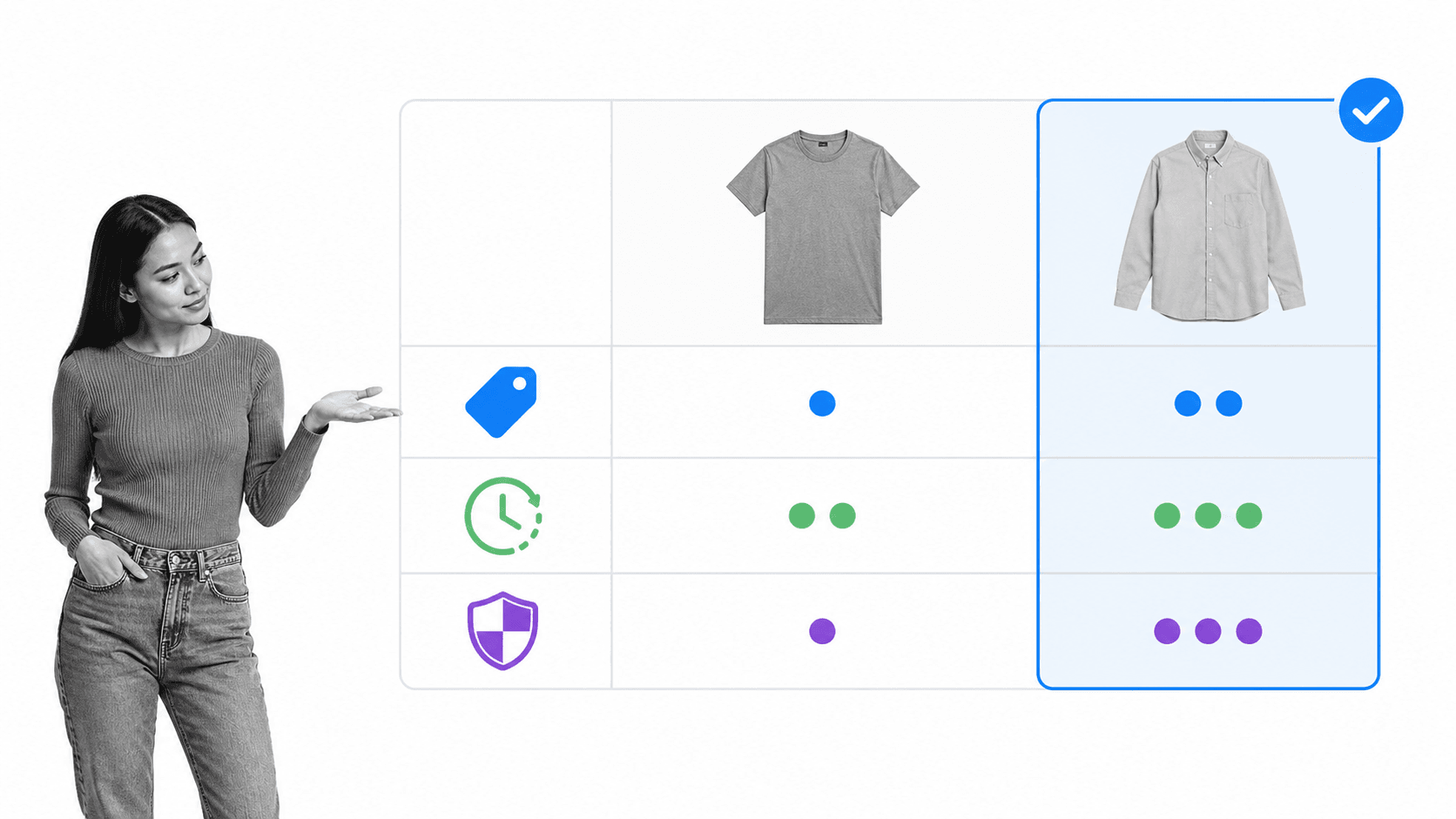
Imagine a customer choosing between a shirt from a large marketplace and one from a niche store. The marketplace may feel convenient and familiar. The niche store may offer a better fit, a clearer story, or more responsive service. The customer weighs those advantages against delivery time, returns, payment security, reviews, and the risk that the product will not match the promise.
This is why a digital experience is more than a website design. Every touchpoint changes the customer’s confidence. A clear product page reduces uncertainty. Useful reviews provide social proof. Transparent shipping and return policies lower perceived risk. A fast, accessible checkout reduces friction. Consistent support shows that the brand will still be there after the purchase.
Choice overload creates another problem. When every option looks similar, more alternatives can make the decision harder rather than easier. Help customers compare what matters. Explain who the product is for, what problem it solves, what the tradeoffs are, and what happens after they buy. Clarity is more persuasive than pressure because it lets the customer make a decision they can defend to themselves.
Customers also use mental shortcuts because they cannot investigate every detail. The first credible price can become an anchor. A familiar default can feel safer than an unfamiliar alternative. Recent reviews can outweigh an older reputation. A recommendation from a trusted peer can matter more than a polished advertisement. These shortcuts are not defects to exploit. They are reminders that context shapes judgment. Give customers honest reference points, explain defaults, show representative evidence, and make important conditions easy to find.
Consistency across channels matters for the same reason. If a social post promises simplicity, the product page should be simple to understand. If the product page promises fast delivery, the checkout and confirmation should show a believable timeline. If support promises a resolution, the next handoff should carry the context forward. Contradictions force the customer to stop and recalculate trust.
The post-purchase experience is part of the same psychology. If delivery, onboarding, support, and results match the expectation you created, the customer gains evidence that choosing you was safe. If the promise and experience diverge, regret replaces trust. Loyalty begins when the full experience confirms the decision, not when the payment clears.
How to build a loyal customer base for your startup
Digital customers have little patience for preventable delays and broken promises. A bad experience makes the next option more attractive. A useful, honest, and consistent experience earns attention again. The goal is not to trap customers in a funnel. It is to make returning the sensible choice.
Redefine your real competitor: The digital consumer
Building a startup requires competitor research. You need to understand the companies serving the same market, what they promise, who they serve, and where they are strong or weak. But studying rival companies alone can make you copy their assumptions. The more revealing competitor is often the customer’s existing workaround.
Before your product existed, potential customers were already doing the job somehow. They used a spreadsheet, searched manually, asked a friend, combined several tools, hired a specialist, accepted a delay, or decided the problem was not worth solving. Your product competes with all of those behaviors, including doing nothing.
That is the useful lesson in Jack Ma’s explanation of how Alibaba differed from Amazon. In the interview below, he described different business models and different roles in the market. The point is not to infer a founder’s private motivation. It is to see how a company can serve a customer job through a model that does not simply imitate the most visible incumbent.
Alibaba helped many businesses reach buyers and handle trade in a different way. Search engines made information retrieval faster than visiting a library for every question. Restaurant discovery products reduced the effort of finding a place that matched a particular need. In each case, the winning product improved a job people were already trying to do.
Study the workaround closely. Where does it waste time? Where does it create doubt? What information is missing? Which step feels risky? What does the customer have to remember, coordinate, or repeat? A durable product makes that job better, faster, safer, cheaper, or more convenient in a way customers can feel.
T. L. Brink’s book Buzz or Zap? Consumer Psychology for the 21st Century makes a related argument: innovation improves when you observe what people are already trying to do for themselves. The relationship becomes valuable when a customer with a need, question, or concern returns to your company instead of restarting the search from zero.
Grow an audience before launching your startup
The old sequence was simple: have an idea, build the product, launch it, and then find an audience. That order is expensive when your assumptions are wrong. Digital channels let you learn before the full product exists.
Start with a useful point of view, a specific audience, and a problem worth discussing. Publish practical content. Run customer interviews. Build a waitlist. Send a newsletter. Host a small community. Share prototypes and observe which questions repeat. These activities do more than create awareness. They reveal the language customers use, the alternatives they have tried, the objections that stop them, and the outcomes they value.
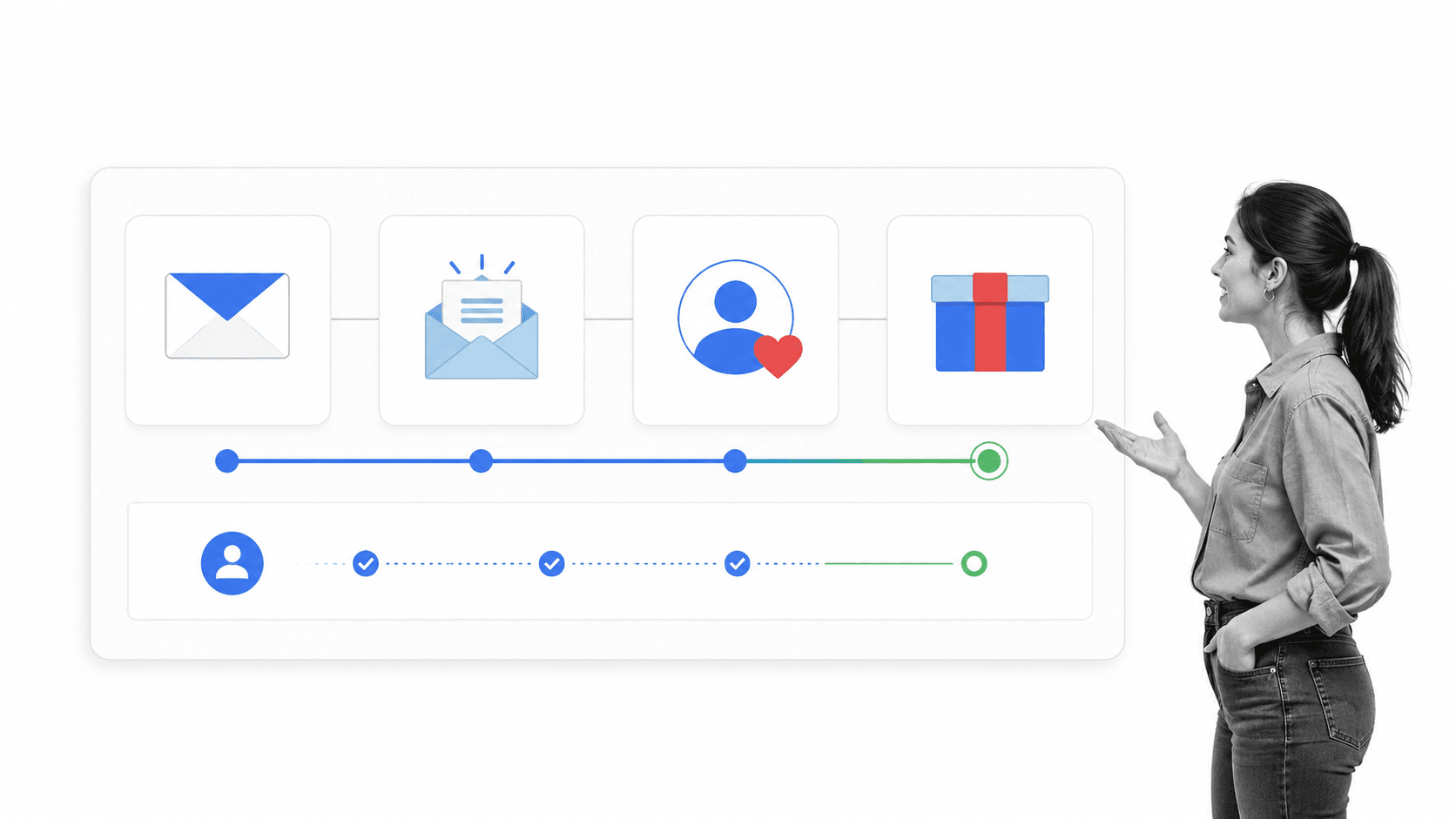
Choose channels by audience fit instead of trying to appear everywhere. A B2B founder may learn more from a focused LinkedIn network, an email list, and customer conversations than from maintaining six broad social accounts. A visual consumer brand may find stronger signals on Instagram, Pinterest, YouTube, or a relevant Reddit community. Platform use differs by audience, so current research such as the Pew Research Center’s social media analysis is more useful than a universal channel checklist.
Email remains especially valuable because it is an owned relationship. A newsletter can teach, test ideas, invite replies, and bring the same people back without depending entirely on an algorithm. The list itself is not proof of demand, but repeated engagement, specific questions, interview requests, waitlist conversions, and willingness to test a solution are meaningful signals.
Track learning, not vanity. A large audience that never replies, tests, refers, or buys may be less valuable than a small group that describes the problem in detail and returns every week. Record which problems repeat, which words customers use, which alternatives they compare, what triggers urgency, and what makes them hesitate. Those observations should influence the offer, onboarding, pricing logic, support model, and the content you publish next.
Use those signals to improve the offer before launch. Show people what you are learning. Give them something useful before asking for a sale. When the product arrives, the audience already understands the problem and has evidence that you understand it too.
AI and data: Know your customers more than they know themselves
Customers expect relevance, but they also expect control. Responsible personalization starts with a clear value exchange: collect data for a stated purpose, ask for consent where required, minimize what you keep, protect it, and give people a practical way to manage their preferences.
Use first-party signals that customers knowingly create. These include product behavior, support conversations, survey responses, search terms, purchase history, returns, cancellations, interviews, and direct feedback. Each signal is incomplete on its own. Combine them carefully and look for patterns without pretending that a model can read a person’s mind.
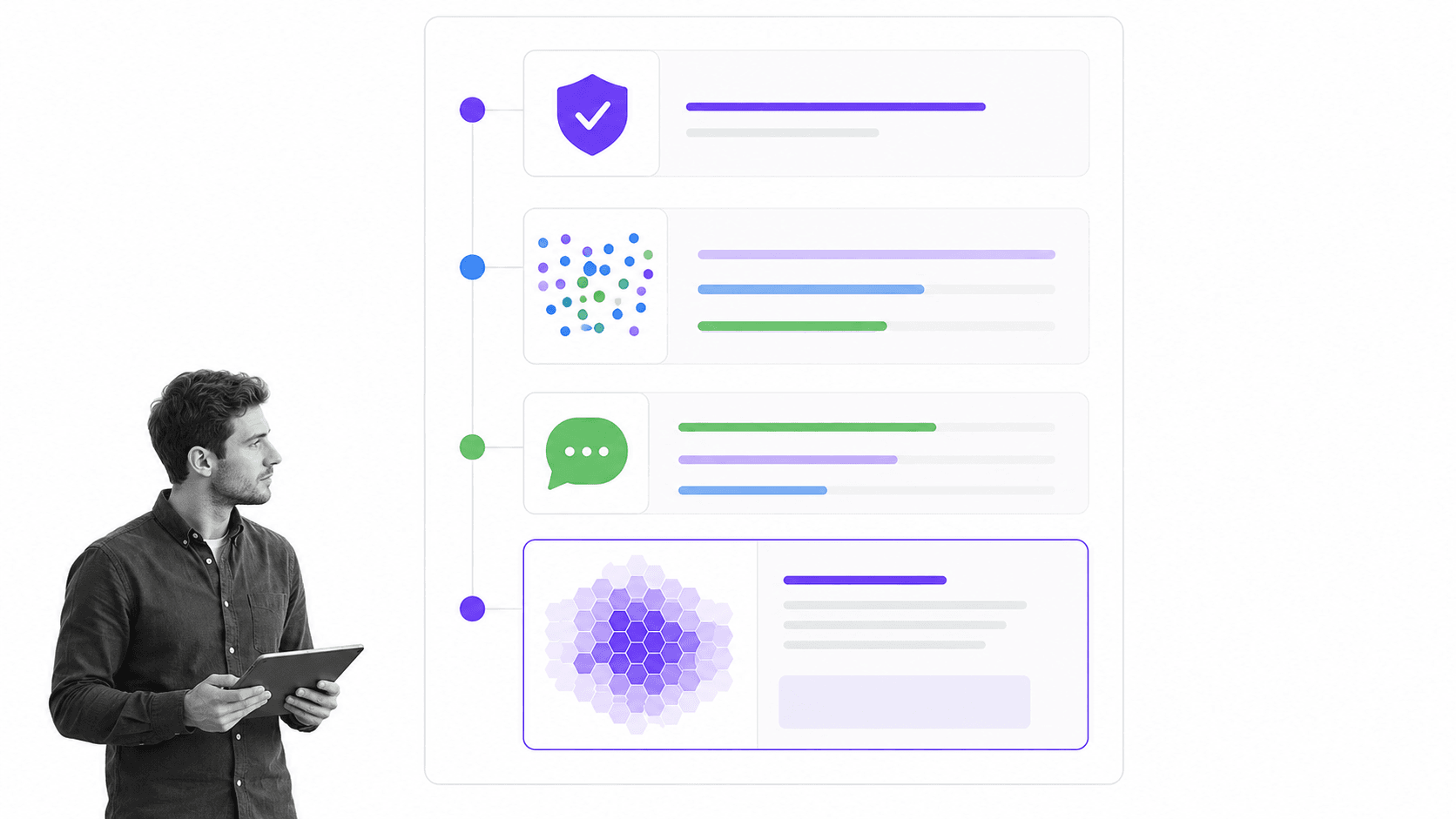
AI can help summarize interviews, classify feedback, detect recurring questions, group behavior patterns, and suggest segments for human review. It should support judgment, not manufacture certainty. Teams still need to test whether an insight is accurate, fair, useful, and consistent with what customers agreed to share.
A practical research loop is simple. Collect feedback and behavior signals with a clear purpose. Remove information you do not need. Let AI organize the material into themes and exceptions. Ask a researcher, product owner, or customer-facing operator to review the evidence behind each theme. Then test the proposed change with customers and measure whether it improved the experience. The loop turns data into a decision without allowing a model’s summary to become unquestioned truth.
This balance matters because relevance and privacy are not opposites. Research from the National Retail Federation and CapTech describes the tension directly: consumers want experiences that fit their needs while remaining concerned about how personal data is collected and used. Trust grows when a brand is useful and transparent at the same time.
RetailNext offers a physical-retail example. Its analytics use observable signals such as traffic, dwell, shopper journeys, layout performance, and conversion to help retailers understand what happens in stores. Those signals can reveal where an experience creates friction. They do not prove what an individual customer secretly likes or dislikes, so the interpretation must remain grounded in observable behavior and direct feedback.
Avoid dark patterns, artificial scarcity, hidden subscriptions, confusing consent, and personalization that feels like surveillance. Those tactics may create a short-term conversion, but they damage the trust required for loyalty. The strongest use of data is to remove friction, improve the offer, and help customers make a decision that still feels right after the purchase.
Final morsels
Digital consumers have more information, more options, and more ways to leave. Startups earn loyalty by understanding the job customers already do, making that job meaningfully better, building an audience before launch, and using customer signals responsibly.
See the customer as the real competition. Reduce the cost and uncertainty of switching from the old workaround. Deliver what you promised after the sale. Keep listening when the market changes. Loyalty is not a persuasion trick. It is the accumulated proof that choosing your brand was a good decision.
From Process Street: Process Street is a single Compliance Operations Platform with Docs and Ops capability areas plus built-in AI. Teams can govern customer-facing procedures in Docs, run repeatable onboarding, support, renewal, and escalation workflows in Ops, and use built-in AI to organize feedback and support execution with human control. A practical next step is a governed customer success onboarding process that connects the promise made before purchase to the experience delivered afterward.
Digital consumer psychology FAQs
What is digital consumer psychology?
Digital consumer psychology examines how people perceive information, compare options, judge risk, respond emotionally, and make decisions across digital channels such as websites, apps, search, reviews, social platforms, and online communities.
What influences online consumer behavior?
Important factors include relevance, trust, convenience, social proof, price, perceived risk, privacy, choice overload, previous experience, and the amount of friction in the customer journey.
How do startups build customer loyalty?
Startups build loyalty by solving a real customer job better than the current workaround, setting clear expectations, delivering a consistent post-purchase experience, responding to feedback, and making it easy for customers to trust the next interaction.
How can AI support customer research responsibly?
AI can summarize interviews, classify feedback, find recurring themes, and suggest patterns for human review. Responsible use requires consent, data minimization, security, transparent purpose, and validation by people who understand the customer and context.