


Salesforce data security is the combination of resilient cloud infrastructure, layered technical controls, transparent service monitoring, and customer-side administration that protects information stored in Salesforce. Salesforce built that model over many years of scaling and operational change. The “Fort Knox” comparison is useful only when it describes defense in depth: no single wall, lock, or encryption control carries the whole burden.
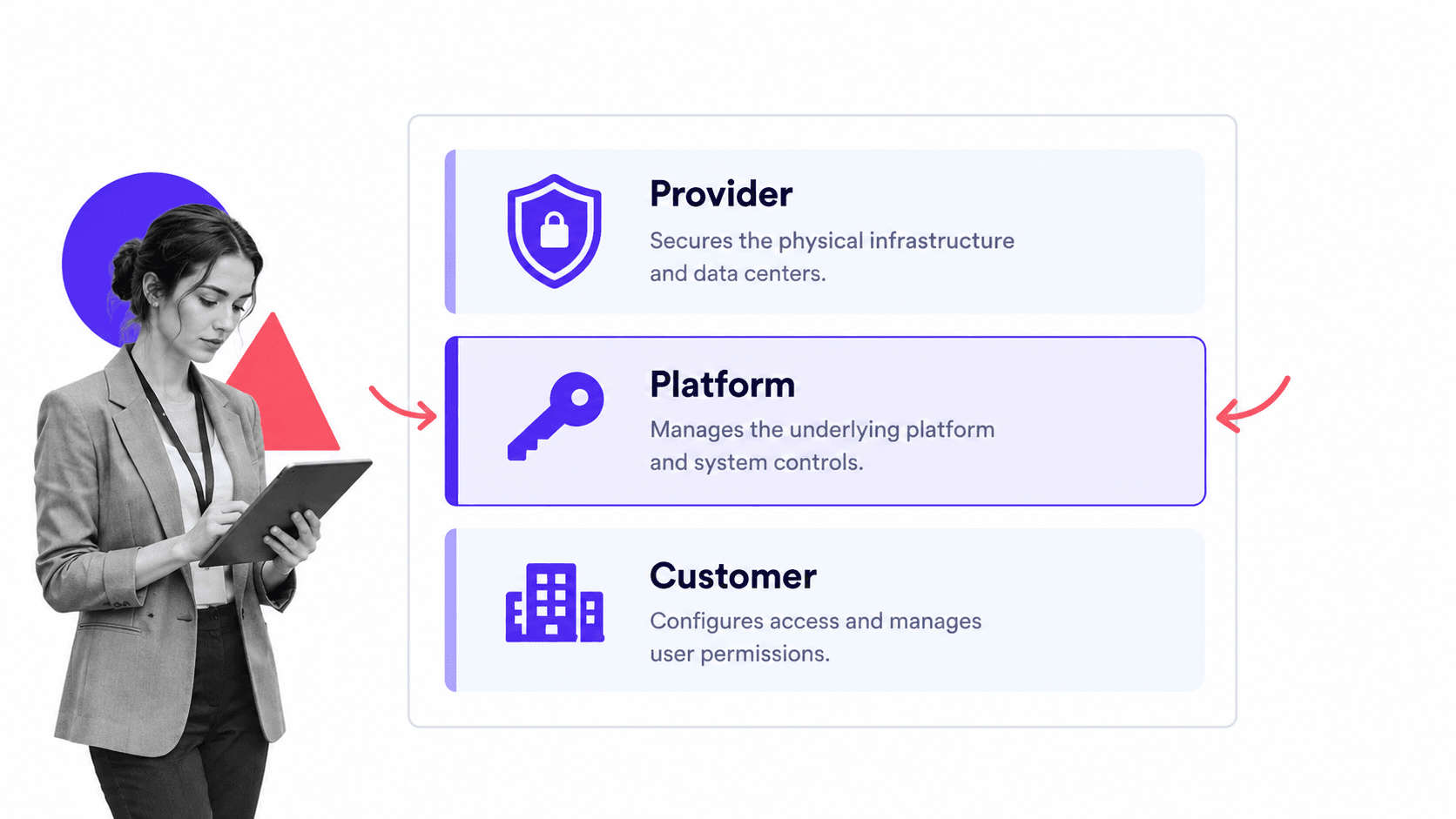
Salesforce secures the platform and its underlying cloud services, while each customer controls users, permissions, connected apps, integrations, and day-to-day data handling. Understanding that shared responsibility boundary is essential for evaluating the Salesforce security model and using it safely.
How complex are Salesforce’s IT operations?
Salesforce operates a global, multi-tenant cloud platform across data centers and cloud regions for organizations with very different workloads, regulatory duties, and availability needs. That scale creates a difficult engineering problem: the service must absorb growth and infrastructure changes without trading away isolation, reliability, or security.
A company as well-known as Salesforce has a huge target on its back, so it needs to maintain high security standards while scaling and innovating rapidly. Its hardware infrastructure grew from being manageable in a single spreadsheet to requiring a powerful internal suite of tools. The specific hardware counts and data-center footprint have changed, but the operational problem remains.
Today, Salesforce describes Hyperforce as its next-generation infrastructure architecture. It runs Salesforce services on major public-cloud infrastructure and is designed around infrastructure as code, least-privilege access, zero-trust principles, encryption in transit and at rest, and multi-zone availability. Customers can use the current Salesforce Status site to see service availability and maintenance information.
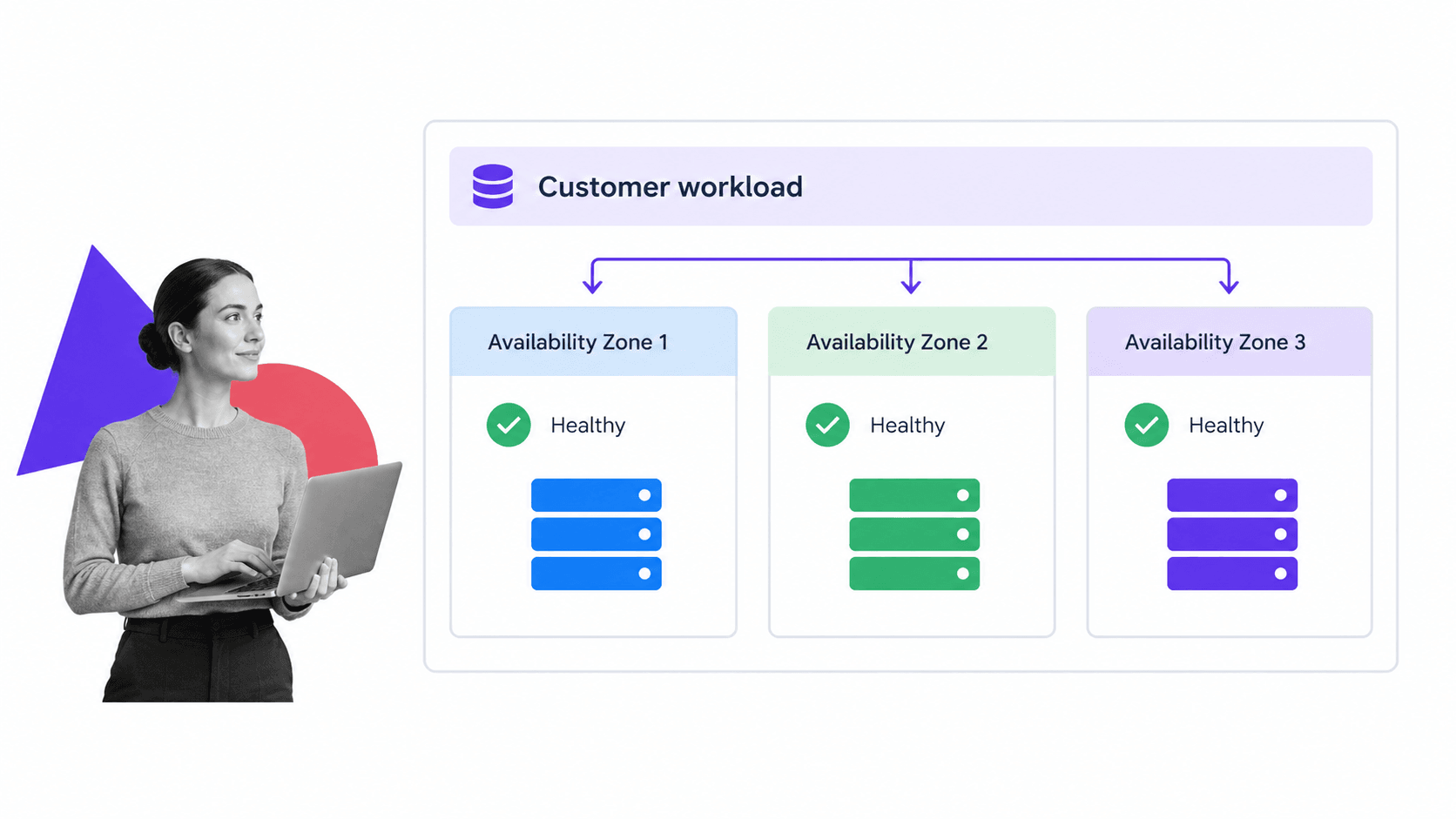
Hosting software at this scale means coordinating deployments, routing, storage, observability, incident response, and change management across many dependent systems. As transaction rates and data volumes grow, a SaaS company has to scale its IT operations without increasing latency, disrupting service, or weakening isolation. The architecture also has to contain failures, maintain tenant separation, and preserve a trustworthy audit trail.
Multi-tenancy makes that coordination especially important. Many customers use a shared service, but their records and configuration must remain logically separated. Platform changes therefore need controlled rollout, compatibility testing, telemetry, and a reliable way to stop or reverse a deployment. Operational discipline is part of the security model because rushed or poorly observed change can create the same kind of exposure as a deliberately malicious action.
Scaling Salesforce to serve 3.5m users
In the formative years of SaaS, the concerns of corporations centered around security and reliability. Companies were used to housing their own data, and sending it off to a black box where they could not be sure it would not get lost or corrupted was a nerve-wracking idea. As Salesforce tried to scale IT in line with its rapid adoption worldwide, it suffered initial disruptions and had to make accountability visible.
Salesforce experienced service disruptions between December 2005 and February 2006. A 2007 THINKstrategies profile documents the company’s response: investment in service-delivery infrastructure and the launch of a public site that reported availability and performance. In acknowledging the problems, Salesforce made a public commitment to work toward achieving service availability as close to 100% as possible and setting a new standard for service-level accountability in the process. An archived version of the original Trust site shows how unusual that degree of operational transparency was at the time.
The archived trust page shows Salesforce serving just three instances: Asia Pacific, EMEA, and North America 1. Salesforce instances are systems running everything a customer needs to use the service. They are independent, which provides extra security because a single compromised instance can be taken down and diagnosed while users are switched to their closest active instance. Current Hyperforce architecture is more sophisticated, but this early design explains the company’s long-standing emphasis on isolation, redundancy, and public service accountability.
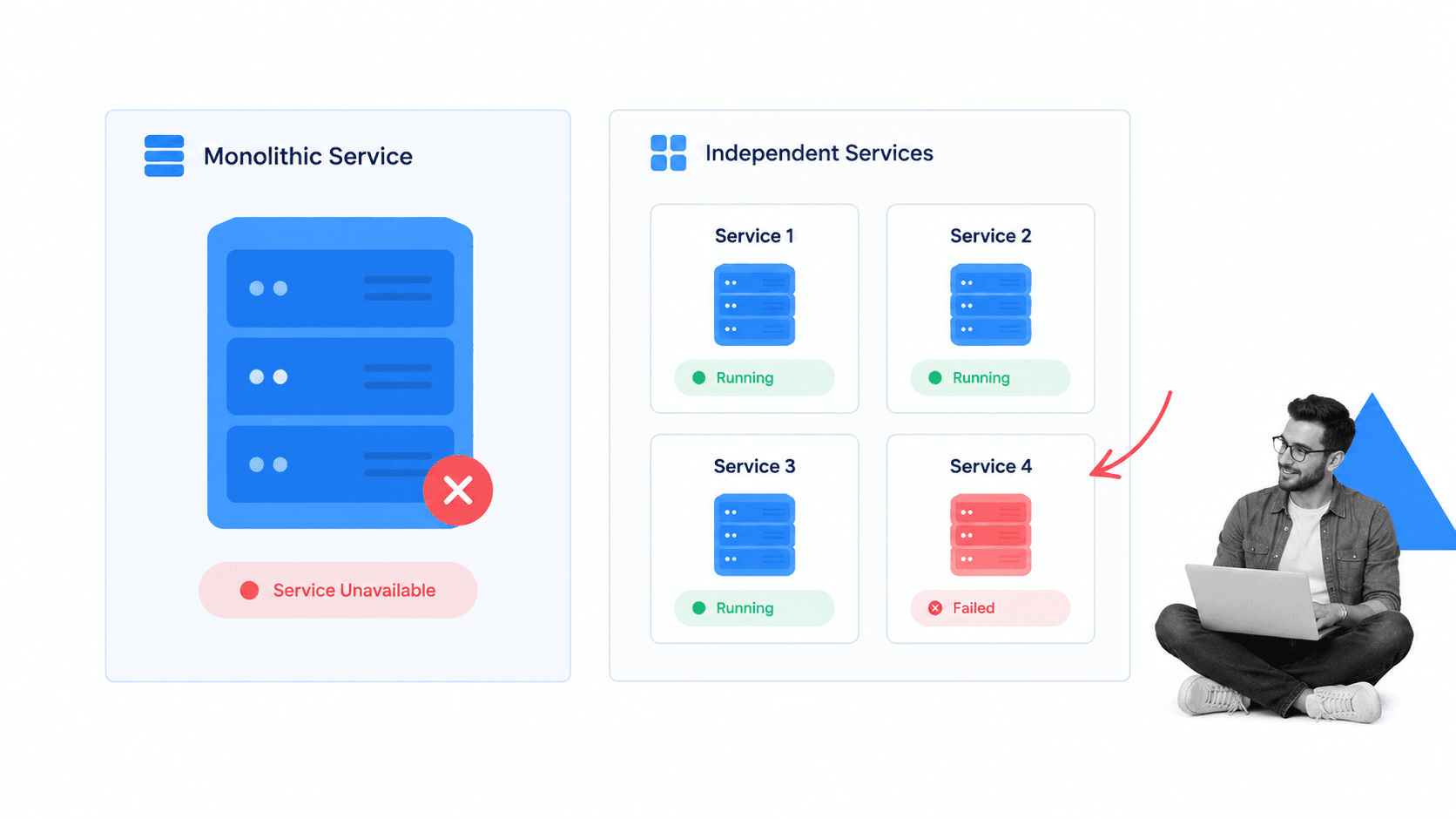
Salesforce instances were systems that supplied the services a customer needed. The approach supported horizontal scaling: instead of relying on one ever-larger machine, capacity could be spread across additional systems. Horizontal scaling can improve redundancy and reduce the blast radius of a failure because workloads are not concentrated on one point.
Creating more instances in more data centers rather than upgrading to more powerful machines is horizontal scaling. Scaling horizontally is safer because it reduces the points of failure in the system. If, for example, you were serving an application to 1,000,000 people on a single powerful server, it would be safer to serve it to 250,000 people on four servers that each had a quarter of the power. That simplified illustration leaves out the complexity of distributed data, but it captures the resilience benefit.
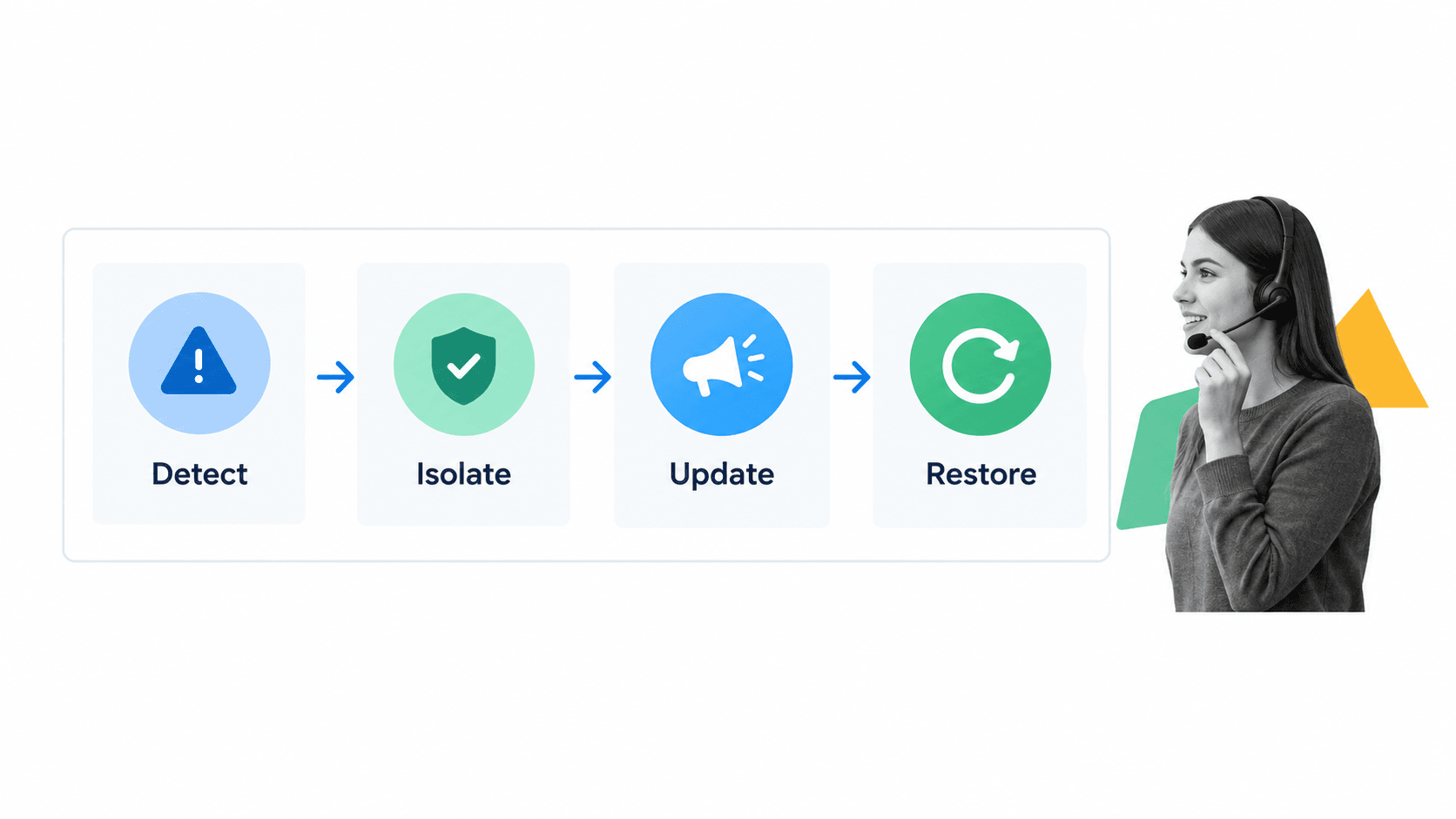
Distribution introduces its own complexity: data consistency, routing, deployment coordination, and monitoring all become harder. It also gives engineers more options for graceful degradation and recovery because a compromised or unhealthy unit can be isolated, diagnosed, and restored without requiring every other unit to fail with it.
Salesforce architect Ian Varley described this logic in a Dreamforce presentation. The architecture has evolved, and Salesforce now publishes engineering material through sources including the Salesforce Engineering author archive, but the underlying objective remains familiar: distribute capacity, isolate faults, and automate repeatable operations.
Inside a Salesforce data center
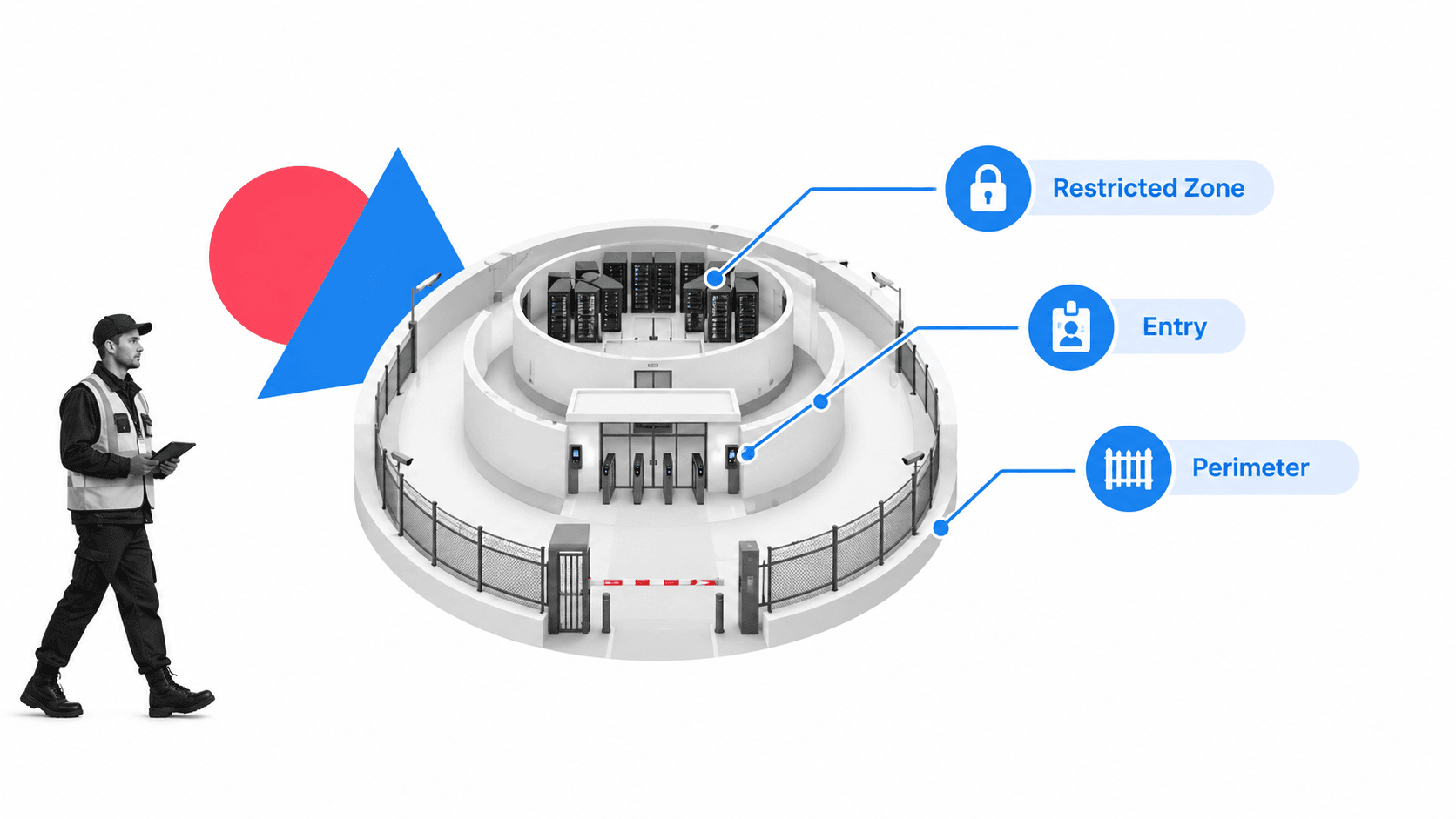
Physical security remains part of cloud security, but the boundary is different from the one described in early Salesforce material. Hyperforce relies on public-cloud infrastructure, so Salesforce and its infrastructure providers apply controls at different layers. Customers do not need the street address of a server building to understand the security model; they need evidence about access controls, resilience, compliance, and responsibility.
Salesforce publishes relevant material through its trust and compliance documentation. Depending on the service and region, physical controls can include restricted facility access, monitoring, environmental safeguards, redundant power and networking, and tightly controlled maintenance procedures. These controls form one layer of a broader system rather than a guarantee by themselves.
This evidence-based view is stronger than speculation about individual buildings. Security and compliance reports can help a customer understand which standards apply, how controls are assessed, and where additional customer safeguards may be necessary. Procurement, security, legal, and operations teams should read those materials against their own data classifications and regulatory commitments rather than treating a vendor certification as a substitute for risk assessment.
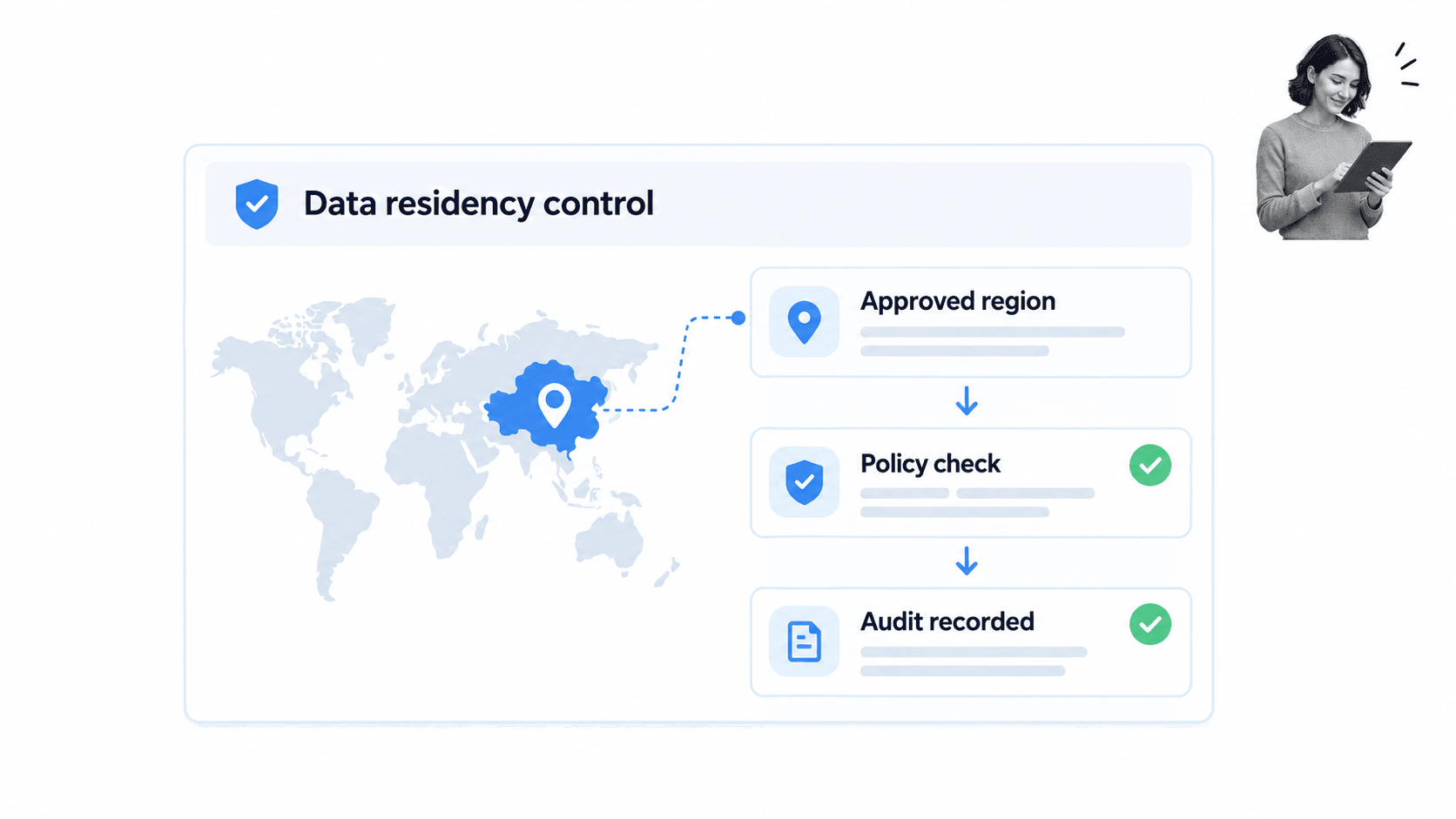
The more useful question is how physical resilience connects to logical isolation and recovery. A secure facility cannot correct an over-permissioned account, and an excellent identity policy cannot compensate for unreliable infrastructure. Effective security requires independent controls that overlap: facility safeguards, resilient architecture, strong identity, encryption, monitoring, testing, and practiced incident response.
Instanced systems are part of those safety precautions, but teams also need to consider the physical security of the servers underneath them. Exterior perimeter controls can include bullet-resistant construction, concrete vehicle barriers, closed-circuit television coverage, alarm systems, and manned guard stations. Inside a facility, guards and tightly controlled equipment access help defend against non-entrance attack points and unauthorized entry. The public-cloud model changes who operates those controls, not why the controls matter.
Data security at Salesforce
Salesforce data security combines platform controls with customer configuration. Salesforce protects its service infrastructure and publishes security advisories. Customers remain responsible for deciding who can sign in, what records those people can reach, which apps can connect, how integrations authenticate, and how sensitive data moves through their business processes.
Salesforce has always taken security seriously, partly because security was such a major concern for the platform’s early adopters. That history does not justify an absolute claim that breaches cannot happen; it explains why trust, transparency, and layered controls became central to the platform’s operating model.
That distinction matters because real incidents do not always begin with a direct compromise of the core platform. Salesforce has published guidance about social-engineering threats and a connected-app incident. Security teams should treat third-party applications, stolen credentials, excessive privileges, and unsafe user actions as part of the Salesforce threat model.
Defense in depth turns that threat model into a set of overlapping decisions. Strong authentication reduces the value of a stolen password. Least privilege limits what a compromised identity can reach. Connected-app governance limits external access. Encryption protects data in transit and at rest. Logging and alerting shorten detection time, while tested response procedures help teams contain a problem and preserve evidence. None of these controls is perfect; together they make a single failure less likely to become a systemic incident.
Stateful packet inspection
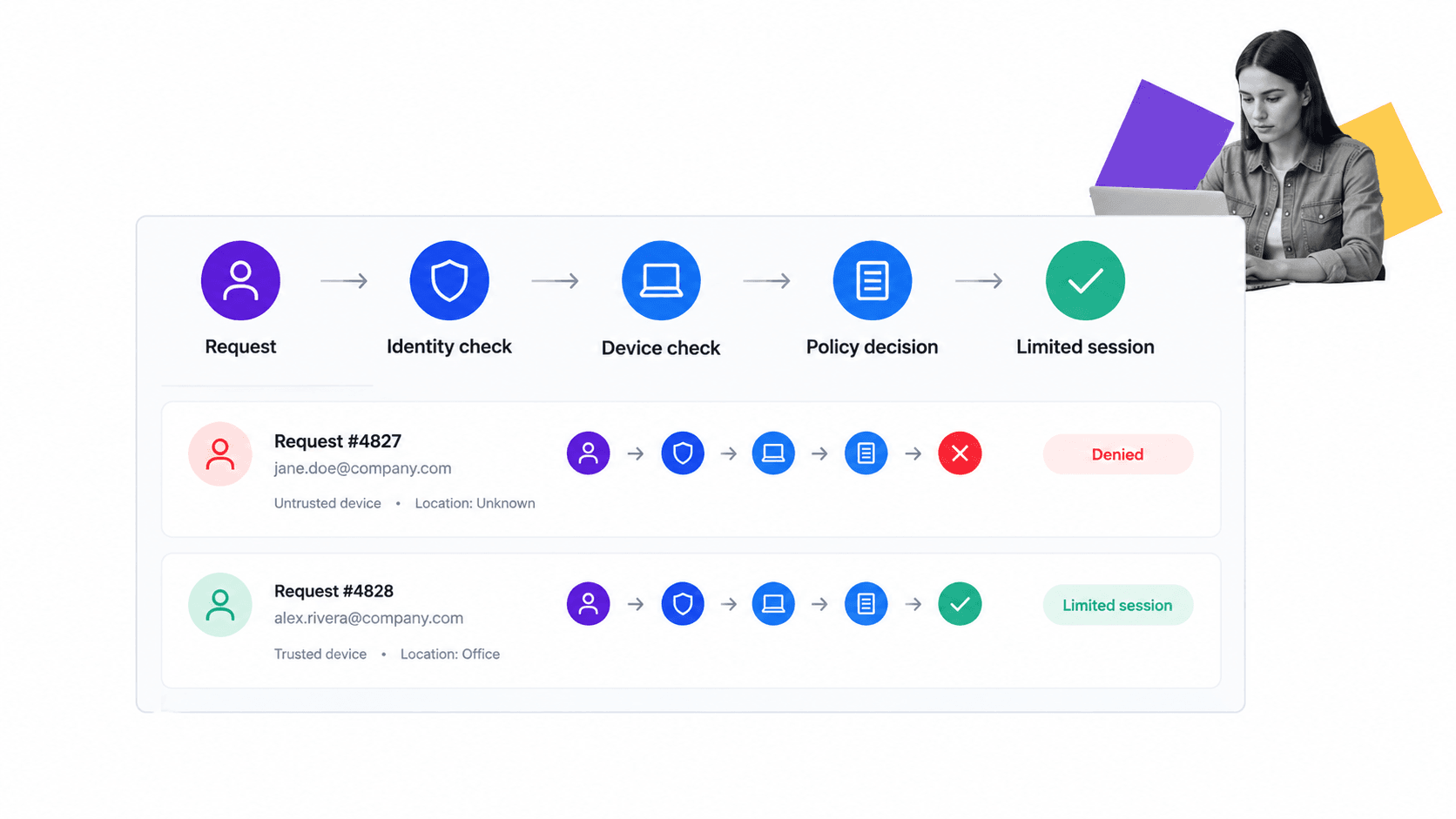
A stateful firewall inspects data coming into a network and filters out anything that does not match a trusted connection. The firewall stores a connection’s attributes, including the port, IP address, and packet sequence numbers. Anything contrary to the attributes of its trusted connections can be filtered before it goes any further into the network. Modern cloud security uses multiple network and application controls rather than relying on one firewall at the perimeter.
Bastion hosts
Bastion hosts are computers that have been specially designed to withstand security threats. They run the minimum amount of software to decrease their vulnerability and are situated as barriers between less trusted networks and protected systems. Modern cloud environments may replace long-lived jump servers with short-lived access pathways, identity-aware proxies, and audited privileged-access workflows.
Whatever implementation is used, administrators should avoid permanent broad access. Approval, strong authentication, time limits, session logging, and separation of duties make privileged activity easier to govern. The objective is not merely to place one fortified machine between the internet and an internal network, but to make every sensitive administrative action attributable, reviewable, and revocable.
TLS/SSL encryption
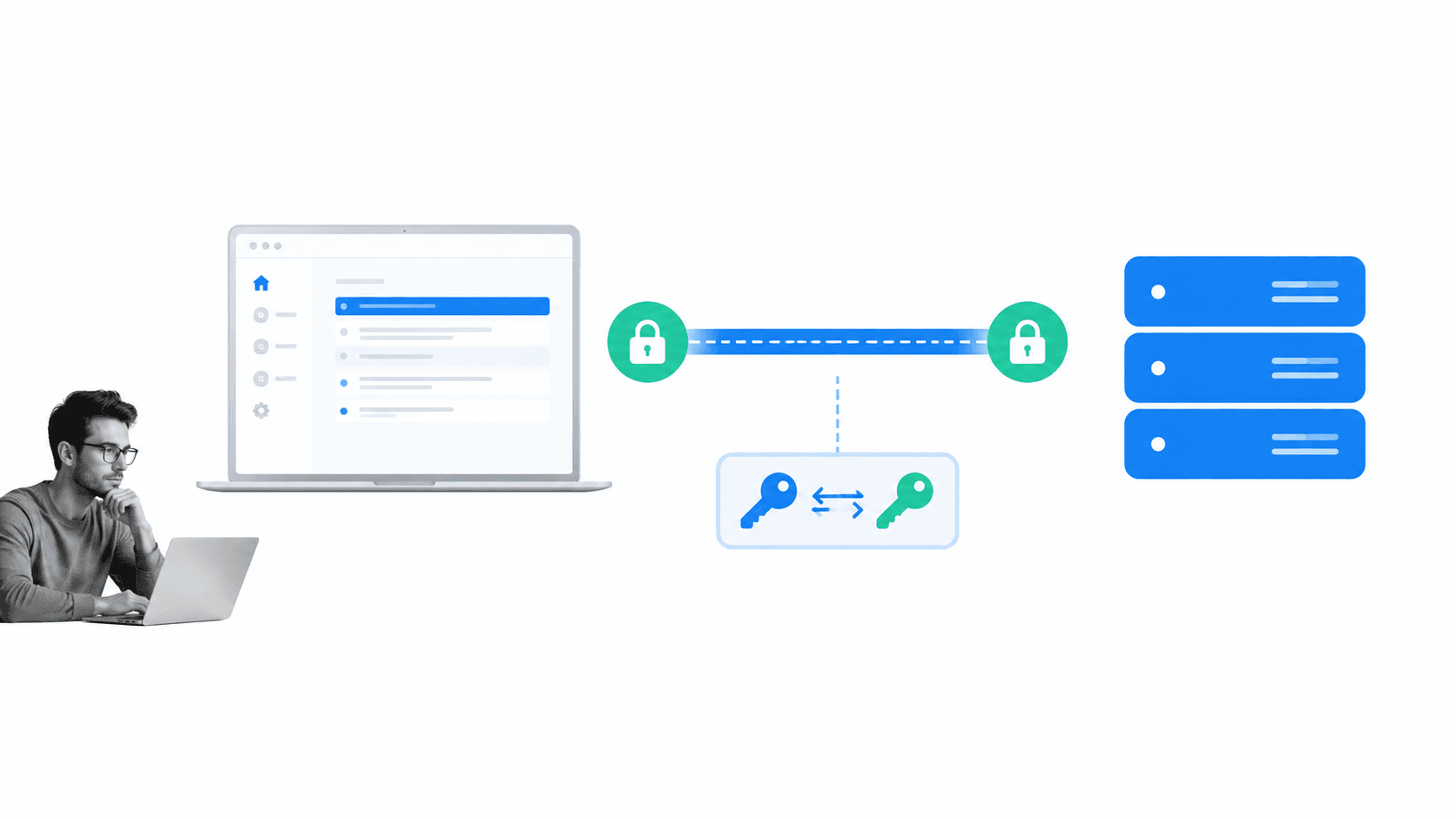
TLS protects data while it travels between a client and a service. During a TLS connection, the parties negotiate cryptographic parameters, authenticate the server using a certificate, establish shared session keys, and then encrypt and authenticate application traffic. This is different from hashing, which is a one-way transformation and is not how a browser decrypts a secure session.
Salesforce publishes current TLS guidance for supported protocols and integration compatibility. Administrators should inventory integrations, use supported TLS versions, protect credentials and private keys, and retire endpoints that depend on obsolete cryptography.
Penetration testing
Like many other software companies, Salesforce has employed people tasked with attempting to hack its systems and people who try to thwart those attacks. These red-team and blue-team functions simulate and defend against risks. The goal is to expose weaknesses under controlled conditions, then convert the findings into stronger technical controls, telemetry, incident response, and faster defensive decisions.
The best findings feed a closed improvement loop. Teams document the weakness, assign an owner, assess exposure, implement a fix, validate the result, and preserve evidence. They also ask whether the same root cause exists elsewhere. That last step prevents a narrow patch from leaving parallel systems vulnerable and connects offensive testing to longer-term engineering quality.
The historical DEF CON presentation above describes MEATPISTOL, tooling used to streamline malware implant creation and tracking for an offensive-security team. The durable lesson is not the tool’s name or conference drama; it is that repeatable, instrumented testing helps defenders find weaknesses before real adversaries do.
Training users and administrators to keep their data safe
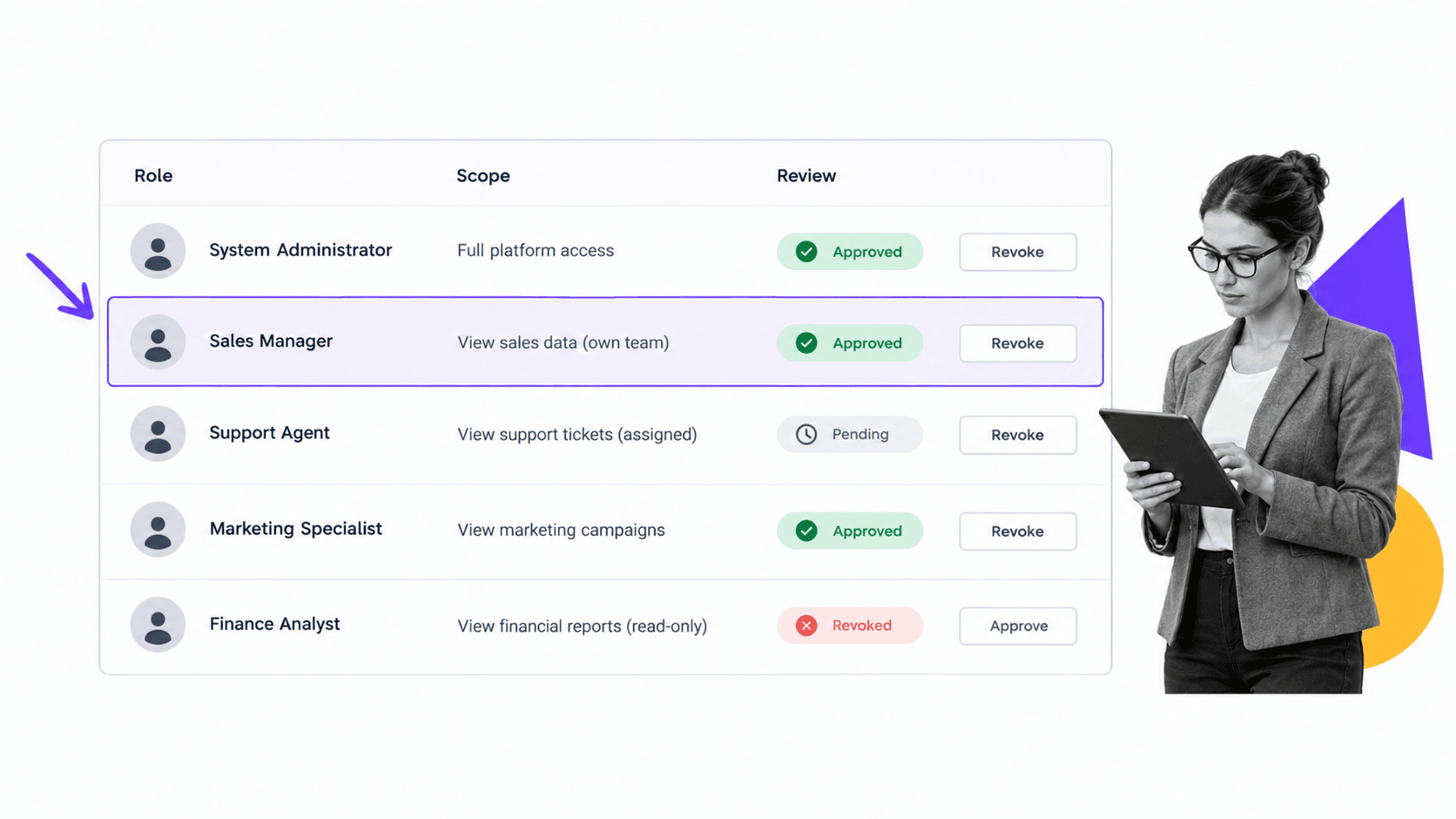
A secure platform can still be undermined by an unsafe configuration. Administrators should enforce least privilege, require strong authentication, review profiles and permission sets, restrict connected apps, monitor risky behavior, and remove access promptly when roles change. Sensitive-data controls should be mapped to a repeatable vulnerability management process so findings have owners, deadlines, evidence, and escalation paths.
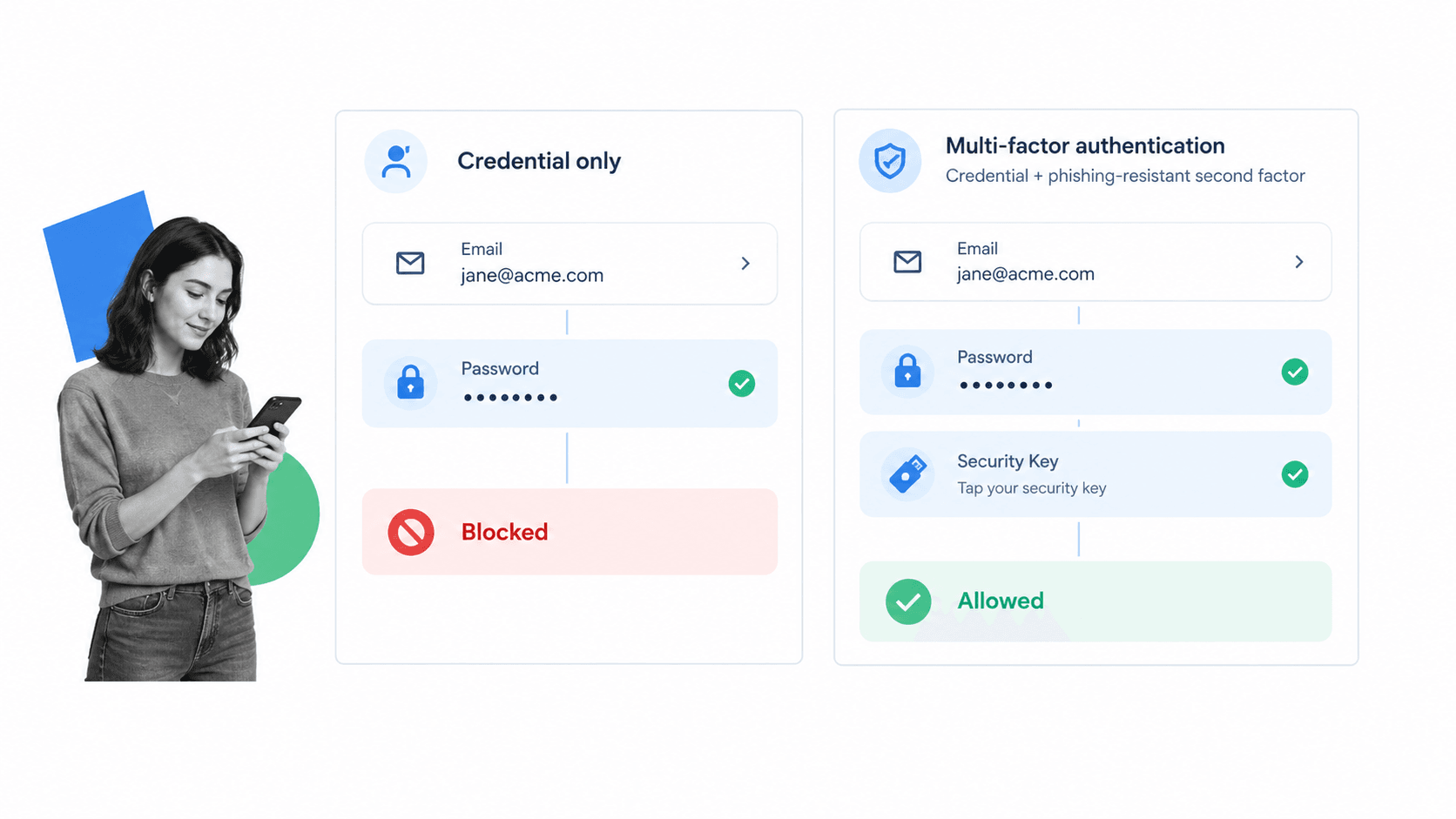
A system is only as secure as its weakest link. Even with the Fort Knox of data centers and strong encryption, there is nothing stopping an irresponsible admin from giving login permission to a malicious third party or sharing confidential data by accident unless governance controls are in place. That is why training users and administrators is part of the security architecture rather than an optional awareness exercise.
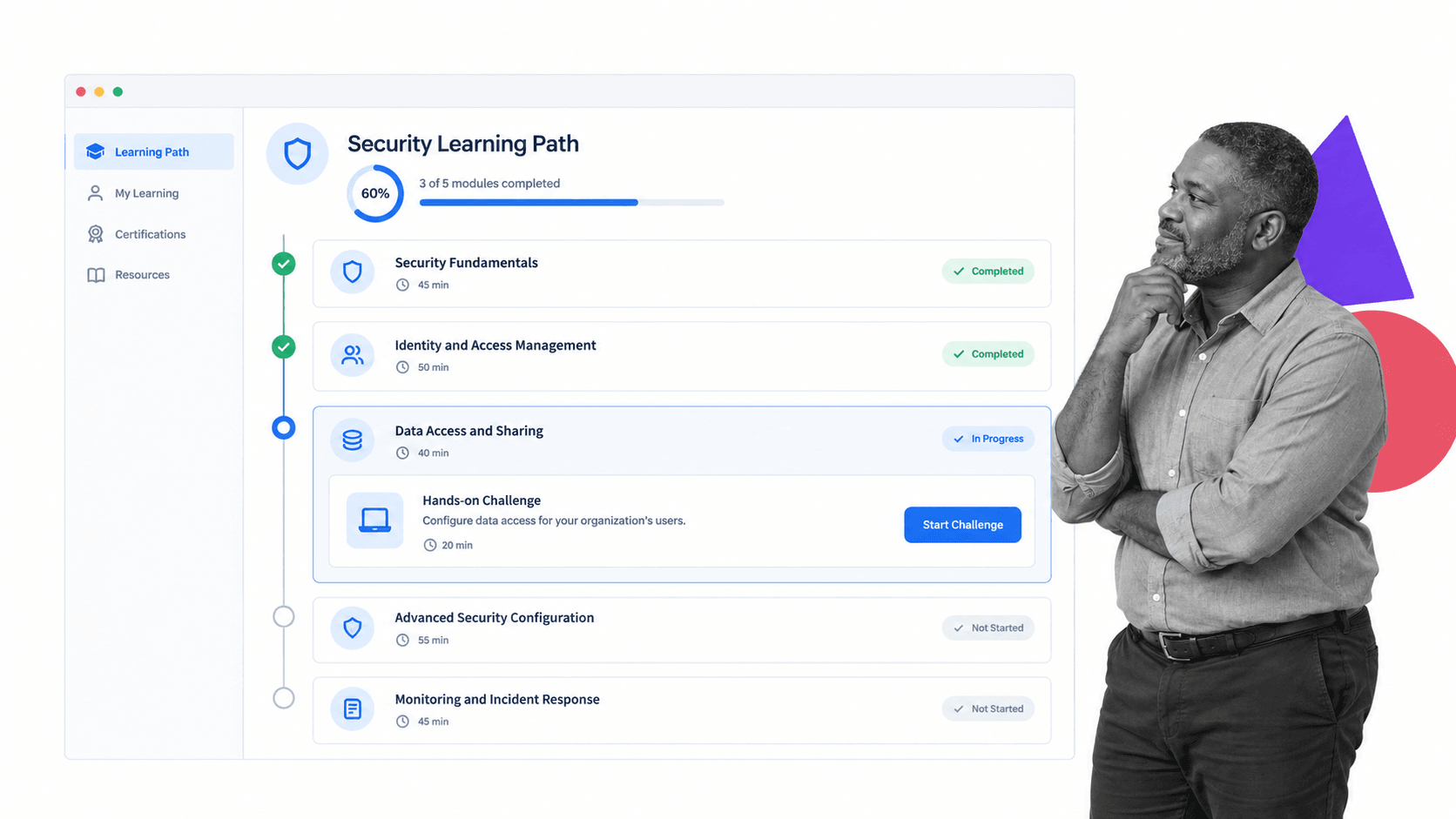
Trailhead is a Salesforce site designed to help users learn the platform. It provides data security training for admins, including how to block IPs, restrict login times, set password rules, and govern access. The Data Security module explains organization, object, field, and record-level access. Training should be reinforced with recurring access reviews and tested procedures, not treated as a one-time course.
How can you build a secure, scalable system like Salesforce?
The practical lessons extend beyond Salesforce:
- Build scalability into your systems by reducing them to their smallest working instances and then scaling horizontally.
- Run instances independently to stop the spread of vulnerabilities and contain failures.
- Protect data with multiple layers of digital and physical security, including identity, encryption, monitoring, testing, and incident response.
- Train developers, admins, and users on data security best practices, then verify those practices through recurring reviews.
- Apply least privilege. Give people and integrations only the access required for their current responsibilities.
- Make trust visible. Publish service status, maintain evidence, and communicate security issues clearly.
Process Street provides one Compliance Operations Platform for turning those responsibilities into repeatable work. Teams can use Docs capabilities to define policies and operating procedures, Ops capabilities to run approvals, reviews, remediation, and evidence collection, and built-in AI to help execute and monitor that work. The result is a controlled process around the technical controls—not another disconnected checklist.
Salesforce data security FAQs
Is Salesforce responsible for all of my data security?
No. Salesforce protects the platform and underlying service, while customers configure users, permissions, connected apps, integrations, and data-handling processes. Both sides have responsibilities.
Does Salesforce encrypt data?
Salesforce documents encryption in transit and at rest within its current architecture. Available controls and customer configuration can vary by product, edition, and data type, so teams should verify the requirements that apply to their environment.
What is the most important Salesforce admin security practice?
There is no single sufficient control, but least privilege is foundational. Limit access, require strong authentication, review permissions and connected apps, monitor changes, and remove access when it is no longer needed.
How should a team assess Salesforce security?
Review Salesforce trust and compliance documentation, map shared responsibilities, inventory integrations, inspect identity and permission settings, test monitoring and incident procedures, and track remediation through an accountable workflow.