






A B2B lead generation campaign is a coordinated effort to identify suitable prospects, earn their attention, qualify their fit, and create sales conversations. The best campaigns treat data, outreach, messaging, measurement, technology, and training as one connected system.
This guest post was written by Jenny Vance, founder and then-president of LeadJen. Jenny has more than a decade of experience filling the funnel with revenue-generating leads for B2B companies.
Not all leads are created equal. These seven insider secrets help teams focus on the prospects most likely to benefit, learn from every contact, and improve a campaign while it is still running. For a broader planning guide, see how to generate leads.
Build a reliable data set
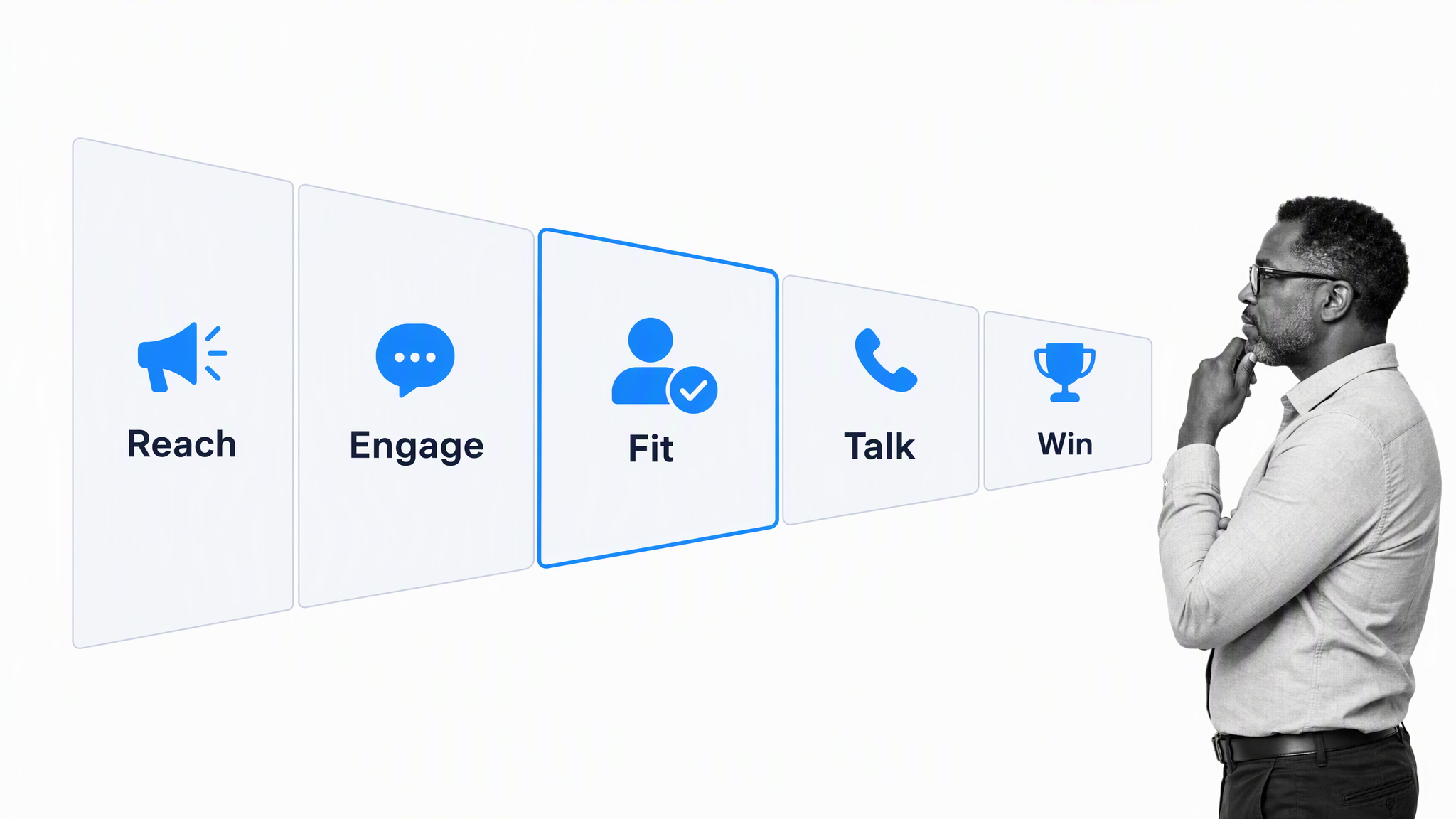
The quality of the data sets the tone for the entire campaign. Spend time upfront on list building and lead research, then define the evidence that makes an account or contact a credible fit. Useful fields might include company size, market, technology, buying role, verified contact details, and the signal that placed the prospect in the campaign.
Good research also saves money over time. A documented qualification process lets sales development representatives focus on useful conversations instead of repeatedly finding, correcting, and rechecking the same information. Review the data throughout the campaign so bounced addresses, role changes, duplicates, and consent restrictions do not quietly weaken performance.
Design a purposeful cadence
Timing and method of communication are critical to reaching the right person at a relevant moment. Create a calling and email cadence that matches the campaign goal, audience, and level of intent. A webinar campaign may become more active shortly before the event, while a strategic account campaign usually needs more time, research, and space between touches.
Cadence should never become permission to overwhelm people. Set channel-specific limits, honor opt-outs promptly, and account for local rules. The FTC’s CAN-SPAM guidance and the ICO’s lead-generation guidance are useful starting points for US and UK outreach.
Make the message relevant
The more targeted the message, the more likely people are to speak with you. Whether you have a two-minute exchange or an hour-long conversation, prospects want evidence that you understand their environment and can offer something valuable in return for their time.
Use research to group prospects by meaningful commonalities, then build calling and email messages around their shared technology, business model, risk, or operating challenge. Referencing a genuine professional community can break the ice, but relevance must go deeper than a token detail. Cold calls are brief, so every word should support a clear reason for the conversation.
Follow the title path
A title path that works in one industry may miss the buying group in another. Compare your current customer profile with prospecting results, then confirm that the people you target influence or make the decision. If calls are consistently referred to another function, treat that pattern as campaign evidence and reassess the title path.
Do not assume a single contact owns the full decision. Complex B2B purchases often include an operational champion, a technical evaluator, finance, security, procurement, and an executive sponsor. Record who entered the process, who moved it forward, and where referrals occurred.
“If you don’t know what is working, you can’t make things better.”
Measure what works
I believe that if you don’t know what is working, you can’t make things better. Start measurement early so you can test the market, identify what works, and course-correct before the campaign ends. Separate activity from outcomes: a high volume of touches means little if the campaign reaches the wrong people or creates no qualified conversations.
Track the funnel from valid records and engaged prospects through qualified conversations, accepted opportunities, and revenue. Segment the results by audience, source, title path, message, and cadence. This makes it easier to see whether a weak result is caused by the data, the offer, the execution, or the handoff to sales.
Connect the technology stack
Technology is useful when it supports a standard prospecting process and produces trustworthy data. Define which system owns each field, how consent and suppression records move, what event triggers the next step, and how campaign outcomes return to reporting. A current sales technology stack guide can help teams evaluate the roles of CRM, engagement, intelligence, and analytics tools without treating more software as the goal.
When a CRM is the operational system of record, compare the options against the workflow and governance you actually need. This guide to the best CRM software provides a practical starting point. Process Street is a single Compliance Operations Platform with Docs and Ops capability areas plus built-in AI. Teams can use it to document campaign standards, run recurring work, capture evidence, and keep approvals and handoffs consistent.
Train for the campaign
Because campaigns are not created equal, ongoing training is essential. Always give the team the why behind the campaign, then teach the marketing strategy, the prospect’s industry, current developments, qualification rules, and the intended next step.
Use role-play scenarios to sharpen the message and prepare for common objections, referrals, and compliance questions. Review real calls and emails together, share what worked, and update the playbook when the evidence changes. A reliable lead generation campaign is not a script delivered once. It is a disciplined system that helps people learn and improve together.
How do you generate leads?