All posts in Business

Genchi Genbutsu: The Problem Solving Concept That Drives Toyota Forward

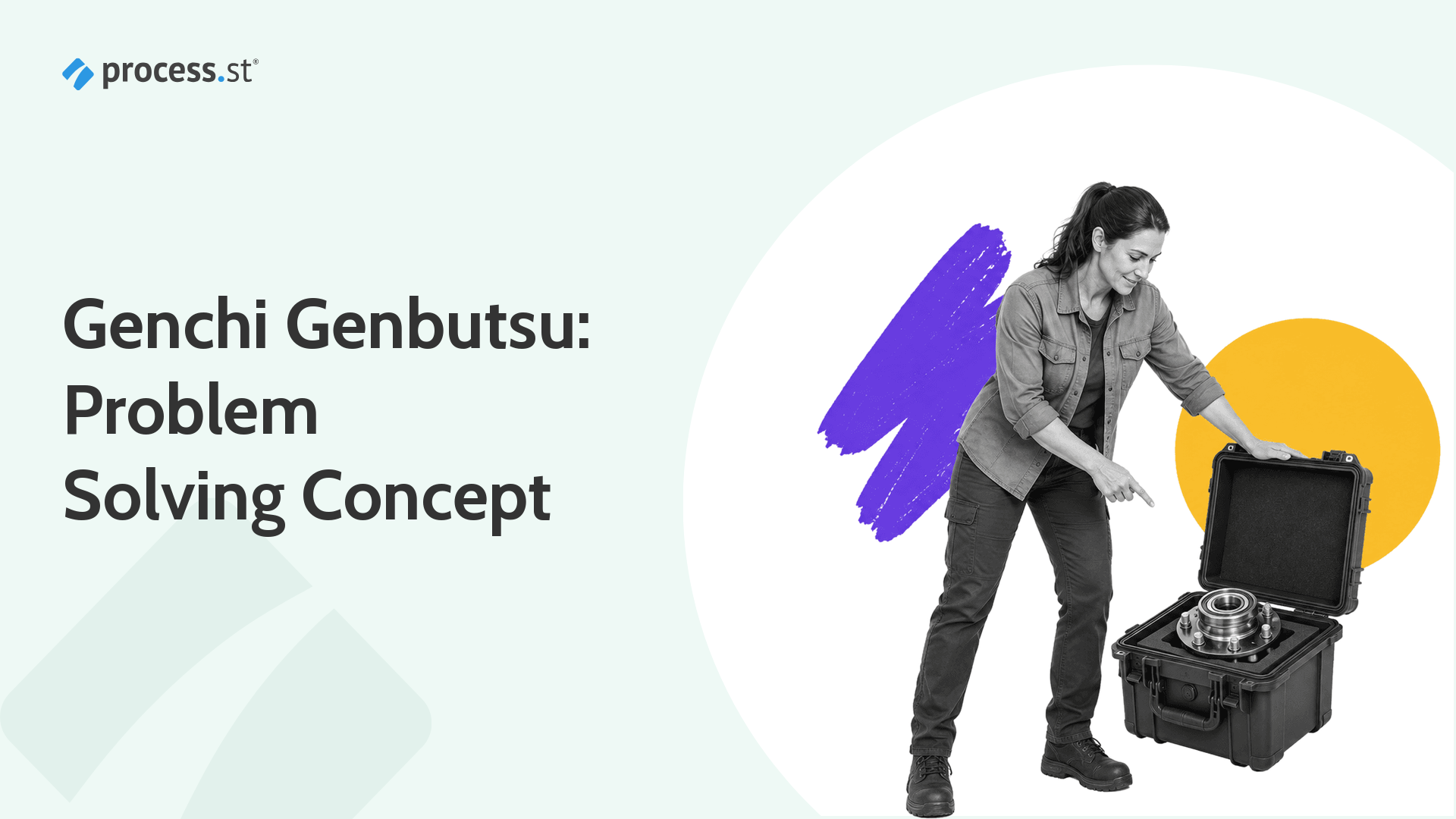
Automotive quality engineer inspecting a wheel-hub assembly at the source

Genchi Genbutsu is a Toyota problem-solving principle that means “actual place, actual thing.” It asks leaders to go to the source, inspect the real work or object, speak with the people closest to it, and verify facts before choosing a countermeasure.

Reports, dashboards, interviews, and AI summaries can reveal patterns, but each is an abstraction. Genchi Genbutsu combines those signals with firsthand evidence so a team can distinguish the condition it assumes exists from the one people actually experience.

Continue Reading

Employee Checklists: How Successful Organizations Use Them

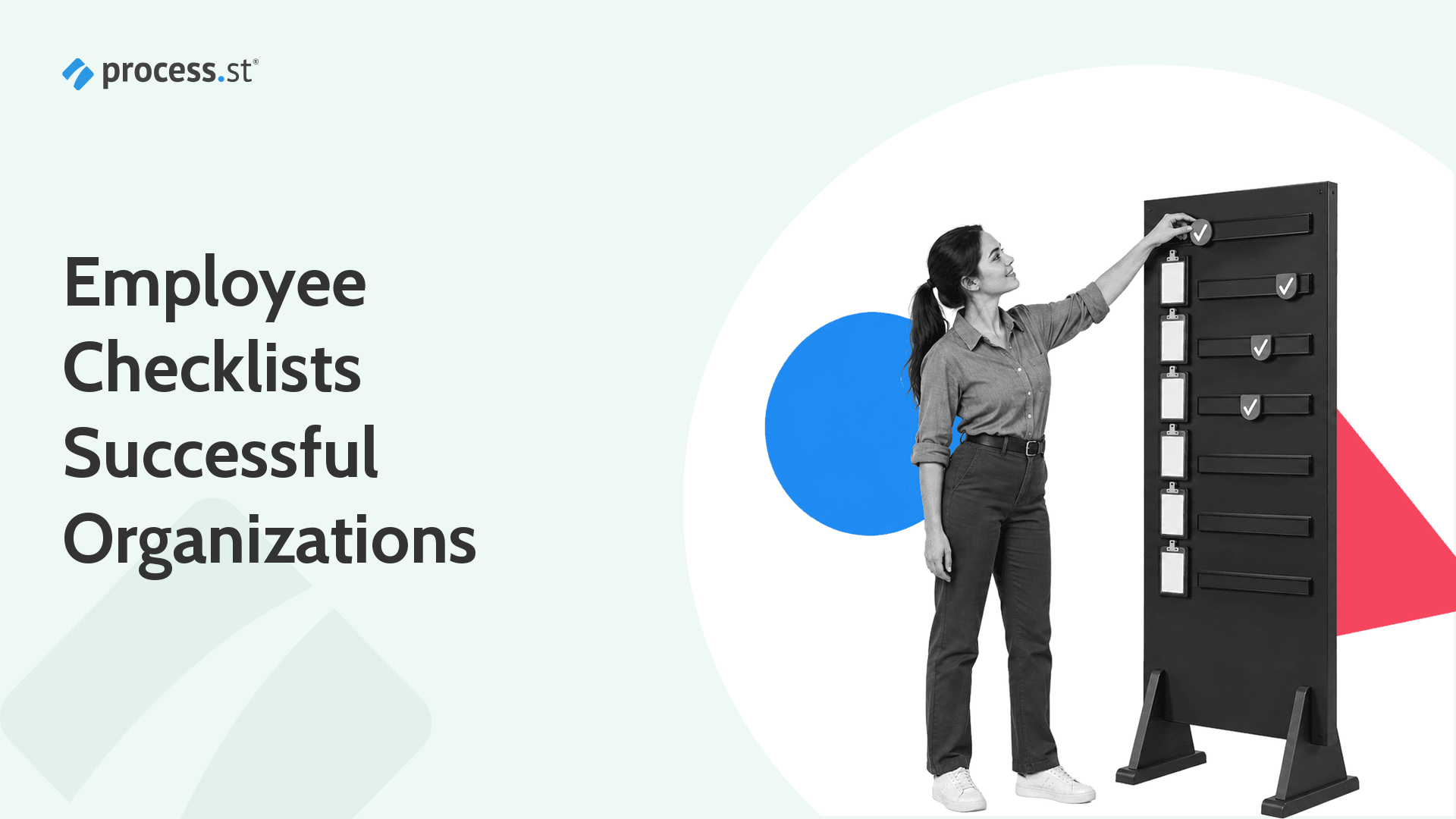
Operations manager completing an employee checklist on a physical shift handoff board

Employee Checklists are repeatable task lists that help people complete routine work consistently. Organizations use them for daily operations, onboarding, training, marketing, safety, quality control, handoffs, and compliance, especially when missing one step creates rework or risk.

The useful question is not whether employees should use checklists for everything. It is where a checklist protects valuable work without becoming micromanagement. The examples below come from successful organizations that shared how they design, use, and adapt employee checklists in practice.

Continue Reading

Corporate Sustainability: Using System Thinking to Solve a Global Crisis

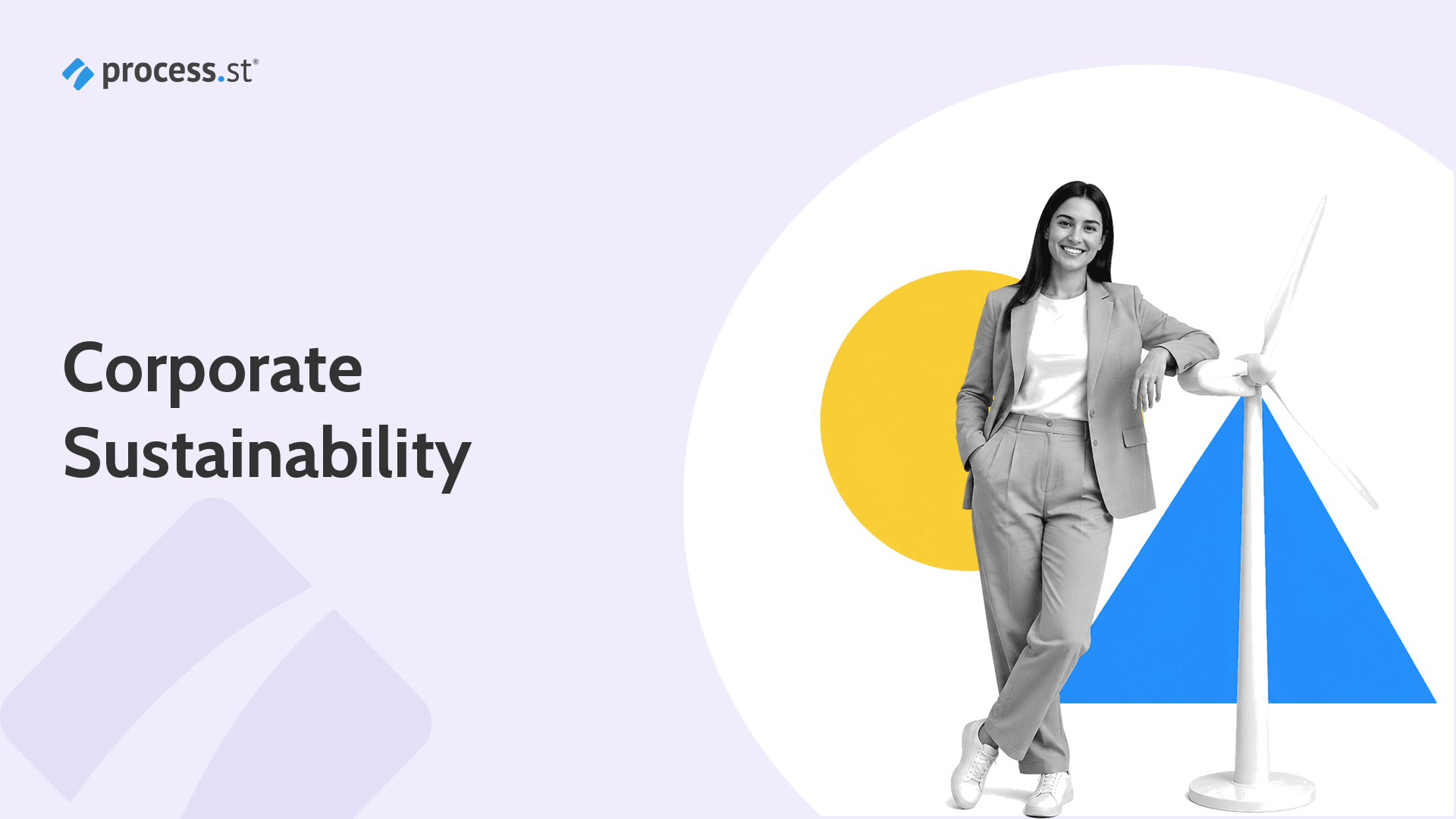
Corporate sustainability leader presenting a material flow system

Corporate sustainability means creating long-term environmental, social, and economic value without treating any one of those dimensions as independent. It is both a strategy and an operating discipline: understand the system, decide which impacts matter, and make the work accountable.

Sustainability reporting is now mainstream. KPMG’s 2024 survey found that 96% of the world’s 250 largest companies and 79% of the largest 100 companies in the countries studied publish sustainability or ESG information. Reporting alone is not performance, but the trend raises the standard for reliable data, governed processes, and defensible claims.

Continue Reading

Cognitive Functions and Your Personality in the Workplace (Free MBTI Test!)

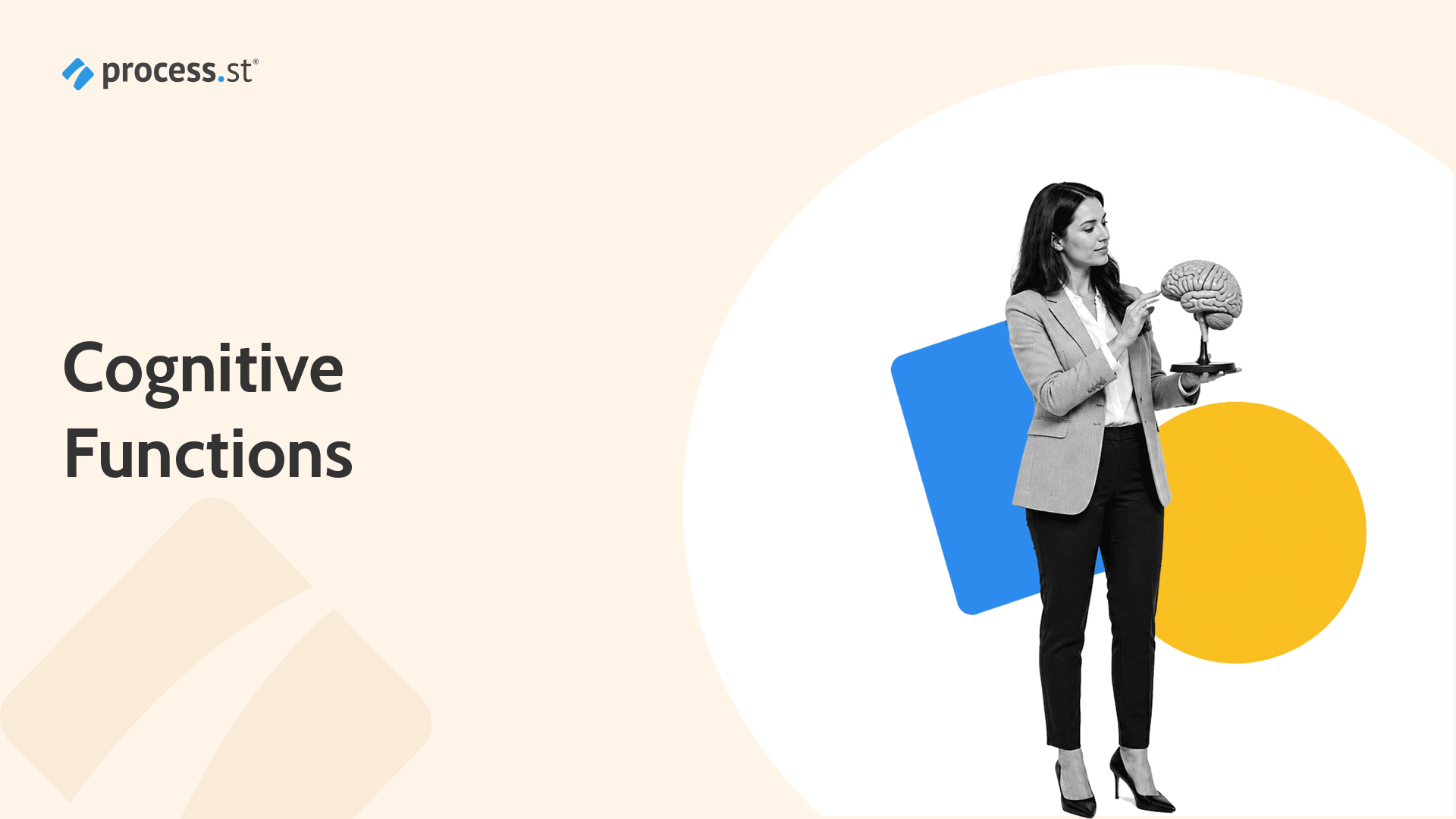
Team facilitator assembling an eight-part brain model to illustrate cognitive functions at work

Cognitive functions describe preferred ways of taking in information and making judgments. In Jungian type theory, sensing, intuition, thinking, and feeling can each be directed inward or outward, producing eight functions that later informed the Myers-Briggs Type Indicator (MBTI).

At work, these ideas are most useful as prompts for reflection and conversation. They can help teammates discuss communication, feedback, planning, and decision-making preferences. They should never be used to decide who gets hired, promoted, assigned to a role, or treated as capable of particular work.

Continue Reading

Business Tooth and Claw, Corporate Strategy to Win the War

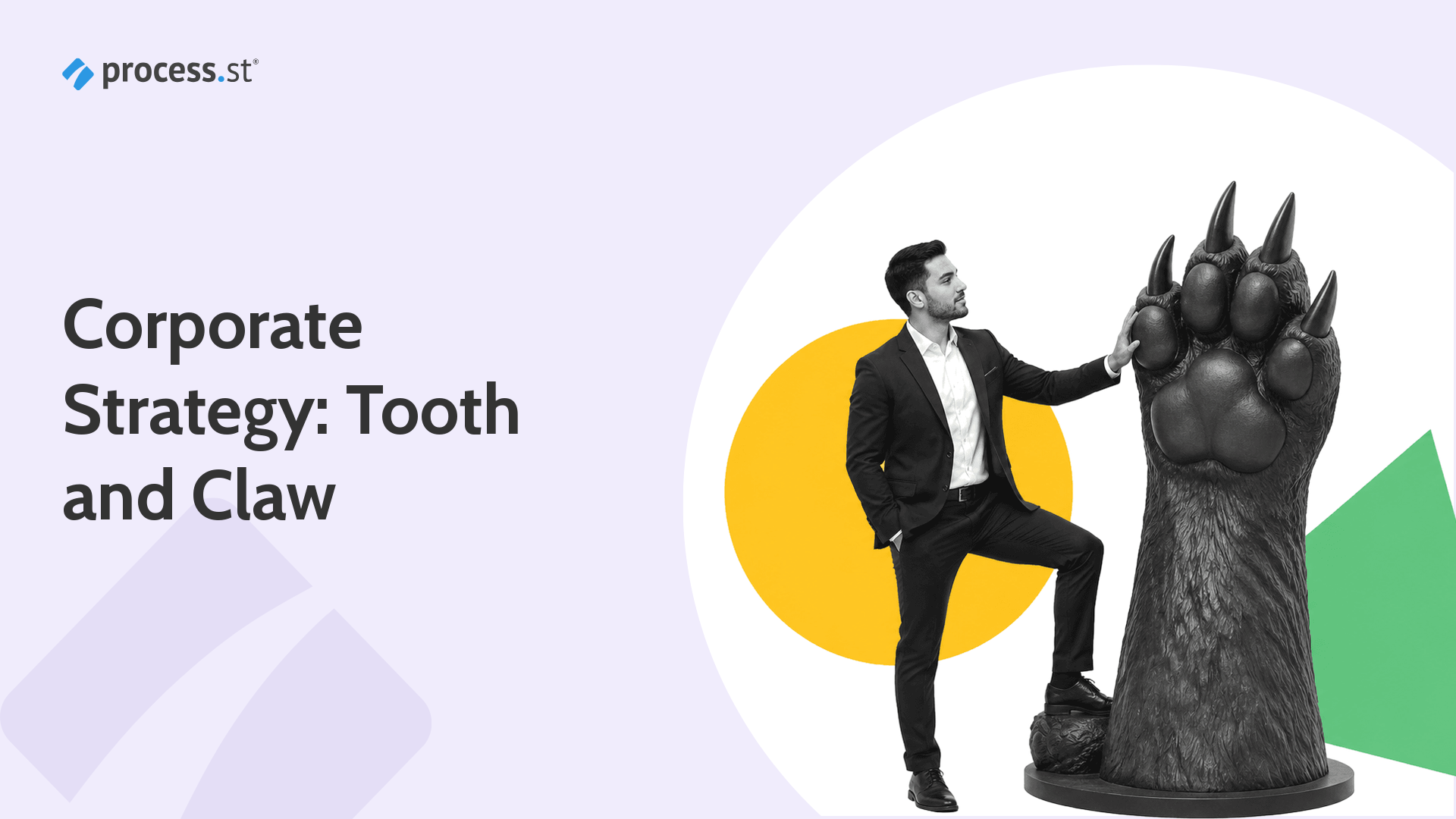
Header image: Corporate Strategy: Tooth and Claw

Corporate strategy sets the overall direction of an organization: which businesses and markets it will compete in, how resources will be allocated, how the portfolio fits together, and what tradeoffs leadership is willing to make.

Those choices matter because business can be tooth and claw. In tooth-and-claw corporate competition, strategy helps the organization win the war for focus without treating every tactical move as a separate battle. A strong strategy aligns structure, resources, and execution before competition exposes the gaps.

Continue Reading

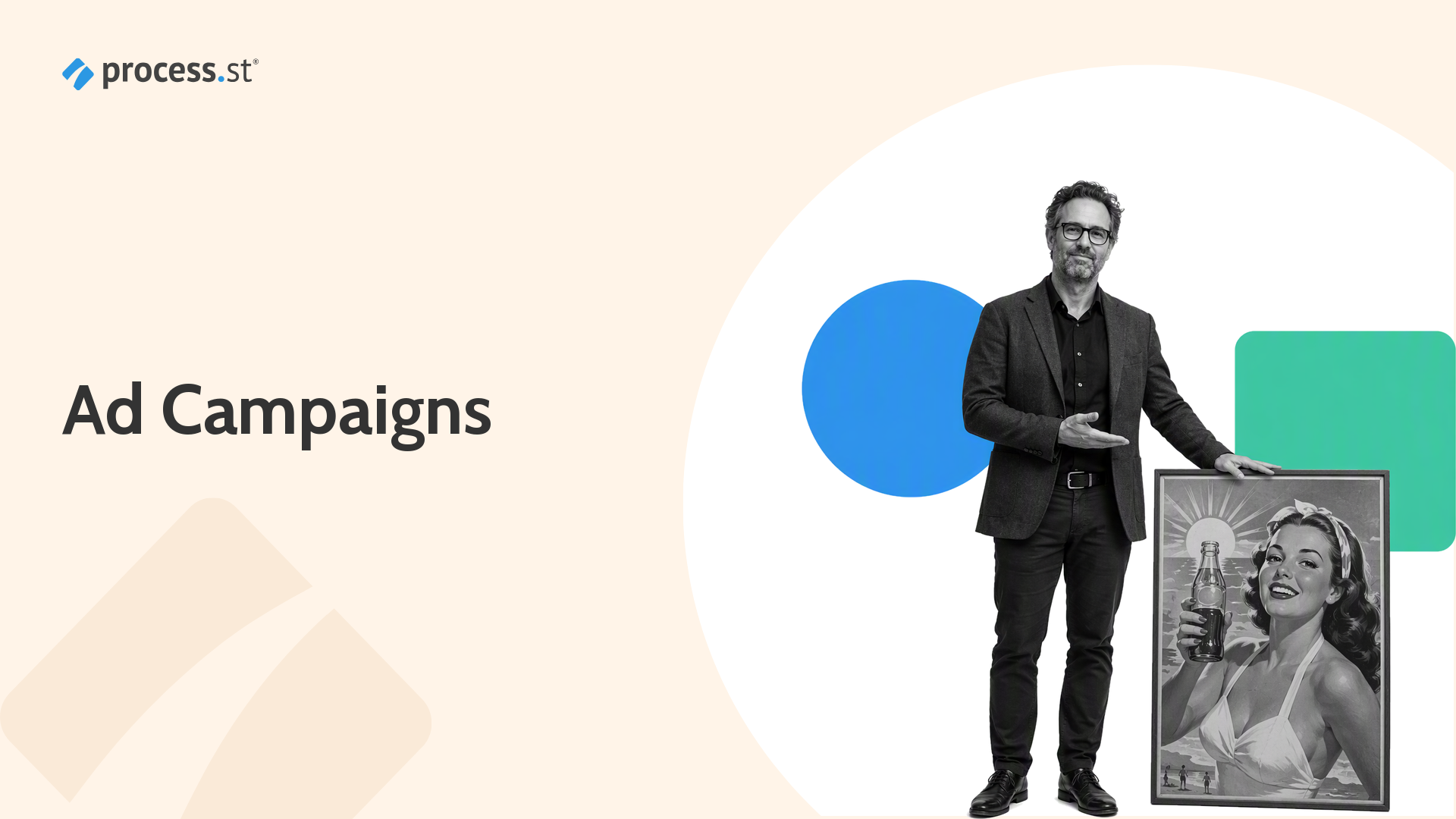
Branding Case Study: How Ogilvy Turned Speculation into Reality through Ads

Mid-century advertising strategist presenting the classic car Ogilvy positioned as a winter car

“Hey, this soap is making my skin dry. Do you know any soaps that don’t?” I asked my wife while reading Ogilvy on Advertising. “Dove, I think,” she replied. Score.

That answer came so fast because of the exact idea that makes this brand positioning case study worth studying. I’d just read this line from David Ogilvy, and it reframed how I think about how brands are built:

Continue Reading

Business Requirements: How to Create a Business Requirements Document (Free Template)

Business analyst organizing stakeholder needs, outcomes, constraints, and acceptance criteria for a business requirements document

Business requirements define the outcomes, capabilities, constraints, and value an organization needs from a project, product, process, service, or system. A business requirements document, or BRD, turns those needs into an agreed record that guides scope, decisions, delivery, and acceptance.

This guide explains what business requirements are, how they differ from functional requirements, what a BRD should contain, and how to create one in seven practical steps. It also includes a free Business Requirements Template that connects documentation with review and execution.

Continue Reading

Brand Audit: How to Help Win Over 91% of Your Target Audience

Brand strategist auditing brand perception with an oversized magnifying glass

Branding is a fickle thing.

Even the most consistent brand images can be shaken by a few high profile missteps, but used correctly, branding is a powerful tool for making your product or services instantly recognizable and attractive to your target audience.

Continue Reading

42 Productivity Hacks to Work Harder, Better, Faster, Stronger

Operations professional setting a giant Pomodoro focus timer for productive work

Productivity is less about winning a daily fight with willpower and more about designing work so the fight never starts. Research on self-control strategies supports changing the situation before temptation takes over, a point psychologist Kentaro Fujita captures well.

These 42 productivity hacks help you work smarter by protecting focus, reducing avoidable decisions, and building routines that save time and energy. The familiar promise sounds like “harder better faster stronger,” but the durable result comes from systems that make good work easier to repeat. The ideas cover cognitive habits, work systems, life choices, process design, and health, so you can choose what fits the way you actually work.

Continue Reading

Take control of your workflows today