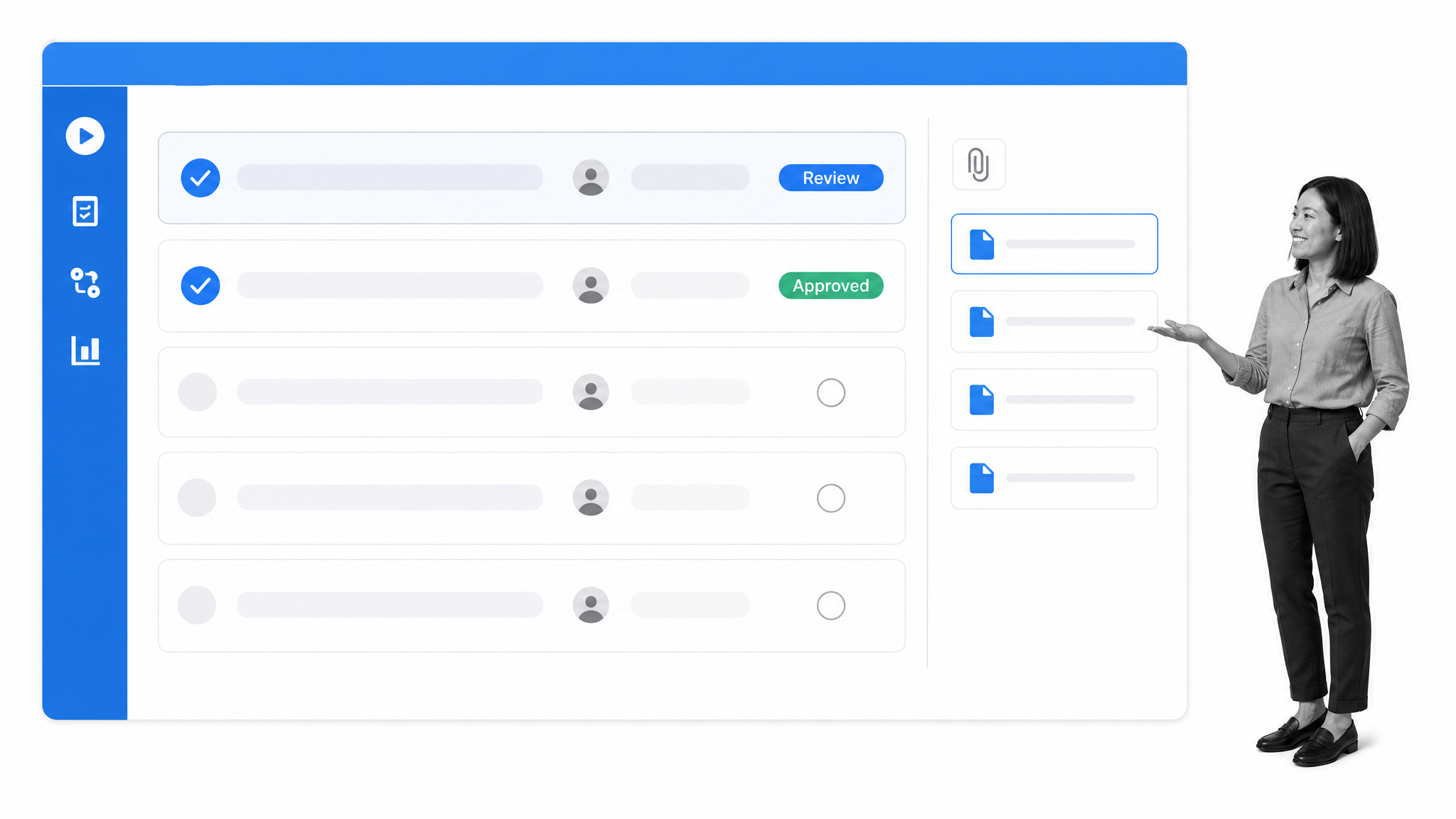
Content promotion is the planned work of getting a useful asset in front of the people most likely to benefit from it. Publishing is only the starting point: a strong content promotion checklist connects each post, video, guide, or report to the right owned, earned, community, and paid distribution channels.
This advanced content promotion checklist turns that work into a repeatable content distribution strategy. It covers preparation, social media, email, outreach, syndication, communities, paid promotion, internal links, link roundups, repurposing, and measurement so every channel has an owner and every result can improve the next campaign.
Prepare your post for promotion
This process works for a blog post, ebook, video, podcast, research report, webinar, template, or whitepaper. The source asset can take any form, but it must earn attention before promotion can amplify it. That means the argument is clear, the evidence is checked, the reader can act on the advice, and the promised value appears early.
The checklist will work for sharing all forms of content whether it is a blog post, ebook, video, or whitepaper. If the main asset is some form other than a blog post, create a useful page that explains what it contains, who it is for, and where to get it. That page gives email, outreach, social media, syndication, and repurposed formats one stable destination.
Prepare a reusable promotion brief before sending the content anywhere. A shared source of truth is faster and safer than rebuilding copy in email drafts, notes, or chat threads. Include:
- The primary audience, the problem the content solves, and the next action you want the reader to take.
- Five to ten accurate headline options, plus several one- to three-sentence descriptions for different channels.
- A short excerpt, a concise email introduction, approved quotations, and image or video assets.
- The final canonical URL and a consistent campaign-parameter convention for source, medium, and campaign.
- Claims and links that require verification, along with the source and review date.
- Owners, approvers, publishing dates, response expectations, and the success signal for each channel.
Use tracked campaign URLs when they will improve attribution, but do not create a different naming system for every person. Google Analytics provides current guidance for collecting campaign data with custom URLs. A shortener such as Bitly can be useful when the channel benefits from a compact link, but the full canonical URL remains the source of truth.
Before promotion begins, run a final quality check. Confirm that the headline and brief description match the page, the post excerpt does not cut off the main idea, the URLs resolve, the images have useful alternative text, and the call to action works. Poor content or a broken destination makes every promotion technique yield little to no result and wastes the team’s time.
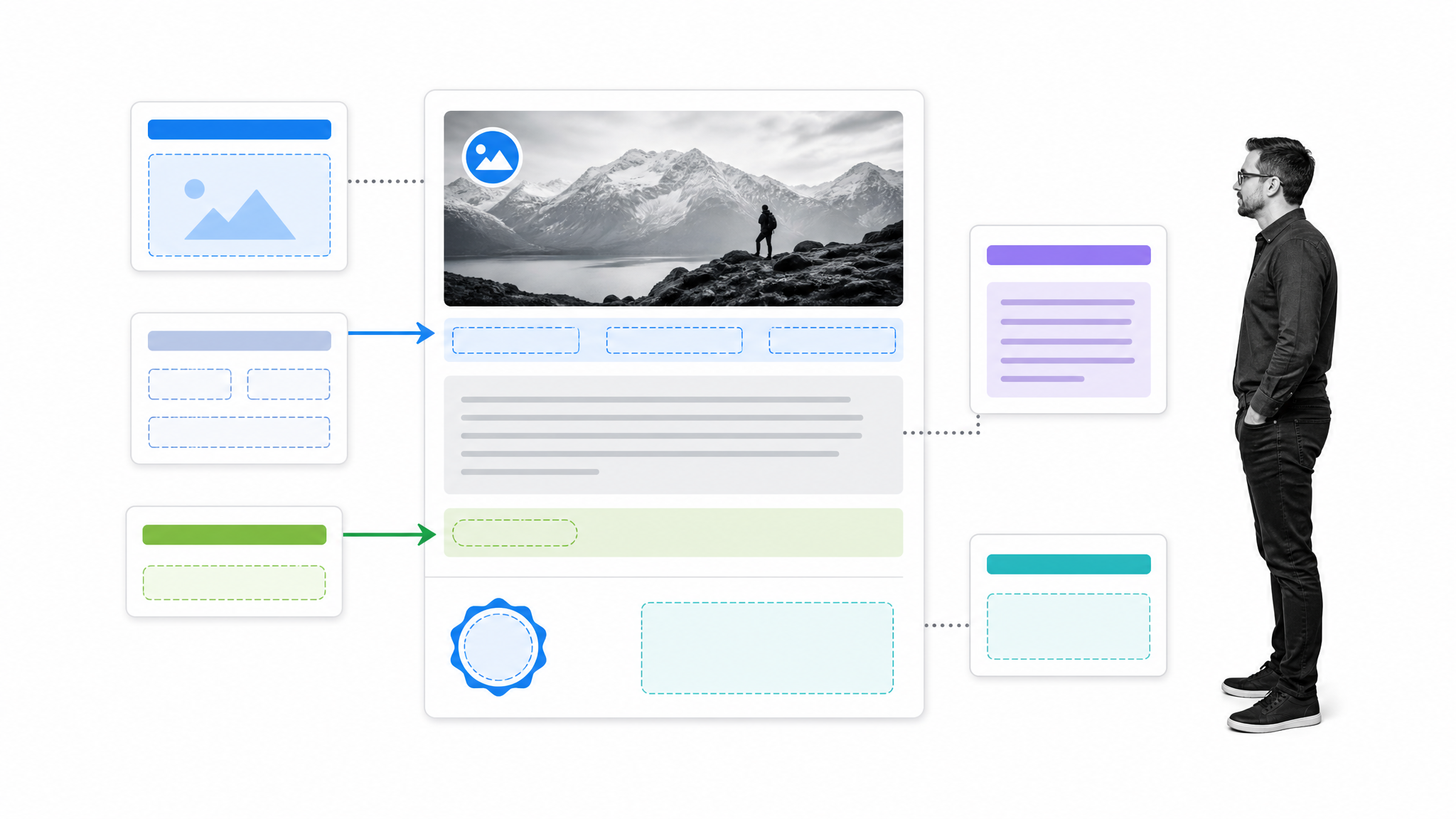
Build a content distribution plan
A distribution plan prevents the checklist from becoming a long list of sites. Start with the goal: discovery, qualified traffic, subscriber growth, product education, backlinks, sales conversations, or adoption. Then choose channels whose audience and format support that goal.
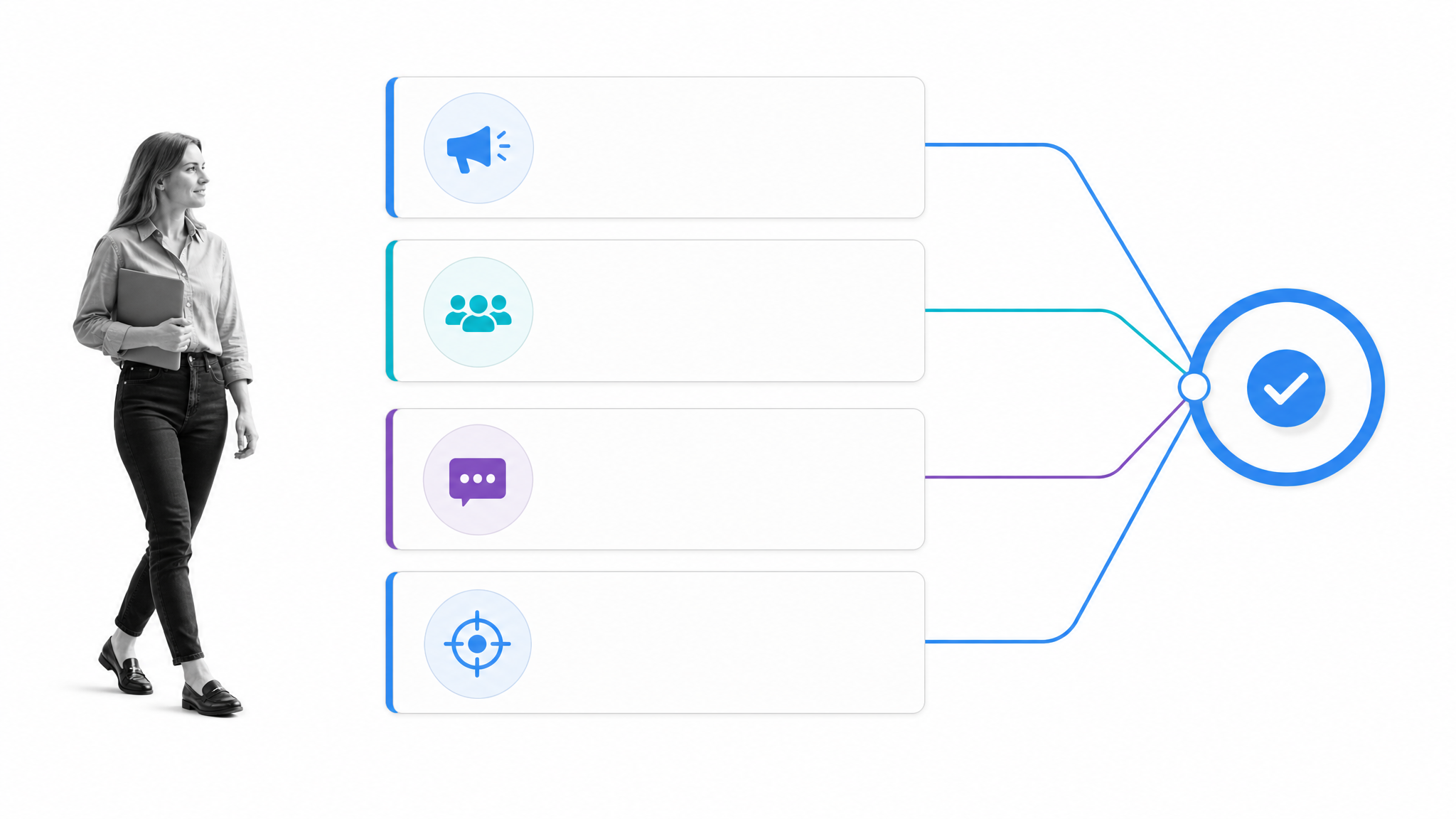
Organize the plan into four groups:
- Owned distribution: your email list, website, customer community, product surfaces, and company social profiles.
- Earned distribution: relevant journalists, bloggers, newsletter writers, partners, creators, and curators who may choose to share or reference the work.
- Community distribution: forums, groups, question-and-answer sites, and specialist communities where contribution is expected before promotion.
- Paid distribution: sponsored social, search, native placements, and partner inventory where spend can be tied to a defined outcome.
For each selected channel, record the audience, format, message, owner, publish time, budget, destination, and measurement rule. Coordinate owners, approvals, asset variants, and publishing dates in a shared system; compare current marketing project management tools if the workflow has outgrown a spreadsheet.
Do not force every asset into every channel. A practical content distribution strategy is selective. A research report may justify outreach, a webinar clip, and paid retargeting; a narrow product update may need only customer email, an in-product message, and one social post.
Sequence the work as well as selecting it. Owned channels can establish the original source. Outreach can begin with people who helped shape or validate the piece. Relevant communities and syndication partners may follow after the team can respond to discussion. Paid promotion should start only when the destination, tracking, and conversion path have been tested.
Share on social media
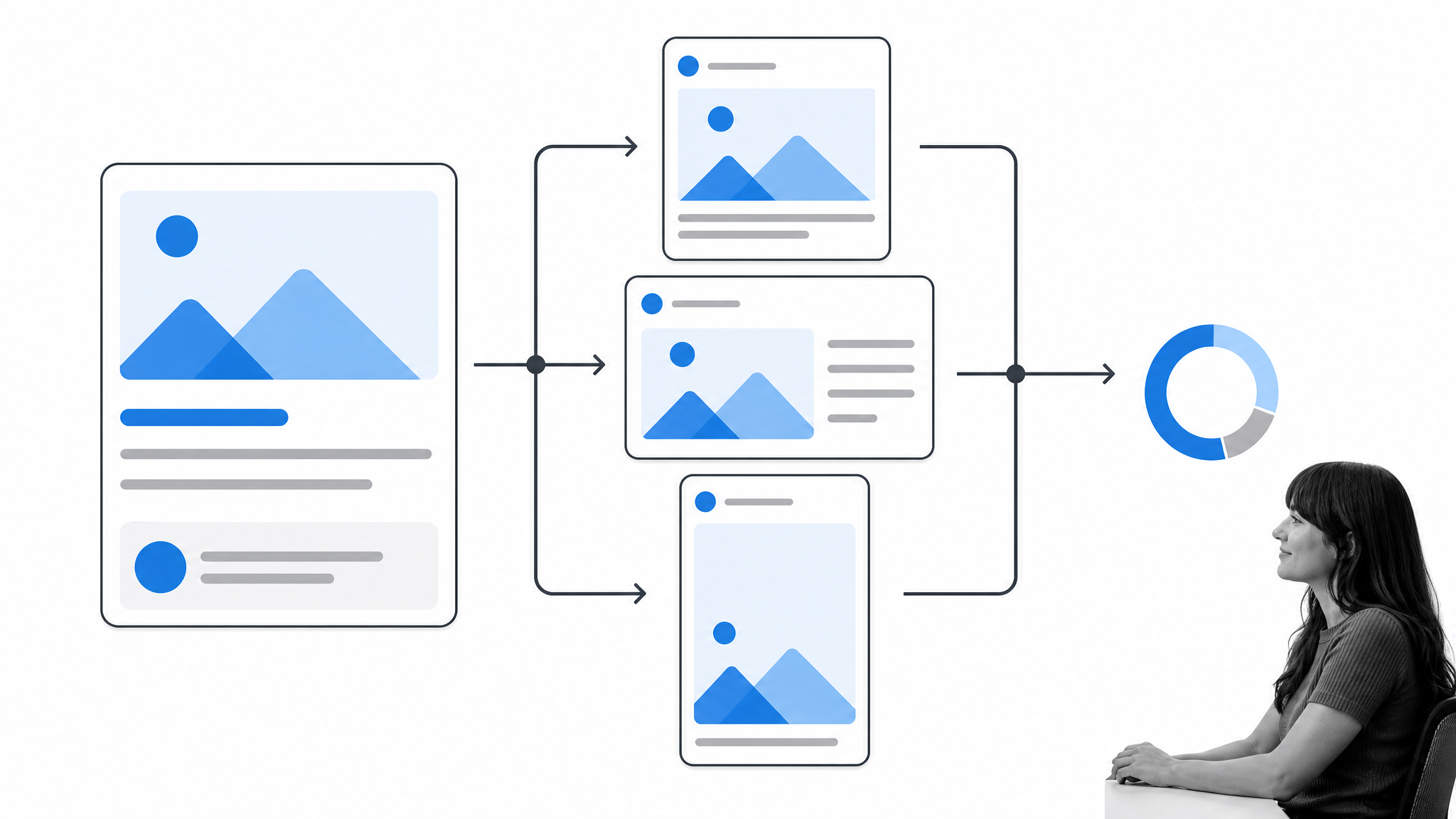
Social distribution begins with channel fit. The same link and sentence repeated everywhere rarely makes the most of the source material. Adapt the idea to the behavior of each network: a concise point of view for LinkedIn, a useful thread or short sequence where that format is native, a visual example for Pinterest or Instagram, and a direct discussion prompt for an established community.
Build several accurate variations from the approved promotion brief. Change the hook, proof point, media, and call to action while keeping the claim consistent. One post can lead with the problem, another with a finding, and another with a practical excerpt. Reuse the strongest variation later rather than relying on a rigid posting formula.
Ask team members to share only when the content is genuinely relevant to their networks, and give them optional copy they can personalize. Employee advocacy works best as informed participation, not as a mandatory burst of identical posts. An optional scheduler such as Buffer can help manage timing and channel variants, but it does not replace editorial judgment.
Measure more than impressions. Track qualified visits, engaged sessions, subscriptions, replies, assisted conversions, and the conversations a post starts. Compare those results with the time required to produce the native variation.
Useful social media tasks still include sharing from the company profile, adapting the post for professional networks, pinning a relevant image when the topic is visual, and asking team members to share. The difference is that every task needs a reason, an owner, and an audience—not a requirement to post on every available site.
Email your subscribers
Email is an owned distribution channel, which makes it especially valuable when algorithms or platform reach change. Promote the content to the segment that will care about it instead of sending every item to every subscriber.
Write the email around the reader’s situation. Explain why the asset matters now, give one useful idea in the message itself, and make the primary action clear. A descriptive link is usually stronger than a generic “click here.” If the content supports different audiences, create separate introductions rather than sending one broad summary.
Automated RSS-to-email remains available in services such as Mailchimp, AWeber, and GetResponse. Automation is useful for dependable delivery, but important content often deserves a written campaign with segmentation, context, and an intentional send time.
Review delivery, opens, clicks, replies, unsubscribes, and downstream conversions. A resend to non-openers can be appropriate when the message is important, but change the subject line and avoid turning a distribution routine into inbox pressure.
Email can also support later stages of the campaign. Send a follow-up when a discussion, new example, or updated resource gives subscribers a real reason to return. Ask a focused question when replies will improve the content. Keep lead collection, consent, segmentation, and suppression rules in the workflow so promotion does not compromise the relationship with the owned audience.

Run relationship-first outreach
Outreach means contacting people who can use, discuss, cite, or distribute the content. It may involve email, social messages, partner conversations, or direct calls. It is manual work, and that is part of its value: relevant, thoughtful outreach is difficult to fake at scale.
Build a prospect list around genuine fit. Look for bloggers, newsletter writers, analysts, practitioners, partners, and creators who already cover the problem. Up-and-coming experts may be easier to reach than the most visible names, but relevance matters more than follower count. Research recent work before making contact.
The pitch should answer four questions quickly: why this person, why this asset, what is useful about it, and what small action are you asking for? Lead with a specific connection to their work. Do not pretend to have read something you have not read, and do not use invented praise. Offer a useful data point, example, quotation, template, or expert contribution before asking for a share.
For scaled research and follow-up, BuzzStream is one current option. Mention can help identify relevant conversations, press, blogs, forums, and social posts. Keep contact data, consent, status, next steps, and outcomes in the same workflow so two teammates do not approach the same person with conflicting messages.
The leverage can be substantial when the content and timing are right, but historical outreach results are case studies rather than guarantees. Judge the channel by the quality of the relationship, the relevance of the asset, and the response it produces for this campaign.
Outreach is arguably most important for a new publisher because an established audience does not yet exist. Sometimes a team has to do things that do not scale to get the ball rolling. Start with a small list of bloggers and practitioners relevant to the niche, use email as the preferred method when it is available, and follow up respectfully. Contact pages and professional social profiles can help, but a public profile is not permission for repeated messages.

Distribute through selective communities
Relevant communities can produce strong discussion and qualified traffic, but they are not bulk-submission directories. Select communities because the members share the problem your content addresses. Examples may include Reddit, Hacker News for suitable technical or startup material, GrowthHackers for growth topics, or a focused professional group.
Learn the rules and participation norms before posting. Reddit’s current spam policy prohibits repeated or unsolicited mass engagement. The durable rule extends beyond Reddit: contribute to the community, disclose your connection to the content, and do not use automation to spray the same link across unrelated spaces.
When a link is allowed, introduce the useful idea in the post itself. Explain what the asset covers, name any limitation, and invite discussion. If the community does not permit self-promotion, answer questions without a link and use what you learn to improve the source content.
Evaluate community channels by relevance and response quality rather than by raw traffic spikes. A small number of informed comments, product questions, citations, or subscriptions can be more valuable than a large wave of visitors who leave immediately.
Top-tier niche sites can still work when the subject fits: Hacker News for startups and technology, GrowthHackers for marketing, BizSugar for small business, DZone for programming, or a focused design, film, gaming, or WordPress community. Treat each as a community, not a directory. Participate in the community; do not just share your own links.
Syndicate with source protection
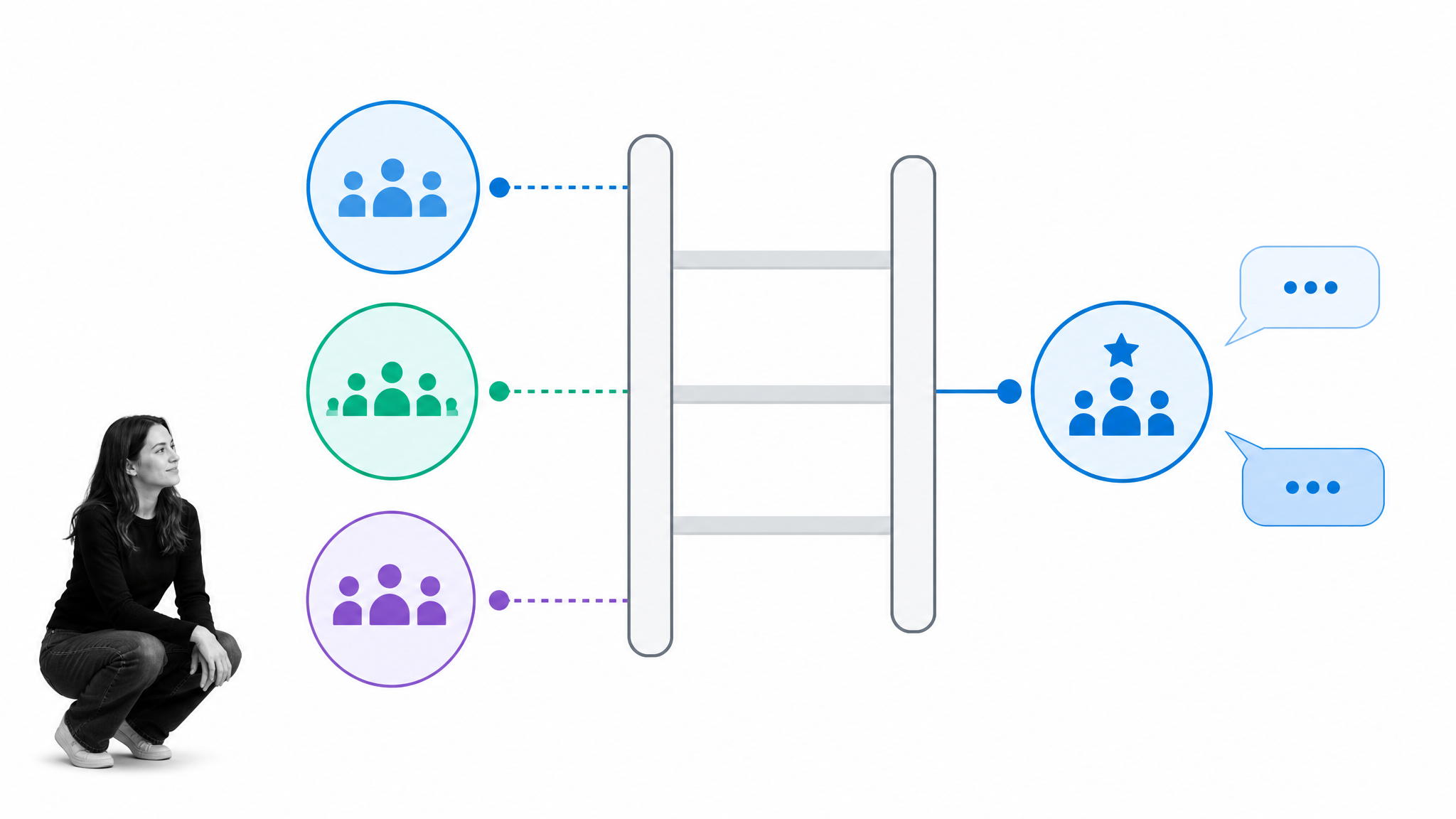
Content syndication allows another publication or platform to republish a complete or adapted version of your work. It can extend reach when the partner has an audience you cannot access directly, but it should be selective. Pitch only strong, relevant content and agree on the destination, attribution, timing, and source link before publication.
Platforms such as Medium and LinkedIn articles or newsletters can support native publishing. Choose the version deliberately: a short native summary may send readers to the original, while a complete republication may prioritize reach inside the network.
Do not assume a canonical tag guarantees the source URL will rank. Google describes canonicalization as a collection of signals and may select a different canonical. Review its current guidance on specifying a canonical and consolidating duplicate URLs. Ask partners for a clear source link and, where appropriate, a canonical reference to the original.
If the site is new or the source page is strategically important, publish the original first and allow time for discovery before syndication. Monitor which version is indexed and whether the partner sends engaged readers, not just referral sessions.
Content syndication can create useful spikes in traffic, but there are drawbacks. A larger site may compete with the source page in search, and a complete copy may satisfy readers before they visit the source. Pick the best content, pitch sites that actively publish work in the topic, and decide whether a full republication, an excerpt, or a newly written version best serves the goal.

Contribute to forums, groups, blogs, and Q&A sites
Forums, professional groups, blog discussions, and question-and-answer sites can surface content exactly when someone needs it. The method is the same across each format: find a live, relevant conversation and contribute an answer that stands on its own.
Search for the niche plus words such as “forum,” “community,” “group,” or a specific problem. Services such as Facebook Groups, Google Groups, specialist forums, and Quora may be useful when the audience fits. Do not assume every group welcomes promotional links.
Query variations reveal different conversations. Search the exact title, the problem, the comparison, and the job to be done. For a storage comparison, for example, “Dropbox vs Google Drive,” “Google Drive review,” and “Dropbox review” produce different contexts. The same method works for any topic.
On a blog post, respond to the author’s argument rather than racing to be first. In a forum or Q&A answer, summarize the useful part of your content and include a link only when it supplies evidence, instructions, or detail that completes the answer. If a direct link would feel out of place, leave it out. Track approvals and replies, but remove unsupported traffic expectations from the plan.
Finding forums in the niche and contributing to them can be a useful way to drive qualified traffic; just be careful not to spam. Respond to threads that ask questions about the topic with a short summary. Posting content is generally acceptable only when it is relevant, useful, and permitted by the rules. If moderators think the behavior is spam, the account may be removed, so tread with caution.
Find proven distribution paths
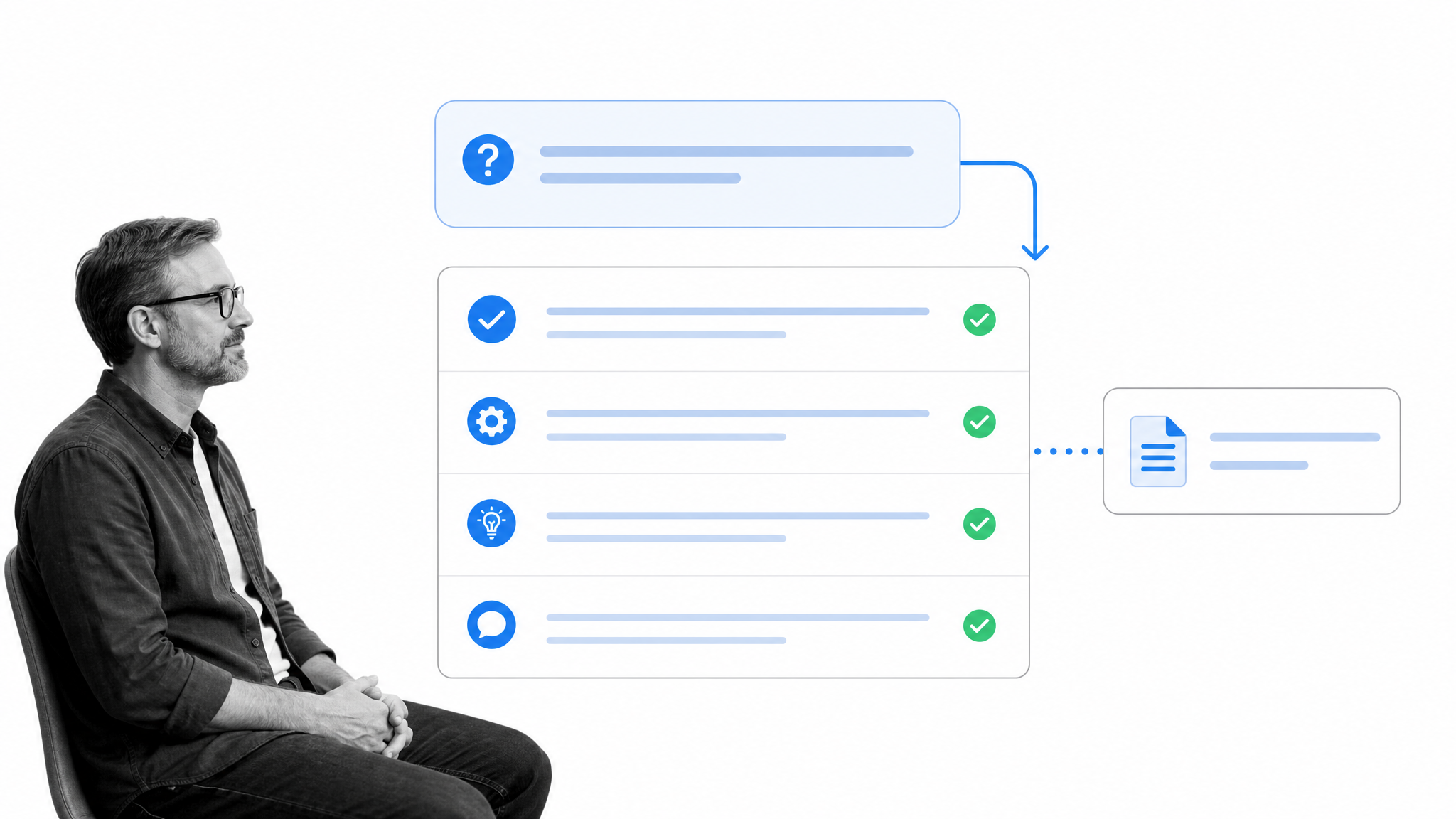
Competitor research can reveal where an audience already discovers and discusses material like yours. The goal is not to copy a backlink list mechanically. It is to find credible blogs, curators, communities, resource pages, newsletters, and sharers whose behavior shows a real topic fit.
Start with several strong articles on the same problem. Use Moz Link Explorer, Ahrefs, or another current research tool to inspect links and referring pages. Separate editorial references from scraped pages, paid placements, generic directories, and irrelevant mentions. A prominent backlink is not automatically a major traffic source.
Then search for people who discussed or shared the competing articles. Review their recent activity before contacting them. Someone who shared one related item years ago is a weak prospect; someone who repeatedly covers the problem and engages with new evidence is stronger.
Record the source, contact, content fit, last relevant activity, proposed value, and outreach status. This turns competitive research into a qualified channel map instead of a list of URLs. Feed the best discoveries back into the promotion brief and the next content plan.
Reverse engineer the competition with care. Look for backlinks from other blogs, resource pages, social communities, and editorial roundups, then decide whether the same source would value a genuinely different article. Research who shared popular posts by competitors, but contact only people whose current interests suggest they may welcome similar content. The evidence identifies a possibility; it does not create an obligation to share.

Pay for promotion carefully
Paid promotion can help build an audience, test a message, or reach a defined account or role. It cannot rescue content that does not satisfy the reader. Before spending, confirm the target audience, offer, landing experience, conversion event, attribution window, budget, and stop rule.
Select the channel by audience and buying mechanics. Meta, LinkedIn, Reddit, search, and native platforms such as Outbrain or Taboola serve different contexts. Research current placement, targeting, auction, creative, and policy requirements in the platform’s official guidance rather than relying on a fixed list of “best” networks.
Start with one channel and a controlled pilot. Use a small number of meaningful creative variations, not dozens of nearly identical ads. Track spend, qualified visits, conversion rate, cost per desired action, and downstream quality. Define the threshold for pausing or expanding before the campaign begins.
Watch for cheap clicks that do not advance the goal. A channel can produce traffic while failing to create subscriptions, product interest, citations, or sales conversations. The lesson from the original checklist still holds: start slowly, track results, watch the spend, and learn the mechanics before scaling.
Before promoting on any paid channel, do significant research into which network is the best fit for the audience and how its mechanics work. Start with one, start slow, track the results, and watch the spend. Learn the platform directly or work with someone who has already learned it, while keeping goals, access, budgets, creative approvals, and reporting under company control.

Deep-link from older posts
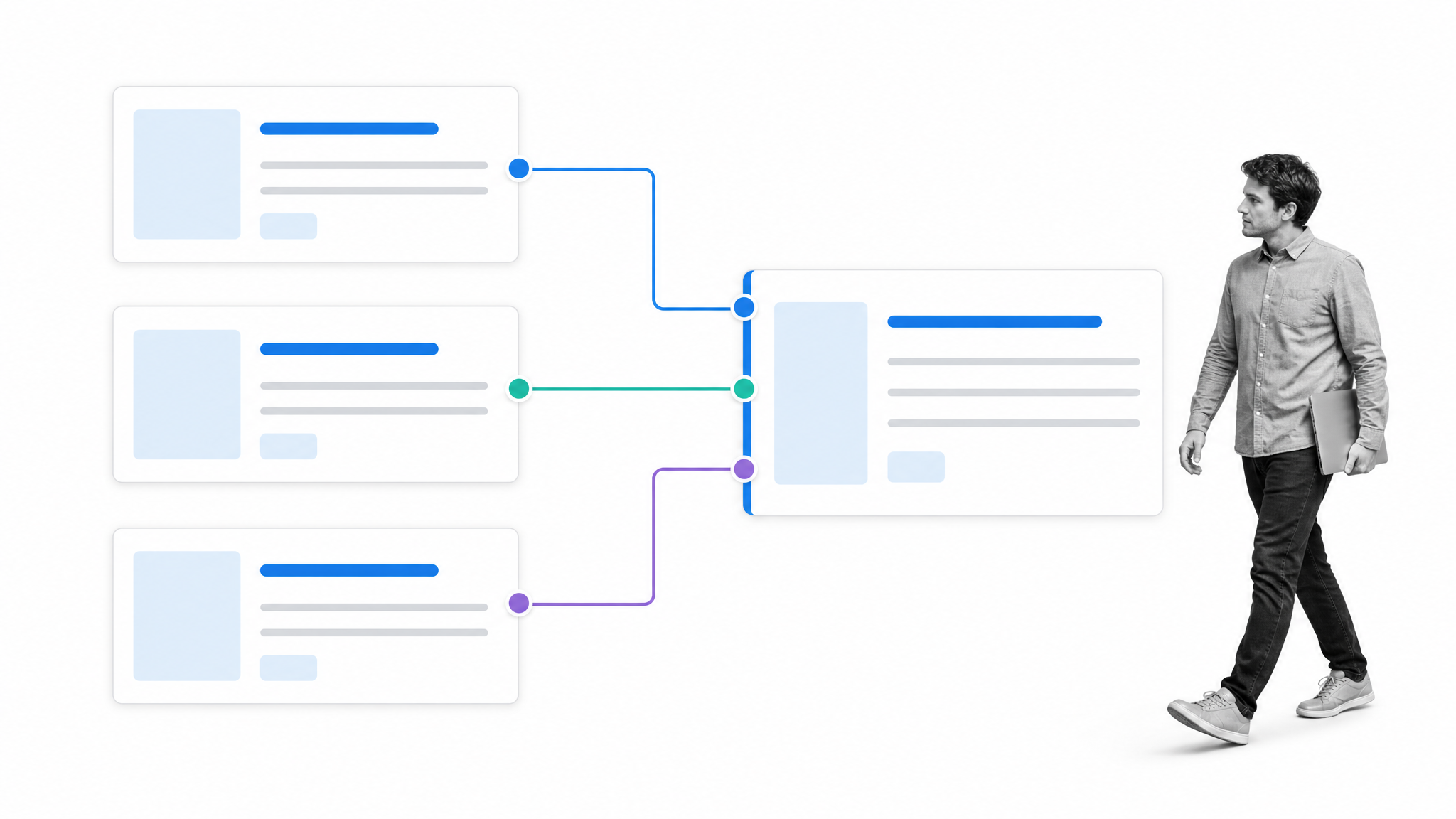
If the site has been publishing for a while, older posts may already attract consistent search, referral, or direct traffic. Find the pages most relevant to the new content and add a contextual internal link where it genuinely helps the reader continue the task.
Choose pages by topic and user journey, not traffic alone. The surrounding sentence should explain the relationship, and the anchor text should describe the destination. Avoid adding the same exact-match phrase to every page or dropping a “related link” into an unrelated paragraph.
Internal links help readers discover deeper material and give search engines clearer signals about site structure. A related-post feature such as Jetpack Related Posts can supplement deliberate links, but an automated recommendation is not a substitute for a well-placed editorial connection.
Review older content for reciprocal opportunities, then check that the new link renders, resolves, and does not point through an unnecessary redirect. Record the source page so future refreshes can protect the relationship.
Start with older posts that get consistent traffic and find the most relevant place to work in a link to the new piece of content. The link should generate useful discovery for readers and strengthen the connection between related pages. Review the paragraph after editing so the new anchor reads naturally rather than appearing as an afterthought.
Submit to link roundups and resource lists
Some blogs and newsletters publish daily, weekly, or monthly collections of useful links. A relevant roundup can send referral traffic, introduce the work to a trusted audience, and earn an editorial reference.
Find active curators with searches such as:
“link roundup” + your topic“weekly reading” + your niche“weekend reading” + your topic“resources” + the problem your content solvessite:substack.com + your topic + recommended
Check recent editions before pitching. Confirm the curator still publishes, covers the subject, includes outside links, and has not already featured the asset. Then send a concise note that identifies the fit and the specific value for readers. Do not manufacture familiarity or send a mass template to every roundup you can find.
Track the pitch, response, publication, referral traffic, and any follow-up relationship. A rejection may simply mean the content does not fit that edition; it is not a reason to pressure the curator.
The best way to earn a place in a roundup is to submit the content directly to a blogger or editor who clearly covers the niche. Search several day-of-week variations, because some curators use labels such as Monday links, Friday reading, or weekend reading. A successful feature may bring traffic and backlinks, but the editorial fit is the reason to pitch.
Repurpose your content into native formats
Repurposing can multiply the useful life of a strong source asset. The aim is not to upload the same file to dozens of sites. It is to transform the underlying idea for a new format, audience, or consumption context.
Start with the structure of the source. Turn major sections into a slide deck, a short video script, an audio discussion, a printable summary, a visual framework, or a sequence of social posts. A deck may use one idea per slide. A video needs spoken transitions. A podcast needs an audio-first opening. An infographic needs a focused relationship that is easier to understand visually than in prose.
AI can accelerate extraction, drafting, clipping, resizing, and translation. Tools such as Canva and Descript offer current repurposing features. The operator still needs to verify facts, remove hallucinations, adapt the narrative, check permissions, and review every visible word. Keep the approved source, derivative brief, editor, reviewer, and destination together.
Choose a small number of real destinations. YouTube is a durable video channel; eligible podcasts can be distributed through YouTube and a podcast host such as Blubrry; SlideShare can fit a useful deck; Issuu or Scribd can fit selected documents; Pinterest can fit strongly visual material. Publish where the audience exists and the format is native.
Connect every derivative back to a measurable goal. Record which source section it came from, where it was published, the canonical destination, and what happened. This makes repurposing a repeatable process rather than a one-time burst of files.
A practical order is to break the post into a slide deck, draft a script from the deck, record a video with clear audio, strip or adapt the audio for a podcast when it works without visuals, create a concise PDF, and design an infographic only when the relationship benefits from a visual explanation. Add related links and source notes to every format. A branded template can make the process smoother, but each derivative still needs an editor.

Measure the campaign and improve the checklist
Promotion ends with a review, not with the last scheduled post. Compare results with the original goal and channel assumptions. Capture quantitative signals such as qualified visits, engaged sessions, subscriber growth, replies, mentions, backlinks, conversions, cost, and cycle time. Add qualitative evidence from sales calls, customer questions, community comments, and outreach responses.
Separate channel performance from content performance. A weak result may come from poor audience fit, an unconvincing hook, a broken landing experience, bad timing, or an asset that does not deliver on its promise. Record the likely cause and the next test instead of declaring that a whole channel “does not work.”
Update reusable instructions when the evidence is strong. Keep successful copy variations, audience notes, curator relationships, UTM conventions, and stop rules. Retire steps that repeatedly consume time without producing a meaningful outcome.
That feedback loop turns individual content promotion strategies into an operating system: plan, prepare, distribute, respond, measure, and improve.
Detailed execution notes for each promotion task
Content marketing is not easy. It takes elbow grease to create valuable content and even more work to promote it. The promotion part is something many companies miss when looking at a content marketing strategy. The practical answer is a streamlined content marketing machine: a checklist that can track the promotion of multiple pieces of content, be customized, and be handed off to a team without losing the original context.
Once the post is prepared, start promoting in a defined order. For headlines, keep the best version on the original page and use the rest for posting on social media, content syndication, and content repurposing, including the name of a slide show or PDF. Write brief descriptions one to three sentences long. Keep a post excerpt, the first paragraph or intro, the URL of the post and blog, and tracking IDs with Google Analytics to track different traffic sources. A shortened URL is optional; the canonical destination and campaign record remain authoritative.
Sharing on social media can be sped up with a social media management tool. The exact sites to share on depend on the audience. A company profile, LinkedIn status update, Pinterest image, or Instagram image can each support a different piece of content. Ask team members to share across their social media networks when the subject is relevant. Avoid asking close friends and family to share content that has no connection to their audience.
Email distribution depends on collecting leads on the website with consent and promoting content to the right leads. An auto RSS feed can automatically email new blog posts, and most email service providers have this option. A dedicated email campaign is often better for important content. Use an email template as a starting point, modify it for the segment, and make the message useful before the reader visits the post.
Outreach means manually emailing, messaging, and sometimes calling people to tell them about content. This sounds like hard work, and it is, but sometimes a team has to do things that do not scale to get the ball rolling. To start with outreach, create a list of bloggers to target. They should be relevant to the niche; do not contact bloggers who write in a completely different area. Look for up-and-coming bloggers who may be easier to contact and receive fewer requests than the most popular bloggers.
Tools to find influencers can include Google search for blogs, professional search, social listening, and current editorial databases. Email is usually the preferred method when the address is published for that purpose. A contact page or professional social profile can be appropriate. For scaled work, use tools to manage outreach, a customer relationship management system, or a workflow that tracks activities. Approved email templates for outreach can help with structure, but every message still needs specific research.
Community sites should be treated like communities. Participate in the community; do not just share your own links. Specialist options can include Hacker News for startups and technology, GrowthHackers for marketing, BizSugar for business, DZone for programming and website development, FilmWatch for films, N4G for gaming, TechSpy for technology, and focused design or WordPress groups. Confirm that the site is active, the audience fits, and submissions are welcome before adding it to a promotion checklist.
Content syndication is where another site publishes the content with permission. Pick the best content and pitch sites on republishing the posts, but consider the drawbacks. A syndicated version can compete for search engine traffic, so agree on attribution and source protection. Self-syndication through Medium or LinkedIn publishing can provide additional distribution through the respective network of the site. If a blog is new, it may be sensible to hold off until the original source is established.
Finding forums in a niche and contributing to them can drive qualified traffic, but be careful not to spam. Respond to threads that ask questions about the topic with a short summary and a link back only when rules permit it. Posting content in forums is generally fine when it is relevant and useful. Search Google for “niche + forum” or use a current forum search tool such as BoardReader. Review the forum rules, signature policy, moderation history, and recent activity before posting.
There are groups on many platforms and topics. Find groups related to the content and contribute a useful answer. On related blog posts, search two to five variations of the post title. Review the first and second page of current results for articles that allow comments, then post a response to the article when it adds something. A link to the content can be included when it supports the point. If it feels uncomfortable or unnecessary, leave the URL out.
On Q&A sites, search for posts related to the content and post responses in the answers when appropriate. Quora remains one option. The answer should be complete without the link. Include the source only when it gives the reader additional evidence, a template, or detailed instructions. The same standard applies to a blog comment, forum response, or group discussion.
To reverse engineer the competition, find where strong competing posts receive backlinks and discussion. Current tools can identify backlinks from other blogs and resource pages. Moz Link Explorer and Ahrefs can replace older product names; SEO SpyGlass remains a specialist option. Then submit content to the same sources only when there is a real fit, either through a legitimate submission link or by reaching out to the blogger or author through the outreach process above. Also research who shared popular posts by competitors, because current, repeated topic interest can identify a relevant prospect.
Paid promotion can help when a company is aggressively working to build a blog and audience. The channels can include Facebook Ads, LinkedIn Ads, Reddit, Outbrain, and Taboola. The links in a working brief should go to current advertising pages or official guides that explain how to advertise on the platforms. Start with one, start slow, track results, watch spend, and learn the mechanics. A partner can help, but the company should retain control of access, approvals, budgets, and data.
For deep links, go back to older posts that get consistent traffic. Find the most relevant high-traffic posts and work in a link to the new piece of content. This is useful for interlinking between posts on the site and driving traffic from old content to new material. Related-post features on WordPress and other blogging platforms can add discovery, but contextual editorial links should come first.
Many blogs publish a daily or weekly link roundup with favorite links from around the web. Getting featured on a link roundup can bring referral traffic and backlinks. The best way to earn a link on a roundup is to submit the content directly to the blogger when the subject fits. Search “link roundup” plus the niche, “daily link roundup,” “weekly link roundup,” “niche weekend reading,” and a day of the week plus “link roundup.” Repeat the searches in the social and newsletter platforms where curators are active.
Repurposing content can be one of the most powerful ways to increase the number of useful views. Turn a blog post into a video, have the team edit it, and distribute it to appropriate sources. The first step can be to break down the post into a slide deck, using a different slide for each subheading or list point. Add images and related links. A branded template can make this process smoother, but the content still needs to fit the format.
For video, draft a script and record the narration while reading the slides or demonstrating the idea. Use a good microphone, because quality audio can make a difference. Publish to YouTube, and consider Dailymotion or Tumblr only when the audience fits. For a podcast, adapt the audio so it works without slides; SoundCloud or Blubrry may be relevant, while YouTube supports eligible podcast feeds. For a PDF, PrintFriendly can help create a clean document, and selected publishing platforms such as Scribd, SlideShare, or Issuu may fit.
For an infographic, the relationship must justify the work. Current creation options include Easel.ly, Infogram, Visual.ly, Piktochart, Google Charts, and Venngage. Pinterest and Flickr may support distribution for strongly visual subjects. Infographic directories and archives should be checked for current editorial standards and submission terms before use. The point is not to distribute to every site; it is to use the sites where a useful visual can reach the right readers.
Follow the checklist every time a new piece of content is published. Track preparation, social media, email, outreach, community responses, syndication, paid tests, deep links, roundups, repurposed formats, and final results. The process should make content promotion easier to operate, easier to hand off, and easier to improve.
After the activities above, review the whole path rather than only the last click. A CRM can connect outreach activities, contact history, and downstream responses. The campaign record can also add notes about which bloggers, tools, ads, LinkedIn formats, Outbrain placements, and other channels were tested. When evaluating the above channels, compare the amount spent, the work involved, additional distribution, audience quality, and what the team learned.
Use the above searches as a starting point, then also find adjacent language used by the audience. Search results can reveal allowed comments, active answers, another related forum, a better blogger fit, or an author stream that is relevant to the topic. Also reverse the query: search the problem, desired result, comparison, and alternative. Although a source appears in search, confirm that it is active and appropriate. Quora answers, blog comments, and forum posts all require the same relevance check.
Another tip for blogger outreach is to give the blogger or author a reason to care before asking for an action or share. Blogger outreach is a big topic, but the core remains simple: research the person, read the work, make the connection specific, and track the request. Better blogger relationships come from useful exchanges over time, not from sending anything and everything to the biggest platforms.
Automation can automatically email a published item, add tracking, create a task, or notify an owner. That is an effective automated way to protect consistency, but automation should not generate unsupported claims or publish without review. It should also allow another person to inspect the source, approve the copy, and stop the action when conditions are not met.
For more detail about LinkedIn articles and newsletters, use LinkedIn’s current help documentation. For more detail about optimizing audio and podcasts, use the current documentation for the selected host and destination. Audio can travel without visuals only when the script makes sense on its own. A video can become audio, but it may need a new introduction, transitions, and descriptions.
Every channel has a different job. Advertising pages explain current platform mechanics; editorial guides explain audience fit; analytics explain results. The work can include ads on LinkedIn, ads through Outbrain or Taboola, social posts, email, self-syndication, and direct blogger outreach. The plan should identify the action, share, destination, owner, and result for each one.
Before launch, ask whether the team is able to execute and respond. Does every action, share, email, answer, and ad have an owner? Are outreach activities in the CRM or workflow? For ads, LinkedIn, Outbrain, and every other selected network should have a documented budget and stop rule. The workflow should be allowing an approver to reject weak copy, not merely recording that someone approves it.
Also try a small manual run before automation. The channel most likely to work is the one with real audience fit, not the one where the team has already spent the most time. Read answers and current discussions before deciding what is appropriate; Quora, a forum, a group, and a blog each have different rules. Avoid anything monstrous or indiscriminate: a smaller relevant response is better than an unqualified traffic spike.
Store final assets in an archive. An infographic archive can include the source data, editor file, export, alternative text, permission notes, and distribution record. A slide archive can retain the branded template and related links. An audio archive can retain the script, clean recording, transcript, and destination metadata. This makes later updates possible without recreating the work.
Finally, review the whole checklist as an operating control. Confirm that content creation, content promotion, blogger outreach, community distribution, paid advertising, internal discovery, and repurposing activities can be assigned and completed. A reliable system is always explicit about the source, owner, reviewer, evidence, result, and next improvement.
Treat every requested action—share, reply, citation, subscription, or conversion—as a defined outcome. Keep outreach activities CRM-tracked when a CRM is the system of record. Compare paid ads: LinkedIn may fit professional targeting, while native ads through Outbrain may fit editorial discovery. Strong results are also likely to depend on the destination and message. Before publishing answers, read the full thread; use the appropriate Quora topic or community category. Archive infographic source files and keep the approval attached to the campaign record.
Avoid ambiguous spreadsheet labels such as “action share,” “ads LinkedIn,” or “ads Outbrain.” Write the requested action, complete channel name, audience, objective, destination, budget, and owner so another operator can understand the plan.
A tool can automate a handoff, but it cannot write the final judgment. Blogger and author research, bloggers’ tools, BoardReader, Business2Community, BuzzStream, and every other specialist source need a current fit check. A team can consider a channel, can distribute a useful version, can gain insight, can generate a qualified response, and can write a stronger follow-up without promising a result. The caveat applies everywhere: browser or Chrome extensions, comment systems, and click-through reports are inputs to the workflow, not evidence that a tactic is trustworthy.
The anatomy of a channel result includes audience, message, destination, action, and outcome. Answers read in context are safer than isolated snippets. Atypical channels need the same validation, and repeated spam can get an account banned. Keep the evidence behind every decision. Below each campaign result, note what became clear and what should begin the next handoff. Bitly.com now resolves to Bitly; use the current canonical address. A blogger check should cover author fit, recent work, and contact preference. Blogs can support long-term discovery when the blueprint connects publishing, promotion, and maintenance. Board Reader or another forum-search source should be evaluated before use.
Run the checklist in Process Street
Use the Advanced Content Promotion Checklist to coordinate every campaign. Process Street is a Compliance Operations Platform with Docs and Ops capability areas plus built-in AI, so teams can document the promotion standard, run it as a workflow, assign owners, collect approvals, keep evidence, and monitor execution in one product.
Build the approved promotion brief in Docs, then run each asset through Ops with due dates, conditional paths, handoffs, approvals, and campaign evidence. Built-in AI can help extract channel variations, summarize research, or draft repurposed copy while the workflow keeps source checks and human review explicit.
Follow the checklist every time you publish. The goal is not a flood of low-quality submissions. It is consistent, relevant content promotion that reaches the right audience, protects trust, and gets better with every completed run.