






AS9100 is the internationally recognized quality management system standard for aviation, space, and defense organizations. The current published edition is AS9100 Rev D, aligned with IAQG 9100:2016 and built on ISO 9001:2015. It keeps ISO 9001’s quality management foundation and adds aerospace controls for product safety, operational risk, configuration management, supplier oversight, counterfeit-part prevention, and traceability.
Those controls are one part of a much larger safety system that also includes engineering, regulation, maintenance, training, and accident investigation. The results are striking: IATA recorded 51 accidents across 38.7 million flights in 2025, while an MIT analysis estimated one fatality per 13.7 million passenger boardings from 2018 through 2022. AS9100 matters because it makes disciplined quality work repeatable across a complex global supply chain.
“Ladies and gentlemen, this is your captain speaking. We have a small problem. All four engines have stopped.” – Eric Moody, British Airways Captain
The words no one wants to hear when tightly strapped into an aluminum tube, flying at 900 kph, 35,000 feet in the air.
Whether you’re an avid flyer, an aviation expert, or an aerospace supplier, this guide flies through four AS9100 topics:
- What is AS9100 and where on earth did it come from?
- The 5 orbital differences between AS9100 and ISO 9001
- AS9100 certification, it’s not rocket science
- AS9100 and Process Street: The sky’s the limit
Fix your seat in an upright position, fasten your seatbelt, and prepare for takeoff.
What is AS9100 and where on earth did it come from?
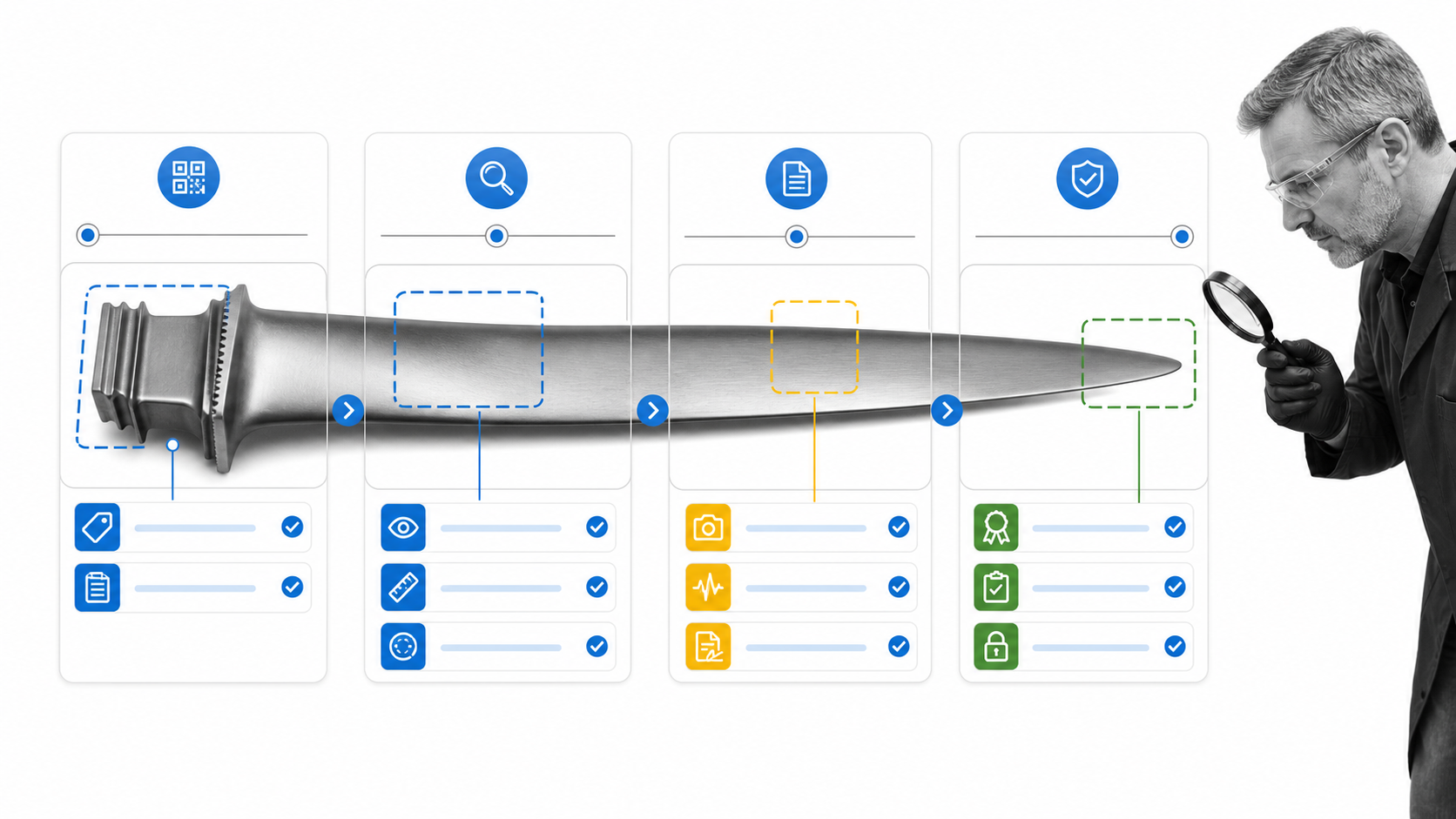
What is AS9100?
In basic terms, AS9100 is the globally recognized quality management system standard for aviation, space, and defense organizations. It provides aerospace industry suppliers with a set of requirements for creating and maintaining a quality management system that will enable them to produce and supply safe and reliable products to the Aviation, Space, and Defense industry.IAQG describes 9100 as the quality management system requirements standard for aviation, space, and defense organizations.AS9100 is based on the internationally recognized standards for quality management systems, published by ISO (International Organization for Standardization), but supplements those standards with additional requirements specifically for the aerospace industry.
“AS9100 helps organizations working in the aerospace realm to align the structure of their aviation, space and defense requirements with the foundation of the ISO 9001:2015 standard, which at its core is all about quality” – 5 Ways AS9100:2016 Can Help You Soar, SmithersLet’s take a deeper look into the integral part ISO played in developing AS9100.
Where did AS9100 come from?
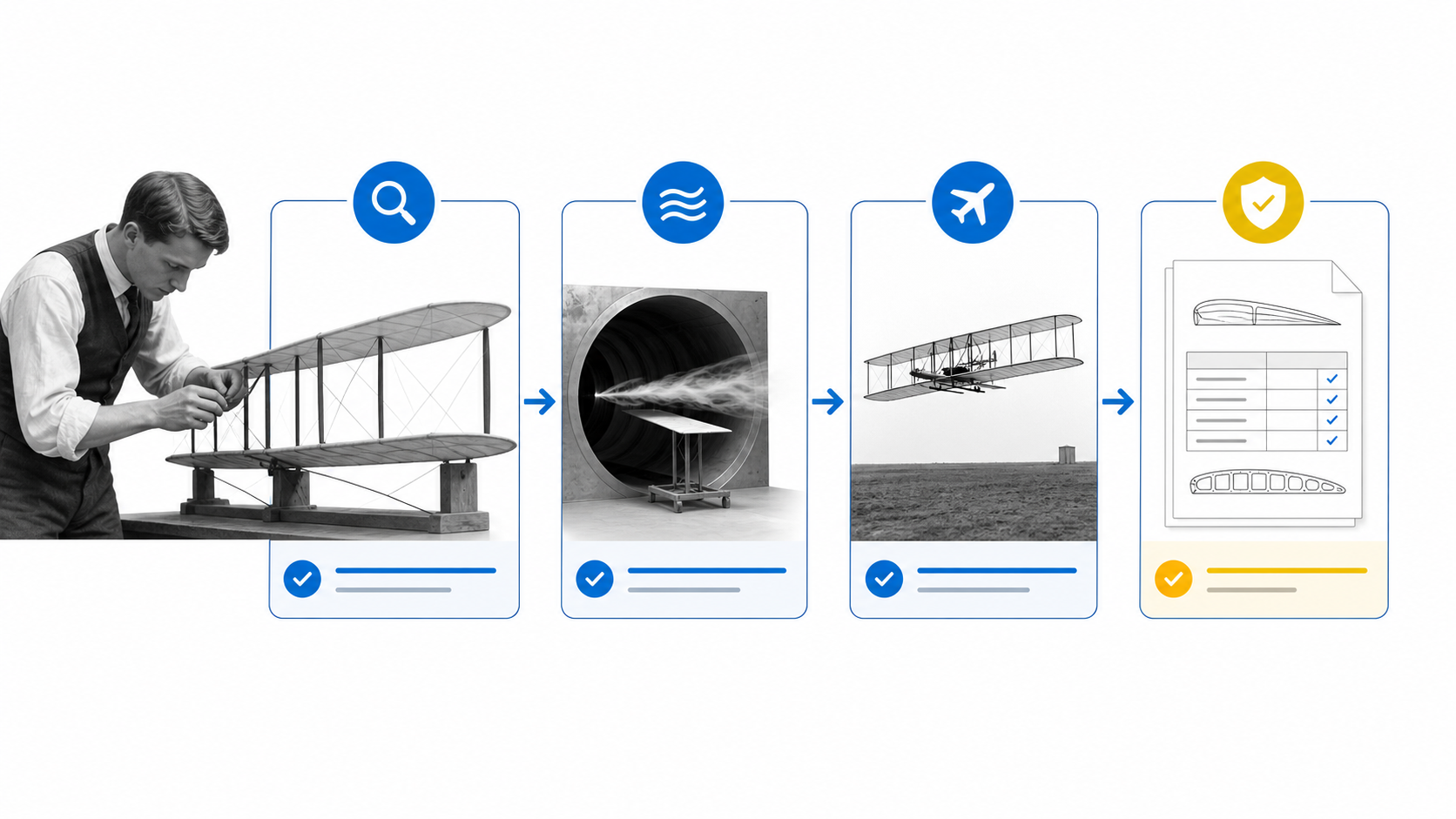
“The origin of the aerospace industry dates to 1903 when Wilbur and Orville Wright demonstrated an airplane, capable of powered, sustained flight… The Wright brothers’ success was due to detailed research and an excellent engineering-and-development approach” – Aerospace Industry – History, BritannicaThat description neatly summarizes what AS9100 is designed to reinforce: an excellent approach to engineering and development. AS9100 emerged in 1999 from a cooperative effort among global aerospace organizations working through what became the International Aerospace Quality Group (IAQG). The IAQG realized that if they standardized the aerospace industry and established a set of best practices that everyone could follow, they could not only improve aerospace product quality across the globe, but they could also cut costs by reducing the expensive ‘organization-unique’ requirements. At first, they decided to roll out the ISO quality management system model, ISO 9001 (1994), as this was recognized internationally as having the best practices for managing quality. Which is what they were after. However, it wasn’t long before they realized that ISO 9001 didn’t quite cut the mustard. Although it provided a solid framework for the industry to base their quality management systems on – it didn’t fully address the specific requirements of the aerospace industry. So, they started to add their own requirements to ISO 9001 (1994), and called the newly adapted set of standards AS9100.
“What AS9100 does is to take the world-class best practices for managing quality and adds the additional requirements that are important to the aerospace industry” – Mark Hammar, Applying AS9100 Rev DLike ISO 9001, AS9100 has evolved with the quality-management baseline beneath it. The current published edition is AS9100 Rev D, released in 2016 and identified by IAQG as 9100:2016. Version A supported the transition from ISO 9001:1994 to ISO 9001:2000. Version B aligned solely with ISO 9001:2000. Version C followed ISO 9001:2008. Version D aligned the aerospace additions with ISO 9001:2015 and its Annex SL high-level structure. ISO 9001:2015 remains the current published ISO edition, including its 2024 climate-action amendment. ISO 9001:2026 is under publication and expected in September 2026. IAQG has not yet published a replacement for 9100:2016, so organizations should follow official IAQG transition guidance rather than assuming a new AS9100 revision is already in force. That distinction matters for document control. A quality team should identify the exact edition and amendments that apply, record the source of each customer-specific requirement, and keep transition decisions under formal change control. Quietly treating a draft or future edition as binding can create as much confusion as ignoring a published change. AS9100 Rev D follows ISO 9001’s clauses for organizational context, leadership, planning, support, operation, performance evaluation, and improvement. Its aerospace additions sit inside that structure rather than beside it. That is why an organization moving from ISO 9001 to AS9100 is extending an existing quality management system, not installing a completely separate one. That is a lot of version history. A look at who uses the standard makes the practical point clearer.
Who uses AS9100?
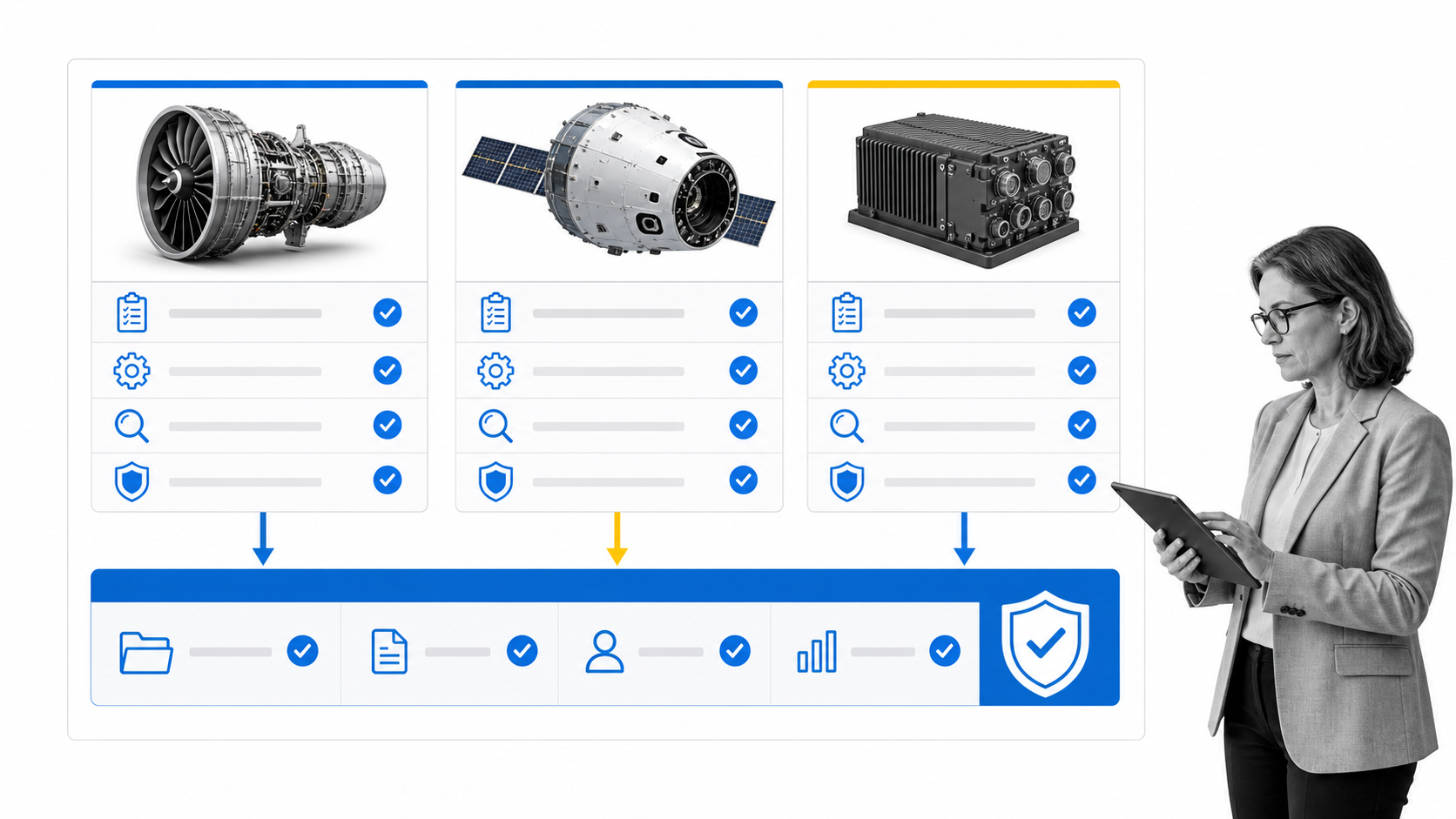
Why is AS9100 needed?
“When things don’t work as they should, it often means that standards are absent” – Standards, ISOThe need for an approved set of global standards becomes clearest when you remember how many organizations, components, and handoffs sit behind a single flight. Process Street writer Amanda Greenwood once described a frightening approach into Leeds after a flight home from Portugal. The cabin crew had prepared everyone for landing. Tables were away, seatbelts were fastened, and seats were upright. From her window she watched the dull grey sky and Leeds city center when she heard a sharp cracking sound, followed by a series of bumps and judders. The cabin shook, the windows rattled, and every plane-crash story she had ever read flashed through her mind. Then the aircraft touched down without a problem. She left without a scratch, but on very wobbly legs. Amanda never learned exactly what happened. The story does not prove that AS9100 resolved an in-flight problem, but it captures the trust passengers place in the engineering, maintenance, operating, and quality systems behind every safe landing. Still not convinced? Well cast your minds back to life before AS9100
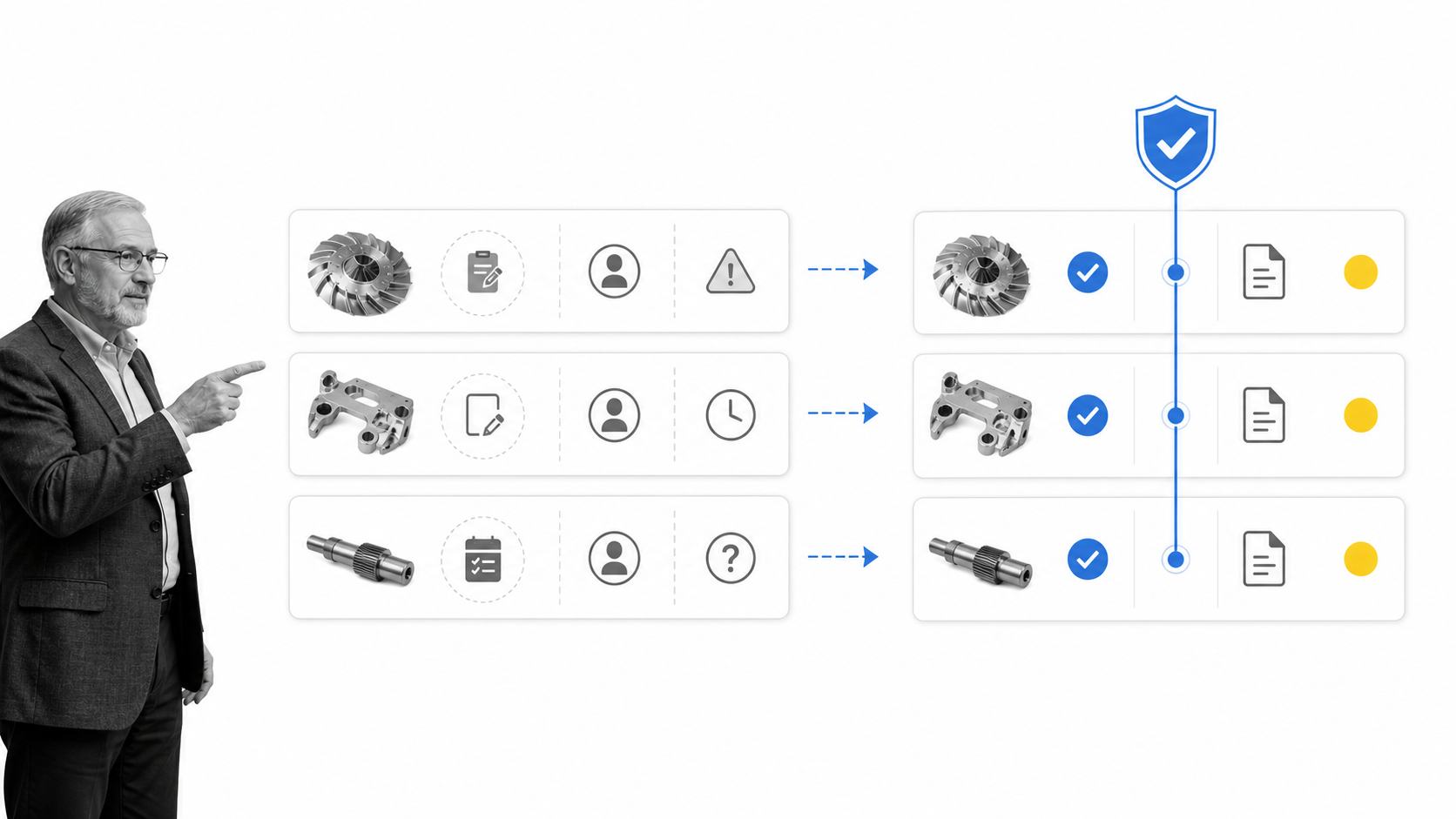
“If a problem happens in an aircraft, there could be a fatal crash; if a satellite fails after launch, there is no way to get it back for repairs; if a defense warning system fails, lives could be in danger.” Mark Hammar, Applying AS9100 Rev D
The 5 orbital differences between AS9100 and ISO 9001

What is ISO 9001?
The International Organization for Standardization (ISO) is an independent international organization with 176 national members. ISO 9001 is its globally recognized requirements standard for a quality management system.Where did ISO 9001 come from?
ISO first published ISO 9001 in 1987. Developed through global consensus, it created a common quality-management baseline that helps organizations provide consistent products and services, satisfy customers, and improve continually. The current published edition is ISO 9001:2015. It uses risk-based thinking and gives organizations flexibility to design a quality management system around their context, processes, and responsibilities. The 2024 amendment added climate-change considerations to organizational context. The next edition, ISO 9001:2026, is under publication. Digital systems can make that process-based approach easier to govern. Teams can control procedures, assign work, collect evidence, and keep records ready for review rather than relying on one enormous manual that everyone has to interpret.Who uses ISO 9001?
ISO 9001 can apply to an organization of any size and in any sector. Aerospace organizations can use that same foundation, but customer and sector risks often require the additional controls in AS9100. So, now we understand the ISO 9001 basics, let’s uncover the key differences between AS9100 and ISO 9001.The 5 key differences between AS9100 and ISO 9001
As we’ve established, AS9100 is the aerospace equivalent to the renowned ISO 9001. It contains all the ISO 9001 quality management standards but with some custom-made aerospace tweaks. Below are five aerospace-specific control areas that make the difference clear:- Product safety and operational risk. AS9100 adds explicit controls for identifying, assessing, and managing risks that could affect the safety and conformity of aerospace products throughout their lifecycle. Product-safety responsibilities need to be assigned, communicated, and supported with the right reporting and awareness.
- Counterfeit-part prevention. Organizations need processes to prevent the use of counterfeit or suspect counterfeit parts, including supplier controls, traceability, verification, and reporting. That can affect sourcing, inspection, test evidence, obsolescence decisions, and escalation when documentation does not match the part.
- Configuration management. AS9100 requires tighter control of product configuration so approved requirements, drawings, software, parts, and changes remain aligned. A team must be able to establish the configuration baseline, control changes, account for status, and verify that the product matches the approved definition.
- Supplier and external-provider control. The standard adds aerospace-specific oversight for the supply chain, including flow-down of requirements, performance monitoring, verification, and control of externally provided processes and products. Purchasing a component never transfers the organization’s responsibility for conformity.
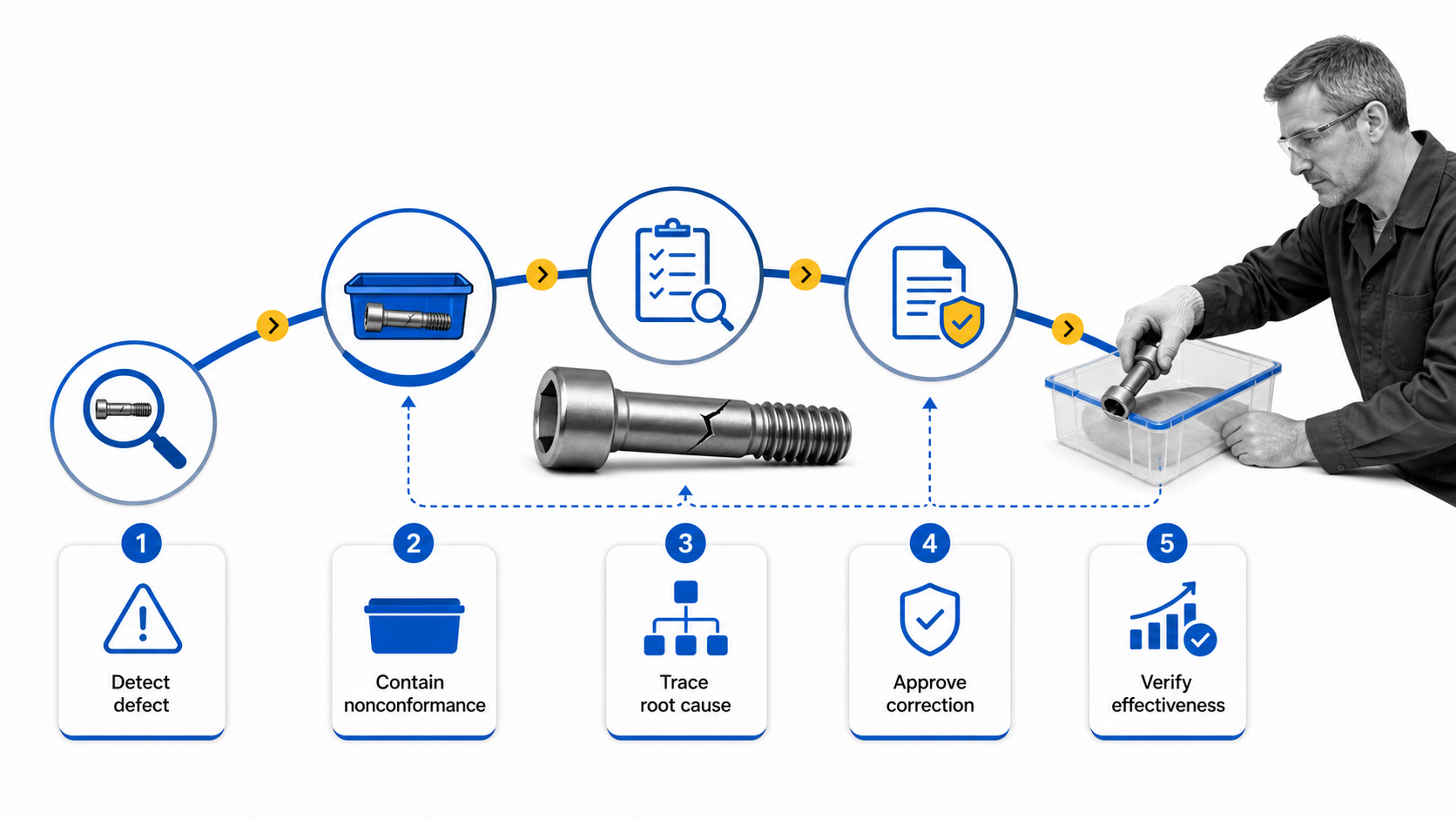
- Production, nonconformance, and human factors. AS9100 strengthens production-process verification, preservation, special-process control, nonconforming-output handling, corrective action, and consideration of human factors. The controls must work under real operating conditions, not only look correct in a procedure.
- ISO: Everything You Need to Know (Ultimate Guide + Free Templates)
- ISO 9001: The Ultimate QMS Guide (Basics, Implementation, ISO Templates)
- What is ISO 9000? The Beginner’s Guide to Quality Management System Standards (Free ISO 9001 QMS Template)
AS9100 certification, it’s not rocket science

Reasons to become AS9100 certified
The aerospace industry has unusual quality, safety, configuration, and traceability demands. Companies that design, produce, or support aviation, space, and defense products often pursue certification to demonstrate that their quality management system can meet those demands. Certification gives customers independently verified evidence that the organization operates a conforming QMS. It can open marketplace opportunities, strengthen process discipline, improve corrective action, and create a common quality language across customers and suppliers. It can also reduce the number of customer-specific assurance activities when buyers accept the accredited certificate and OASIS record as part of supplier approval. It does not eliminate customer audits or contractual oversight, but it gives both sides a common baseline for discussing risk, performance, findings, and improvement. The operational benefits depend on how seriously the organization uses the system. A team that treats AS9100 as paperwork may still experience recurring defects, late actions, and weak records. A team that uses audit findings, supplier performance, nonconformance data, and management review to improve its processes can turn certification work into better delivery and more predictable quality.Costs to become AS9100 certified
The cost to become AS9100 certified varies with the organization’s size, locations, complexity, scope, risk, and existing QMS maturity. Certification bodies calculate audit time and fees from that context, so a generic price range is rarely useful. If you’re starting without an established quality management system, plan for several cost categories:- Gap-assessment and audit costs. A readiness review identifies where the current system differs from AS9100, while the accredited certification body charges for Stage 1, Stage 2, and surveillance audits.
- Implementation costs. Teams need time and resources to design, document, operate, test, and improve the QMS, including training, internal audits, management reviews, and corrective action.
- Expert-support costs. Some organizations use an external consultant or specialist training. That support is optional, but it can shorten the learning curve when internal experience is limited.
How to become AS9100 certified
Becoming AS9100 certified means an accredited certification body has independently assessed the organization’s QMS and found it conforms to the applicable requirements. The IAQG certification guidance provides the official starting sequence:- Obtain the correct standard and define scope. Confirm which 9100-series standard and customer requirements apply to the products, services, sites, and activities in scope.
- Assess the gap and implement the QMS. Map existing processes to AS9100, assign owners, control documented information, train people, and operate the system long enough to produce evidence.
- Complete internal audit and management review. Test whether processes conform and work as intended. Resolve nonconformities and have leadership review performance, risk, resources, and improvement.
- Create the required OASIS account and select an accredited certification body. IAQG’s OASIS database supports aerospace certification information. Compare qualified certification bodies and agree the audit scope.
- Complete Stage 1 and Stage 2 audits. Stage 1 reviews readiness and system design. Stage 2 evaluates implementation and effectiveness through records, interviews, and operational evidence.
- Close findings and maintain certification. Correct nonconformities, demonstrate effective corrective action, and prepare for surveillance and recertification audits.
AS9100 and Process Street: The sky’s the limit
This is Process Street and this is what we do
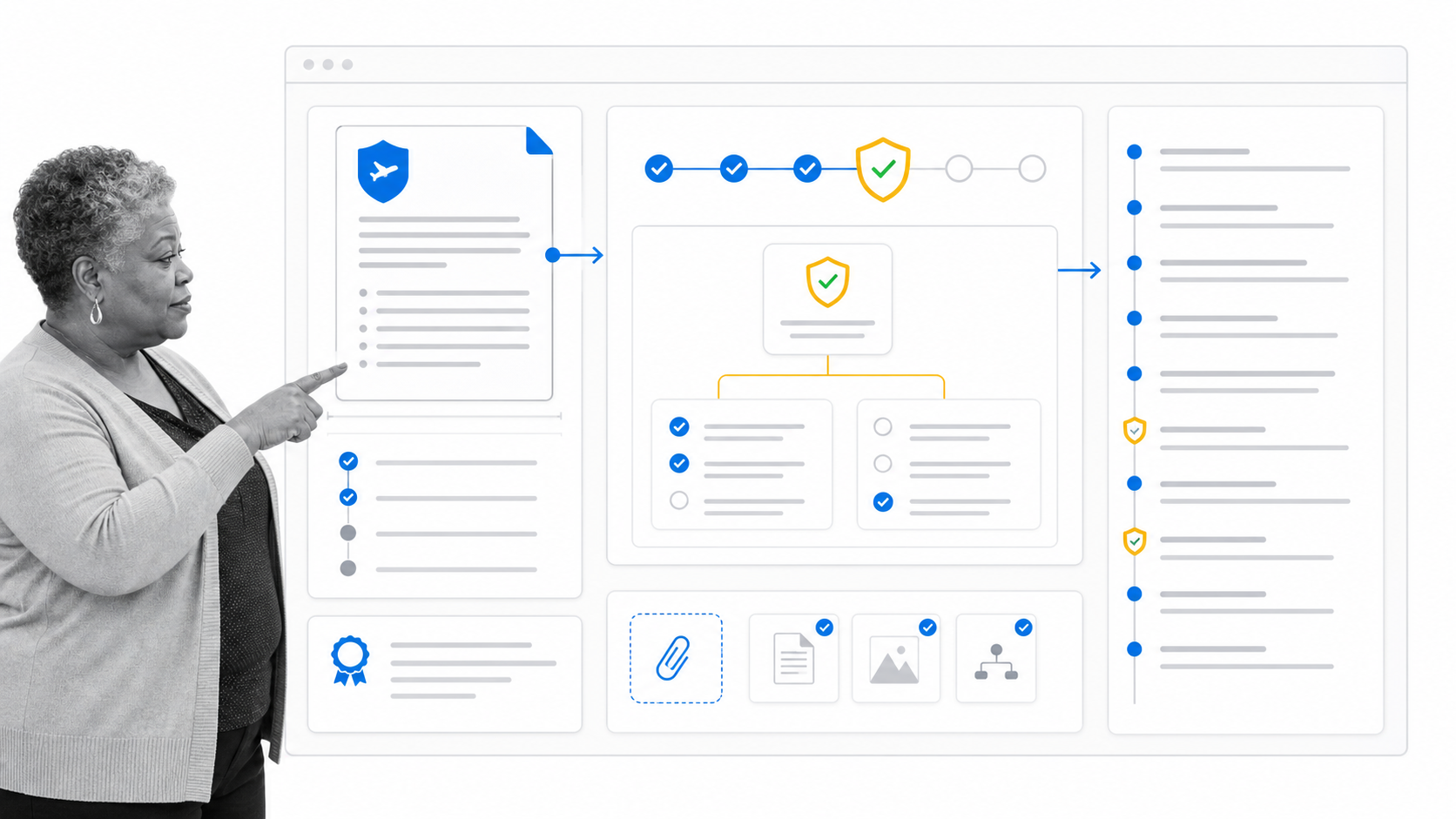
Process Street is a Compliance Operations Platform that helps organizations turn policies, procedures, and regulatory requirements into controlled execution and audit-ready evidence. It is one product with two connected capability areas and built-in AI:- Docs gives teams a governed home for policies, SOPs, and controlled knowledge, with ownership, review, approval, version history, and acknowledgement.
- Ops turns that governed guidance into executable workflows with assignments, conditional logic, approvals, due dates, evidence capture, and an audit trail.
- Built-in AI helps teams draft, summarize, check, and improve compliance work while people retain responsibility for approval and control.
How Process Street helps you with AS9100
Think of AS9100 as a connected system of controlled processes. You need processes to establish the quality management system, prepare for certification, control changes, manage suppliers, contain nonconformities, collect evidence, and keep the standard operating after the auditor leaves. Some processes need detailed procedure steps and extensive work instructions. Others need fewer steps but stronger decision rules, evidence requirements, or approvals. The system should match the risk and complexity of the work. This is the useful idea behind Agile ISO: build enough control to execute safely, learn from actual use, and improve the process without losing governance.How to use Agile ISO with AS9100
Agile ISO lets teams build a governed process library while improving individual workflows through controlled iteration. Process Street supports that approach through four practical actions:- Build executable AS9100 workflows. Translate requirements into owned tasks, due dates, conditional paths, required evidence, and approval gates. The workflow should make the correct path easier to follow and the risky shortcut harder to take.
- Govern the source documentation. Keep policies, procedures, work instructions, and quality records in Docs with owners, review cycles, approvals, version history, and acknowledgement. Link those documents to the workflows that implement them.
- Design the processes that control other processes. Use repeatable workflows for document changes, risk assessment, supplier approval, internal audit, management review, nonconformance, corrective action, and continual improvement.
- Capture proof as work happens. Require operators to attach inspection results, signoffs, photos, measurements, or other evidence in the workflow. That creates a traceable record for customers and auditors instead of a scramble to reconstruct events later.
AS9100 related articles and blog posts
- What is ISO 9000? A beginner’s guide to quality management system standards
- What is an ISO audit?
- What is quality management?
- How ISO 9001 certification works
- Agile ISO and rapid process improvement
- ISO 9001 audit preparation
Start a free Process Street trial and turn your AS9100 requirements into controlled, auditable operations.
Fly safe.