


This is a guest post by Jin Choi. Jin Choi is a writer whose favorite hobbies include learning about the newest trends in online marketing and lifting heavy iron at the gym.
Customer lifecycle marketing adapts your message, support, and operations to the stage a customer is in, from first awareness through advocacy. The aim is to reduce friction at each handoff and create more value for the customer over the life of the relationship.
A customer lifecycle is the sequence someone moves through from discovering a company to buying, returning, and recommending it. Applying the right strategy at each stage helps you improve customer experience and customer lifetime value without treating every interaction as the same. That coordination can become a competitive edge because customers experience fewer gaps between the promise and the work that delivers it.
The lifecycle is not a perfectly straight funnel. A customer may move back to evaluation before a renewal, re-enter engagement with a support question, or become an advocate while still considering another product. What matters is recognizing the customer’s current need and making the next useful action clear.
- The stages of the customer lifecycle
- Customer lifecycle stage 1: Awareness
- Customer lifecycle stage 2: Engagement
- Customer lifecycle stage 3: Evaluation
- Customer lifecycle stage 4: Purchase
- Customer lifecycle stage 5: Post-purchase
- Customer lifecycle stage 6: Advocacy
- Customer lifecycle marketing: A summary
The stages of the customer lifecycle
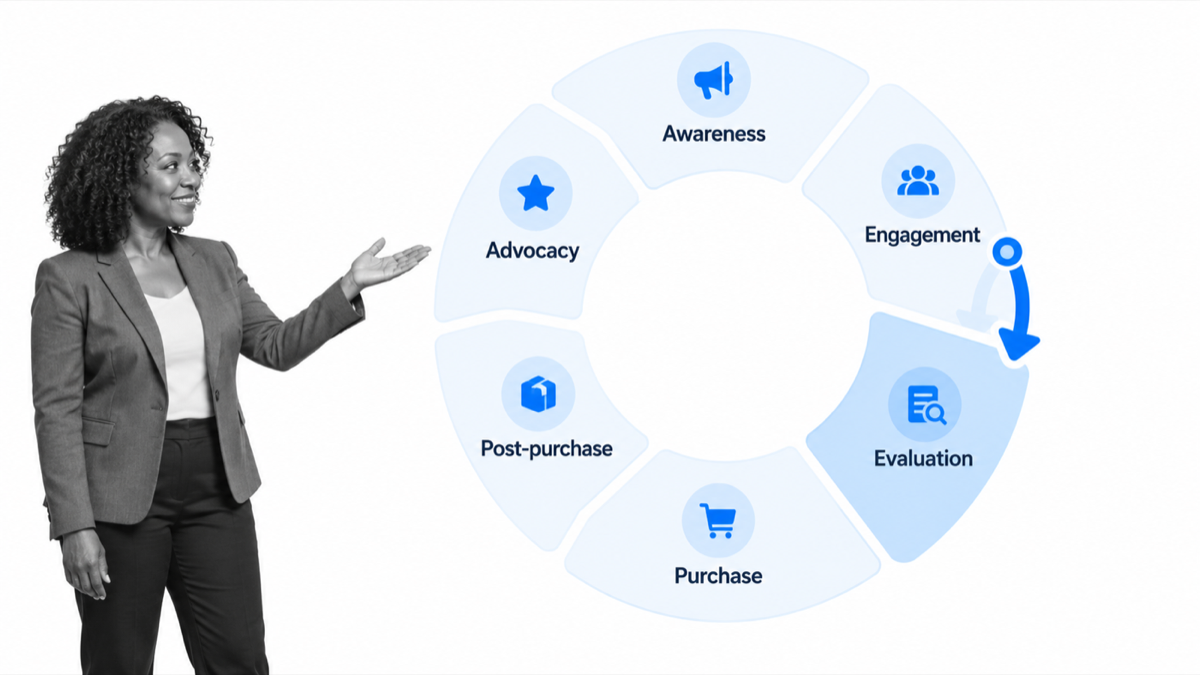
The six stages of customer lifecycle marketing are awareness, engagement, evaluation, purchase, post-purchase, and advocacy. Each stage has a different job. Awareness earns attention. Engagement answers an early question. Evaluation builds confidence. Purchase removes transactional friction. Post-purchase delivers value and supports retention. Advocacy makes it easy for satisfied customers to share their experience.
The boundaries matter because tactics that work at one stage can feel premature at another. A prospect who has just discovered your company may need education, while a customer who has already purchased needs confirmation, onboarding, and support. Mapping the stages gives marketing, sales, support, and operations a shared view of the journey.
Start with the handoffs. Ask what must be true before a person can move from one stage to the next, what commonly blocks that move, which team owns the response, and how you will know the handoff worked. That turns the lifecycle from a diagram into an operating process.
Customer lifecycle stage 1: Awareness
The first stage of a customer lifecycle is awareness. This is the first time a prospect becomes aware of your brand, product, or service. During this phase, get a clear idea of where your target audience spends time and what problem puts them in motion.
Strategies for raising awareness
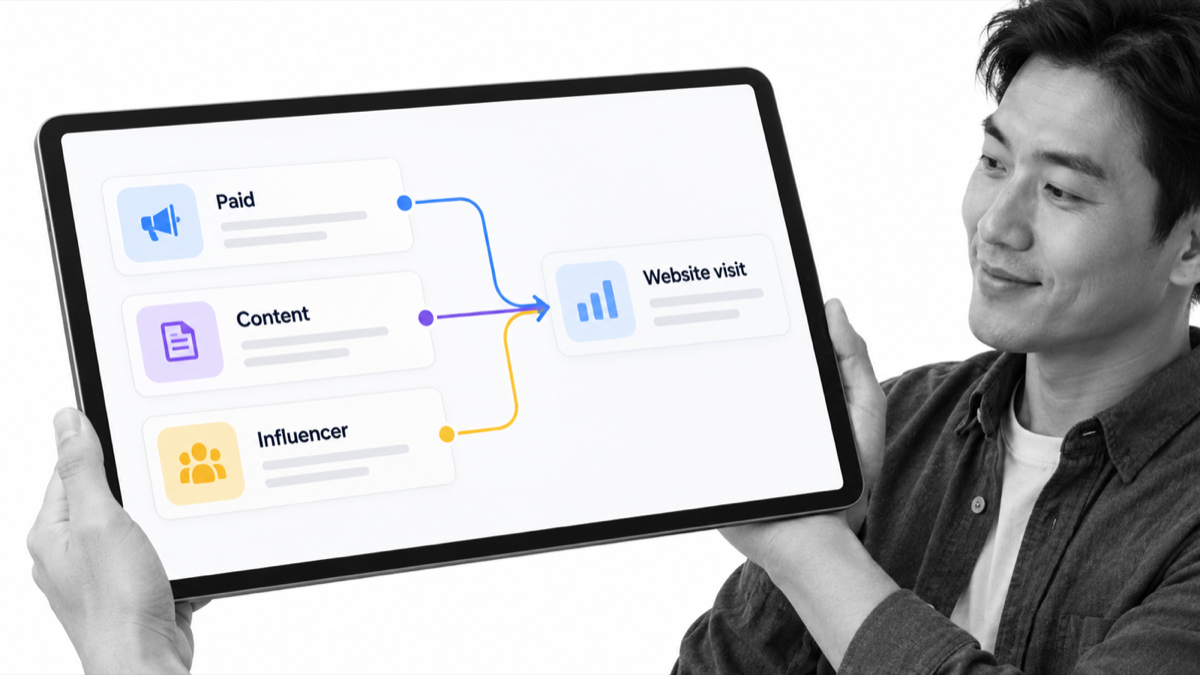
Paid ads. Search ads can meet people who are already looking for a solution, while social ads can introduce a relevant idea before someone searches. The useful distinction is intent. Match the message and landing page to what the audience already knows instead of forcing every channel into the same campaign.
Content. Useful content starts the relationship by providing value before asking for a purchase. A practical guide, checklist, benchmark, or explanation can help a prospect understand the problem and remember the source. The reciprocity principle helps explain why giving useful help can create trust.
Influencer and peer introductions. People pay closer attention when a recommendation comes from someone they already trust. It is similar to a friend introducing you to another friend: both people arrive with context that a random encounter lacks. Choose partners whose audience and expertise fit the problem, then give them room to communicate authentically.
The best awareness programs combine these approaches instead of treating them as isolated bets. Paid distribution can reveal which messages earn attention. Helpful content can explain the problem in greater depth. A trusted creator can demonstrate how a product fits into real life. Pottery Barn used that pattern when an established design influencer showed readers different ways to incorporate a collection into their homes. The enduring lesson is not the campaign’s engagement count; it is the value of showing the product in a context the audience already understands.
Awareness also benefits from consistency. A prospect who clicks an ad and reaches a page with different language has to reconstruct the promise. Reuse the same problem statement, audience cues, and core benefit across the first touch and the destination, then let the destination supply the detail. That continuity makes the introduction feel deliberate rather than accidental.
Track awareness with measures that reflect qualified attention: relevant reach, branded search, engaged visits, and the channels that later contribute to evaluation or purchase. Raw impressions can show distribution, but they do not prove that the right people understood the message.
Customer lifecycle stage 2: Engagement
When prospects become aware of your brand, they will engage if your product or service is relevant to their interests. They may have additional questions before purchasing, and the speed and usefulness of your response shape whether they continue.
Engagement strategies
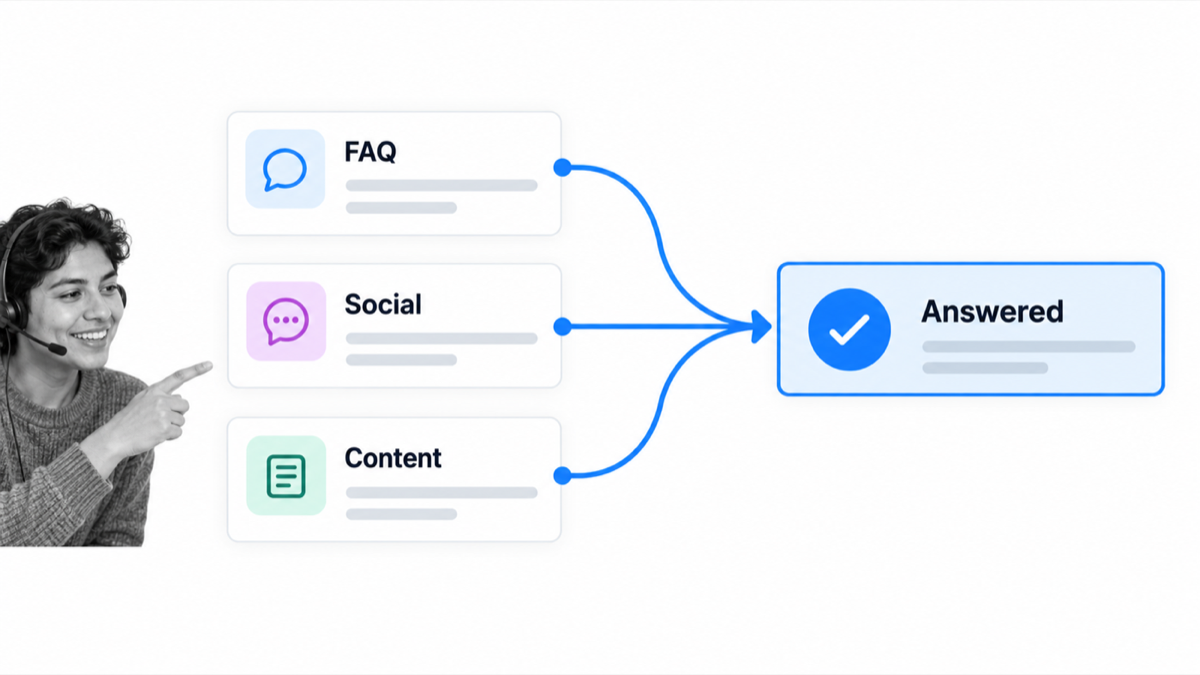
FAQ pages. A well-designed FAQ handles repeated questions without making prospects wait for a person. Organize it around real customer language, link to deeper answers, and give visitors a clear path to contact your team when the standard answer does not fit.
Social media. Treat social channels as listening and response systems, not just publishing feeds. Answer product questions, notice recurring objections, and route issues to the right owner. User-created examples can also show how customers use the product in ways your campaign might not have anticipated.
Many customers prefer to investigate without speaking to a representative, especially early in the journey. Self-service should respect that preference without becoming a dead end. A concise answer, related resource, and visible escalation path let the customer control the pace while preserving access to a person when the situation becomes specific.
Useful content. Strong content establishes authority because it helps someone make progress. Connect related articles, webinars, tools, and examples so the next step is obvious. A maintained set of customer engagement tools can help teams capture questions, coordinate responses, and learn which interactions move people forward.
Engagement content can come directly from observed behavior. Search terms, downloaded resources, sales questions, and support conversations all reveal what an audience is trying to understand. Turn recurring questions into durable answers, then revisit those answers as the product and market change. This creates a useful loop: customer questions improve the content, and better content gives the team more precise questions to study.
Engagement data is especially useful when it reveals unanswered intent. If visitors repeatedly leave from an FAQ, search for the same phrase, or ask support the same question, the problem may be the answer rather than the channel. Use those signals to improve the content and the operating response together.
Customer lifecycle stage 3: Evaluation
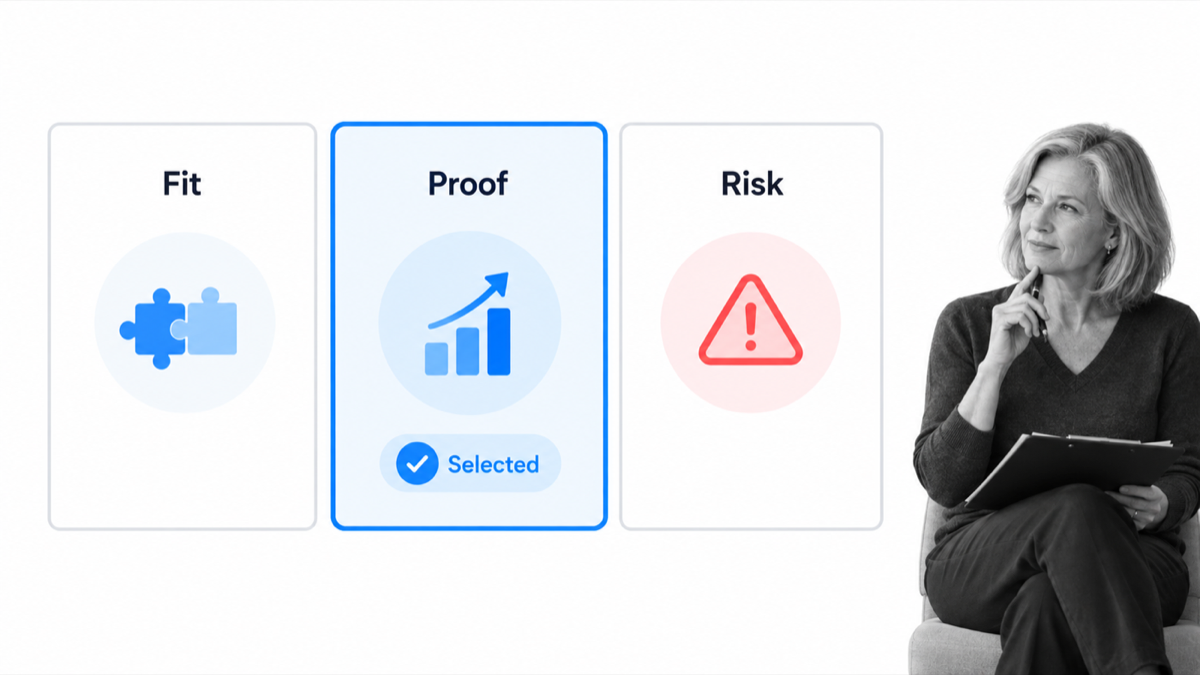
Evaluation is the final stage before a customer purchases. Prospects compare alternatives and try to confirm that your product is the best fit for their situation. They want evidence about outcomes, tradeoffs, implementation, risk, and what happens if expectations are not met.
Answer the questions that move the decision forward: What is unique about the product? Which use cases fit best? What proof supports the claims? What does adoption require? Is there a guarantee, trial, security review, or clear cancellation path that reduces risk?
A structured review keeps those questions visible. Process Street’s Product Review Template can guide a consistent product evaluation:
Strategies for evaluation
Reviews and testimonials. Specific customer evidence is more useful than generic praise. A strong testimonial identifies the customer’s context, the problem, what changed, and the result. Monitor third-party reviews as well. Research reported by Harvard Business Review found that replying to reviews was associated with better ratings, making a thoughtful response part of the evaluation experience.
Customer-generated comparisons. Independent articles and videos can help prospects see advantages, disadvantages, and fit. They feel credible because the customer or reviewer owns the judgment. Make accurate product information easy to find, correct material errors respectfully, and avoid trying to control the conclusion.
Comparisons work best when buyers can recognize their own constraints. A feature list alone cannot explain whether the product is suitable for a small team, a regulated operation, a fast rollout, or a highly customized environment. Supply concrete use cases, limitations, implementation expectations, and evidence that helps reviewers and buyers reason about fit.
Proof matched to risk. A low-cost purchase may need a clear demo and a few reviews. A complex business process may need security documentation, implementation detail, references, and a scoped pilot. The evaluation experience should make uncertainty smaller without overwhelming the buyer.
Responding to a frustrated review is part of that proof. A measured reply can show future buyers that the company listens, explains what happened, and offers a path to resolution. The goal is not to win an argument in public. It is to demonstrate the behavior a prospect can expect if something goes wrong.
Customer lifecycle stage 4: Purchase
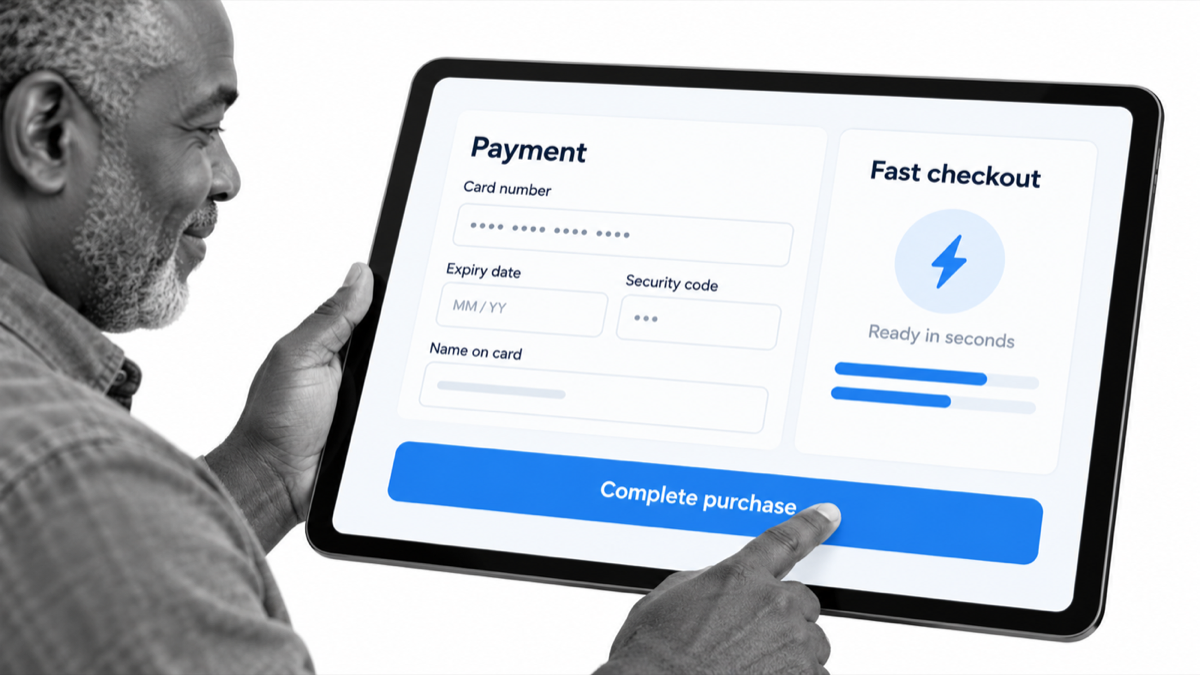
The purchase stage is about making it easy for prospects to complete a decision they have already made. Small points of friction can create doubt at exactly the wrong moment, so the checkout or contracting path should be predictable, fast, and clear.
Purchasing strategies
Set expectations. Show the total price, included features, renewal terms, delivery timing, and any requirements before the final step. Surprise fees or unclear commitments force the buyer back into evaluation.
Reduce unnecessary steps. Ask only for information needed to complete the transaction or meet a real operational requirement. Preserve entered data, make errors easy to correct, and keep one primary action visible. For business purchases, explain who will review an order and what happens next.
Believable urgency can help a customer act, but manufactured pressure can damage trust. A real enrollment deadline, delivery cutoff, capacity limit, or expiring offer is useful information. A timer that resets or a false scarcity claim sends the customer back into evaluation and makes every other promise less credible.
Offer suitable payment paths. The right mix depends on the audience, geography, and purchase size. What matters is that customers can use a trusted method without navigating an avoidable detour. Keep the payment surface secure and clearly connected to the purchase.
Protect speed and accessibility. Test the full journey on common devices and connections. Review form labels, keyboard navigation, error messages, page performance, and confirmation behavior. Shopify’s guidance on improving product pages is a useful starting point for removing hesitation around the purchase.
Customer lifecycle stage 5: Post-purchase
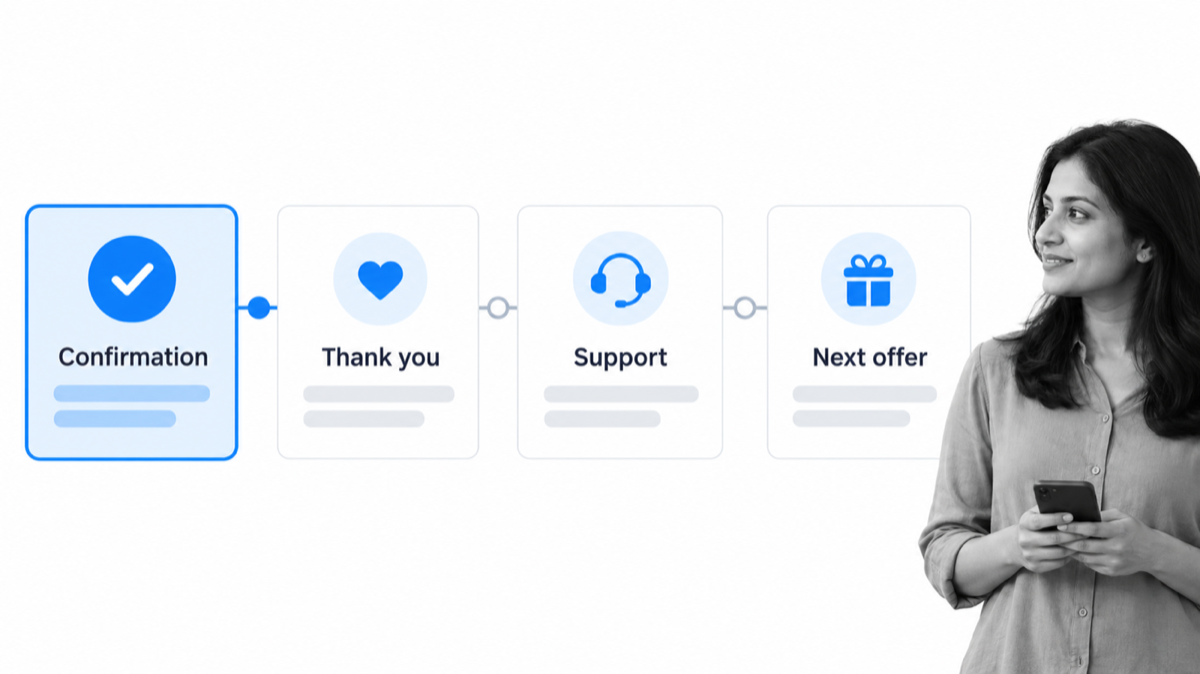
You can relax once the customer has made the purchase, right? Not quite. Post-purchase is where the promise becomes an experience, and it creates some of the best opportunities to increase customer lifetime value.
Post-purchase strategies
Confirm what happened. An effective thank-you page or confirmation message tells the customer that the action succeeded, restates the important details, and gives a clear next step. It should also show where to get help if anything looks wrong.
Guide activation. The first follow-up should help the customer get value, not merely advertise another purchase. Use a short checklist, setup guide, appointment link, or onboarding sequence that matches the product. Coordinate marketing and support so customers do not receive conflicting messages.
Use email with purpose. CD Baby became famous for a humorous order-confirmation email that customers shared widely. The example is dated, but the principle holds: a transactional message can be memorable when it is useful, unmistakably human, and consistent with the brand. Creativity should never obscure essential order or support information.
A thank-you message can also prepare the customer for success. Confirm the purchase, state what will arrive and when, link to setup or onboarding, and name the support channel. If there is an appropriate next offer, place it after those essentials. The customer should never have to search through a promotion to determine whether the original transaction worked.
Segment by relevant behavior. A customer who buys a dog product likely has different interests than one who buys a cat product. Use purchase, adoption, support, and preference data to make follow-up more relevant. Avoid personalization that feels invasive or relies on data the customer would not expect you to use.
Segmentation is valuable when it changes a useful decision. It might alter which onboarding checklist appears, which education sequence is sent, or when a customer is invited to renew. If a segment exists only because the data is available, it may add complexity without improving the experience. Define the action and expected benefit before adding another group.
Measure activation, time to first value, support patterns, repeat purchase, renewal, and churn. These signals help you distinguish a messaging issue from a product or process problem. A discount may create another transaction, but it cannot repair a broken onboarding experience.
Customer lifecycle stage 6: Advocacy
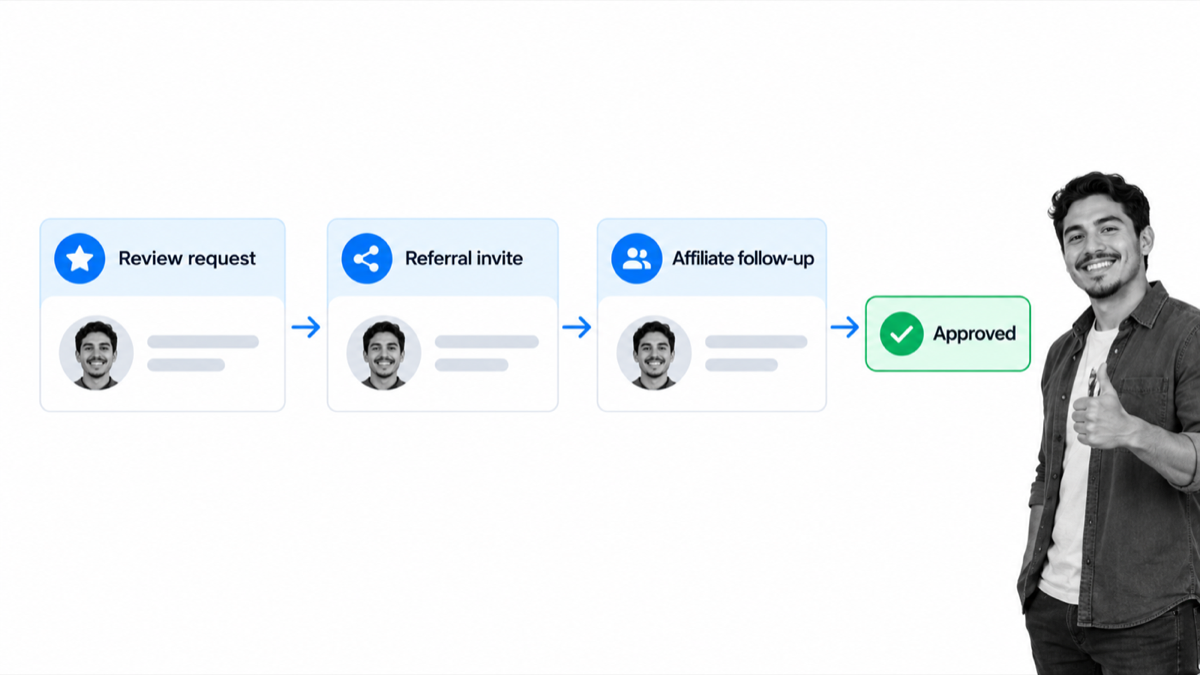
The customer lifecycle does not end with a sale or even a repeat purchase. Advocacy happens when a strong relationship makes customers willing to share their experience, recommend the product, or help others succeed with it.
Advocacy strategies
Ask for a review. Even customers who love a product may not go out of their way to write about it. Ask at a moment when they have experienced value, make the process easy, and do not pressure them toward a particular rating. A review request connected to a recent purchase or milestone gives useful context.
Build a referral program. A referral program gives satisfied customers a clear way to introduce others. Dropbox’s early program is a memorable example: both the existing user and the new user received extra storage. The mechanics worked because the reward fit the product and benefited both sides.
Remove avoidable effort from the referral. Provide a clear invitation, a short explanation of the benefit, and a way to track what happened. Customers should understand when the reward is earned and what information will be shared. The program needs the same operational care as any other customer-facing process, including support for missing credits or mistaken eligibility.
Support affiliates responsibly. Affiliate marketing can extend reach when partners understand the product and disclose the relationship. Give affiliates accurate information, monitor the customer experience they create, and reward qualified value rather than traffic alone.
Advocacy is an outcome of the entire lifecycle, not a substitute for it. Review volume, referral participation, reference activity, and customer-created content are useful measures, but the underlying signal is whether customers are willing to attach their own reputation to the recommendation.
Customer lifecycle marketing: A summary
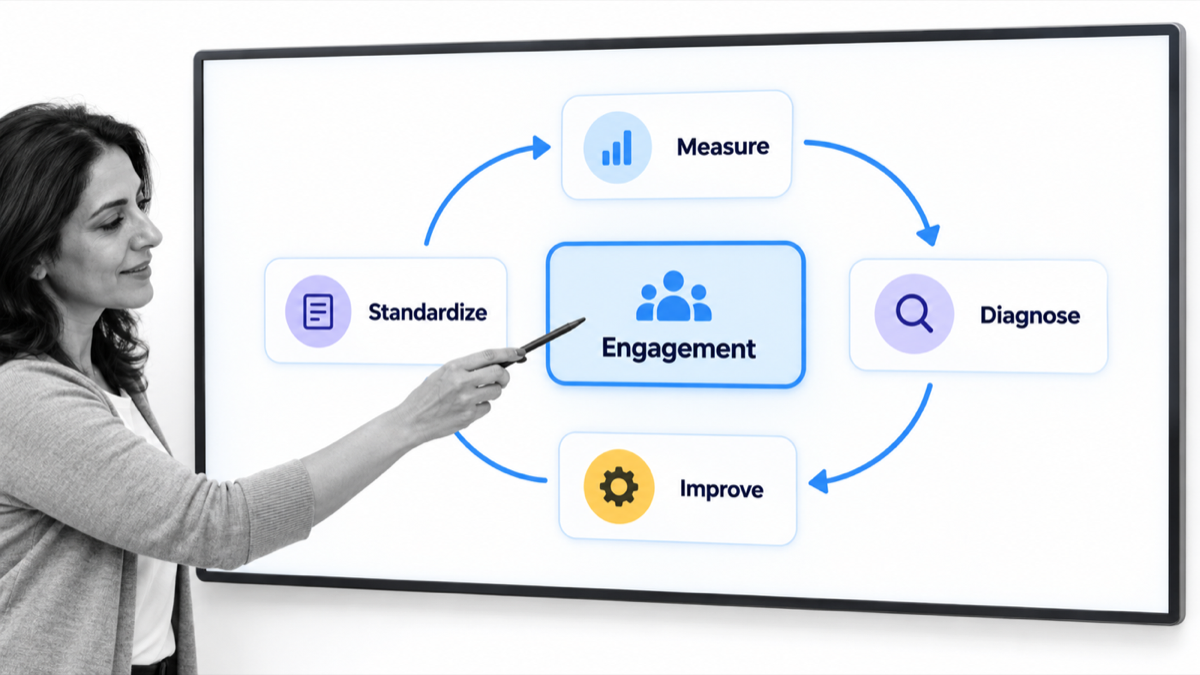
Improving customer lifecycle marketing starts with data. Tools such as Heap and Mixpanel can help identify where customers hesitate or leave. Combine behavioral data with support conversations, interviews, reviews, and operational evidence so the numbers retain their context.
If visitors abandon an FAQ page, for example, test whether the page answers the real question, whether the answer is easy to scan, and whether a chat or contact path is visible. If customers stall after purchase, inspect the handoff between confirmation, onboarding, and support before adding another campaign.
Systematize the lifecycle so the strategy can scale. Define the trigger for each action, the owner, the expected response time, the evidence required, and the feedback that improves the process. A maintained operating system keeps the customer experience consistent while still giving people room to use judgment.
Review the lifecycle as a connected system. A weak awareness promise can attract the wrong audience, an incomplete evaluation can create post-purchase disappointment, and a poor support handoff can suppress advocacy. Look beyond the local metric and ask whether improving one stage creates better outcomes downstream. That is how lifecycle analytics becomes a management practice rather than a dashboard exercise.
Process Street is a Compliance Operations Platform for teams that need work to run correctly and be provable. It is one product with Docs and Ops capability areas plus built-in AI. Teams can document lifecycle standards, run recurring customer workflows, assign owners, capture evidence, and improve the process from the same platform. For a broader technology view, see this guide to a customer lifecycle software stack.
The goal at every stage is to reduce the right kind of friction. Help people discover a relevant solution, get a clear answer, evaluate honestly, purchase confidently, realize value, and share a good experience. When the stages and handoffs are visible, customer lifecycle marketing becomes a coordinated operating discipline rather than a collection of disconnected campaigns. That is the competitive edge: a customer journey that works as one system.
We would love to hear about the ways you engage customers across the lifecycle in the comments.