


Gabe Nelson is a content specialist with more than seven years of experience, currently working with Bonusly. He has a passion and keen understanding when it comes to HR, employee management, and employee rewards. He has written hundreds of content pieces in numerous niches. He lives in Missouri with his wife and children.
Employee rewards are financial and nonfinancial forms of recognition that organizations use to reinforce valuable work, improve motivation, and make performance expectations clearer. The strongest programs encourage better performance by connecting transparent evaluation criteria with recognition employees actually value.
Doing that well requires more than an annual review or a one-size-fits-all bonus. Leaders need reliable performance evidence, regular conversations, clear decision rules, and a way to adapt rewards without creating surprises or favoritism.
In this Process Street guide, you will learn how to:
- Evaluate employee performance with evidence from several sources
- Create a recognition system that fits your employees
- Manage rewards consistently and transparently
Evaluating employee performance
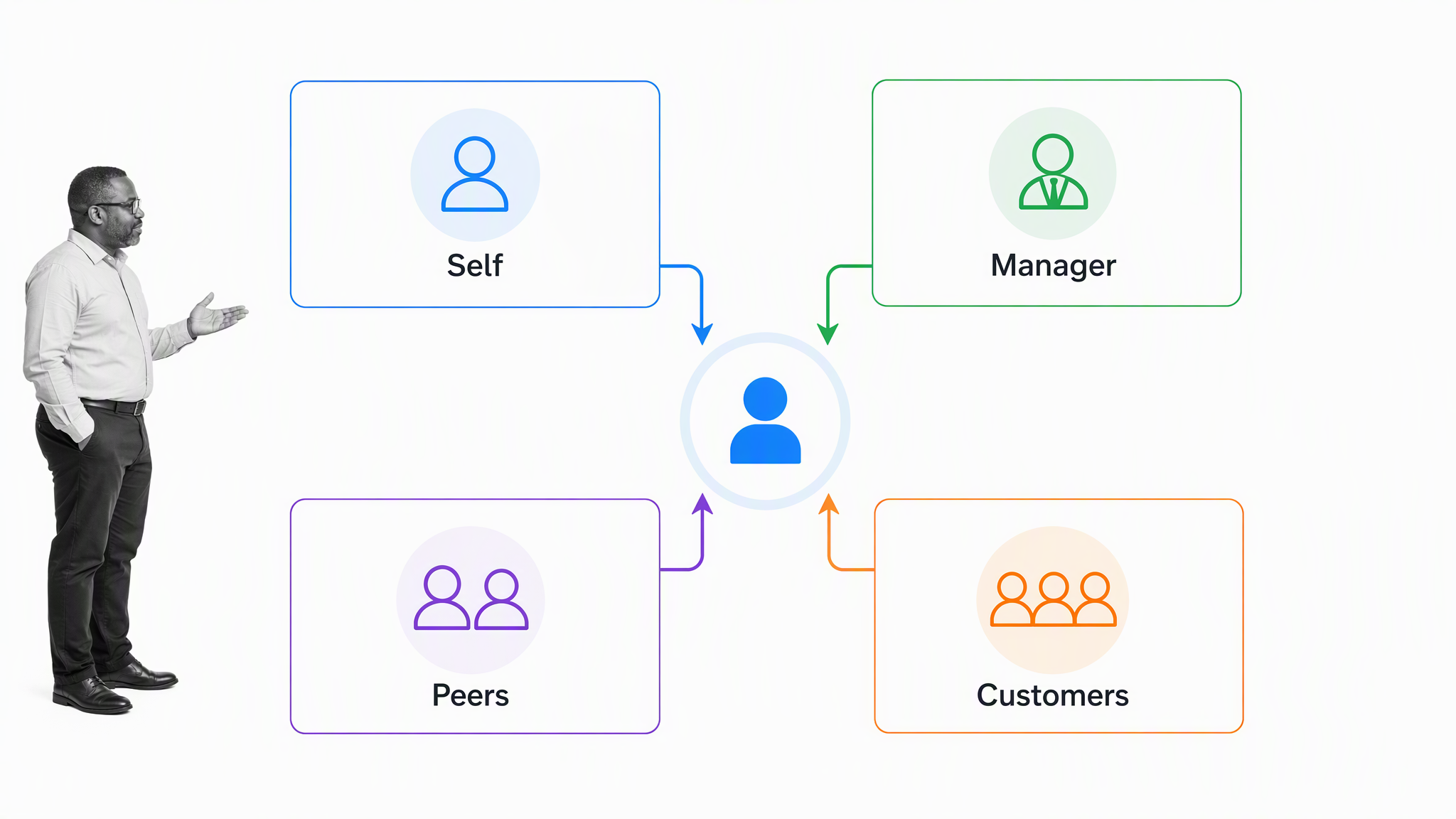
Want accurate feedback? Ask peers for help
One way to keep yourself on your toes as a leader is to implement a peer review system. Complete a performance review metric on an employee. Then, ask their colleagues to fill out the same metric for their peers. If you see glaring disparities, it may be time to check yourself and make sure you’re truly being objective. Peer input broadens the evidence beyond what one manager sees, especially for teamwork, handoffs, and cross-functional support. It can also surface valuable work that happens outside a manager’s direct view. This system also leaves the door open for bias and negative impacts on morale. Take a hard look at your workplace culture to decide if this is the best route for your group of employees. Be sure to conduct peer reviews in a way that allows for objectivity and anonymity. Peer reviews also mean that all aspects of an employee’s performance can be evaluated. Sometimes, as a manager, you don’t have insight into things like teamwork and cross-department communication skills. Peer reviews allow an inside look into the day to day performance of your employee. Leaders often haven’t had the chance to work in every role that they manage. By having peers reviewed by those with first-hand knowledge of the job’s responsibilities, you receive some accurate feedback concerning performance. This gives you, the leader, the chance to address any opportunities to improve or to call out any ways employees are going above and beyond.Honesty is the best policy
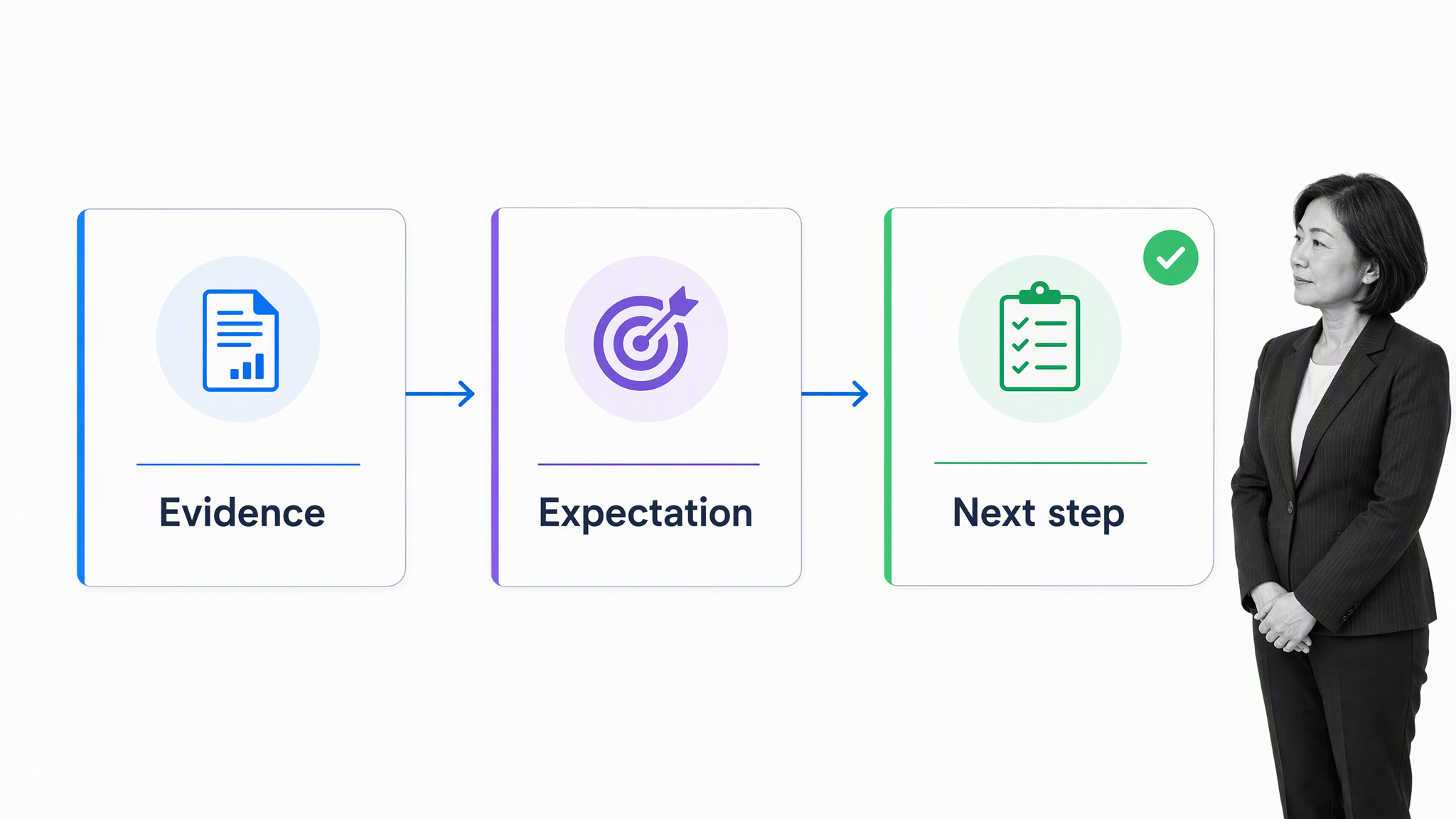
Have an open-door policy to encourage authentic communication
An open-door policy helps, but it should not make employees responsible for initiating every difficult conversation. Combine scheduled one-to-ones, active listening, anonymous channels, and a documented follow-up step. A consistent survey such as the Gallup Q12 employee engagement survey can show patterns that individual conversations miss. Because of the nature of your workplace or role, it might not be possible to be available at all times. Consider open office hours where employees know that they can sit down with you and speak candidly. This process will go a long way in developing trust and a steady stream of useful dialog.Gather feedback from the customers you serve
Chances are, you’re in business to serve customers. After all, you can’t make revenue without them. So why not ask them for feedback on your employees? This is a great tool to evaluate customer-facing employees and their performance. Reach out to regular customers with a standardized form or access to an online survey to collect feedback on their interactions with your employees. A short email survey can be an effective way to communicate. A small subset and a few questions can be enough to start to notice some trends. This will give you some great information to coach your employees to stellar customer service. Customer service requires a holistic approach. You might have an employee that’s doing everything right by the books, but after you solicit feedback, you find that customers find interacting with this individual cold and unwelcoming. This is a perfect coaching opportunity to encourage a more personable attitude. On the other hand, you might have a team member with less than impressive productivity and efficiency. However, they may be excelling in different ways like developing great relationships with customers. In fact, they might be the reason that many of your loyal customers stick around. You likely would have never known this without the valuable feedback from customers. Not only can this feedback improve coaching, but it can reveal gaps in the customer-service process as a whole. Treat customer feedback as one input, not a standalone score. Account for role, customer context, response bias, and patterns across multiple interactions before tying it to recognition or compensation.Start by asking employees to self evaluate
Before you sit down with employees, ask them to take a good look at their performance. This can help avoid some awkward disagreements. It can also be a good way to remind them of their roles and evaluate how they are meeting their responsibilities. A good way to begin this process is by providing them with their job description. Whether they were hired for this role or promoted into it, it has likely evolved since it started. Taking a good look at their original job description serves as a good reminder as to why they were chosen for their role to begin with. This can also give them a good chance to reflect on all of the responsibilities of their position. Maybe they were so focused on growth in one area that they neglected a small component of their role. If they have been in the same position for a long time, a good refresh can help them renew their perspective to take a more balanced approach to their role. Then, provide a review metric the same or similar to the one you will be completing about them. This will provide perfect material for open and honest communication. It will also allow employees a way to communicate the areas that are a priority to be recognized in. Go over the materials together and point out any differences in your feedback. Maybe your employee doesn’t think they have been doing so well in an area you feel they are strong in. A difference between the two views creates useful material for a fair conversation, whether the employee is underestimating a strength or overlooking a gap. There might be an area that an employee is already aware that they are struggling with. By pointing it out proactively in their own review, they provide the means to have an open dialogue about it. Knowing that they accept that this is a need for growth will allow you to work together to develop a plan to improve together.Creating a recognition system that perfectly fits your employees
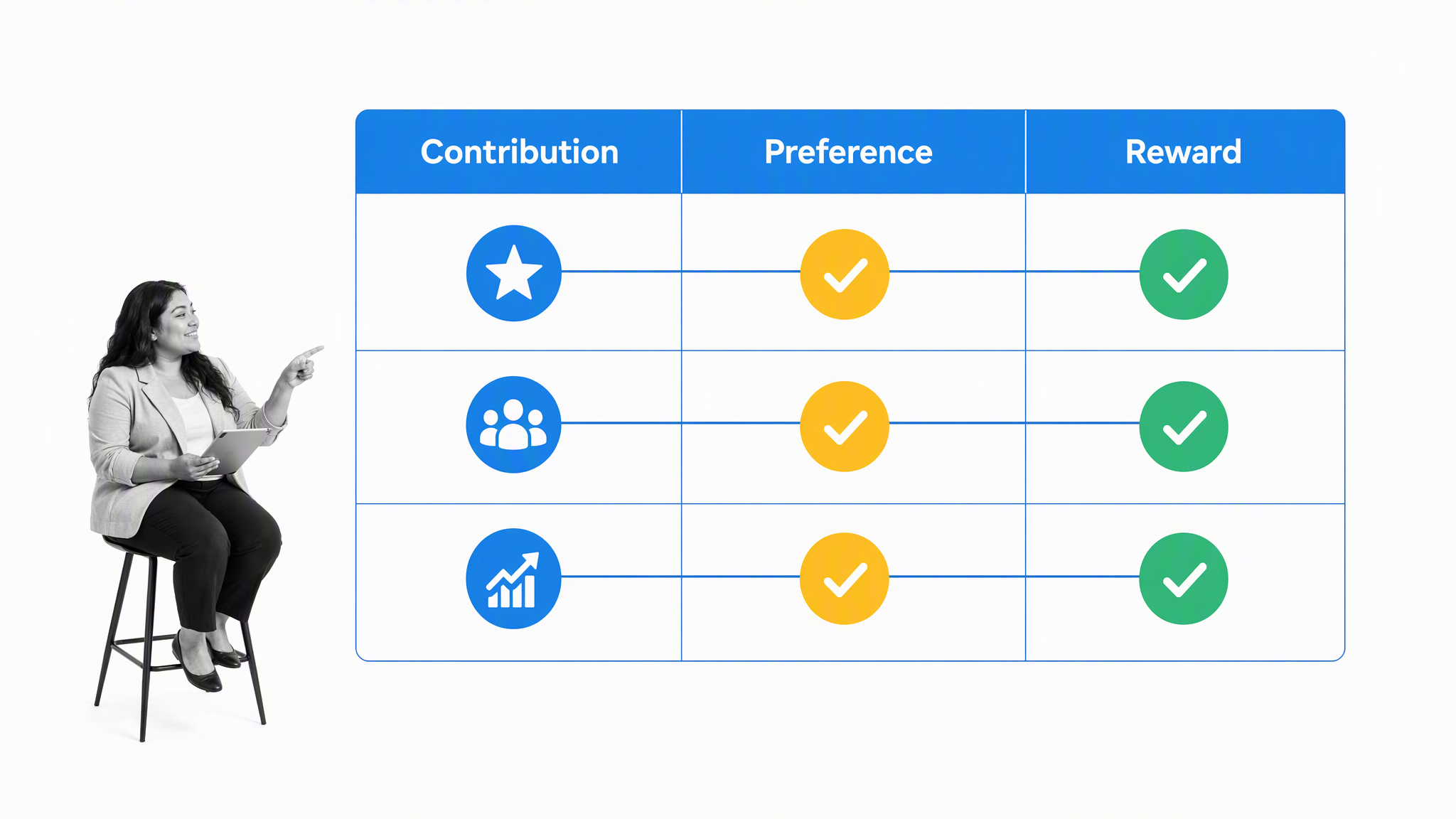
You don’t know if you don’t ask
We all know the Golden Rule: treat others as you want to be treated. For recognition, that attitude is not enough. Everyone has different outlooks and priorities. To be effective, your goal should be to treat your employees how they would like to be treated. One of the best ways to find out if your employees are happy with the current reward structure is to simply ask! A simple survey or email can help you get a feel for how satisfied they are with how they are being rewarded. Anonymous surveys can provide you with more honest information about how employees truly feel. Allow the chance for open and honest feedback. Maybe an employee feels that their bonus isn’t enough to reflect their level of work. Perhaps they would rather receive rewards in the form of paid time off instead. No matter how your employee is feeling about their bonus, you won’t know if you don’t ask.Break the mold and make it special
Who says performance reviews (and raises!) have to be annual? Maybe smaller, more frequent bonuses would be preferred by your team. While it requires a little extra coordination and work, the smaller bonus amounts would be less of a hit on your cash flow. It can also allow you to monitor performance and tweak bonus amounts more often to reflect the quality of work. Timely recognition shows that strong work was noticed. Offer a balanced choice set: extra time off, schedule flexibility, a learning budget, an experience, a charitable donation, private thanks, public recognition, or a financial reward. For remote and hybrid teams, make sure people can access equivalent options regardless of location.Make rewards as unique as your employees
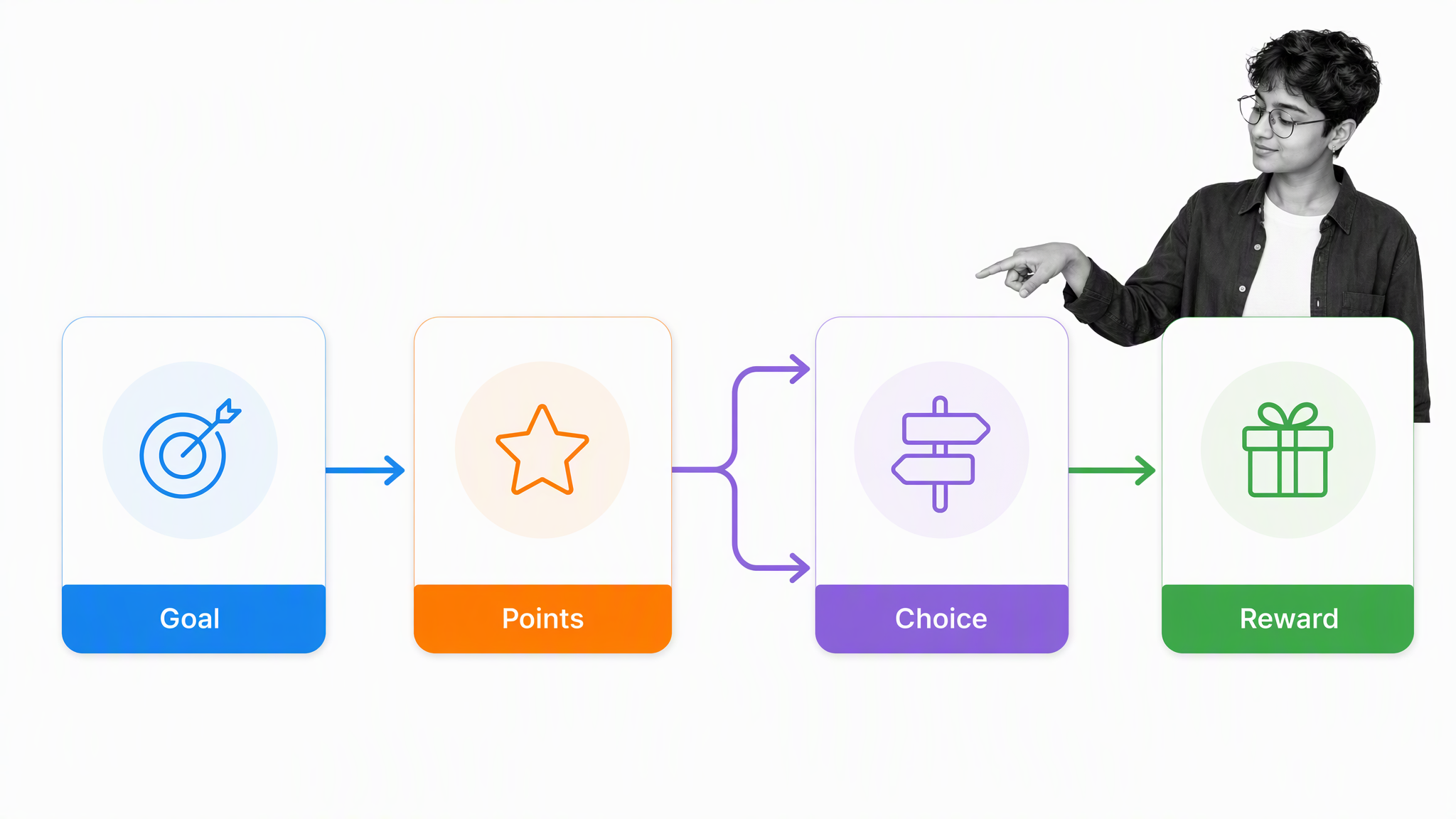
Avoid unwelcome surprises by being upfront
The last thing you want is disgruntled employees reacting to unexpectedly canceled bonuses. Don’t leave your employees hanging. Let them know exactly what to expect, and when. Sure, your business’s bottom line fluctuates. Of course, you strive for steady growth, but sometimes the economy has other ideas. Unfortunately, sometimes this results in you not being able to provide your employees with the level of rewards you would like. Be upfront and honest with employees, especially if you have been consistently handing out rewards or paying annual bonuses each year. If a downturn means that you’ll have to delay or decrease what you can provide, let them know ASAP. Document the change, apply it consistently, and separate it from individual performance judgments. If rewards include salary reviews, incentives, or variable pay, connect the recognition program to a documented compensation management process with clear approvals and an audit trail.Managing and motivating your employees for success