






The five business lessons learned while moving from an online poker company to building Cloudwards are simple: plan without becoming rigid, learn by doing, pay close attention to customer frustration, grow at a sustainable pace, and keep refining your niche.
I did not begin with a fixed plan to build a company focused on cloud storage and online services. I began with an entrepreneurial drive, then learned through content work, customer problems, and the practical demands of starting a company one decision at a time. These are the business lessons learned along the way.
Starting up a Business from Scratch
A few years into my career, I worked as an online community manager for a poker school. The school used an affiliate model and earned a commission when players were referred to online poker rooms. My colleagues and I created tutorials, guides, walkthroughs, and social media posts to attract and help those players.
That work taught me the value of useful content. A strong article had to answer a real question, hold a reader’s attention, and make sense from a keyword research for SEO perspective. It also gave me the confidence to consider building something of my own.
My business partner and I eventually started Cloudwards to help people compare cloud apps and services. The idea came from our own frustrating experiences of losing documents and media stored with cloud-hosted sites. We wanted to create a reliable resource for people working through cloud storage, backup, privacy, and related decisions.

The problem was personal before it became commercial. That mattered because it gave us a specific audience and a practical job to solve, rather than a vague ambition to build a website around technology.
Building Cloudwards Step by Step
We began by covering online backup and cloud storage. In 2012, there was far less accessible guidance about backup strategy, and many people assumed that uploading files to a sync service was enough. It was not always enough for the way they worked, the risks they faced, or the controls they needed. Resources about secure Dropbox alternatives helped readers compare those tradeoffs.
As the team grew, I invested time in instructional content for each role. I created in-depth documentation and video tutorials that walked people through research, content development, and review. The goal was not to make every decision for them. It was to give them a repeatable foundation they could internalize and apply with good judgment.
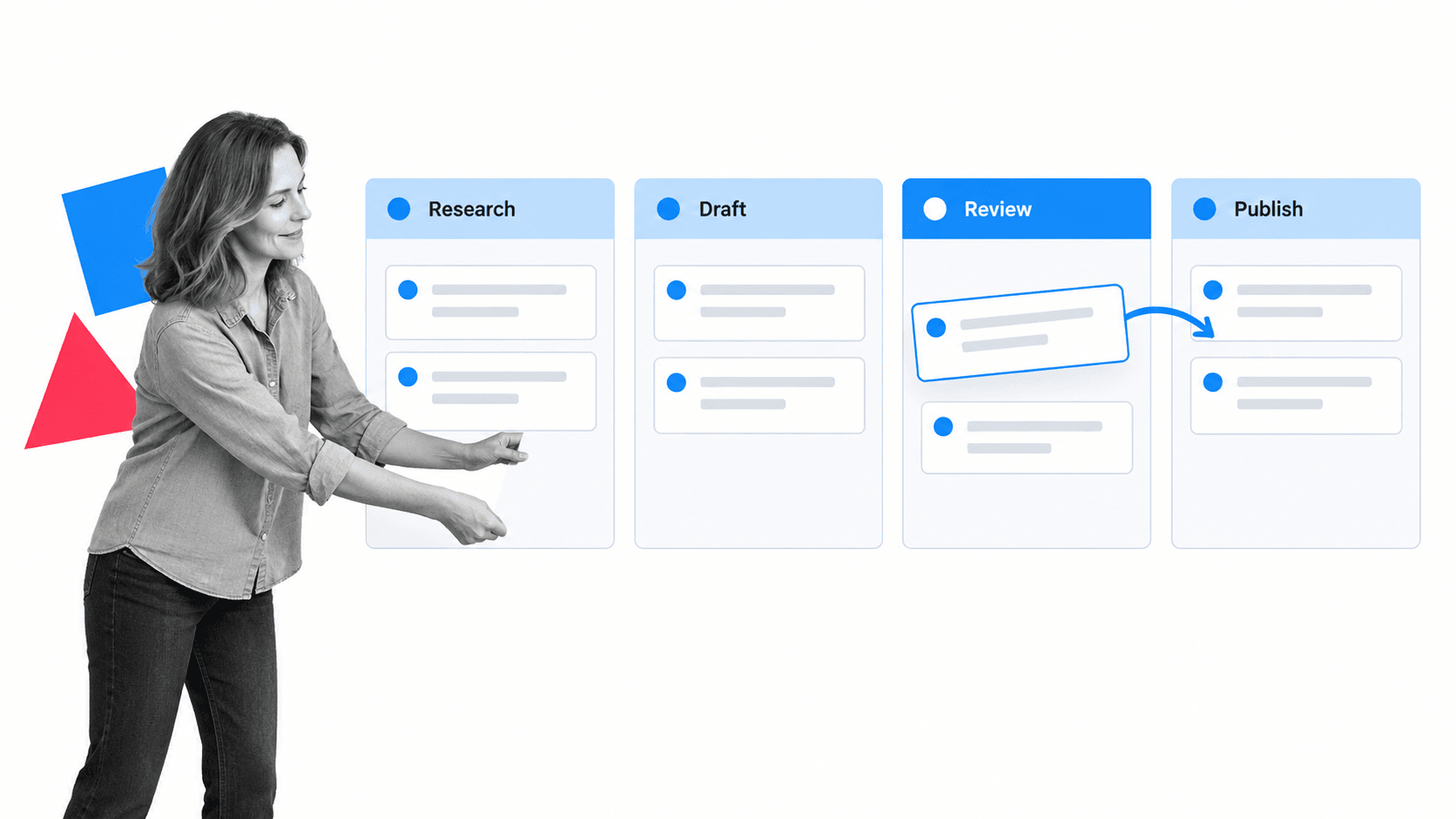
That documentation made the editorial process easier to teach and improve. It also made gaps visible. When a draft stalled or a review missed something, we could examine the process instead of relying on memory or blaming the person who happened to be involved.
Cloudwards developed a mix of news, reviews, comparisons, and expert articles across cloud storage, online backup, web hosting, VPNs, and related services. The categories changed over time, but the operating lesson stayed the same: useful content depends on research, a clear review process, and an honest understanding of what the reader is trying to decide.
The 5 Business Lessons Learned From My Journey
The move from online poker community work to starting a company gave me five entrepreneurship lessons that continue to shape how I think about building a business.
Fail to plan = Plan to fail
The journey from an idea to a growing company rarely follows the original plan. That does not make planning useless. A plan gives you direction, reveals dependencies, and lets you think through backup options before a problem becomes urgent.
I never had a plan to start a company in the cloud technology market. I did have a broad plan to start something of my own. That distinction gave me enough direction to recognize an opportunity without becoming trapped by a single idea.
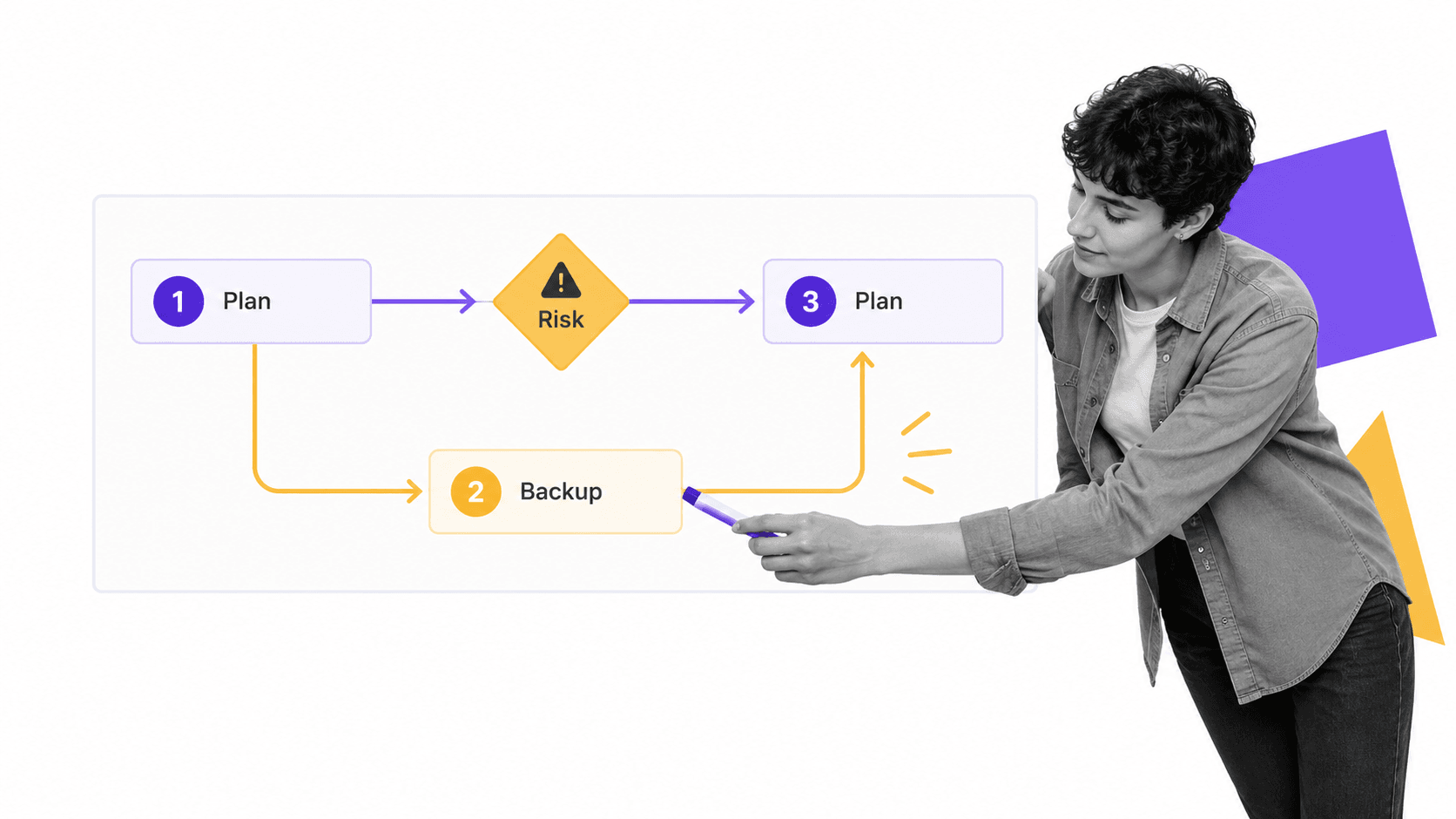
A useful plan does not need to predict every detail. It should clarify what matters, what could go wrong, and which decisions need to be made next. The same principle applies to structured process planning: make the major milestones visible, define likely failure points, and decide what you will do if one occurs.
As long as the overarching direction is clear, the details can evolve as you absorb new information and experience.
Most learning happens by doing
Formal education can provide a strong grounding in important concepts. The lessons that move you closer to starting a company, however, often arrive through the practical demands of work: making decisions, seeing the result, and adjusting when reality does not match the theory.
My time at the poker school taught me how to create useful content, work with an audience, and understand the commercial system behind a publication. That was when the value of creating quality content became concrete for me.
Serendipity helps, but only if you pay attention. A role that looks unrelated to your eventual company may still teach you how to research, sell, manage, communicate, or build trust. Free marketing resources can strengthen that learning, but applying the ideas is what turns information into judgment.
Customer experience matters immensely
Your own experience as a customer can shape a business idea more powerfully than a trend report. Frustration exposes a gap between what a provider promises and what a customer actually needs.
That gap creates a useful sequence of questions: Should the experience be this difficult? Can it be better? Can I build a better version? How would I make it work?
Cloudwards began with our frustration around storing data in cloud locations and then losing files and documents. That experience pushed us to study cloud storage, backup, security, and the choices customers needed to make.
The important lesson is not that every annoyance should become a startup. It is that close attention to customer experience can reveal a specific problem, a neglected audience, and the language people use to describe the job they need done.
Start Small, Grow Slow
Early momentum can create pressure to grow faster than the underlying system can support. Market excitement, financial pressure, and inexperience can all make a rushed plan feel more ambitious than it really is.
Once you define a market niche, map the next four to six quarters. State what you expect to accomplish, which resources the plan assumes, and where the major risks sit. Then ask experienced operators, advisers, or investors to challenge the plan.
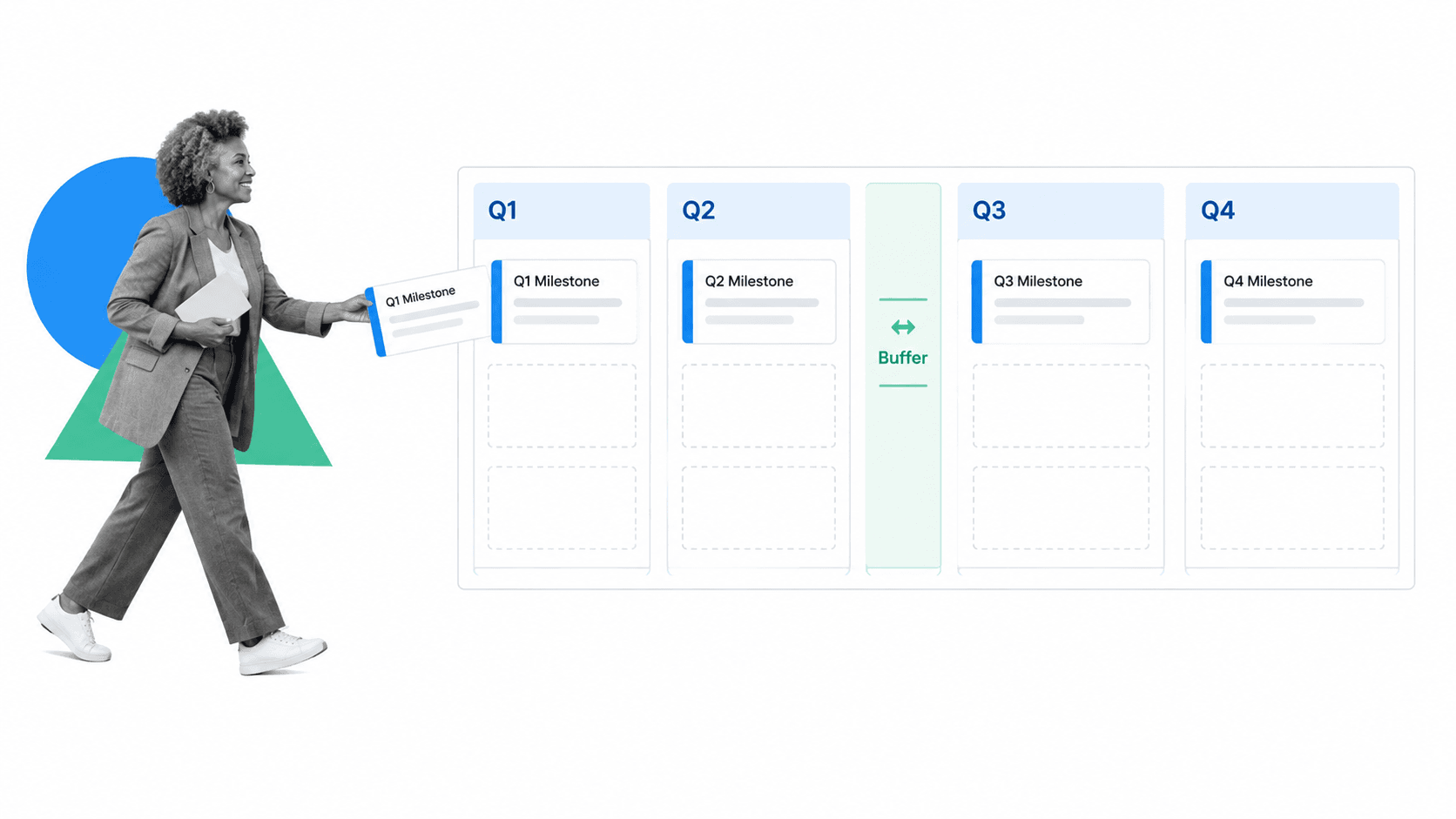
Assume that something will take longer, cost more, or fail unexpectedly. Build sensible buffers into timelines and estimates. This is not pessimism. It is how you keep a setback from turning into a crisis.
A conservative growth path can protect quality and cash, but caution can become its own constraint. Review the evidence regularly and distinguish between a buffer that protects the business and hesitation that prevents it from learning.
Redefine Your Niche and Goals Until You Strike Gold
A founder needs a clear answer to two questions: What business goal are we trying to accomplish, and which market niche are we trying to serve?
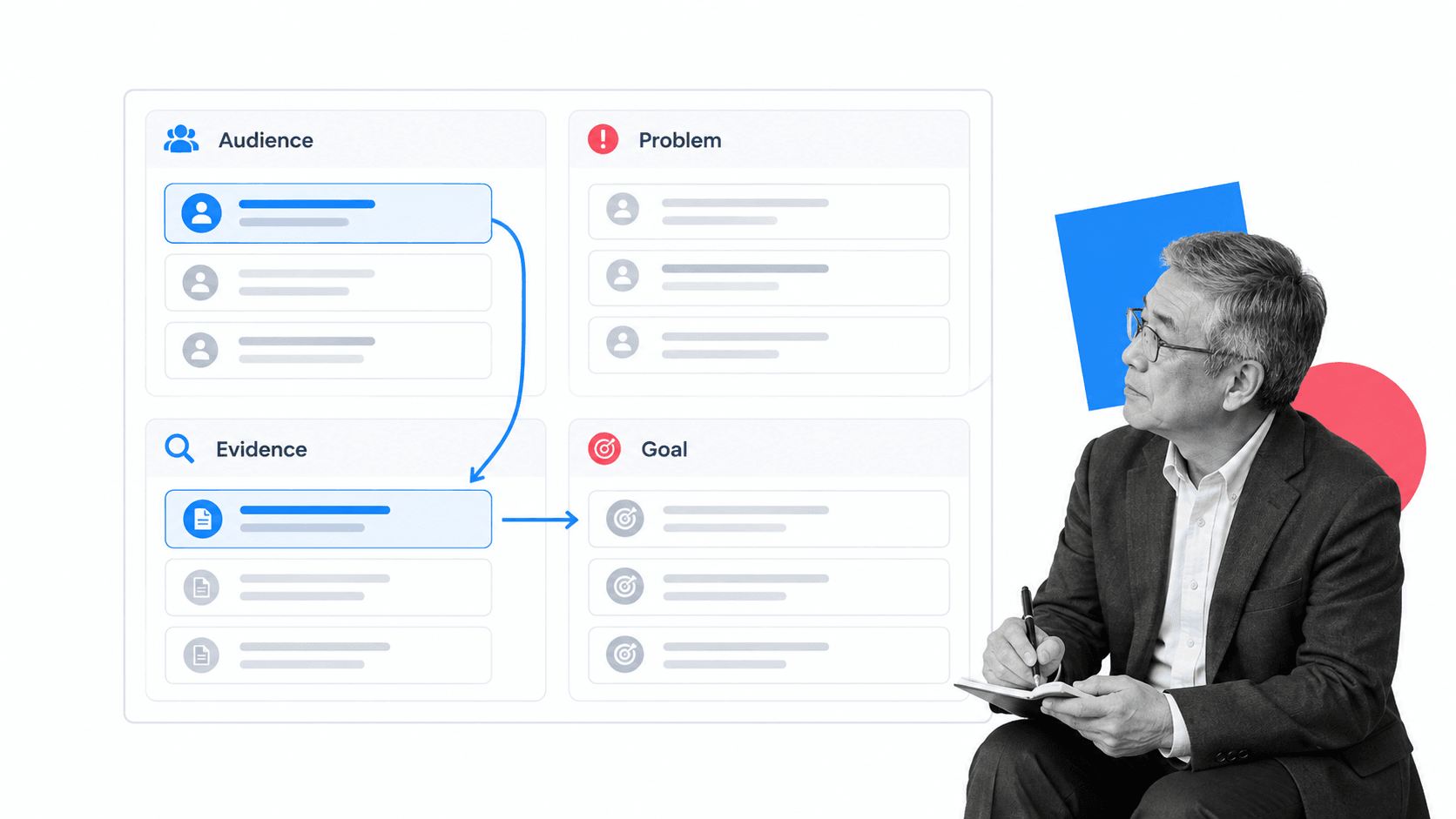
Your statement of the target market niche and business goal is a living vision for the company. Write it down and revisit it. Customer evidence, operating experience, and changes in the market should sharpen the statement over time.
Remove what is no longer relevant, but do not change direction just to escape the hard work of execution. A niche deserves revision when the evidence changes, not whenever progress feels slow.
Execution matters, but executing against a flawed goal or a niche that no longer exists will not save the company. Keep the statement current, test it with customers and experienced operators, and use it to decide what the business will not do.
What Building Cloudwards Taught Me
By 2016, Cloudwards had grown to a distributed team of around 10 freelancers with skills across design, programming, editing, and content development. That stage of the company reinforced every lesson in this article.
Planning helped us turn broad ambition into the next concrete step. Learning by doing helped us build the skills we did not have at the beginning. Customer frustration gave the company its first clear problem. Sustainable growth gave the team time to improve its work. Revisiting the niche kept our publishing decisions connected to what readers needed.
The route from online poker to starting a company was not direct, but it was coherent in retrospect. Each role supplied another part of the operating system I needed. The lesson is to keep a direction, notice what the work is teaching you, and be willing to refine the destination without discarding the experience that brought you there.