


Compelling business content gives a specific audience a useful answer, a reason to trust it, and a clear next step.
Learning how to create compelling content is less about chasing a perfect formula and more about building a disciplined content creation process. The strongest advice from writers such as Pat Flynn, the Buffer team, Marc and Angel, Neil Patel, and Copyblogger still points to the same standard: do the research, make a clear promise, explain the idea well, and give the reader something worth using.
What makes business content compelling?
Content becomes compelling when usefulness, originality, and clarity reinforce each other. A clever headline can win a click, but it cannot rescue a thin article. A detailed article can still fail if it answers the wrong question. Start with the reader’s job, then decide what evidence and explanation will help them complete it.
Start with a useful promise
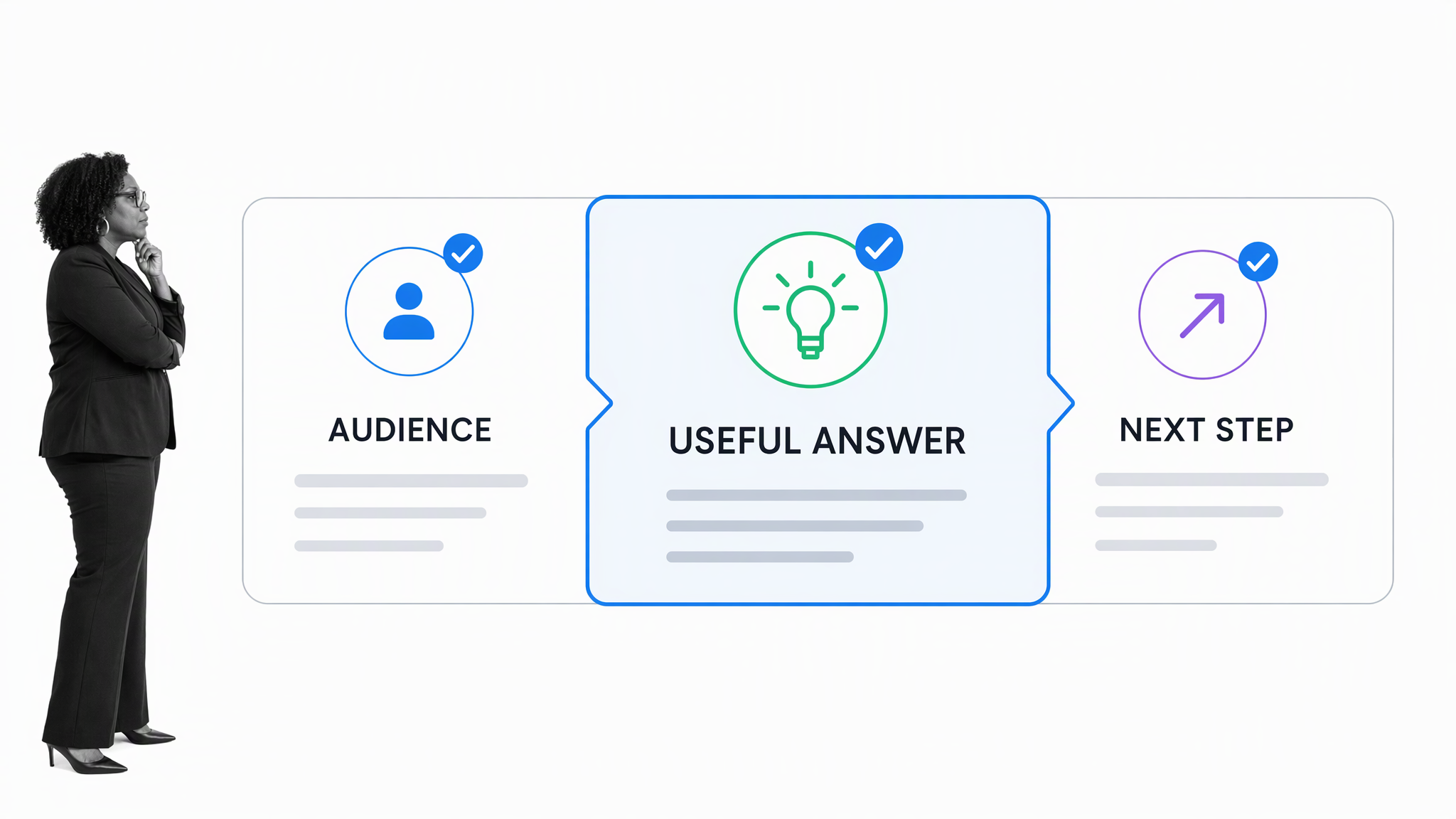
Define the audience, the problem, and the outcome before you draft. “Help a marketing team publish better work” is broad. “Help a small content team turn one expert interview into an accurate article and a distribution plan” gives the piece a job. The promise should be specific enough that you can tell whether the draft fulfilled it.
Copyblogger’s enduring advice to create epic content is useful when “epic” means unusually helpful, not unusually long. Google’s current people-first content guidance makes the same point in practical terms: write for an existing audience, demonstrate first-hand expertise, and leave the reader satisfied.
Build on evidence and expertise
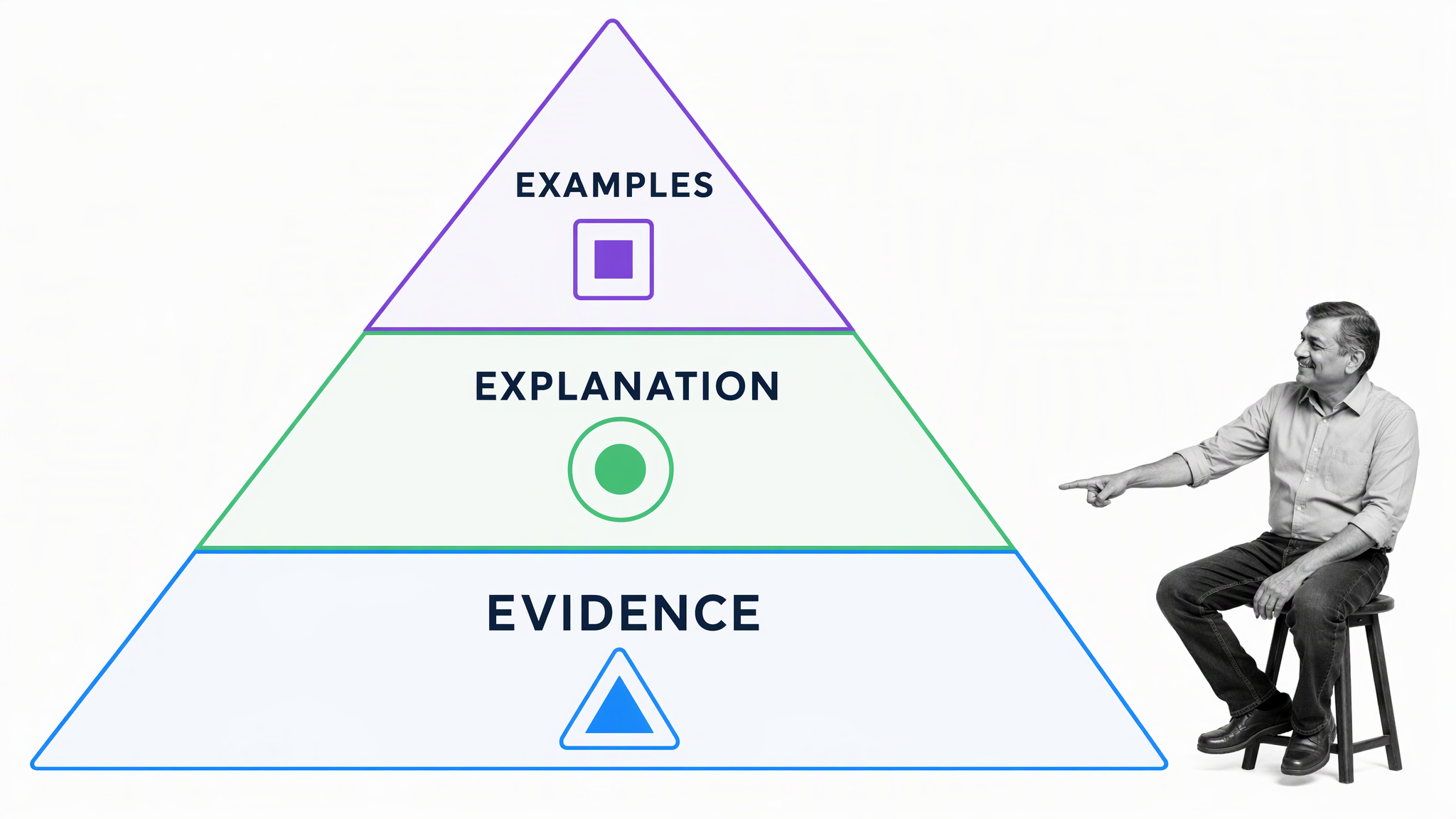
Pat Flynn’s content pyramid remains a useful mental model. Put evidence at the base, explanation in the middle, and examples at the top. Evidence can come from customer conversations, internal data, primary research, direct experience, or a credible source. Explanation tells the reader why it matters. Examples make the lesson concrete.
The Marc and Angel post examined in Buffer’s spread case study worked because it combined practical advice with emotional recognition. The durable lesson is not the old share count. It is that people pass along content that helps them name a problem, see themselves in it, and act.
Content advice worth returning to
The best writing resources approach the same problem from different angles. Neil Patel’s Advanced Guide to Content Marketing takes a full, soup-to-nuts view: research and position the topic, find and schedule the work, write and track the content, then promote it. That sequence remains useful because outstanding content needs both creative judgment and an operating approach.
Corbett’s famous “Write Epic Shit” essay offered a blunt kick-in-the-butt reminder to create work that deserves attention. Strip away the phrasing and the critical point is simple: successful content cannot be manufactured by word count alone. It needs a strong angle, useful detail, and something the reader can actually do.
Kevan at Buffer brought research and science to the anatomy of a blog post. His breakdown of headlines, images, word count, links, and structure gives writers actionable tactics to test rather than commandments to follow. Pat Flynn at Smart Passive Income adds unusual writing practices, creativity, productivity hacks, and the content pyramid concept. Together, those resources connect disciplined structure with the freedom to find an atypical approach.
Leo Widrich’s interview with Marc and Angel shows the other side of the equation: people share a post when it helps them recognize an experience and move forward. Demian Farnworth at Copyblogger makes a related case for creating epic content from a slightly different angle. The common thread across these writers, interviews, and case studies is that quality earns distribution. Promotion can amplify a useful idea, but it cannot make a hollow one compelling.
A repeatable content creation process
A reliable process protects quality without forcing every article into the same shape. Use the following sequence as an operating system, then adjust the depth and format to the reader’s needs.
Give the draft a clear structure
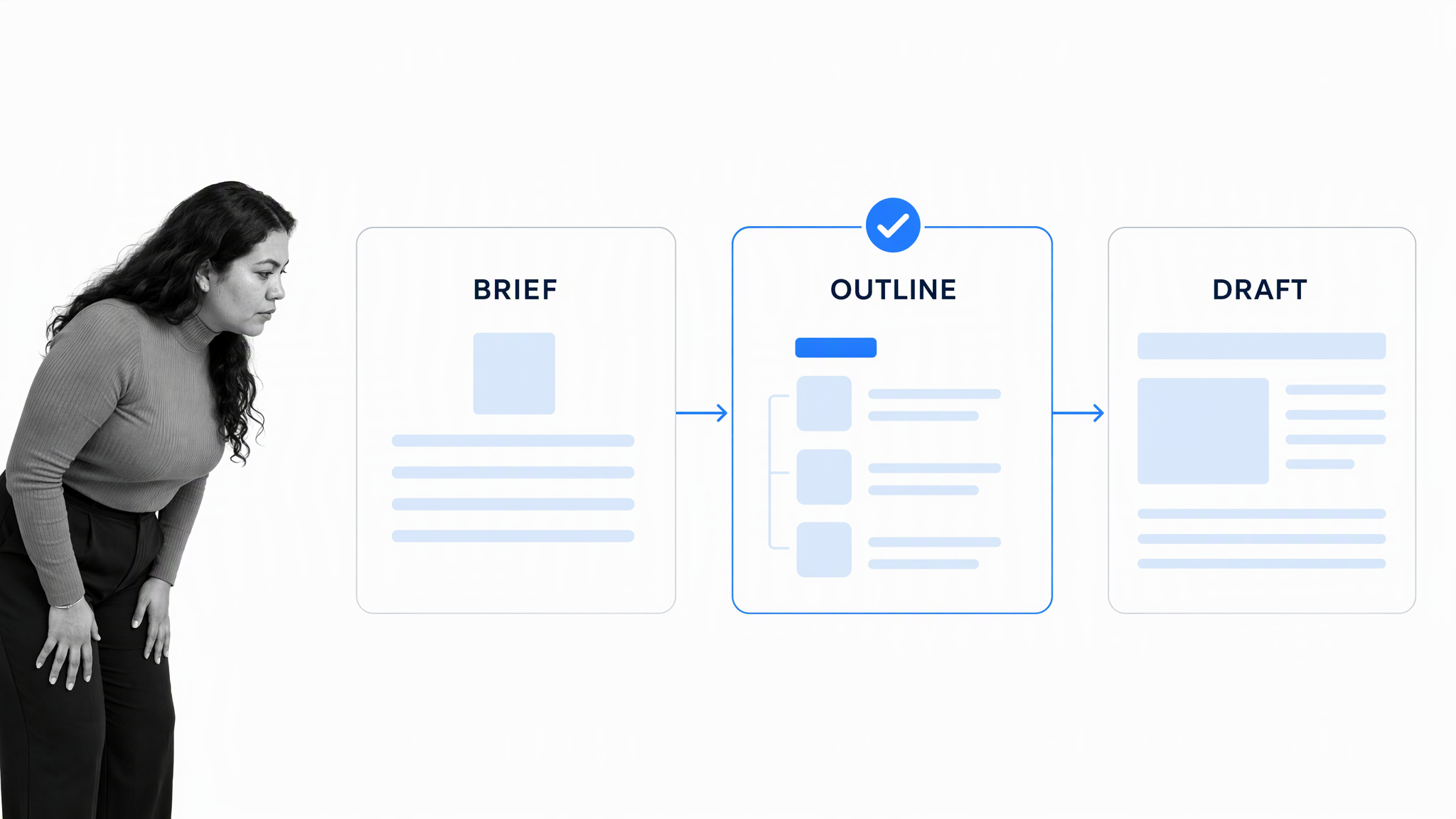
Turn the promise into an outline before writing prose. Put the direct answer first. Group supporting ideas in the order a reader needs them. Give each section one job, and use examples where abstraction would slow the reader down. Buffer’s guide to the research behind a blog post is a useful source of hypotheses, but treat its word-count and timing findings as variables to test rather than universal rules.
A good outline is not a cage. If the research changes the argument, change the outline. The goal is to remove accidental repetition and make the reasoning visible.
Edit for trust and clarity
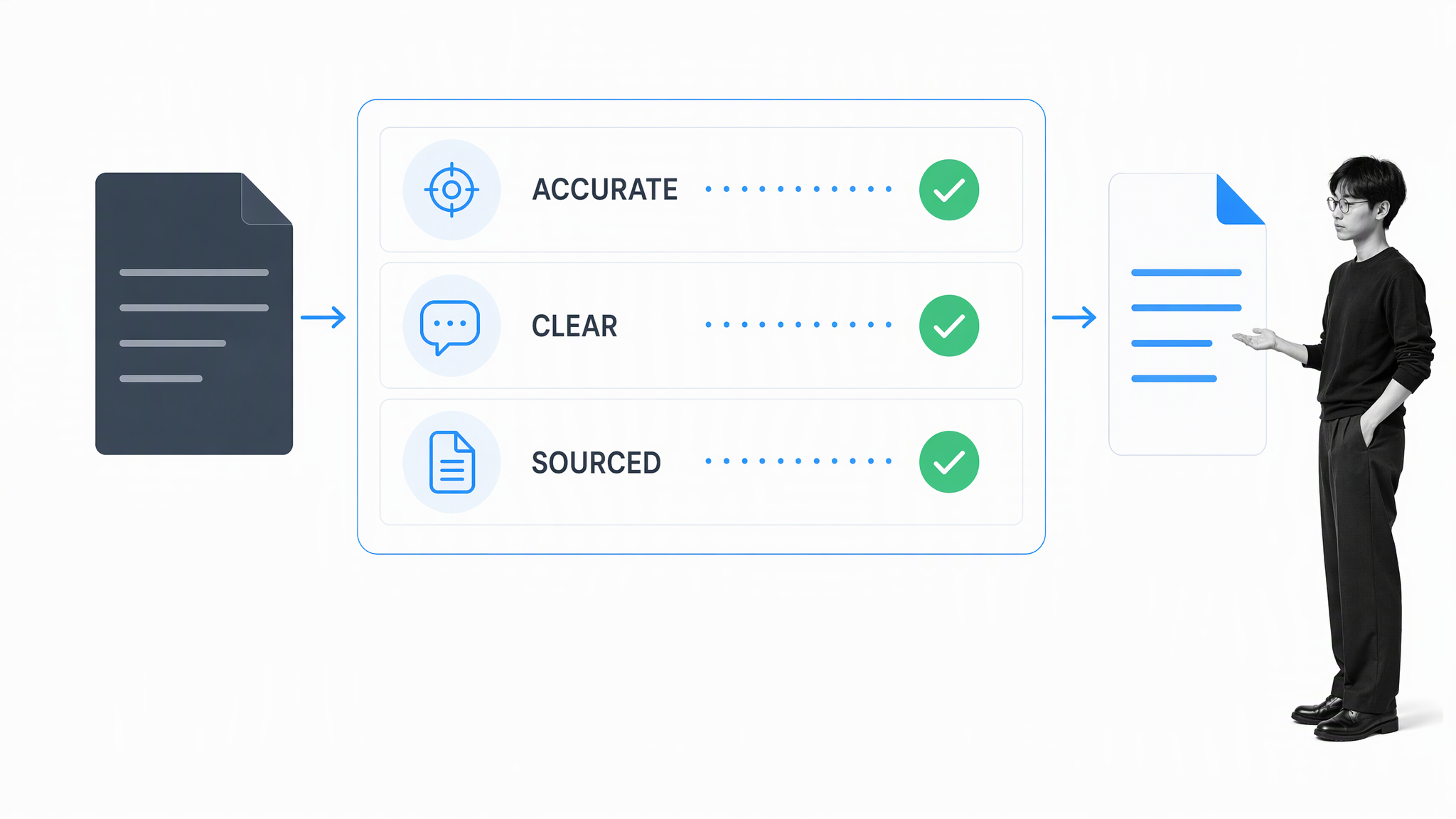
Run three passes. First, test accuracy: verify names, dates, numbers, links, and claims against primary sources. Second, test clarity: remove throat-clearing, repeated setup, and jargon that hides the point. Third, test support: make sure every important assertion has evidence or is clearly presented as judgment.
Read the draft at normal page width, not only in an editor. Check headings, images, captions, links, and mobile flow. Good writing can still feel careless when a chart is unreadable or a link no longer supports the sentence around it.
Use AI with human judgment

AI can organize notes, surface gaps, explore outlines, create variations, and help repurpose approved material. It should not decide what is true, invent experience, or replace accountable editorial review. Google advises publishers using generative AI to focus on accuracy, quality, and relevance, with the same standards applied to any other content.
Give AI source material and constraints, then have a named human verify the output. The editor remains responsible for the promise, argument, facts, voice, and final publication decision.
Distribute with purpose
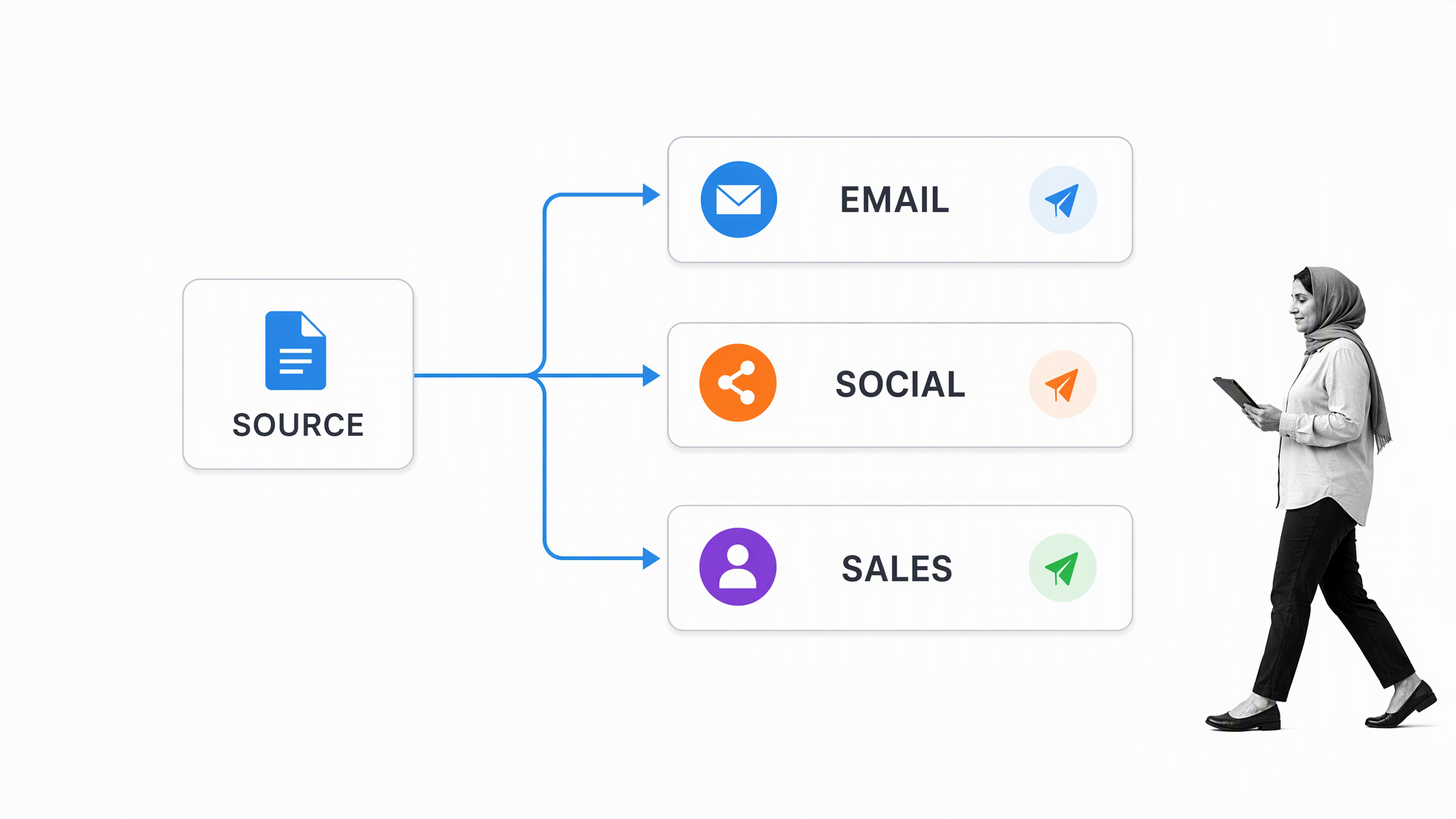
Publishing is the midpoint. Decide which audiences should receive the idea, which format fits each channel, and what action belongs there. An email can carry the argument. A social post can carry one sharp lesson. A sales enablement asset can carry the proof and objection handling. Do not paste the same copy everywhere and call it distribution.
Use a content marketing checklist to keep the handoffs visible, and adapt the advanced content promotion checklist when a launch needs coordinated outreach.
Measure and refresh
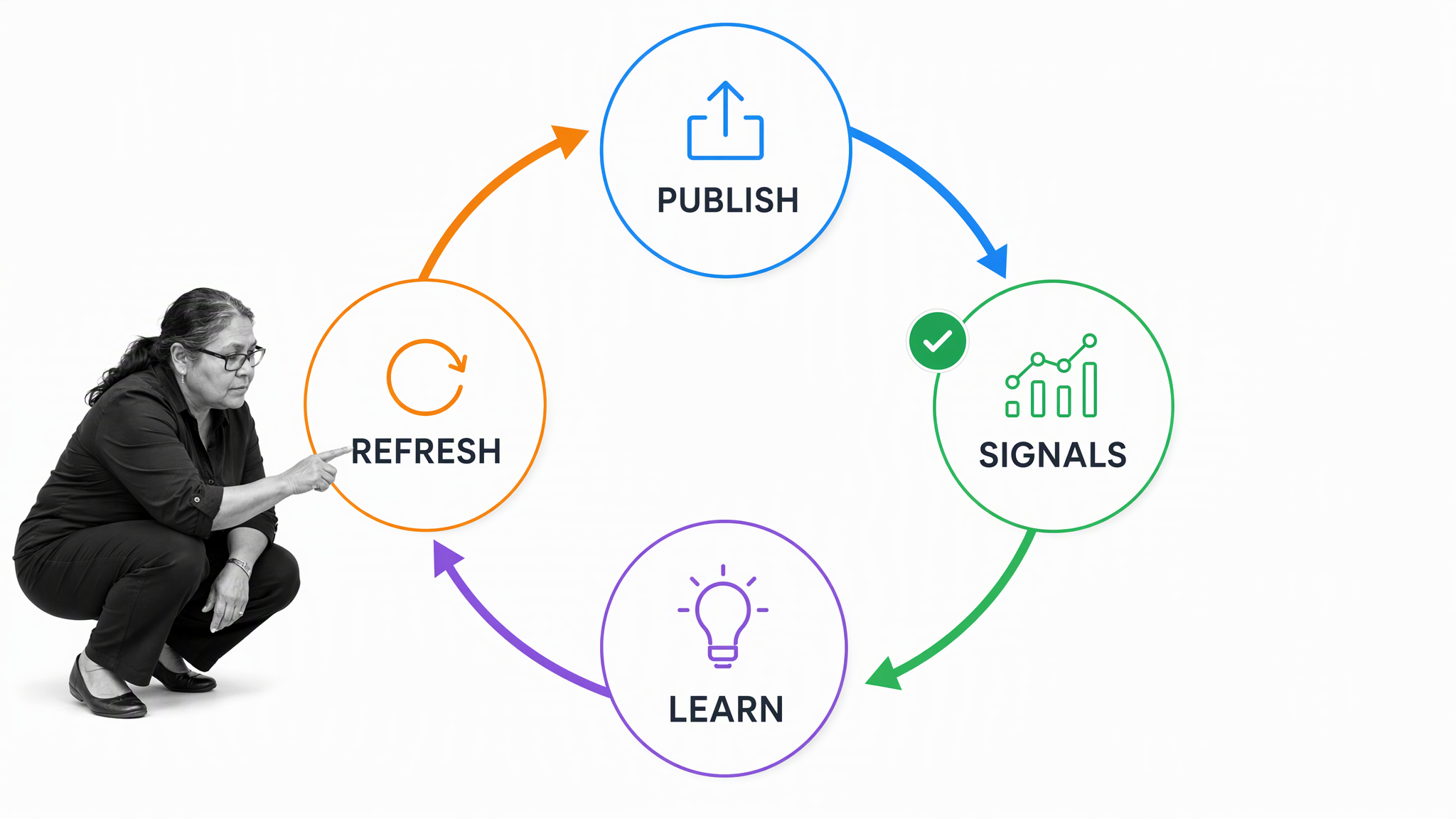
Choose measurements that match the promise. Search impressions can show whether a page is discoverable. Qualified visits, replies, demo interest, assisted conversions, or sales usage can show whether it reaches the right audience. Reader questions can reveal where the explanation is incomplete.
Review the evidence on a fixed schedule. Repair broken sources, update changed facts, strengthen sections that attract the right queries, and preserve the examples that still teach well. Compelling content is not frozen after publication. It becomes more useful as the team learns.
Turn content creation into an operating process
A content team needs more than a calendar. It needs clear inputs, owners, review gates, approvals, distribution steps, and evidence of what happened. That is where Process Street, a single Compliance Operations Platform, fits. Docs capabilities keep guidance governed, Ops capabilities turn that guidance into assigned workflows, and built-in AI helps teams draft, route, and improve work inside the process.
Use creative project management software to manage content from brief to approval without losing the judgment that makes the work distinctive. The system should enforce the routine so editors can spend their attention on the audience, evidence, argument, and examples.
Before you publish, confirm that the piece:
- answers a specific audience problem;
- makes and fulfills a useful promise;
- includes original evidence, experience, or analysis;
- uses a structure that helps the reader move;
- has been fact-checked and edited by a named owner;
- has a deliberate distribution plan; and
- has a measurement and refresh plan.
Frequently asked questions
What is compelling content?
Compelling content gives a defined audience a useful answer, supports it with evidence or experience, communicates it clearly, and offers a relevant next step.
How do you create compelling content for a business?
Start with the audience problem and business goal, gather first-hand evidence, outline the answer, draft it, edit and fact-check it, publish it through the right channels, and measure whether it produced the intended outcome.
Can AI write compelling content?
AI can help organize research, explore structures, draft from approved context, and repurpose material. A human owner should still verify facts, protect the voice, make editorial judgments, and approve the final work.
How do you measure content quality?
Measure quality against the content’s job. Combine discovery signals such as impressions with audience-response signals such as qualified visits, replies, conversions, sales usage, and the questions readers ask next.