






My grandparents have a strange aversion to technology. Every time they pronounce “Wi-Fi” as “whiff-ee,” I instinctively want to grab their router, phone, and laptop and run a quick troubleshooting workshop at the kitchen table.
That instinct is exactly why reverse mentoring works. Instead of assuming seniority is the only source of workplace knowledge, a reverse mentoring program gives junior employees a structured way to teach leaders about emerging tools, customer habits, workplace culture, and the everyday friction that formal reporting lines often hide.
In this article:
- Define the exchange before pairing people
- Pair people around a specific business goal
- Let the reverse mentor lead the work
- Make every session hands-on and safe
- Close the loop with check-ins and workflows
The secrets to hacking reverse mentoring are practical, not flashy: connect people carefully, make the mentor and mentee roles clear, and treat the mentoring exchange as a real operating process. Many organizations first think of reverse mentoring as kids helping grandparents with smartphones and internet connections, setting them up with the simplest possible systems. In the workplace, it is much more than that.
A younger Millennial or older Generation Z employee may have entered the workforce with a different approach to technology, advancement, salary, purpose, and loyalty than the generations before them. Those differences sit alongside familiar pressure points: the War for Talent, lingering effects of the Great Resignation, older workers choosing early retirement, and leaders trying to convince employees to stay with the organization long-term. Reverse mentoring gives those concerns a structured place to be discussed.
1. Define the exchange before pairing people
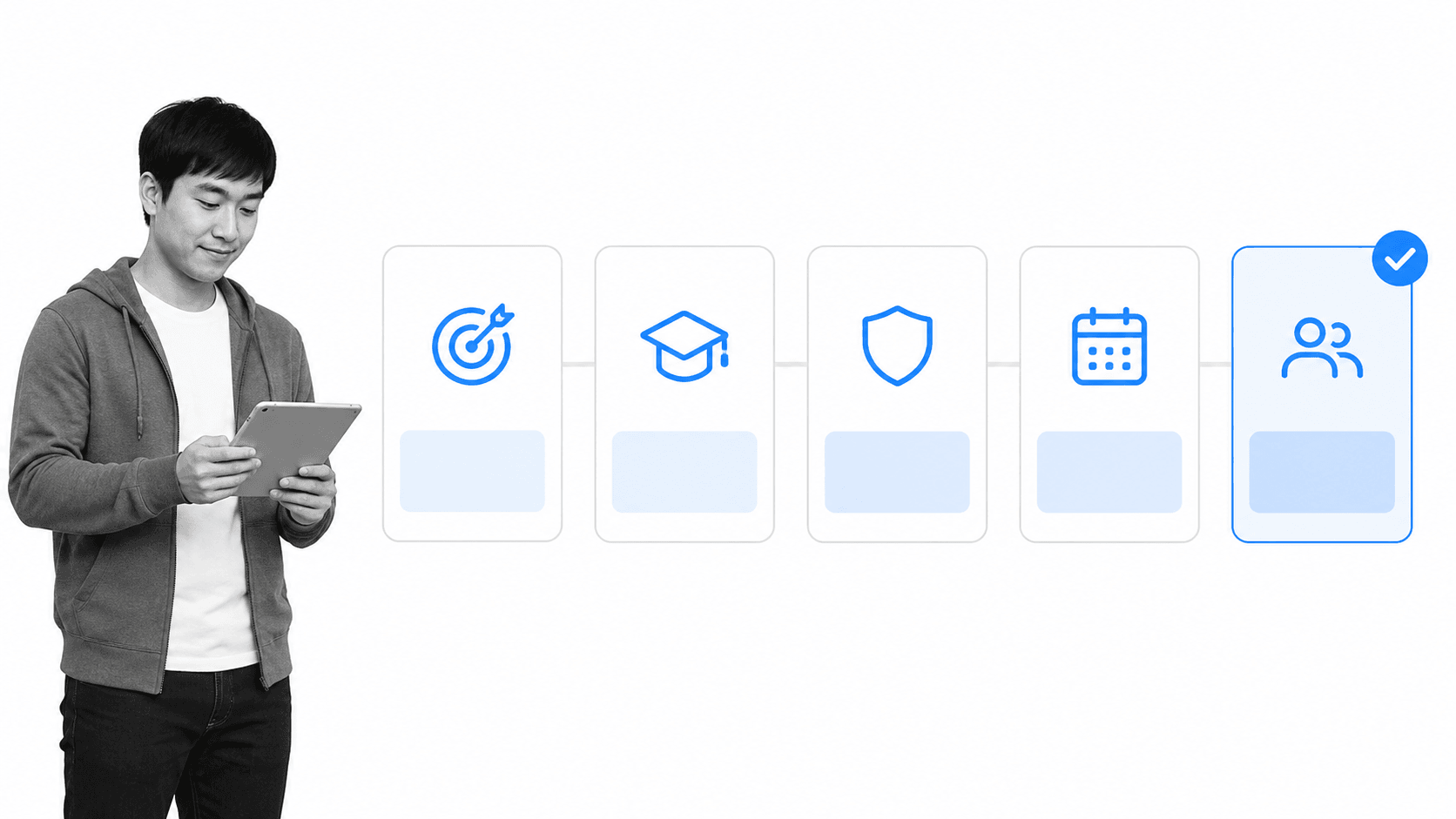
Reverse mentoring is a formal relationship where a less senior employee mentors a more senior colleague. The “reverse” part matters because the knowledge flow changes direction: a leader learns from someone closer to a new technology, workforce expectation, customer behavior, or employee experience.
The idea is often traced to Jack Welch at GE, who asked senior leaders to learn about the internet from younger employees. Modern programs have moved beyond basic digital literacy. Today, reverse mentoring can support HR digital transformation, inclusive leadership, AI adoption, customer insight, and stronger communication across a multigenerational workforce.
The first secret is to define the exchange before anyone is matched. A vague “junior teaches senior” setup leaves too much room for awkwardness. A useful reverse mentoring charter answers four questions:
- What will the senior mentee learn? Examples include AI-assisted work, social media norms, frontline process gaps, employee expectations, or inclusion blind spots.
- What will the reverse mentor learn? Senior context, decision-making, stakeholder management, business constraints, and executive communication should flow back.
- What is out of scope? Mentoring should not become unpaid technical support, confidential therapy, or a shadow performance review.
- How will the pair work? Set cadence, confidentiality, session length, expected prep, and a clear endpoint.
This is also where you protect psychological safety. Reverse mentors need permission to be candid without feeling as if every comment could affect their performance review. Senior mentees need permission to ask basic questions without turning the session into a status contest.
In a nutshell, reverse mentoring is younger employees mentoring older employees, but making reverse mentoring work is not effortless. The idea has gained popularity because organizations such as Estée Lauder, Microsoft, the BBC, and General Electric used it to close knowledge gaps that traditional leadership training missed.
As well as the mentee learning from the mentor, the relationship needs a firm foundation. If the two parties are from different backgrounds or different departments, reverse mentoring can involve not only the exchange of skills but also discussions centered around equality, diversity, and inclusion. The participants can share a sense of purpose, discuss the organization’s values privately, and increase productivity by making employee needs better understood.
Reverse mentoring questions to set the charter
- What do you wish senior leaders understood about how work actually gets done?
- Which tools or habits are changing faster than our policies and training?
- Where do employees lose time because a process, document, or approval path is unclear?
- What would make this mentoring relationship useful for both people?
- What should we agree never to share outside the pair without permission?
2. Pair people around a specific business goal

The weakest reverse mentoring programs pair people only because they are from different generations. That can create stereotypes instead of insight. A better pairing model starts with a business goal, then matches lived experience and skill gaps around that goal.
For example, a customer operations leader might work with a frontline employee who sees where customers get stuck. A people leader might work with a junior employee who understands how onboarding feels from the inside. A senior manager trying to understand social platforms, AI tools, or new employee expectations might learn faster from someone already using those systems every day.
This is where the benefits compound. Reverse mentoring can help leaders make better decisions, give junior employees access to senior context, and build trust across hierarchy. It also creates a practical path for inclusion: people closest to the employee experience can explain what policies feel like in practice, not just how they look in a deck.
That matters because leadership pipelines and boardrooms still lag the workforce they represent. Deloitte’s 2024 Women in the Boardroom report found women held less than a quarter of board seats globally, and its 2026 Gen Z and Millennial Survey shows younger workers are thinking carefully about growth, purpose, and leadership tradeoffs. Reverse mentoring will not fix representation on its own, but it gives leaders a direct operating channel for hearing perspectives that are often filtered out.
Keep the match tight. One pair can focus on employee onboarding, another on inclusive meeting norms, another on AI use cases, and another on customer-facing process gaps. If the goal is onboarding, a natural operating link is your broader onboarding management tools stack: the mentorship insight should improve the system, not stay trapped in a private conversation.
A well-structured plan for the mentoring process is essential. Employees can refer to documents, add comments, and share workflows with others involved in the mentoring exchange. If a team previously relied on paper documents, an online knowledge base can save time and money while keeping the mentoring framework visible.
Reverse mentoring questions can also surface reservations about the mentoring process. Online employee surveys allow participants to answer questions anonymously when an open discussion would be uncomfortable. At Process Street, workflows, including surveys, can be edited so customers can tailor or create surveys to suit their needs and gauge workplace opinions on the subject.
3. Let the reverse mentor lead the work
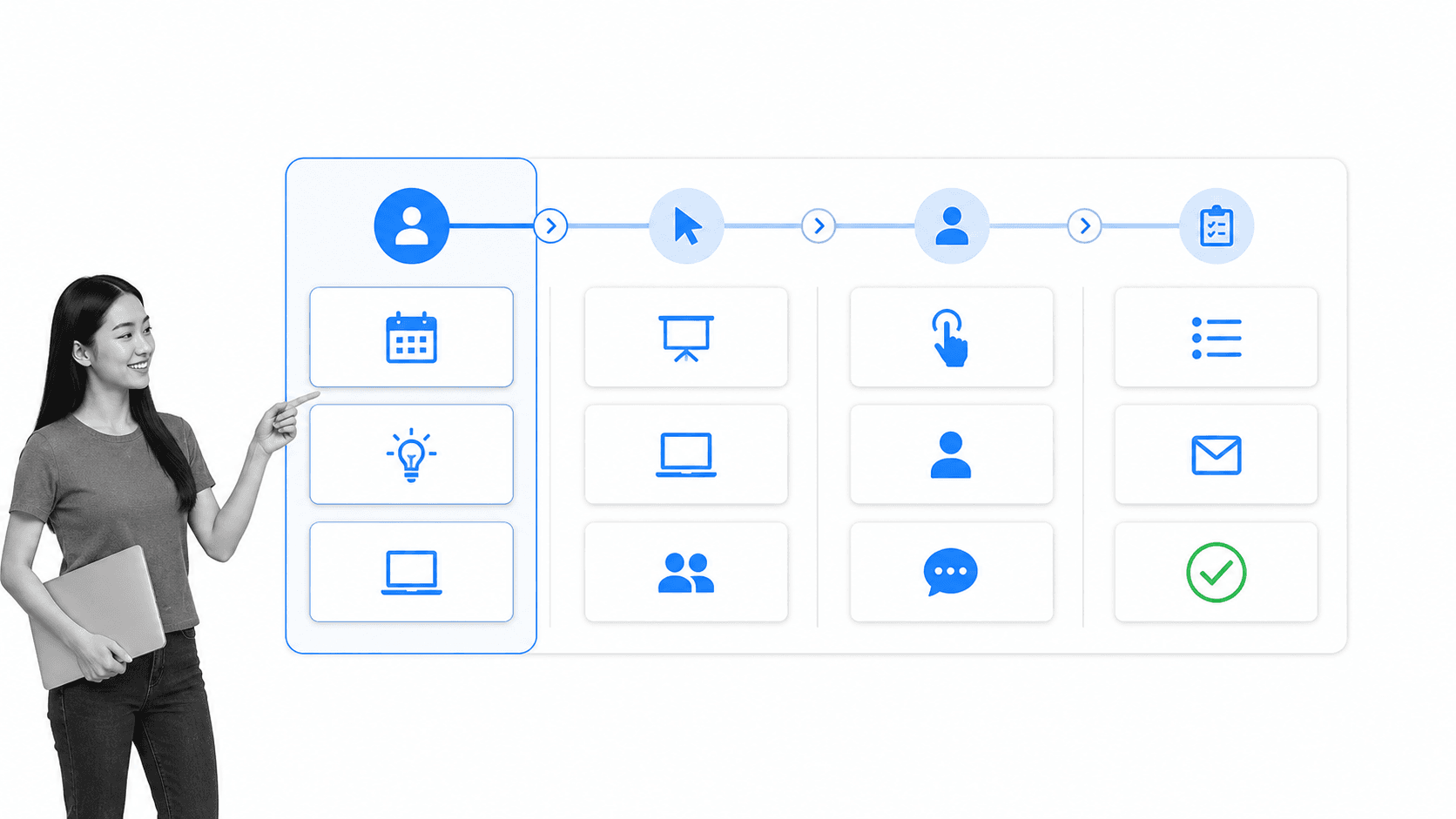
Reverse mentoring fails when the senior person treats the session like a normal executive meeting. The mentor should not have to fight for airtime, over-explain their credibility, or wait for a leader to define the agenda.
Give the reverse mentor ownership of the working session. They can choose the example, demo the tool or process, explain what the leader is missing, and assign a practical follow-up. The senior mentee’s job is to listen, ask useful questions, and practice the new behavior.
That shift is why well-known examples are still useful. Harvard Business Review has covered reverse mentoring programs at companies including Estée Lauder, where younger employees helped senior leaders understand emerging consumer behavior and workplace expectations. A direct BBC Worklife piece also describes how younger workers can teach bosses when the relationship is framed as a genuine two-way exchange.
The format can stay simple:
- Five minutes: Mentor explains the practical issue or behavior.
- Ten minutes: Mentor shows a real example, tool, customer moment, or process gap.
- Ten minutes: Senior mentee practices, asks questions, or applies the idea to a live decision.
- Five minutes: Pair captures one action and one open question.
The senior person still brings business context. That is the exchange. But the session should visibly begin with the reverse mentor’s experience, not with the leader’s assumptions.
The original working advice still applies: choose a mentor and mentee who will suit one another, make sure the mentor understands that they are in charge of the mentorship, begin the mentoring process somewhere informal when that helps trust, use hands-on learning, and contact the mentor and mentee separately at intervals to ask if the process is working.
That separate contact matters because reverse mentoring can flounder under the weight of different expectations and misunderstandings. Baby Boomers, Millennials, and Generation Z employees may have different working methods, but the point is not to accuse one group of being tech-savvy, less tech-savvy, overly sensitive, or resistant. The point is to dispel those beliefs before they cause problems during reverse mentoring.
4. Make every session hands-on and safe
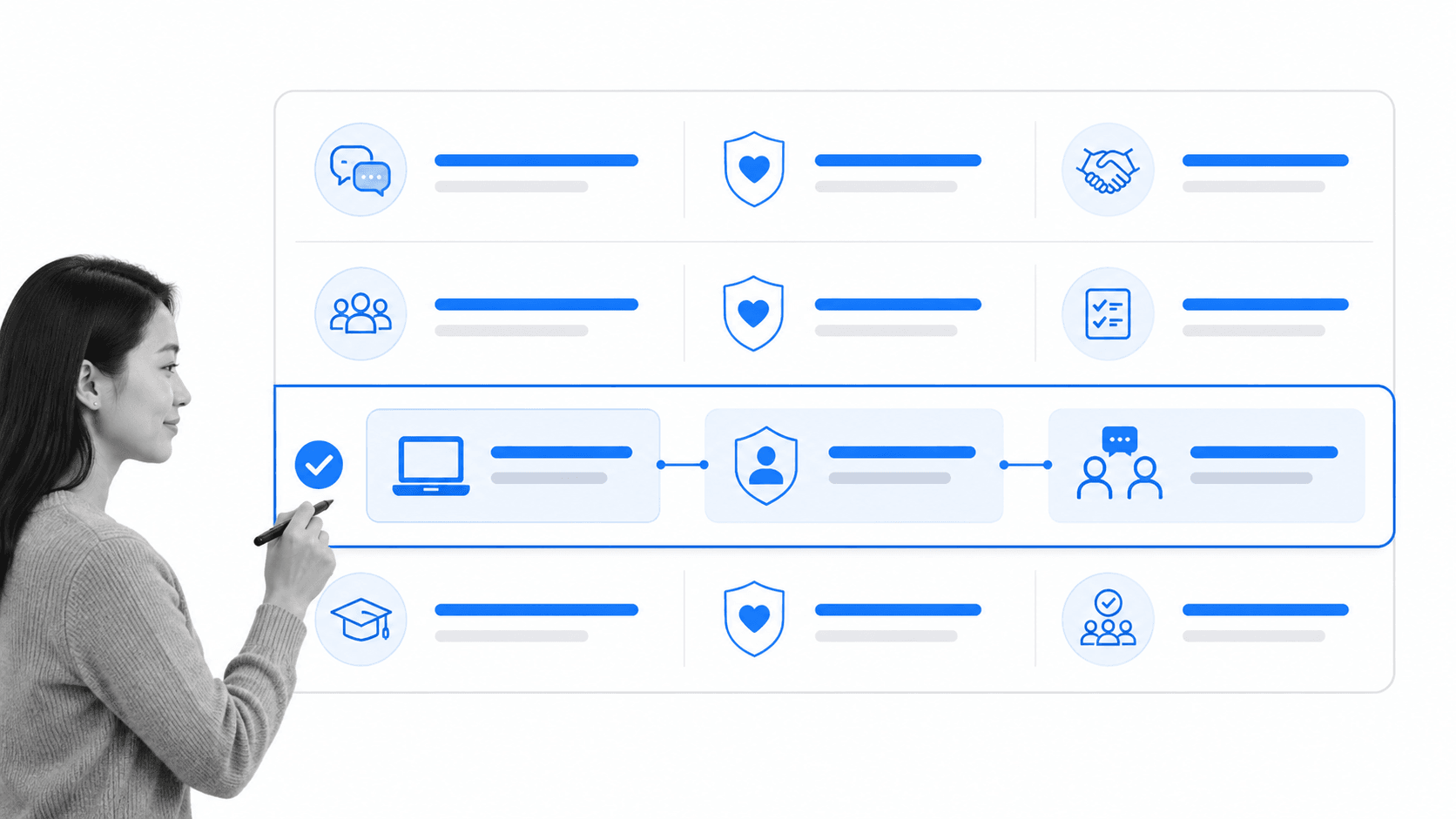
Conversation matters, but reverse mentoring works best when the pair does something concrete. Have the mentor walk through a tool, rewrite a policy sentence, review an onboarding touchpoint, analyze a customer complaint, or pressure-test a leadership message before it goes live.
Hands-on practice prevents the relationship from becoming a symbolic listening tour. It also makes learning easier to measure. If a senior leader learns how employees actually use a workflow, that insight should improve a process, document, meeting habit, or decision rule.
At the same time, safety has to be explicit. Junior mentors may be sharing sensitive truths about culture, inclusion, communication gaps, or operational friction. Set a clear consent rule: no quote, example, or employee story leaves the session unless both people agree.
Useful guardrails include:
- A no-surprise rule for sharing examples outside the pair.
- Permission for either person to pause a topic that feels too personal or political.
- A separate escalation path for compliance, harassment, or ethics issues that should not stay inside mentoring.
- A documented follow-up action that focuses on improving the system, not exposing the mentor.
Process Street can support this operating layer through governed Docs, recurring workflows, approvals, feedback forms, and auditable handoffs. The point is not to turn mentoring into bureaucracy. The point is to make sure the useful insight becomes visible, repeatable work.
Promotion of inclusivity is one of the clearest benefits. Diversity in the workplace remains an issue close to Millennial and Gen Z hearts, and reverse mentoring can help build the kind of inclusive workplace where employees feel their values are heard. It can be a workplace incentive for people who might otherwise change jobs when they feel underappreciated or misaligned with company values.
PricewaterhouseCoopers implemented a reverse mentoring program to promote inclusivity in 2014. Mentors expressed that they enjoyed being able to share their experiences and ask executives tough questions. By challenging executives’ views, they helped create a safer, more inclusive workplace.
5. Close the loop with check-ins and workflows
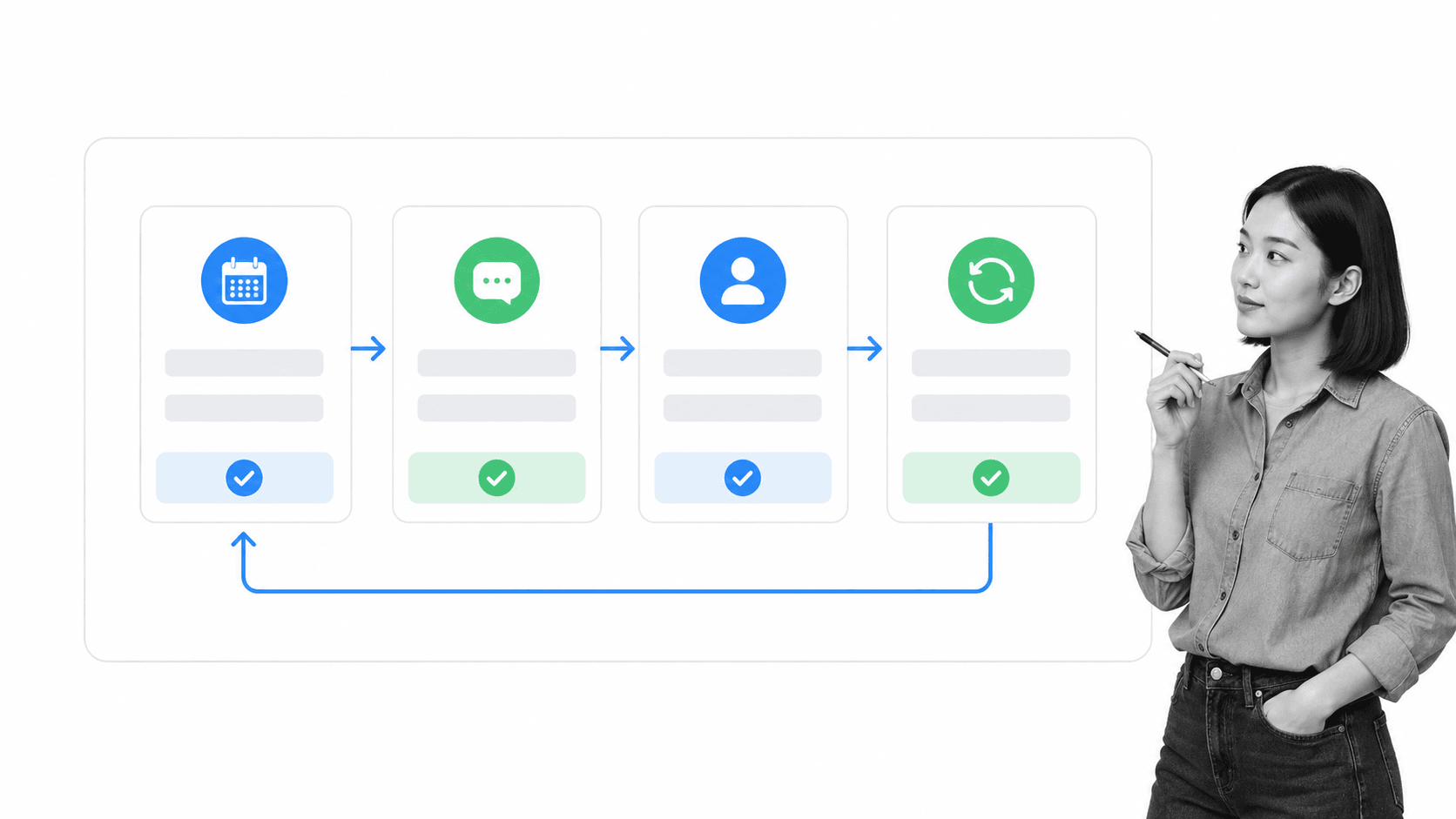
The final secret is follow-through. A reverse mentoring program can feel energizing during launch and still fade if nobody owns the next step. Leaders learn something, mentors feel heard, and then the organization changes nothing.
Close the loop by turning each session into a small operating cycle: check in, capture feedback, assign an owner, review the outcome, and repeat. This is where workflows matter. If reverse mentoring reveals that onboarding instructions are confusing, update the onboarding workflow. If a leader learns that an inclusion policy is unclear in practice, update the doc and route it for review. If a recurring question appears in sessions, turn it into an FAQ, training asset, or manager checklist.
You can also use lightweight measurement without overengineering the program:
- Pair attendance and completion rate.
- Mentor and mentee confidence before and after the program.
- Number of process, policy, or communication improvements shipped from mentoring insights.
- Qualitative themes from mentor feedback, anonymized where needed.
- Follow-up actions completed by senior mentees.
Examples from companies such as PwC and Estée Lauder show that reverse mentoring can support inclusion, customer understanding, and leadership development when it is structured as more than a casual chat. The principle is simple: listen across hierarchy, practice the new behavior, and improve the work system after each session.
Changing workplace culture is the longer-term prize. Estée Lauder’s reverse mentoring program began after CEO Fabrizio Freda said the future could not be informed by the past. The company’s executives did not understand the new generation of consumers or how markets were changing enough to compete effectively, and the work culture was not conducive to the collaborative environment needed for change.
In that reverse mentoring program, Millennial mentors taught older executives about social media and influencer marketing. The mentors then created a knowledge-sharing portal called Dreamspace, giving everyone a place to exchange ideas and knowledge. Estée Lauder took things a step further by distributing a bi-monthly report to employees and executives covering the current leading topics in the portal, which helped keep everyone on the same page.
The biggest challenge to starting a reverse mentoring program is resistance: resistance from older executives to listen to younger subordinates and enact change, and resistance from younger generations who fear being ignored. Presenting the benefits, training both parties, and making the right mentor/mentee pairing can help kickstart a great program.
The challenges do not stop there. The death of reverse mentoring programs is often lack of prioritization: if executives put their time with the mentor at the bottom of the priorities list, the program can fizzle out. Another common pitfall is poor communication. Each party should understand their role, what is appropriate or inappropriate to say, and the parameters for good communication ahead of time.
Reverse mentoring does not replace traditional mentoring. It completes it. Senior people still have experience to share, but junior employees often see the future of work sooner because they are already living it. When you give that insight a clear charter, a useful match, a mentor-led session, safe practice, and a workflow for follow-through, reverse mentoring becomes a practical management tool instead of a one-off culture exercise.