


Article analysis is the process of identifying an author’s main argument, checking the evidence and methodology behind it, and evaluating the source, purpose, audience, and possible bias.
To analyze an article well, understand what it says first, then test whether its claims deserve your trust. That means tracing important evidence to primary sources, checking the author and publication, comparing independent coverage, and separating probability from certainty before you use the article to make a decision—or get fooled by terrible advice.
That discipline matters in business as much as it does in research or news. A confident claim can waste months of work when its sample is weak, its context is missing, or its evidence does not support the conclusion. The method in this guide combines a real startup lesson with practical source evaluation, lateral reading, and a ten-step framework you can reuse.
How poor research almost killed my first startup
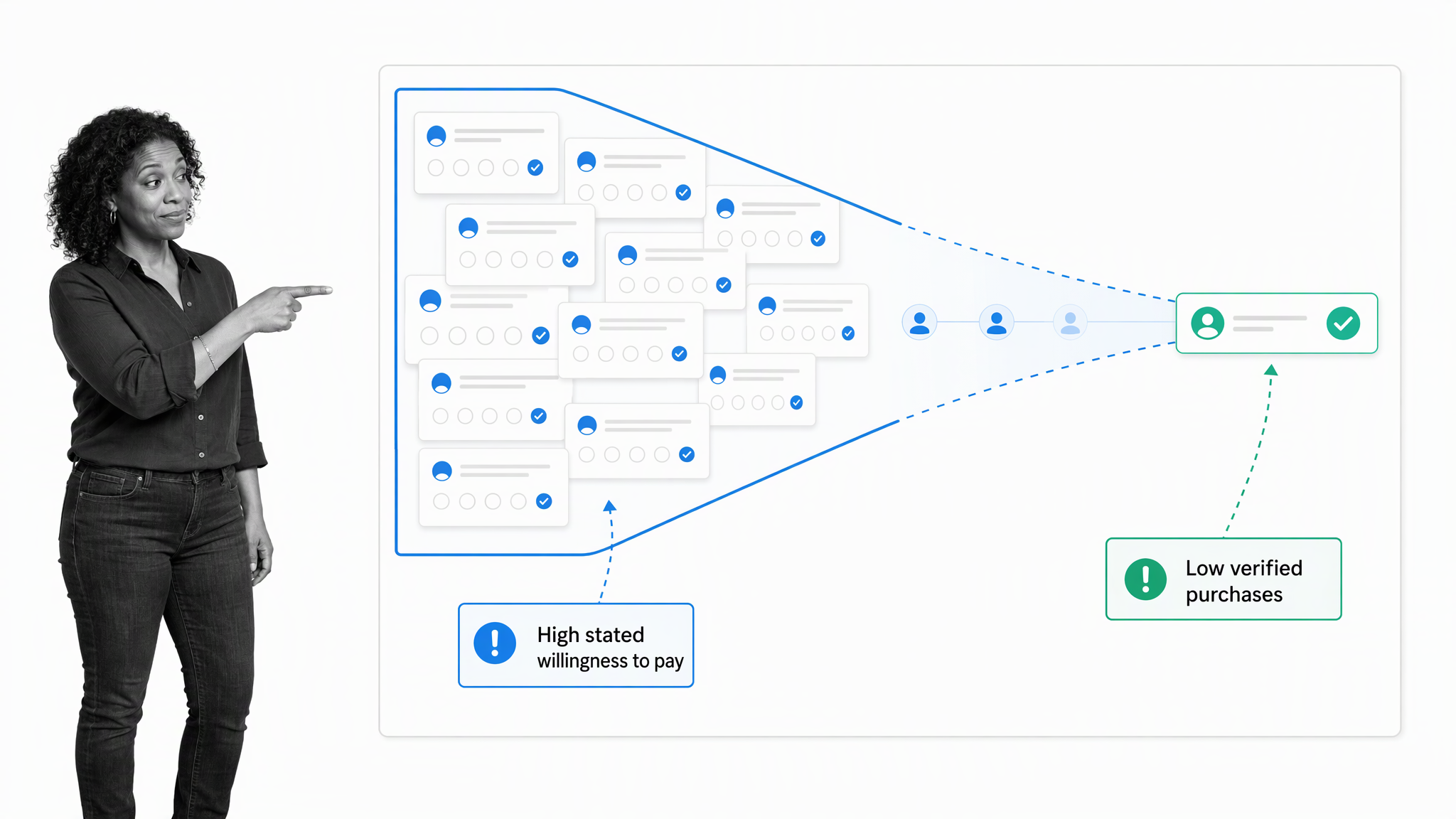
- The demographics they fit into
- Their experience of the problem they face
- What kind of added value services they would like to see
- Where the optimal price point would be for different added, complementary services
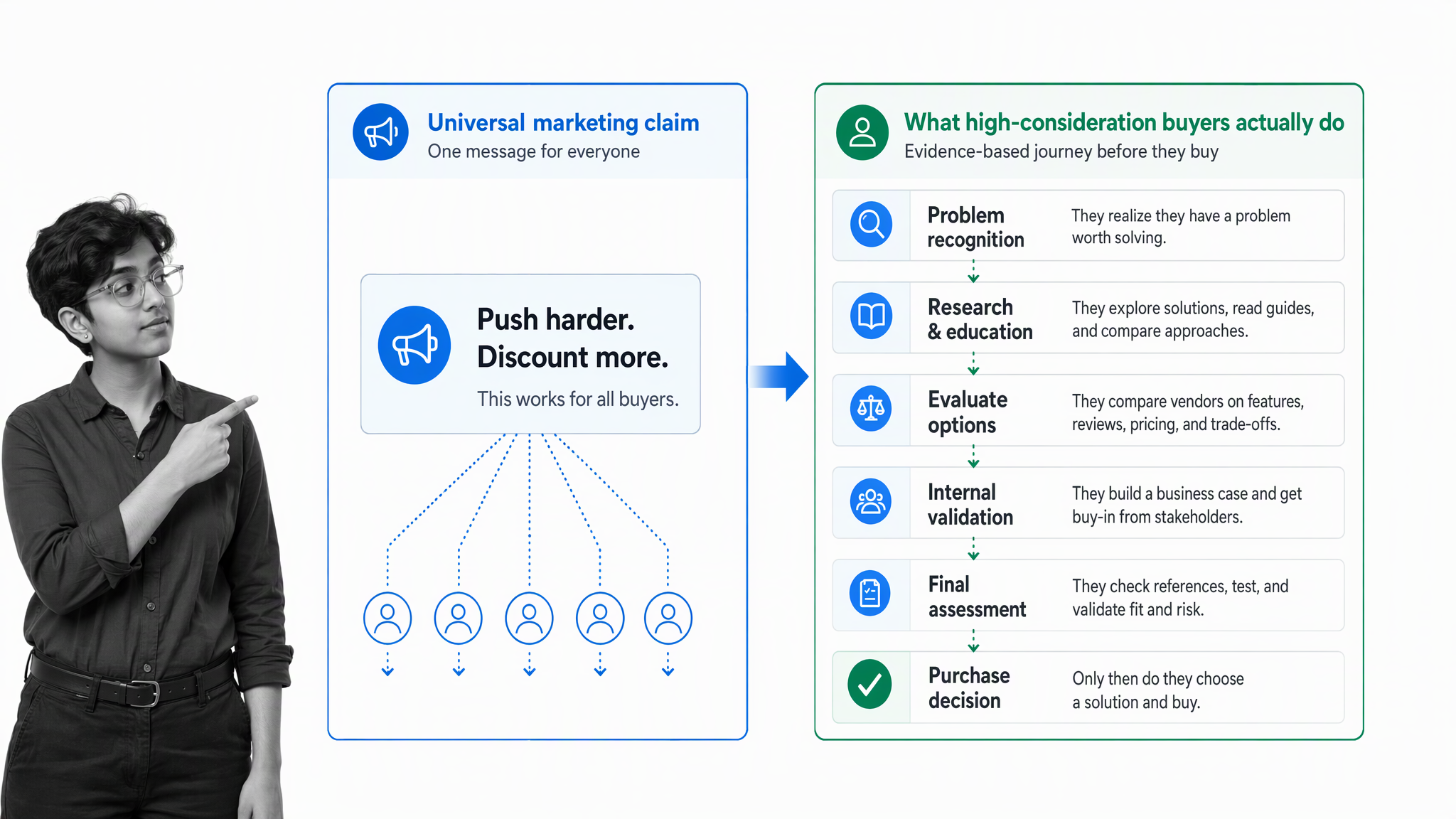
2. Content-rich websites: The silliest myth of the information age is that information is so valuable that a company is doing customers a favor by providing as much of it as possible. That’s why so many business websites are chock-a-block with content.The hope behind such sites is that customers will use that information to become more educated and thereby become convinced that they must buy what’s offered. In fact, customers are overloaded with information and resent being asked to dig through more.Smart companies only provide information when it’s clear a customer wants it, and then limit that information to the minimum useful amount. Today’s most effective websites show a single screen and request one action, like signing up for a newsletter.This is written in an authoritative tone in Inc magazine – it must be true! But where’s the data? How does this rule apply to different businesses with different products and different target audiences? Marcus Sheridan provides a follow up:
I don’t like disagreeing with another person “just because.” But in this case, I was so fundamentally bothered by an article I recently read in Inc. about marketing trends that I simply could not allow awful, inaccurate advice to be presented as fact (news/trends) without at least giving my thoughts.Sheridan argued that high-consideration customers often need substantial information before they buy. In short:
And if people are “too busy,” why does my average customer at River Pools read over 100 pages of the website before they buy? (And please don’t say, “They’re different.”)Sheridan’s customers are buying an expensive product for which they feel the need to do a good amount of research. As anyone who has worked in high touch sales will tell you, landing a big sale requires time, effort, and information. And there’s the key point: you have to be able to evaluate the material you read online before accepting it as fact. Whether that be off the cuff statements about landing pages or detailed reporting of real in-the-world research. To fix this, the next three sections will look at elements to be wary of:
- The social phenomena of fake news and the mechanisms which drive it
- The difficulties of relying on media reporting of complex topics
- The challenges of both reporting and undertaking research at every level
The framework below follows a simple sequence: identify the source and purpose, separate claims from evidence, test the method and logic, corroborate the important points, and check your own bias. The full ten-step process appears later in the article.
You are Fake News
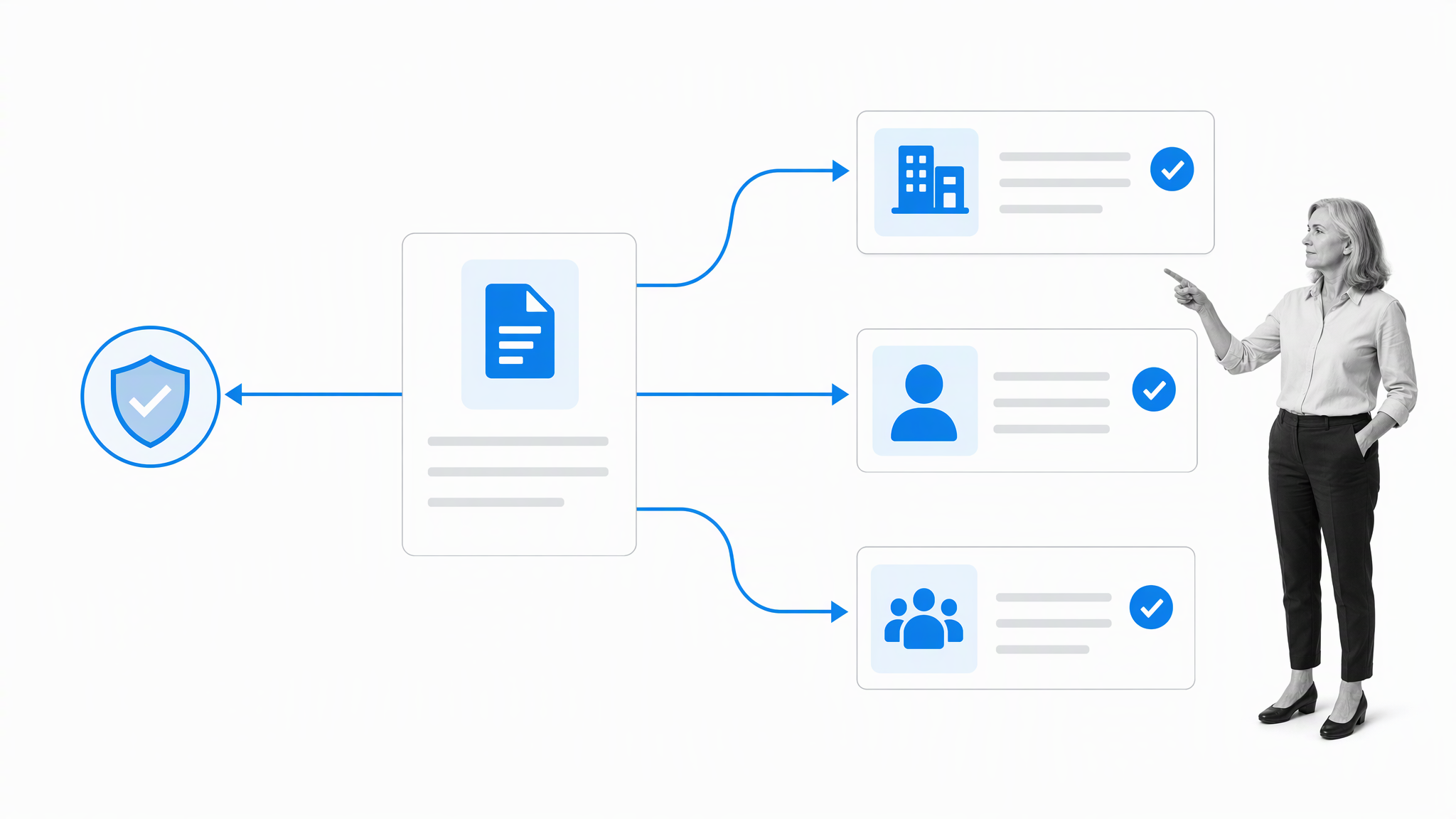
Fabricated stories are the easiest kind of bad information to recognize in theory: the central claim is invented. In practice, the incentives behind them make detection harder. Outrage and novelty attract attention, distribution platforms reward engagement, and each repost can detach a claim further from its origin.
Paul Horner, a prolific publisher of fabricated political stories, described an audience that shared first and checked later. A BuzzFeed News analysis of large partisan Facebook pages found false or misleading posts on both sides of the political divide during the period it studied. The durable lesson is not about one election or ideology. It is that publishers can profit when readers do not verify what they share.
Ryan Holiday has written extensively about media manipulation: a source creates a provocative claim, an outlet repeats it, and larger publications cite the coverage rather than the original evidence. The result can look like corroboration even when every article leads back to the same unsupported source.
Use lateral reading before you trust a source
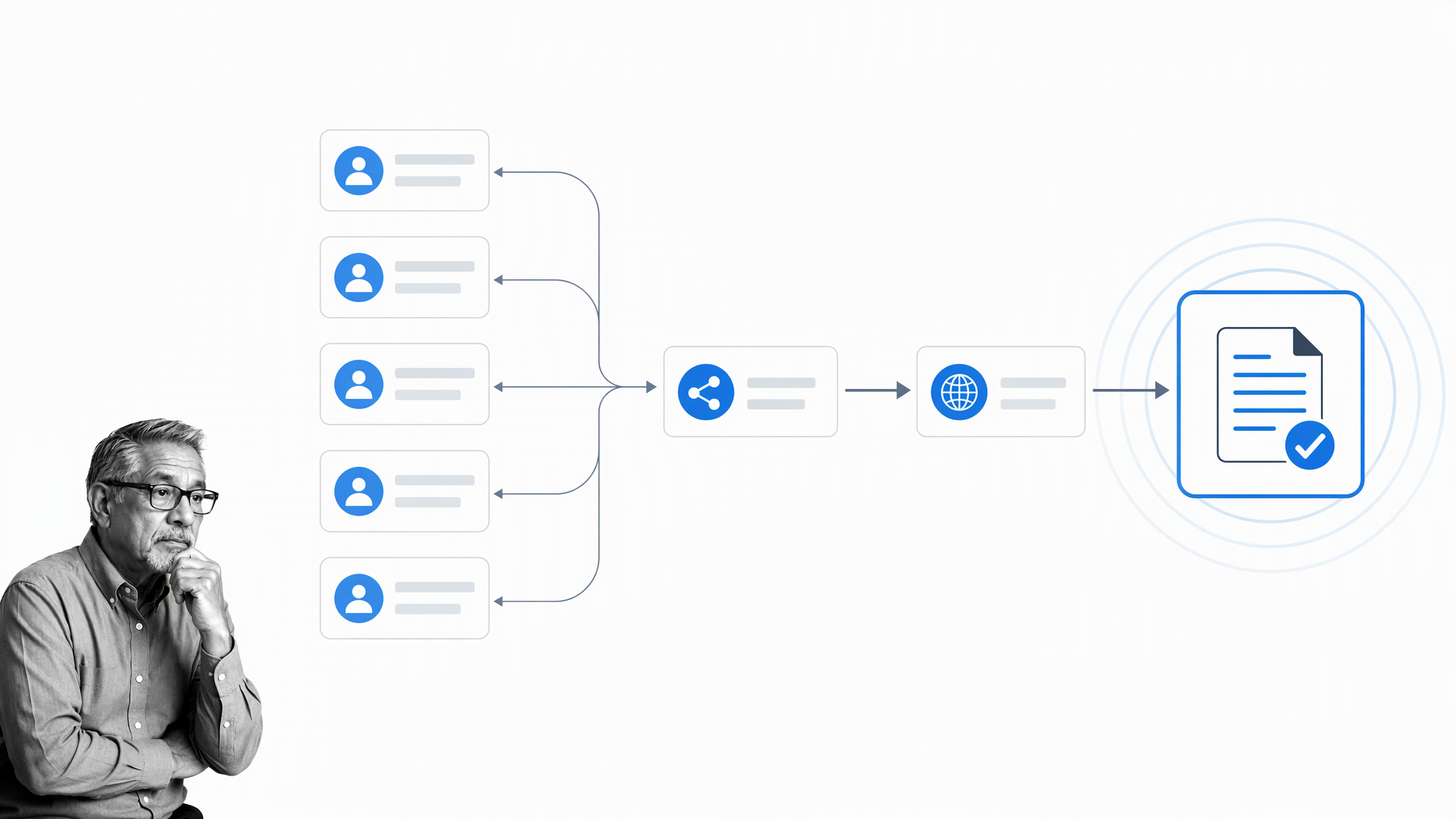
Do not let a polished page keep you trapped inside the page. Lateral reading means opening new tabs to investigate the author, publication, funder, and central claim. Search for independent coverage. Look for a corrections policy. Check whether subject-matter experts describe the source as reliable. Then trace the claim to the earliest available report, dataset, transcript, or document.
A practical version is the SIFT sequence: stop, investigate the source, find better coverage, and trace claims to their original context. This approach is especially useful when a page is unfamiliar, emotionally charged, or optimized to look authoritative.
A true fragment can still create a false impression
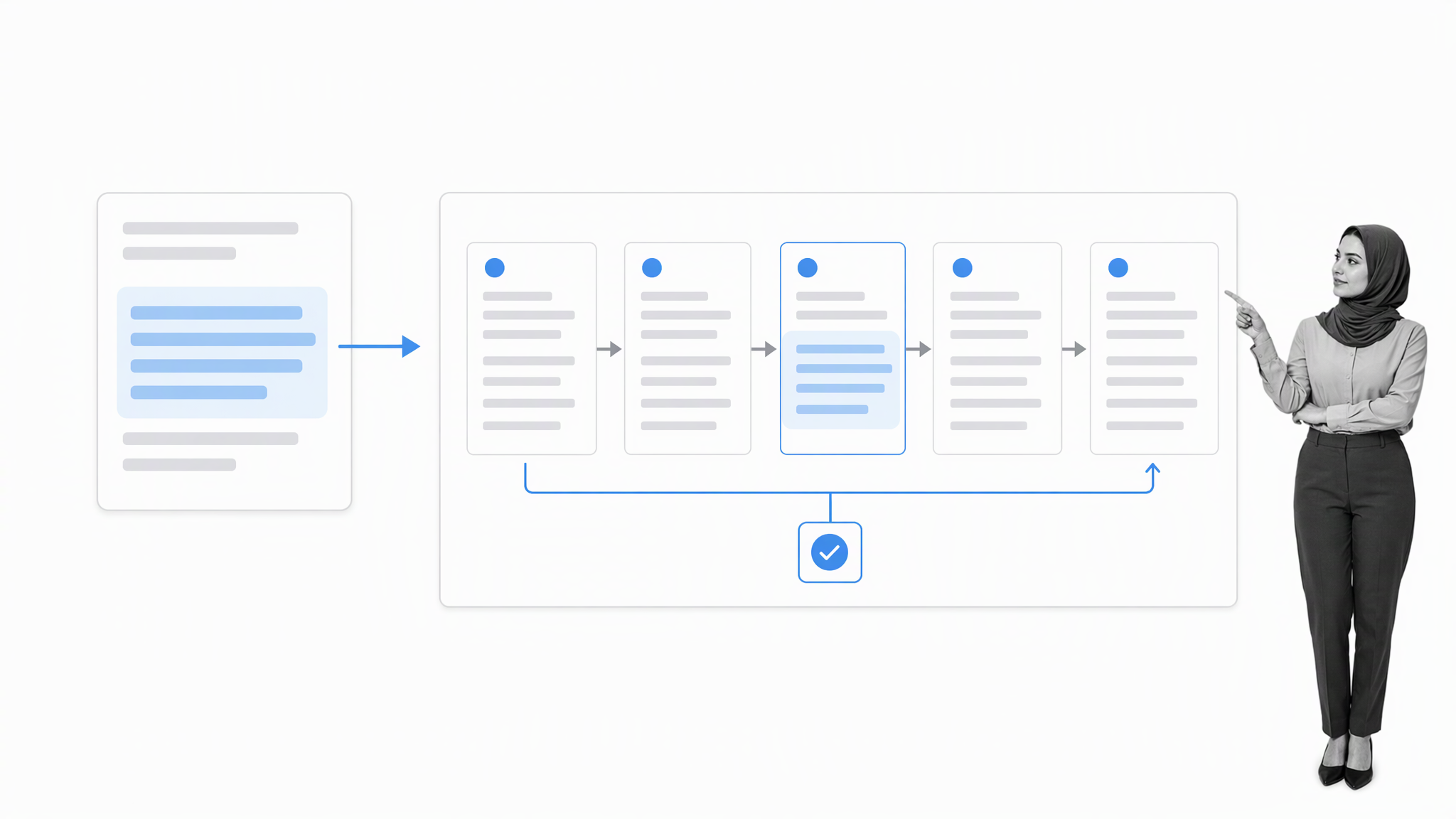
Not every misleading article is fabricated. A real quote can be cropped, an accurate number can lose its denominator, and a genuine image can be assigned the wrong date or location. Selective framing is often more persuasive than an outright invention because every individual fragment may be authentic.
Before accepting a striking claim, inspect what comes immediately before and after the quoted passage. Compare the headline with the body. Check the publication date, the population being described, and whether the author has generalized from a narrow case. The right question is not only “Is this item real?” but “Does the full context support the impression this article creates?”
Sometimes reality is simply very complex
Unfortunately, it isn’t always as simple as whether or not a 9 year old is factually accurate when describing their stroll through the pearly gates. Different media outlets can report different angles on the same issue without anyone necessarily being wrong or even willfully misrepresentative of the facts.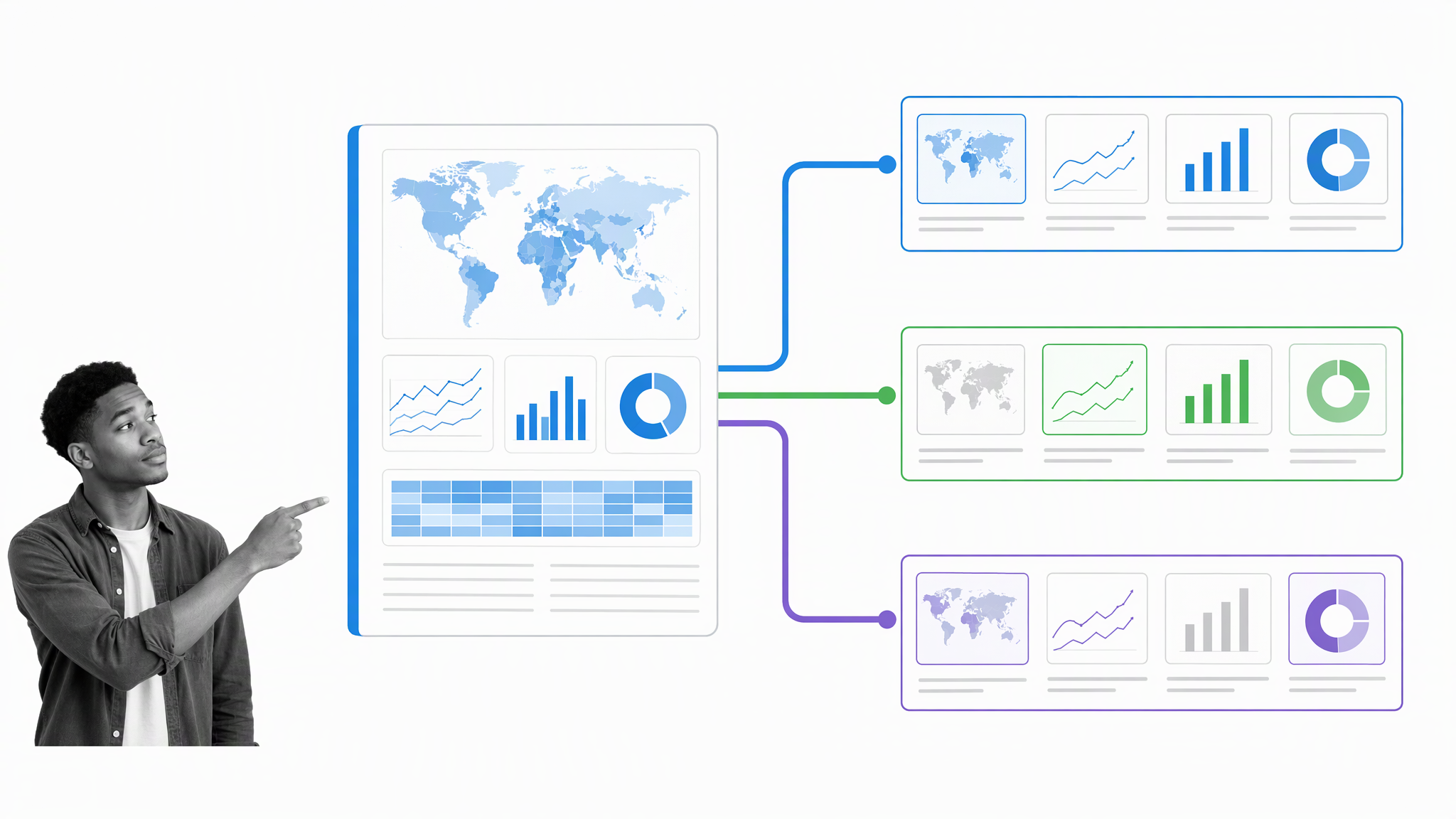
There is no one-size-fits-all strategy. Redistribution should reflect a country’s specific circumstances, including underlying fiscal pressures, social preferences, and the government’s administrative and tax capacity. Also, taxes and transfers cannot be considered in isolation. Countries need to finance transfers, and the combination of alternative tax and transfer instruments that countries chose can have very different implications for equity.For some reason, the linked articles chose not to run with that paragraph as their key point. Each article pulled what they wanted to show from the IMF blog post to create a narrative suited to them. In reality, the argument of whether the report favors lower or higher taxes than the UK currently has is moot. The report specifically states that tax is just one lever of many and the rates you set it at have to be appreciated in a broader context. No one was really wrong, but I wouldn’t give anyone a gold star either.
Reporting evidence and stats can be very difficult
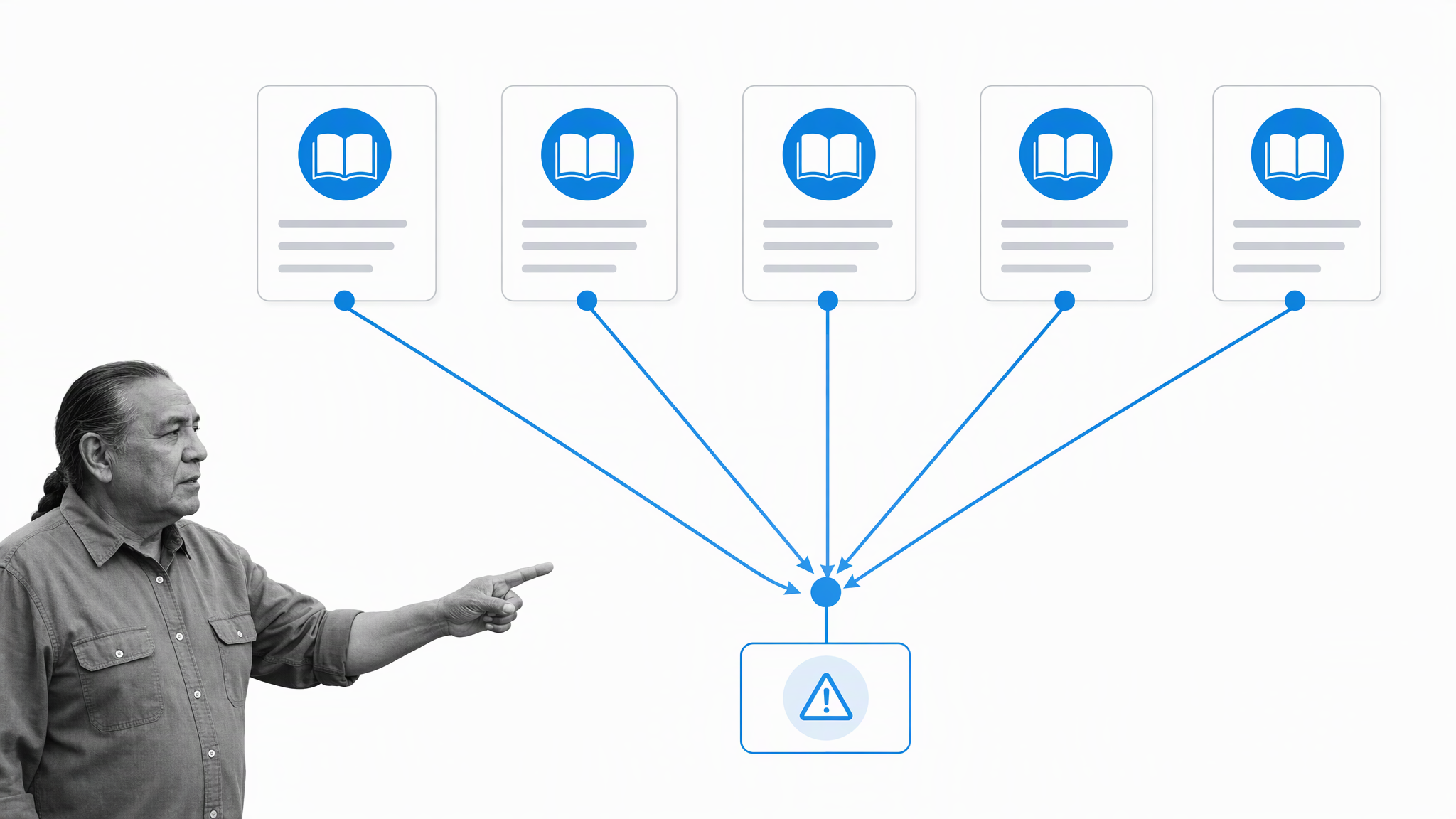
Even careful journalists can distort research when evidence passes through several layers of summary. One paper cites an earlier paper, a press release simplifies the result, a reporter compresses it again, and later articles cite the reporting rather than the study. This is sometimes called the Woozle effect: repetition makes a weakly supported claim feel established.
Trace the important claim backward. Does the cited source contain the quoted number? Is it a primary study, a review, an opinion piece, or another article repeating the same statement? A citation is not proof merely because it exists. It must support the precise sentence attached to it.
Probability is not certainty
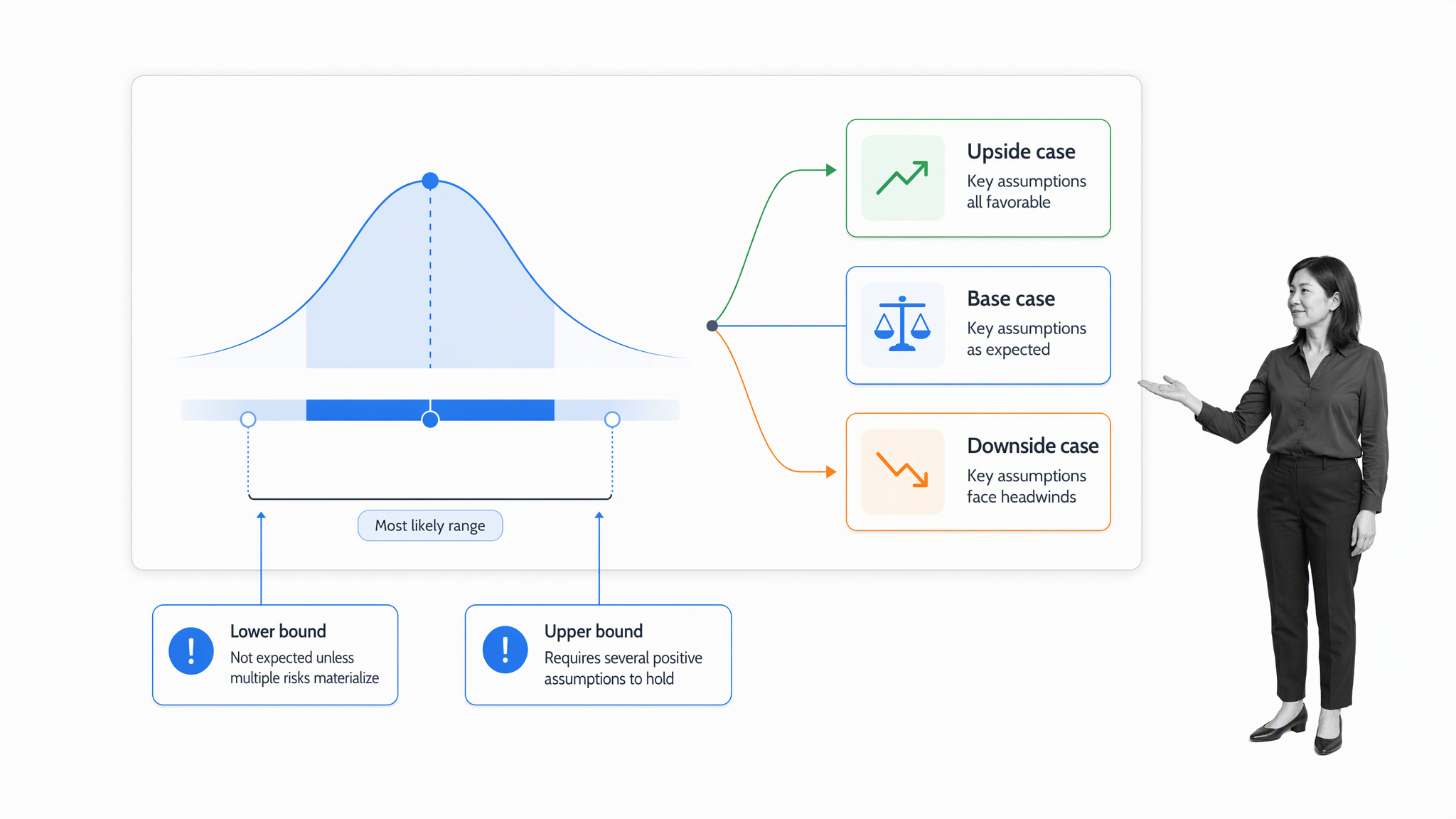
Forecasts are particularly vulnerable to bad interpretation. A 70% probability does not promise that an event will occur, and the event failing to occur does not by itself prove the forecast was dishonest. Nate Silver repeatedly made this distinction in his work at FiveThirtyEight: a calibrated forecast describes a range of possible outcomes, not a single guaranteed result.
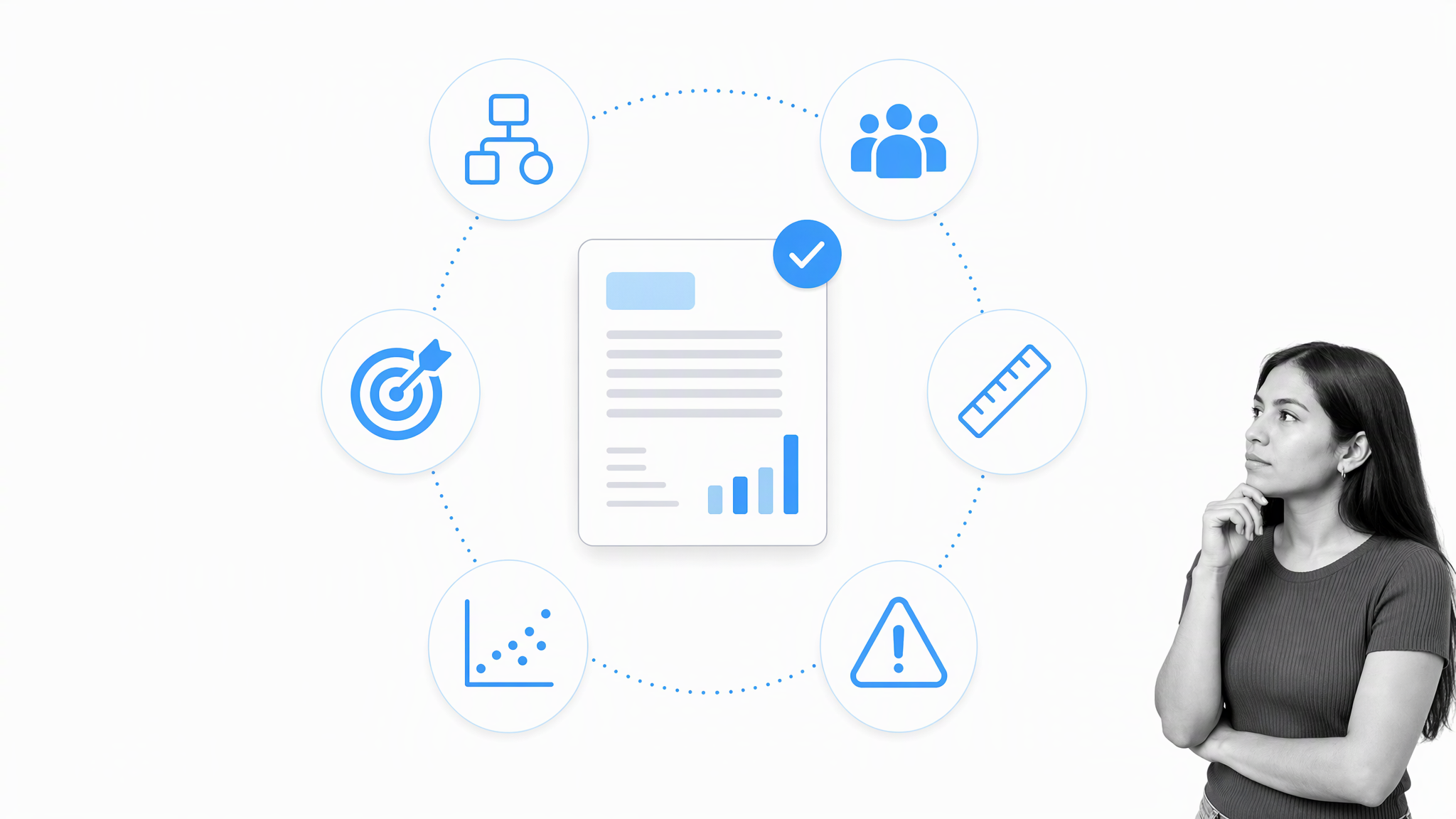
The same caution applies to statistical significance. A p-value does not tell you the probability that a hypothesis is true, and it does not measure whether an effect is useful in practice. Sample size, study design, effect size, uncertainty, multiple comparisons, and the researchers’ analytic choices all affect what a result means. The Cochrane Handbook explains why estimates and uncertainty matter more than a binary significant/not-significant label.
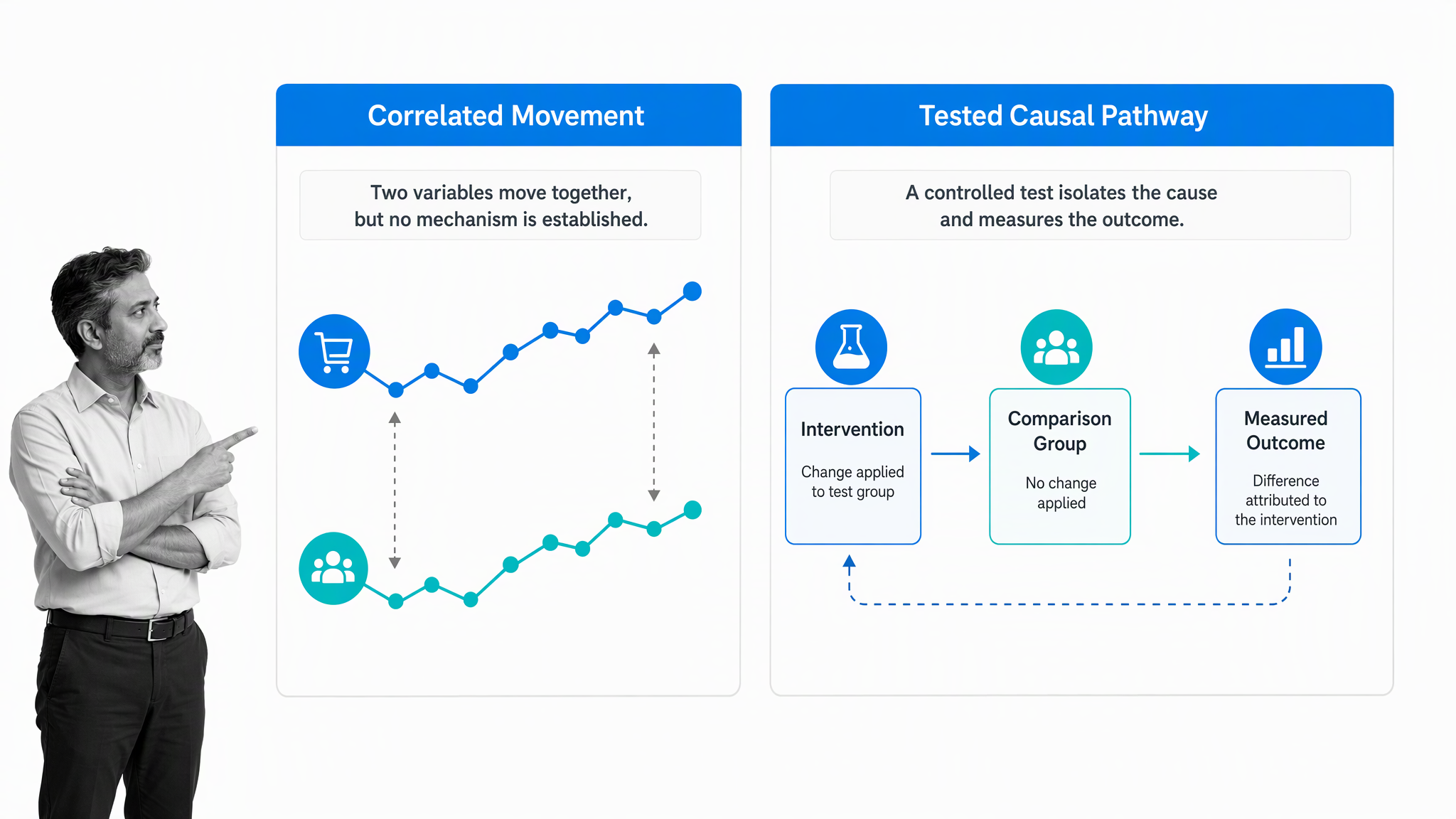
When you analyze reported research, check the sample and how participants were selected. Look for a comparison group, preregistration where relevant, missing data, funding, conflicts of interest, and the difference between correlation and tested causation. Ask whether the measured outcome is the outcome the headline claims.
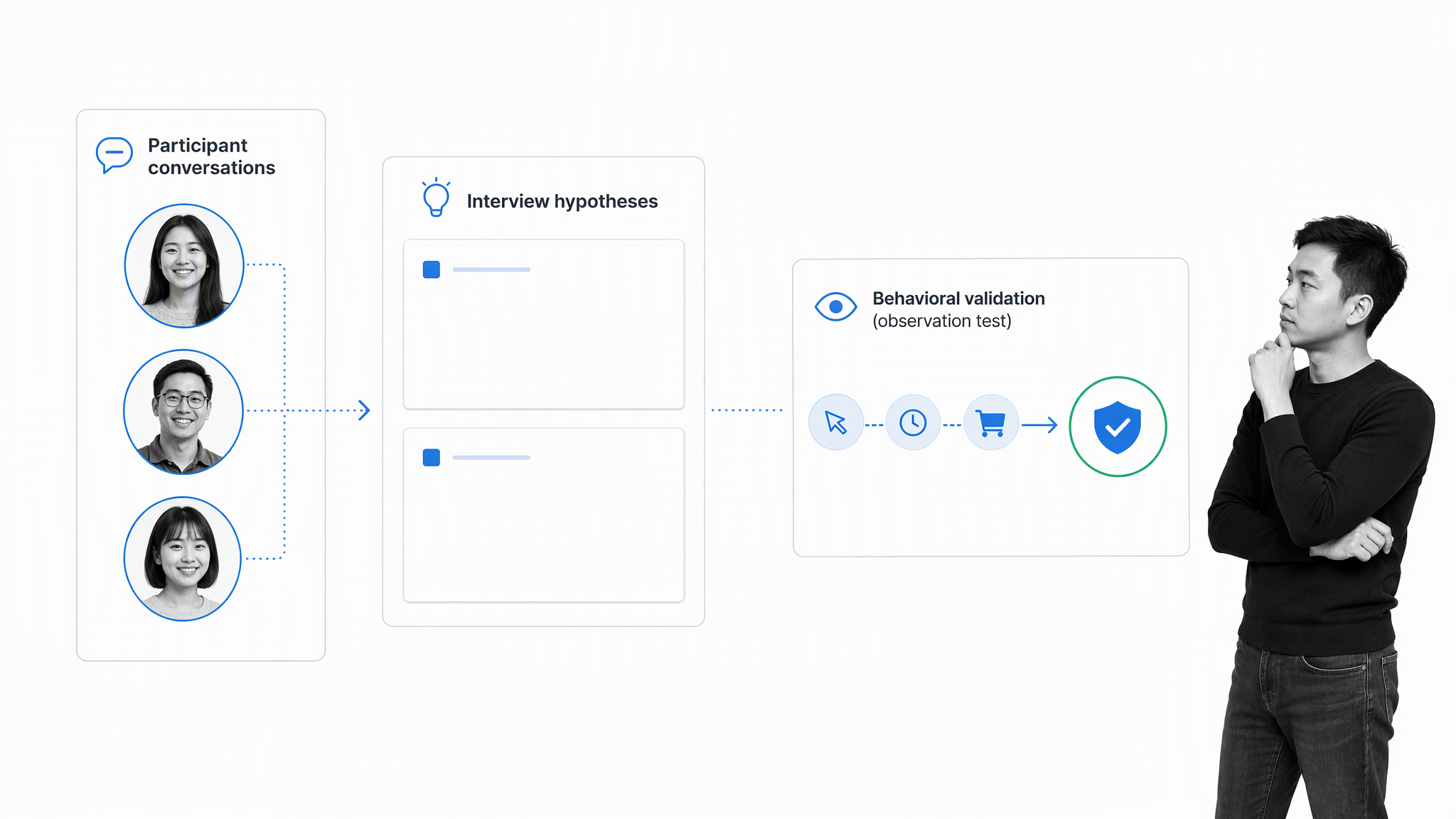
Self-reported motives deserve special caution. People often produce coherent explanations for behavior without having direct access to every cause. This does not make interviews or surveys useless; it means their answers should be treated as evidence of what people report, then compared with observed behavior and other data.
Finally, verify corrections and retractions. Search the article title and DOI, inspect the journal or publisher record, and check whether later work replicated or challenged the result. If an AI tool supplied the citation or summary, open the real source. Generated references can be nonexistent, and accurate references can still be summarized incorrectly.
The 10 step process for analyzing any article
The following process adapts the skeptical habits associated with Carl Sagan, Richard Feynman, and Michael Shermer for practical business and research use. It works with news, opinion, research reporting, and professional advice. Teams that need a broader toolkit can also use these business analysis tools to turn critical reading into a repeatable decision process.
1. Identify the main argument
Write the author’s central conclusion in one sentence. Then list the claims that must be true for that conclusion to hold. This prevents memorable anecdotes or rhetorical flourishes from substituting for the actual argument.
2. Verify the author and publication
Check the author’s expertise, track record, affiliations, and possible conflicts. Investigate the publication’s ownership, editorial standards, correction practices, and reputation outside its own website.
3. Identify the purpose and audience
Decide whether the article aims to inform, persuade, sell, entertain, recruit, or provoke. Consider the audience it assumes and what action it wants that audience to take. Purpose does not invalidate a source, but it helps explain selection and framing.
4. Separate claims from evidence
Mark factual claims, interpretations, predictions, and value judgments separately. For each important factual claim, identify the evidence offered. An authoritative tone, quotation, chart, or link is not enough unless it supports the point being made.
5. Trace evidence to primary sources
Follow citations to the original study, dataset, filing, transcript, policy, or document. Confirm that the source says what the article claims, in the same population and context. If you cannot reach the primary evidence, reduce your confidence rather than filling the gap with assumption.
6. Evaluate the methodology and sample
Ask how evidence was gathered, who or what was included, what was excluded, and how the outcome was measured. Look for selection bias, leading questions, attrition, confounders, small samples, and a gap between stated preference and observed behavior—the exact gap that hurt Idyoma.
7. Test the logic and alternatives
Check whether the conclusion follows from the evidence. Look for correlation presented as causation, false either/or choices, base-rate neglect, overgeneralization, and explanations the author did not test. Try to construct the strongest plausible alternative account.
8. Read laterally and find serious critiques
Leave the article and look for independent experts, better coverage, and substantive criticism. Prefer critiques that engage the evidence and method rather than the author’s identity. Agreement among sites that all copy one source is not independent corroboration.
9. Check citation fit, corrections, and retractions
Confirm that each key citation fits the attached sentence. Check dates, updates, correction notes, retractions, and whether a newer source changes the picture. For fast-moving subjects, record when you verified the information.
10. Examine your own bias
Notice whether you want the claim to be true because it supports a decision, identity, or prior belief. Ask what evidence would change your mind. Apply the same standard to sources you agree with and sources you dislike.
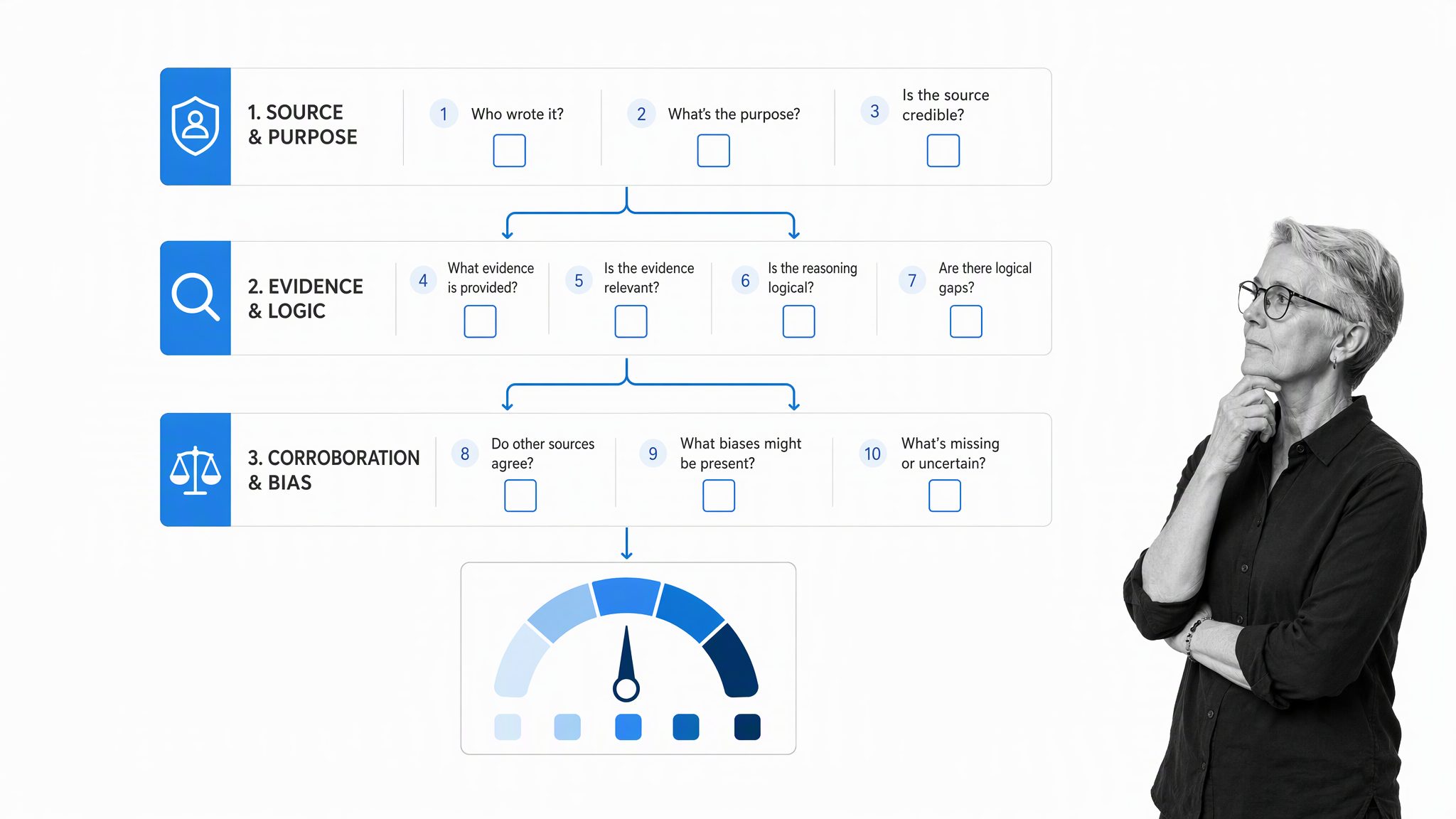
The process is deliberately slower than reacting to a headline, but it does not need to become an academic project. Match the depth of analysis to the cost of being wrong. A low-stakes curiosity may need a quick source check; a hiring, compliance, product, or investment decision deserves a documented review.
Turn the analysis into a decision record
A useful analysis should leave another person able to see how you reached your conclusion. Start with the article title, author, publication date, and URL. Record the main argument in your own words, then list the two or three claims that matter most to the decision in front of you. For each claim, note the supporting source, the type of evidence, and anything that lowers your confidence.
Keep observation separate from judgment. “The study surveyed 118 volunteers recruited from one university” is an observation. “The sample is too narrow to support a claim about all buyers” is a judgment. Both can be correct, but separating them makes the reasoning easier to review and challenge.
Use a confidence scale rather than a binary credible/not credible label. One article may report its primary evidence accurately while still generalizing too broadly. Another may contain a weak anecdote alongside a sound dataset. Rate the important claims individually, explain the uncertainty, and state what additional evidence would change the rating.
Choose the right depth for the stakes
For a quick orientation, verify the author, publication, date, main source, and one independent account. For a material business decision, go further: read the primary evidence, examine the methodology, look for conflicts and corrections, and invite someone with a different incentive to challenge the conclusion. For regulated or safety-critical work, preserve the evidence and approval trail so the review is auditable.
Time pressure is not a reason to skip analysis; it is a reason to define a minimum check. A five-minute review can still catch a recycled claim, an out-of-date statistic, a missing denominator, or a source that does not say what the article attributes to it. If the minimum check exposes uncertainty, pause the decision or label the assumption clearly.
Common article-analysis mistakes
The first mistake is judging credibility from appearance. Professional design, a familiar domain, and confident writing can coexist with weak evidence. The second is counting links instead of following them. Ten citations that all lead back to one unsupported assertion provide one source, not ten.
The third mistake is searching only for confirmation. A better search uses the claim plus words such as critique, limitation, correction, replication, or retraction. The fourth is treating disagreement as proof that nothing can be known. Competing interpretations often share a stable factual core; identify that core before comparing the disputed explanations.
The fifth mistake is confusing absence of proof with proof of absence. A study that fails to detect an effect may be underpowered, poorly measured, or genuinely informative; the design determines which interpretation is justified. The sixth is applying a checklist mechanically. The questions organize judgment, but they do not replace subject-matter knowledge or careful reading.
Finally, do not let the analysis disappear once the decision is made. Save the strongest sources, unresolved questions, confidence level, and review date. If the underlying evidence changes, the team can update the decision without repeating the entire investigation.
Read the article in passes
A pass-based approach keeps the task manageable. On the first pass, read for structure: identify the thesis, section sequence, conclusion, and the action the author wants you to take. Do not stop at every questionable detail. The goal is to understand the article on its own terms before evaluating it.
On the second pass, mark the load-bearing claims. These are the statements that, if false or overstated, would materially weaken the conclusion. Capture the evidence attached to each one and note where the author jumps from a limited finding to a broad recommendation. Most articles have only a handful of claims that deserve deep verification.
On the third pass, leave the page. Investigate the source, open the primary evidence, compare independent accounts, and search for corrections or methodological critiques. Then return to the article and revise your summary. This sequence reduces two opposite errors: rejecting an argument before understanding it, and absorbing its framing before checking the evidence.
End by writing a short verdict tied to your purpose. State what the article is useful for, which claims are well supported, which claims remain uncertain, and what decision—if any—the evidence justifies. A nuanced verdict is more actionable than declaring the entire article “good” or “bad.”
Wake up sheeple!
Skepticism is not the same as cynicism. The goal is not to reject every article or demand perfect evidence. It is to calibrate confidence: know what the source establishes, what remains uncertain, and what you should verify before acting.
If this sounds like a lot of work, remember that I have a philosophy degree. Analyzing arguments is one of the few things the degree prepared me to do without asking whether you want fries with it.
For teams, the strongest version of this habit is operational. Process Street is one Compliance Operations Platform with Docs and Ops capability areas plus built-in AI. Teams can govern source-review standards in Docs, run repeatable evidence-review workflows in Ops, and use built-in AI to support classification, summarization, and checks inside those controls.
Frequently asked questions about article analysis
What is article analysis?
Article analysis identifies an author’s main argument and evaluates the source, purpose, audience, evidence, methodology, logic, and possible bias. It explains both what the article says and how much confidence its claims deserve.
What is lateral reading?
Lateral reading means leaving the page to investigate the author and publication, compare independent coverage, and trace important claims to original evidence. It is often faster and more reliable than judging credibility from the page’s design or about section.
How can you tell whether an article is credible?
A credible article names its sources, represents evidence accurately, distinguishes fact from interpretation, explains relevant methods and limitations, and corrects errors. Credibility increases when independent sources and primary evidence support the central claims.
How do you analyze a research article differently from an opinion article?
For a research article, focus on the research question, sample, methods, measures, statistical interpretation, limitations, and replication. For an opinion article, focus on the thesis, assumptions, evidence selection, logic, counterarguments, and rhetorical framing. Both still require source and conflict checks.