All posts in Social Media

An Expert’s System to Manage Facebook Ad Campaigns

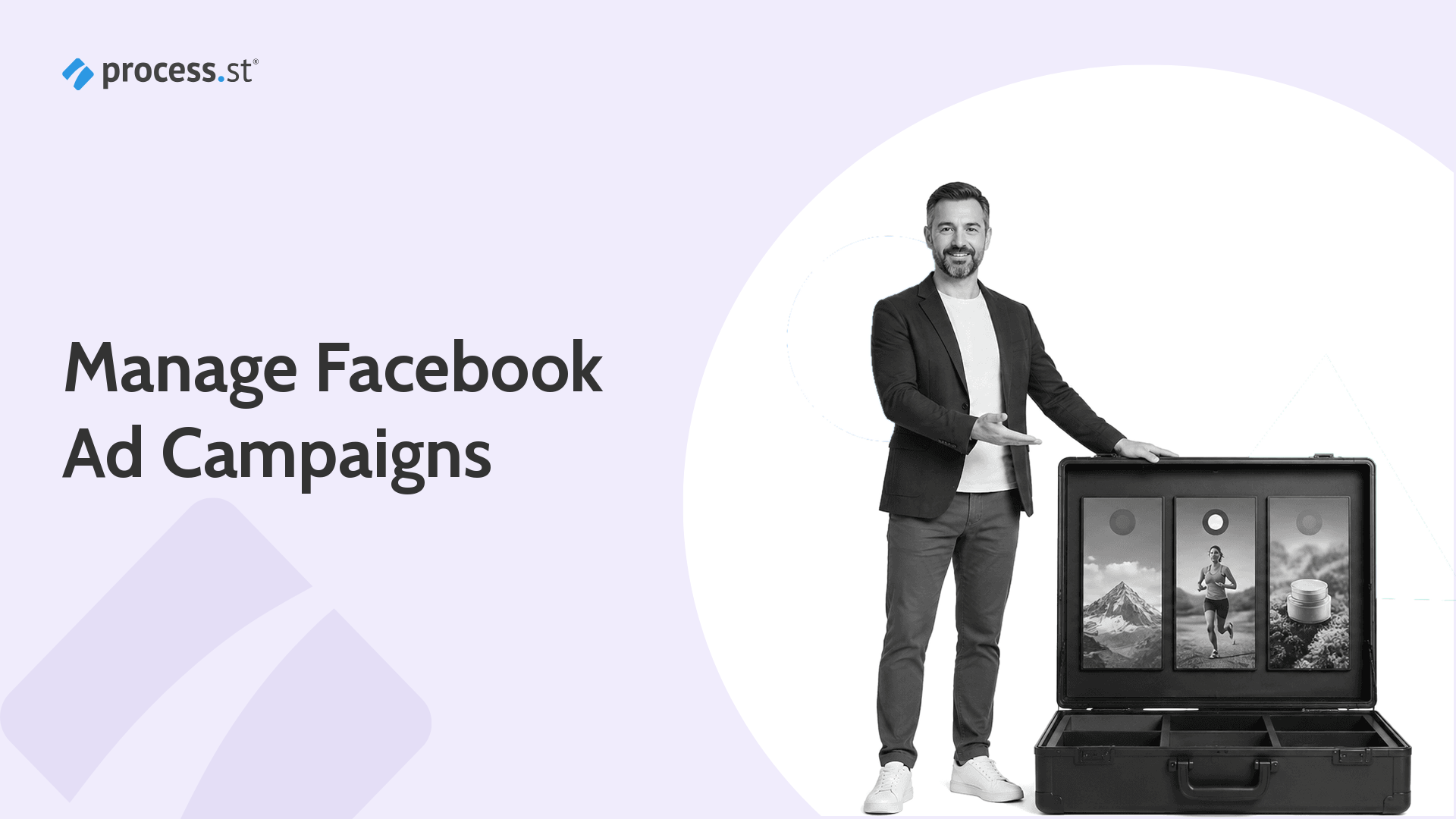
Performance marketer presenting an organized Facebook ad campaign testing case

In this 2016 episode of Business Systems Explored, Armando Biondi, then CEO of AdEspresso, explains the expert system he used to manage Facebook ad campaigns through disciplined testing.

If you have ever run a quick Facebook campaign to test the waters, you know what a shot in the dark it can be. A first tentative campaign can produce a painfully high cost per click and very little else.

Continue Reading

6 Ways to Combine Social Media and SEO to Boost Authority

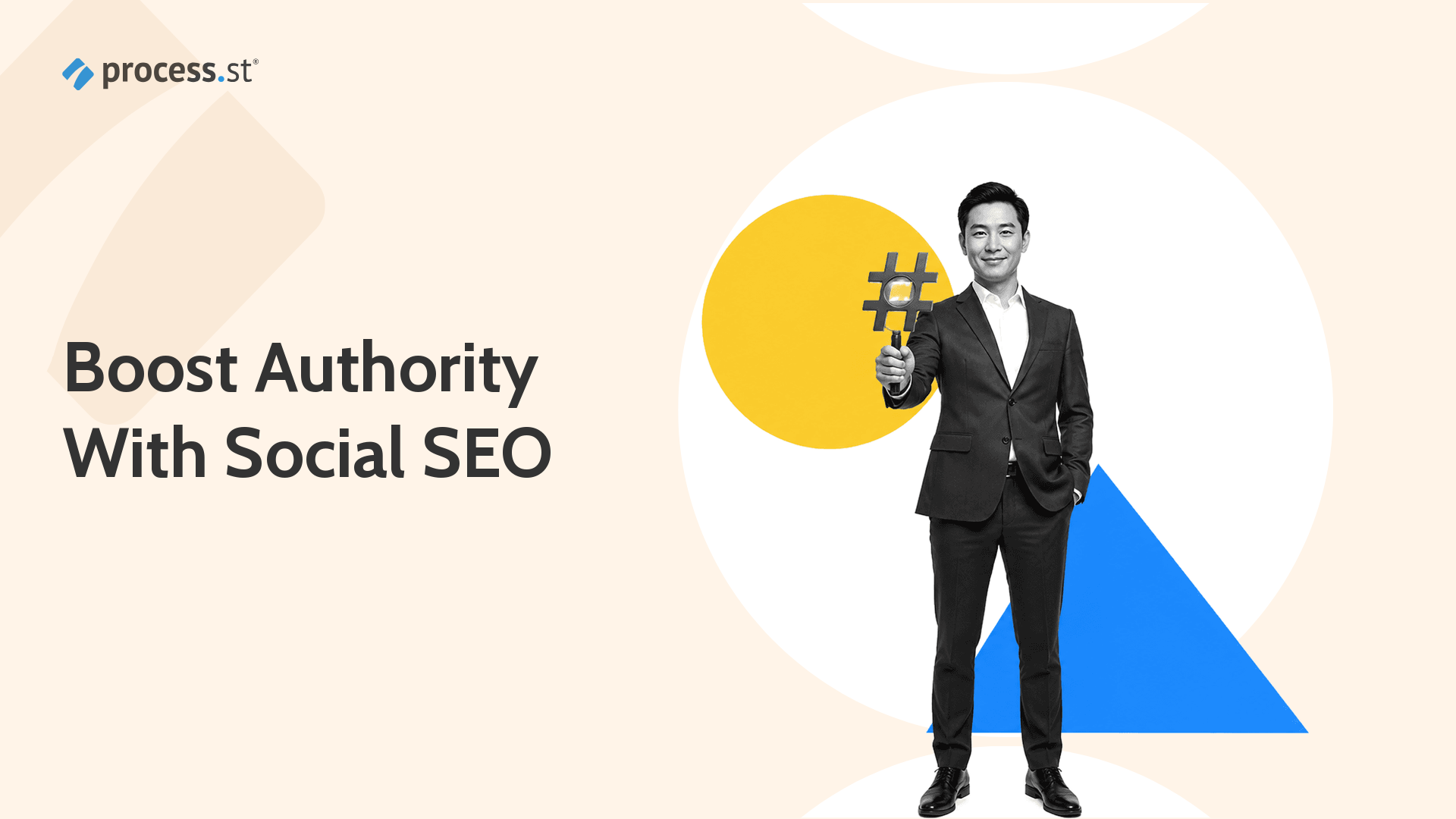
Marketing strategist holding a hashtag-shaped magnifying glass for social media and SEO

The following is a guest post from Martin Harrison, the co-founder of Copify.

SEO and social media work best when they make the same audience signals easier to find, trust, and act on. Search engines do not treat every like or follower as a direct ranking factor, but social media SEO can still strengthen authority by increasing discovery, branded demand, mentions, links, and repeat engagement.

Continue Reading

7 Reasons Why Social Selling Is A Must For Every Salesperson

B2B salesperson presenting a social selling signal board

This is a guest post from Deepti Jain, a sales and marketing specialist at AeroLeads.

Social selling is the practice of using social networks to identify the right prospects, understand what they care about, build trust, and start better sales conversations. It is not the same as posting for reach or pushing a pitch into someone's inbox. Good social selling combines listening, helpful engagement, proof, and disciplined follow-up.

Continue Reading

3 Ways to Repurpose Instagram Content for Your Email Marketing

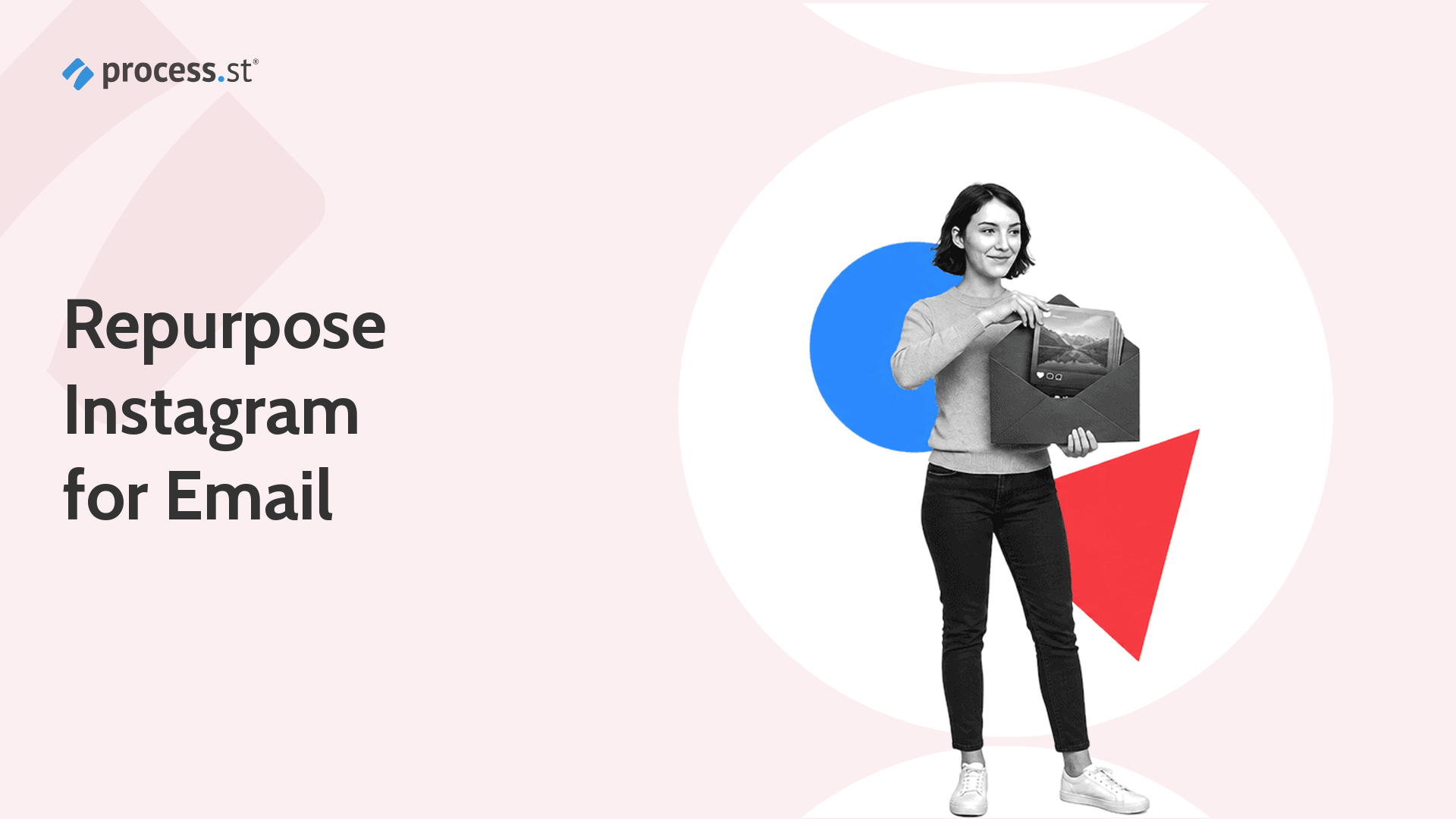
Black-and-white email marketer placing Instagram-style photo cards into an email envelope for a campaign

Natasha Ponomaroff is the Senior Marketing Director of Instasize, a content creating toolkit for anyone editing photos and online content on mobile. A weekly contributor on the site’s blog, Natasha tracks social media trends and shares guidance for the millions of creatives using Instasize to curate online content.

Seeking to establish a well-rounded online presence? There are many different digital marketing channels to choose from, and all of them contribute to a holistic online strategy. To succeed, you need to know how to pair the right kind of content with the most suitable platform.

Continue Reading

What Are the Best Christmas Ads EVER Made? (And Why You Should Care)

Christmas ads

Q: What do you get if you cross Santa with a duck?
A: A Christmas quacker!

The only thing better than a good old Christmas cracker joke is a good old Christmas ad.

Festive, heartwarming, and thought-provoking, TV Christmas ads signify the start of Christmas.

And they’re a marketers dream. According to research, for every $1.30 that’s spent making a Christmas ad, retailers can expect to get $31 back.

How do Christmas ads generate so much revenue? When did Christmas ads become such a huge deal? What are the best Christmas ads EVER made? And what makes a Christmas ad the best EVER?

Time to find out as we get ‘Santa-mental’ and ‘sleigh’ our way through the following topics in this Process Street post:

Ready? Hold on for ‘deer’ life and let’s ‘snow’…

(The ‘presents’ of these terrible Christmas puns do ‘snow’ down – I promise.) Continue Reading

How To Create The Perfect Social Media Content Calendar Process (Free Template)

social-media-content-calendar

“An hour of planning can save you ten hours of doing.” – Dale Carnegie

The formula for success on social media can seem like trying to pick the lottery’s winning numbers – impossible, with a dash of blind luck. What if you could predict some of the outcomes? The game becomes a lot easier, right?

One of the keys to success on social media is creating a well-thought-out social media content calendar process – another is executing it!

Having worked for a creative marketing agency, I understand the difficulty of creating a well-structured social media content calendar process. Waiting for approvals from your clients feels like rallying against Roger Federer at Wimbledon (his social media game is ace too). While cornering your colleague who still owes you that spellcheck is awkward at best.

So how do you become the Roger Federer of social media?

All it takes is a 3-step process to get the ultimate social media content calendar. But first, let’s see what you’ll learn about in this blog post.

Click the headings to jump ahead, or stick with me as we rally for serve.
Continue Reading

How to Use Social Media for Indie Game Marketing: A Beginners Guide

indie game marketing

Travis Taborek is an SEO and content marketing specialist based in the San Francisco Bay Area. He’s a graduate of General Assembly’s digital marketing course, and has since written content and optimized websites for Wescover and TiVo. He also has a side-business doing PR and social media work for indie games and reviews indie games in his spare time. His most recent accomplishment was finishing Homestuck and thereby winning shelter-in-place.

Back in 2011, you might have been able to get away with uploading your indie game to Steam’s marketplace and expect a revenue of $30-50K in the first year, without any effort or marketing knowledge.

Hell, you might have even been able to get away with that as late as 2014. But these golden days for indie game developers are long gone.

Steam has made many changes to the way it promotes indie games and the current market is far more saturated. There are more game developers than ever and tools like Unity and Unreal have made game development more accessible than ever.

Just getting that final build finished and uploaded to your storefront of choice is no longer enough. To have a successful launch, whether you’re a solo dev or a small team, you have to understand how to market your game.

In principle, marketing your game is relatively straightforward; you just need to know where to start. If you understand who you’re making the game for (your audience) and how to talk about your game as a product (meaning: you’re able to communicate what your game offers and how that aligns to the expectations of your target audience), then you’ve already done most of the hard work. The rest is as simple as following a process.

Once you have this base knowledge, it’s just about taking your product to market and doing the legwork that’s involved with getting the word out and making sure you get eyes on the finished product.

This Process Street article takes a look at one strategy for marketing your indie game: social media marketing.

What is social media marketing?

It’s basically exactly what it sounds like: using social media to get your game in front of your target audience. The term ‘social media marketing’ is a bit vague and encompasses a bunch of different approaches; we’ll be looking at some of the different ways you can use social media to market your game in this article.

Social media marketing is great for connecting on an intimate level with your fans and building lasting communities around your game, from early development until launch, and beyond. When done properly, it can allow you to develop trusting relationships with your audience that will drive them to not just purchase one of your games, but every game you put out.

Here’s a high-level overview of what we’ll be looking at:

Let’s get started beginning with the theory of social media marketing.
Continue Reading

Social Media Marketing Automation: Top 5 Tools and 7 Free Checklists

Social Media Marketing Automation Top 5 Tools and 7 Free Checklists-01

This is a guest post by Tom Siani, an online marketing expert with up to 4 years of experience in the digital industry. He is also collaborating with some well-known brands to generate traffic, create a sales funnel, and increase online sales. He has written a considerable number of articles about marketing via social media, brand marketing, blogging, and search visibility.

With over 50% of the world’s population using social media, a number that is only increasing, you can see how social media marketing is critical for reaching potential customers and driving sales.

With this in mind, in this Process Street article we look at how you can improve your social media marketing strategy to get ahead of the game. Specifically, we turn our attention to social media marketing automation.

We’ll explain the advantages of using social media marketing automation as part of your social media marketing strategy, in addition to presenting you with our top 5 social media marketing automation tools you can sign up and use today. Sound good?

But wait there is more!

To kick-off this article, I present Process Street as your critical social media marketing accomplice.

At Process Street, we have been working hard to provide you with practical template tools to assist you in delivering an optimal social media marketing strategy.

These template resources are listed below. Click on the links provided to jump straight in. Alternatively, scroll down to find out more.

If you want to jump to a specific section in this article, click on the relevant subheader below. If not, continue scrolling!

Let’s get started!
Continue Reading

Instagram Marketing Tips for Business: How to Get More Email List Subscribers

Instagram Marketing Tips for Business: How to Get More Email List Subscribers

This is a guest post from Hugh Beaulac, a content strategist at MC2 who also works as a social media manager. With over 6 years of digital marketing experience, Hugh helps small and medium businesses grow online and likes to share his tips and tricks with top-notch marketing blogs like Wordstream, CrazyEgg, and Semrush. Follow him on Twitter to read his latest articles on Instagram marketing.

In the era of social media, when over 2.82 billion people have at least one social media account, email marketing isn’t the most obvious marketing tool.

It’s no wonder that more and more brands use social media platforms to promote their products and services as their target audience is active on these channels.

But here’s the thing: Although email is one of the oldest messaging channels, it still matters.

Why? Because nearly all social media users have active email accounts.

Recent Hubspot report claims that email marketing is still effective: 99% of customers check their email every day, 73% of people claim that email is the preferred communication channel to receive branded news and offers, and 59% of customers say marketing emails influence their purchase decisions.

For marketers, this means that combining social media and email marketing is a must. And with the growing popularity of Instagram marketing, there’s a perfect way to connect with engaged users and get more email list subscribers.

In this Process Street article, we’re covering:

Let’s take a look at four effective ways to grow your email list with Instagram.
Continue Reading

Building an All-powerful Influencer Marketing Strategy

This is a guest post by Adlin Sherley, an enthusiastic writer specializing in social media marketing techniques. She has a healthy obsession with writing, reading and catching up with her friends. Her passion is to help people in all aspects of marketing through the content she provides.

If you have a product, service or even just an idea that is worth selling, how would you do it? How would you let people know?

In the world of business, certain principles have been relevant for centuries. The concepts of promotion and marketing have existed for as long as humans have been trading.

Humans have always used their voices to communicate, tell stories, and spread messages, which is why word of mouth is still one of the simplest yet most effective ways of marketing something.

Before the internet or advent of the printing press, marketing moved slower. Person A used or came across something that caught their attention, and then they went around spreading the word to B, C, D, and whoever else was along the way. Arguably, it was a lot easier to convince people back then.

One thing that has changed with the advent of digital technology, is the speed and reach of marketing and advertising tools.

Enter the digital era

As we enter into the age of information, technology has made reaching large numbers of people as easy as a single click.

On the other hand, this means that competition in the attention-economy is fiercer than ever, with the coveted-yet-fickle attention span of individuals the shining prize.

“Going viral is not an outcome; it’s a happening. Sometimes it happens; sometimes it doesn’t. Just remember, fans are vanity and sales are sanity.” – Lori Taylor (@lorirtaylor)

Analogies aside, marketing today is a matter of strategy; well-planned, well-implemented, and continuously improved upon. If your marketing strategy is bang-on, then there’s nothing stopping you.

Conversely, a single wrong move could set you back tremendously, and that’s why it’s important to establish a process.

Breaking down digital marketing

Here are some base points we want to touch on before we move on to the meatier part of this article:

  • Digital marketing is diverse, but still functions on the base principles of marketing
  • Social media is, and probably will be for a very long time, the most sought-after platform for digital marketing
  • Social media has a usable database of over a billion people
  • For the past two years and probably for the next decade, influencer marketing has massive scope for both big and small brands
  • Digital Marketing is very content driven, both textual and visual, and the consumer today is a highly aware one
  • As you’re reading this article, at least 100 million people are online, scrolling through a feed that is 60% marketing is various forms (direct and indirect)

Influencer marketing strategy: A crash-course

Whether you’re familiar with the concept of influencer marketing or not, we’re going to try and break it all down for you. Platforms like Instagram, Facebook, and YouTube are the most commonly used digital vehicles for Influencers.

Influencers are like the people who were originally invited as guests to a party, but then decided they could be of some use and started helping the host out. By the end of the night, they are running the party themselves, while the actual host just sits back and relaxes.

Influencers are regular people; consumers who are part of the target audience when a brand is drawing up its primary marketing plan.

The only difference now is that a certain chunk of these consumers is becoming a part of the marketing plan because they add both quantitative and qualitative value.

Source

In simpler words, brands want to reach more people and make more money; Influencers want to do the exact same thing. Et voila! A common ground that creates space for influencer marketing to flourish.

Word of mouth has gotten a makeover, a virtual one, and influencer marketing is an extension born of the digital age. And if the numbers are anything to go by, it’s doing pretty well.

Building an influencer marketing strategy for 2019

2019 has been touted as the year that influencer marketing generates a major portion of the revenue for brands that decide to market extensively on digital platforms. So, if you are a company/brand that’s looking to build a strategy with a higher success than failure rate, read on.

Let’s break down the strategizing process into steps:

  • Step 1: Define your target audience
  • Step 2: List out your objective(s)
  • Step 3: Do your research
  • Step 4: Shortlist the Influencers
  • Step 5: Do a comprehensive background check
  • Step 6: Design your campaign
  • Step 7: Execute your plan
  • Step 8: Measure your return on investment (ROI)
  • Step 9: Plan for phase 2
  • Step 10: Move on to the next campaign

Now that we have the framework for the strategy let’s also understand the more in-depth version of it.

Step 1: Define your target audience

Not just for an influencer marketing plan, for any marketing plan at all the target audience needs to be defined and fully understood.

If you don’t know who you’re catering to, or who is most likely to be associated with your brand, then you probably need to go back to the drawing board. On digital media, the age-spectrum of the audience is vast, which is why you need to find your segment and focus on that.

The lack of targeting in marketing leads to wasted resources and building plans that aren’t as concrete as they should be.

It’s like standing in a shooting range and firing indiscriminately, hoping that it will hit the target eventually.

To avoid wasting time and effort, it’s always smarter to just know who your audience is, what their preferences are, and why they would be inclined to purchase your product or service.

Step 2: List your objectives

Next, you’ve got to ask yourself (and your team) this: Why are we drawing up this plan and what do we hope to achieve?

The long-term goal is always the same – to increase sales and revenue. However, there are a lot of other goals and objectives along the way that you need to focus on as well. Is it brand recognition? Or is it increasing your market share? Or simple expanding your reach?

Whatever your goals, figuring out your process can help align those goals with the work you’re actually doing. You may want to consider using a prioritization matrix to figure out what needs to be done first.

Using Process Street to build, run, and improve your business processes will help you hit your goals in the long run. It’s pretty simple:

influencer marketing strategy

There can be multiple objectives, and recognizing them really helps with forging the path ahead of you.

Sometimes the short-term goals are more important than the long-term ones, which means you might have to incur certain expenses now to be able to increase your overall revenue later on.

For influencer marketing, the collaterals delivered by both you and the Influencer are mostly focused on reaching out to more people and increasing the customer base of the brand.

Once you do that successfully, sales and revenue are bound to see a spike.

Step 3: Do your research

Source

With your immediate objectives clearly listed out, you can set out on doing your research.

This research would include finding out about current market trends, campaigns that are doing well or and even those that aren’t, relevant market research for your brand’s niche, figuring out which digital platform would be more suitable for you, and also laying out your potential expenditure for the kind of campaigns you’re trying to create.

All of this pretty much lays the foundation for the building that you’re trying to construct. If influencer marketing is going to hold your fort, then you also have to ensure that your fort is strong enough by itself too.

The bottom line is to be fully informed and aware before you move on to the next steps because the right research will steer you in the right direction.

Step 4: Shortlist the influencers

This again involves a lot of research, because you need to know who the most bankable Influencers are at this point and also understand whether or not they would add value to your brand.

Not every influencer is the right one for you, irrespective of how many followers they have. If their niche matches yours, or rather can encompass your brand in it, then you know you’re making a safe choice.

It’s a smart idea to get in touch with multiple influencers, explain your brand’s ideologies to them, and understand whether or not they’d be able to advocate your brand’s personality through their own.

Remember, the audience of an influencer is persuaded by their choices, and they follow them for a reason, so your brand can either fit into the flow or get lost amidst the clutter.

Step 5: Do a calculative background check

This step has more to do with the numbers, which is really quite essential. A background check on the Influencers you shortlist helps you understand what type of content they produce, the quality you can expect, and also the kind of engagement their previous posts have received.

More engagement and more followers means better reach, but the quality of those followers is also important.

Sometimes you’ll see Influencers with not more than 10,000 followers are having better engagement numbers when compared to those with 50,000 followers. And that’s when you need to make a choice between just numbers and actual quality content.

Step 6: Design your campaign

Once you have your chosen Influencers to get on board, your next step would be to design a campaign based on your earlier aligned objectives. While you might be wondering why designing the campaign isn’t being done at an earlier stage, there’s a very solid reason for this.

Designing a campaign along with your Influencers is a smarter choice, simply because their input could make a significant difference in how your campaign turns out.

Another reason is that since they’re the ones who are going to be primarily working the campaign, you want to make sure that all of you are on the same page as well. And if the execution is to be successful, there has to be a lot of teamwork and brainstorming going into it.

Step 7: Execute your plan

social media outreach

The execution is very important, but you already knew that. The real task is improvising when things don’t go according to plan. When there are more overheads involved, the risks can also be higher. In that case, especially, it’s always smarter to have a Plan B for your execution.

One of the things you can do to ensure success in executing your plan is to use Process Street to run a checklist. That might mean building the process by creating and editing a template, or using one of our custom-built templates like this social media influencer outreach checklist.

By using Process Street, you can streamline the whole process with features like conditional logic and dynamic due dates that eliminate much of the repetitive work you’d usually be burdened with.

For example, in the social media manager outreach checklist, form fields collect important information as you complete the checklist, so you can consolidate everything into and send an outreach email without ever leaving Process Street.

Here’s the social media marketing outreach checklist presented as an embedded template:

Process Street is a BPM software, and you can use it for literally anything that needs a process. Check out this video for more ideas how to use Process Street for your influencer marketing strategy, like how you might streamline the influencer onboarding process:

Usually, if Step 1 to 6 has worked out well for you, then Step 7 plays out pretty smoothly too. Your target should ideally be to get the word out about your campaign; both pre and post need to be done step by step.

Your Influencers play a massive part in bumping up the numbers to make the execution a success, and team players will ensure that this happens.

Step 8: Measure your return on investment (ROI)

The work doesn’t stop post-execution and completion of the campaign. After this, you’ll need to figure out how well your campaign performed by measuring your ROI. Were your objectives achieved? Did you reach the target set? Did your Influencers deliver what they said they would?

This assessment helps you understand where you can improve, what part of the strategy you need to repeat to make your next campaigns successful, and also whether or not the alliance formed with the Influencers would be beneficial for you in the future. Even if you do not see the numbers in terms of sales, seeing an increase in reach and digital presence is just as crucial for your brand.

Step 9: Plan for phase 2

With all your results and data in hand, it’s time to start planning for your next campaign. The key takeaway here is that you shouldn’t stop once you’ve got the ball rolling. Influencer marketing is a continuous process. When you have a set bandwagon of Influencers in hand, it’s smart to build an ongoing relationship with them and carry that forward to your future campaigns as well.

If the partnership works, you’re going to see a boost in following, digital presence, and most definitely in revenue and sales as well. For the bigger picture to become a reality, you need to make a conscious effort to keep rolling out new campaigns and always have your audience engaged with the brand.

Step 10: Move on to the next campaign

As you move on to the next influencer marketing campaign, you’re already going to have a good idea of what has worked for you thus far and what has backfired. Even if you need to go back to the drawing board and start from Step 1, don’t worry. Sometimes it takes a failed campaign to perfect the next one.

A brand needs to typically engage their audience in 5-6 campaigns in a year, although not all of these need to be influencer marketing campaigns. Many brands choose to have a separate set of campaigns dedicated solely to Influencers, and that works out better because the target audience and business goals are more focused.

More social media marketing resources

Business process management is applicable to just about every aspect of your company, from on-page SEO to social media manager daily tasks. Building and using processes for every aspect of the social media influencer marketing strategy can help you to improve success rate and stop wasting time on tedious manual tasks that can easily be automated.

Check out these resources for more ideas how to start implementing marketing processes for your business:

In conclusion

The trends in influencer marketing are continually changing, which is why you need to always be up to speed and ready to take on new challenges.

Recent statistics have shown that brands have seen a significant increase in market presence in a comparatively shorter time due to influencer marketing.

Believe it or not, Forbes claims that it is going to become a $10 billion global industry by the year 2020, so it’d be completely within your interests to cash in on this rapidly growing marketing opportunity.

It’s the ship that might never sink, and you’ve got to make a spot for yourself before it sails away.

How does your influencer marketing strategy differ from this one? Let us know in the comments below. We’re always seeking to improve and expand upon existing processes.

Take control of your workflows today