


Fake news is false or misleading information presented as reporting and amplified through distribution systems that reward attention before verification.
News subscriptions can improve the economics behind quality journalism by giving publishers and independent writers a direct relationship with readers. They cannot stop misinformation by themselves, but they can reduce dependence on low value clicks, support deeper reporting, and give trustworthy digital content a durable source of revenue.
The case rests on three ideas: fake news predates social media, business models shape what media organizations produce, and readers can strengthen better reporting when they pay for work they value. The tradeoffs matter too. Paywalls can restrict access, subscriptions can fund partisan work, and platforms still control much of what audiences discover.
What is fake news and how did we get here?

Honestly, people are definitely dumber. They just keep passing stuff around. Nobody fact-checks anything anymoreBuzzfeed News did a report looking at media output in the build up to the 2016 US elections. They found that fake news was prevalent on both sides of the political spectrum:
A BuzzFeed News analysis found that three big right-wing Facebook pages published false or misleading information 38% of the time during the period analyzed, and three large left-wing pages did so in nearly 20% of posts.The important thing within the Buzzfeed study is that they weren’t looking only at publications producing journalism and online content, but looking at these new forms of media distribution – in this instance, Facebook groups and pages. It seems to be a crucial distinction to make, because the modern phenomena of fake news cannot be separated from these two key features:
- Intentionally false or misleading reporting
- Unaccountable viral distribution networks
Ye olde fake news
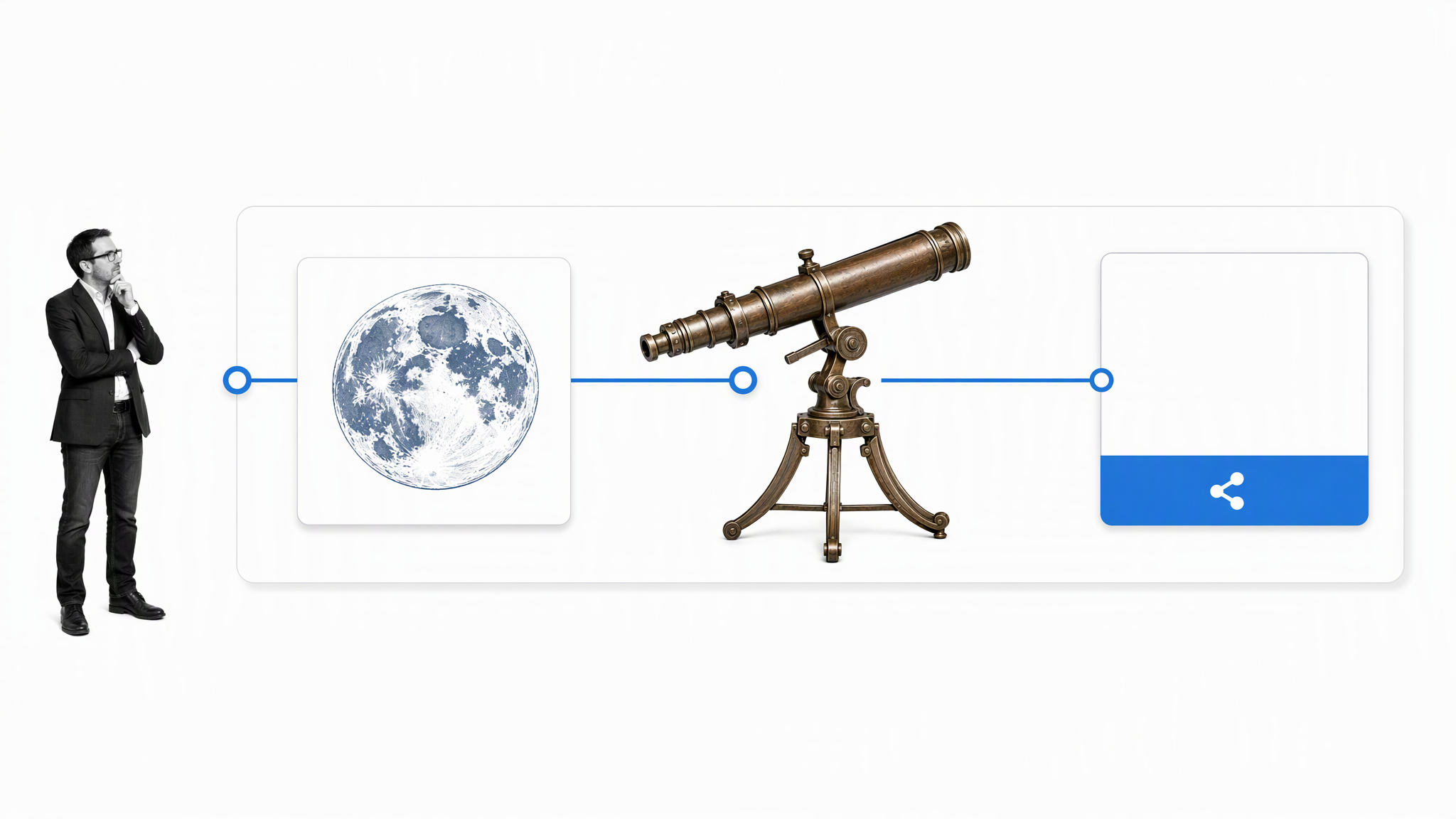
In 1835, the New York Sun reported that the British astronomer Sir John Herschel had discovered life on the moon using new telescope technology…of vast dimensions and an entirely new principle.The paper claimed the astronomer had seen bison, winged beavers, and “man-bats”.
A lie gets halfway around the world before the truth has a chance to get its pants on.But in an article about fake news it would seem inappropriate to leave out that there is little evidence he ever said this. Instead, I’ll give you this Jonathan Swift version from 1710:
Falsehood flies, and the Truth comes limping after it; so that when Men come to be undeceiv’d, it is too late; the Jest is over, and the Tale has had its Effect…
Every action has an equal and opposite reaction
Subscriptions to high-trust publications remain a durable model
Reader revenue is not booming everywhere, but it remains one of the clearest ways to align a publication with the people who value its work. The Reuters Institute Digital News Report found that the share of people paying for online news across its long-running group of markets was stable at 17%. That is a limited market, not a universal solution for every media company.
The same research found something more useful for the argument here. Many paying readers are motivated not only by access to content but by a desire to support journalism they consider important. Highly engaged news users are a smaller audience than they once were, but they remain comparatively willing to pay. A publication that earns their trust has a direct economic reason to keep earning it.
Current publisher results show what that relationship can look like in practice. The Guardian’s latest statutory-account summary describes continued growth in digital reader revenue and recurring supporters. That does not prove every newsroom can copy the model. The Guardian has a global brand, a large audience, and a distinctive ownership structure. It does show that asking readers to fund reporting directly can support a substantial news operation without putting every article behind a hard paywall.
Subscriptions also reduce one pressure without removing every other one. A newsroom with recurring reader revenue still has to acquire and retain subscribers, and that can produce its own sensationalism or ideological lock-in. The advantage is narrower: the publication does not have to treat every page view as an advertising unit.
Clickbait did not die, but its economics are easier to see
Clickbait survives because attention still has value. The format changes, from exaggerated headlines to outrage clips, reaction posts, and notifications designed to trigger an immediate response. The old assumption that readers would simply become immune was too optimistic.
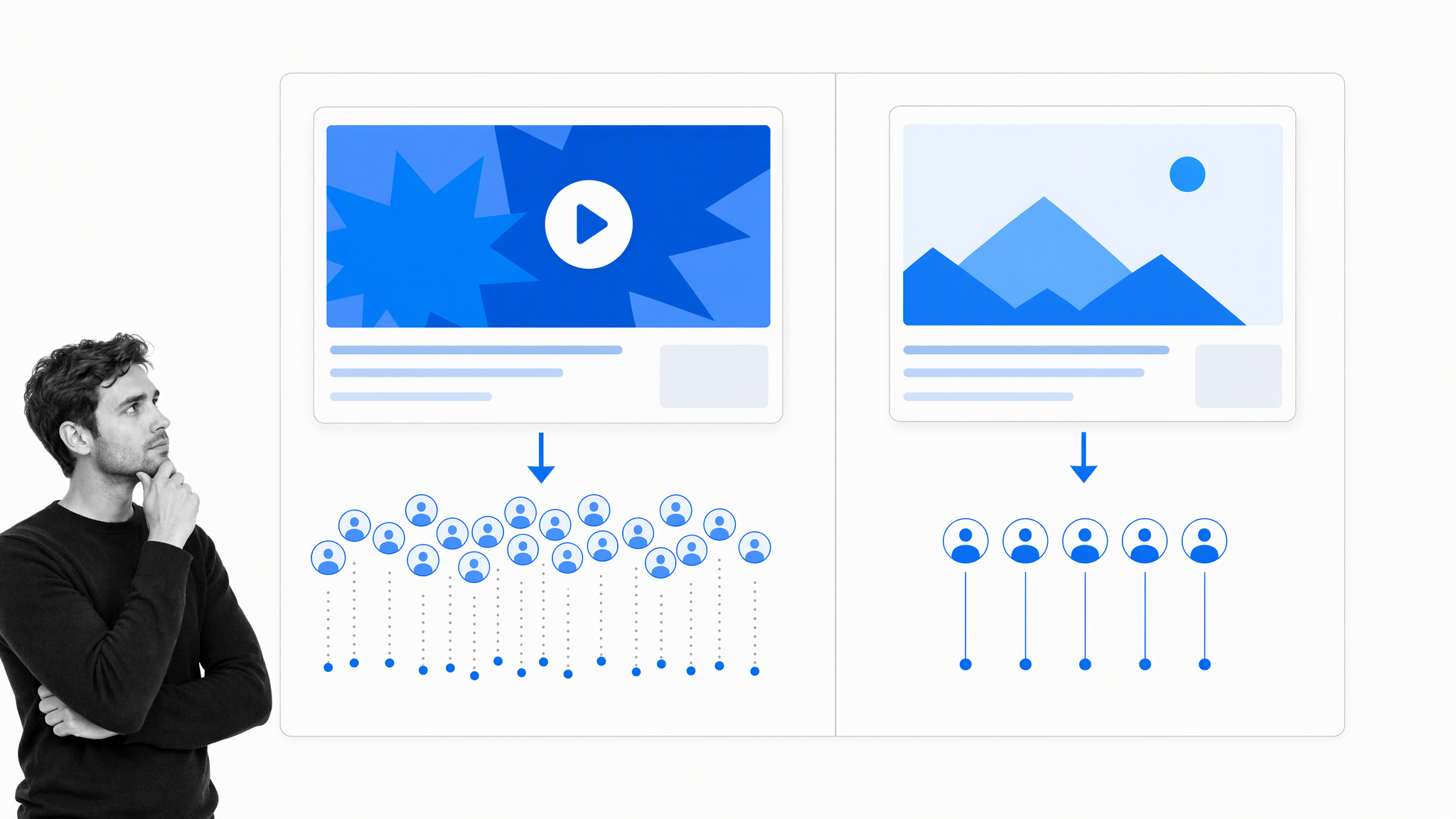
The durable lesson is to follow the incentive. Advertising rewards reach and frequency. Subscriptions reward enough continuing value that a reader chooses to stay. Neither model guarantees good journalism, but they create different pressures. When revenue depends on a lasting relationship, disappointing a reader is more expensive than losing one accidental click.
Platforms and AI systems now define discovery
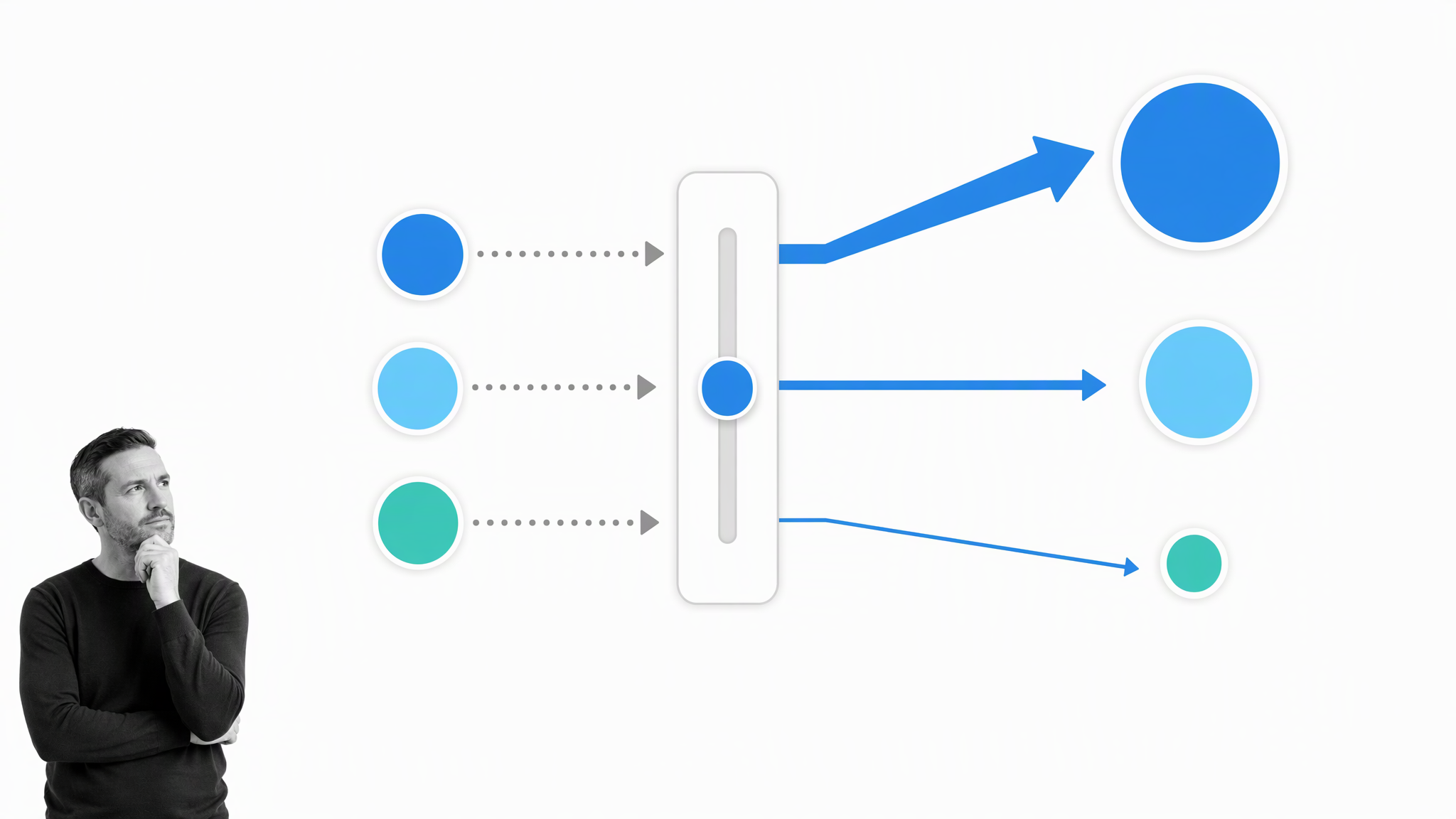
The distribution problem has become more concentrated, not less. In the Reuters Institute report, social media and video networks became the most widely used source of news globally, ahead of television and news organizations’ own sites and apps. Add AI chatbots and the share rises further. Publishers increasingly depend on systems they do not control to reach readers.
That matters because people report lower trust in news encountered through social platforms and AI chatbots than in news overall. Convenience still wins. A person may distrust a feed while continuing to use it as the place where news appears. This creates a difficult loop: platforms influence discovery, publishers optimize for platform distribution, and the direct relationship between reader and newsroom weakens.
Verification has to happen before amplification
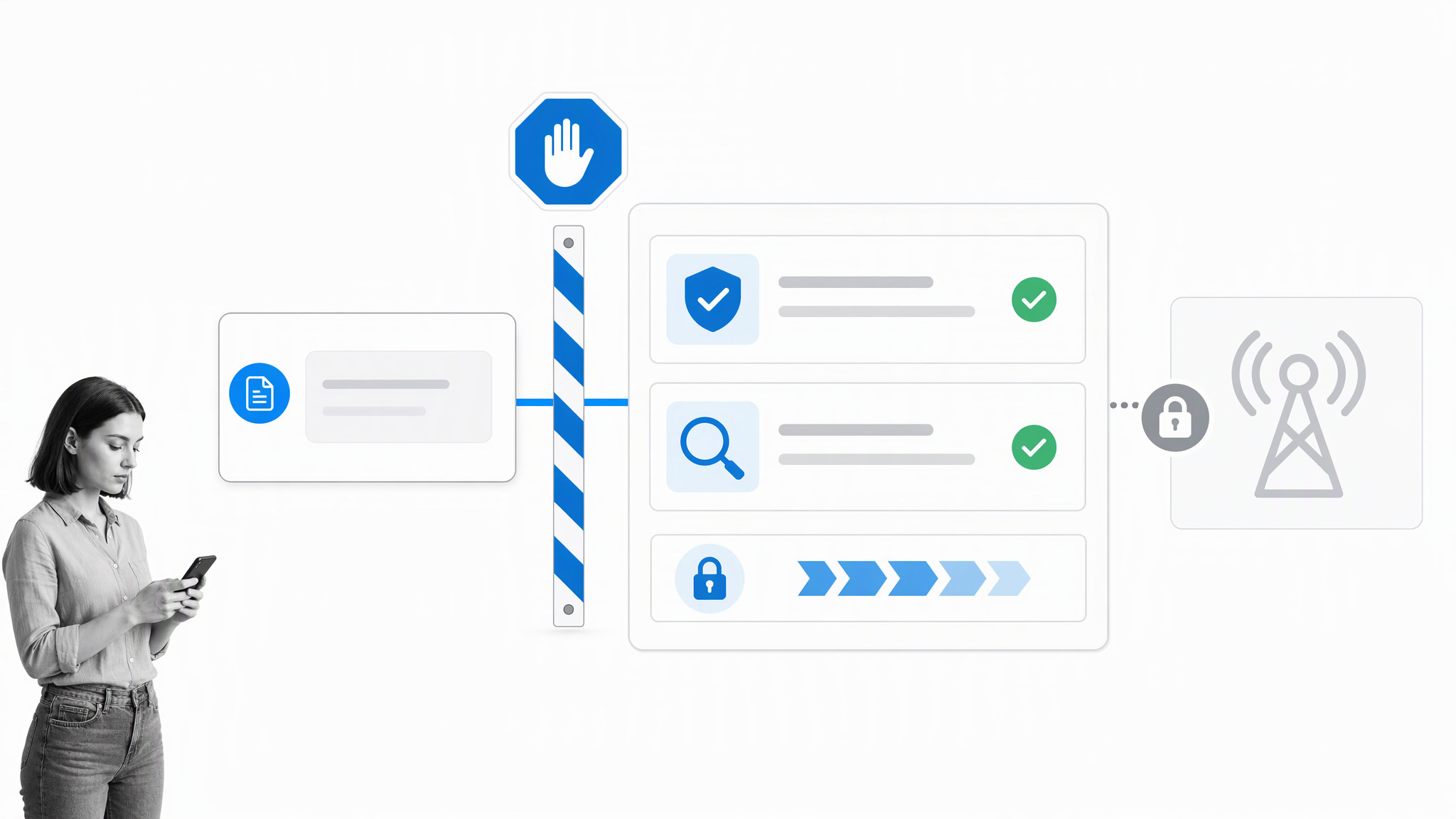
The answer is not a magical ranking model that can identify truth at scale. Breaking news is uncertain, evidence changes, and bad actors adapt to every rule. AI makes the volume problem worse because convincing text, images, audio, and video can be produced faster than a newsroom or platform can investigate them.
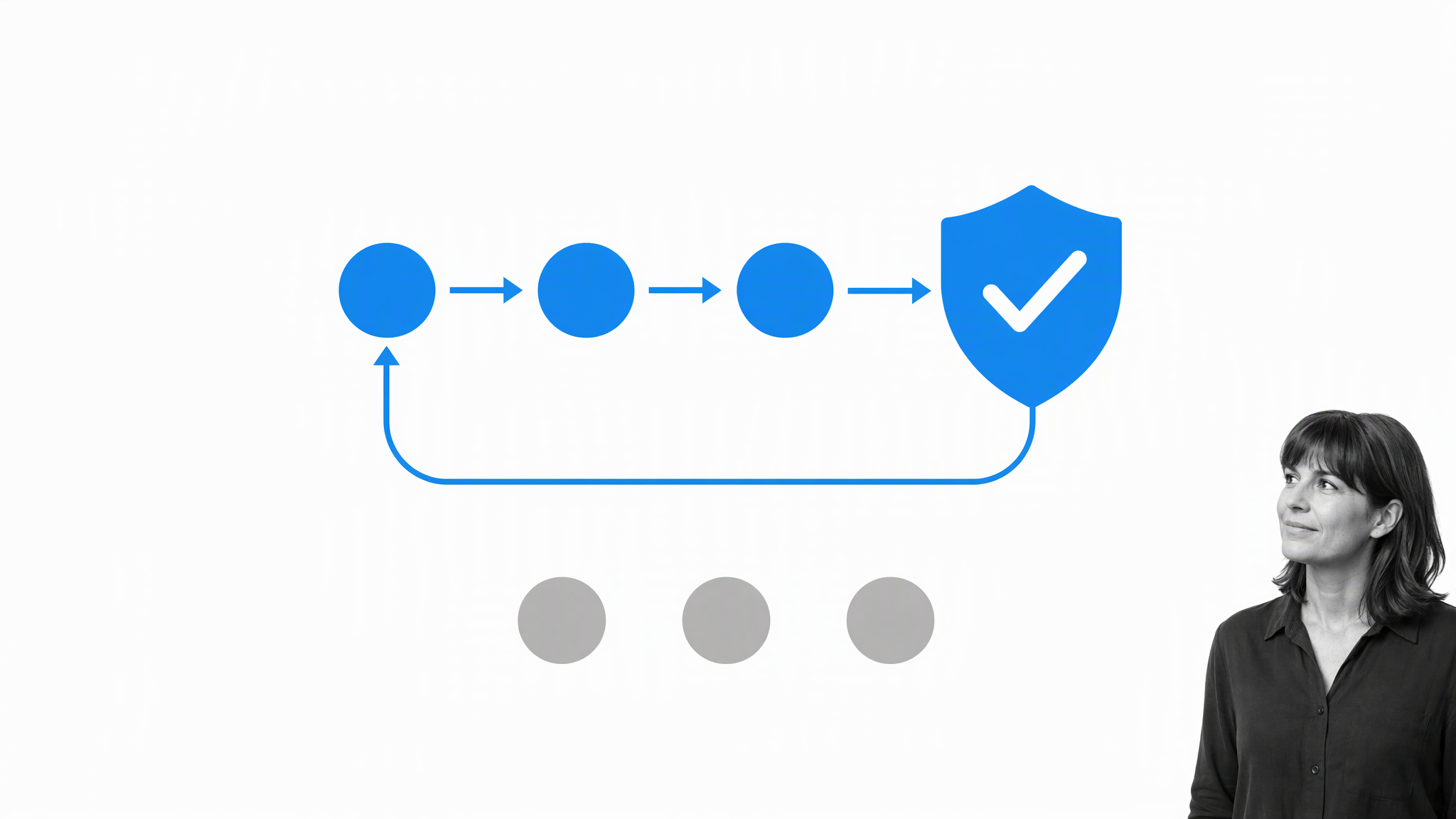
Platforms can still slow obvious abuse, label manipulated media, expose provenance, and give credible corrections real distribution. Newsrooms can publish source documents, explain uncertainty, and correct errors visibly. Readers can pause before sharing. None of these steps is sufficient alone, but each one moves verification earlier in the chain.
How the subscription model improved television
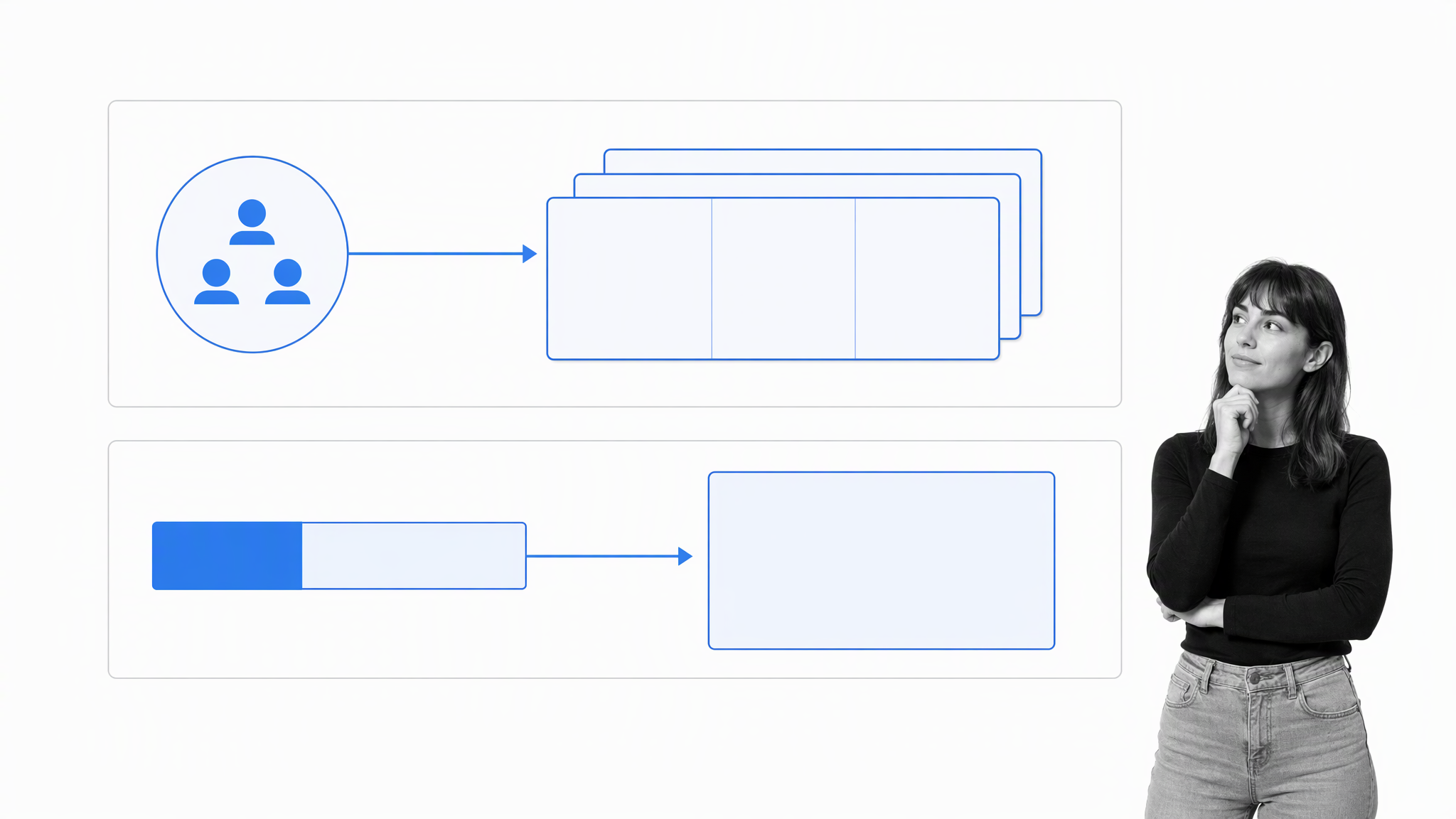
Fabien Accominotti, a sociologist at the London School of Economics, has studied the Paris art market between 1870 and 1930, when a succession of radically innovative movements emerged — Impressionism, Cubism, Fauvism — along with a new class of superstar artists, such as Monet and Picasso. Reading art history books, it is easy to assume that this flourishing was a happy accident coinciding with the arrival of some exceptionally gifted artists. Accominotti argues that to understand the art, you need to follow the money.Leslie goes on to explain the relationship between the artists of the current Golden Age of Television and the money which funds them. He draws a connection between the break up of the television market from just the big studios to a series of competing organizations – away from the segmented shows, timetabled, and stuffed with ad breaks, to new modes of consumption. Shows tended towards simplicity because simplicity sells, which opened space for new more challenging media.
If a large and inattentive audience was more valuable to broadcasters than a small and loyal one, then for HBO it was the other way around. Funded by subscription, it didn’t have to worry about ratings but it did have to make viewers feel it had something worth paying for. The rise of what the cultural critic Anna Leszkiewicz calls “the avid viewer” therefore represented an opportunity. HBO already had a niche in the market; now there was a market in the niche.HBO wasn’t successful because it had a subscription but because it understood how that subscription allowed it to explore and service its niche. Leslie claims The Sopranos was the iconoclastic show HBO needed to break the accepted norms of television and deliver complex, slow burning, morally difficult programming. Mad Men, Rome, The Wire, Breaking Bad, Game of Thrones… all owe a debt to this break through. The emergence of streaming services became a natural continuation of this pattern:
“Streaming is the culmination of a change that has been coming for decades,” Joe Lewis, of Amazon Studios, told me. “If there are just three TV networks, and one TV in the house, then your goal is to get viewers to not turn you off. When there’s a huge number of great shows worthy of your time, and lots of TVs, or TV-enabled devices, in the house, the challenge becomes getting someone to turn your show on — which means turning that person on.”Imagine this mentality in the context of clickbait and journalism. Or in the historical change of moving from print media with your one trusty source to online, where sources abound. What Leslie demonstrates is that in a pluralistic landscape, the quality of television declined when competing for ratings, but increased dramatically when its aim was to provide quality for a captive subscribed audience. This in itself doesn’t destroy fake news. The subscriber model does nothing against hyper-partisan political smears, but it does systematically discourage the low effort fake news that aims to make money through hits and clicks.
The subscription model could help save journalism
Subscriptions can fund reporting that advertising alone may not support, but they also create an access problem. A healthy information system needs several models at once: paid news, nonprofit and public-interest reporting, direct creator memberships, bundles, and genuinely open work that anyone can read.
The strongest models share one principle. They create a relationship between the people doing the work and the people who want it to continue. That relationship can be direct or pooled, commercial or nonprofit, individual or institutional.
Patreon lets readers support writers directly
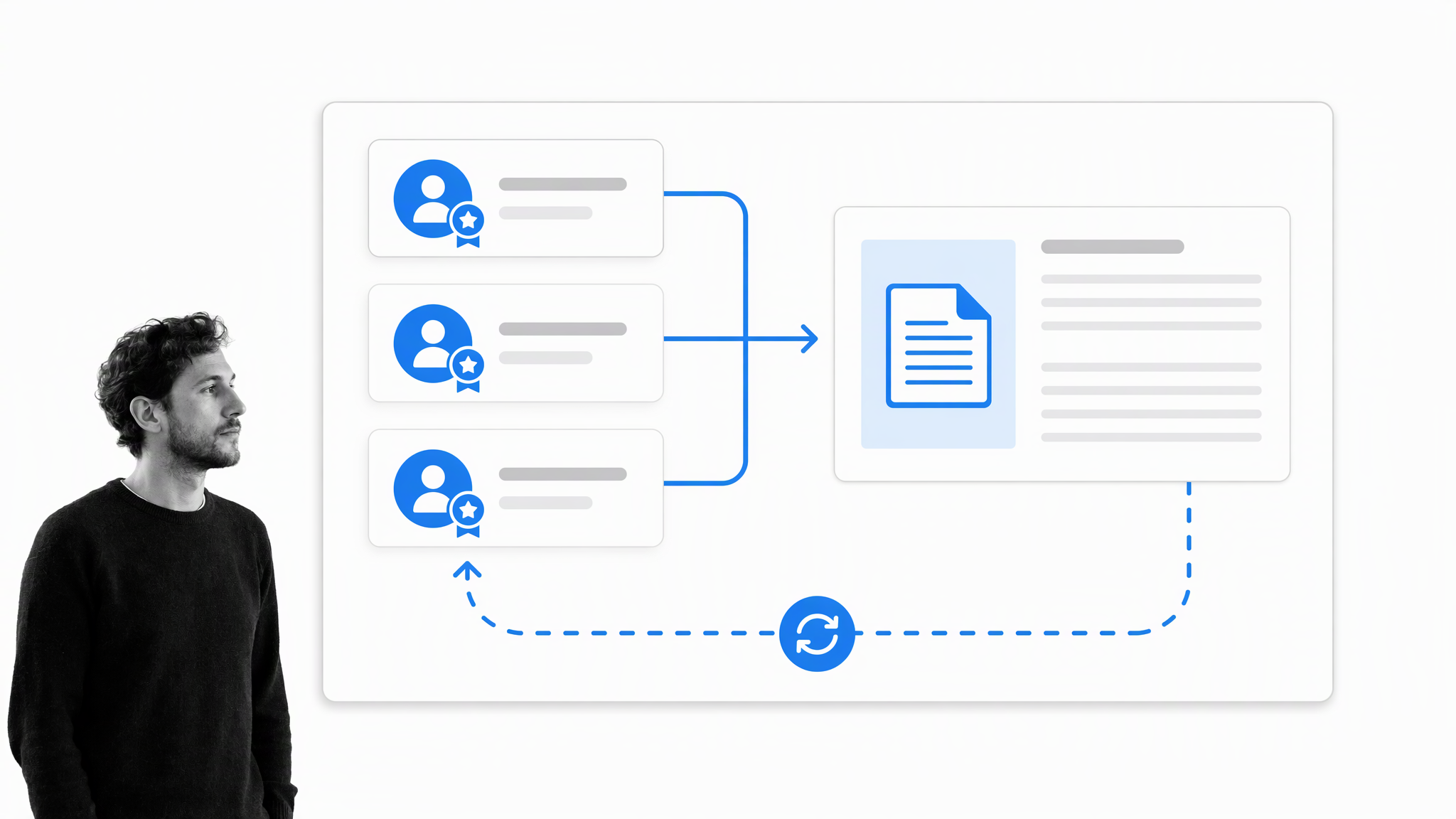
Membership platforms such as Patreon let independent writers and other creators build recurring support around a specific body of work. The useful part is not the platform itself. It is the direct relationship. A writer can offer public reporting, member-only analysis, discussion, or behind-the-scenes material without making every article compete for the largest possible audience.
That model can support specialized expertise that a mass-market publication would struggle to justify. It can also create a closed audience that rewards confirmation rather than challenge. The quality of the work still depends on evidence, transparency, correction, and editorial judgment.
Medium rewards sustained member reading

Medium’s current Partner Program shares membership revenue with writers based on member activity, including reading time and engagement. That is a more durable signal than a raw page view because the reader has to spend time with the work.
The system still has incentives and thresholds that writers can optimize around, but it points in a useful direction. Payment is tied to a member choosing to read, not simply to an impression served beside an advertisement. The platform sits between writer and audience, yet the economic signal comes from ongoing reader attention.
Bundles and nonprofit access can widen the audience
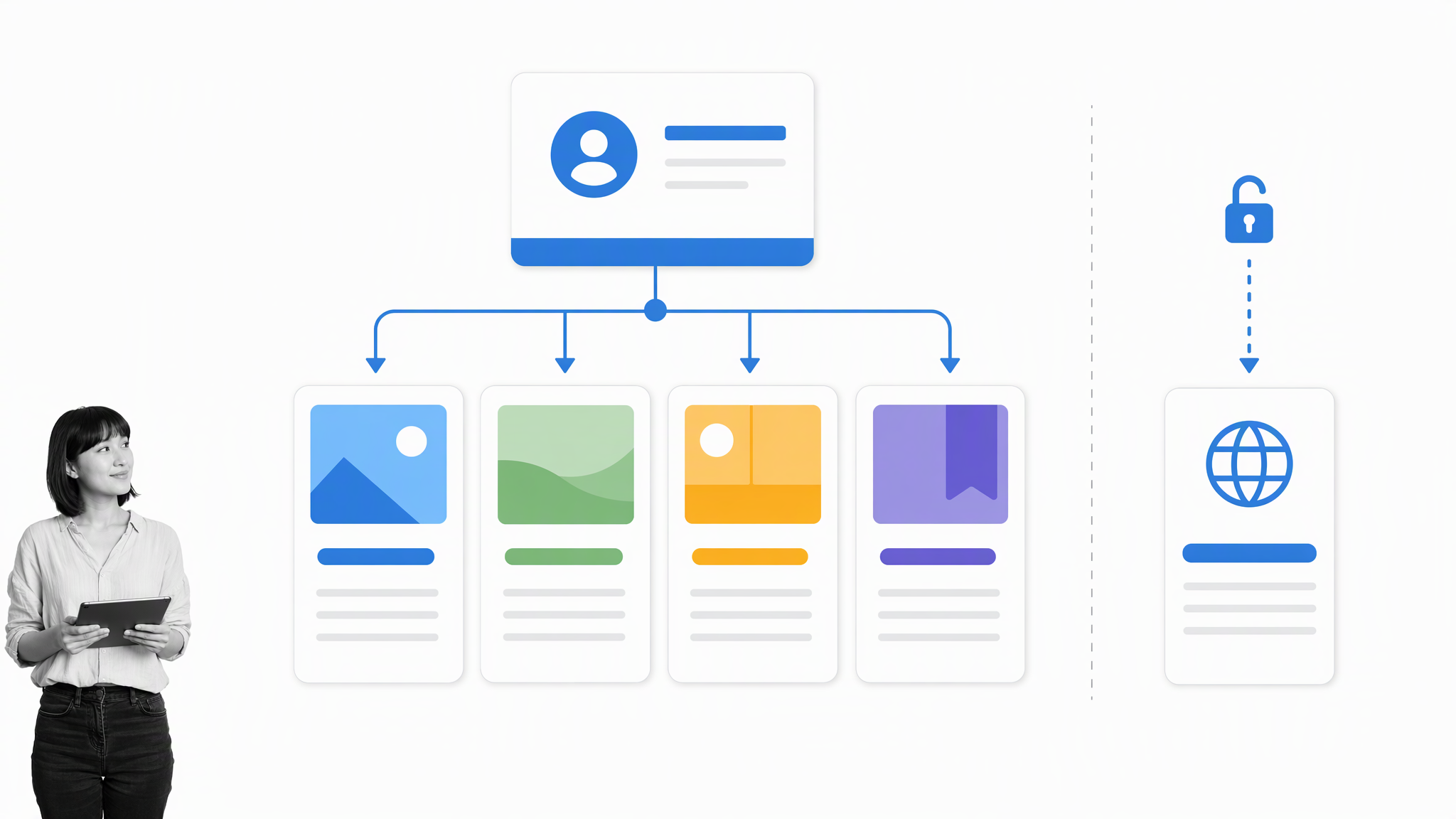
The discontinued Texture service was an early attempt to bundle many magazines behind one subscription. The broader idea survived. News can be included in a larger bundle, supported by a membership, funded through donations, or made available through libraries and institutions. The reader does not always need a separate account for every outlet.
Nonprofit newsrooms add another route. They can use donations, grants, memberships, events, and syndication to support public-interest reporting that a narrow commercial market may not sustain. Bundles and nonprofit funding do not eliminate the cost of journalism. They distribute it differently and can keep essential reporting accessible to more people.
The best mix will vary by publication and community. What matters is that the revenue model supports the reporting mission instead of rewarding the cheapest possible unit of attention.
A social phenomenon requires a social solution
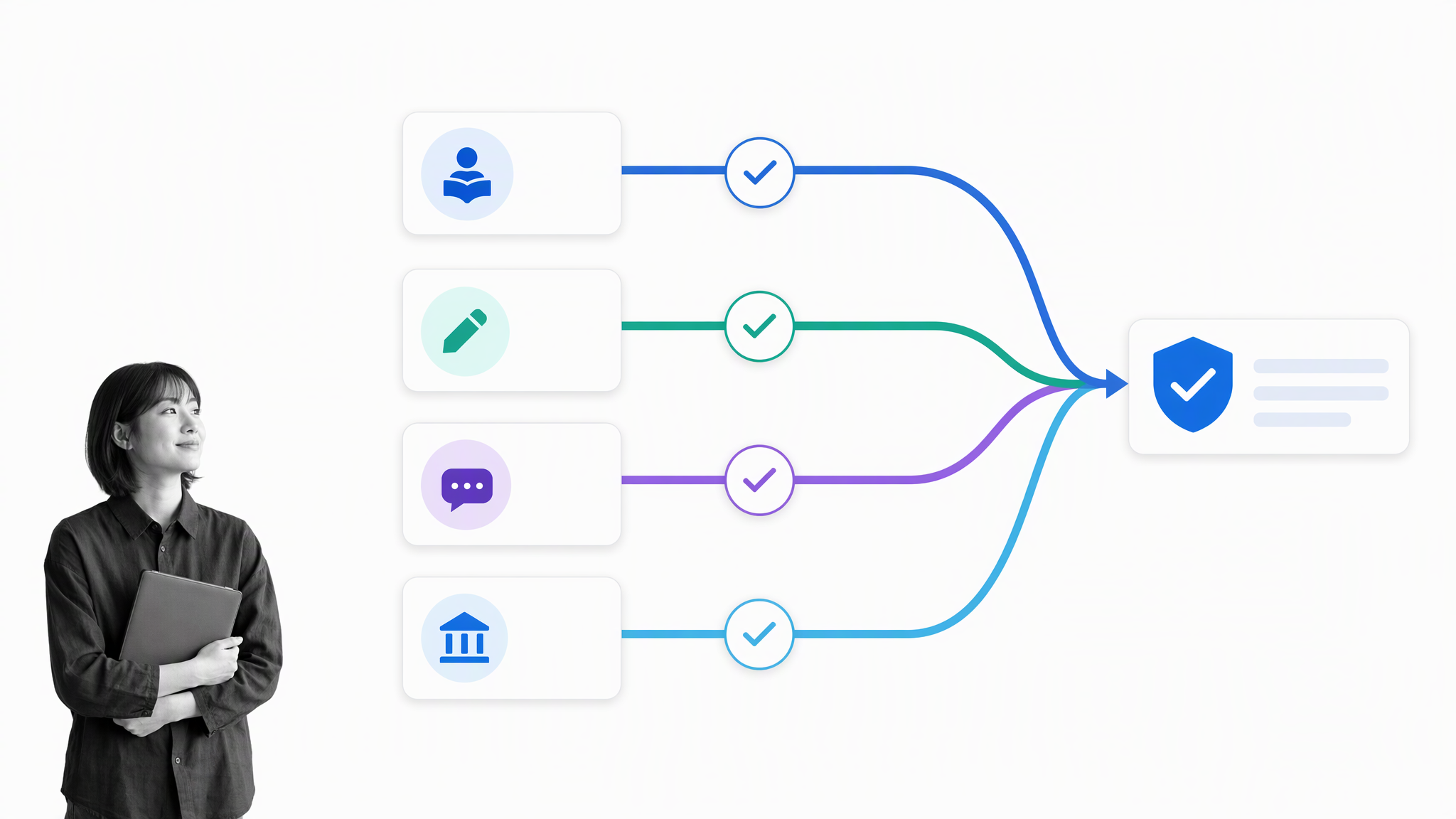
Subscriptions are one useful part of the response to fake news, not the whole response. Readers can support publications and independent reporters whose work they value. Publishers can show their evidence, disclose uncertainty, correct mistakes, and make trust something an audience can verify. Platforms can reduce the rewards for coordinated deception and give corrections a fair chance to travel.
Media literacy matters too. Check the original source, compare serious coverage, separate reporting from commentary, and pause when a story seems designed to make you share before you think. The same standard should apply to a familiar publication, a creator you like, a search result, and an answer generated by AI.
For media and content teams, trust also depends on how the work gets done. A governed content workflow makes sourcing, review, approval, corrections, and publication repeatable. Process Street is one Compliance Operations Platform with Docs and Ops capability areas plus built-in AI, so teams can govern editorial standards, run the work, and preserve proof in one system.
Access still deserves deliberate design. A subscription product can reserve premium analysis for members while keeping urgent public-interest reporting, corrections, explainers, and source documents open. Gift links, library partnerships, institutional access, and nonprofit collaboration can extend reach further. The objective is not to put truth behind the highest possible wall. It is to fund the work while keeping essential information available to the people who need it.
If a publication consistently produces reporting that helps you understand the world, consider paying for it. Reader support will not end misinformation, but it can give stronger journalism the time, independence, and direct audience relationship it needs to compete.
How do you decide which journalism is worth supporting? Let us know in the comments.
Frequently asked questions about fake news and subscriptions
Can subscriptions stop fake news?
No. Subscriptions can reduce dependence on advertising clicks and fund deeper reporting, but they do not prevent partisan misinformation, weak editorial judgment, or deceptive content. They work best alongside verification, transparent corrections, platform accountability, and media literacy.
Why do subscriptions support quality journalism?
Recurring reader revenue gives a publisher a direct incentive to keep delivering work subscribers consider valuable. That can support specialized reporting, investigations, and subject expertise that are difficult to fund through low-value advertising alone.
Do paywalls make misinformation worse?
They can create an access tradeoff when reliable reporting is unavailable to people who cannot pay. Publishers can reduce that risk with free public-interest coverage, gift links, library access, bundles, nonprofit funding, and a mix of open and subscriber-only work.