



All posts in Writing

How I Research & Write an Article Using Irresistible Original Data

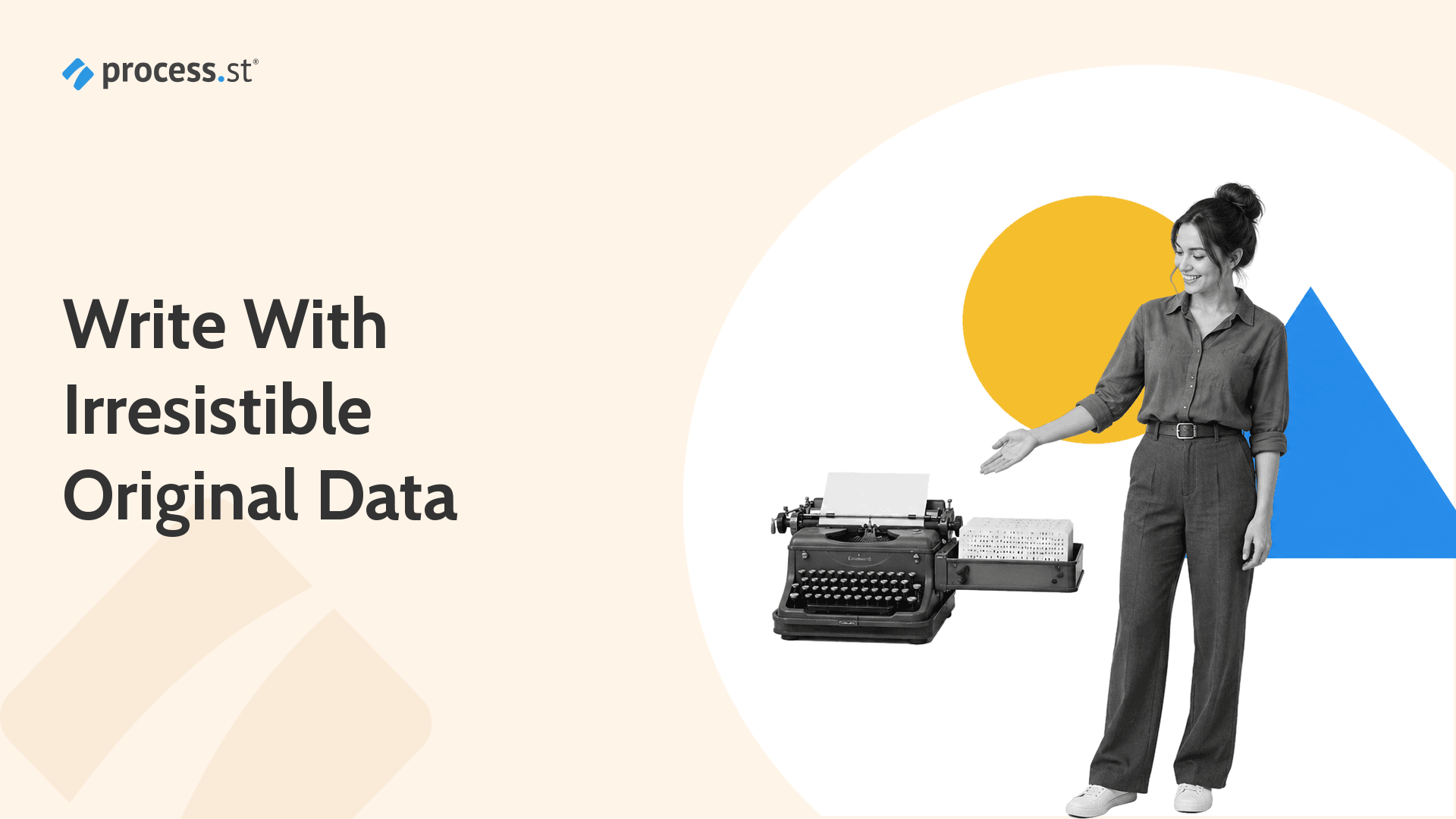
Writer presenting a typewriter and data-card system for creating an article with original research

An article built on irresistible original data does more than summarize what other people have said. It asks a focused question, gathers defensible evidence, explains the method, and turns the result into a useful story. That is the core of data-driven content: the evidence gives readers something concrete to learn from, test, cite, and share.

When I was about seven years old, I made a deliberate decision to stop caring about math. I sat closer to the back of the class, stopped answering questions, and scraped through the subject with borderline grades. It wasn’t until I started working at Process Street that I cared about data, charts, spreadsheets, and correlations because they helped me answer real questions.
Continue Reading

Grant Writing: How to Win Every Time (8 Free Checklists)

Vinay Patankar September 18, 2026
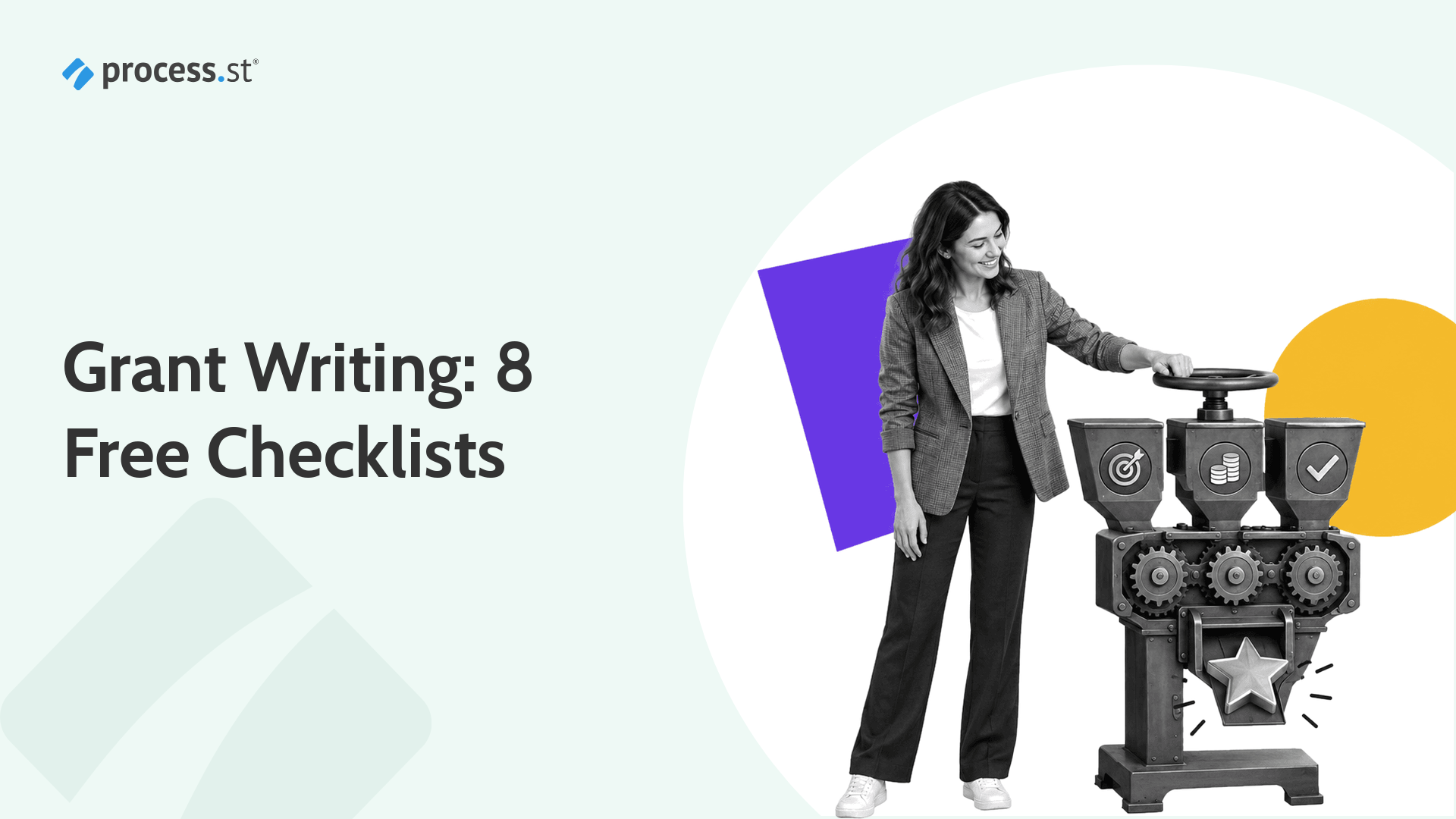
Grant writer presenting a structured grant application package

Grant writing is the process of turning a funder’s requirements and your project plan into a clear, persuasive, evidence-backed proposal. The strongest proposals connect a real need to credible outcomes, a workable budget, and proof that the applicant can deliver.

Competition is real. In FY2025, the National Institutes of Health recorded 62,592 competing research project grant applications, made 8,161 awards, and reported a 13.0% success rate. No process can guarantee that you will win every time. A repeatable process gives each suitable proposal its strongest defensible case.

Continue Reading

Evernote vs OneNote: The Best App for Note-Taking, Researching and Organizing?

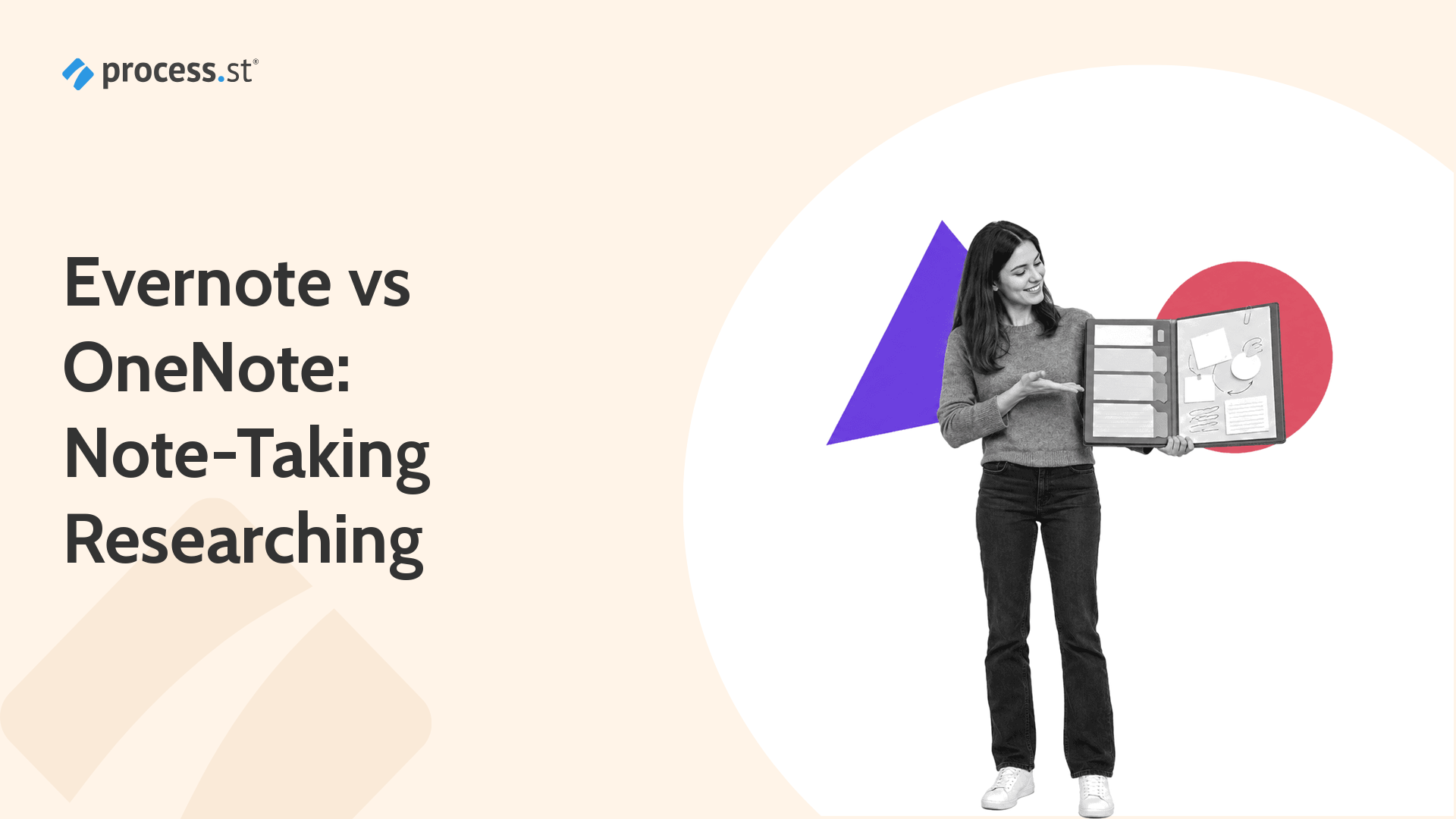
Researcher comparing structured and freeform note-taking in Evernote and OneNote

Evernote vs OneNote for note-taking, researching, and organizing comes down to how you want to think. Treat note-taking researching and organizing as one connected workflow. Evernote is the stronger choice for capturing web research, filing it with notebooks and tags, and finding it later. OneNote is better when you want a freeform digital canvas for handwriting, mixed media, and notes that feel more like paper. Both can be excellent, but they reward different habits.

Process Street writer Benjamin Brandall arrived at this comparison after accidentally throwing his MacBook out of a moving car, spending two years on Windows, and then returning to a Mac. He expected to leave Microsoft software behind. Instead, OneNote surprised him, while his once well-indexed Evernote scrapbook had become a heap of Untitled Quick Notes. That tension between effortless capture and deliberate organization still defines the choice.

Continue Reading

9 Places to Find The Best Copywriting Examples for Your Swipe File

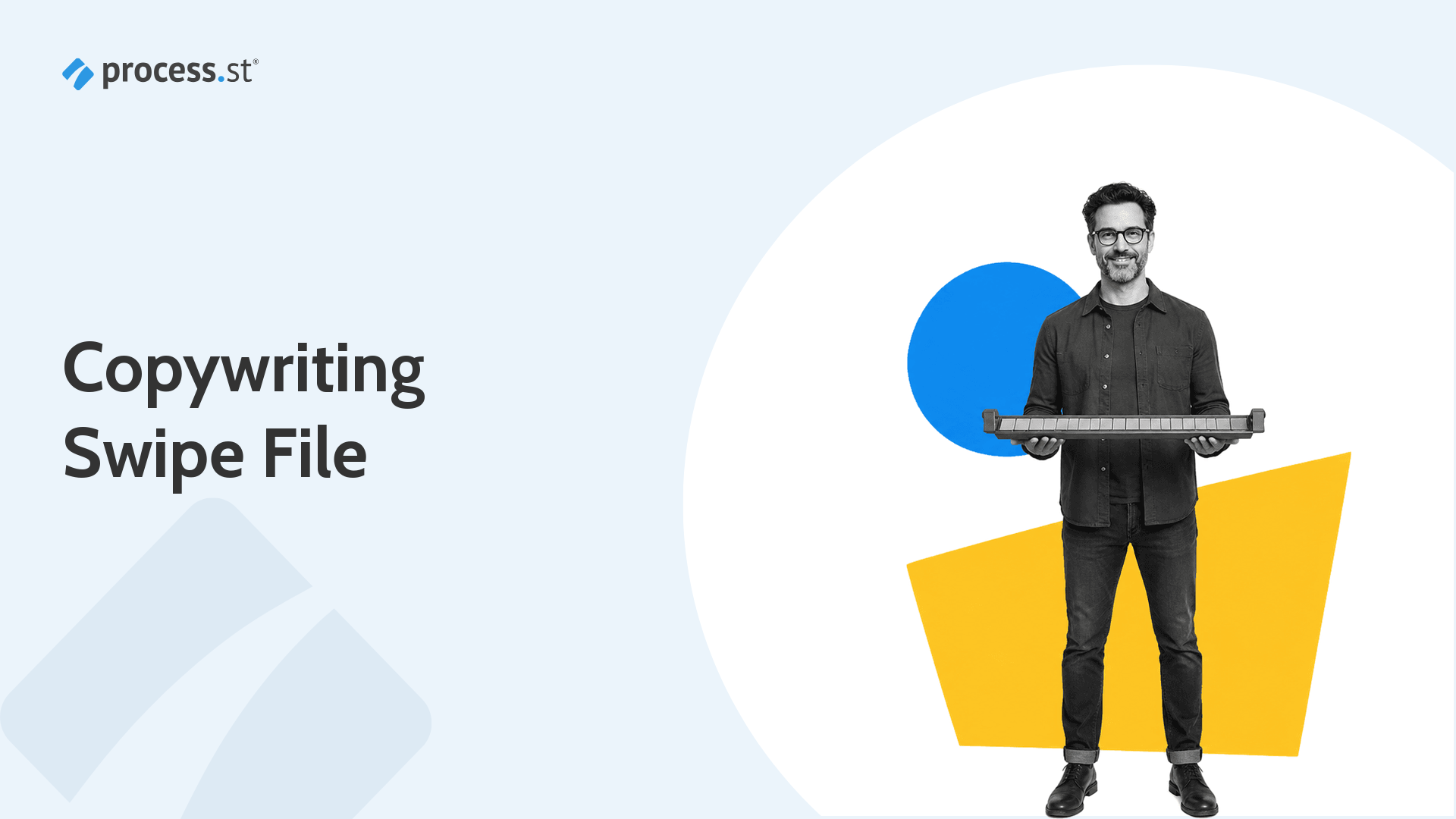
Copywriter presenting a metal typesetting composing stick beside the title Copywriting Swipe File

A copywriting swipe file is a searchable collection of ads, emails, headlines, landing pages, and other copywriting examples that you can study when you need a stronger hook, offer, or structure.

Your boss has asked you to write an email telling customers their free trial has ended and encouraging them to upgrade. A blank page is a bad place to start. A well-organized swipe file gives you proven patterns to examine without copying someone else’s words.

Continue Reading

A Deep Dive Into How We’re Winning at Guest Posting (300+ Great Posts Published!)

Content operations leader presenting an editorial page entering a magazine publishing portal

If Shakespeare offered to write a guest post for TechCrunch, he probably would not be declined. The same goes for Virginia Woolf, Toni Morrison, Fitzgerald, or any other great writer who wanted to contribute to the blog of a respected modern publication.

Guest posting, also called guest blogging, is the practice of writing an article for a site you do not own. This guide explains what it is, why it works, and how Process Street built a governed production system that supported more than 300 guest posts published across relevant publications.

Continue Reading

9 Essential Marketing Tips from the Father of Advertising

Black-and-white advertising strategist presenting a miniature billboard test board for Ogilvy marketing tips

Ogilvy on Advertising was one of the first books I had on my reading list back when I created my system for reading more. My only regret after finally reading it is having delayed for a year and a half.

Drawing from 40 years of experience, David Ogilvy shows what he learned from creating some of the most successful advertising campaigns of the twentieth century. The father of advertising was blunt, occasionally hostile, and never pretending to be infallible, but many of the marketing tips he championed decades ago still hold up because they are grounded in customer behavior, research, and clear writing.

Continue Reading

Legal Guide for Bloggers

Black-and-white blog editor presenting a copyright symbol for a legal guide for bloggers

Can you afford to pay $8,000+ for using an image in one of your blog posts? If not, or if you would rather use images for free, you need to understand the laws surrounding blogging before you publish.

This legal guide for bloggers is general information, not legal advice. I am not a legal adviser, attorney, lawyer, or any kind of law professional, so use it as a practical starting point and talk to a qualified professional when the stakes are high.

Continue Reading

5 Quick Ways To Discover Hidden Content Ideas with Quora

Header image: Discover Hidden Content Ideas

Quora is still one of the fastest places to discover hidden content ideas because the questions are already written in the language your audience uses. The question and answer site remains a gold mine for finding out what your market cares about, how you can solve their problem, who the influencers are, and what other data appears at a glance before you invest effort writing.

The trick is to treat Quora as audience research, not as a place to copy topics. Look for repeated questions, strong answer threads, niche debates, and specific wording. Then turn those signals into useful blog post ideas, guides, checklists, videos, outreach angles, and keywords your readers would actually recognize.

Continue Reading

5 Tips to Maintain a Creative Mindset Under Pressure

A black-and-white creative lead standing beside a miniature press holding a brain model, representing a creative mindset under pressure.

Maintaining a creative mindset is hard because creative work asks for energy, taste, nerve, and patience at the same time. Under pressure, that combination can turn a normal slow patch into creative burnout or a full creative block.

The fear of burnout is enough to sap anyone’s energy. When it strikes, it is hard to imagine recovering from it, and projects that start with inspiration can derail at the slightest hurdle, leaving you drained and wondering whether you have lost your touch.

Continue Reading

4 Writing Mistakes to Avoid (Unless You Like Sounding Silly)

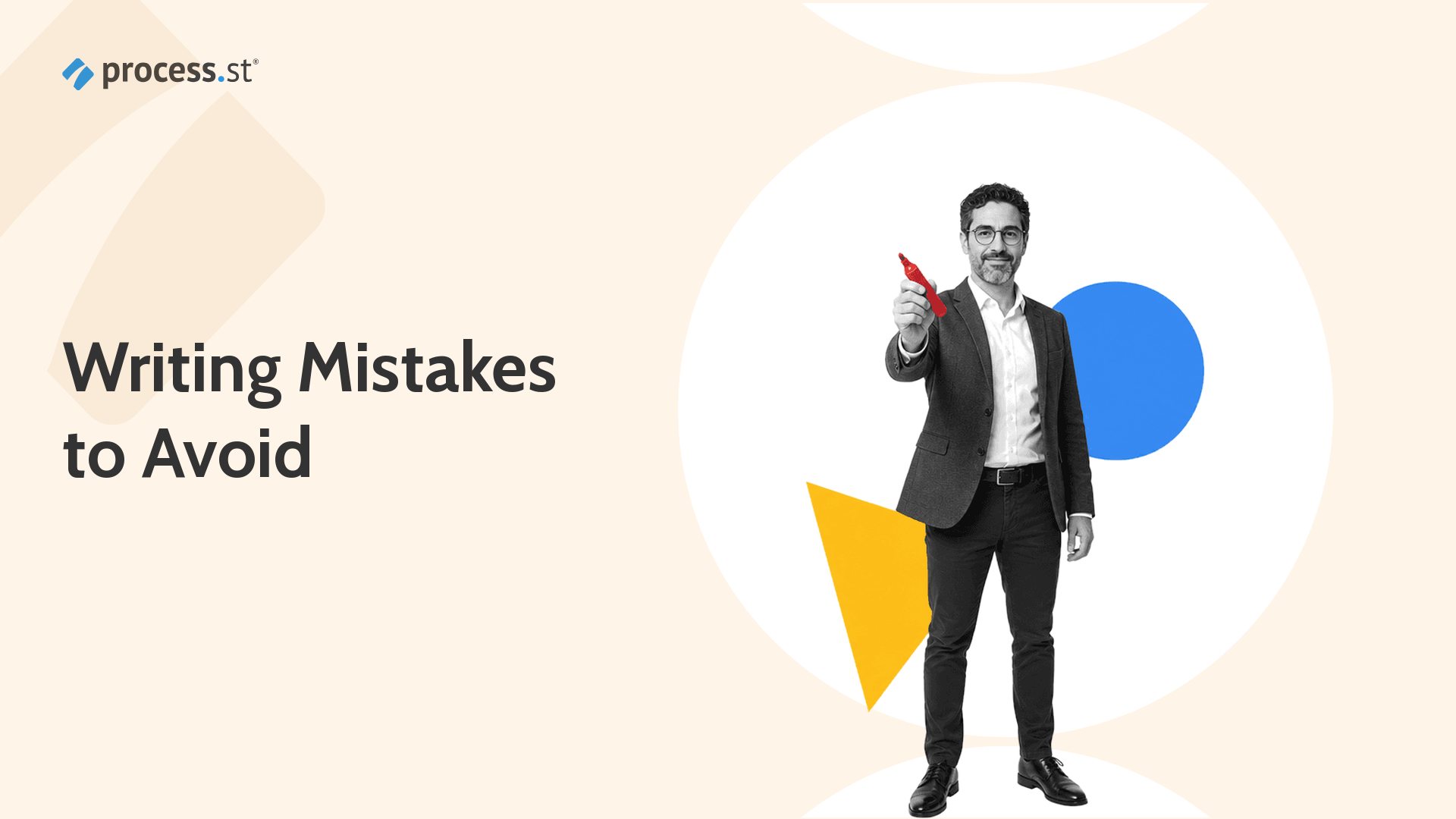
Business editor holding a proofreading marker for writing mistakes

If you want a quick explanation for why business writing gets distant, pretentious, and strangely hard to read, start with the famous 5 Monkeys and a Ladder story. It is better understood as a workplace parable than a clean laboratory study, but the point still lands: people repeat inherited rules long after the original reason disappears.

That is how many common writing mistakes survive inside companies. Someone writes in a stiff voice because that is how the last report sounded. Someone adds jargon because plain language feels too exposed. Someone calls weak copy “professional” because nobody wants to be the new monkey reaching for the bananas. Avoid those habits unless you like sounding silly.

Continue Reading

Take control of your workflows today

Choose which optional cookies to allow. You can change or withdraw consent here at any time.