


iQ Food Co used Process Street to document recurring restaurant operations, standardize work across locations, train employees more efficiently, and reduce mistakes in payroll onboarding. The Toronto-based restaurant company turned knowledge that had lived in one leader’s head into repeatable procedures that other people could follow.
In 2017, we spoke with then-COO Arthur Bekerman about how the team used Process Street while its network of locations was growing. His account shows why restaurant standard operating procedures matter: growth becomes easier to manage when teams can find the right process, follow it consistently, and confirm that every required step is complete.
The iQ Food Co Story
iQ Food Co is a Toronto-based restaurant company built around balance, sustainability, and vibrant food. Its mission emphasizes fresh, locally sourced produce and food that helps customers feel good. At the time of our interview, the company had expanded from one outlet to multiple locations and was preparing its operations for further growth.
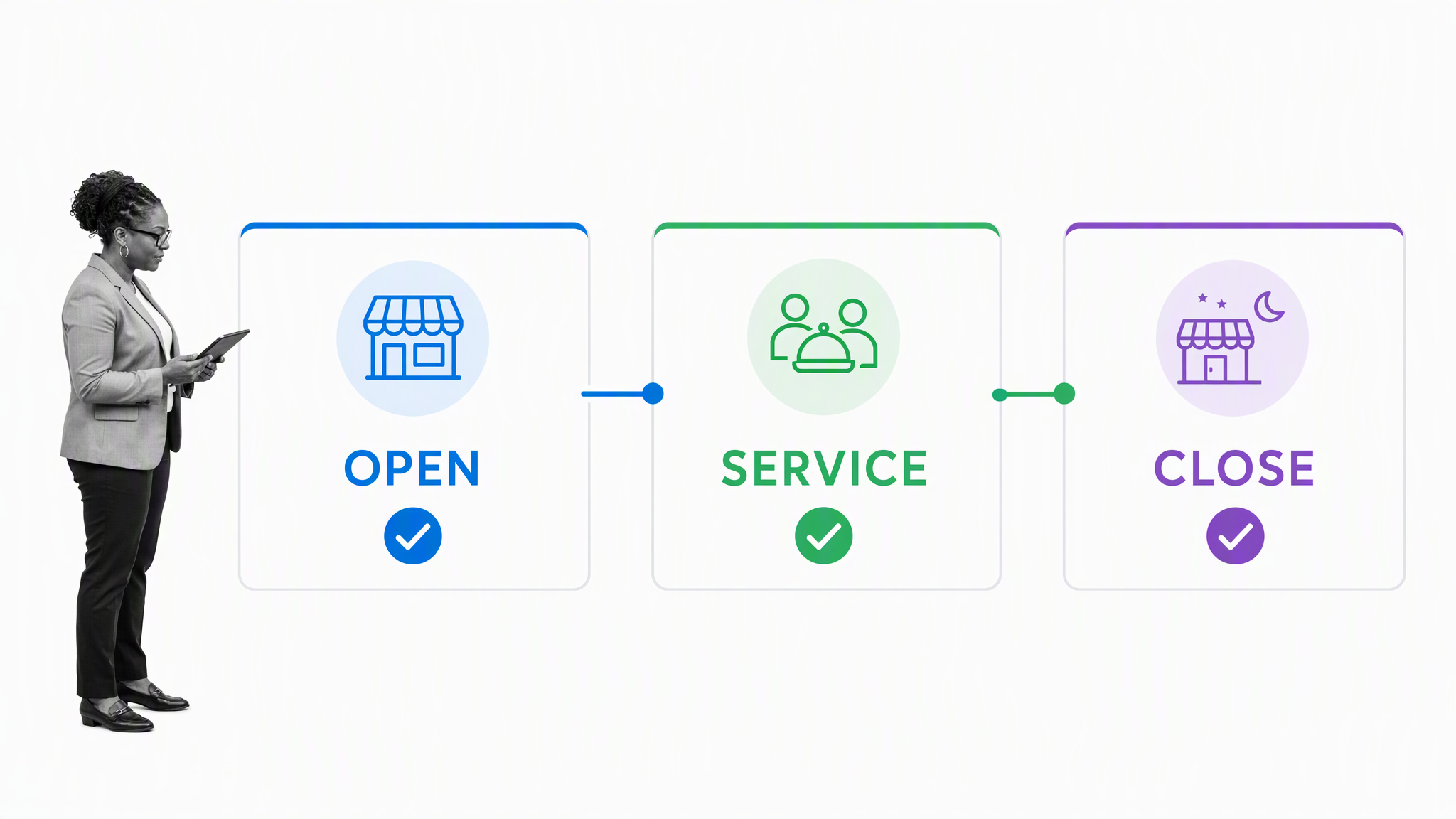
Restaurant growth does not only add customers. It multiplies opening work, closing work, employee changes, payroll details, cleaning routines, and the handoffs between people and locations. iQ Food Co used Process Street to give that recurring work a shared operating structure.
iQ Food Co used Process Street for:
- Onboarding and offboarding employees
- Server management
- Cleaning the office
- Transferring employees
- Daily venue close down
- Managing payroll
The team reported four practical benefits:
- Standardizing operations across stores
- Building a library of company SOPs
- Reducing the hands-on time needed to train employees
- Preventing mistakes during payroll onboarding
Challenge
As iQ Food Co grew from one outlet to multiple Toronto locations, the team wanted to maintain customer satisfaction while streamlining and documenting its operations. The work had to be repeatable without depending on Arthur to explain every task in person.
Arthur explained that, early on, many important processes existed mainly in his head. That arrangement limited him and made it easy for store-level details to be missed:
“It wasn’t in disarray but whatever I was responsible for was totally in my head. Some notes in Evernote, some here, some there. On the store level, a lot of this got missed.”
Arthur Bekerman, then-COO of iQ Food Co
The challenge was not simply to write down instructions. The company needed a reliable way to transfer operational knowledge, assign responsibility, and give people confidence that a recurring task had been completed properly. That foundation would let Arthur spend more time improving the business rather than personally carrying its day-to-day procedures.
That distinction mattered because a restaurant procedure has to work during service, not only read well in a document. A useful process makes the next action clear, identifies the details that cannot be skipped, and gives a manager enough visibility to spot incomplete work. When the procedure is available at the point of need, staff can follow the same standard without waiting for the person who first designed it.
Growing their business with Process Street
An informal system can work while a company has one outlet, but it becomes harder to sustain as more locations open. Small business operations software gives teams a shared system for documenting recurring work, assigning ownership, and keeping execution consistent. For iQ Food Co, the immediate priority was to turn the company’s documented processes into something other people could pick up and run.
Arthur described the company as reaching a transition point where he could begin working on the company more than in it:
“We run stores, we run sets of stores, we build new stores – there’s a whole load of ways our tentacles reach out and right now we don’t really have much of a process for any of it because it’s not a process until it’s fully documented.”
Arthur Bekerman
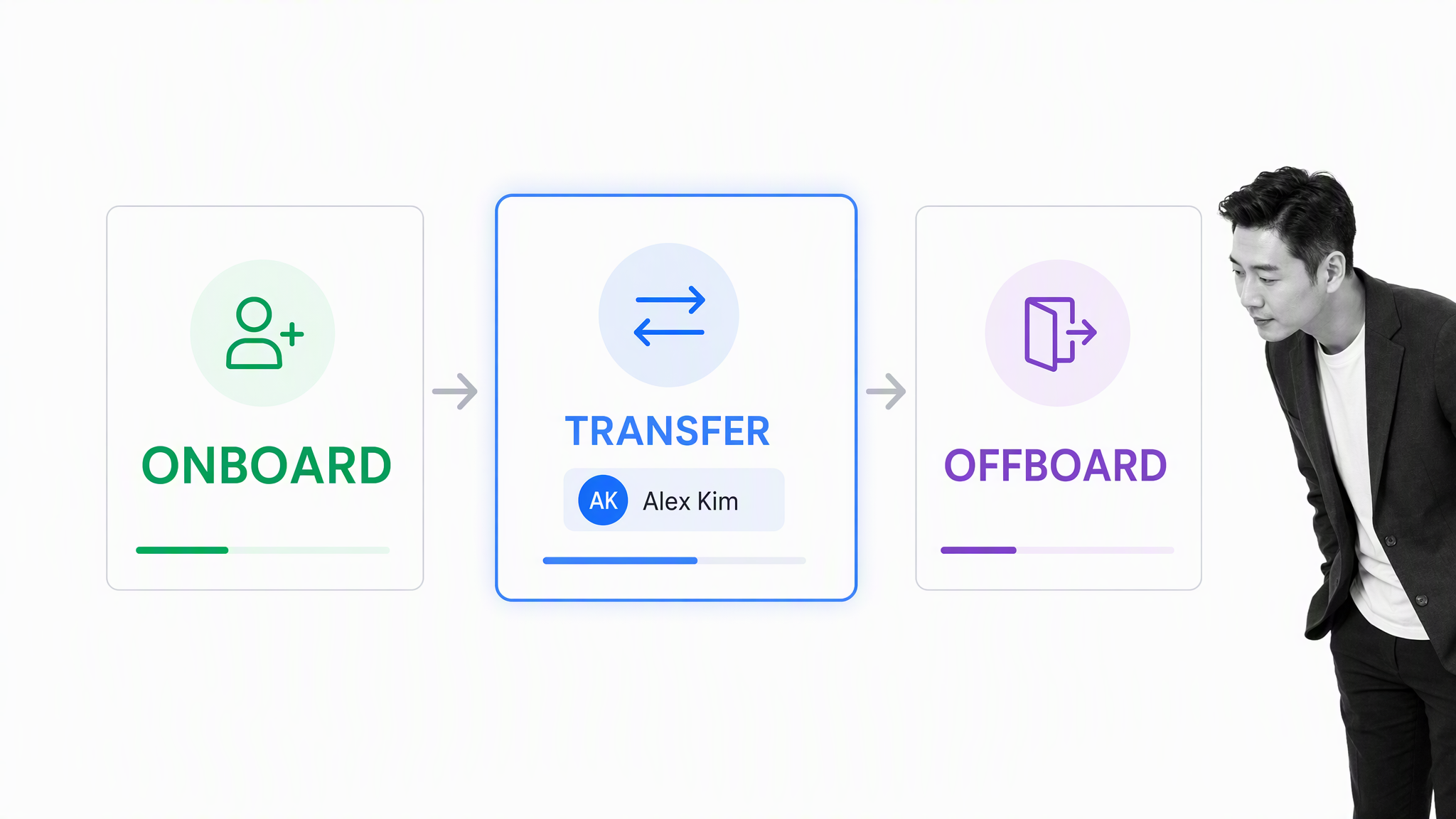
Employee onboarding and offboarding became one area where the team had already converted operational knowledge into a managed process. That gave managers a repeatable starting point for bringing people in, transferring them between locations, handling pay changes, and completing departures.
The employee lifecycle is a strong place to begin because it crosses several functions at once. A new hire may need payroll details, store access, role-specific training, equipment, and confirmation from a manager. A transfer or departure requires a different sequence, but it still benefits from clear ownership and required fields. By keeping those sequences in one system, iQ Food Co could make expectations visible and reduce dependence on memory.
“I’ve got one onboarding one offboarding – it’s fantastic. And then I have a whole bunch of other ones like transferring employees from place to place, and we also have store levels, pay raises – so everything to do with onboarding and offboarding is pretty well documented.”
Arthur Bekerman
“[With Process Street] I know with 100% certainty that I’ve done exactly what needs to be done in the best possible way.”
Arthur Bekerman
Results
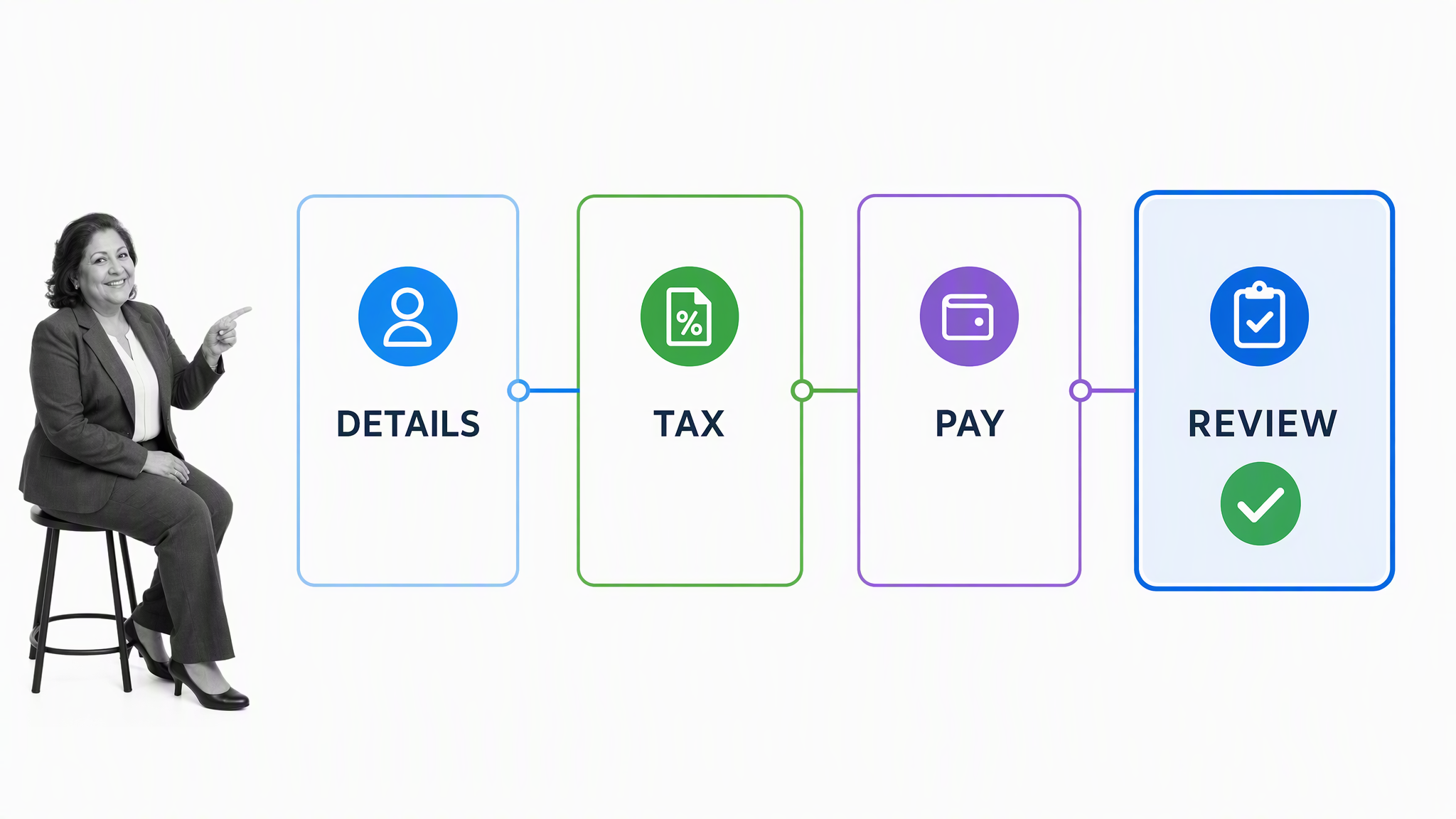
The organizational changes gave iQ Food Co a more consistent way to train people and prevent recurring errors. In payroll onboarding, Arthur recorded a three-minute demonstration and built a step-by-step workflow covering about 10 required pieces of information. When the team found a repeated mistake, it clarified the relevant step so the next person would know exactly what to enter.
“I created a 3 minute demo and I created a step by step Process Street because there were about 10 different things which should have been entered which were just simply missed all the time. Every mistake that recurred, we’ve created a process and made sure the step where that mistake happened was very clearly written to avoid the mistake.”
Arthur Bekerman
Arthur described the result as having eliminated “essentially 100%” of those mistakes. That figure is his account of the team’s experience, not an independently audited result, but it captures the operational value they saw: a clear required step can stop the same preventable error from recurring.
The same principle supported faster, more consistent training. Instead of relying on memory or scattered notes, managers could direct employees to a defined sequence and use it as a practical reference. A structured employee onboarding process also made it easier to establish expectations across locations.
The result was more than a checklist of tasks. Each documented procedure became a reusable control for quality. A manager could explain the reason behind a step, show the employee what completion looked like, and confirm that the required information was present. If a mistake surfaced later, the team had a specific process to examine and improve instead of relying on another reminder or one-off correction.
Taking it to the next level
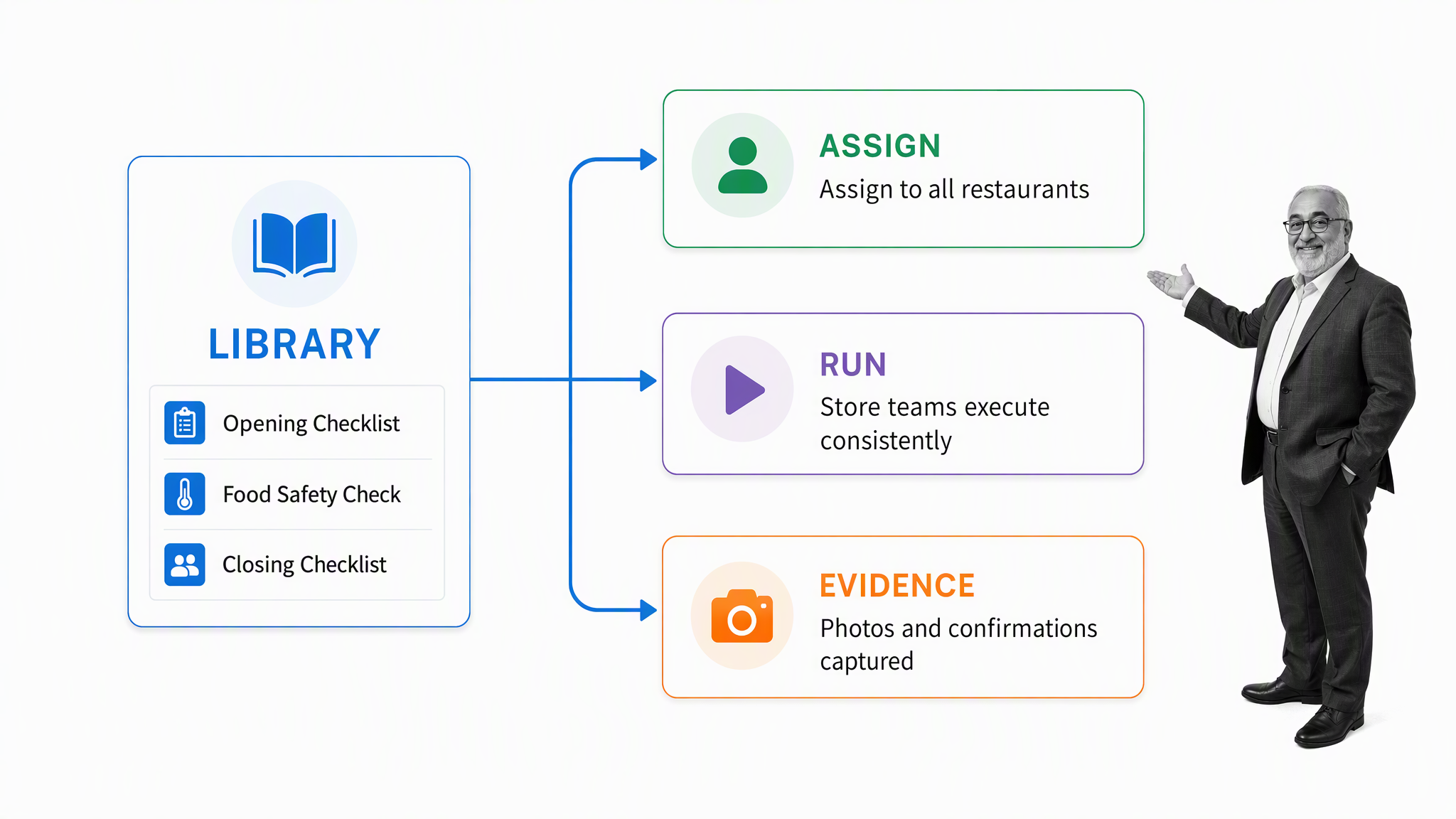
Arthur’s longer-term plan was to use Process Street as an operating spine for the business. He wanted the team to standardize procedures across staff and outlets while still coordinating work performed in other applications.
“What we want to do is say “okay, these are all of the tasks that we have in the company – whether they’re done on one platform or another – what we’re gonna do is we’re gonna create checklists within Process Street to verify that people are doing what they should be doing in any application.”
Arthur Bekerman
The goal was visibility without constant physical presence. A shared process library could hold the company’s operating knowledge, while repeatable workflow runs could confirm that people followed it. Arthur compared the ambition to building a library worthy of Alexandria:
This operating-spine idea connects documentation with execution. The library holds the approved way of working, while individual runs give teams a live place to complete tasks, record decisions, and leave evidence. For a multi-location company, that combination supports consistency without forcing every venue into constant direct supervision. Leaders can improve the underlying procedure once and make the updated standard available wherever the work happens.
“The ultimate goal is that every single process we have is documented and either a checklist scenario would be used, or as a reference library.”
Arthur Bekerman, then-COO of iQ Food Co
Today, Process Street is one Compliance Operations Platform with Docs and Ops capability areas plus built-in AI. Teams can document policies and procedures, turn them into governed workflows, automate recurring work, process documents, and retain evidence for review in one product. Process Street has 5,000+ integrations, helping teams connect governed operational work with the tools they already use.
Frequently asked questions
How did iQ Food Co use Process Street?
iQ Food Co used Process Street for employee onboarding and offboarding, transfers, server management, office cleaning, daily venue close down, and payroll management. The shared procedures helped the team standardize recurring operations across locations.
What problem did documented workflows solve?
They moved operational knowledge out of scattered notes and one leader’s memory. Managers and employees could follow the same steps, train people more consistently, and reduce recurring payroll onboarding mistakes.
What was Arthur Bekerman’s long-term goal?
He wanted every company process documented, either as a workflow people could run or as a reference in a shared process library. The aim was to create an operating spine for consistent execution across locations.