



The Dodson Property Management case study shows how a Richmond-based operator used Process Street to standardize and track property management workflows across approximately 3,500 rental properties.
In 2018, Dodson used Process Street to coordinate work ranging from recruitment and employee onboarding to tenant operations, maintenance, legal duties, and monthly owner reports. We spoke with Tim Wehner, then Vice President of Single Family Management, about how the team worked. In 2022, Dodson’s single-family, small-multifamily, and association-management divisions joined Evernest and adopted the Evernest name, while the multifamily division joined Atrium. This case study documents Dodson’s operating model at the time of the interview.
The Dodson Property Management story
Renting out property can sound like passive income on paper. In practice, owners and managers must coordinate insurance, contractors, inspections, maintenance, tenant communication, rent collection, and financial reporting. Keeping track of every obligation is difficult for one property and becomes a serious operating challenge across thousands.
That was where Dodson Property Management came in. The company managed rental properties and handled work such as marketing, tenant screening, rent collection, inspections, maintenance, and financial reporting for owners.
Each responsibility involved its own handoffs, records, deadlines, and exceptions. A maintenance request could require a property check, a cost assessment, owner approval, contractor coordination, and follow-up with the tenant. Monthly reporting brought together another chain of work that had to be accurate and ready on schedule.
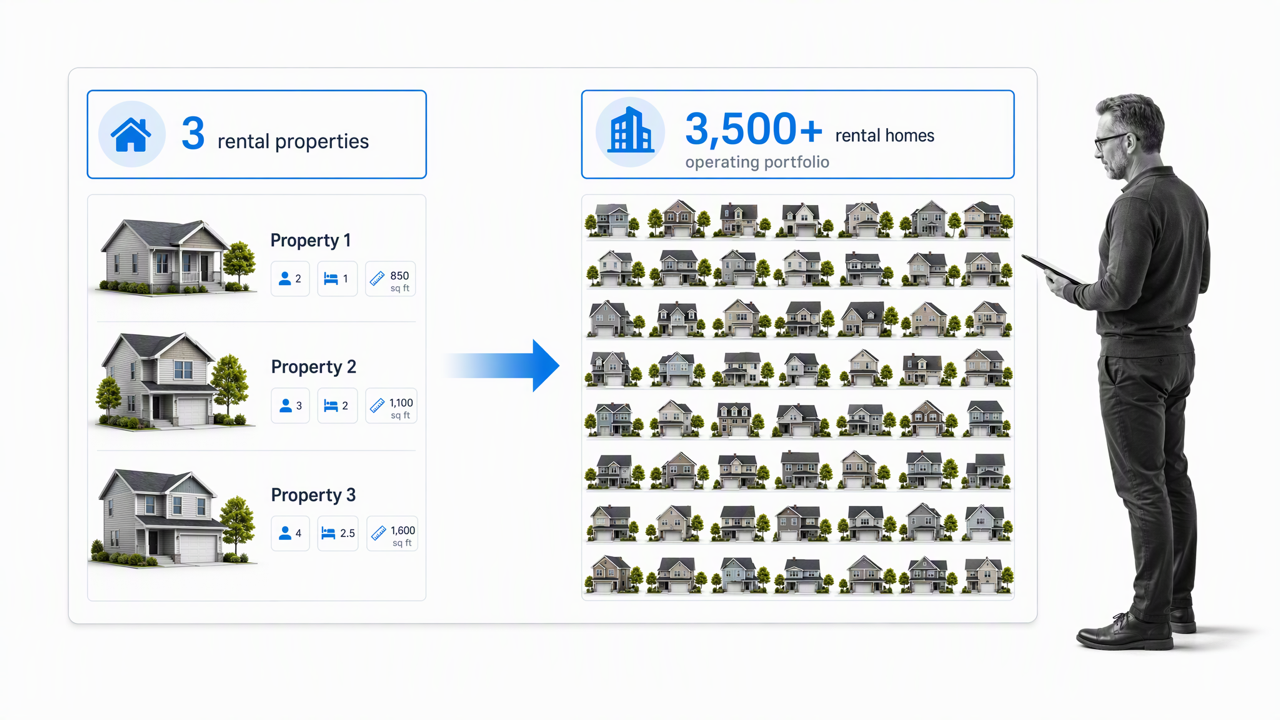
At the time of the interview, Dodson managed approximately 3,500 rental properties. That scale demanded a reliable way to make sure work was completed consistently and visibly. Missed steps could affect tenants, clients, properties, and legal obligations, so the team needed repeatable execution wherever its employees were working.
After evaluating its options, Dodson chose Process Street.
“We really studied our options before choosing Process Street. I never thought ‘it would be great if they had this feature’ because it meets our needs perfectly!”
Tim Wehner
At the time, Dodson used Process Street for:
- Recruiting and onboarding employees
- Screening and onboarding new tenants
- Collecting rent
- Performing legal duties, including litigation for unpaid rent
- Managing tenant evictions professionally and thoroughly
- Assessing maintenance costs
- Performing approved low-cost maintenance without unnecessary owner delays
- Creating monthly financial reports for clients
The team reported benefits including:
- Giving employees clear access to their responsibilities wherever they were
- Creating standard operating procedures for consistent service
- Tracking progress in workflows so completed and outstanding work was visible
- Supporting legal and contractual obligations without relying on memory
- Deploying new internal policies and practices consistently
- Making it easier for another employee to continue work during an unplanned absence
Challenge
In 2007, Duke Dodson owned only a few rental properties and could not find a property manager who matched his values. He wanted tenants to receive dependable service, with an operating model built around technology, processes, and people. Rather than compromise, he founded Dodson Property Management. The Dodson Companies history traces that growth from a local property-management business into a broader real-estate organization.
“From day one, we put a huge emphasis on technology, processes and people… Our people do the right thing, even when no one is watching.”
Duke Dodson
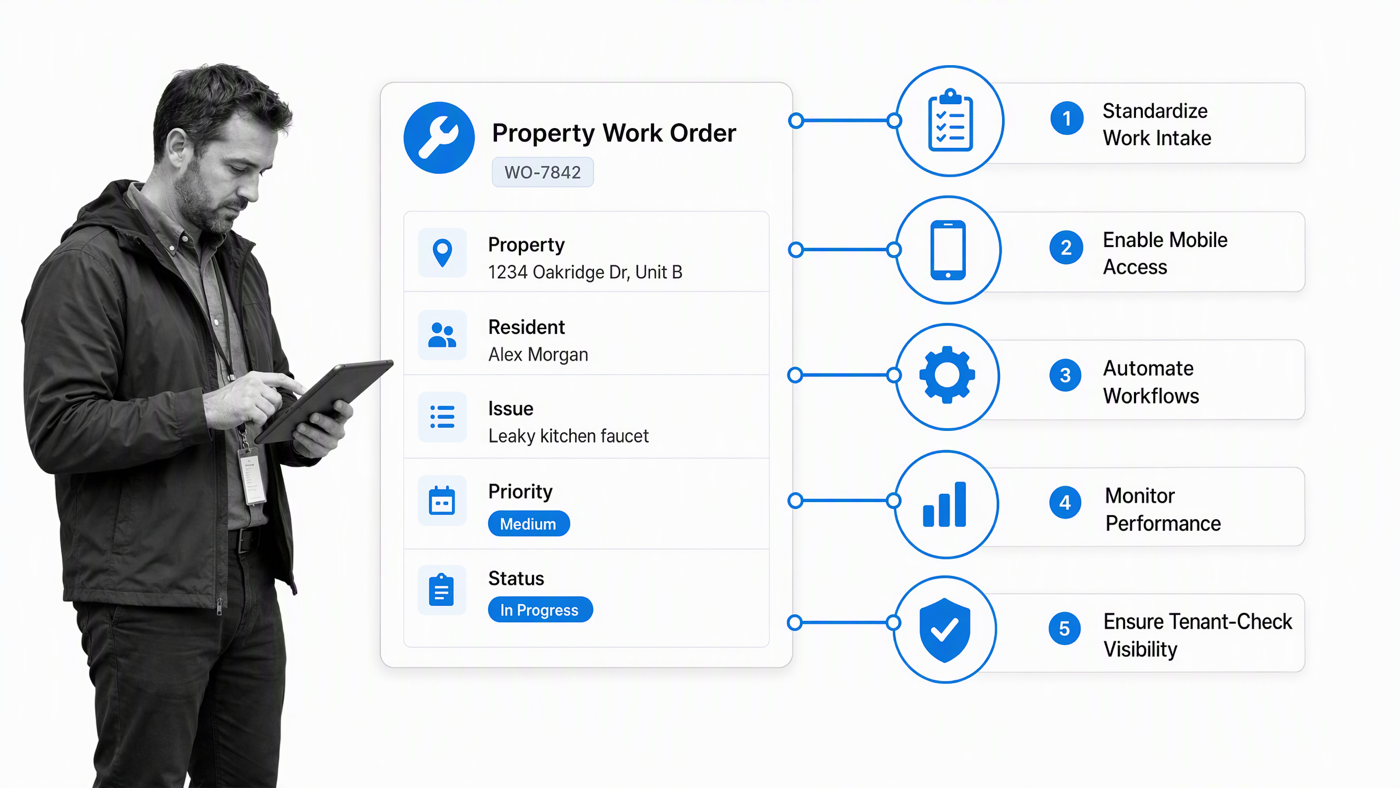
The challenge was not only growth. Managing a large portfolio with a relatively small team created five distinct operating needs:
- Standardize practices so clients and tenants receive consistent service
- Give employees mobile access to processes and progress
- Identify repetitive work that could be automated
- Monitor whether required steps were being followed
- Make tenant and property checks easy to access and review
Without a shared operating system, normal process variation could turn into missed steps, unclear ownership, or work that depended too heavily on memory. Those risks could affect tenant living conditions and clients’ investments.
The same work also happened in different places. Office teams coordinated records and client communication, while field employees inspected properties, responded to emergencies, and documented maintenance needs. The system had to travel with them and still give managers a dependable view of progress.
Dodson needed work to be assigned, completed, tracked, and visible, whether the employee was at a desk or in the field. Similar control requirements matter whenever an operator evaluates commercial property management software for a large portfolio.
The team searched for a platform that could meet its standards, then selected Process Street.
“We didn’t want to commit to any tools before we knew it was up to our standards. We really got a lot of use out of the Process Street demo guys, they do a good job of checking in when I need it, and leaving me alone when I don’t.”
Tim Wehner
Growing their business with Process Street
Using Process Street to document workflows as reusable operating systems helped Duke, Tim, and the rest of the team perform recurring work consistently across locations.
Whether employees were carrying out a house inspection or responding to an emergency call, they could use their phones to see the required steps, record progress, and keep work moving. This supported consistent execution for company standards and legal obligations without forcing employees to rely on memory.
Consistency at Dodson was not only about efficiency. It supported safe, well-maintained homes for tenants and helped protect clients’ investments without unnecessary delays.
Dodson also used workflow automation to reduce repetitive data handling and initiate follow-on work. For example, a new client entered in another system could trigger the appropriate onboarding workflow. The customer story reflects the product available at the time and does not imply that Dodson used today’s AI capabilities.
“We’ve stayed on the cutting edge by utilizing the industry’s top vendors to automate and expedite numerous property management tasks.”
Duke Dodson
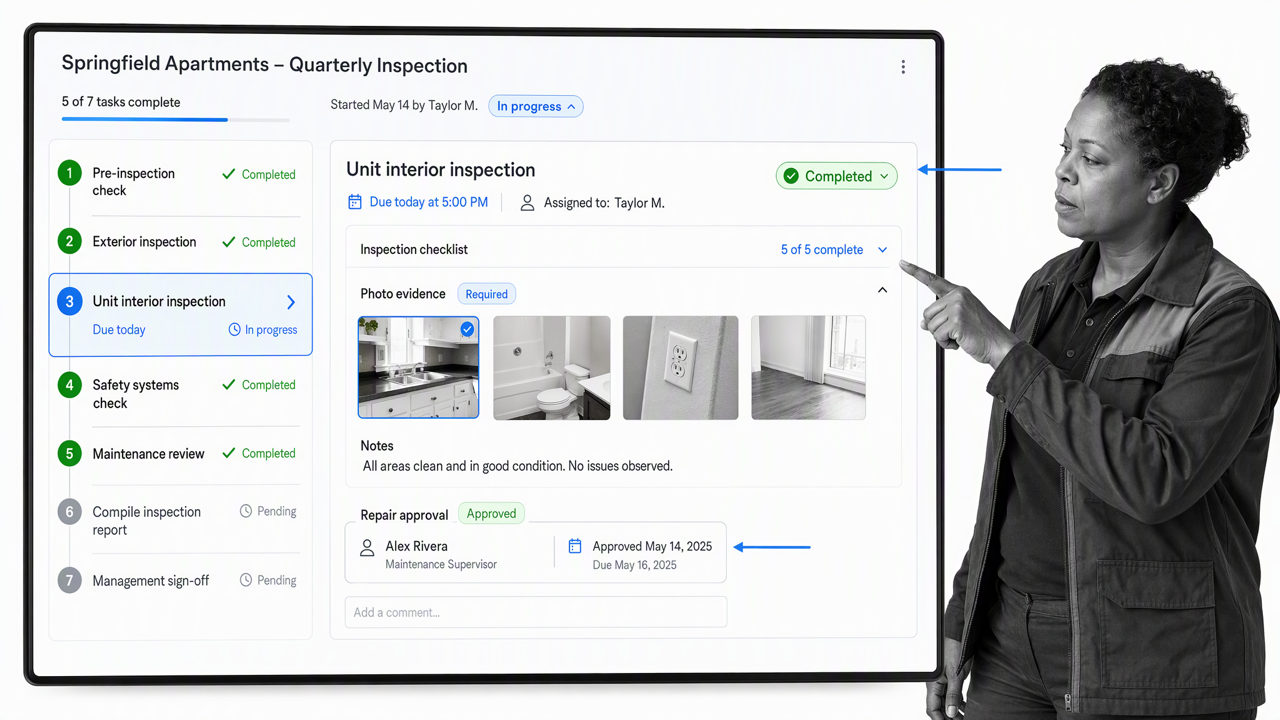
For monthly reporting and internal oversight, the team used workflow data to see what needed attention, when it was due, and who owned it. Current Process Street users can monitor that work in Reports, while employees execute assigned work through workflow runs.
Results
Process Street gave Dodson clearer ownership, repeatable execution, and a shared record of work across teams.
“We used to just rely on memory, if things got done then they got done, and there was no tracking going on.
Now we can monitor everything, work through checklists while staying mobile, and gain clarity on tasks between our teams.
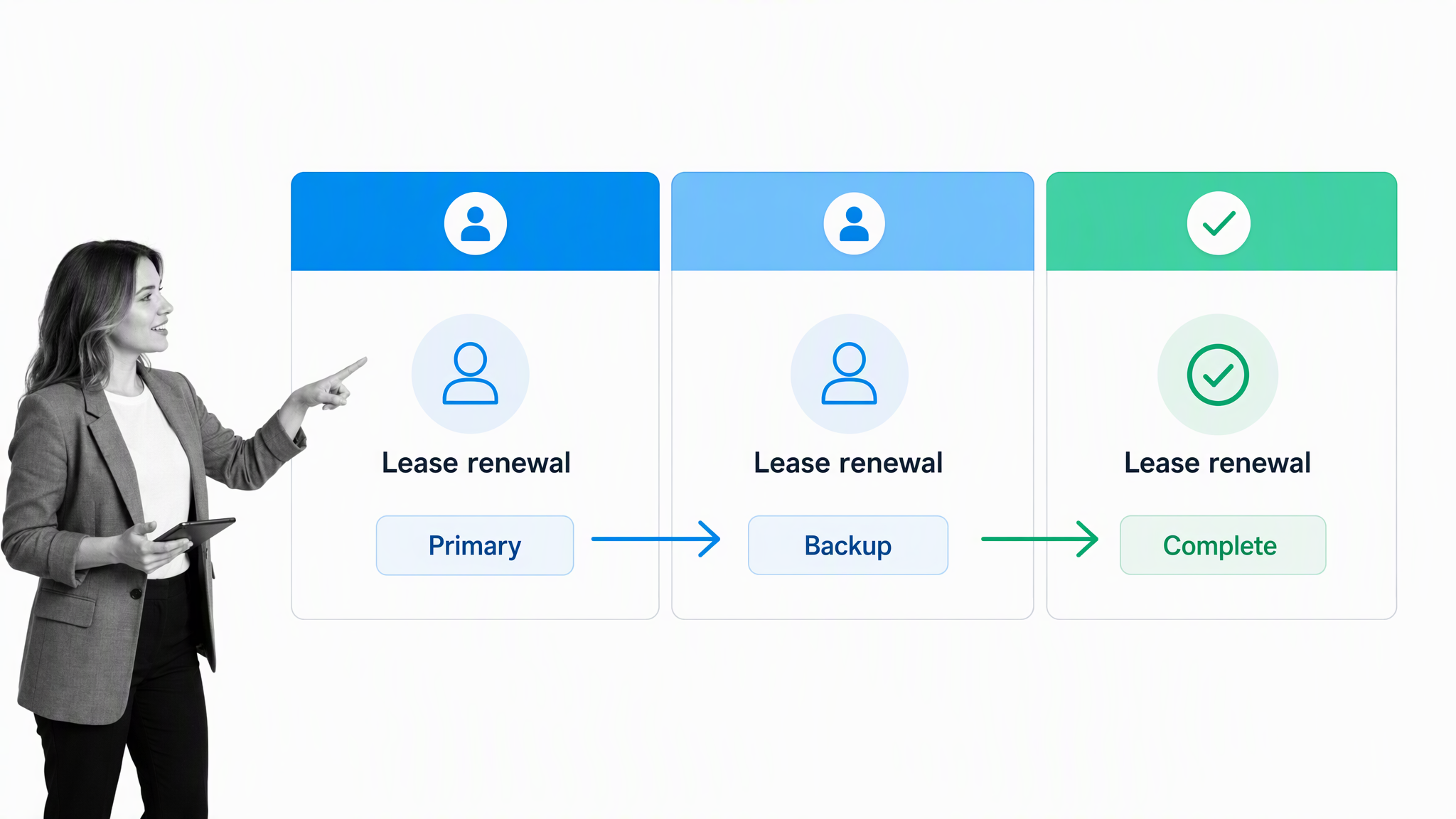
If somebody is responsible for lease renewals they know what they have to do, but if they’re out or get sick or even hit by a bus someone else can come in and pick up right where they left off.
We’ve actually put together a checklist for updating the entire company’s phone services, so we’re even setting up processes for deploying our processes!”
Tim Wehner
The result was operational continuity. A difficult or sensitive process could be assigned to the right person, followed step by step, and handed to someone else when necessary. Newer employees could follow the same workflow as experienced team members, while managers had a clearer view of progress.
That continuity mattered across both routine and unusual work. Lease renewals, tenant onboarding, inspections, and monthly reporting followed repeatable paths, but the same structure could also support one-off internal changes such as the company-wide phone-services update Tim described.
Property management carries obligations to tenants and owners. Repeatable workflows helped Dodson handle those responsibilities more consistently by making expected actions and ownership visible.
Taking it to the next level
At the time of the interview, Dodson had already gained substantial value from documenting and tracking its processes, but Tim said the team had implemented only a small part of what it planned.
“We’re probably only running 10% of the function that we intend to… We want to get our commercial, tech, and single family management team all fully running on Process Street too!”
Tim Wehner
That ambition captured the operating lesson at the center of the case study. As more work is documented and tracked, teams can scale without making every result depend on one employee’s memory. The customer story remains a historical example of how structured property management operations supported a large rental portfolio.
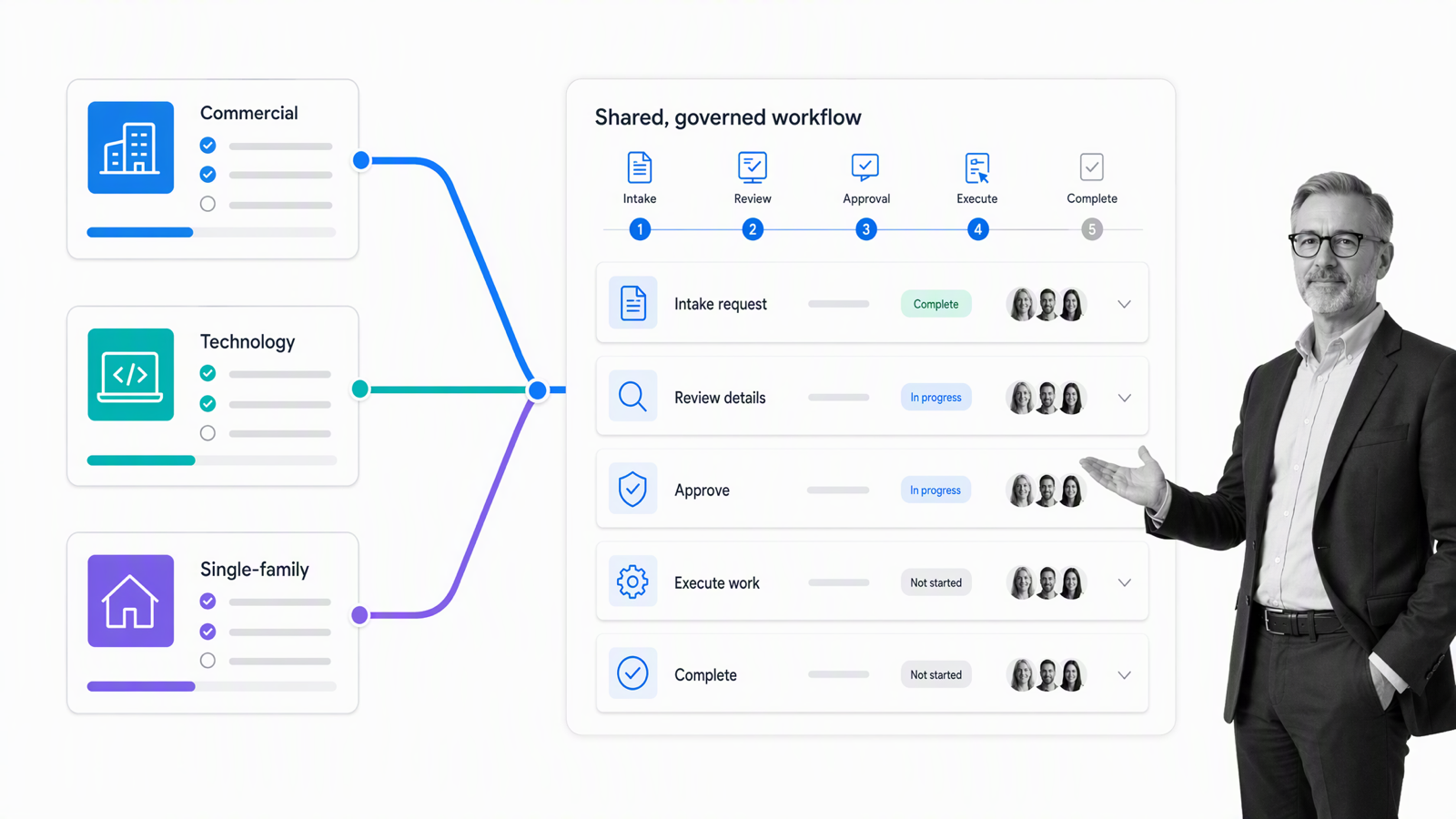
Today, Process Street is one Compliance Operations Platform with Docs and Ops capability areas plus built-in AI. Teams can govern policies and procedures, turn them into assigned workflows, automate handoffs, and keep evidence of execution connected in one product. Process Street has 5,000+ integrations.
Real estate teams can explore eight free real estate checklists, review a newer property management case study, or book a Process Street demo.
Frequently asked questions
How did Dodson Property Management use Process Street?
Dodson used Process Street to standardize and track recurring work across recruiting, employee onboarding, tenant operations, rent collection, maintenance, legal duties, and monthly reporting.
What result did Dodson report?
The team said it moved from relying on memory to monitoring work, supporting mobile execution, clarifying ownership, and enabling another employee to continue a process during an absence.
Does Dodson Property Management still operate under the same name?
No. In 2022, relevant Dodson divisions joined Evernest and Atrium. The Dodson Property Management brand described in this case study was dissolved as those divisions adopted their new operating names.