


The Crane Sharpie campaign is a social media contest case study about turning a product into a creative giveaway and using an artist partnership to amplify it. In 2014, I had a great call with Katie Sotor, then vice president of marketing at Crane, about the campaign. It ran for almost six months and, Katie reported, brought in more than 20,000 Facebook page likes during its first three months.
Crane turns ordinary products such as humidifiers, air purifiers, and space heaters into playful, creative designs. That product identity helped the team grow its Facebook page from roughly 9,000 to more than 30,000 likes in three months while spending less than $200 per month.
That product identity gave the team a natural starting point for a visual campaign.
The Idea
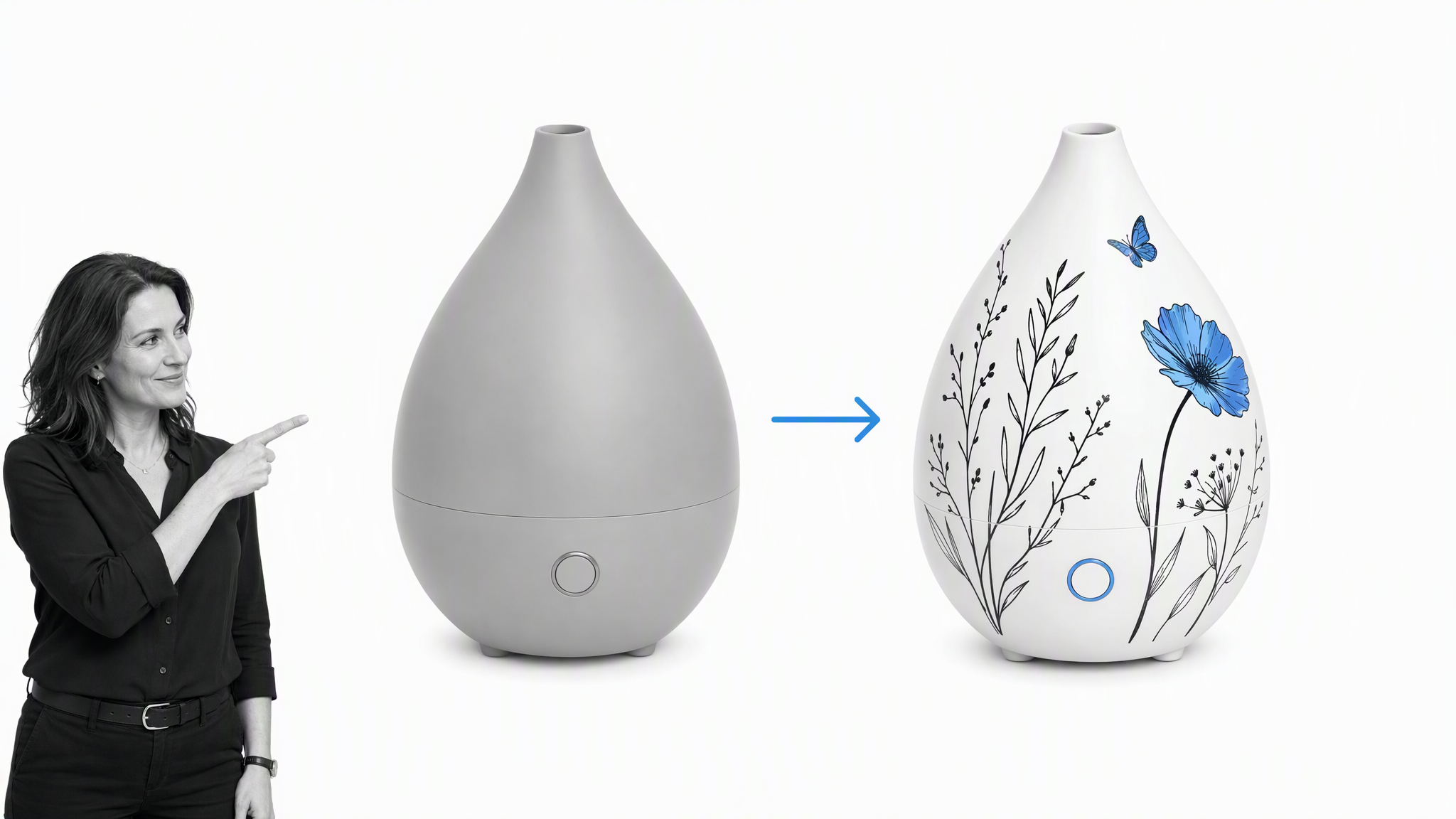
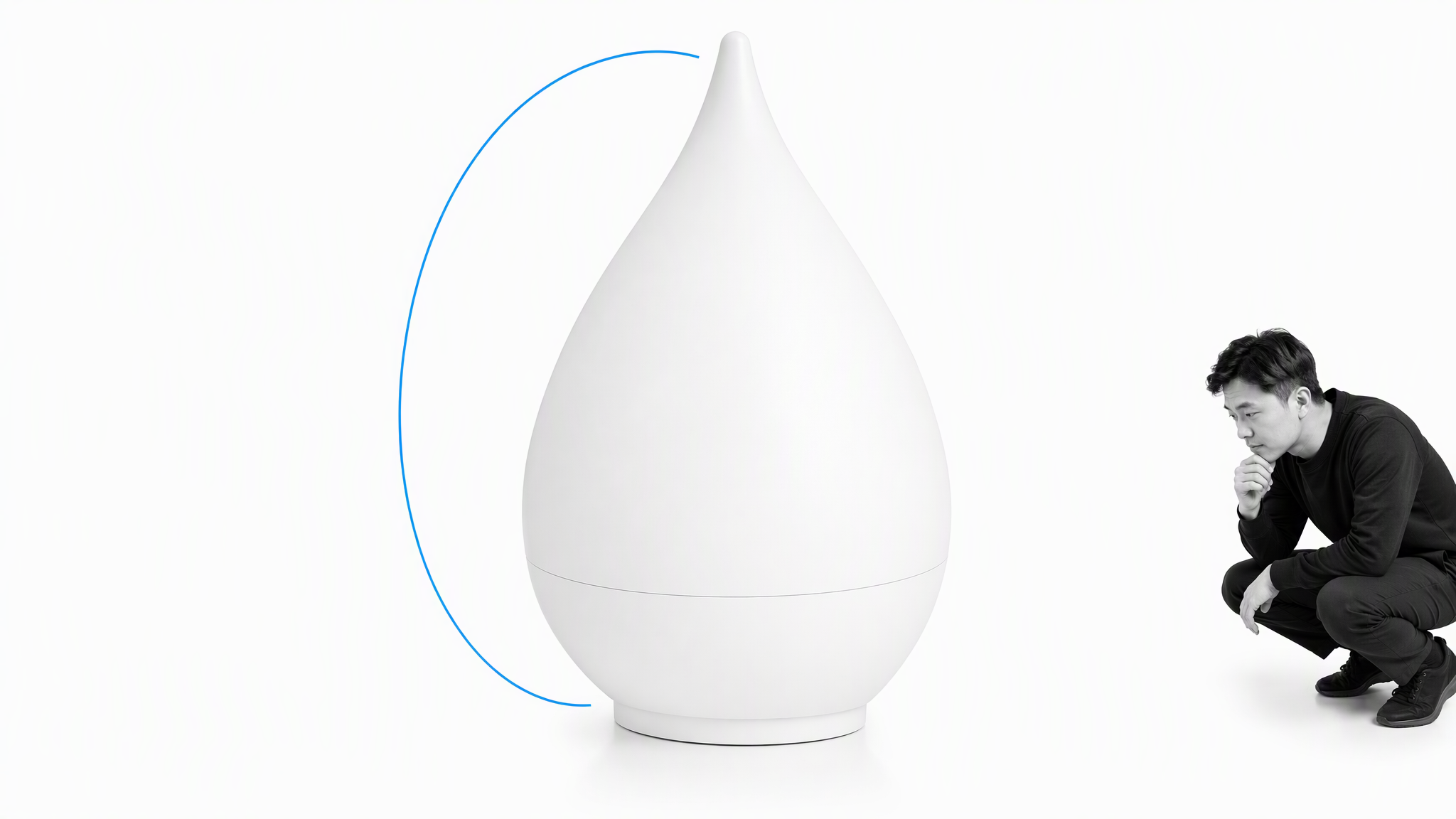
While brainstorming ideas for a campaign, Katie and her team noticed that the white Drop humidifier was essentially a “blank canvas” they could draw on. Being a creative company, they loved the idea of custom-art humidifiers and figured they could create some buzz by making and giving away one-of-a-kind versions. Crane still documents the collaboration as its Breathe Easy campaign on the company’s Sharpie campaign page.
They decided to run a Facebook competition with the goal of increasing page likes and improving Crane’s brand presence. At the time, Katie said most sales came through retailers, so direct website sales were secondary to awareness and reach.
The Execution
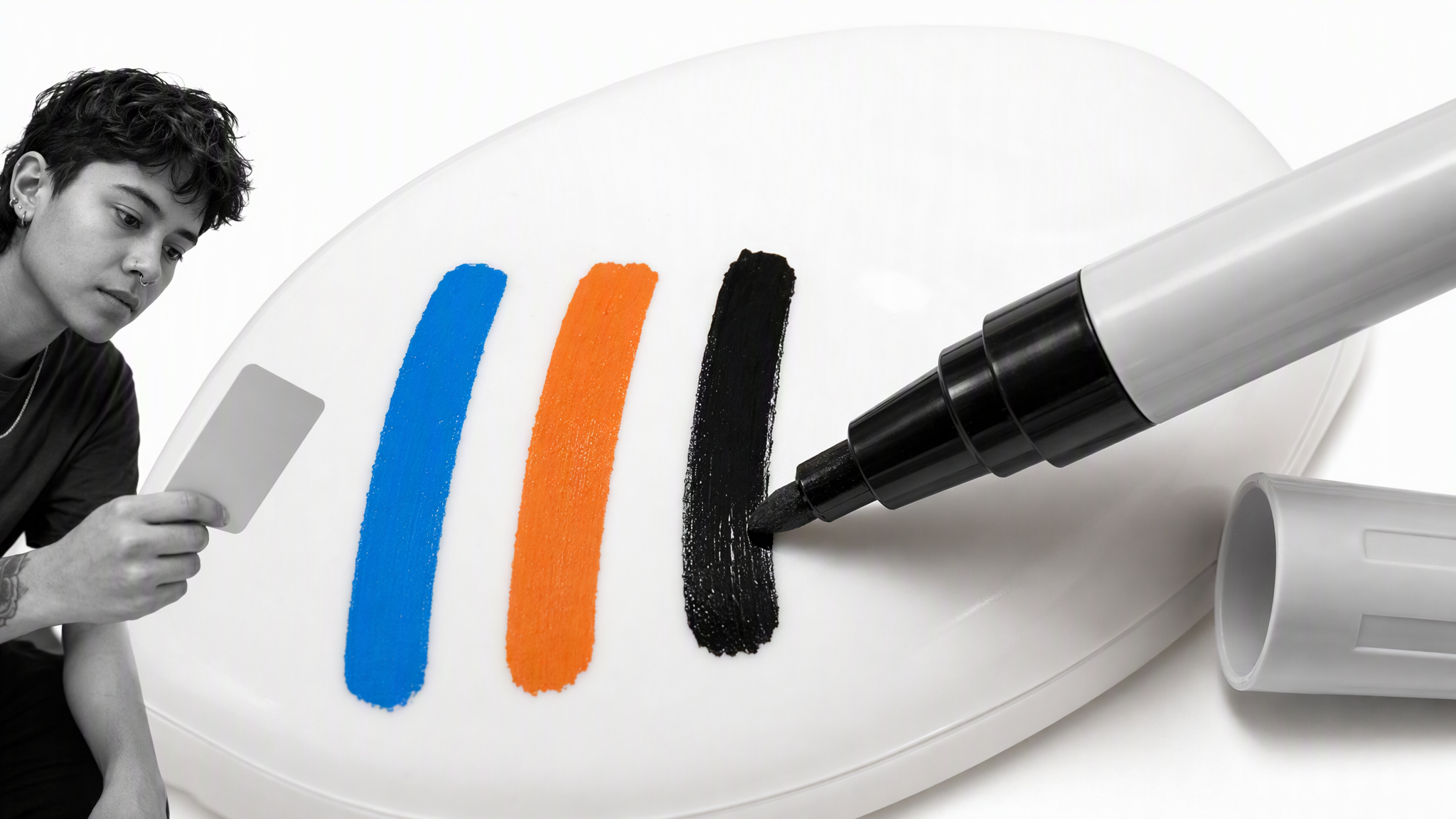
The first task was finding artists to create the art and a medium that would work on the humidifier shell. The team thought Sharpie Markers would be a great fit because Sharpie makes an oil-based paint marker designed for surfaces including plastic. Sharpie was also known for campaigns featuring artists who created work on unusual surfaces.
A personal connection helped get the idea moving. Someone in the office had gone to high school with a Sharpie artist who was happy to create the first design and connect the team with Sharpie marketing. With Samantha DeCarlo involved as the first artist, the campaign had both a distinctive prize and a credible creative partner.
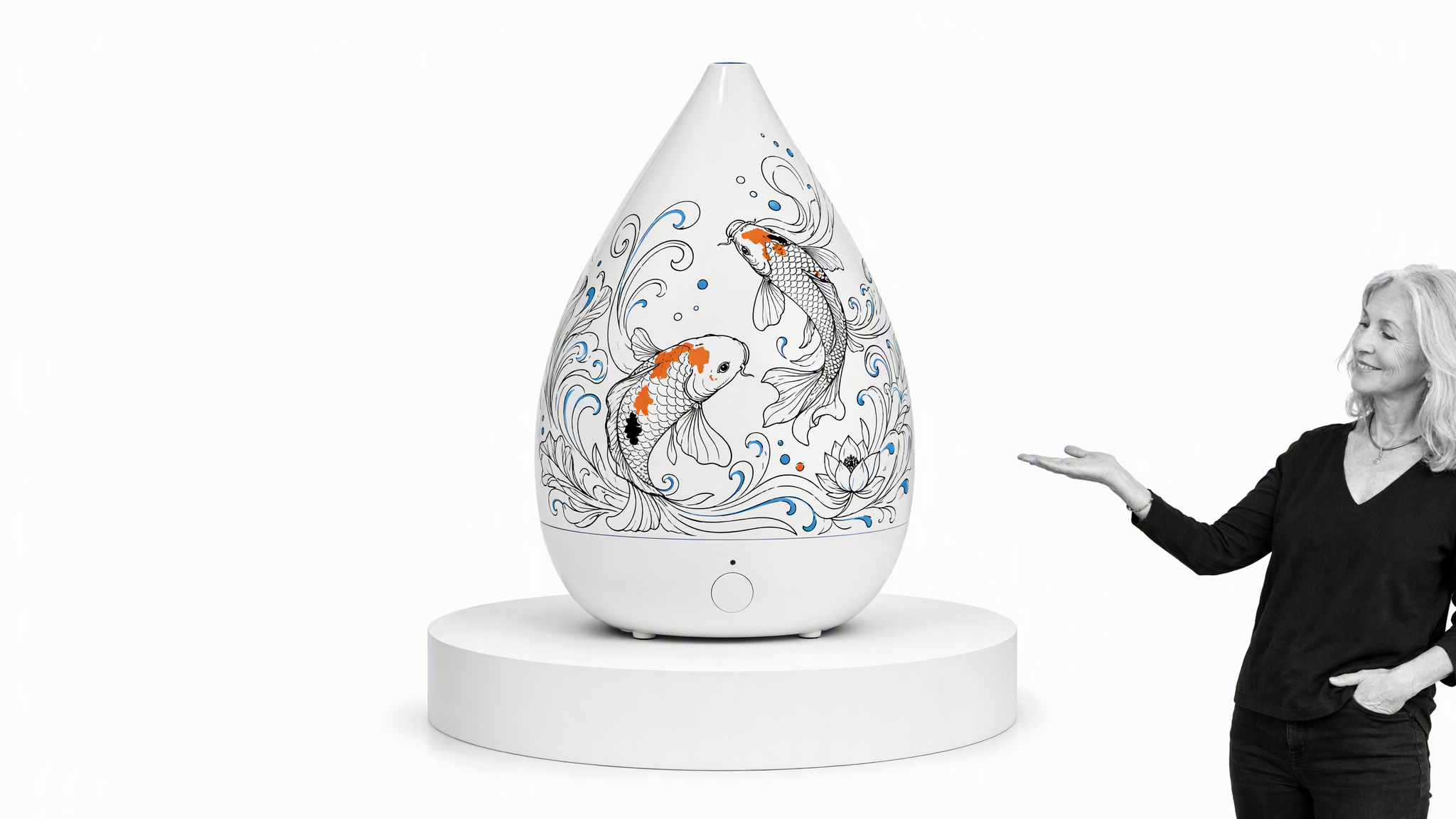
Entrants liked Crane’s Facebook page and submitted an email address. Crane gave away a standard humidifier each week, with a custom artist-designed humidifier as the grand monthly prize.
The team blogged about the campaign and promoted it across social media and its email list. They interviewed the artists and created more material to share. Katie said the Sharpie relationship helped extend the campaign to a larger audience. Crane also used an ‘everybody wins’ tactic by giving every entrant a discount coupon, which provided a simple way to attribute direct purchases.
Because this was a 2013-2014 campaign, teams should check Meta’s current promotion guidelines and applicable sweepstakes laws before reusing its entry mechanics.
The Results

Katie reported the following results from the campaign:
- More than 20,000 new Facebook page likes in the first three months, taking the page from roughly 9,000 to more than 30,000.
- $1,000 to $2,000 in direct sales attributed through coupons offered to entrants.
- Additional retail awareness that Crane did not quantify in the interview.
- Backlinks and reach from Sharpie, participating artists, and campaign coverage.
- A total cost below $200 per month, including about $100 in Facebook ads plus product costs.
Takeaways
I love this campaign for a few reasons. First, the product is a creative and playful twist on what is traditionally a boring appliance. Crane used that truth when designing the campaign and reinforced its brand image with a bright, creative giveaway people could not get anywhere else.
The team also executed effectively. It promoted the campaign continuously, mixed the giveaway with content marketing and artist interviews, and used a partner’s audience to get more reach from a small budget. The coupon connected attention to measurable direct sales without pretending that every brand-awareness benefit could be quantified. For teams planning a similar campaign, this comparison of marketing project management tools covers ways to coordinate the work.
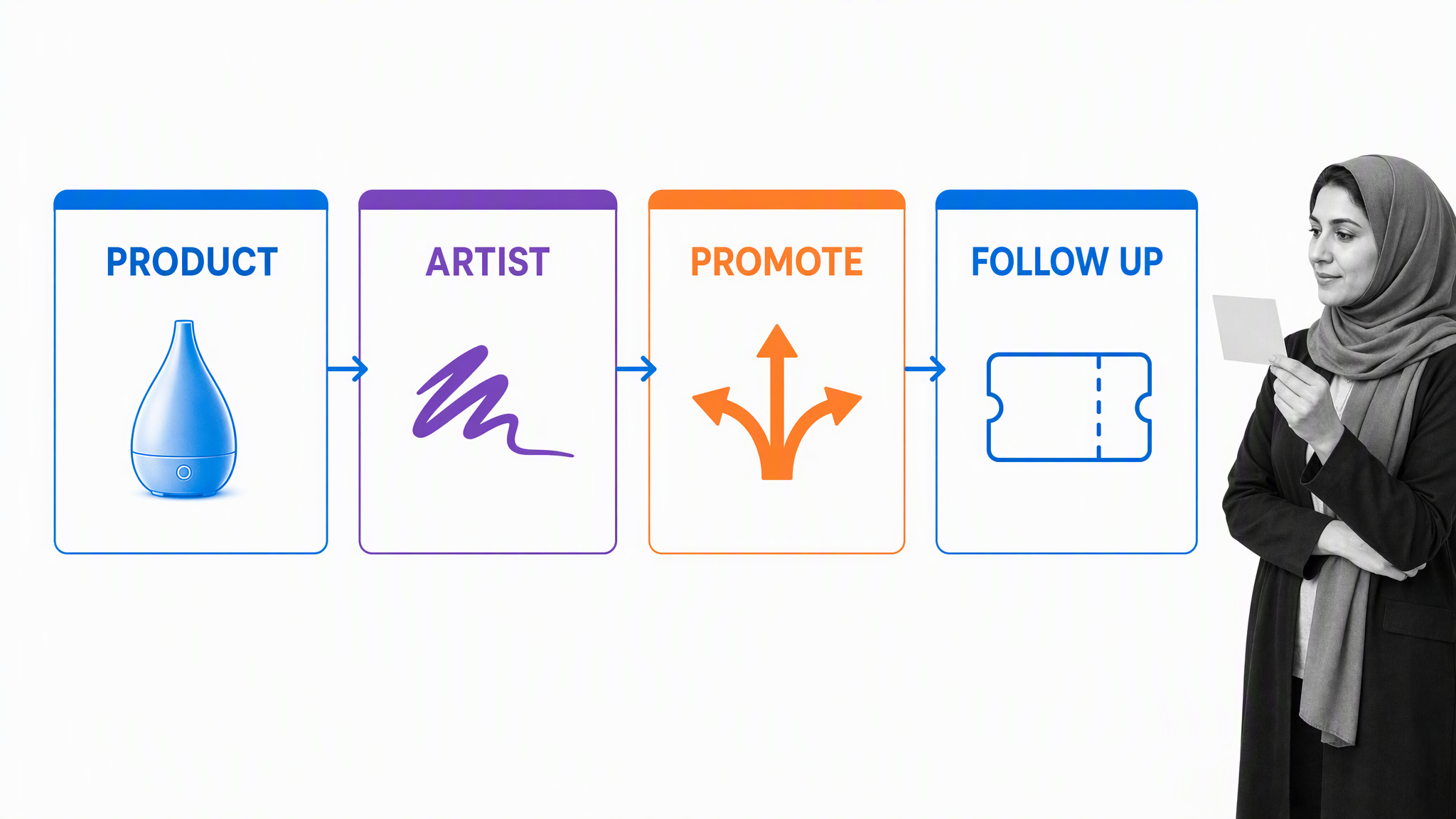
The durable lesson is to start with a product truth, give a creative partner a meaningful role, and promote the campaign consistently long enough for the audience to compound. Visit Crane to explore its products.
Crane Sharpie campaign FAQs
What was the Crane Sharpie campaign?
Crane turned its white Drop humidifier into a canvas for artist-designed giveaway prizes and promoted the campaign through Facebook, email, blog content, artist interviews, and partner amplification.
How many Facebook page likes did the Crane campaign generate?
Katie Sotor reported that Crane gained more than 20,000 Facebook page likes in the first three months, growing from roughly 9,000 to more than 30,000.
Why did the Crane Sharpie campaign work?
It started with a clear product truth, gave artists a meaningful role, used a recognizable partner, promoted the giveaway consistently, and connected attention to direct sales with entrant coupons.