Turn every policy into automated workflows with built-in enforcement and audit-ready proof.



The Best Business Task Management Software Tools
Business task management software gives a team one place to capture work, assign ownership, set priorities, track deadlines, and see what is blocked. The right system does more than hold a shared to-do list. It helps people move recurring work from request to completion without relying on memory, inbox searches, or status meetings.
This guide compares ten strong options for different operating styles. Process Street leads for recurring, process-driven work where tasks need instructions, forms, approvals, and controlled handoffs. The other tools cover visual boards, personal planning, flexible databases, Microsoft-centric work, and project coordination.
- What is business task management software?
- How does task management differ from workflow management?
- Business task management software comparison
- The best business task management software
- How should you choose task management software?
- How do you roll out task management software?
- Business task management software FAQ
What is business task management software?
Business task management software is a shared system for turning work into trackable units with an owner, a due date, a priority, and a status. It replaces scattered reminders with a visible queue that employees and managers can use to coordinate daily execution.
At a minimum, a useful tool should make it easy to create and assign tasks, add context, update status, and find overdue work. More capable platforms also support intake forms, dependencies, recurring schedules, approvals, automations, reporting, and reusable templates. Those capabilities matter when the same kind of work happens repeatedly or must follow a defined sequence.
The category overlaps with task management software, project management, and workflow management software. The deciding question is not the label. It is whether the system matches the shape of the work your team needs to control.
How does task management differ from workflow management?
Task management centers on individual actions: what needs to be done, who owns it, and when it is due. Workflow management connects those actions into a repeatable operating sequence. A task might be “review the vendor application.” A workflow covers intake, risk checks, approval, notification, recordkeeping, and escalation from beginning to end.
A simple task board is often enough for flexible, one-off work. A workflow platform is a better fit when the order matters, work changes based on submitted data, an approval must happen before the next step, or the business needs a reliable record of what occurred. Teams often need both views: a personal queue for each employee and a process view for managers.
Business task management software comparison
| Tool | Best fit | Distinctive strength | Watch for |
|---|---|---|---|
| Process Street | Recurring operational workflows | Tasks, forms, conditional paths, role assignments, and approvals in one run | More structure than a personal to-do app |
| Asana | Cross-functional project coordination | Clear ownership, dependencies, approvals, and multiple project views | Teams need shared conventions to prevent project sprawl |
| ClickUp | Teams that want a broad work hub | Tasks connected with docs, dashboards, chat, and automation | Configuration choices can require careful governance |
| Trello | Simple visual work tracking | Boards, lists, and cards that make stages easy to understand | Complex portfolios may need more structure |
| monday.com | Highly visual, configurable team boards | Custom fields, Kanban views, and code-free automations | Board design can become inconsistent across teams |
| Todoist | Fast personal and lightweight team planning | Quick task capture, priority levels, and focused daily views | Less suited to controlled multi-step operations |
| Microsoft Planner | Organizations centered on Microsoft 365 | Tasks and plans surfaced across a familiar Microsoft environment | Best value depends on the surrounding Microsoft stack |
| Notion | Teams that want tasks beside docs and knowledge | Flexible databases with board, calendar, and timeline views | Flexibility creates design and maintenance work |
| Airtable | Data-rich work and custom operational apps | Relational records shown through grid, Kanban, calendar, and form views | Requires thoughtful data modeling |
| Wrike | Structured project delivery and review cycles | Request forms, dashboards, approvals, and custom work types | Depth can exceed the needs of a small team |
The table is a shortlist, not a universal ranking. A useful buying decision starts with the operating problem: missed individual work, unclear project ownership, inconsistent recurring processes, or poor visibility across a portfolio. The best tool is the one that removes that specific failure without creating a heavier system than the team can maintain.
The best business task management software
Process Street
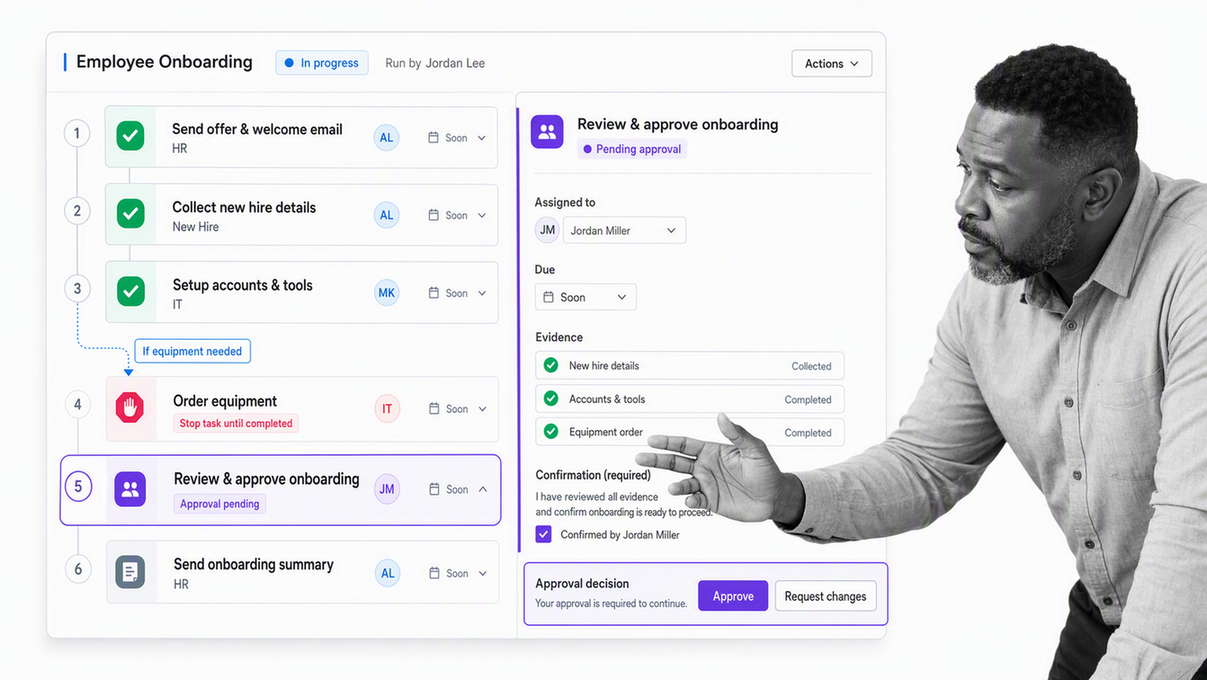
Best for: Recurring business processes that need consistent execution, clear handoffs, and proof of completion.
Process Street turns a repeatable process into a structured workflow run. Builders can combine tasks with instructions, form fields, conditional logic, role assignments, dynamic due dates, stop tasks, permissions, and approvals. Employees see the work assigned to them, while managers can monitor progress across active runs. That makes it a strong choice for onboarding, approvals, client delivery, compliance operations, recurring finance work, and other processes where a loose board is not enough.
The key distinction is execution discipline. A project tool can remind someone to perform a review. Process Street can define what information must be collected, route the review to the right role, pause the process until approval, and preserve the completion record. Teams can explore the Process Street workflow platform when they need task management to operate as a repeatable business system.
Choose it when: The work follows a known pattern, errors are expensive, or accountability depends on more than marking a card complete.
Asana
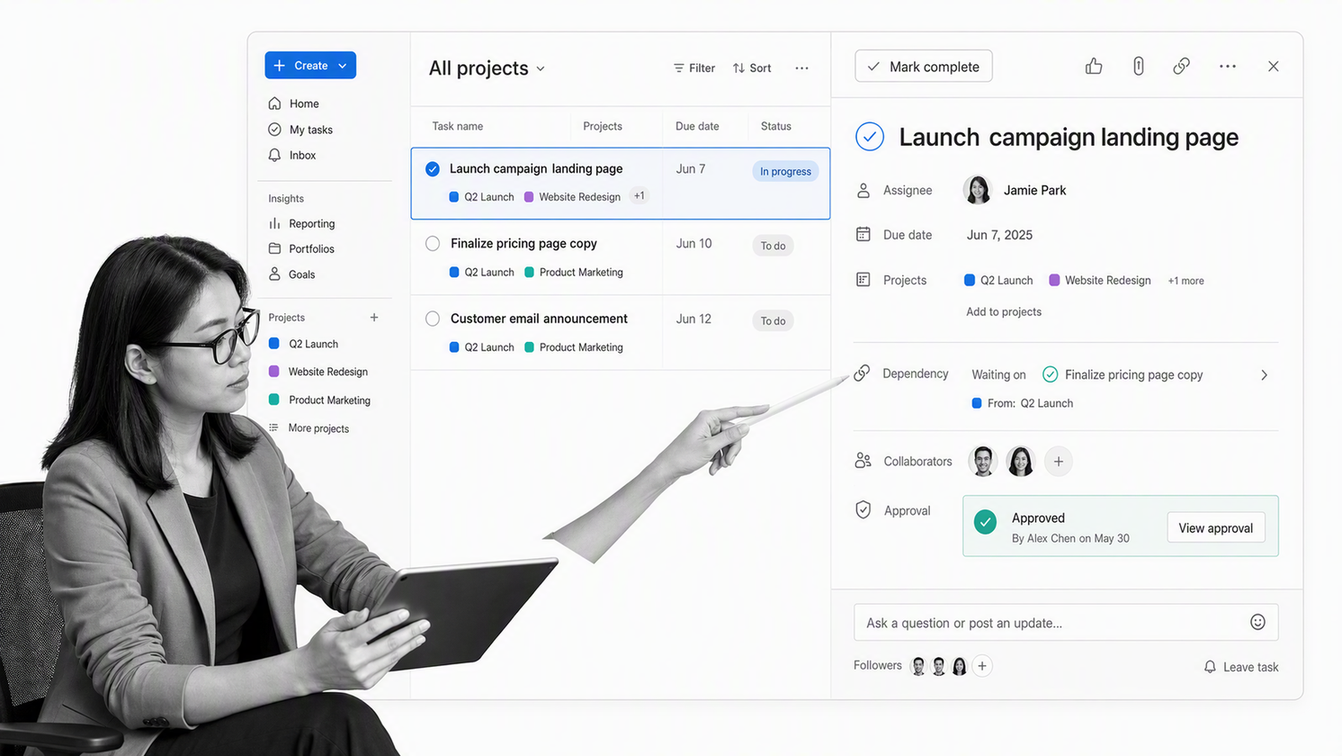
Best for: Cross-functional projects that need clear ownership and dependency tracking.
Asana tasks support one responsible owner, due dates, subtasks, collaborators, dependencies, approvals, and custom fields. The same task can appear in more than one project without creating a duplicate record, which helps when several teams need different views of shared work. List, board, calendar, timeline, and Gantt-style views let contributors and managers examine the same project from different angles.
Asana works well when the business needs project coordination more than tightly controlled process execution. It can organize campaigns, launches, requests, and ongoing team programs. Its breadth also means administrators should define naming, ownership, status, and archiving rules early. Without those conventions, a flexible workspace can accumulate overlapping projects and fields.
ClickUp
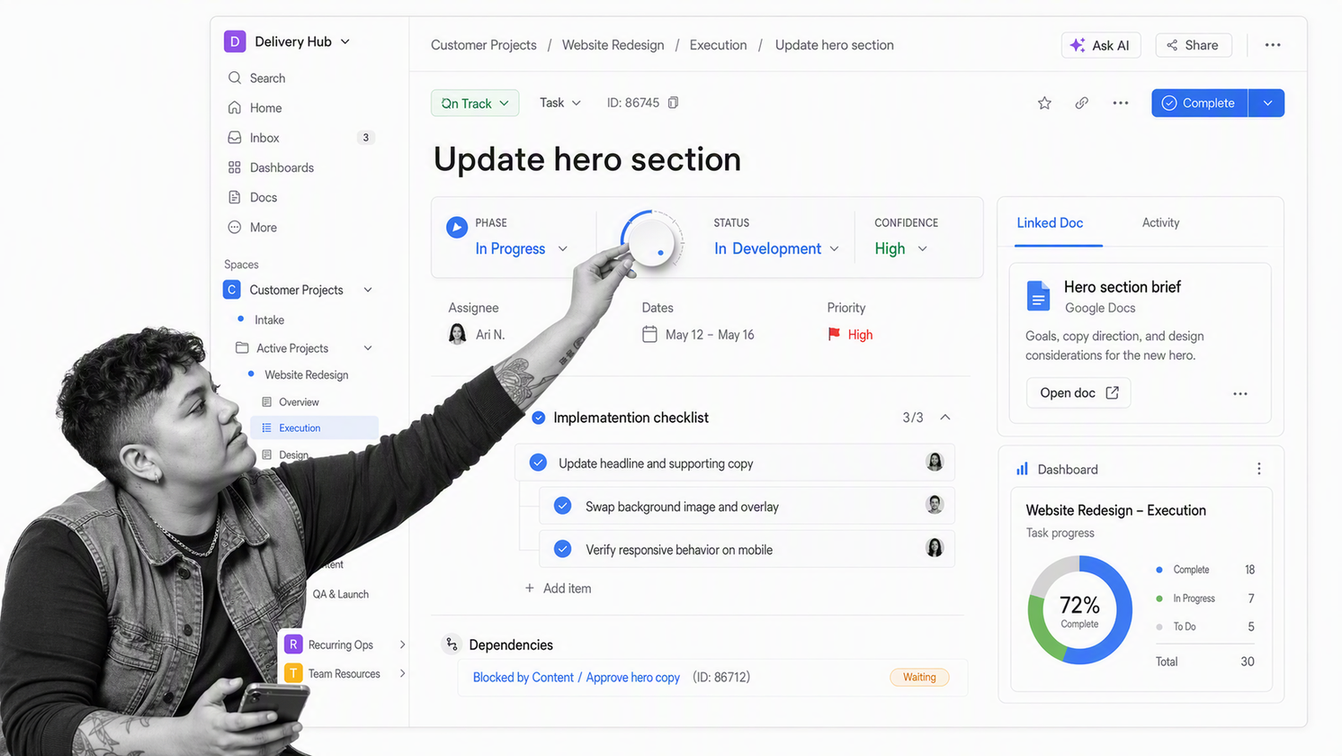
Best for: Teams that want tasks and adjacent collaboration tools in one configurable workspace.
ClickUp connects tasks with documents, chat, goals, dashboards, whiteboards, and automation. Teams can add custom fields, priorities, dependencies, subtasks, checklists, recurring tasks, and custom statuses, then view the work as lists, boards, calendars, timelines, or Gantt charts. This range makes it attractive to organizations trying to consolidate several work-management surfaces.
The tradeoff is design discipline. A highly configurable platform can solve many use cases, but it can also produce inconsistent spaces when each team invents its own hierarchy and status model. Start with one representative workflow, define a small set of standards, and expand only after employees can reliably find their assignments and report progress.
Trello
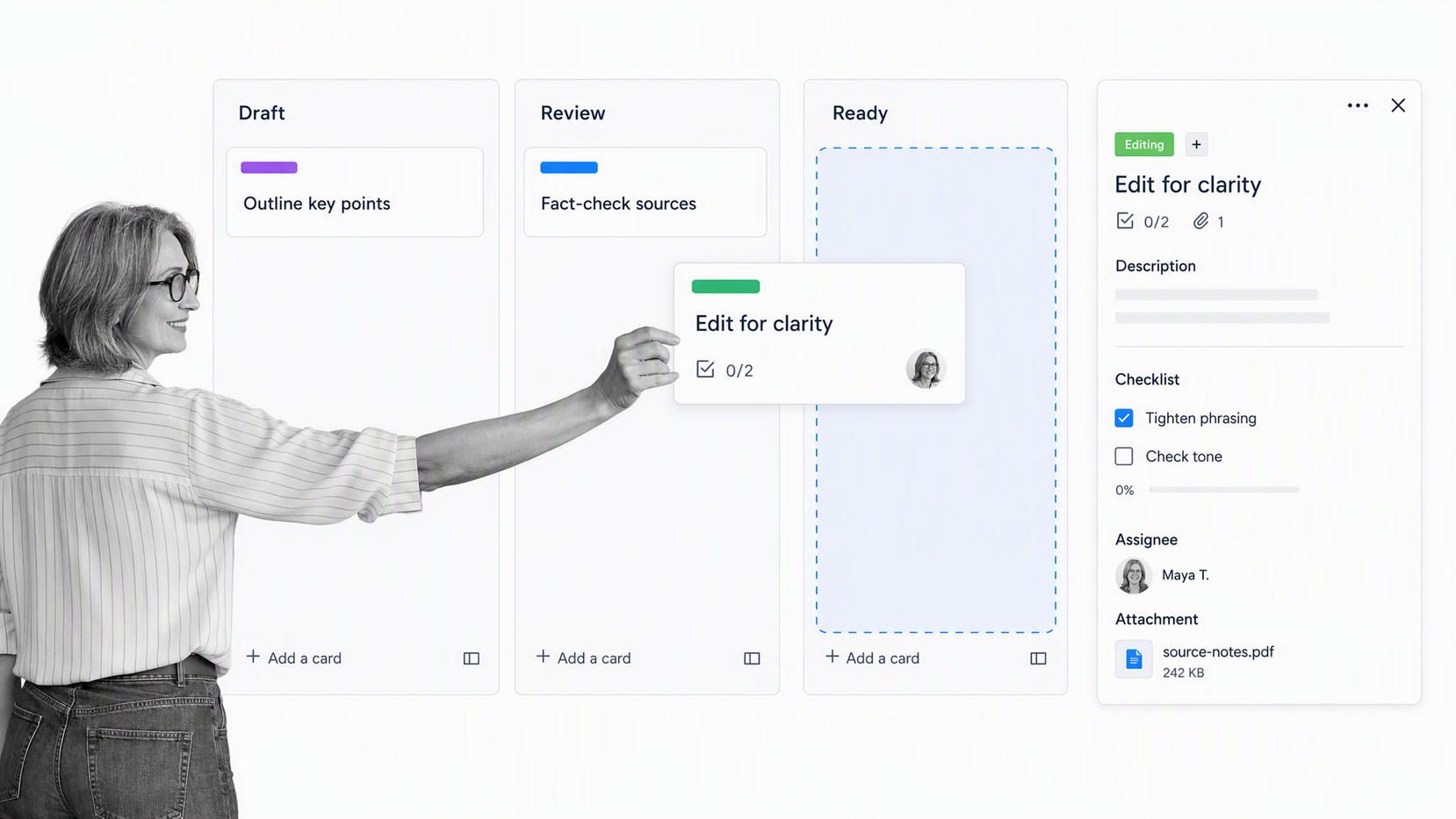
Best for: Small teams that want an immediately understandable visual board.
Trello organizes work through boards, lists, and cards. A board represents the project or workflow, lists represent stages, and cards represent tasks or pieces of information. Moving a card from one list to another makes progress visible with little training. Cards can carry assignees, due dates, checklists, attachments, labels, and discussion.
This simplicity is Trello’s advantage. It is useful for editorial calendars, hiring pipelines, lightweight sales tracking, and short projects with a clear flow. It becomes less comfortable when the business needs dense dependencies, standardized intake across many teams, or portfolio-level controls. In that situation, teams may add automation and views or graduate to a more structured system.
monday.com
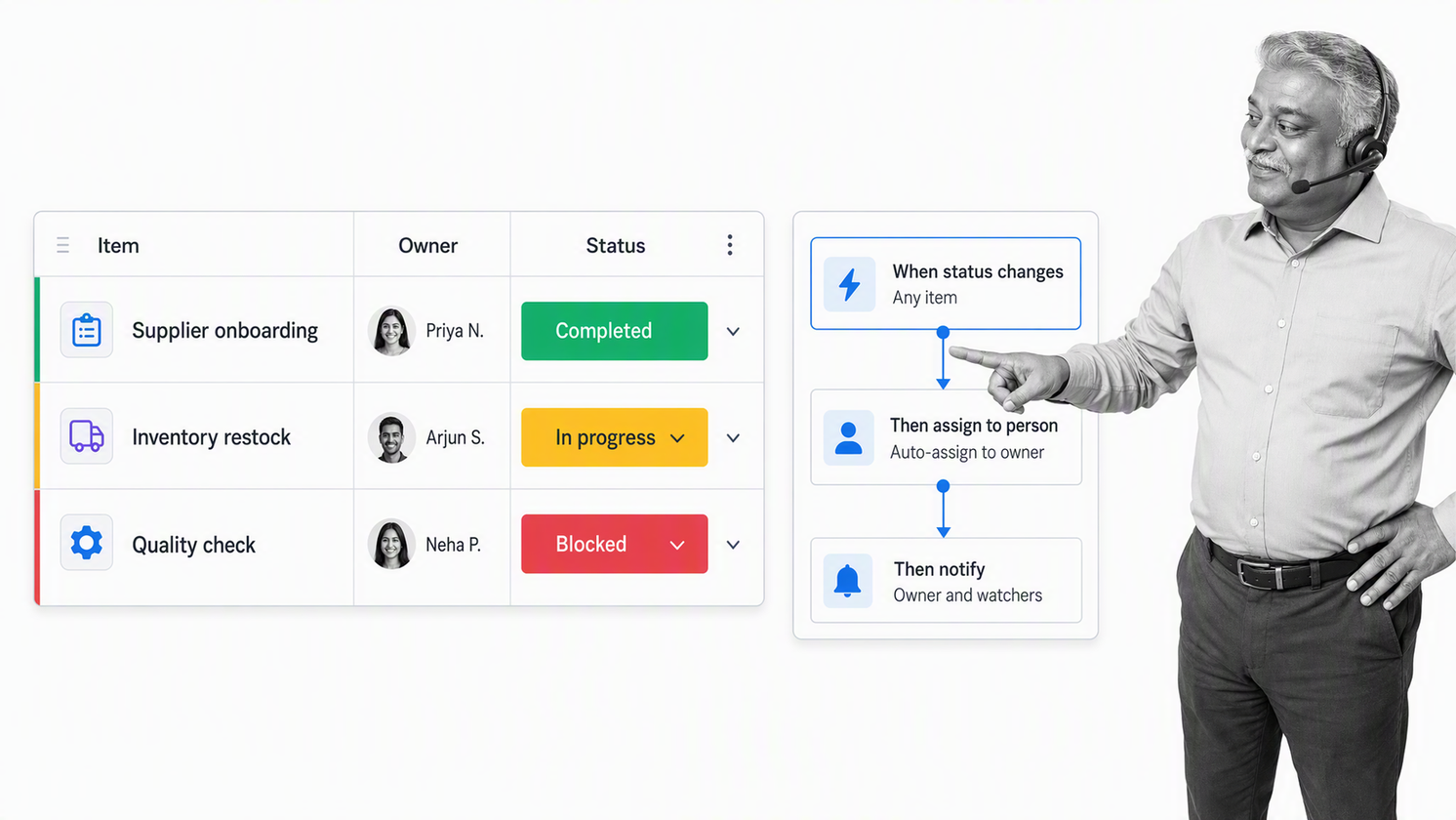
Best for: Teams that want colorful, configurable boards and code-free automation.
monday.com lets teams represent tasks as items on customizable boards, filter work by status or other fields, and visualize progress through Kanban and dashboard views. Its automation builder can send notifications, create or hand over tasks, assign work, and respond to date or status changes. That combination suits teams that need a visible operating board without building a system from code.
The platform can support many departments, but consistency matters. Before creating multiple boards, define which fields are universal, how status values map across teams, and what should trigger an automation. A smaller shared vocabulary makes cross-board reporting easier and prevents every department from creating a different definition of “done.”
Todoist
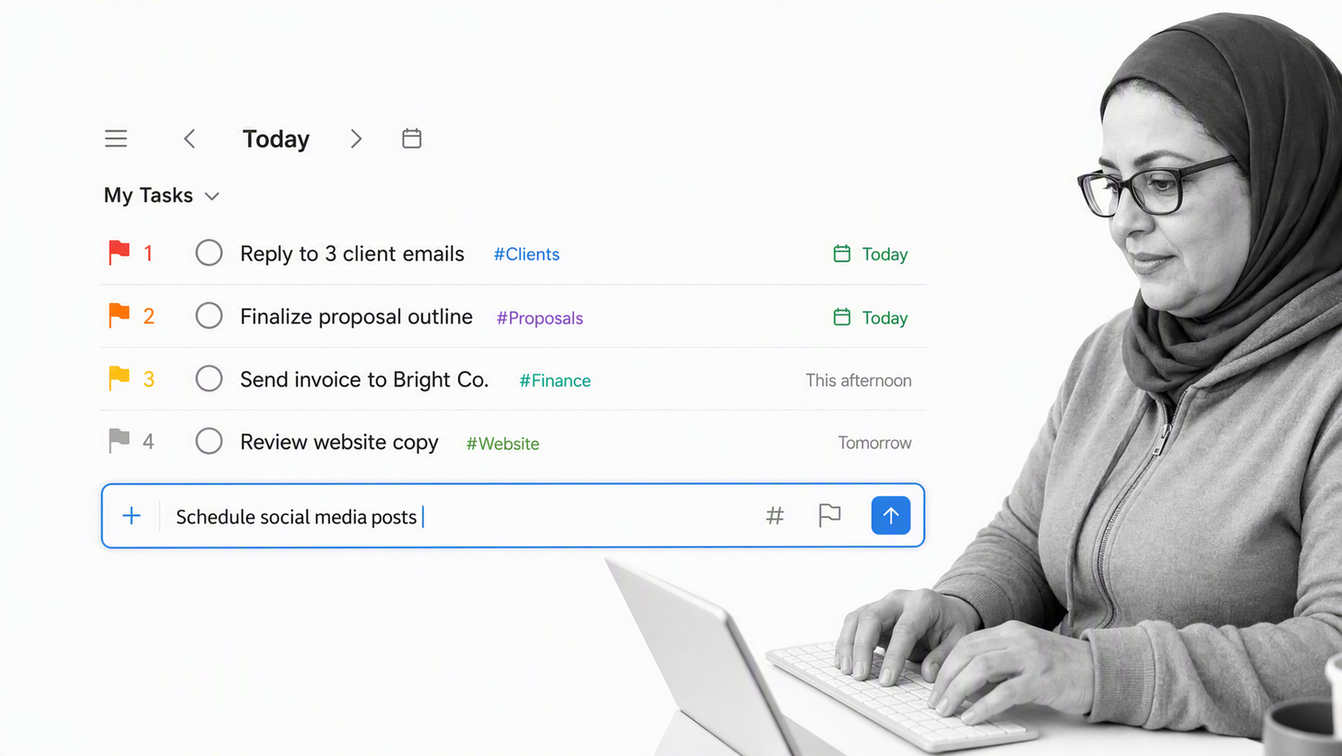
Best for: Individuals and small teams that value fast capture and a focused daily plan.
Todoist organizes tasks into personal or team projects. Users can add dates, divide projects into sections, assign priority levels, and work from Today and Upcoming views. The product’s natural-language task entry and restrained interface make it easy to capture commitments quickly instead of spending time configuring the workspace.
That focus makes Todoist effective for personal planning, executive action lists, and lightweight shared work. It is less suitable when a process needs formal approvals, branching logic, complex dependencies, or a detailed audit trail. Choose it when adoption speed and individual clarity matter more than operational control.
Microsoft Planner
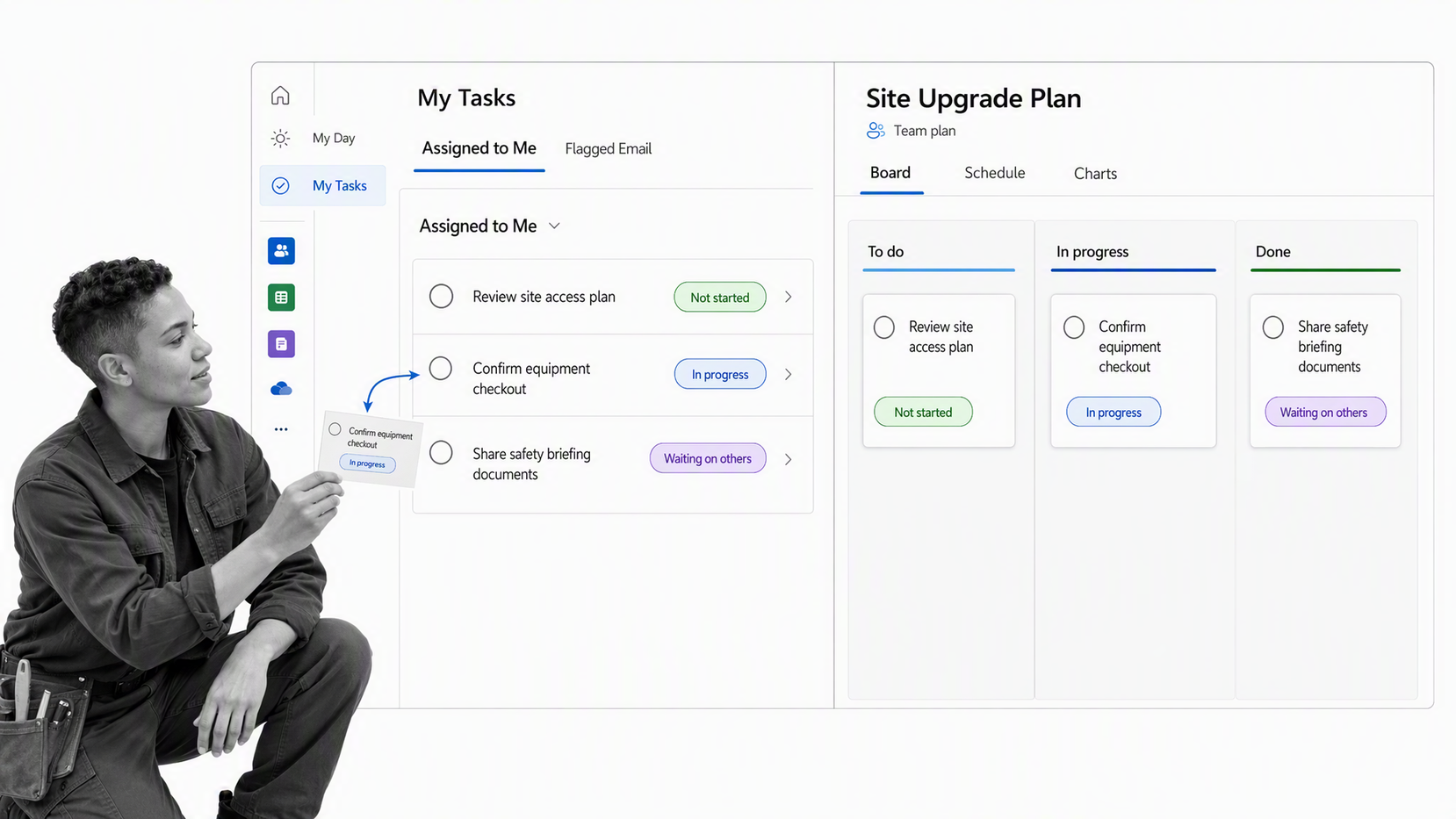
Best for: Organizations that already coordinate work through Microsoft 365.
Microsoft Planner brings tasks, to-do lists, plans, and projects into a single planning experience. It provides My Day, My Tasks, and My Plans views, plus list, board, timeline, sprint, schedule, and chart views depending on the plan. Integration with Microsoft Teams helps teams surface assigned work where collaboration already happens.
Planner is a natural candidate when identity, communication, files, and meetings already live in Microsoft’s ecosystem. Its value comes from reducing tool switching and making assigned work easier to discover. Buyers should still test whether the available planning depth matches their requirements, especially for advanced workflow controls or work that spans external collaborators.
Notion
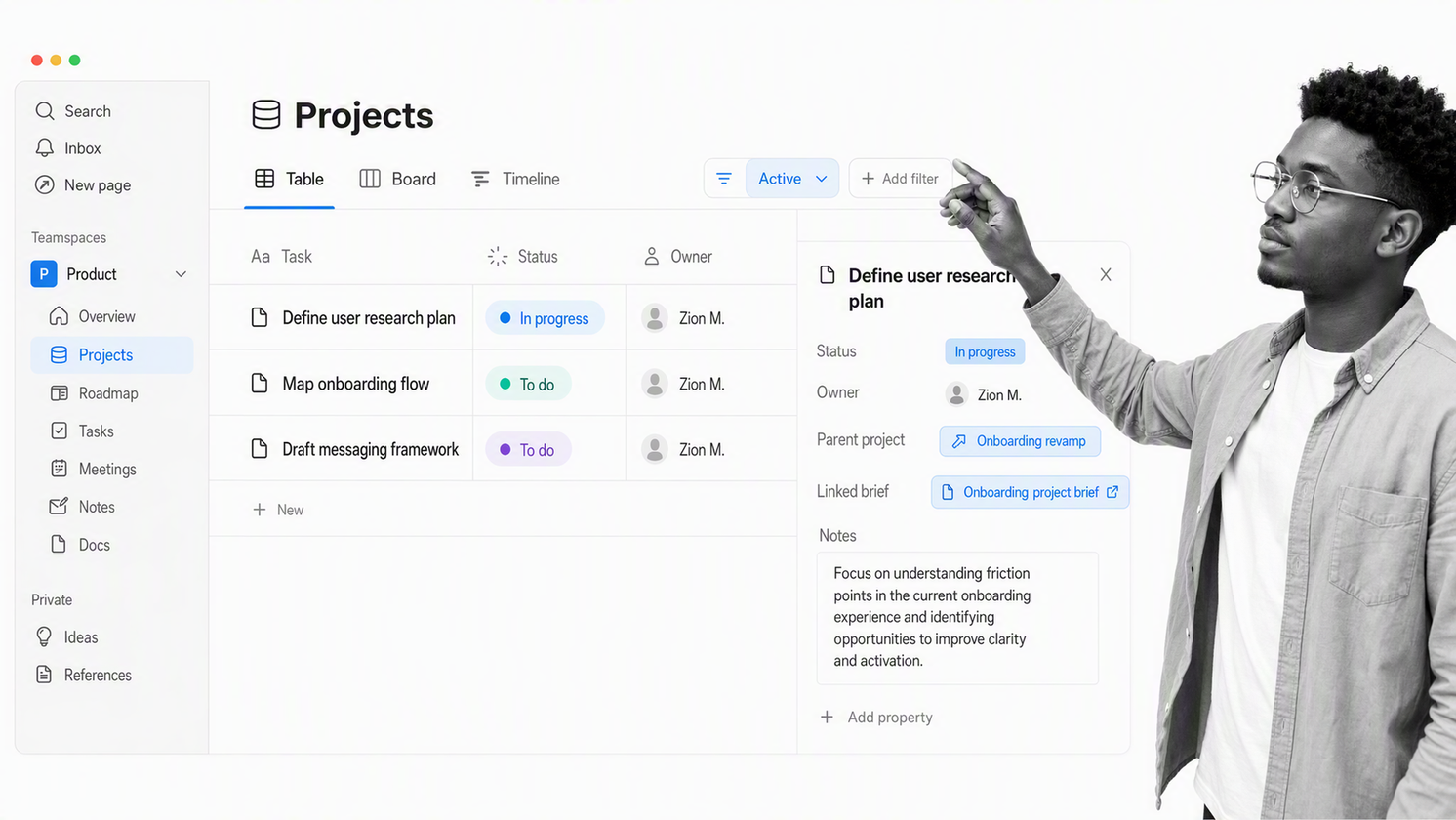
Best for: Teams that want project tasks, documentation, and company knowledge in one connected workspace.
Notion Projects uses databases to track tasks with status, assignee, due date, dependencies, and parent projects. The same database can be displayed as a table, board, calendar, timeline, or filtered personal view. Because each task can also be a page, teams can keep project context, notes, and decisions close to the work.
Notion is especially useful when documentation and execution are tightly connected. Its flexibility is also the main implementation risk. A workspace needs a clear database model, a limited set of canonical properties, and owners who maintain templates and views. Otherwise, teams can recreate the fragmentation they intended to solve.
Airtable
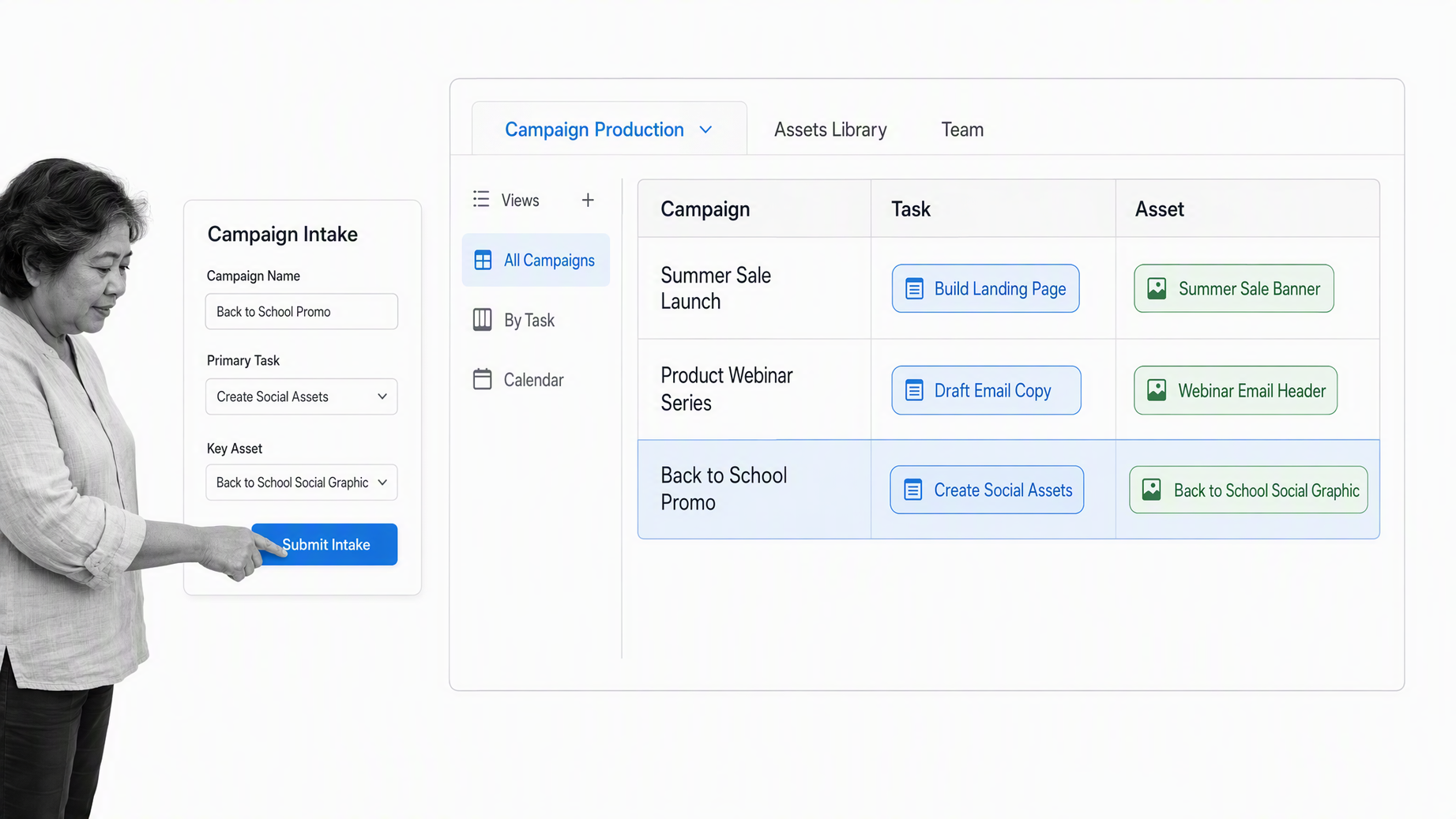
Best for: Operational work where tasks are tied to structured business data.
Airtable combines relational records with flexible views. Teams can represent the same underlying work as a grid, list, Kanban board, calendar, timeline, Gantt chart, gallery, or form-driven intake. Forms can create new records, while automations and interfaces help turn those records into a tailored operational application.
This model fits content operations, product planning, campaign production, inventory-linked work, and other cases where a task is only one part of a richer record. The implementation should begin with the data relationships, not the prettiest view. Clear tables, record ownership, and field definitions make later automations and reporting much more reliable.
Wrike
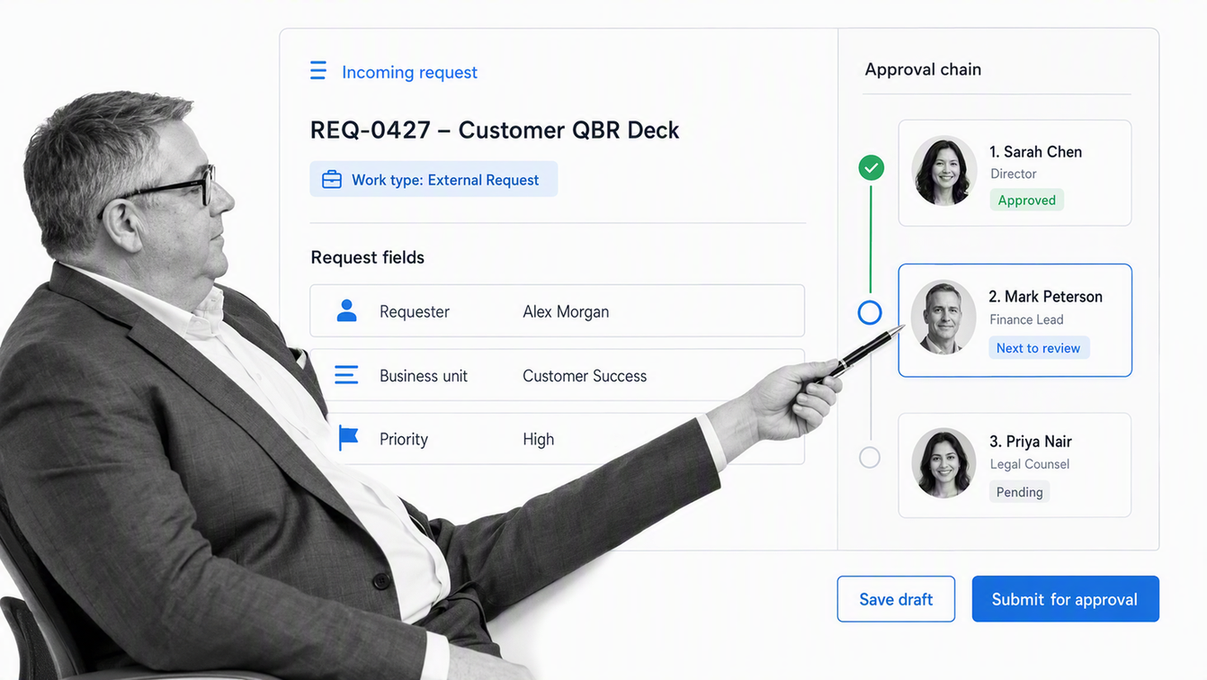
Best for: Structured project delivery, complex request intake, and review-heavy work.
Wrike supports tasks, subtasks, folders, projects, dashboards, request forms, custom item types, approvals, automation, and multiple work views. Teams can capture a request, route it, assign work, monitor progress, and keep review decisions attached to the task. Its dashboards and configurable work types are useful when several teams need different operational views of a shared delivery system.
Wrike is strongest when the business is prepared to use that depth. Smaller teams with straightforward needs may find a simpler tool easier to adopt. For larger or process-heavy groups, a controlled rollout can demonstrate whether request forms, approvals, and reporting reduce coordination overhead enough to justify the configuration.
How should you choose task management software?
Start with the failure you need to eliminate. “We need better productivity” is too broad to guide a purchase. A useful problem statement sounds like: customer requests arrive without the information needed to act, recurring checks are completed inconsistently, approvals sit in email, or managers cannot see ownership across active work.
- Map the work type. Separate one-off personal tasks, finite projects, recurring workflows, and data-rich operational records. Each shape favors a different product.
- Define the minimum control set. Decide whether you need only assignees and due dates or also forms, dependencies, approvals, permissions, conditional paths, automations, and evidence.
- Test the contributor experience. Employees should be able to find their work, understand the next action, and update status without navigating a complicated architecture.
- Test the manager experience. Leaders need enough visibility to spot blocked, overdue, or unassigned work without asking for manual updates.
- Check governance. Confirm who can create projects or workflows, change fields, access sensitive tasks, and archive old work.
- Evaluate the surrounding stack. A tool should fit the communication, file, identity, and reporting systems employees already use.
Do not score products on feature count alone. Weight the requirements by business impact and frequency. A rarely used timeline view should not outweigh reliable assignment, approval, or recurring-work behavior if those are central to daily operations.
How do you roll out task management software?
A good rollout begins with one real workflow, not a company-wide blank workspace. Choose work that happens often, has visible pain, and has a clear owner. Build the smallest version that can run from intake to completion, then test it with the people who actually perform the tasks.
- Document the current path. Capture the trigger, required information, steps, owners, handoffs, approvals, and completion evidence.
- Remove unnecessary steps. Software should not automate a confusing process. Simplify the flow before configuring it.
- Build a minimum viable system. Use only the fields, statuses, and automations needed for the first complete run.
- Run live work through it. Observe where contributors hesitate, where information is missing, and where managers still need to chase updates.
- Measure operational outcomes. Track missed deadlines, cycle time, rework, blocked items, and adoption for the selected workflow.
- Standardize before expanding. Turn the successful configuration into a reusable pattern, assign an owner, and then add the next workflow.
The goal is not to reproduce every spreadsheet and inbox inside a new platform. It is to create a dependable system in which people know what to do, managers can see what is happening, and recurring work follows the intended path.
Business task management software FAQ
What is the best business task management software?
The best choice depends on the work. Process Street is strongest for repeatable workflows with forms, approvals, and controlled handoffs. Visual boards may suit simpler work, while broad project platforms fit cross-functional planning.
Can task management software handle recurring business processes?
Yes, if the platform supports reusable templates or workflows, recurring schedules, assignments, due dates, and the controls your process needs. For complex recurring work, look for forms, conditional paths, approvals, and reporting.
What features matter most for team accountability?
Clear ownership, due dates, status visibility, notifications, blocked-work signals, and a record of comments or approvals matter most. Managers should be able to identify overdue or unassigned work without requesting a separate update.
How is task management software different from project management software?
Task management focuses on individual actions, ownership, priority, and deadlines. Project management adds broader planning such as milestones, dependencies, resources, and portfolio visibility. Many platforms combine both.
How long should a task management software pilot run?
Run the pilot long enough to complete several real cycles of the selected workflow. The important test is whether contributors adopt it, managers gain visibility, and the chosen process produces fewer missed handoffs or status-chasing loops.
Turn tasks into a reliable operating system
A task list creates visibility. A well-designed operating system creates consistent execution. Select software based on the structure your work actually needs, prove it on one recurring workflow, and expand from evidence instead of feature enthusiasm. When assignments, context, handoffs, and approvals live in the same system, the team spends less time reconstructing status and more time completing the work.