


TechMD, now part of Integris, is a managed IT services company that uses Process Street to centralize recurring standard operating procedures, assign work, and make execution reviewable.
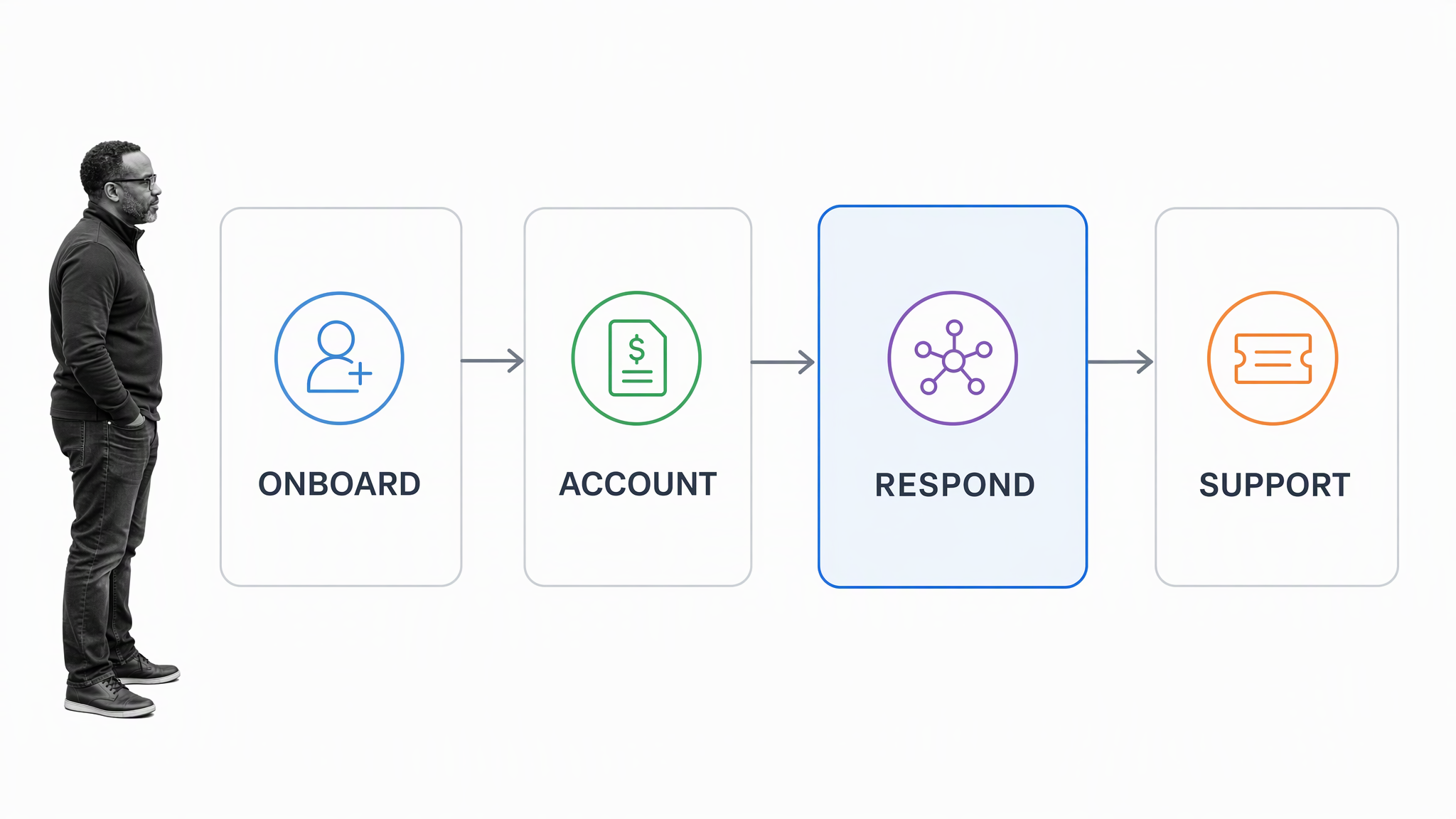
This TechMD case study explains how TechMD use Process Street to manage recurring processes across employee operations, accounting, emergency response, and customer service. We spoke with company President Sebastian Igreti about TechMD’s experience.

The TechMD Story
TechMD helps companies move away from fragmented ways of managing IT and IT services. Through cloud technologies and managed services, its team creates secure, scalable infrastructure for growing businesses. Igreti emphasized the company’s ability to offer enterprise-level services to small and medium-sized organizations.
TechMD needs to manage large volumes of client data with care and precision. To do that, the team relies on strong business process management practices and repeatable workflows.
TechMD uses Process Street for:
- Employee onboarding
- Employee offboarding
- Accounting processes
- Emergency response plans
- Customer service tickets
They’ve benefited from implementing Process Street by:
- Making efficiency savings
- Cutting time
- Being able to review previous client interactions
- Improving their process optimization
Challenge
The initial challenge for TechMD was not just documenting processes. The team also needed to make those processes actionable and preserve a reliable record for later review.
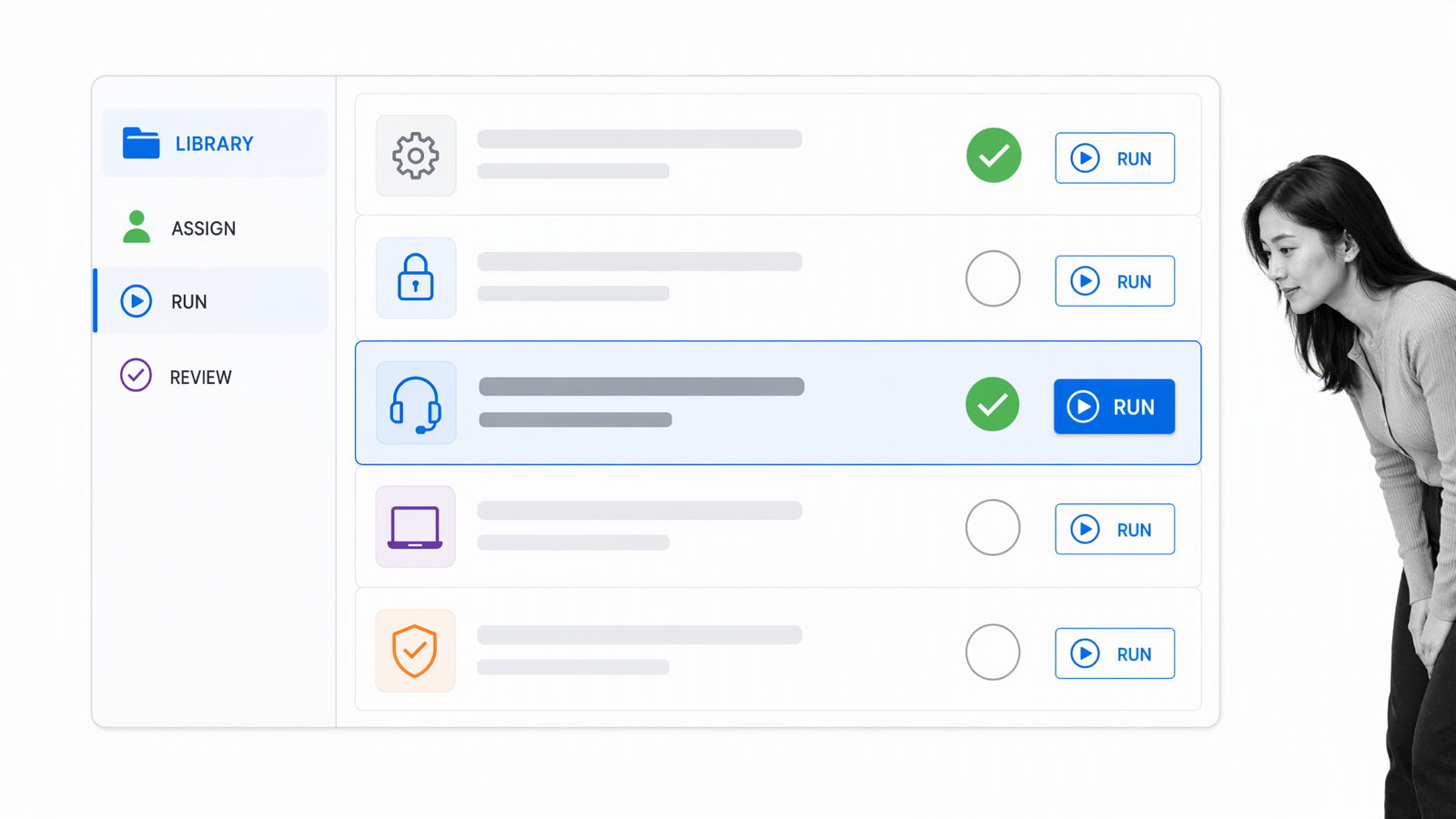
Before using Process Street, TechMD had used checklists and workflows in several places across different teams. What they lacked was one centralized system where people could find recurring processes, develop new ones, and make them available to colleagues.
“We’ve used checklists in the past. What we didn’t have was a checklist management system that puts everything in one place and allows everybody to develop checklists and access them easily. Process Street does that really well; there’s clarity on where checklists are and when they’re being used. We want a checklist library type of a system, and that’s what we’ve found in Process Street and more.”
Streamlining their business with Process Street
The closest setup to Process Street that TechMD had used before was a combination of its internal knowledge base and IT Glue. While the team could document a checklist in IT Glue, it could not verify that each checklist had been followed.
“We had checklists documented in ITGlue, but there was no way to track if a checklist was followed because it’s a plain document.”
TechMD found that stronger documentation and process management practices saved time and raised efficiency. The value came from connecting documented knowledge to work that people could run, assign, and review.
Results
TechMD gained a repeatable way to follow security requirements for client data while making the underlying work easier to review. Process Street did more than help the team complete tasks faster. It added a record of how the work had been carried out.
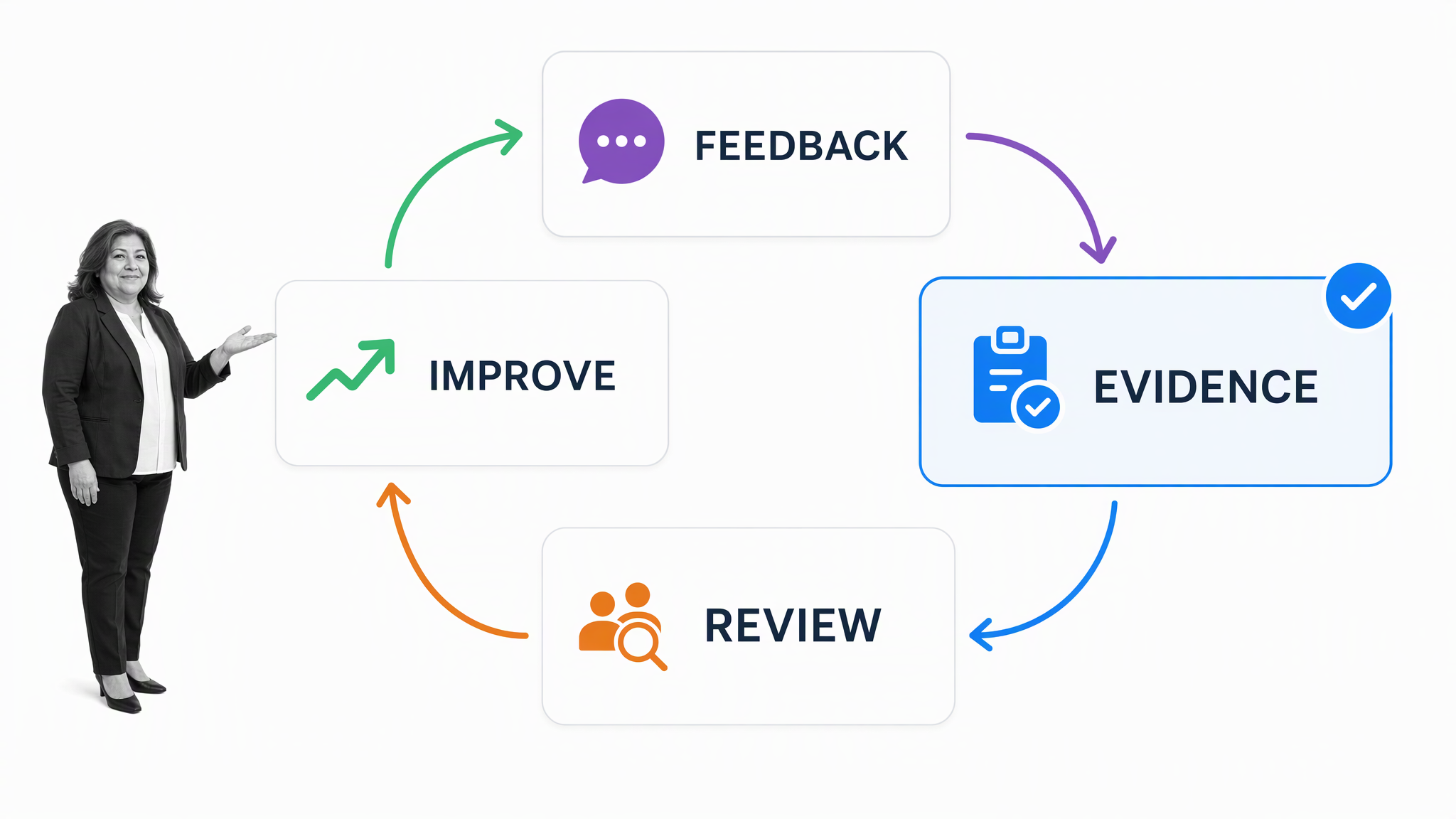
For customer-facing services, TechMD attaches standard operating procedures to the work that affects clients. This helps the team be thorough and professional while creating evidence that can be examined later.
If a client is unhappy, the team can review the workflow from the last interaction, see what happened, and confirm whether the process was followed. From there, TechMD can address the customer’s immediate concern and decide whether the process itself needs to change.
“We include the checklist for the work we do which impacts clients. If customer satisfaction on a given ticket isn’t good, the first thing we do is check if the Process Street checklist has been followed properly. If it has been then we have to look to improve the process.”
This review loop lets TechMD improve its services and its recurring processes together. The completed workflow supplies the evidence, and the customer outcome tells the team where the next improvement should happen.
Taking it to the next level
TechMD uses Process Street across a range of operations and teams, while continuing to find new places where structured work can replace scattered coordination.
Igreti described a monthly town hall that requires input from people across the organization. A recurring workflow assigns tasks to everyone involved and collects the necessary information in one place instead of relying on email chains.
“I have a monthly town hall where we have a company-wide meeting and that requires the input of a lot of people in the organization. So I use a Process Street checklist for that which assigns out tasks for everybody involved. We use it to collect information rather than have emails going round back and forth.”
Centralized assignments, conditional logic, workflow automation, and a clear view of assigned work make it easier for the team to expand these processes without losing control. Igreti expected conditional logic to support more complex and flexible work as adoption grew.
“The conditional stuff is going to be really huge for us!”
Process Street is one Compliance Operations Platform. Its Docs and Ops capability areas, plus built-in AI, help teams govern standard operating procedures, run workflows, enforce approvals, and retain evidence of completed work in one product. That operating model supports the same outcome TechMD sought from the start: recurring processes that are easy to find, execute, and improve.
“As we upload more and more of our processes and document even more, I definitely see Process Street being used more and more often!”
TechMD case study FAQs
What recurring processes did TechMD manage with Process Street?
TechMD used Process Street for employee onboarding and offboarding, accounting processes, emergency response plans, customer service tickets, and recurring coordination such as its monthly company town hall.
Why did TechMD need more than process documentation?
Documentation explained what to do, but TechMD also needed to assign the work, confirm that each step had been followed, and review completed activity when a client issue required investigation.
How did completed workflows help TechMD improve customer service?
When customer satisfaction was low, the team could review the completed workflow, determine whether the process had been followed, and then decide whether to address an execution problem or improve the process itself.