


Want to know how to beat procrastination? The uncomfortable answer is that you probably cannot eliminate it completely. Procrastination is the voluntary delay of an intended action even when you expect the delay to make things worse, and almost everyone occasionally chooses immediate relief over a future benefit.
You can, however, learn to recognize what the delay is telling you, reduce harmful avoidance, and redirect some of that energy into useful work. The goal is not to excuse missed commitments. It is to separate a restorative pause or deliberate reprioritization from the kind of procrastination that compounds stress and risk.
Four common causes of procrastination
Procrastination is not one habit with one cause. It can come from distant rewards, low motivation, mental overload, task aversion, uncertainty, or fear. The same person may delay two tasks for completely different reasons, so the first practical step is to identify what is making this particular task hard to start.
Ask a simple diagnostic question: “What feeling or decision am I avoiding right now?” The answer is usually more useful than labeling yourself lazy. It also helps you choose a response that fits the cause instead of applying more pressure by default.
Look for the moment just before you switch away. Perhaps you open another tab when the work becomes ambiguous, reach for your phone after imagining criticism, or start organizing files when a difficult decision appears. That transition is the habit’s cue. Write it down for a few days. A short record of the task, the feeling, the substitute activity, and the consequence will reveal more than a general promise to “be more disciplined.”
Your present self discounts the future
One common cause is a disconnect between your present and future self. The immediate option feels concrete: relax now, check a message, or choose the easier task. The cost belongs to “future you,” who feels abstract and distant.
If you have ever thought “I’ll do it tomorrow” and then wondered why you did not start earlier, you know the pattern. Tim Urban captured it with the “instant gratification monkey” in his TED talk about procrastination.
Make the consequence more immediate. Research by Neil A. Lewis Jr. and Daphna Oyserman found that expressing future events in smaller units, such as days instead of years, can make them feel closer and motivate earlier action. In other words, “submit in 48 hours” may be more activating than “submit on Friday.” The stable source is their study, When Does the Future Begin? Time Metrics Matter, Connecting Present and Future Selves.
You can also make the future visible by adding an intermediate commitment. Send a colleague the outline before the full draft, schedule a review before the external deadline, or reserve the time needed for revisions. These steps create present-day consequences without depending on panic.
The task lacks a clear motive
A second driver is weak motivation. You may not care about the task, understand its purpose, believe your effort will matter, or see a meaningful reward. A vague task such as “work on the proposal” also forces you to decide what “work on” means before you can begin.
- If the purpose is unclear, identify who depends on the result and what decision it enables.
- If the task is vague, define the smallest visible next action.
- If the reward is distant, set a short work interval and a concrete stopping point.
- If the task seems unnecessary, confirm whether it can be simplified, delegated, or removed.
Interest cannot always be manufactured, but the work can often be reframed. Connect it to a problem you do care about, change the format, work alongside someone, or turn the first step into a question you want to answer. When Process Street wrote a comparison of accounting apps, a Monty Python reference made a dry subject more engaging without changing the analytical job.
Be careful with rewards that only postpone the same negotiation. A treat after completion can be pleasant, but it does not clarify a confusing task. A better first intervention is often structural: reduce the size of the step, supply a missing example, ask for a decision, or block the distracting site for the duration of the work interval.
Overload makes the easiest option more attractive
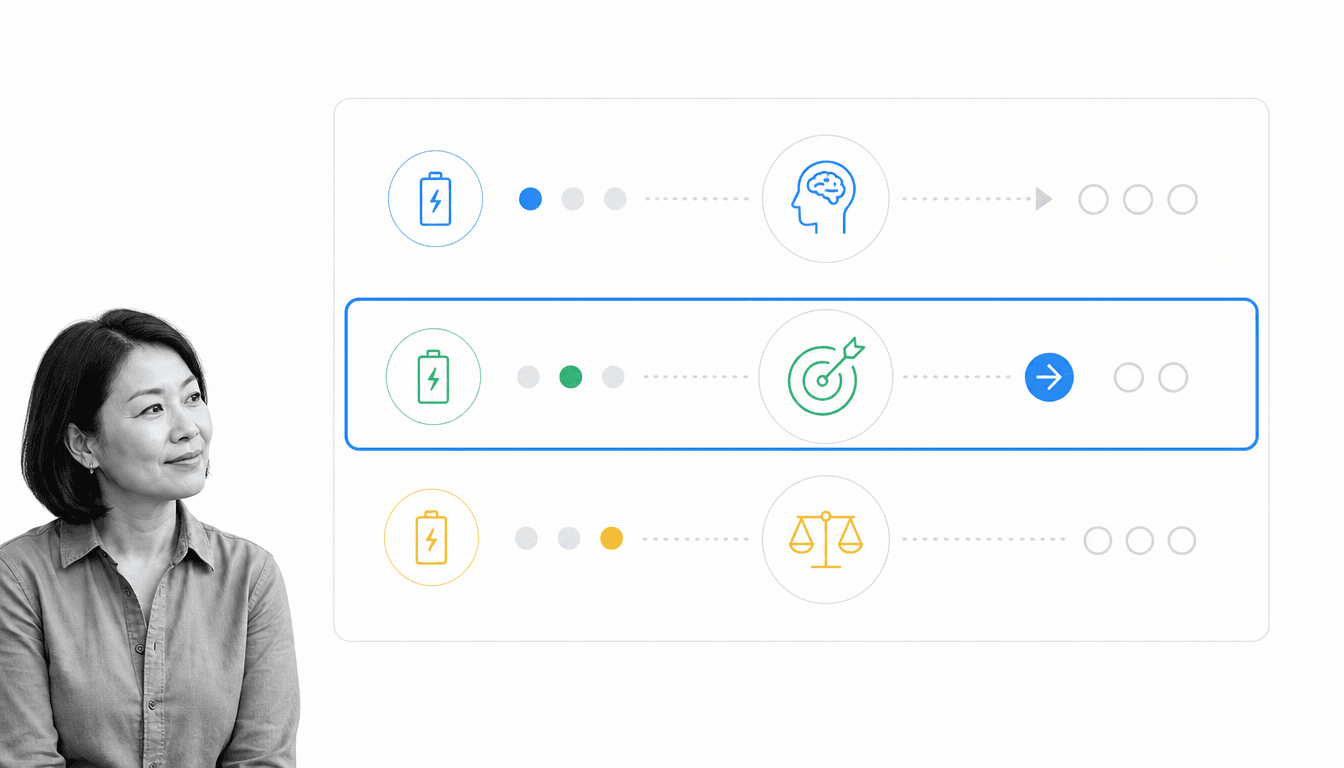
Starting becomes harder when you are tired, stressed, or facing too many choices. A famous study found that favorable parole decisions declined across sessions and recovered after breaks, but the result does not prove a universal, domain-general “decision fatigue” effect. The original study could not isolate food, rest, mood, case order, or other explanations, and a later registered report found that the landmark effect may be overstated.
The useful lesson is narrower: conserve attention when a task matters. Decide the first step before your work session, reduce unnecessary choices, and move the high-consequence task ahead of inbox maintenance. Barack Obama described limiting routine wardrobe decisions so he could reserve attention for decisions that mattered, an anecdote captured in Michael Lewis’s profile, “Obama’s Way”.
This is also why a shutdown routine helps. At the end of a work period, note the next action for every active project. The next morning, you do not have to reconstruct the entire context before beginning. You can enter the work through the path you already chose.
Fear and task aversion block the first move
Fear of failure, success, embarrassment, conflict, or making the wrong choice can stop a task before it begins. Boredom and frustration can do the same thing. Unlike a simple scheduling problem, task aversion is often an emotion-regulation problem: avoiding the task creates short-term relief, which reinforces the avoidance.
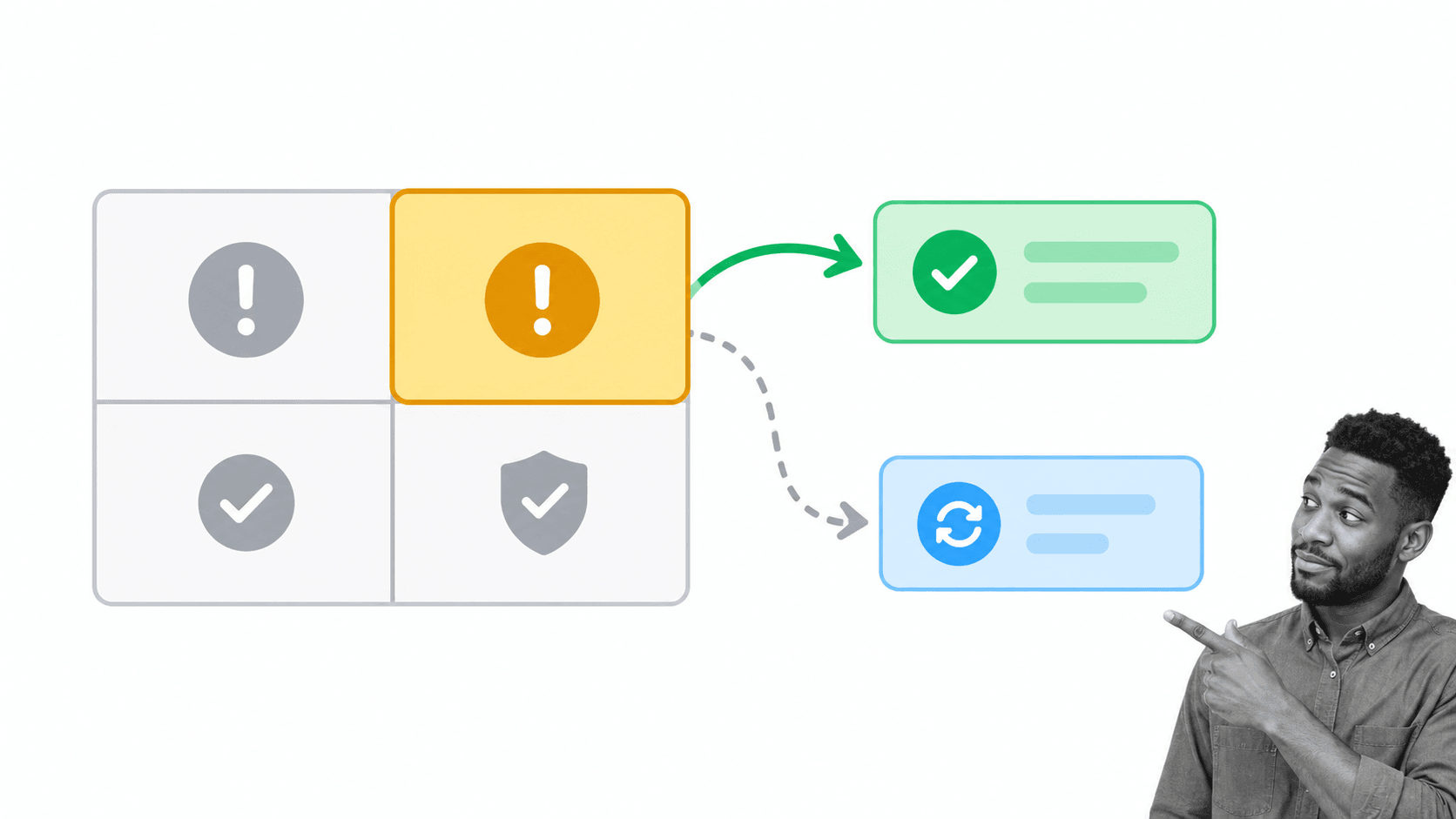
Pressure is not a reliable cure. If fear is the driver, waiting for a deadline can intensify it. Instead, name the feared outcome, estimate how likely it is, identify what you could do next, and create a small fallback plan. The American Psychological Association’s sample chapter on procrastination explains how uncertainty, anxiety, boredom, frustration, and stress can all feed delay.
Then use an if-then plan: “If it is 9:30 a.m., then I will open the proposal and draft the first three bullets.” Recent intervention research continues to test implementation intentions, cognitive behavioral approaches, and acceptance-based methods. The shared principle is to make action specific enough that you do not have to negotiate with yourself at the moment of starting.
Perfectionism often hides inside the same pattern. If the first version feels as though it must be final, the cost of beginning becomes enormous. Separate drafting from judging. Produce an intentionally rough version, then schedule a distinct review pass. The rough draft gives you something concrete to improve and turns an abstract fear into a bounded editing task.
The benefits of intentional delay
Procrastination is usually portrayed as entirely negative, but not every delay is harmful. An intentional pause can reveal fatigue, improve prioritization, or create space for incubation. The boundary is control: a strategic delay has a reason, a review point, and enough remaining time to protect the outcome.
Chronic avoidance is different. If delay repeatedly harms your work, relationships, health, or finances, the useful move is not to rename it “productive procrastination.” Address the pattern and consider professional support when anxiety, depression, or severe stress is involved. A 2025 review found a moderate association between procrastination and negative emotional outcomes, but that does not make procrastination a diagnosis.
Delay can signal a real need for recovery
No one can power through indefinitely without a drop in attention and accuracy. If you begin drifting after a substantial period of focused work, the distraction may be a signal that you need a break rather than proof of bad character.
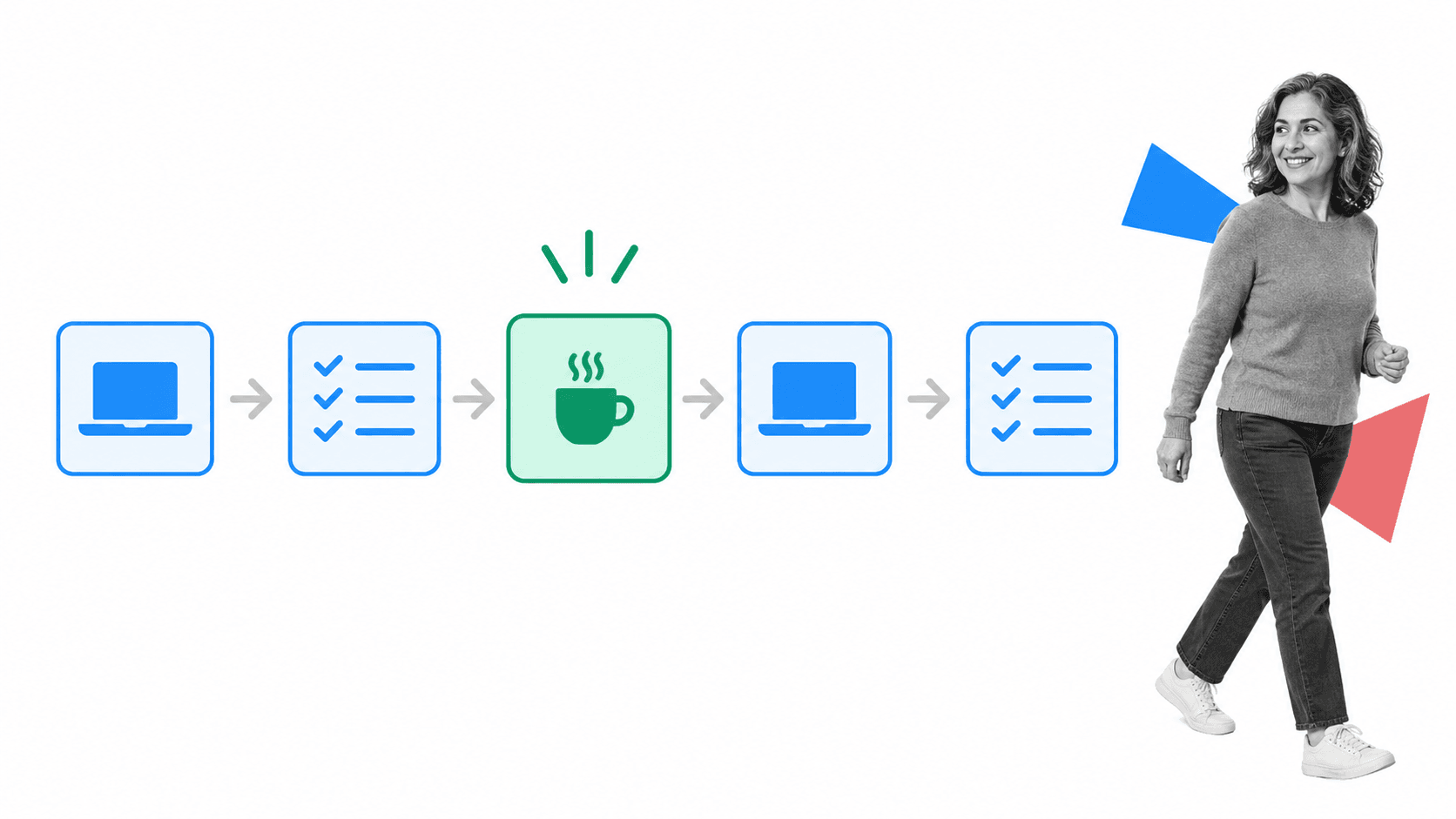
Take a real break: stand up, move, get water, or look away from the screen. Give the break a boundary so it restores attention instead of becoming open-ended avoidance. When you return, restart with a defined action rather than asking yourself to “get back to work.”
This does not apply when the same task triggers avoidance every time. A break may help fatigue, but it will not resolve unclear expectations, fear of feedback, missing skills, or a workload that is simply too large. Use the pause to diagnose the obstacle and change the plan.
A useful recovery break has three qualities: it changes your physical state, it has an end, and it does not create a harder distraction to leave. A short walk may restore attention. Starting an open-ended video feed may consume the rest of the afternoon. Choose the break before you are depleted so the decision does not depend on your weakest moment.
If you find yourself procrastinating after a hefty chunk of work, chances are you are getting distracted because you just need to take a break and come back with a fresh head. Recognizing the fact that you need a break lets you take a proper timeout rather than wasting time at your desk and not actually letting your mind rest. This depends on what is causing your procrastination: being scared of failure will not be cured by taking a break. But it can serve as a kind of early warning system.
Interest can guide better task fit
People tend to invest more attention in work they find meaningful or interesting. That does not mean every dull responsibility should be abandoned. It means persistent resistance can be useful data about task design, role fit, or an unclear purpose.
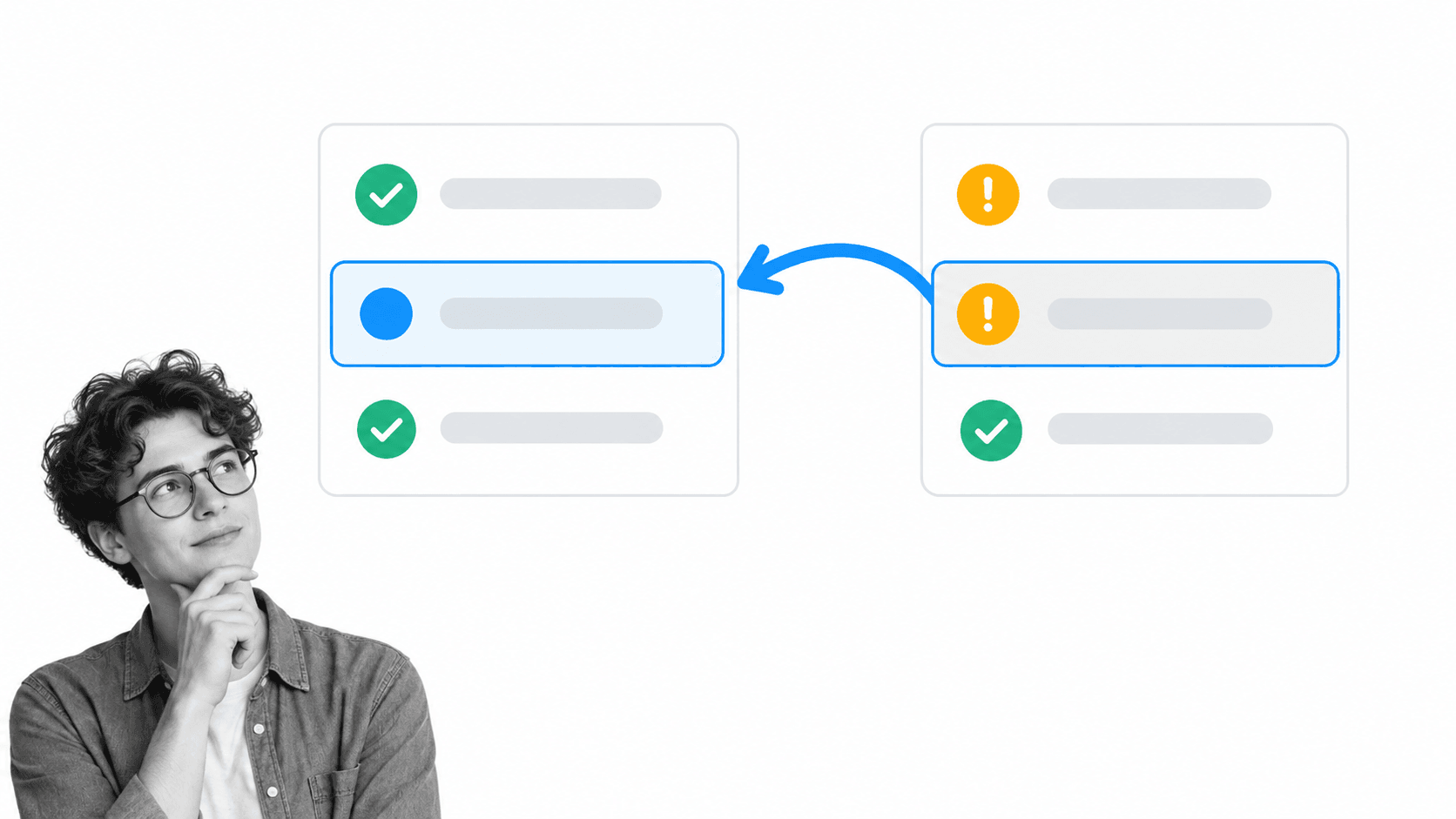
If a less urgent task has genuine value and you have enough margin, a temporary switch can preserve momentum. Set a limit, record where you stopped, and schedule the original task. You are borrowing attention, not erasing the commitment.
If you have ever had to force yourself through a task you truly hated, only to finish and find that the results are average at best, you know the pattern. Conversely, when faced with something you are really reluctant to do, you probably will not make as much of an effort to do something particularly good with it. The point is that procrastinating by doing work you are interested in and actually want to put effort into can produce better results than taking care of something you could not care less about. As long as the work you are putting off can afford to wait, you will generally do better by capitalizing on a spark of interest or inspiration.
Waiting can reveal what really deserves priority
Some requests lose relevance, get absorbed into other work, or turn out not to require action. A brief delay can prevent you from treating every incoming item as an emergency. As Janan Ganesh argued in the Financial Times, not every problem must be confronted at its inception.
That is a case for triage, not neglect. Capture the task, assign a priority, and set a review date. If it can wait, make that decision consciously. If it is neither important nor necessary, remove it. A dependable task tool should help you record owners, due dates, dependencies, and the next action so that “later” does not become “forgotten.”
Procrastinating on items until they actually need to be processed can be a useful tactic for working on what actually needs to be done, rather than getting wrapped up in a project as soon as it is assigned. This can demonstrate which tasks can afford to wait and which can be dropped entirely. By putting off tasks instead of immediately pouncing on them, you can better organize your efforts to make the most of your time.
Distinguish reversible from irreversible decisions as well. A reversible choice can often be made quickly and adjusted with new information. An irreversible or high-consequence choice deserves more evidence and a deliberate review. Procrastination is not automatically wisdom in either case, but the distinction helps you allocate attention according to risk.
A bounded deadline can sharpen focus
A short, self-imposed work window can make the next action more salient. That can feel like the focus that arrives near a deadline, but it is safer to create the boundary deliberately than to gamble the entire project on a last-minute surge.
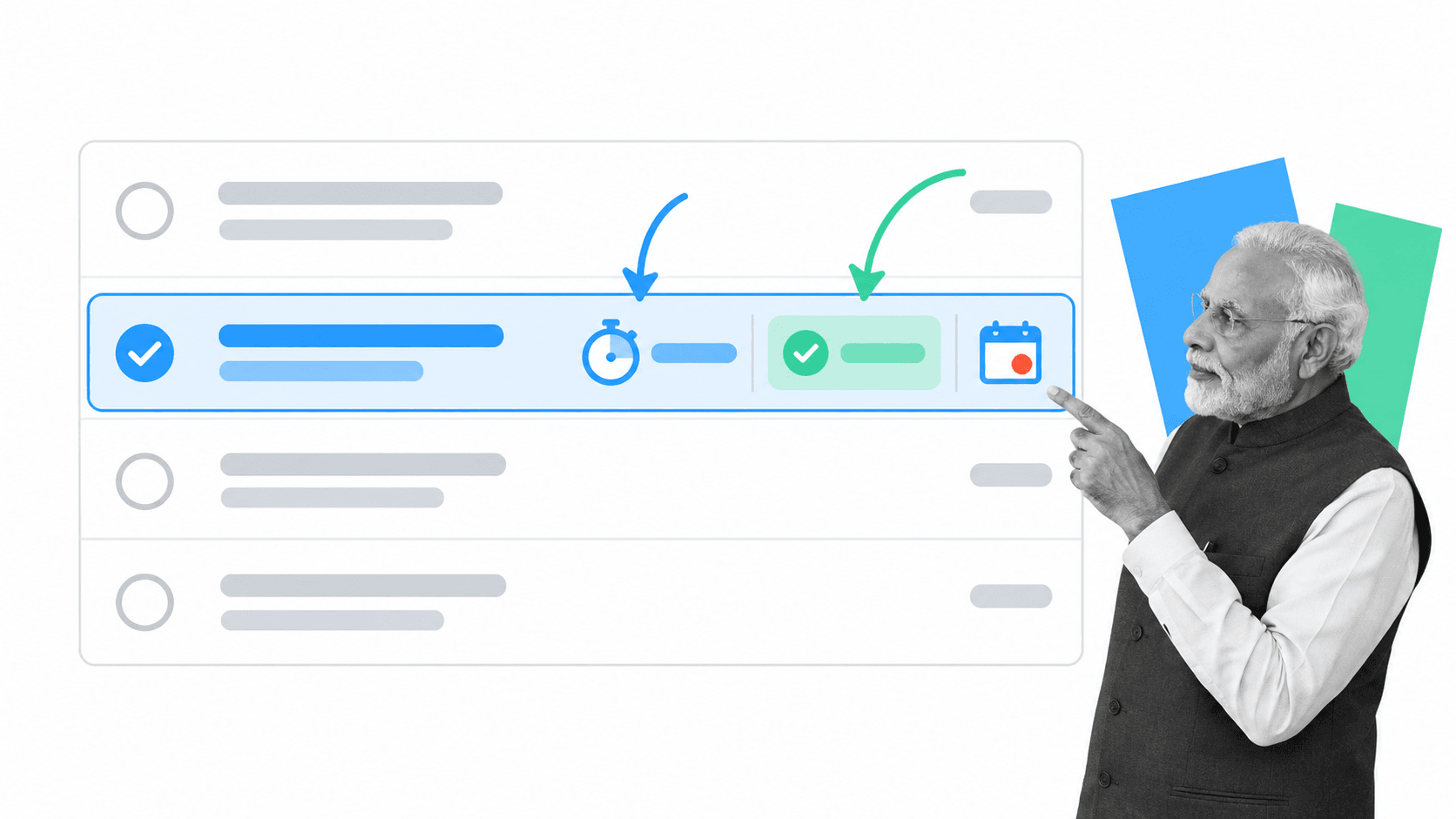
“I work better under pressure” is a common rationalization, not a general law. Deadline pressure reduces room for review, feedback, recovery, and unexpected problems. Use timeboxing to start sooner: choose a 15- or 25-minute interval, define what “done for now” means, and stop or recommit when the interval ends.
The drawbacks of procrastination
The cost of procrastination is not limited to a late deliverable. Delay can increase stress, crowd out revision time, transfer pressure to other people, and drain the attention needed for high-value work. These drawbacks are why intentional delay needs boundaries.
Delay creates a stress feedback loop
As unfinished tasks accumulate, the workload feels harder to enter. Stress then reduces the coping resources available for unpleasant task emotions, which can make further avoidance more attractive. The result is a loop: delay creates stress, stress increases avoidance, and avoidance creates more delay.
While some pressure can focus attention, it is vital that you do not let stress overwhelm you. If too many tasks build up, it is easy to feel exhausted before you even begin to work on an item, which can lead to further procrastination and even more stress. It is a vicious cycle, and you need to recognize it even if you can sometimes use procrastination to your advantage. Moderation is the key, because you do not want to end up so stressed out that you give up before starting your next task.
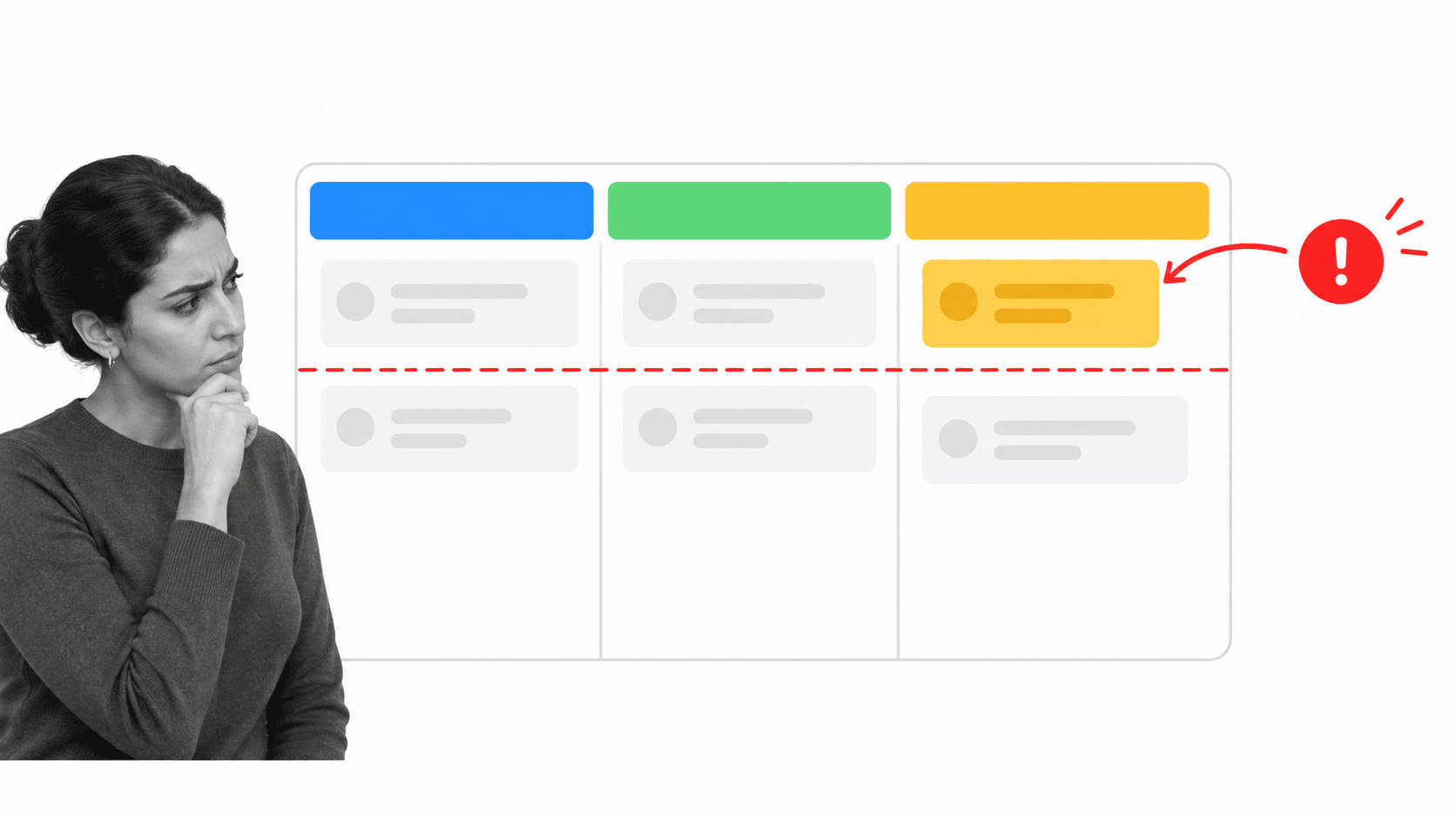
Break the loop by reducing work in progress. List every open commitment, identify the one item whose delay creates the greatest consequence, and define its next physical action. If the list is unmanageable, renegotiate scope or deadlines rather than silently carrying impossible expectations.
Urgent and important work gets sidelined
Procrastination becomes especially risky when easy, low-consequence tasks replace work that is both important and time-sensitive. The apparent productivity can be misleading because the completed items do not reduce the project’s core risk.
Protect enough time for mistakes and revision. Work backward from the real deadline, add an internal review point, and start with the part that contains the most uncertainty. Delaying a task until it needs attention is only safe when “needs attention” includes time for feedback and recovery.
The main problem is the idea that important work can be put off and potentially left incomplete come the deadline in favor of tasks that are less useful. By sidelining important or urgent tasks in favor of smaller, easier, or less pressing projects, you give yourself less room to make mistakes and do revisions to correct them. Instead of putting off important and urgent tasks for too long, only delay them until they genuinely need to be worked on, with enough space preserved for review.
Remember that deadlines are social commitments, not just personal reminders. Your delay may compress someone else’s review, approval, or production time. If a commitment is at risk, communicate early with a revised plan. Silence converts a manageable schedule change into a surprise.
Busy work consumes your best energy
Imagine you have a week to complete one important project and a long list of smaller tasks. Clearing the smaller items first feels responsible, but it can spend your best attention before the main project moves at all.
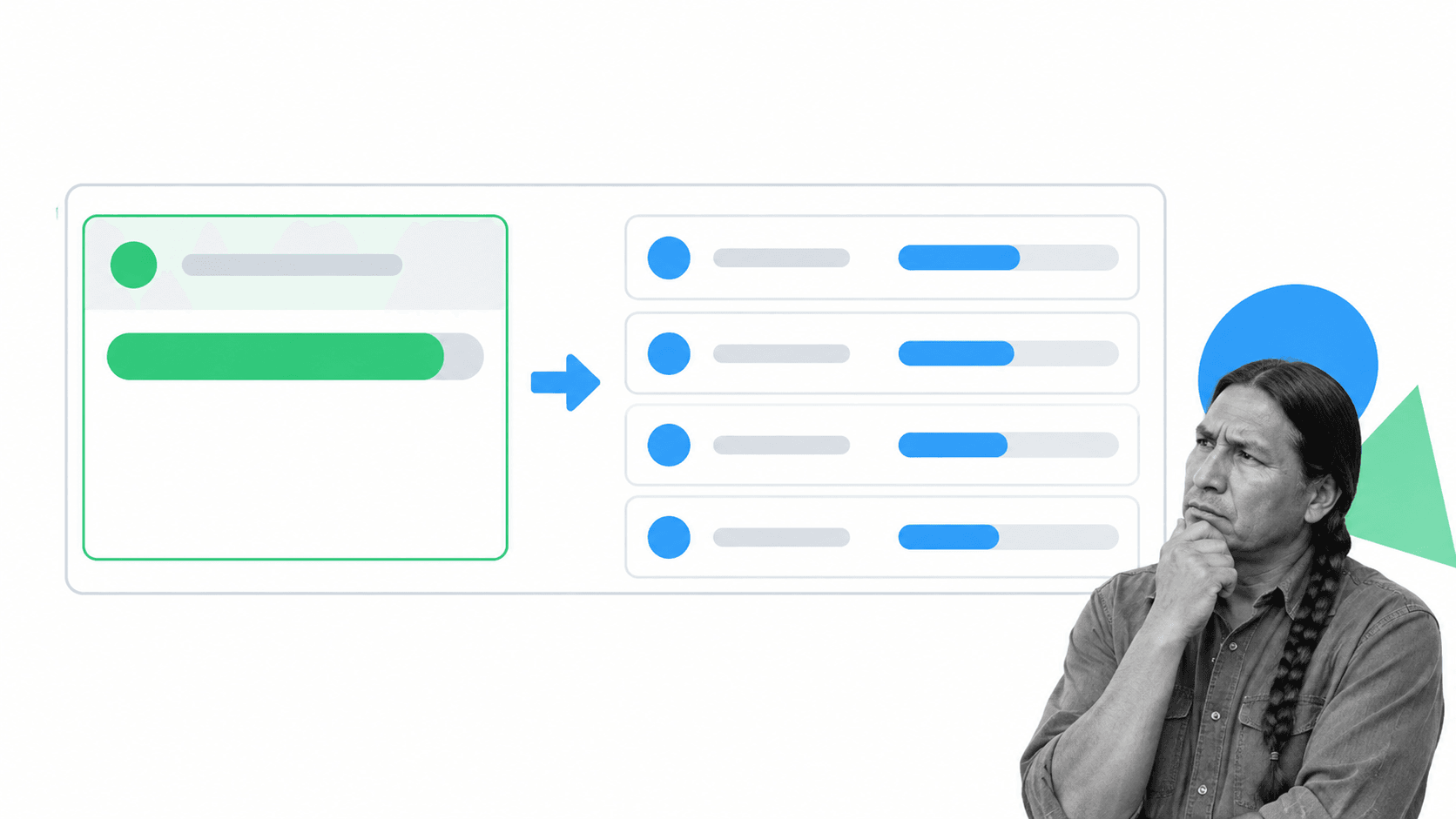
Choosing and completing dozens of small tasks also fills your head with their context. By the time you reach the main project, you may have less energy and less uninterrupted time than you expected. This is small-scale procrastination disguised as preparation.
Most people react by trying to clear smaller tasks in the morning and then sitting down to tackle the main project once their inbox is a little thinner. By doing smaller tasks first and leaving the main project for later in the day, you are spending a huge amount of energy on those tasks and leaving very little to make significant progress on the thing that actually matters. Choosing the various tasks to clear out also fills your head with information from taking care of those smaller tasks. This can leave you working at a much lower capacity, meaning the large task will take far longer than it should.
To avoid it, prioritize your tasks by consequence, urgency, and required energy. Put a protected block for the major project near the start of the day. Save shallow administrative work for a lower-energy period, and batch it where possible.
How to productively procrastinate
Productive procrastination means temporarily delaying one task in favor of another useful action. It can keep momentum alive when the original task is blocked or when a brief switch will improve the final result. It is not a cure-all and it does not make every delay productive.
Productive procrastination has popped up as a term for putting off one task in favor of another. Combined with the benefits mentioned earlier, it can help you work effectively despite putting off one of your tasks. The negative connotations can be limited by working on other tasks while putting off your work, rather than just doing nothing. This kind of procrastination lets you complete work that you might otherwise be putting off rather than getting completely distracted and not working at all. However, rather than taking an unbounded break or getting distracted, shift your efforts to another, more palatable item. Sometimes it is better to work on something you are interested in, but other times you have to break down your task further and take it one piece at a time.
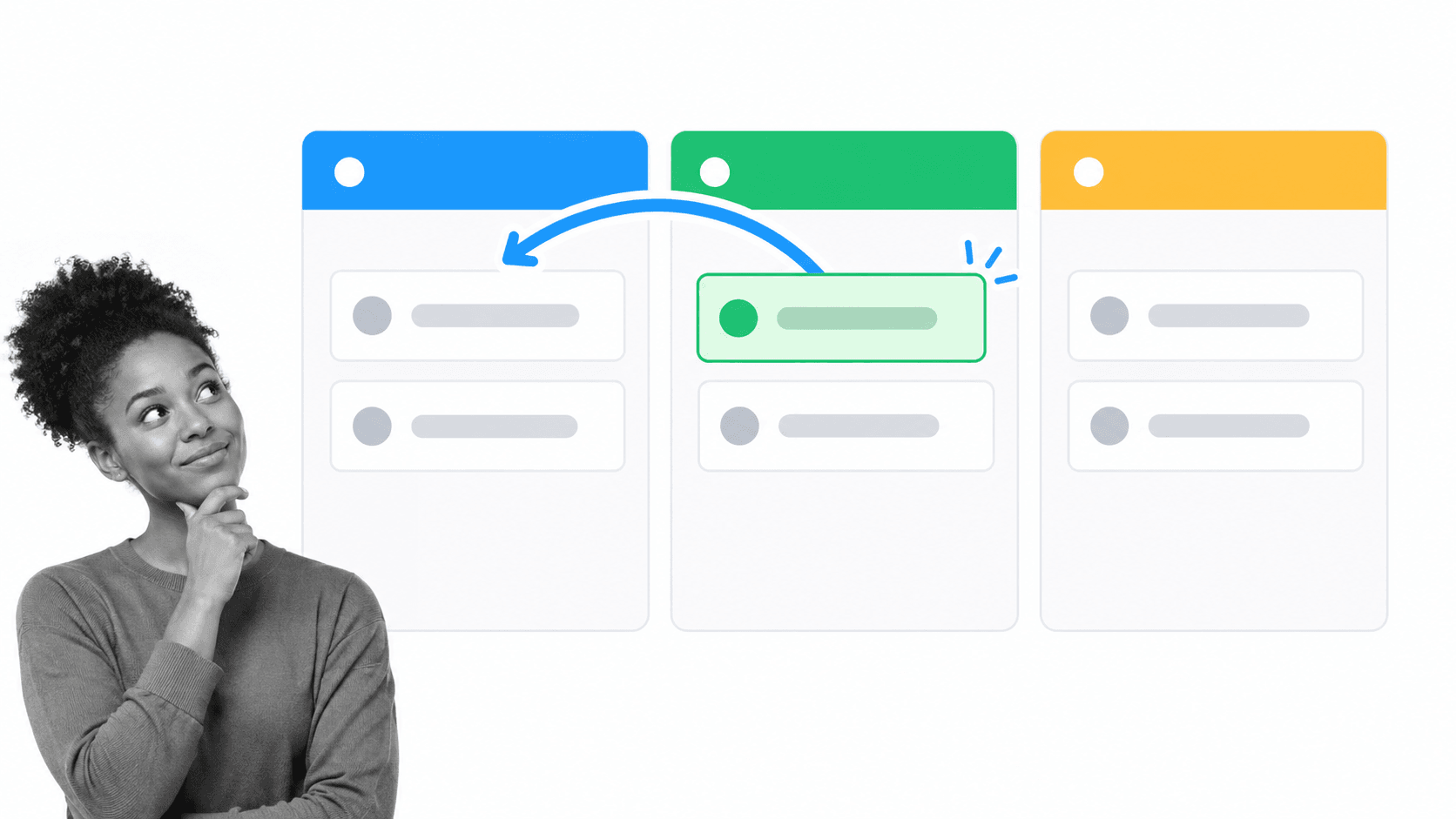
Use a three-part decision rule:
- Protect the must-do task. Check the consequence of delay, the real deadline, and the time required for review.
- Choose a useful fallback. Pick work that has real value, matches your available energy, and will not expand indefinitely.
- Set the return point. Decide when and how you will restart the original task before you switch.
For example, if a proposal is blocked while you wait for a figure, you might clear a related approval, organize the supporting evidence, or draft the section that does not depend on the missing input. Clearing an inbox can count only if the inbox is the highest-value fallback and has a firm time limit.
Keep the fallback list short. A long menu recreates the choice problem that caused the delay. Two or three useful alternatives are enough: one low-energy administrative action, one related piece of the same project, and one recovery activity. When none of them is more important than the original task, return to the must-do item and reduce its first step again.
Adjacent work can also create useful ideas. Process Street’s articles on agile game development and surgical checklists grew from following relevant questions beyond an initial topic. The productive part was not distraction by itself. It was capturing the insight and converting it into a concrete output.
In a team, productive procrastination works best when the workflow makes commitments visible. Process Street is a Compliance Operations Platform with Docs and Ops capability areas plus built-in AI. Teams can document the approved way to work, then run recurring processes with explicit priorities, owners, due dates, approvals, and handoffs. That structure makes it easier to switch tasks without losing the original commitment or bypassing a required control.
If the task still feels impossible, make it smaller. Open the file. Write one sentence. Create the checklist. Ask the missing question. A five-minute start is not a trick that guarantees motivation, but it lowers activation energy and produces information about the real obstacle.
Finally, review the result without moralizing. Did the switch protect the deadline, produce useful work, and make it easier to return? If so, the tactic worked. If it created more stress or another unfinished commitment, change the rule next time. The aim is a reliable way of working, not a perfect record of never feeling resistance.
Frequently asked questions
Can procrastination ever be good?
A deliberate delay can be useful when it protects recovery, improves prioritization, or gives an idea time to develop. It needs a clear reason, a review point, and enough remaining time to protect the outcome. Repeated delay that creates harm is not made beneficial by calling it strategic.
What is the fastest way to stop procrastinating?
Define the smallest visible next action and start it for a short interval. “Open the budget and check the first three assumptions” is easier to enter than “finish the budget.” Remove one obvious distraction and decide in advance what you will do when the interval begins.
Is productive procrastination still procrastination?
Yes. You are still delaying an intended task. The difference is that the substitute action has real value and the original commitment remains protected. Without a return point, productive procrastination can become another form of avoidance.
When should I seek help for procrastination?
Consider professional support when procrastination is persistent, causes significant distress, or harms work, education, health, finances, or relationships. It can overlap with anxiety, depression, ADHD, burnout, and other concerns that deserve individualized assessment rather than generic productivity advice.