





Productivity is less about winning a daily fight with willpower and more about designing work so the fight never starts. Research on self-control strategies supports changing the situation before temptation takes over, a point psychologist Kentaro Fujita captures well.
These 42 productivity hacks help you work smarter by protecting focus, reducing avoidable decisions, and building routines that save time and energy. The familiar promise sounds like “harder better faster stronger,” but the durable result comes from systems that make good work easier to repeat. The ideas cover cognitive habits, work systems, life choices, process design, and health, so you can choose what fits the way you actually work.
“Our prototypical model of self-control is angel on one side and devil on the other, and they battle it out. We tend to think of people with strong willpower as people who are able to fight this battle effectively. Actually, the people who are really good at self-control never have these battles in the first place.” – Kentaro Fujita, psychologist at Ohio State University
The most productive people do not necessarily have more self-control. They build better environments, habits, and systems. Start with the productivity hacks that remove the biggest source of friction in your day, then make them repeatable.
Here is the complete list of productivity hacks:
- Focus on what’s important to you
- Develop a routine
- Plan your month!
- Engineer fake pressure
- Listen to (the right kind of) music
- Gamify your goals
- Start your day right
- Set a time to check emails
- Make a to-do list
- Record each and every task
- Set deadlines for everything
- Prioritize your to-do list
- Eat your frogs
- Set realistic goals
- Stop wasting time in meetings
- Consider remote meetings
- Don’t let perfect be the enemy of good
- Get a second monitor
- Use keyboard shortcuts
- Stop multitasking
- Use the Pomodoro Technique
- Clean out your feeds
- Use News Feed Eradicator
- Use a website blocker
- Get rid of noncritical notifications
- Learn how to say “no”
- Optimize your workspace
- Utilize your commute journey
- Understand when you’re most productive
- Make time for deep work
- Prepare your outfit for tomorrow
- Lighten the load by clearing out smaller tasks
- Delegate and outsource
- Automate manual tasks
- Use templates to save time
- Save your work, often!
- Focus on the process
- Get a good night’s sleep
- Take a cold shower
- Stay hydrated
- Take breaks and exercise regularly
- Prioritize your mental health
The best productivity hacks for work are rarely clever tricks. They are small changes that make useful behavior easier to repeat: a protected focus block, a clearer task list, a meeting with a decision, or an automated handoff that no longer depends on memory. Workplace productivity hacks should reduce friction without encouraging constant availability or longer hours.
The same principle applies to remote work productivity. When your office, communication tools, and personal life share the same space, boundaries become part of the system. Use explicit start and stop rituals, choose asynchronous communication when it fits, and keep important tasks visible without letting every notification become urgent. A hack earns its place when it improves the quality of the result, not just the speed.
42 productivity hacks by category
Cognitive hacks
Productivity hack #1: Focus on what’s important to you
It’s not by chance that I’m starting with this one. Understanding what’s important to you, not only in terms of your immediate work goals but also looking at the bigger picture can help you to focus and sets the stage for the whole of your work approach.
Where do you want to be 3 months from now? What about 1 year, or 5 years out? Not just your business but your personal life too. Aligning your work goals with what’s important to you is crucial in creating the motivation required to actually stay focused.
Of course, you may be so devoted to your business that this is as simple as understanding the most important business goals for your company right now. If that’s the case, be clear about goals.
Write them down, clearly define what it means to achieve them, and understand how things would be different once you succeed.
Productivity hack #2: Develop a routine
It’s all well and good to talk the talk of grand goals and ideal business situations, but you have to be able to put your feet on the ground and reign in those dreams one step at a time.
How do you do that? By making and following through with plans.
Build out a routine, and stick with it. Get into the habit of working at specific times (this is especially true if you work remotely) and you’ll find yourself wasting less energy on figuring out what to do next.
This extends to morning rituals and making time to rest and relax during the day as well. Once you get into a daily routine, you’ll be able to work better and stay focused for longer.
The Five Minute Journal is a great way to build this habit, and draw attention to the patterns in your life, both good and bad. Here’s how it works:
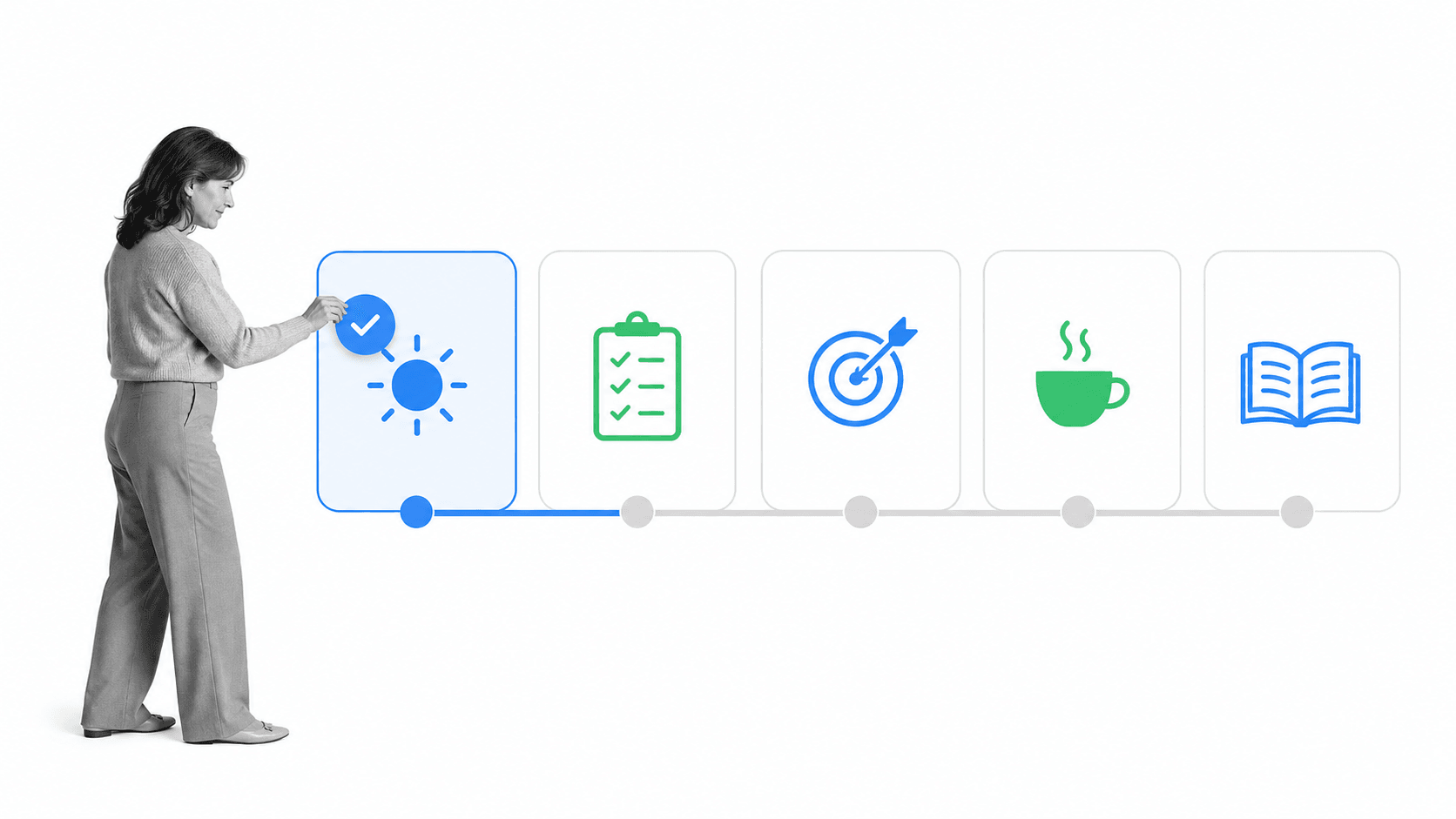
You could do the same on a blank piece of paper, or use the appIf you are still designing a routine, use this Tony Robbins morning routine template as a starting point:
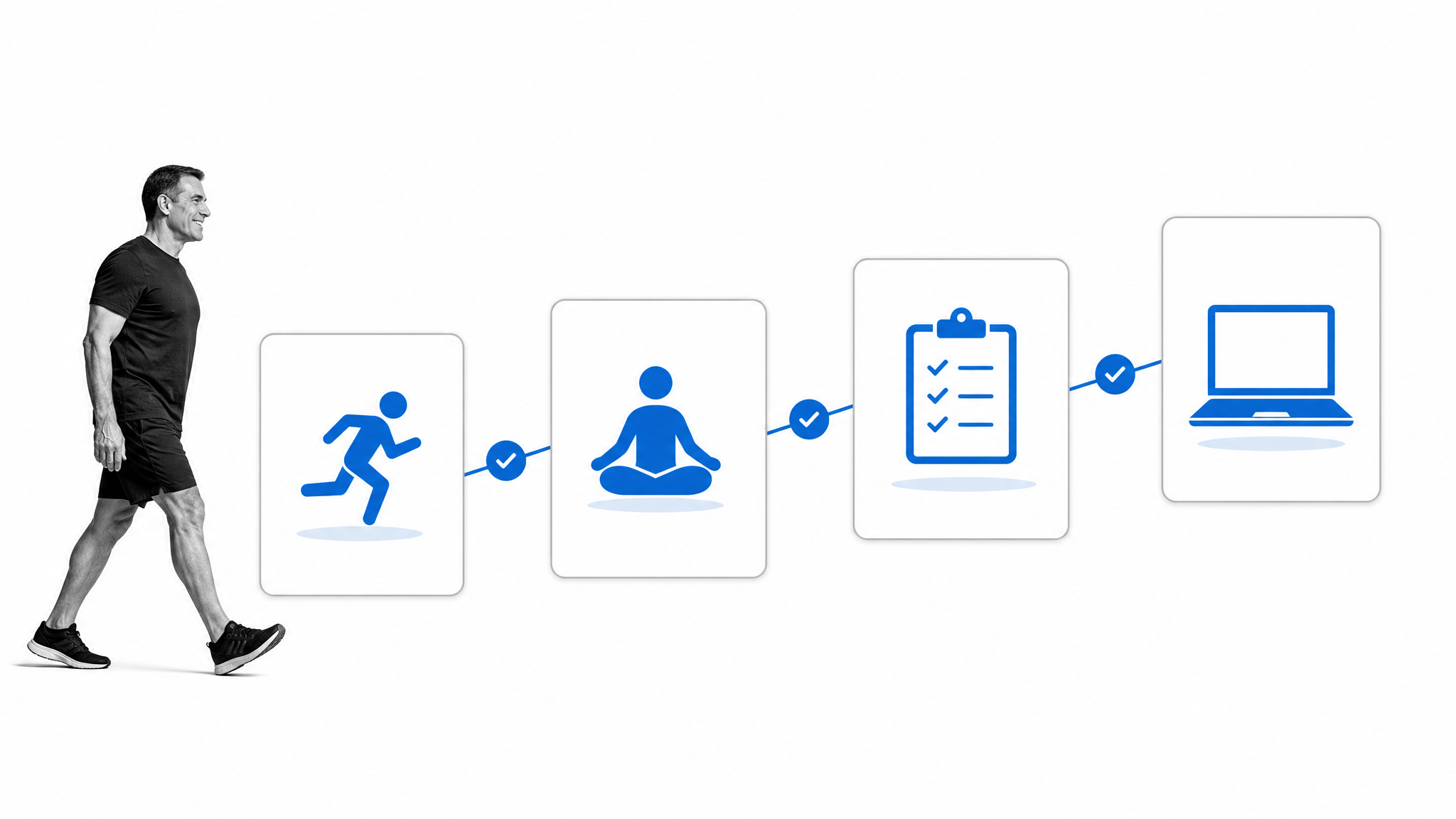
Productivity hack #3: Plan your month!
Take the same principle from the previous point, and apply it to the whole month. Set goals and give them deadlines.
By giving yourself a time limit, you can better understand which tasks are more urgent, and plan the workload for the month.
Your calendar is your friend. Make the most of it, whether it’s blocking out time for calls, setting aside a couple of hours each week to go over your KPIs and core business goals, or even just making sure you have a weekend reserved in advance for a little rest and relaxation.
If you plan your month in advance, you’ll waste less time deliberating over details like which task to prioritize first, or how long you think a particular job will take.
There are a few other factors to consider when approaching your calendar like this, like keeping a to-do list, and learning how to prioritize your tasks. I’ve given each of these points their own section, so more on that soon.
Productivity hack #4: Engineer fake pressure
Some people respond well to a visible commitment or a near-term review. Others produce worse work when artificial urgency creates stress. Treat pressure as a tool to test, not a universal rule.
You can set a personal deadline, schedule a feedback checkpoint, or use an optional commitment tool such as Beeminder. Keep the stakes low enough that the system helps you start instead of encouraging rushed work.
Productivity hack #5: Listen to (the right kind of) music
You will often hear people recommend music as a productivity booster. In reality, it depends on what you are listening to and what the task demands.
In my experience, my focus decreases with the complexity of the sound. The more I am drawn into the music, especially vocals, the further I drift from the work. Simple, repetitive sound works better for me. At the extreme, static noise acts as a substitute for silence by blocking other sounds.
This is personal, so experiment. Brain.fm and similar tools describe their audio as functional music for focus, but treat the promise as something to test against your own output rather than a guaranteed result.
Music or sound can be useful for concentration when it reduces distraction. If it makes the work compete for your attention, switch it off.
Productivity hack #6: Gamify your goals
Gamification is turning your tasks into a game to motivate yourself. By offsetting the difficult or unpleasant nature of certain tasks with a sense of reward or accomplishment, you become more enthusiastic about your work, and thus more productive.
It works because that feeling of reward, however small it might be, helps progress feel more tangible and keeps us pushing on to the next task.
I’ve been using Forest to gamify daily writing tasks and other focus-related goals. The app rewards uninterrupted periods of focus with trees grown in your virtual garden. Forest also offers a real-life tree planting feature after you succeed in keeping your focus for long enough. A simple concept, but one that succeeds in motivating me to sit down and get started with work.
Habitica is another innovative example of a fully featured gamification app. There are a whole bunch out there.
But gamification doesn’t necessarily equate to using technology. It’s simply the idea that you’re rewarding yourself, or “winning” when you accomplish your goals.
Low-tech or no-tech gamification might be something as simple as treating yourself to a reward if and when you complete a certain task.
Productivity hack #7: Start your day right (by making your bed in the morning)
Starting with one small completed action can create momentum. Making your bed is one option, but it is not a proven productivity intervention and it will not work for everyone.
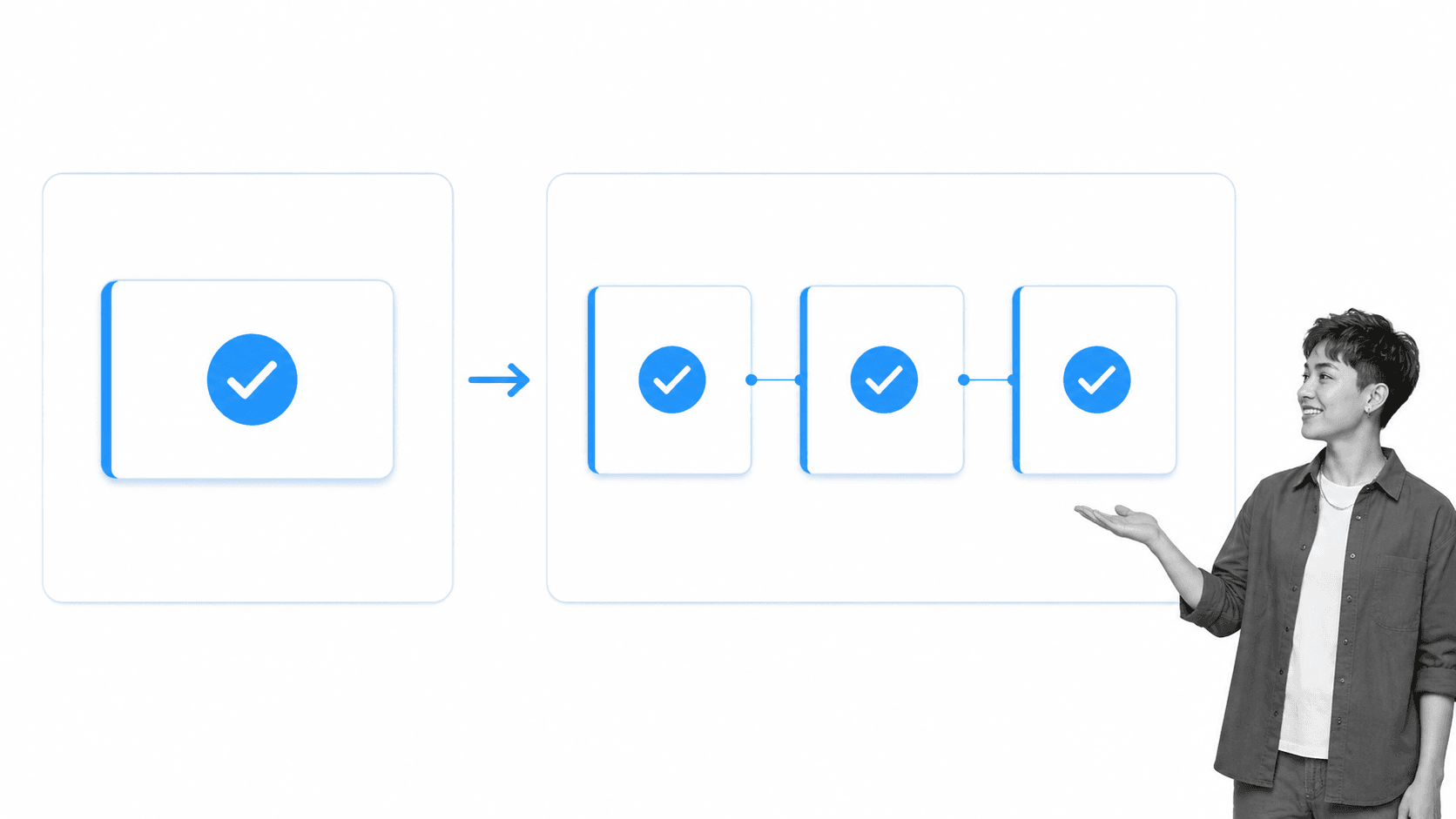
The useful mechanism is a low-friction completion ritual. Choose something that takes a few minutes, marks the start of your day, and makes the next useful action obvious.
Work hacks
Productivity hack #8: Set a time to check emails
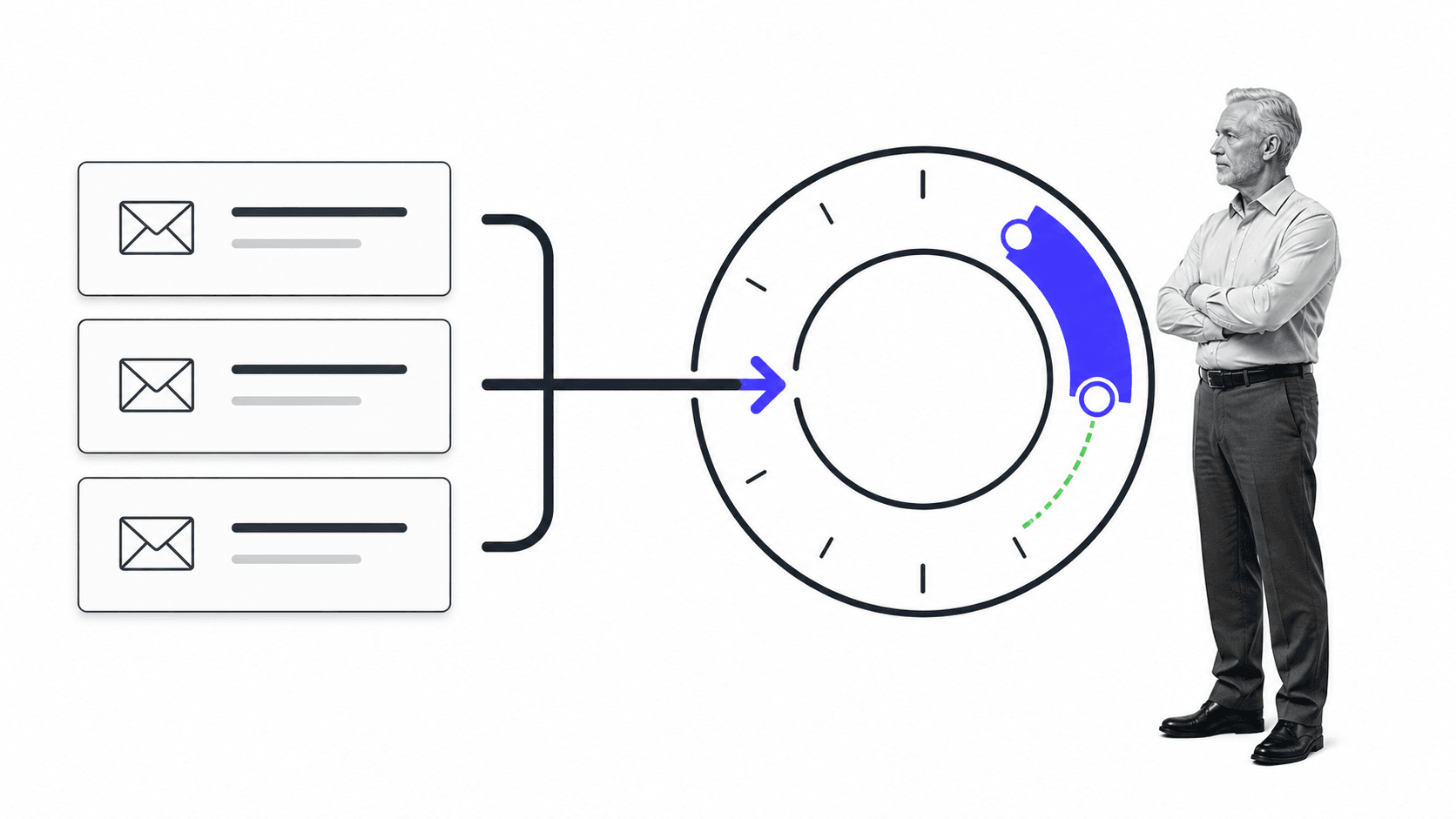
Just like notifications, sometimes you can’t just ignore your inbox. The trick is to set a time every day, where you check-in and clean up to inbox zero.
The more consistent you can be with this task, the weaker the urge will become to randomly check your emails, and by sticking to the same time each day, you’re building good habits around self-discipline.
Productivity hack #9: Make a to-do list
To-do lists can help you feel better about the work you’re doing, and ultimately be more productive by clearing out mental clutter and mapping out a clear, quantified vision of the things that are most important to you.
They’re a great stepping-stone to approaching more complex methods for upping your productivity, like prioritization matrices.
Once you’ve written down all of the tasks you need to do, you can begin figuring out which tasks are more important, which are time-sensitive, and so on.
Check out this daily to-do list template to get started.
Productivity hack #10: Record each and every task
Following on from the to-do list, you can optimize this kind of task-based productivity approach by making sure you clearly and attentively record each task that’s important to you.
By keeping an up-to-date list of tasks, you can be sure you’re not overlooking certain factors when deciding on priorities and planning your workload.
You could use a good old pen and paper to record your tasks and to-do-lists; many people work like this, and it’s perfectly suitable for personal jotting and keeping track of small-scale projects and priorities.
But if you’re trying to grow your business, or you’re managing a lot of tasks, or even if you’re just tired of keeping track of all your paper forms and to-do-lists, you should consider using a software like Process Street to make your life easier.
For example, you can quickly and easily edit the daily to-do-list template to include your tasks and priorities.
You can specify dynamic due-dates or include form fields and file upload forms to record detailed information about each task, whether you need to add a new task to the list or record details about how and when you completed it.
This weekly review template is another good example. It’ll run you through a detailed checklist of tasks and priorities to steer you through each working day.
Productivity hack #11: Set deadlines for everything
Deadlines force you to decide when work must be finished, not only how it will be done. That makes them an important part of task management.
Set deadlines for work that has a real consequence or dependency. Add a buffer when the task contains uncertainty, review cycles, or external handoffs. Artificial urgency can help you start, but cutting every deadline in half usually creates rushed work and avoidable rework.
Productivity hack #12: Prioritize your to-do list
Run your to-do list through a prioritization matrix and figure out which tasks are the highest priority.
This is essentially one-upping your typical to-do list by a filter that allows you to view your tasks in order of priority.
Pretty simple, and also pretty effective at helping you get a feel for the difficulty level of each of the tasks, as well as understanding which tasks are most important.
Which brings me to the next point…
Productivity hack #13: Eat your frogs
“If it’s your job to eat a frog, it’s best to do it first thing in the morning. And if it’s your job to eat two frogs, it’s best to eat the biggest one first.” – Mark Twain
What Twain’s saying here, in a little unorthodox way, is that by finishing off your most difficult tasks first, everything else feels easy in comparison!
The original quote was popularized by Brian Tracy in his book Eat That Frog! 21 Great Ways to Stop Procrastinating and Get More Done in Less Time
Here’s a great summary of the book:
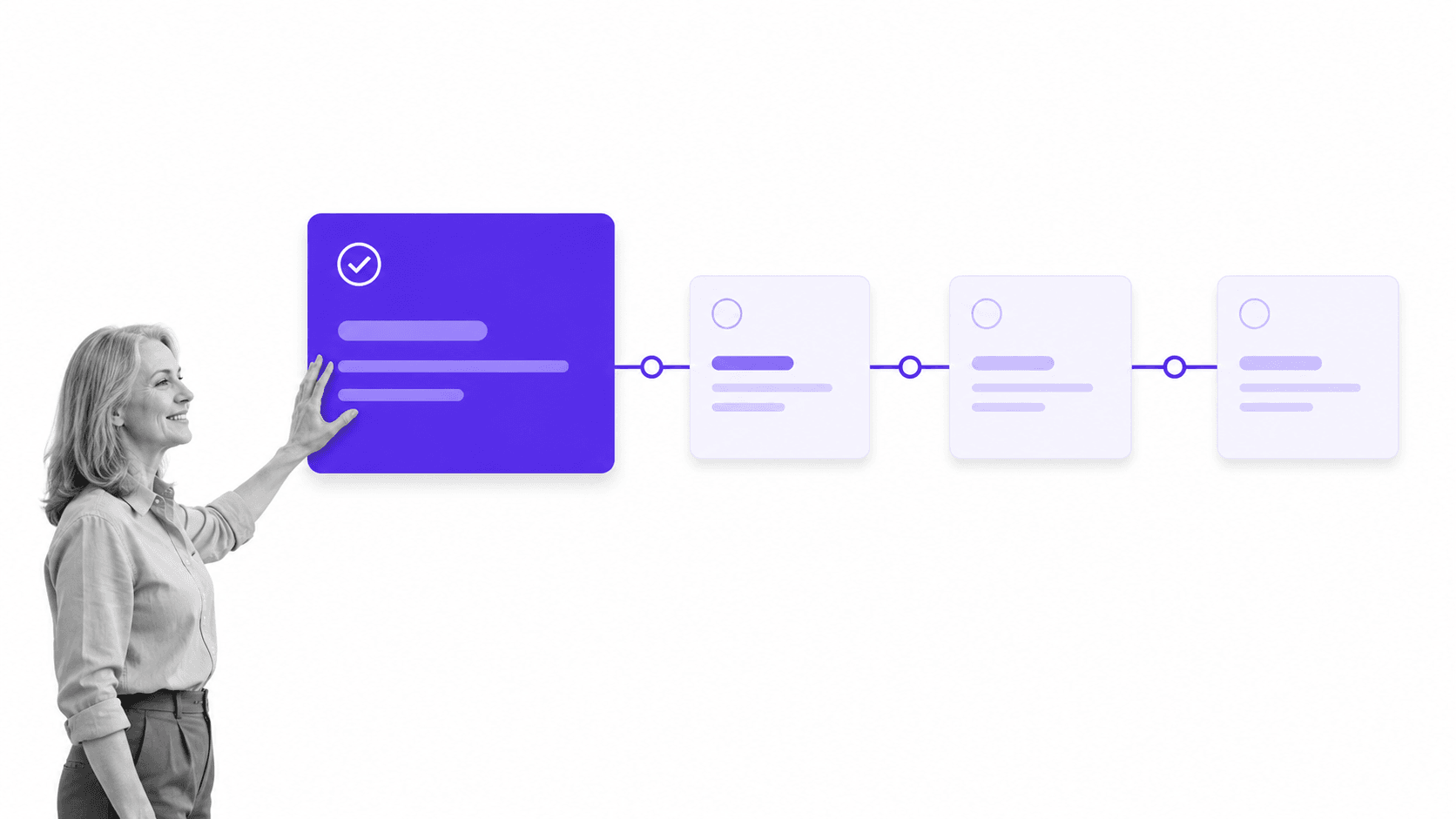
BONUS HACK: Instead of reading the book, save time by reading the review or finding a consolidated summary like the video above.
Many books in the self-help or pop-sci genre essentially take an article’s worth of content and expand upon it with real-world examples, anecdotes, and repetition to drive core points home.
These messages and values can often be distilled into a far more concise summary. If the topic is particularly interesting to you, go for it.
Otherwise, consider the abridged version!
Productivity hack #14: Set realistic goals
It’s great to set the bar high, and in some cases (like the engineering of fake pressure) it can be a powerful motivator.
But this must be balanced against a consideration of whether your tasks are realistically attainable.
You’ve got a couple of big projects this month – are you sure you’ll have time to finish both by the end of week one?
You want to go from 50 to 10,000 customers by the end of the first quarter – while that’s certainly possible, are you sure your strategies are mapping onto that roadmap?
Strive to over-achieve, but learn to set the bar just high enough that you’re pushing hard, but not wasting time and energy on an impossible mess of unrealistic and unattainable goals.
Productivity hack #15: Stop wasting time in meetings
Often, meetings are scheduled according to some arbitrary value like 30 or 60 minutes, and the structure is an afterthought, stretched thin across that frame like some twisted Hellraiser nightmare.
Consider first: What is the purpose of the meeting? What needs to be communicated?
Often, there is very little information of value departed. Could you wrap it up in 15 minutes? You’d be surprised how much could be functionally cut, freeing up everyone’s time to go and get their work done.
Productivity hack #16: Consider remote meetings
Do not default every decision to an in-person meeting. Choose the lightest format that can produce the decision you need.
A written update may be enough for status. A short remote call can resolve a question. In-person time earns its cost when the work benefits from trust, complexity, or fast collaboration. The productivity gain comes from matching the communication format to the job.
Productivity hack #17: Don’t let perfect be the enemy of good
Chasing perfection will not help you be more productive. In fact, it’s more likely to hinder your productivity.
It’s great to have a clear idea of what kind of standard you’re working towards, but learn to understand when something is “good enough”.
Move on to other tasks and accept that chasing the unattainable illusion of perfection isn’t always the best way to achieve your goals.
Productivity hack #18: Get a second monitor
You won’t be able to appreciate the real benefit of this one until you’ve tried it for yourself. Running two or more monitors will allow you to declutter your workspace and free up more mental energy.
It’ll save you a ton of time flicking between important tabs and windows if you can split your view in two and have the most important stuff like your calendar, inbox, and process management suite open for permanent and immediate reference.
If you’re worried about distractions, remember you can simply turn the monitor off for deep work.
Productivity hack #19: Use keyboard shortcuts
A little goes a long way, especially when it comes to small time-saving tricks like this. You might only save a second or two with a quick alt+tab, but the compound gain is not insignificant.
Keyboard shortcuts also help you preserve focus and energy by keeping both hands on the keyboard, as opposed to switching to and from the mouse. Many tasks, like switching tabs or copy-and-pasting, are significantly speedier using the keyboard.
Productivity hack #20: Stop multitasking
Multitasking is a kind of myth that has popularly confused our understanding of getting work done.
Instead of trying to split your brain between multiple tasks, rapidly switching between activities and working on each of them simultaneously, you’re better off committing your focus to a single task at hand.
Productivity hack #21: Use the Pomodoro Technique
This is a simple method for getting into a state of deep focus and ultimately improving your productivity.
It works like this: you work for 25 minutes, and take a five-minute break. Do this three times, then take a 30-minute break.
By offsetting those 25 minutes of work with a short-term reward (a five-minute break), your brain finds it easier to focus. It’s also great for seated office work because it encourages you to get up and stretch every 25 minutes.
I’ve had a lot of success with the Pomodoro Technique, and the best results come once it becomes part of your daily routine.
If you want to compare timers, planners, and prioritization systems, use this guide to time management tools.
Life hacks
Productivity hack #22: Clean out your feeds
Ask yourself whether or not your feeds are providing you with value. Are the posts appearing on your Twitter, Facebook, LinkedIn, or even newsletters in your Gmail inbox doing you any good?
If the answer is no, unsubscribe.
Leave only the essentials, and the stuff you know will provide you with actual value.
You should think about doing this regularly for maximum effect.
Productivity hack #23: Use News Feed Eradicator
Perhaps Facebook forms part of your work routine, or you can’t quite bring yourself to cut the cord completely.
If that’s the case, consider using the News Feed Eradicator plugin to minimize your time on the website, if and when you feel the need.
News Feed Eradicator replaces your newsfeed with one of their “inspirational quotes”, so you’re less likely to get sucked into the Facebook time vortex.
It’s also possible to customize with your own messages – you could even put important goals or reminders to keep you focused and remind you why you should log out ASAP.
Productivity hack #24: Use a website blocker
Some of us have developed a habit that goes something like this:
- Step 1. Mindlessly open a new tab;
- Step 2. Immediately insert the first letter of the most frequented website with a muscle-memory jerk of the fingers, allowing autofill to do the rest and then rapidly hitting ‘Enter’;
- Step 3. Proceed to wonder where the next three hours went.
If this sounds familiar to you, you should probably consider using a website blocker.
We humans aren’t so great at the whole willpower thing, and when it comes to the promise of dopamine versus sitting down and getting some cold, hard work done, your bad habits have already won.
Sometimes the best answer is to simply cut out the bad option, blocking out those bad neural pathways and forging new, more desirable ones – by using a website blocker.
Productivity hack #25: Get rid of noncritical notifications
Notifications can be useful, but each interruption asks your brain to switch context. Leave on the alerts that protect customers, deadlines, or safety. Batch or disable everything else.
Put your phone out of reach during focus blocks, close inbox tabs, and use scheduled review windows for Slack, Gmail, and other communication tools.
The idea of flow is useful for understanding focus: make the desired task easier to stay inside than the stream of incoming alerts.
Productivity hack #26: Learn how to say “no”
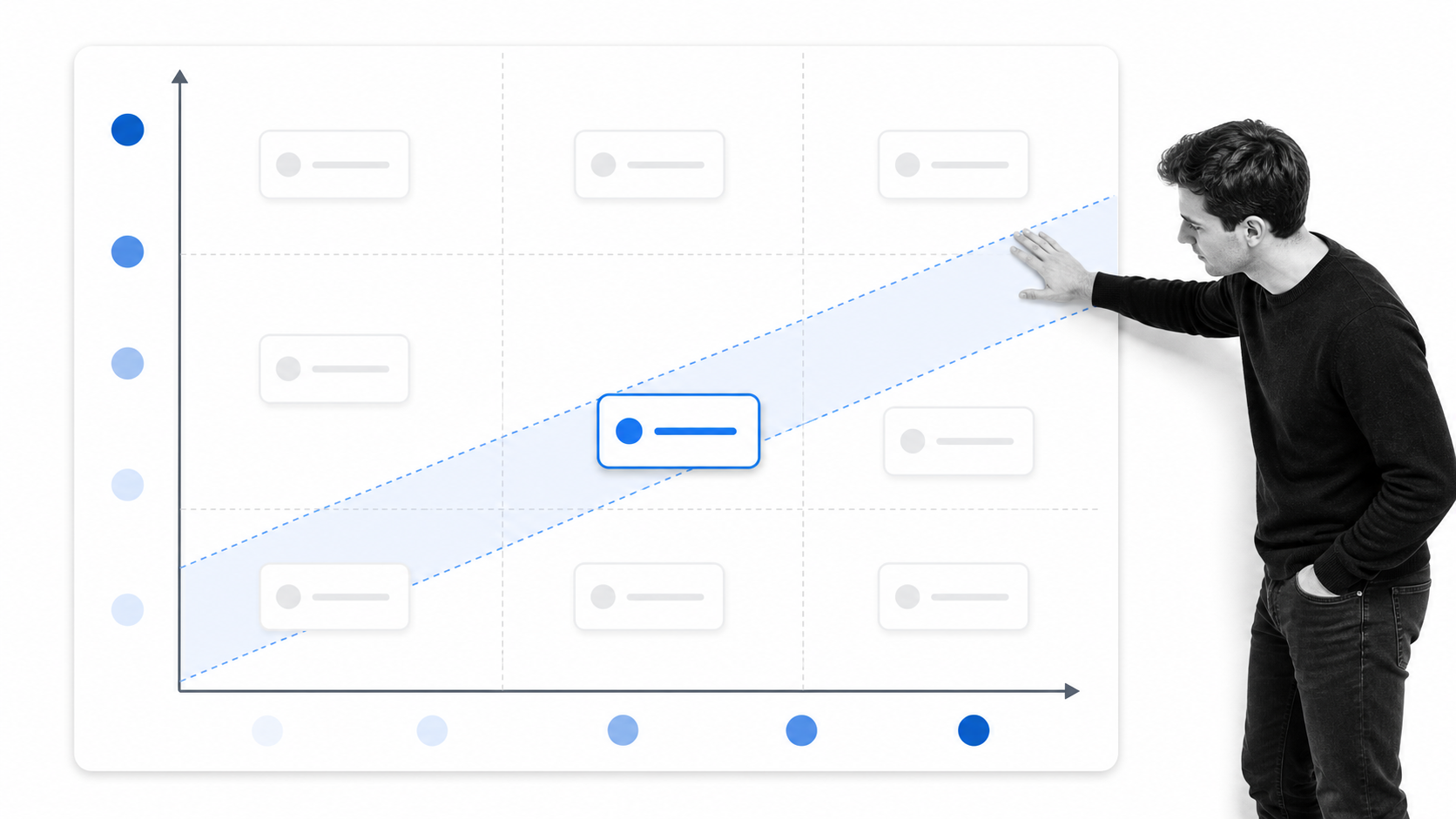
If saying “yes” to every task that falls to you is leaving you overwhelmed, you might need to learn how to use a certain two-letter word.
This can be a stressor in itself, of course, so make things easier for yourself by using templates or scripts to simplify the conversation. This will ultimately reduce the amount of mental energy you will spend.
Productivity hack #27: Optimize your workspace
Your environment changes how easy it is to focus. You do not need a perfect office, but you should remove the friction you notice repeatedly.
- Use natural light where possible.
- Choose comfortable, ergonomic furniture.
- Keep water and the tools you need within reach.
- Move distracting devices and tabs out of sight during focused work.
Productivity hack #28: Utilize your commute journey
If you commute by train, bus, or as a passenger, use the time deliberately. You might review your plan, listen to an audiobook, or capture ideas. If you are driving, do not read or answer messages. Use hands-free audio only when it is safe and legal.
If you work remotely, create a short transition ritual instead: a walk, a planning review, or ten minutes of reading before you open communication tools. The goal is not to fill every spare minute. It is to make the transition into work useful.
Productivity hack #29: Understand when you’re most productive
You might be the type of person who loves to get an early start, and gradually simmers down in intensity as you ease into the afternoon.
Maybe you’re the opposite, and your most focused working hours are after you’ve spent time waking up, perhaps having gone to the gym and had something to eat.
Or perhaps you’re an inverted sleeper.
Whatever the case, you need to understand what works best for you so you can maximize your efficiency during your best working hours, where you’ll be able to hit your stride and work at your peak performance.
Productivity hack #30: Make time for deep work
Deep work can be summarized as the batching of hard but important intellectual work into long, uninterrupted stretches of time. Newport argues this is key to high productivity.
“Deep work is hard and shallow work is easier and in the absence of clear goals for your job, the visible busyness that surrounds shallow work becomes self-preserving.” – Cal Newport in his book Deep Work: Rules for Focused Success in a Distracted World.
He also offers this new law of productivity:
“High-Quality Work Produced = (Time Spent) x (Intensity of Focus)
Understanding how to tap into deep work can help you focus on your work for longer, which means higher productivity, at a higher quality.
Productivity hack #31: Prepare your outfit for tomorrow
Spend the last 15 minutes of your day planning what you’ll wear tomorrow.
This simple task will help you save time and stress in the morning and allow you to focus on getting a productive start. As one of the first things that enters your mind at the start of a day, it’s a decision-making process that can get in the way of important work tasks or simply cause unnecessary stress.
Get this out of the way the night before and you’ll be free to focus on the morning with a fresh head.
Process hacks
Productivity hack #32: Lighten the load by clearing out smaller tasks
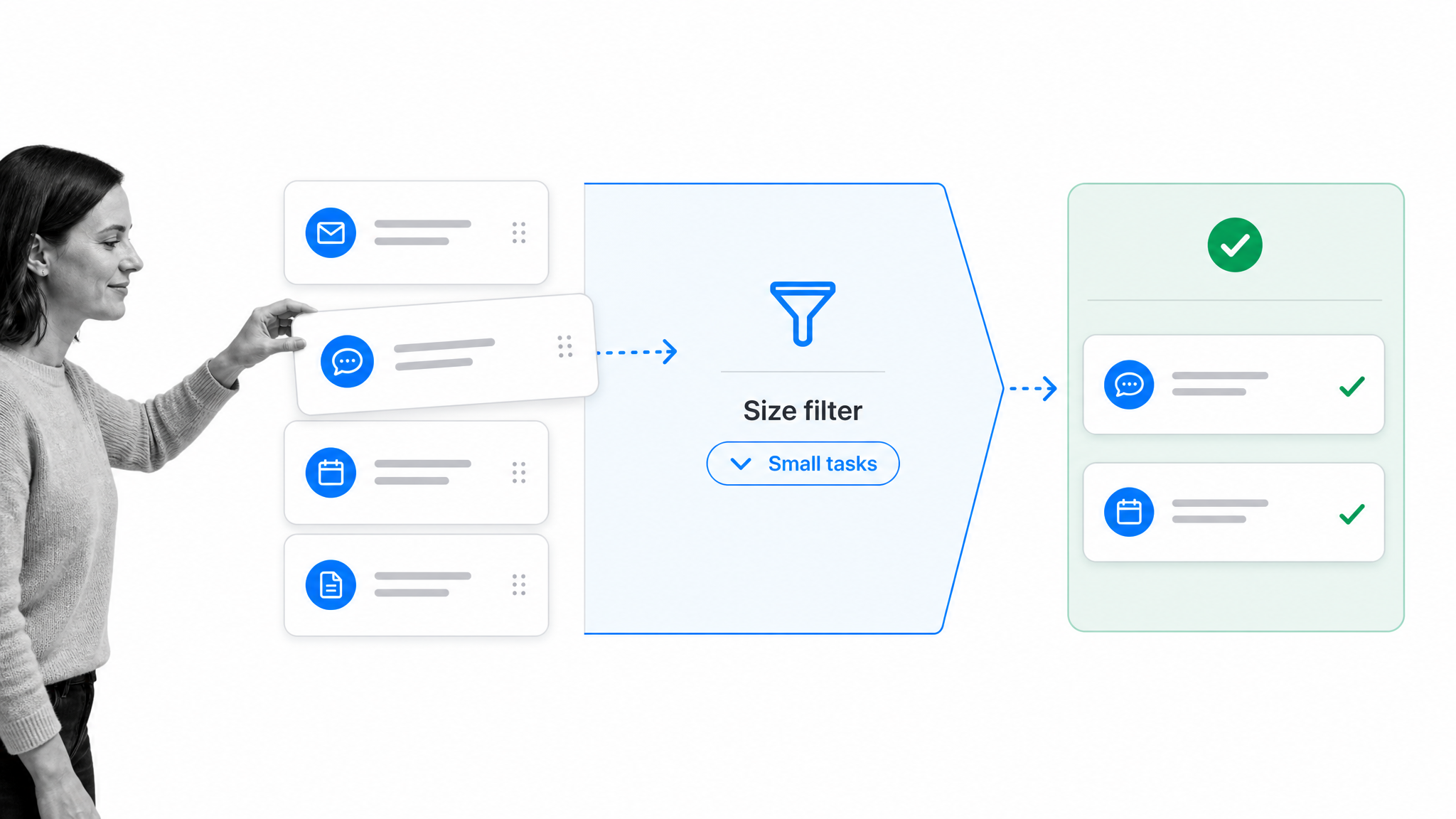
Sometimes it makes sense to finish the largest, hardest task first. Other times, clearing a few small tasks creates momentum or removes mental clutter.
Use a task system that lets you compare effort, urgency, and impact. A flexible project tracker such as Airtable for project management can help, but the tool matters less than having a consistent way to identify true quick wins.
Do not let a queue of easy tasks become productive procrastination. Clear the small items when doing so unlocks attention or removes blockers, then return to the work with the highest value.
Productivity hack #33: Delegate and outsource
As a business owner, it’s normal to want to oversee every little task. But being a control freak can lead to an overload of responsibility.
Don’t be afraid to delegate work – trust that your employees and teammates are competent enough to get the work done. You’ll sleep easier for it.
Take a look at your task list and figure out what you can delegate or outsource. Once you do this, you’ll be free to focus on more important tasks.
Productivity hack #34: Automate manual tasks
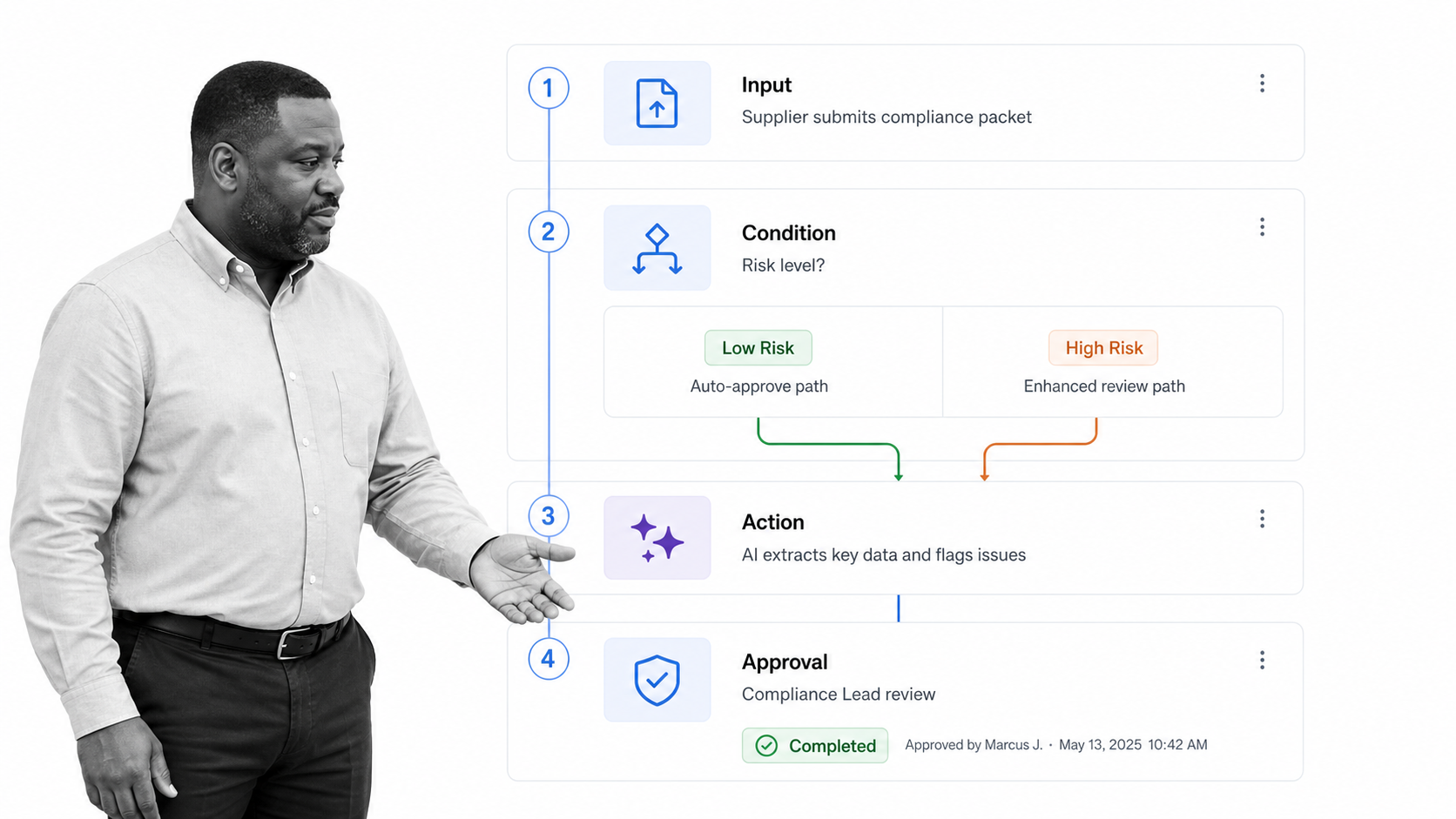
Automate repetitive work that follows clear rules: routing requests, collecting data, assigning owners, coordinating approvals, sending reminders, and updating records.
Workflow automation is most useful when it removes handoffs without removing accountability. Process Street combines governed workflows with built-in AI, so recurring work can execute consistently while people keep control of exceptions and decisions.
Process Street has direct, universal integrations to 5,000+ systems. Need a new one? An AI agent builds it on the fly. Partners such as Zapier can still support integration-specific workflows.
Start with one process that is frequent, stable, and expensive to do manually. Automate the repeatable steps, keep judgment with the right owner, then measure whether the workflow actually saves time.
Productivity hack #35: Use templates to save time
Templates save time when the same structure appears repeatedly in messages, meetings, presentations, or customer work.
Process Street includes a library of free workflow templates. Use one as a starting point, then edit the workflow so the steps, owners, and approvals match the way your team works.
Productivity hack #36: Save your work, often!
Modern tools usually autosave, but recovery still deserves a system. Confirm that autosave is active, understand the version history, and know where backups live.
For critical work, test the recovery path before you need it. A backup that nobody can restore is not a backup.
Productivity hack #37: Focus on the process
This is one of Process Street’s company values. Being mindful of the processes you use daily can help you identify areas for improvement. It also allows you to think about your work in terms of inputs and outputs, which is essentially what productivity is all about.
What are you putting into the process? What specific tasks do you need to complete to get the desired output? Are all of these tasks necessary? Could you be doing certain tasks differently; more efficiently?
These are all questions to ask yourself as you focus on and develop a business process management approach that will ultimately help you work more productively.
A useful process has a clear trigger, an owner, a definition of done, and a feedback loop. When a step is skipped or repeatedly delayed, fix the system instead of asking people to remember harder. That is how a productivity hack becomes reliable operational behavior.
Health hacks
Productivity hack #38: Get a good night’s sleep
Sleep supports attention, learning, judgment, and recovery. Staying up for a final push can reduce the quality of the work you do the next day.
There is no single perfect number for every person. Keep a consistent schedule, give yourself enough time to feel rested, and treat persistent sleep problems as a health issue rather than a productivity failure.
Productivity hack #39: Take a cold shower
A cold shower may create a brief feeling of alertness, but the wider health and productivity claims are not settled. A systematic review of cold-water immersion found mixed and limited evidence.
If you enjoy a short cool shower and it helps you feel awake, treat it as an optional ritual. It is not a substitute for sleep, movement, hydration, or medical advice.
Productivity hack #40: Stay hydrated
Hydration supports normal physical and cognitive function. The effects of dehydration vary by person, task, environment, and severity, so precise universal productivity percentages are misleading.
Keep water within reach and drink regularly, especially during heat, exercise, travel, or long focus sessions. This review of hydration and cognition explains why the relationship is more nuanced than a single threshold.
Productivity hack #41: Take breaks and exercise regularly
Bob Pozen, MIT Sloan Senior Lecturer, believes that taking regular breaks can help to improve focus and productivity.
Pozen recommends taking short breaks every 75-90 minutes. This recommendation comes from his research on professional musicians, who are seen to be more productive when practicing for this amount of time in a single sitting.
“Working for 75 to 90 minutes takes advantage of the brain’s two modes: learning or focusing and consolidation. When people do a task and then take a break for 15 minutes, they help their brain consolidate information and retain it better.” – Bob Pozen from his seminar Maximizing Your Personal Productivity: How to Become an Efficient and Effective Executive
Similarly, Tony Schwartz (author of The Way We’re Working Isn’t Working), shows that the length of time it takes to go from full focus to physiological fatigue is about 90 minutes.
Productivity hack #42: Prioritize your mental health
Human capital is one of the most valuable resources in our economy. Despite this, there is a distinct lack of focus on how elements like mental health and wellbeing impact metrics like performance and productivity.
Risks like burnout, overworking, and loss of purpose are all very real consequences of putting productivity before your mental wellbeing.
Being honest with yourself and your work colleagues about mental wellness is crucial to making sure you’re able to work at your full capacity, and avoid the dangers of overworking.
How to hack productivity with Process Street
Personal productivity improves when useful habits become dependable systems. Process Street is a Compliance Operations Platform that turns critical procedures into governed, automated workflows.
It is one product with Docs for governed SOPs, Ops for workflow execution, and built-in AI that helps monitor and improve how work gets done. You can document the standard, run the work, automate repetitive steps, route approvals, and keep an auditable record without stitching together separate tools.
Start with one recurring process that drains time or attention. Capture the steps, assign ownership, automate the predictable work, and improve the process as execution data comes back.
Keep exploring:
- Productivity software for beginners
- A practical guide to process mapping
- The guide to business process automation
- Small business automation with Zapier
What is your number-one productivity hack, and how does it help you get more work done?