


NW Maids is a home cleaning company founded in Seattle. The company now serves multiple markets across Washington and Oregon and has earned hundreds of five-star customer reviews.
We spoke with founder Ilya Ornatov about how NW Maids used Process Street to improve its success rate, increase lifetime customer value (LCV), and reduce employee errors as the business grew.
The NW Maids story
In 2013, Ilya set his sights on the cleaning business and left his role as a VP of Sales to make the NW Maids vision a reality. As the company expanded, it built a network of cleaning teams serving customers across Seattle and beyond.
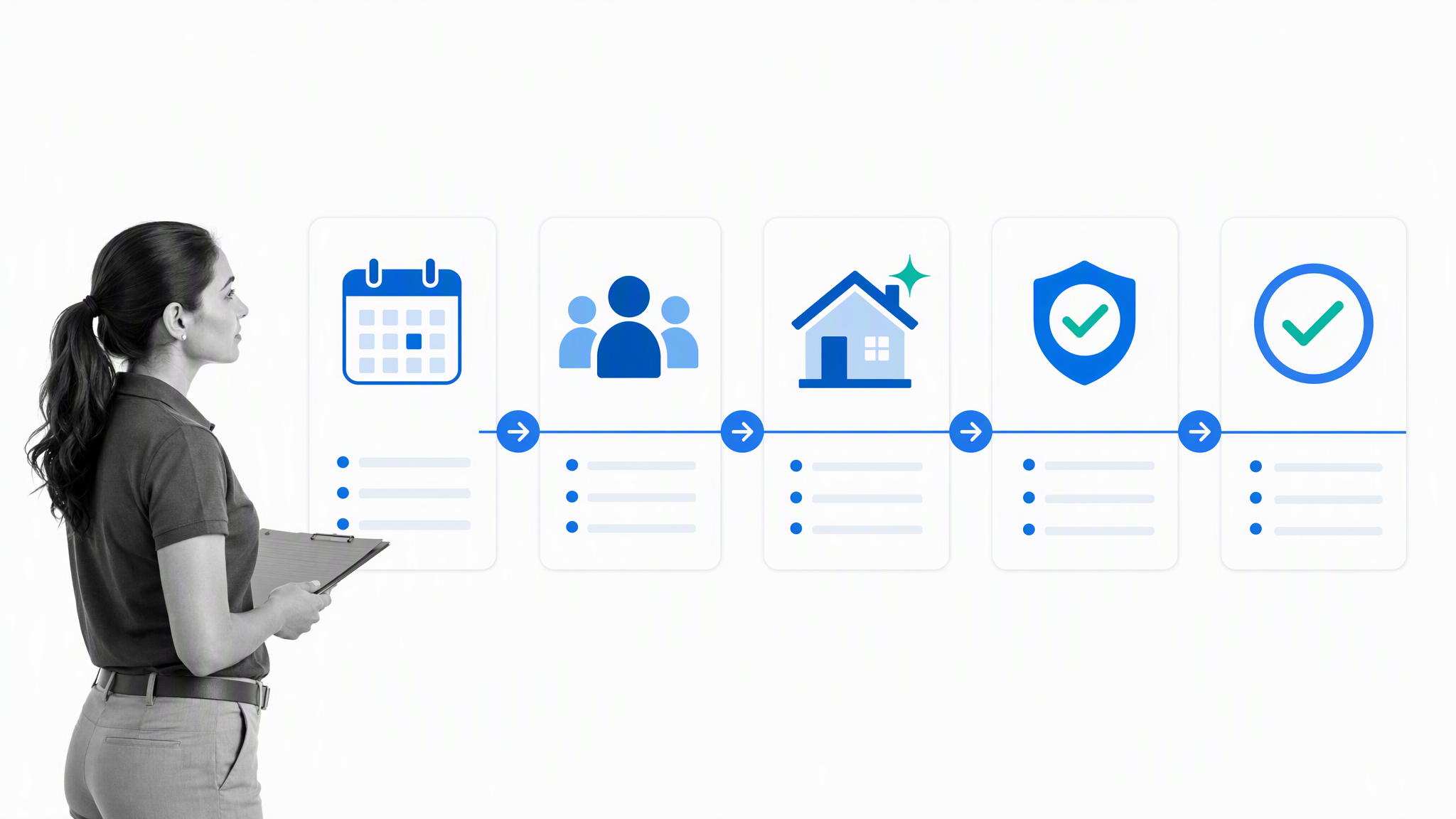
Growth brought new operational challenges. Every booking, handoff, quality check, and customer interaction had to work consistently across teams moving between different locations. NW Maids focused on simplifying the home cleaning experience while making the work behind that experience easier to coordinate.
The operational model depended on many small steps happening in the right order. A missed confirmation or incomplete handoff could affect the customer experience, the cleaning team’s schedule, and the amount the business collected for the service.
NW Maids used Process Street for:
- Maintaining quality standards across recurring processes
- Breaking complex operational problems into repeatable steps
- Tracking which employees completed which tasks
- Tracking new booking confirmations
- Cross-referencing customer property records
- Identifying missed or incorrectly completed tasks and their owners
- Automating email responses
The business benefits included:
- A higher success rate
- Fewer employee errors
- Greater employee confidence and happiness
- Higher LCV
- More than $2,000 in additional monthly revenue
Challenge
Managing processes across multiple cleaning teams working in a constantly changing set of locations is difficult, especially when the work is coordinated manually. In its earlier years, NW Maids lost money and customers while struggling to track performance because processes were inconsistently implemented or sometimes missing.
One of the team’s biggest challenges was standardizing core processes. Quality assurance, employee onboarding, client onboarding, property data, communications, and transportation all had to work together.
“Our biggest goal was to make sure that we were doing certain processes in our business the same way every time and not missing any steps.”
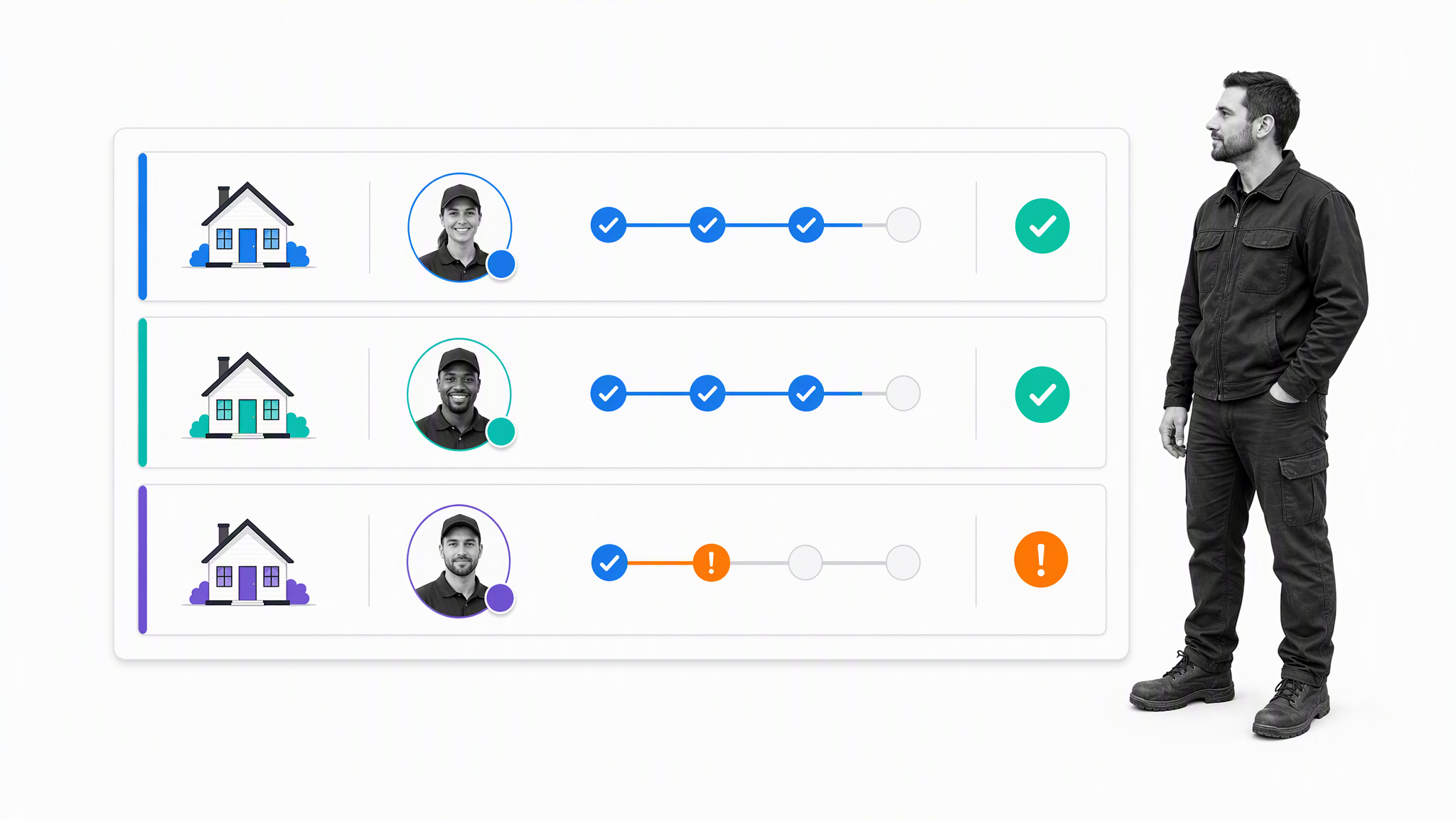
For growing service businesses, process management software for SMBs can turn recurring work into assigned, trackable workflows. That visibility mattered for NW Maids because the work crossed office staff, virtual assistants, cleaners, and customers.
Growing their business with Process Street
Saving time and money by reducing manual work left more resources available for growth. NW Maids used Process Street workflows in marketing, hiring, and operations to keep recurring processes consistent.
One important use case was email response automation:
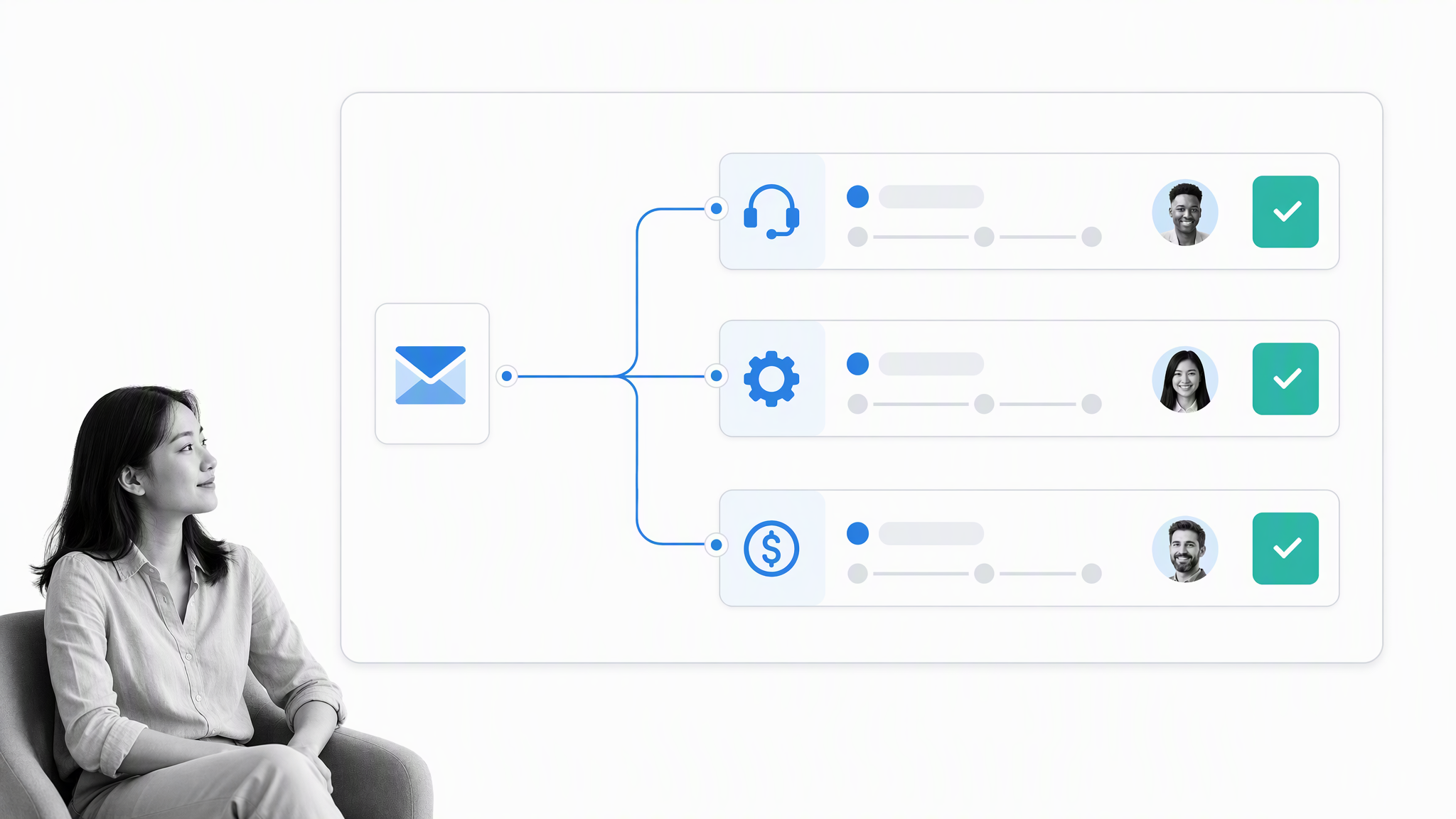
“So for example, let’s say like a virtual assistant – it allows them to, when they receive an incoming support request, depending on the type of support request, we parse the email and then we append a note to that email that has a link to a specific Process Street checklist, depending on which type of email it is.”
The team also used Process Street to create accountability around completed work:
“We use [Process Street] to track who completed which tasks … so basically, tracking to make sure that all of the things that have to be done, were actually done.”
“I want to use Process Street as much as possible. As we grow and as new processes become necessary, I definitely envision using it a lot more.”
Together, routing and task history gave managers a clearer view of what had happened, who had completed the work, and where a process needed attention. Staff could follow the same operational path instead of relying on memory or searching for a buried manual.
Results
For NW Maids, the effects of implementing repeatable processes were measurable. Clearly formatted, actionable workflows made work easier for virtual assistants, cleaners, and clients:
“The most obvious advantage is that not only does every VA have a template right in front of their face of how things need to be done every time, but we can also track which employee did which task so that we can identify if there are tasks that aren’t being done correctly, and who’s responsible.”
Ilya estimated that the company recovered about $2,000 per month in revenue from paying customers who might previously have been lost because of poorly implemented processes.
“…an extra couple thousand dollars per month in revenue.”
He also connected the structured approach to a higher success rate, fewer mistakes, and a better experience for employees:
“I think that using Process Street has increased our success rate, and lowered the amount of employee errors.
I would say it’s also increased our employee’s happiness. I’ve heard several times from our people that they used to work at companies before where there was no concrete process. Sure, there was some user manual buried somewhere, but there wasn’t really a concrete way for them to make sure they were doing everything correctly, until now.”
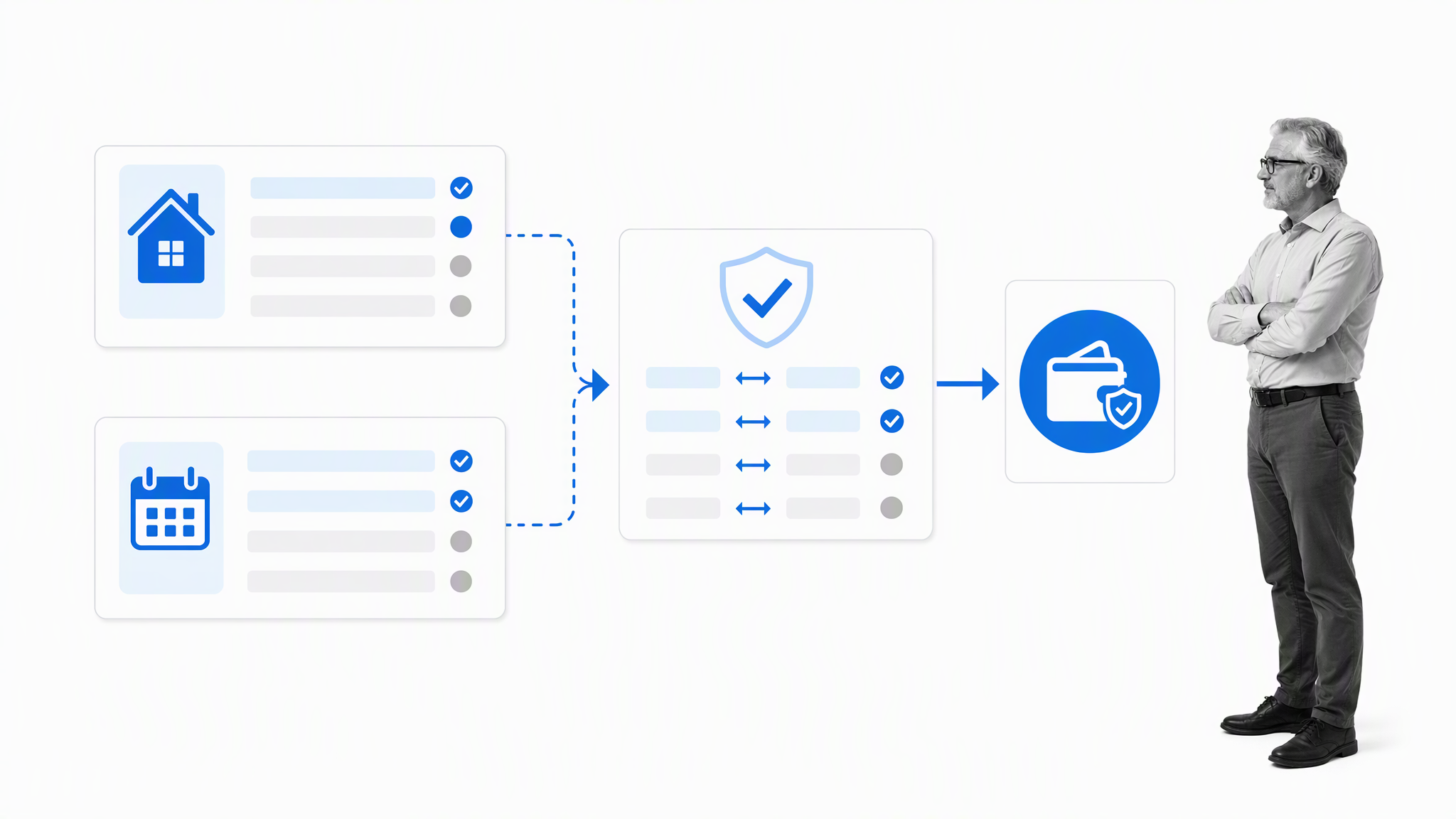
Customer booking had also been difficult to verify manually, sometimes resulting in customers paying less than the correct amount. NW Maids created a workflow for cross-referencing property records so staff could confirm that each customer was charged for the right property size.
This control connected day-to-day execution to a direct financial result. A repeatable verification step reduced underbilling while helping employees complete the check with confidence.
“…we’ve increased our LCV, because our customers are actually paying the correct amount now.”
“This never would have been a thing before Process Street, because it’s just too cumbersome a task to have to do it every time. But if there’s already links to everything in Process Street and examples of how to do it, it makes it so much easier to do.”
Taking it to the next level
Ilya described strong, reliable processes as the foundation for maintaining service quality while bringing new staff into the business:
“As we grow, we’re going to be adding new members. Every single person that joins our company that’s on the staff side is going to get an account with Process Street.”
That approach shows how a service business can streamline workflows and reduce avoidable errors through process automation.
“Process Street is the missing link that allows you to automate what used to be human error. The human side that you couldn’t automate before; now you can.”
Today, Process Street is a single Compliance Operations Platform with Docs and Ops capability areas plus built-in AI. It helps teams connect operational knowledge with assigned, trackable work while keeping people in control.