Turn every policy into automated workflows with built-in enforcement and audit-ready proof.



Process Street vs. Oracle BPM: Which Is Best?
Short answer: Process Street is the better fit for operations and compliance teams that want business users to build, run, and govern recurring work. Oracle Process Automation is the better fit when a company needs process applications woven deeply into an Oracle-centered technology environment and has technical resources to manage that architecture.
The right choice depends on where the process lives, who should own it, how much application orchestration it needs, and how much administrative weight the organization can support.
Oracle BPM is still a familiar search term, but Oracle’s current cloud product documentation uses Oracle Cloud Infrastructure Process Automation. That service is the Oracle product evaluated here, alongside relevant Oracle Integration capabilities.
- What is the main difference?
- How do the platforms compare?
- Which platform is easier for operations teams to own?
- When is Oracle the better fit?
- When is Process Street the better fit?
- What should you compare?
- How should you think about pricing?
- How can you move from Oracle BPM?
- What is the final verdict?
- FAQs
What is the difference between Process Street and Oracle BPM?
Process Street treats a process as governed work that people and systems execute together. A process owner can document the procedure, collect structured information, route tasks, require approvals, assign work by role, and maintain a clear operational record. The emphasis is direct ownership by the team responsible for the outcome.
Oracle Process Automation treats a process as a cloud application with design-time and runtime components. Oracle documents structured and dynamic processes, decision models, forms, application connections, user tasks, and separate Designer and Workspace environments. That model is powerful when the process is part of a broader application and integration architecture.
The deciding question is simple: Does the process primarily need a governed operating layer for people, or a technical orchestration layer for applications? Many organizations need both, but one should be the system that owns process logic and day-to-day change.
How do Process Street and Oracle BPM compare at a glance?
| Decision area | Process Street | Oracle Process Automation | Best signal |
|---|---|---|---|
| Primary orientation | Business-owned recurring work and governed procedures | Cloud process applications and application orchestration | Where the process logic should live |
| Typical owner | Operations, compliance, HR, finance, quality, or service teams | Developers, architects, administrators, and business experts working together | Who must change the process next quarter |
| Workflow building | Task, form, rule, role, approval, and automation driven | Structured and dynamic processes, decisions, forms, tasks, and connected applications | Required technical depth |
| Application fit | Connects recurring work to the team’s operating stack | Strong fit for Oracle-centered application estates and integration programs | Dependency on Oracle applications |
| Governance | Control inside the procedure through assignments, approvals, and execution records | Control through cloud identities, policies, application roles, and runtime administration | Existing governance model |
| Adoption pattern | Start with one process and expand through business ownership | Provision an environment and develop process applications | Implementation capacity |
| Commercial evaluation | Current plan information plus tailored sales support | OCI price list, estimation, and deployment-specific costs | Total ownership, not license alone |
Workflow design and execution
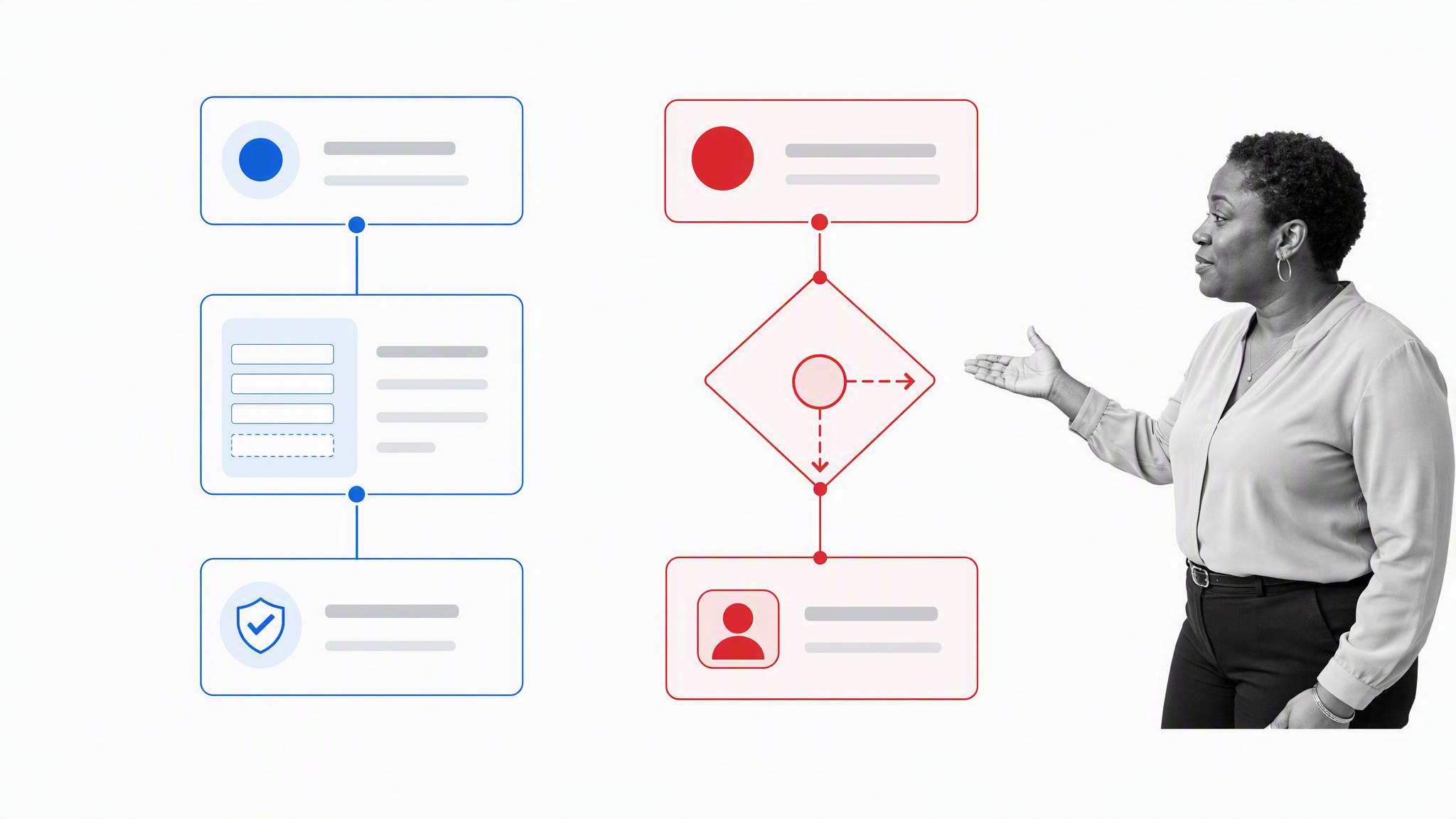
Process Street is built around workflows that people can follow and improve. Conditional logic can reveal the right path based on information inside a workflow run. Approval tasks add explicit authorization where a decision matters, while role assignments route responsibility to the right person or group.
Oracle Process Automation supports structured and dynamic processes, decision models, forms, and user tasks. Its Designer and Workspace split reflects a process-application lifecycle: a design environment for building components and a runtime environment for testing, running, monitoring, and administration.
Integrations and application orchestration
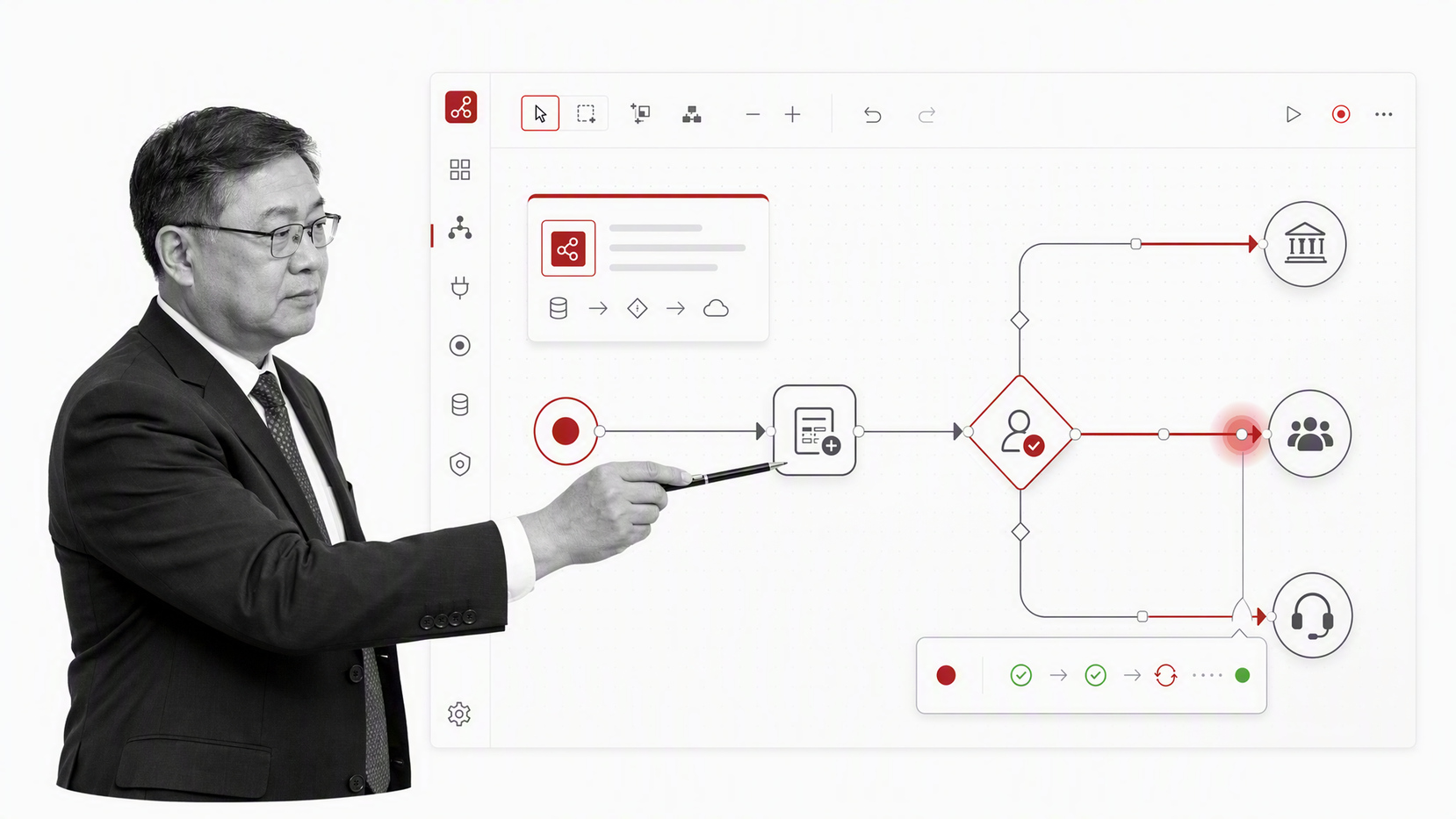
Oracle is strongest when process automation is inseparable from enterprise application integration. Oracle Integration presents prebuilt integrations, run-ready templates, and visual designers for workflows and approvals across Oracle application families. REST APIs are also available for process applications, processes, and user tasks.
Process Street is stronger when the workflow itself should remain understandable and editable by the operating team. The workflow can coordinate human tasks and system handoffs without forcing every operational change through an application-development cycle. Teams should still validate each required system connection during a proof of concept.
Governance, permissions, and auditability
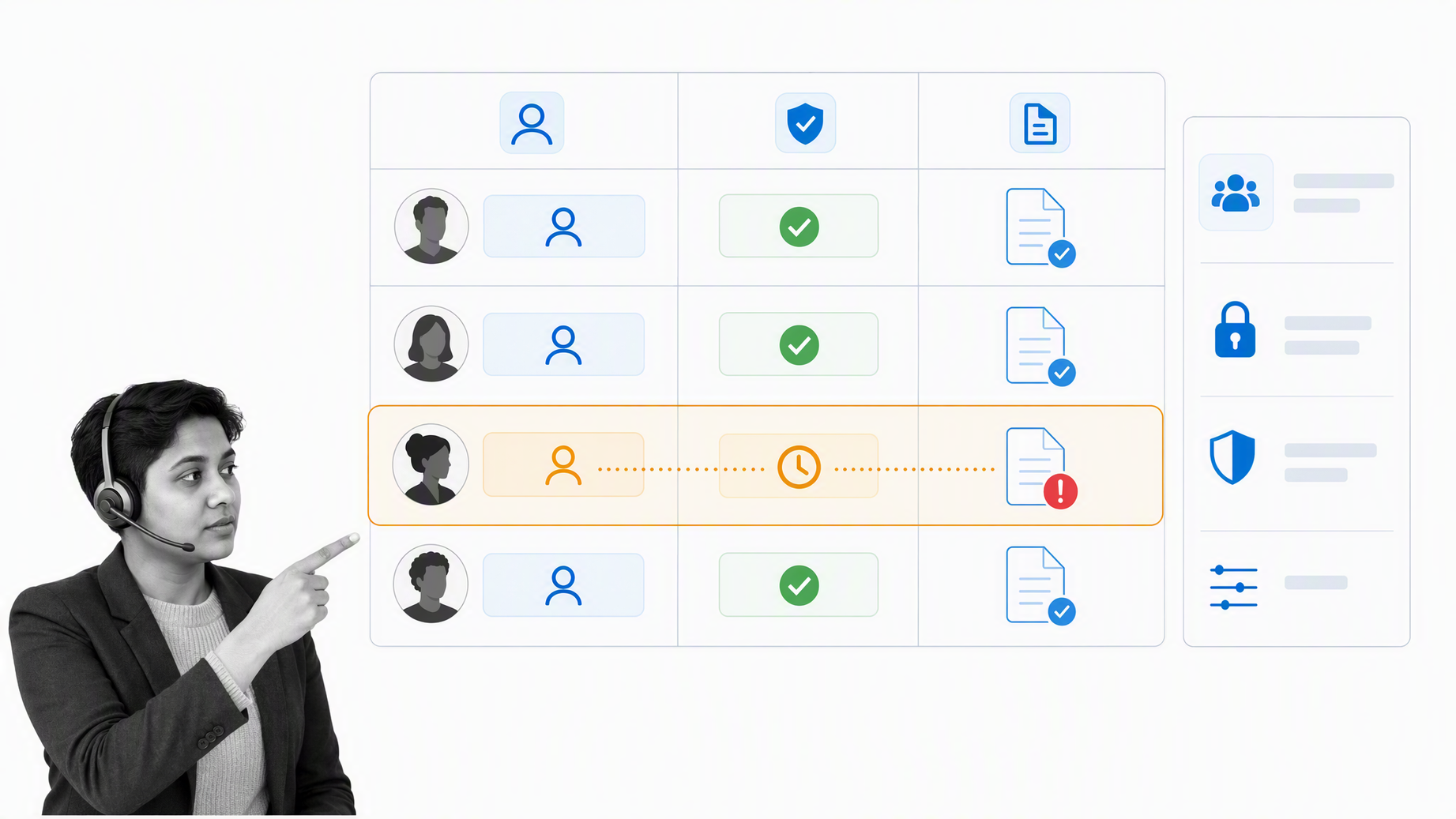
Governance is not a checkbox. It is the combination of who can change the process, who can complete each step, which approvals are mandatory, what evidence is captured, and how exceptions are handled. Process Street puts those controls in the recurring procedure through assignments, permissions, conditional paths, approvals, and execution history.
Oracle applies governance through its cloud administration model as well as process-application roles and runtime controls. That can align well with organizations already governed through Oracle Cloud Infrastructure. It can also add administrative distance between a process owner and the person who must change the workflow.
Implementation and ownership
Process Street favors incremental adoption. A team can begin with one painful recurring process, prove that people complete it correctly, and expand from there. The process owner can stay close to the design because the same operating layer holds instructions, forms, rules, assignments, and approvals.
Oracle favors a formal application lifecycle. The environment must be provisioned, users and policies established, components designed, and runtime administration defined. That investment makes sense when the process is strategically tied to Oracle applications or needs coordinated technical ownership.
Reporting and monitoring
Both approaches can monitor work, but the useful reporting question is different. Operations teams usually need to know what is late, blocked, reassigned, rejected, or missing evidence. Application teams often need process-instance health, integration behavior, runtime administration, and technical diagnostics. Choose the reporting model that helps the actual owner intervene.
Which platform is easier for operations teams to own?
Process Street is usually easier for operations teams to own because its core building blocks match the way recurring work is described: tasks, forms, instructions, rules, owners, deadlines, approvals, and records. A process manager can change the path using conditional logic without translating every improvement into an application project.
Oracle can still involve business experts, and its visual designers reduce the amount of hand coding required. The operating model remains more technical because process applications sit inside a broader cloud environment with separate design, runtime, identity, and administration concerns.
When is Oracle Process Automation the better fit?
Oracle Process Automation is the stronger choice when the process is part of an Oracle-centered application architecture and technical orchestration is the dominant requirement. It deserves serious consideration when:
- Oracle applications are the primary systems of record and process state must stay close to them.
- A development or architecture team will own process applications, integrations, deployment, and runtime administration.
- Decision models, application connections, and user tasks need to be managed as one cloud application.
- The organization already has Oracle Cloud identity, policy, monitoring, and commercial governance in place.
- The cost of a specialized implementation is justified by the complexity and strategic value of the application landscape.
When is Process Street the better fit?
Process Street is the stronger choice when recurring work must be controlled without turning every change into an IT project. It is especially well suited to onboarding, recurring reviews, approvals, audits, service delivery, quality procedures, finance operations, and compliance processes where people must follow the right path and leave proof.
- The process owner sits in operations, compliance, HR, finance, quality, customer success, or another business team.
- Instructions and execution need to live together so the procedure does not drift away from the work.
- Approvals, role-based responsibility, conditional paths, forms, deadlines, and evidence are central to the process.
- The organization wants to pilot one workflow quickly and expand after proving adoption.
- Business users need to improve the process without waiting for a specialist development cycle.
For a deeper view of the operating model, see the business process management guide and the guide to workflow automation.
What should you compare before choosing a BPM platform?
- Process ownership: Identify who is accountable for outcomes and who should approve workflow changes.
- Work mix: Separate human coordination, governed procedures, application orchestration, data movement, and decision logic.
- Change frequency: Estimate how often rules, owners, evidence requirements, and exception paths will change.
- Integration depth: List every system handoff, then distinguish a simple action from stateful technical orchestration.
- Governance: Test permissions, required approvals, audit evidence, version control, and exception handling.
- Adoption: Watch real users complete the process, not just builders configure it.
- Operations: Measure who will monitor failures, maintain integrations, support users, and improve the workflow.
How should you think about pricing and total cost?
Do not compare subscription lines in isolation. Compare the complete operating cost: licenses, implementation, integration work, cloud services, specialist administration, training, process maintenance, support, and the time required to make controlled changes.
Process Street publishes current options on its pricing page and provides a sales path for tailored requirements. Oracle publishes cloud service rates through the OCI price list and related estimation resources. Final Oracle cost depends on the services, usage, architecture, and commercial agreement involved.
How can you move from Oracle BPM to Process Street?
Treat migration as process redesign, not file conversion. Start with one process that has clear ownership, stable rules, and visible pain. Do not begin with the most technically entangled process in the portfolio.
- Inventory the current process steps, forms, decisions, roles, integrations, exceptions, evidence, and reports.
- Separate business policy from Oracle-specific implementation details.
- Rebuild the human workflow in Process Street using tasks, forms, role assignments, conditional paths, and approvals.
- Connect only the system handoffs required for the pilot, then test failure and retry behavior.
- Run the old and new process in parallel for a controlled sample.
- Compare completion time, skipped steps, exception handling, owner effort, user adoption, and evidence quality.
- Retire the old path only after ownership, reporting, and rollback responsibilities are explicit.
A Process Street demo can use a real workflow from your environment so the evaluation reflects your rules, roles, approvals, and system handoffs.
What is the final verdict on Process Street vs Oracle BPM?
Choose Process Street when the priority is governed recurring work that business teams can own. Choose Oracle Process Automation when the priority is technical process applications and orchestration inside an Oracle-centered cloud architecture.
For most operations and compliance teams evaluating these products directly, Process Street is the more focused choice. It keeps the procedure, execution rules, responsibilities, approvals, and operating record in one accessible layer. Oracle earns its place when its application and integration depth is essential, not merely available.
FAQs about Process Street vs Oracle BPM
What is the main difference between Process Street and Oracle BPM?
Process Street is designed for business-owned recurring workflows, governed procedures, approvals, and operational execution. Oracle Process Automation is designed for cloud process applications and application-centered orchestration, especially when Oracle systems are central to the architecture.
Is Oracle BPM still available?
Oracle BPM remains a common buyer term. Oracle’s current cloud documentation centers Oracle Cloud Infrastructure Process Automation, while Oracle Integration covers application integration and process automation capabilities.
Which is easier to use, Process Street or Oracle BPM?
Process Street is generally easier for operations, compliance, HR, finance, and service teams that want to own recurring workflows directly. Oracle can be the stronger fit when a technical team needs deeper control over process applications inside an Oracle-centered environment.
Can Process Street replace Oracle BPM?
It can replace Oracle BPM for many human-centered recurring processes, including onboarding, approvals, reviews, audits, and controlled procedures. Highly technical application orchestration may still require Oracle Integration or another integration layer.
How do Process Street and Oracle BPM compare on pricing?
Compare current vendor pricing together with implementation, administration, integration work, training, and change costs. The lower-cost option is the one your team can operate reliably without unnecessary specialist overhead.
How should a team test Process Street against Oracle Process Automation?
Use the same real process in both products. Include an intake form, routing rule, approval, exception, system handoff, evidence requirement, and report. Score build time, owner independence, user completion, governance, and ongoing change effort.