Businesses around the world were already spending billions of dollars on video conferencing apps back in 2016, and that market has grown enormously since.
After years of waiting for video calls to take off, we’re finally living in the sci-fi future of face to face calls.
Business process optimization is the disciplined practice of improving an existing process against a defined goal without breaking the constraints that keep the work safe, reliable, and compliant.
This guide explains what process optimization means, compares the methods teams use, shows a worked content-production example, and gives you free templates. It also shows where process management tools and Process Street support measurement, controlled execution, and continuous improvement.
Every manager faces the same question: How do I improve the way my business works? A well-designed process turns that question into repeatable action. An automated process lets software complete predictable steps with little or no human intervention. An interactive process combines that automation with human decisions, approvals, conversations, or exception handling.
The difference is not simply people versus software. It is about assigning each part of the work to the right operator. Rules-based, repetitive work is a strong candidate for automation. Work that depends on judgment, context, creativity, or trust should remain human-led. Most important business processes sit somewhere between those two ends.
Business process documentation turns recurring work into a clear operating record. It captures the trigger, owner, steps, decisions, controls, evidence, and expected result so the process can be repeated, delegated, audited, and improved.
The value is not the document by itself. The value is what the document makes possible. These business process documentation benefits include continuous improvement, growth, fewer errors, consistent execution, and time saved. They appear repeatedly in the operator stories and expert evidence below.
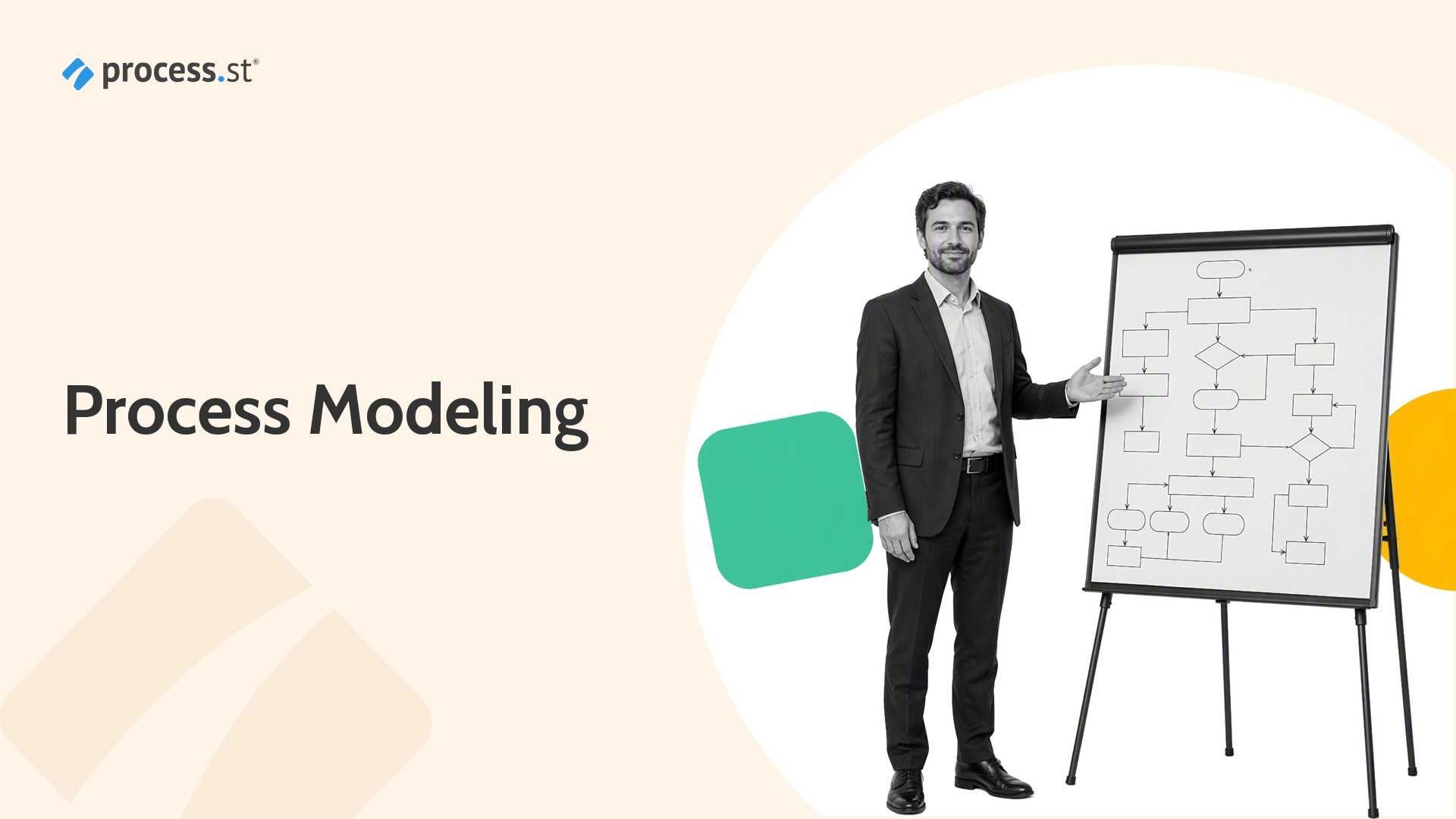
Business Process Model and Notation (BPMN) is like a flow chart on steroids. It is the standardized, globally recognized way to map how work actually moves through your business, and it is knowledge any team that wants reliable, repeatable process maps needs.
This BPMN tutorial quick-start guide gets you from a blank canvas to a process map anyone on your team can read. You will learn the core symbols, how pools and lanes organize who does what, and how gateways handle every decision and branch in a flow.
Is bad project management causing you to abandon important projects? Are useless tools to blame, or does the problem go deeper?
Bad tools can create friction, but projects usually fail through a combination of unclear goals, weak ownership, poor planning, communication gaps, unmanaged risk, and disconnected systems. Software can amplify those problems. It cannot repair a process nobody follows.
Remote work isn’t the future of work, it’s the present. The forced experiment of the early 2020s turned into a permanent shift, and a large share of paid working days in the US are still done from home compared to before the pandemic. Today, employees not only embrace remote work, they expect it, and many say they would not be prepared to return to a job that didn’t accommodate for some kind of remote working.
The sentiment towards remote work from an employee perspective is largely positive, with a surprisingly large number of workers saying they have been able to maintain or even improve their productivity while working from home. That’s why, in a post-pandemic world, so many of the remote-first companies who had already established effective fully-remote teams are thriving. In this article, I’ll examine some of the best remote-first teams you could be working for, with a focus on what to look for when considering if a company is truly fully-remote, and how the company culture can reflect a remote-first mentality.
This is a guest post from Nikola Banicek, an internet marketing specialist at Point Visible, a marketing agency providing custom outreach and link building services. He’s a laid-back guy with experience in PPC, copywriting, and project planning. When he’s not working, he’s either gaming, watching football or anime.
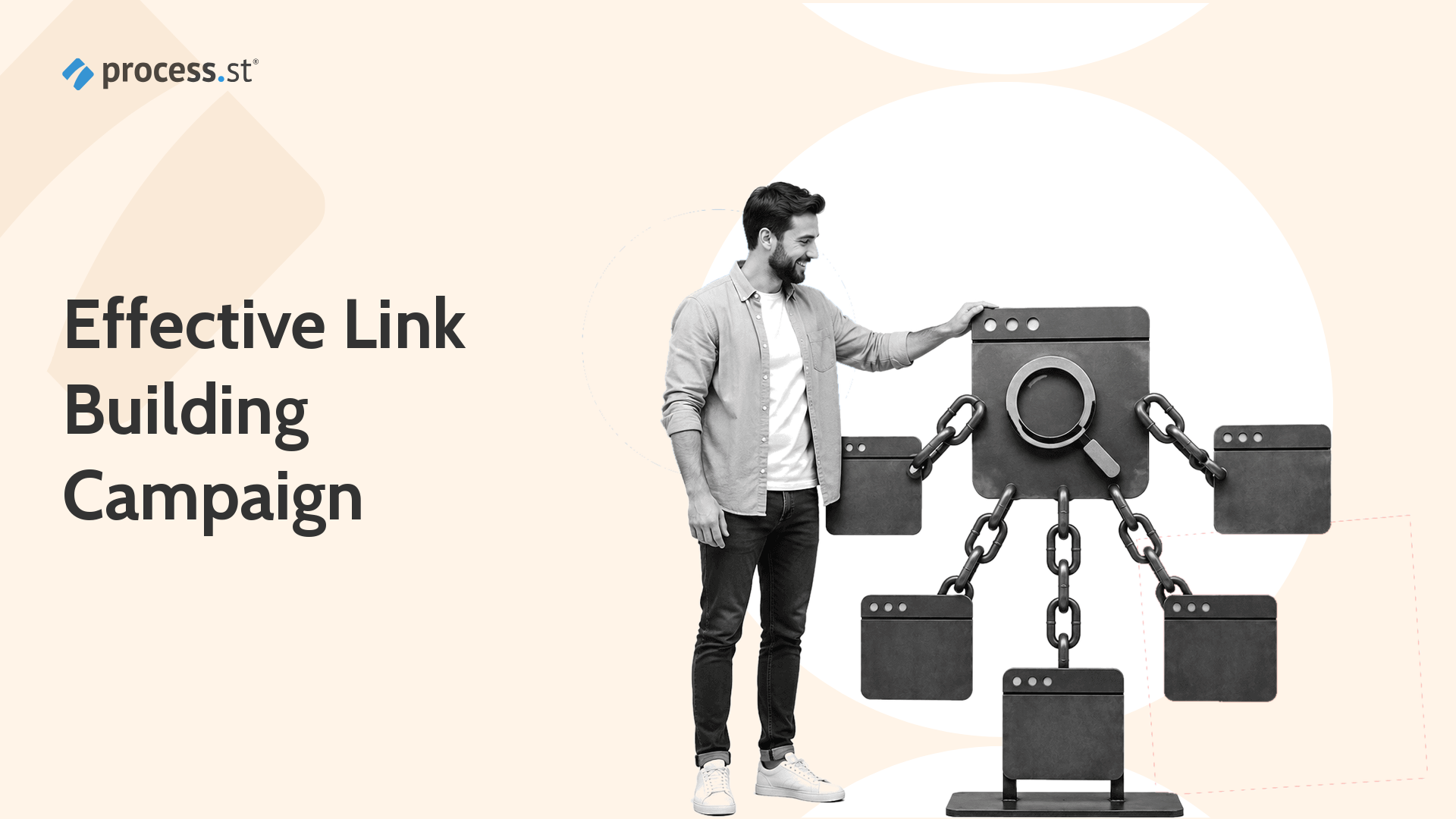
The best link building tools help you find credible prospects, understand why competitors earn links, manage personalized outreach, and keep every follow-up accountable. A strong link building campaign usually combines backlink research, content discovery, outreach software, communication, and a repeatable operating workflow.
Sales onboarding is the structured process that turns a newly hired salesperson into a confident, productive representative. It combines product knowledge, sales skills, supervised practice, manager coaching, and clear readiness checks so every new hire understands what to do and can prove they are ready to do it.
A strong sales onboarding process protects retention because it replaces early ambiguity with support, standards, and visible progress. The 11 templates below cover the full journey, from hiring and background checks to training, performance reviews, development, and sales management.
Optional cookies and similar technologies support analytics, advertising and visitor identification, and embedded content. Change or withdraw consent in Cookie settings. Cookie policy.