Subscribe to the Process Street blog

Get tips and apps to hack your business straight to your inbox.

Employee Development Program: The Key to Improving Productivity, Engagement, & Retention

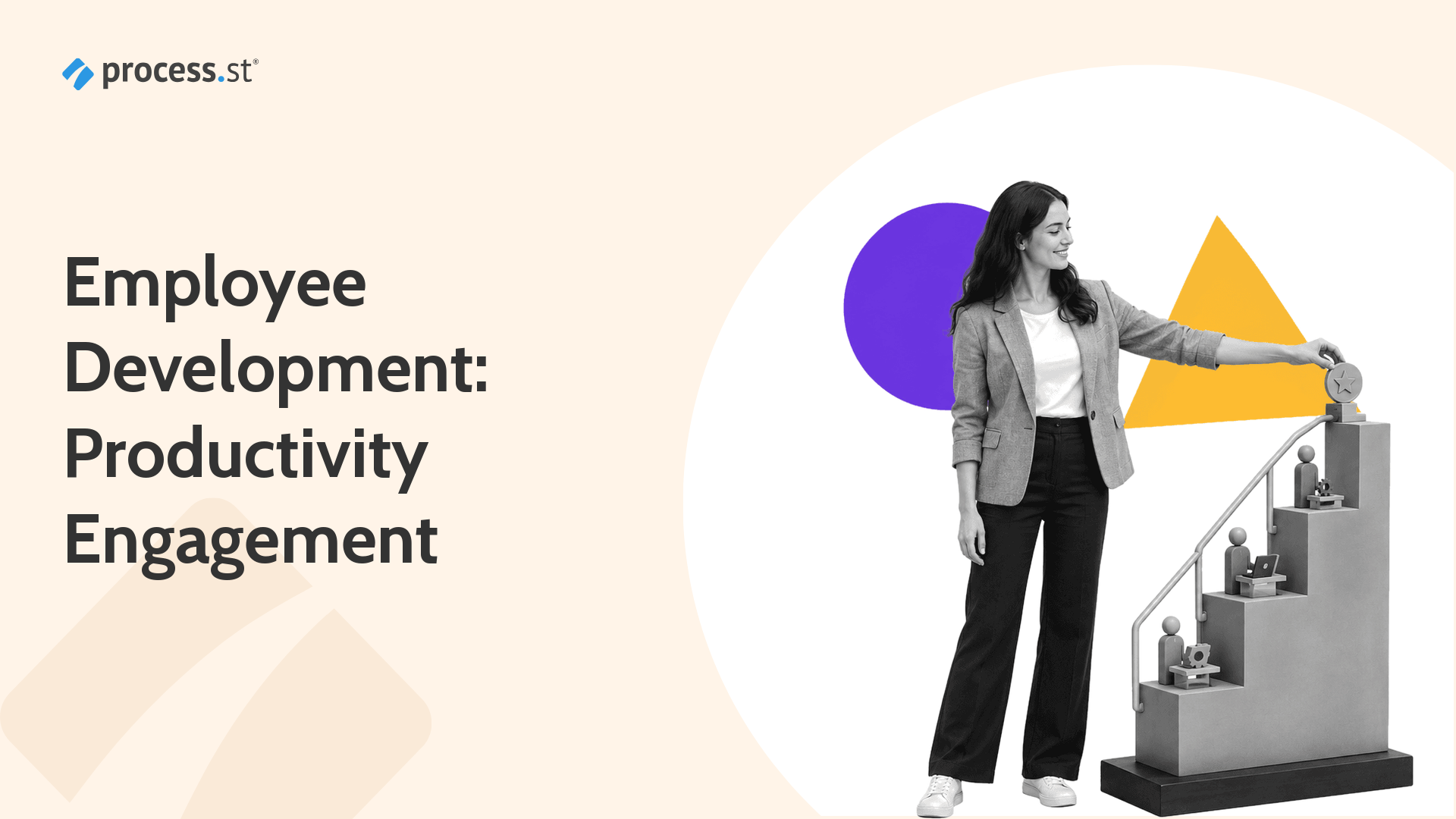
Learning leader guiding an employee through a structured skills progression model

An employee development program is a structured system for identifying skill gaps, setting growth goals, providing learning opportunities, and reviewing progress so employees and the organization can build the capabilities they need.

A useful employee development process connects individual goals to the work, gives managers a repeatable way to support progress, and treats development as an ongoing operating practice rather than a one-off training event. This guide explains why that matters and how to build a program people can actually use.

Continue Reading
Get our posts & product updates earlier by simply subscribing

Employee Engagement & Motivation Policy: Why You Need One For Retention – Yesterday

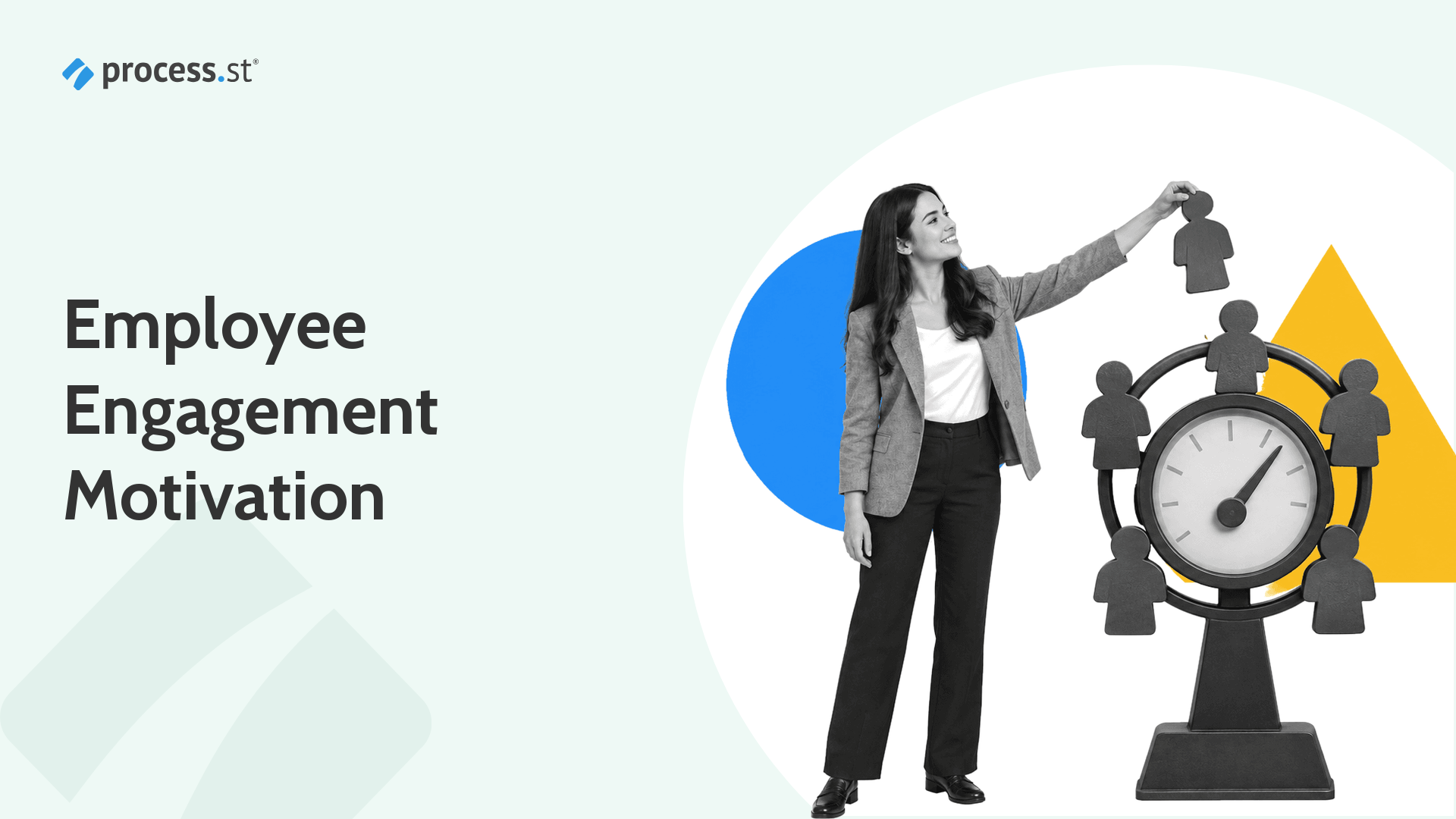
Header image: Employee Engagement Motivation

Employee engagement is the connection people feel to their work, team, and organization. Employee motivation is the energy that prompts them to act. A useful employee engagement motivation policy supports both: it creates conditions where people can contribute meaningfully and gives managers a repeatable way to listen, respond, and follow through.

Without that structure, disengagement can quietly undermine retention, performance, and trust. The answer is not a one-time survey or a universal list of perks. It is a living policy that connects employee needs with clear management practices, regular feedback, growth opportunities, and visible action.

Continue Reading

The Best Workflow Management Software: Everything You Need to Know

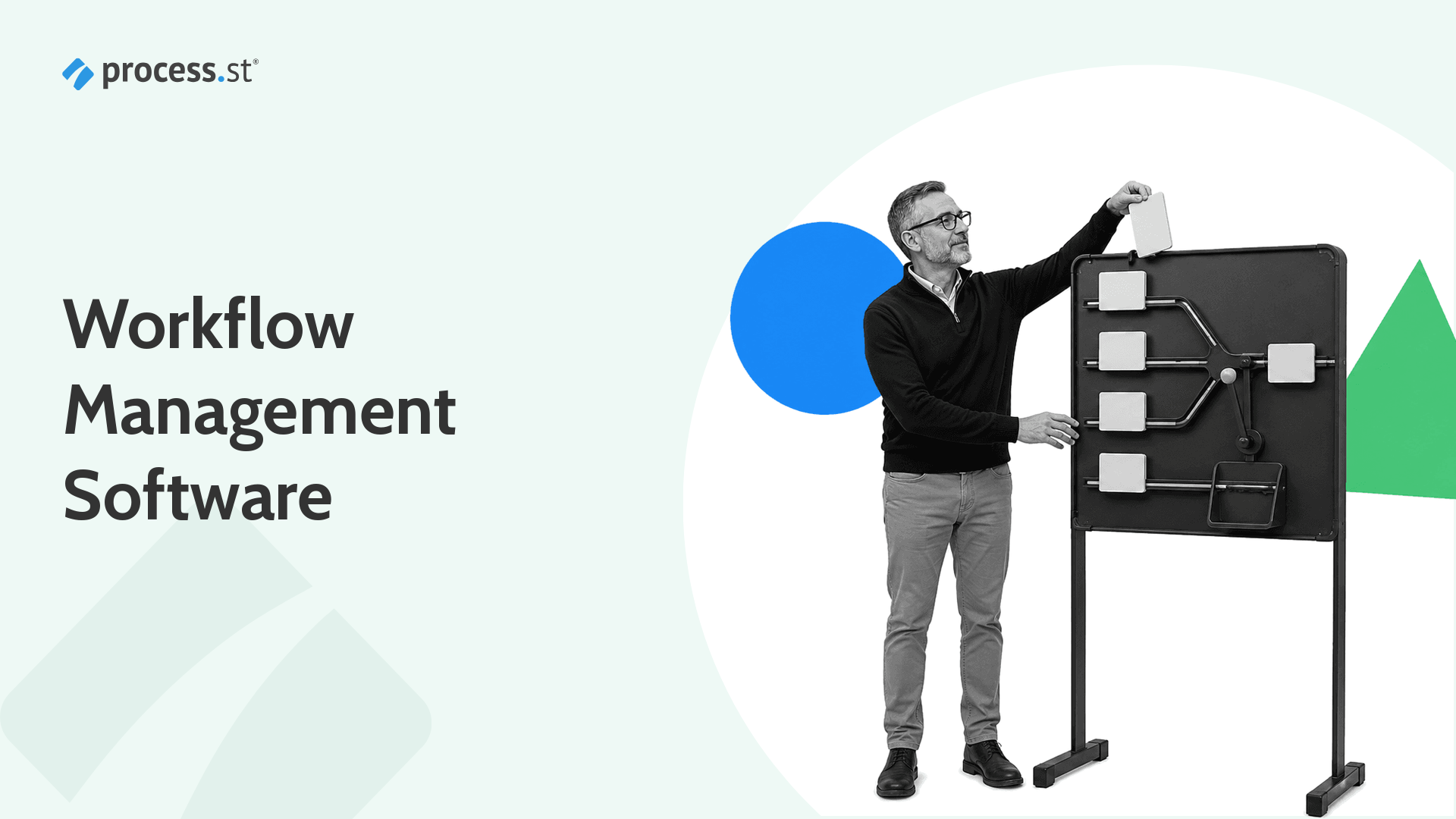
Workflow operations lead routing tasks through a workflow management control board

Workflow management software is a system that gives teams one place to define recurring work, assign ownership, route approvals, automate handoffs, and track whether every required step happened. The right system turns a process from a document people are expected to remember into work that runs with control and produces proof.

This guide explains the essential features, benefits, use cases, selection criteria, implementation steps, and automation patterns behind modern workflow software. It also shows how Process Street compares with Qntrl and adjacent tools, and links to a broader review of the best workflow management tools for buyers who need a wider shortlist.

Continue Reading

Customer Lifecycle Software Stack: 13 Tools for Every Stage

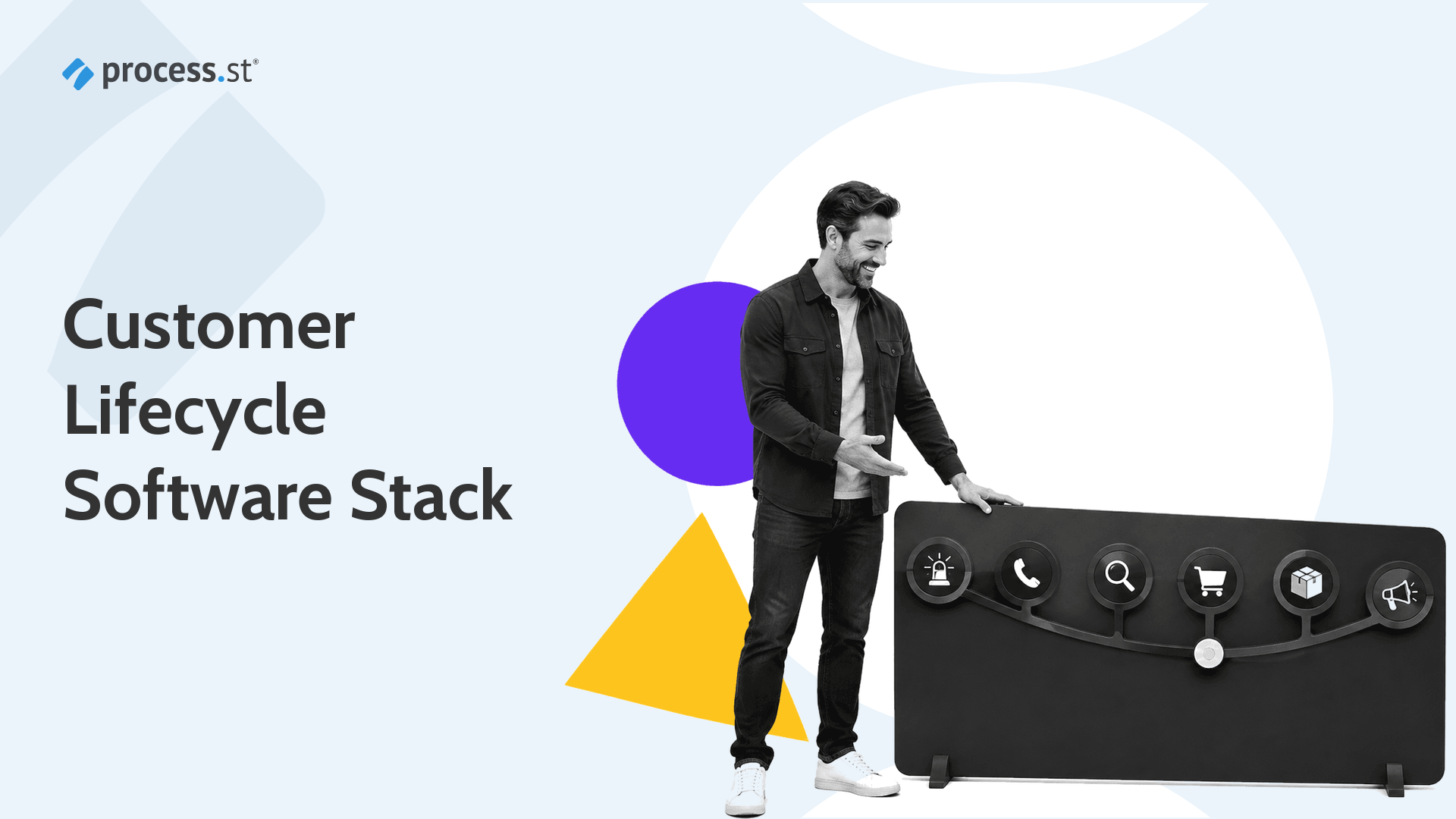
Customer lifecycle operations leader presenting a connected customer journey lifecycle board

Customer lifecycle software is the connected set of systems and workflows that moves a customer from first awareness through engagement, evaluation, purchase, retention, and advocacy.

The strongest customer lifecycle software stack does not treat those stages as separate campaigns. It gives each team the right tool for its job, keeps customer context connected, and uses automation to move work across marketing, sales, service, and customer success without losing ownership or evidence.

Continue Reading

Employee Survey Management: Business Experts Share Their Favorite Questions

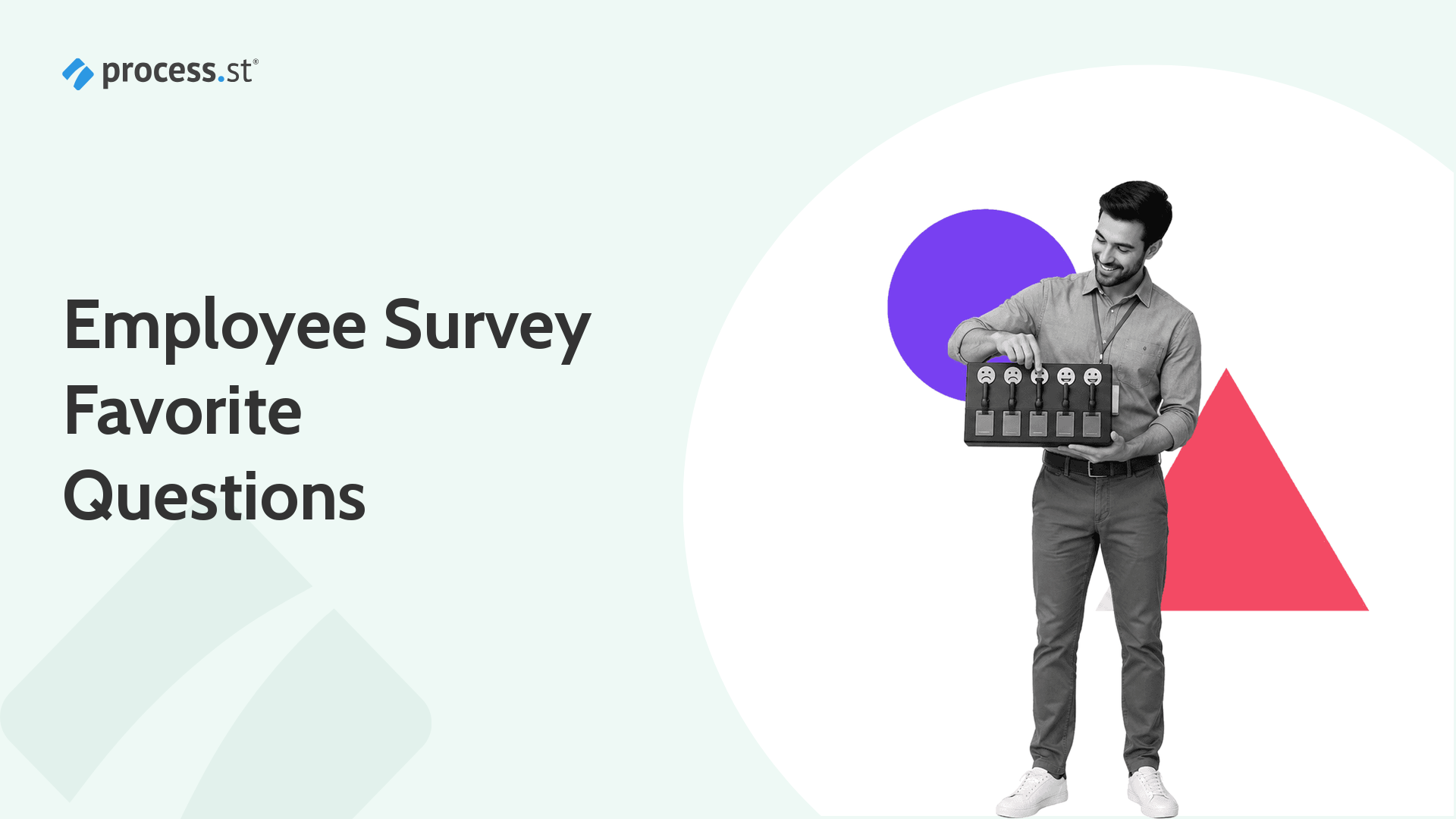
Employee experience manager using a five-position employee survey response instrument

Employee survey management is the process of planning, designing, distributing, analyzing, and acting on workforce surveys. The survey is only one step. Good management also defines the decision the survey will inform, protects confidentiality, assigns follow-up owners, and tells employees what happens next.

This Process Street guide explains the survey-management cycle, the benefits and failure modes to watch, and 10 questions contributed by business experts. The goal is not to collect more opinions. It is to turn useful feedback into specific, visible action.

Continue Reading

Employee Metrics: 9 Essential Data Points to Track

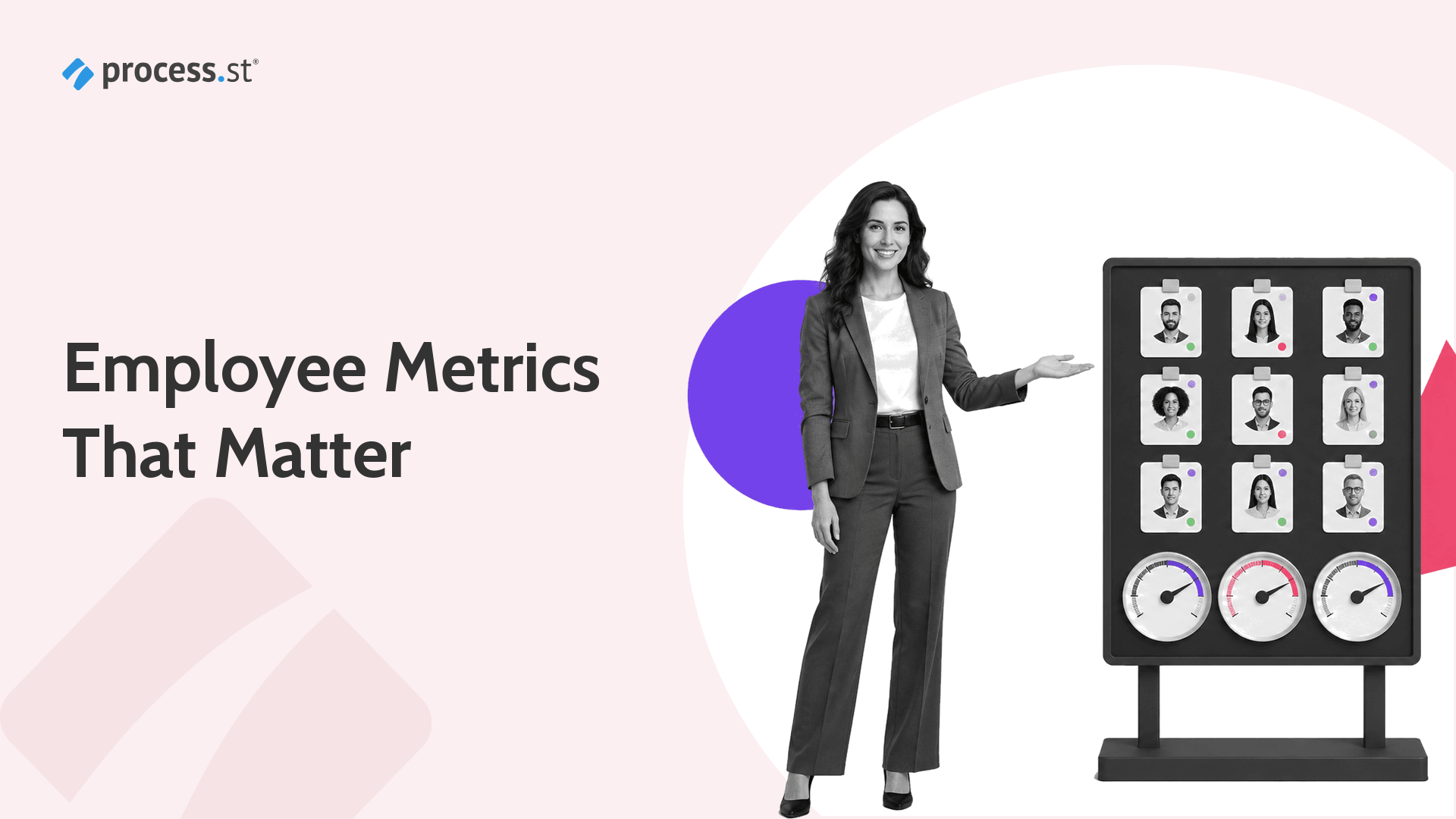
People analytics leader calibrating a nine-part employee metrics control board

Employee metrics are quantitative measures that help an organization understand how people join, grow, perform, stay, and experience work. They are also called HR metrics, workforce metrics, or people analytics metrics. The useful metric is not the one that fills a dashboard. It is the one that changes a decision.

A focused set of nine measures can cover three practical questions: Can you retain and acquire the people you need? Are employees developing and performing in context? Can people do sustainable work in an environment where they can speak up? This guide explains the formula, review cadence, context, and responsible action for each metric.

Continue Reading

Employee Motivation 101: 5 HR Tips for Management

HR leader supporting a thriving sunflower as a metaphor for employee motivation

Employee motivation is the internal and external drive that directs a person’s effort, persistence, and attention at work. Managers who want to know how to motivate employees should focus on five practical conditions: clear communication, useful feedback, meaningful goals, autonomy with support, and fair recognition.

No single perk or management trick motivates everyone. The strongest employee motivation strategies remove avoidable friction, then give people a voice, a reason to care about the work, room to make decisions, and evidence that progress is noticed. Motivation is shaped daily by how work is designed, discussed, supported, and recognized. The five HR tips below turn those principles into repeatable management practices.

Continue Reading

Customer Success Operations: How to Build Repeatable Processes to Scale & Grow

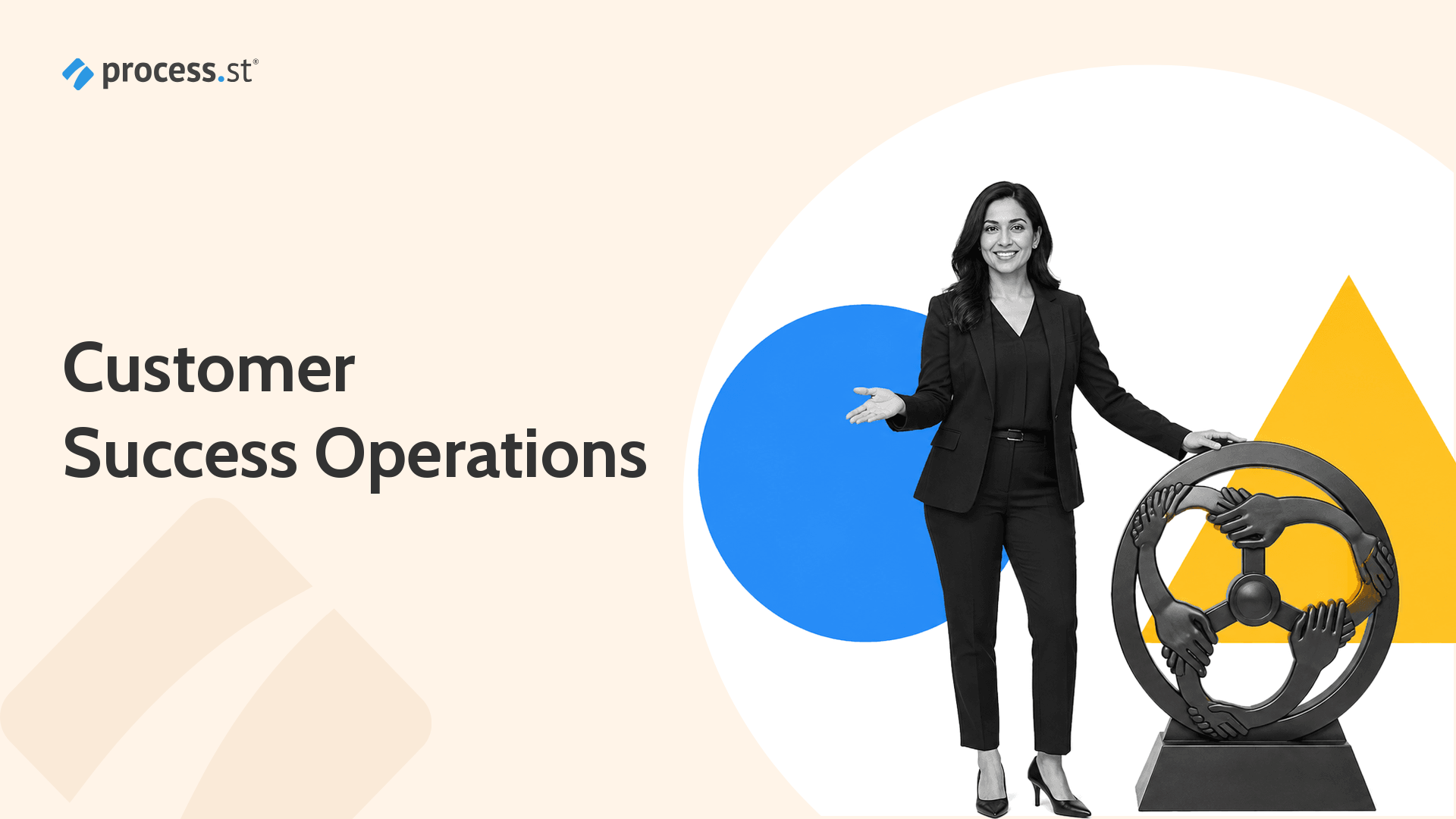
Customer success operations leader routing customer communication through a controlled process

Customer success operations is the function that designs the processes, systems, data, and programs a customer success team needs to deliver consistent outcomes at scale.

I learned why that matters during what became known as the email incident. Before Process Street, I worked as a technical service advisor for an environmental testing laboratory. A colleague forwarded a customer complaint to our manager with an inappropriate comment attached. The message also reached the customer. One missing communication control turned a routine complaint into a preventable escalation.

Continue Reading

Every SaaS Referral Program You Need: 51 Ways to Earn More Money

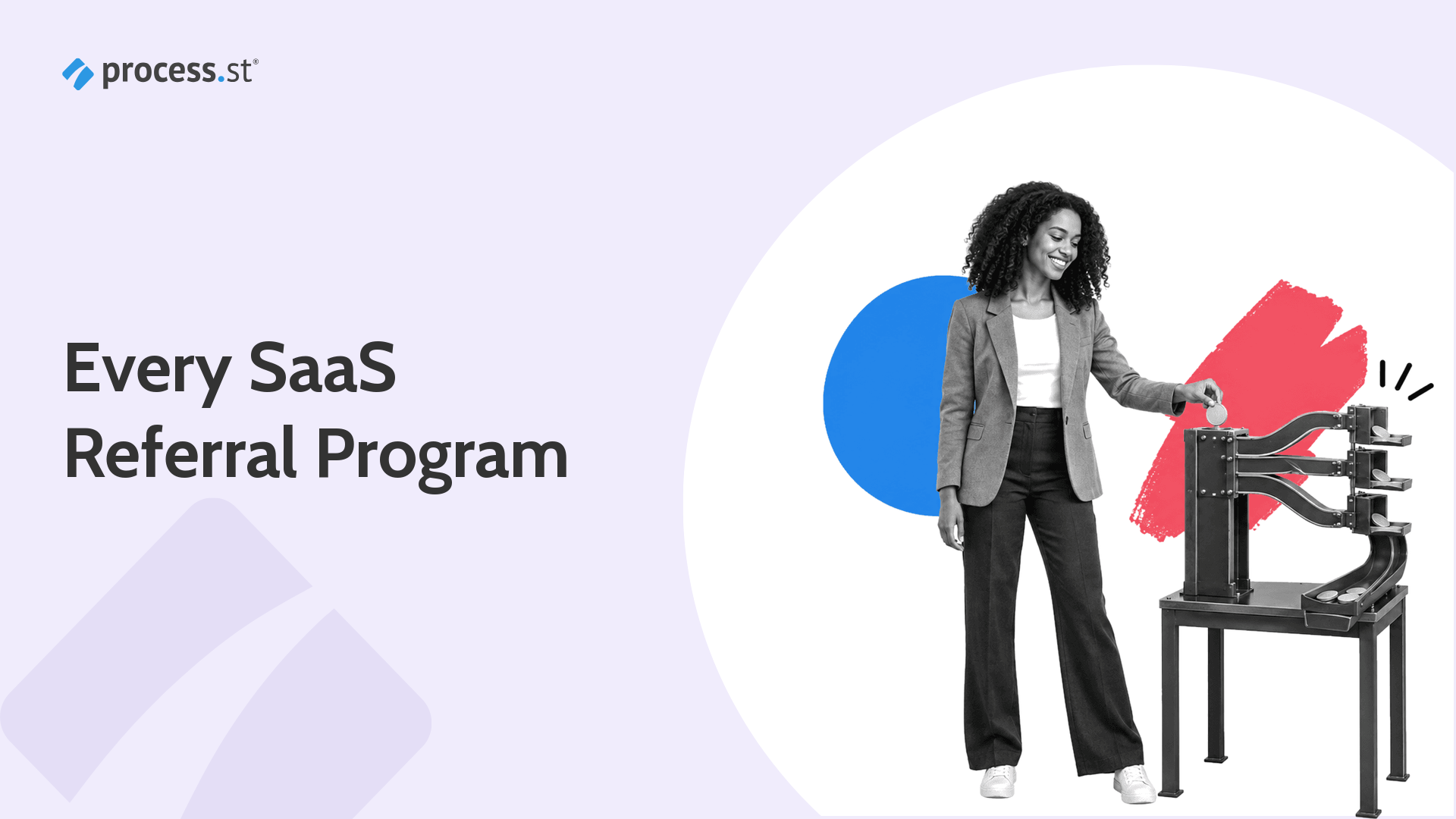
SaaS referral program reward workflow

A SaaS referral program rewards an eligible person or business for introducing a new user or customer through a tracked link, code, or direct handoff. This guide compares 51 current referral, affiliate, and partner programs across the software categories teams use most.

You do not have to be a consultant to get paid for recommending software. You can earn cash, account credit, storage, or other benefits for sharing a product you genuinely use. That may sound like a clickbait promise, but the important part is less glamorous: attribution, eligibility, disclosure, and current terms decide whether a referral actually qualifies.

Continue Reading

DFSS: How Design For Six Sigma can Supercharge Your Business

Quality design engineer presenting a five-stage turbocharger prototype for Design for Six Sigma

Design for Six Sigma (DFSS) is a methodology for designing or fundamentally redesigning products, services, and processes so customer requirements and defect prevention are built in before launch. Applied well, Design for Six Sigma can supercharge your business by preventing costly design failures before they reach full operation.

DFSS is the umbrella approach. DMADV, Define, Measure, Analyze, Design, Verify, is one of its most common phase models. Use it when you are creating something new or overhauling a design. Use DMAIC when you need to improve an existing process with measurable performance data.

Continue Reading

Take control of your workflows today

Choose which optional cookies to allow. You can change or withdraw consent here at any time.