The essential customer success book to boost MRR at your SaaS company
A SaaS company without a customer success system is like a lion without teeth. You can chase customers all you like, but when you catch them you’re thinking “now what?”.

If you haven’t got a customer success team or set of processes in place at your SaaS company, it’s bad but not the end of the world.
Some SaaS companies are more self-serve than others, but all need a way to retain important customers and start exponentially compounding revenue.
This book for putting the systems in place to retain customers, whether that’s by learning about their problems or by properly onboarding them.
Better yet, it’s completely free.

What’s in the ebook?
- What is Customer Success?
- Why is Customer Success Important?
- What is Churn?
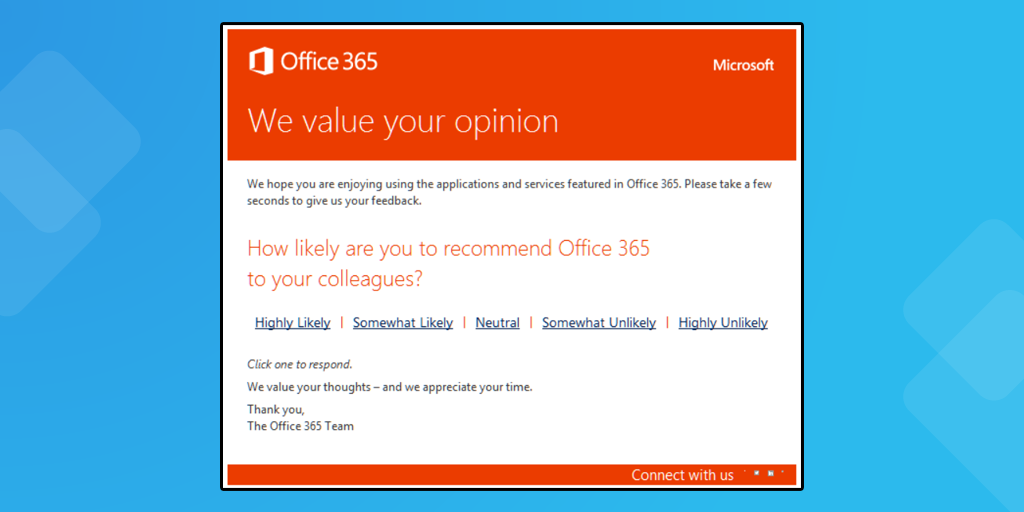
- How to Calculate NPS with the Perfect Customer Happiness Survey
- How to Shape Customer Retention Strategies That Beat Churn
- A Smart Way to Manage SaaS Customer Support
- Enhance Your SaaS User Experience
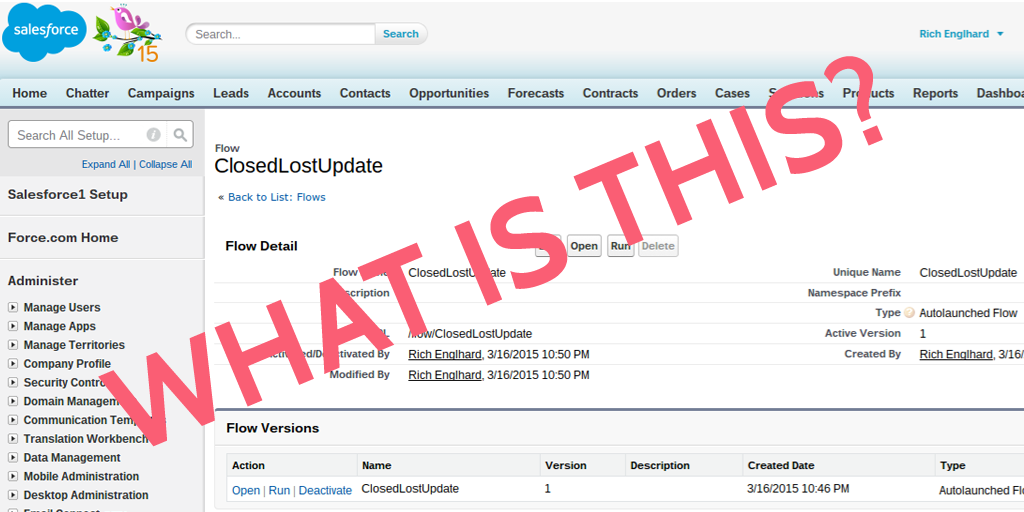
- How (and When) to Automate Your Customer Success Process
- What Customer Success Managers Actually Do All Day