All posts in Software

Call Center Software: The Secret Behind Call Center Success

Contact center operations leader presenting a professional call center headset

Call center software gives support and sales teams one system for handling calls, routing customers, accessing context, monitoring quality, and improving performance. Modern platforms also use AI for agent assistance, summaries, quality review, and workforce planning, while keeping people in control of high-stakes conversations.

The result is not just faster call handling. It is a more consistent operating system for every customer interaction, from the first ring to follow-up, coaching, escalation, and audit-ready records.

Continue Reading

A Quick Guide to No Code Platforms

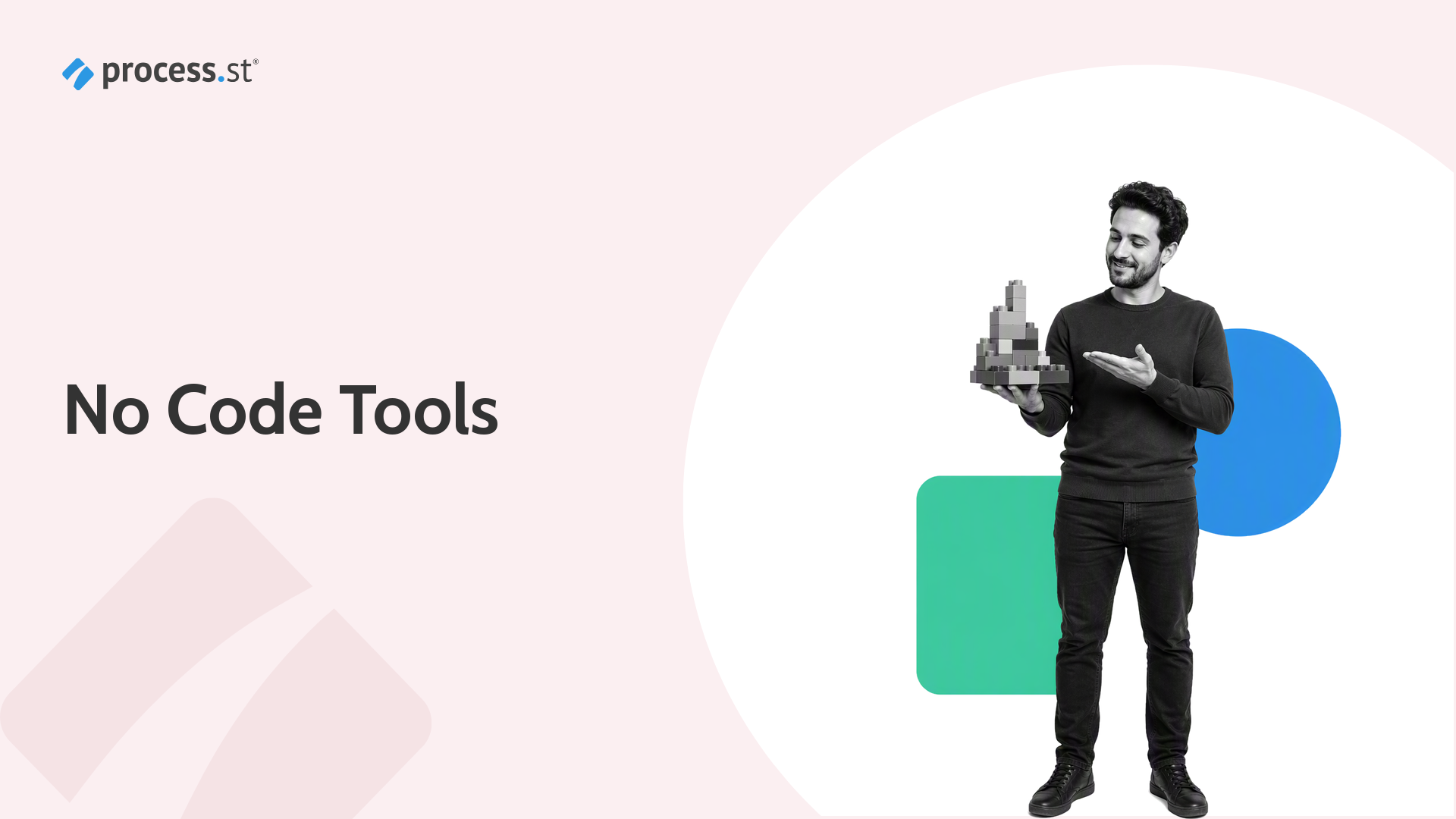
Operations manager assembling a modular no-code application prototype

Every business relies on different software applications to thrive in its niche or market. If your business isn’t in tech or you don’t have software development experience, odds are you use pre-made software that doesn’t perfectly fit your business’s needs.

No-code platforms give nontechnical teams another option: build apps, forms, and automated workflows through visual interfaces and reusable components. This guide explains how no-code platforms work, where they help, what they cannot replace, and how to decide whether one fits your business.

Continue Reading

A Simple Guide to Process Modeling & Optimization with UML Diagrams

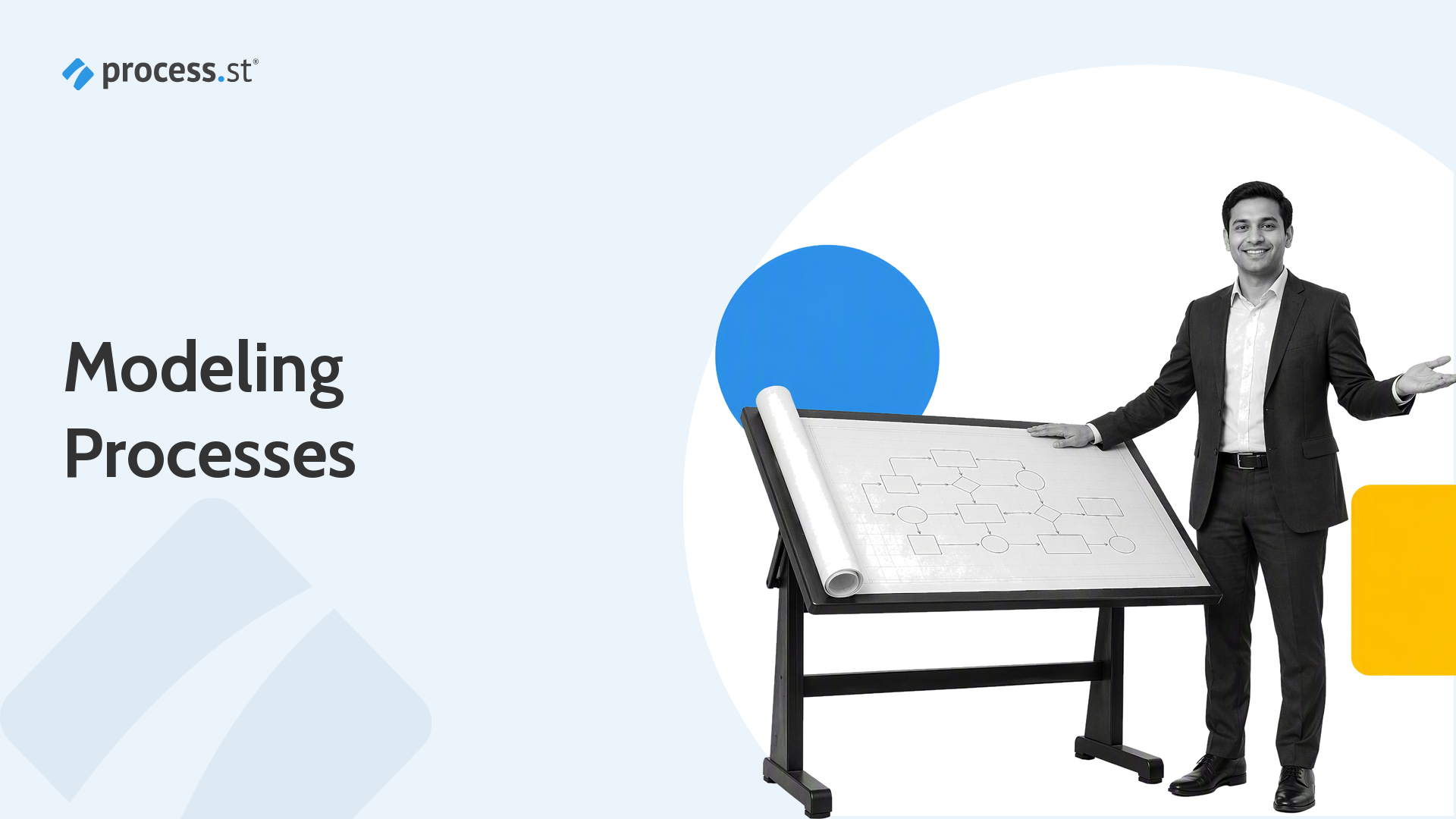
Systems architect using a physical UML class diagram model

Unified Modeling Language (UML) is a visual language for describing how a system is structured and how it behaves. A UML diagram can map software classes and components, show how people interact with a system, or trace how actions and decisions move through a business process. It also provides a consistent modeling optimization method for comparing the current system with a proposed change.

For process modeling, the most useful member of the UML family is usually the activity diagram. It gives teams a shared view of actions, responsibility, branching logic, and handoffs, making it easier to turn a process idea into work that can be tested and improved.

Continue Reading

9 Essential B2B SaaS Application Features

B2B SaaS architect working with a modular application platform

A B2B SaaS application is cloud software built for teams and organizations rather than individual consumers. The strongest products do more than deliver a useful feature: they connect to the rest of the business, travel with the user, support safe change, and give administrators control over data, access, and outcomes.

This article was originally contributed by Andy Mura, an inbound marketer, entrepreneur, speaker, and SaaS enthusiast.

Continue Reading

HR Toolkit: 30+ HR Tools for Every Team

Black and white HR leader presenting a modular HR toolkit case

Human Resources teams now run on a connected stack of tools for hiring, onboarding, training, engagement, safety, payroll, compliance, and employee support. A strong HR toolkit helps each function move faster while keeping the employee experience consistent.

The right HR tools do more than digitize admin work. They help HR teams build repeatable workflows, protect compliance records, coordinate handoffs, and make better decisions across the employee lifecycle.

Continue Reading

Enterprise Collaboration Software: 8 Essential Tools You Need to Use

Black-and-white enterprise operations leader connecting team pods into a collaboration hub model.

Enterprise collaboration software is the connective tissue between chat, meetings, files, projects, and recurring work. Without it, enterprise teams do not collaborate; they scatter decisions across messages, documents, calls, and spreadsheets.

The right stack gives people one reliable way to communicate, share context, track work, and prove that important processes were completed. Below are the enterprise collaboration tools that matter most, organized by the job they do.

Continue Reading

30 Insanely Useful Chrome Extensions For Digital Marketers

Digital marketer holding a compact browser-toolbar segment with miniature SEO, outreach, email, promotion, and productivity tools

These insanely useful Chrome extensions for digital marketers help with the browser work that still eats time every day: email, research, bookmarking, SEO checks, analytics, screenshots, social scheduling, writing, and page QA.

Use this list as a practical extension stack. Pick the tools that match your workflow, keep permissions under review, and document when each extension should be used so the work stays consistent across the team.

Continue Reading

A Beginner’s Guide to Setting up HR Software in the Cloud

HR operations professional setting up cloud HR software on server rack infrastructure

Setting up HR software in the cloud is now the default way to run a modern people function, not the risky frontier it once felt like. Cloud computing reshaped how organizations buy and use IT services, and the HR department is one of the areas it changed most. Cloud-based HR software is technically focused, but the impact it has on the business and the people using it runs deep.

Cloud computing is the simplest way a company can take advantage of technology without spending money on expensive computer parts, an IT specialist, and on-site software. This beginner’s guide walks through what cloud HR software is, why it wins, and how to move your HR department onto it with high value and low risk, from screening to recruitment and termination.

Continue Reading

6 Top Document Management Systems Compared

Black-and-white compliance operations manager presenting an organized file drawer for document management systems.

If you use Google Drive, Dropbox, or SharePoint, you already use a document management system. The real question is whether that system can keep documents organized, governed, searchable, and connected to the work people actually need to do.

A strong DMS gives teams a reliable place to store files, control access, manage versions, route approvals, and prove what happened. The six options below cover lightweight collaboration, enterprise content management, regulated document control, and workflow-driven operations.

Continue Reading

5 Essential Tools for a Successful QA Process in Your Startup

Black and white QA engineer using a physical inspection board for QA process tools

Quality assurance is not a final check before launch. A reliable QA process starts when requirements are written, continues through test planning and execution, and keeps running after release through defect tracking, regression testing, and reporting.

For a startup, the right QA stack should do three things without adding process drag: document the work, catch defects early, and make each release easier to trust. These five tools cover the core jobs: workflow control, bug tracking, browser automation, low-code test creation, and GUI regression testing.

Continue Reading

Take control of your workflows today