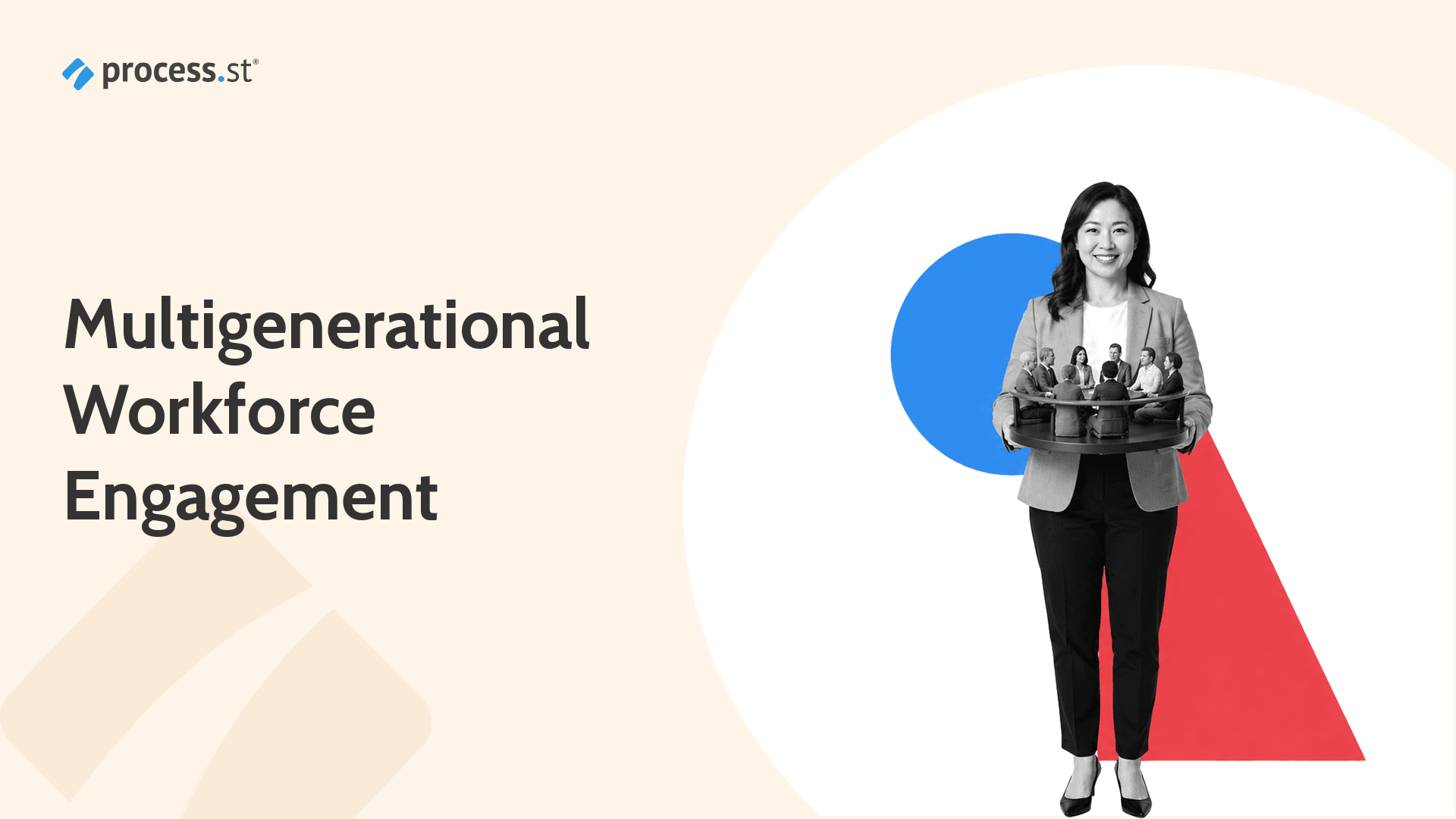
A multigenerational workforce can be a major advantage when managers treat age as context, not a label. Different career stages can bring institutional knowledge, fresh operating habits, customer empathy, technical fluency, and practical judgment into the same team. The management challenge is to turn those differences into clearer communication and better execution instead of letting assumptions harden into friction.
That challenge matters because employee engagement is still under pressure. Gallup reports global employee engagement at 20%, with low engagement carrying a major economic cost. At the same time, workforces are spanning more life stages: the Bureau of Labor Statistics reported nearly one in five older Americans in the labor force in 2025, while younger workers continue to push for growth, flexibility, and stronger manager support.
Continue Reading