In this Spotlight Series blog, we learn all about Brenda Chan, currently working at Customer Support Level 2 as part of the Customer Success team.
Brenda has been at Process Street for over two years and is the epitome of a process pro! Her love for processes is evident in everything she does, and she enjoys testing and improving processes daily.
Brenda is not only a foodie with a passion for TV and film but has been learning Spanish for nearly a year.
We’re fortunate to have her as part of our team, where her expertise and enthusiasm continue to shine, making our customer support experience top-notch.
Fairwinds Technologies was founded by leaders from the Department of Defense (DoD) and commercial technology space. The goal of Fairwinds Technologies was to combine the best of both backgrounds and bring the latest in commercial technologies to the military.
But as a new company, they realized that their procedures and processes were underdeveloped. That’s when they enlisted the help of Process Street to ensure they didn’t run into bigger operational problems later down the line.
In this post, I’m taking you through how Fairwinds Technologies uses Process Street to build out processes and assign ownership to their work by looking at:
In a world where employees are increasingly treated as mere cogs in a machine, new approaches to onboarding can provide a much-needed breath of fresh air, and help to unlock the potential to transform the way companies view and treat their workforce.
In this episode of Process Street’s Employee Onboarding Podcast, we’ve got a riveting conversation between Erica Gordon Roberts and our host Erin Rice, who discuss a unique onboarding strategy that doesn’t just tick the boxes but also establishes a deep-rooted emotional connection with new hires.
We’ll delve into:
The Importance of Buddy Programs
How different companies implement it
The unique approach to pairing ‘opposite’ employees
The Role of Intentional Pairing
Criteria for pairing, including different offices, roles, and personality traits
The objective of fostering diverse perspectives and inclusivity
The “Wow Factor” in Onboarding
Personalizing the onboarding experience through gifts
The process of gathering personal information to tailor the experience
Impact on Employee Retention
The link between personalized onboarding and longer tenure
How even those who leave become brand ambassadors
Company Culture and Onboarding
The influence of these practices on overall corporate culture
Real-life examples of the types of gifts given
Emotional Connection and Employee Loyalty
How small gestures can create a long-lasting emotional bond
Examples of the kinds of emotional connections made
Positive Experiences Upon Leaving a Company
The concept of turning even departing employees into brand ambassadors
Celebrating employees’ new opportunities
Join us as we explore the psychological underpinnings of this approach and its profound impact on employee retention and company culture. Discover why it’s the small, thoughtful gestures that can make the biggest difference, turning what could have been a forgettable start into an inspiring journey that employees will treasure for years to come.
Business success is increased by 70% when an organization uses workflow management software. But that can only be achieved when using the right free workflow tools.
There are plenty of free workflow tools available – great news for businesses tiptoeing around the idea of process management. But while your choices aren’t limited, choosing the wrong one can be a costly affair.
That’s why I did the heavy lifting for you and sorted through 50 free workflow tools to find the top 4. You can thank me later.
Want to take your onboarding to the next level? You’re in for a treat with our latest podcast featuring Erin and Wristy, who dive into some game-changing approaches to humanizing the workplace and leveling up your team culture.
If you’re an HR pro, team leader, or just a culture-curious individual, this one’s for you.
Here’s what we’ll unpack:
“Culture Add” vs. “Culture Fit”: What’s the Real Deal?
The Power of a Team Charter: Saying Goodbye to Lengthy Presentations
Q&A Rounds: A Safe Space to Ask Anything
Buddy System & Mentorship: Two Sides of the Same Coin?
Creating “Wow” Moments in Onboarding
Ownership & Accountability: Why Your Employees Will Stick Around
So, if you’re ready to get some actionable insights straight from the experts, read on!
Leverage is an operations consulting firm that helps teams optimize their processes by introducing them to top workflow management tools. One of these tools is Process Street, which Leverage uses for its own daily recurring tasks.
The company’s CEO and founder, Nick Sonnenberg, even features Process Street in his book Come Up for Air: How Teams Can Leverage Systems and Tools to Stop Drowning in Work. He also made an entire YouTube video talking about Process Street’s benefits.
But why is Nick such a strong advocate of Process Street? What has the software done to help him and his team at Leverage? In this article, we will answer these questions by looking at:
In this podcast episode, we interview Justine Van den Mooter from Qwilr about designing an effective onboarding experience.
We discuss creating a comprehensive onboarding process for all new hires, regardless of their role or location, fostering manager involvement, and providing a supportive environment for new employees.
Justine shares her experience in revamping Qwilr’s onboarding process and highlights the importance of proactive communication, personalized tasks, and maintaining excitement throughout the onboarding period. We also touch upon the challenges of onboarding in a globally distributed company.
Overall, the episode emphasizes the significance of a well-designed onboarding process in creating a positive employee experience.
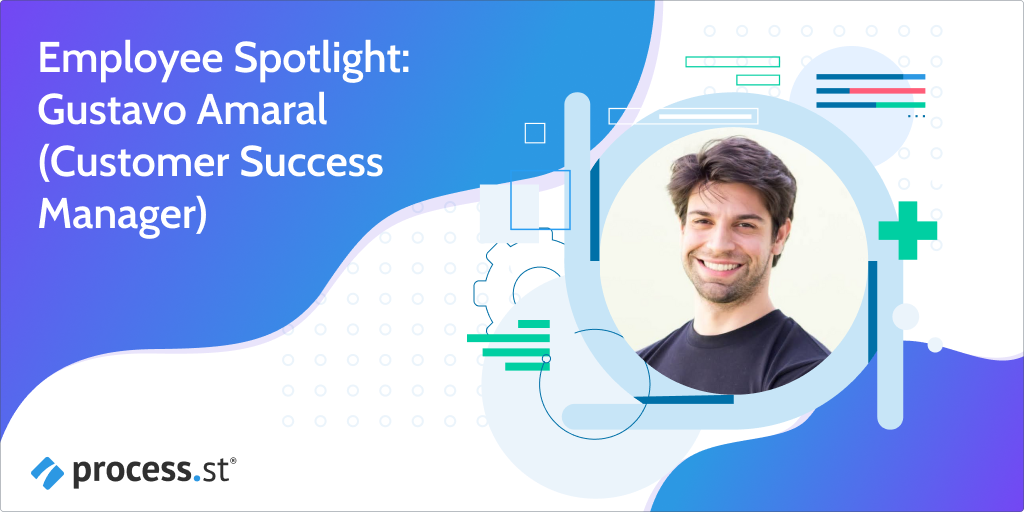
When it comes to exemplifying our core value of continuous improvement, our Customer Success Manager Gustavo Amaral is at the forefront. That’s why we are thrilled to feature him as the star of our new Employee Spotlight blog post!
Gustavo’s commitment to personal and professional development at Process Street and beyond exhibits a strong desire to learn, explore the world around him, and excel in his role. Being highly skilled both in workflow creation and customer service makes Gustavo the perfect asset to our company.
This edition of Employee Spotlight will shine the light on the family man, the motorcycle enthusiast, and the caring professional who sees our customer’s satisfaction as his top priority.
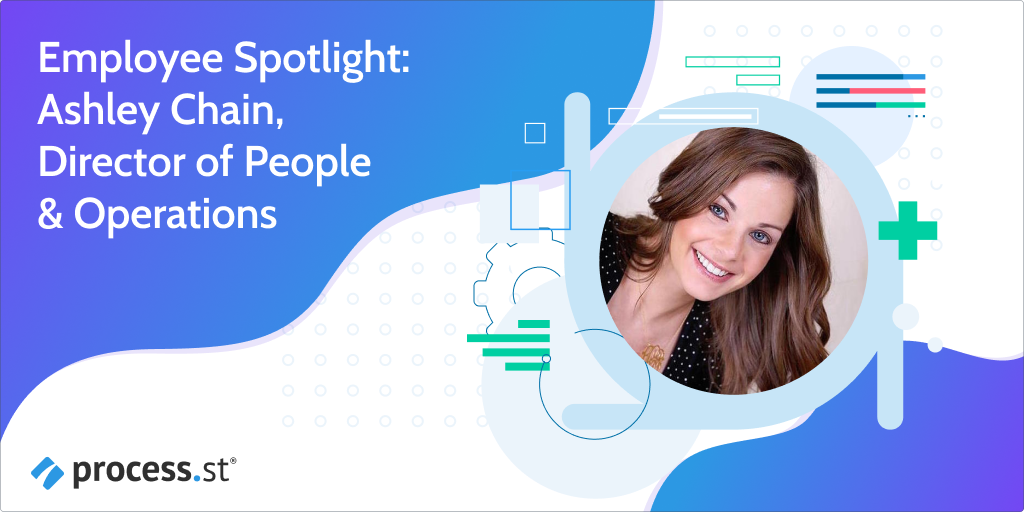
At Process Street, we take great pride in our exceptional team members, and today, we’re excited to shine the spotlight on one of our remarkable leaders – Ashley Chain.
Ashley’s journey with us began even before the pandemic struck, making her a key figure in navigating our company through challenging times. As a female leader in the tech industry, Ashley exemplifies our core value of laser focus.
Her unwavering determination has been instrumental in fostering a people-focused company culture that encourages growth and empowers our employees to thrive.
Join us as we celebrate Ashley’s contributions and learn more about her insights, experiences, and the positive impact she continues to make on Process Street’s journey. Get to know the visionary leader who inspires us all to embrace resilience and purpose in everything we do:
Luna Park is an online platform that connects remote teams with social games, icebreakers, and trivia that can be as short as five minutes or as long as 90.
Since the pandemic, it’s pretty clear that remote work is here to stay, and that’s something Luna Park’s COO and co-founder Arlen Marmel saw early on. Thus, he was motivated to start the company in January 2021 with Ben Anderson.
Having worked as the Head of Marketing and Distribution for Crunchyroll as well as the Director of Customer Acquisition & Retention at Hulu, Arlen is familiar with what it takes to bring people on board and retain them, whether that’s employees or customers. He’s a master at keeping people engaged.
Optional cookies and similar technologies support analytics, advertising and visitor identification, and embedded content. Change or withdraw consent in Cookie settings. Cookie policy.