A remote agency is a service business whose team delivers client work from different locations through documented, repeatable systems. To build remote agency operations that scale beyond the founder, package the service, standardize the work, and improve the workflow every time it runs.
This is a guest post written by Alexis Humphrey. Agency owner turned business coach, Alexis Humphrey helps freelancers and agency owners earn more while working less. Connect with her on LinkedIn.
Steve Jobs built his empire around one clear principle, simplicity is the ultimate sophistication. In his own words:“Simple can be harder than complex: you have to work hard to get your thinking clean to make it simple. But it’s worth it in the end because once you get there, you can move mountains.”, Steve Jobs, Apple’s Steve JobsAnd Warren Buffett agrees… What does Buffet look for when he invests in a business? The answer: Something that is simple and reproducible, like Coca Cola, McDonalds or Gillette. These businesses work like machines, the production process is repeatable, and the output is always the same. In this Process Street article, you will learn how to fine-tune your service-based business into simple and reproducible processes, building a remote agency machine. This transformation requires consistency and the consistency of processes. With Process Street, this consistency becomes easily attainable. Learn how to set up Process Street processes and establish a solid ground to build your remote agency machine. A remote agency that works on automation, documented processes and requires very little of your time. A remote agency that brings in money, whilst you lay back sipping pina colada’s on a Brazilian beach. Sound appealing? Of course it does. Click on the relevant subheaders below to jump to that section. Alternatively, scroll down to read all we have to say.
- Building a remote agency: Maintaining consistency and documenting recurring tasks
- Building a remote agency: Treating your service as a product
- Building a remote agency: Customized chaos
- Building a remote agency: Repeatable systems
- Building a remote agency: Customized chaos vs repeatable systems
- Building a remote agency: Business processes
- Building a remote agency: Why do business processes matter?
- Building a remote agency: How to get started
- Building a remote agency: Embedding processes in your business
- Building a remote agency: The secret sauce
Building a remote agency: Maintaining consistency and documenting recurring tasks
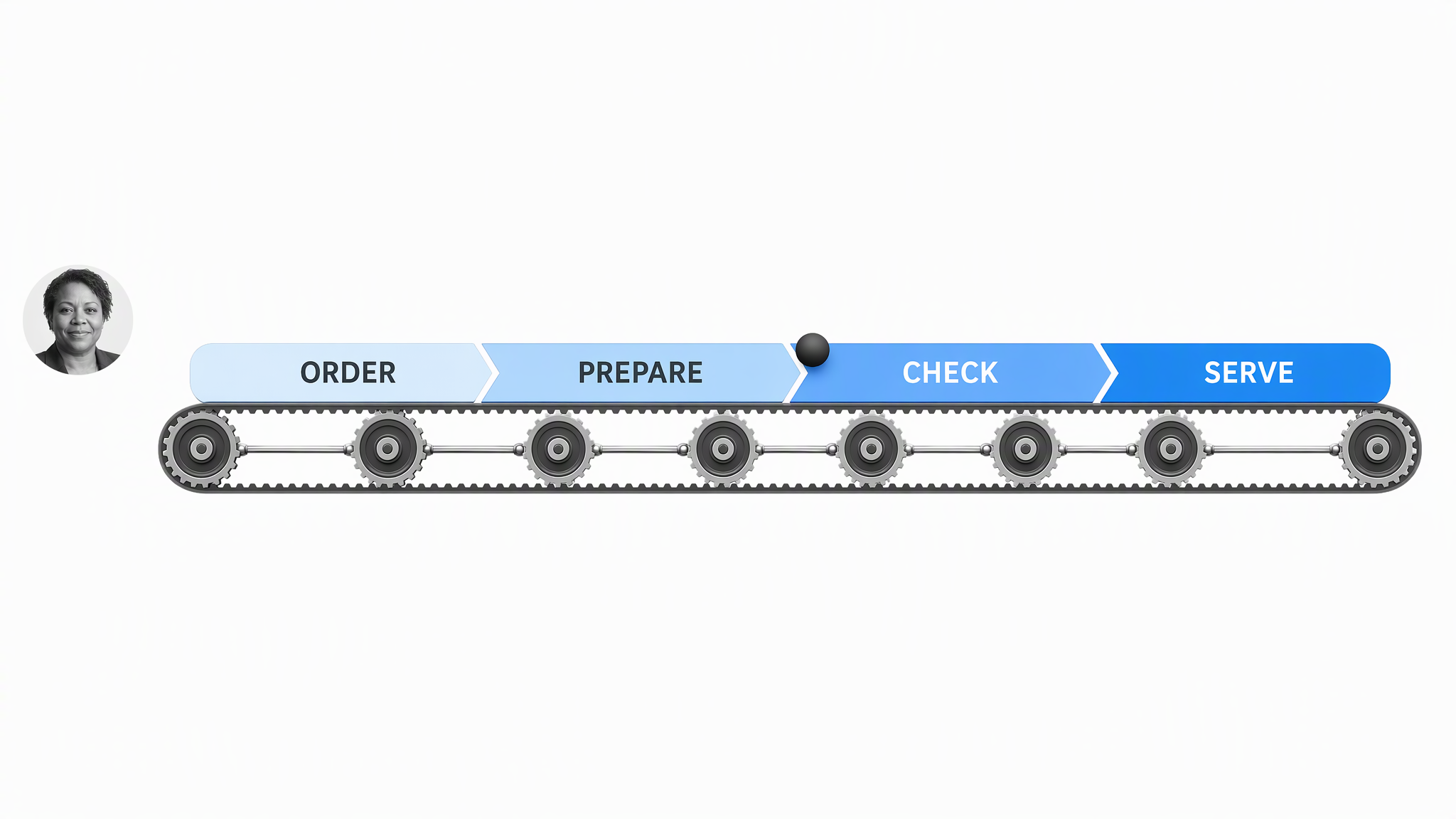
Recurring tasks, Case study, how McDonald’s became a fast-food giant
Recurring tasks are tasks that happen regularly. They are the repeated pattern of business operations that deliver the required result. Recurring tasks are vital for the set up of a scalable, successful remote agency that is predominantly self-running. To exemplify why we will have a look at how McDonald’s became the fast-food giant it is today. No matter what your opinion of their food (or ethics for that matter), it’s undeniable that McDonald’s is an incredibly successful business. Granted, McDonald’s has to have a physical presence to deliver its service, but we can learn a lot from the giant’s fundamental business structure, to build your remote agency machine. Let’s be brutal, McDonald’s success doesn’t come from the fact that they make better burgers than anyone else. They’re successful because they built their business like a machine, documenting recurring tasks and ensuring consistency. From day one, McDonald’s focused on having systems and processes that mapped out the recurring tasks. This meant they could deliver consistently at scale. The menus, food preparation, and operations are all pretty much the same in every one of their 40,000 restaurants. To boot, every single employee and piece of equipment has a clearly defined, repeatable role… As a customer, this means that whether you’re in Boston, Bangkok or Barcelona, you know exactly what you’re going to get. For McDonald’s, it means making more money than their competitors because they’re able to deliver at scale. Now, I’m not suggesting you want to be like McDonald’s in terms of quality or sophistication. You should aim to make the best burgers in town! But this is a lesson about simplifying that you can apply to your service-based business. Stick with me, and I will show you how treating your service as a product is the secret to earning more and working less as a freelancer or agency owner. And how do I know? Because I’ve done it.Building a remote agency: Treating your service as a product
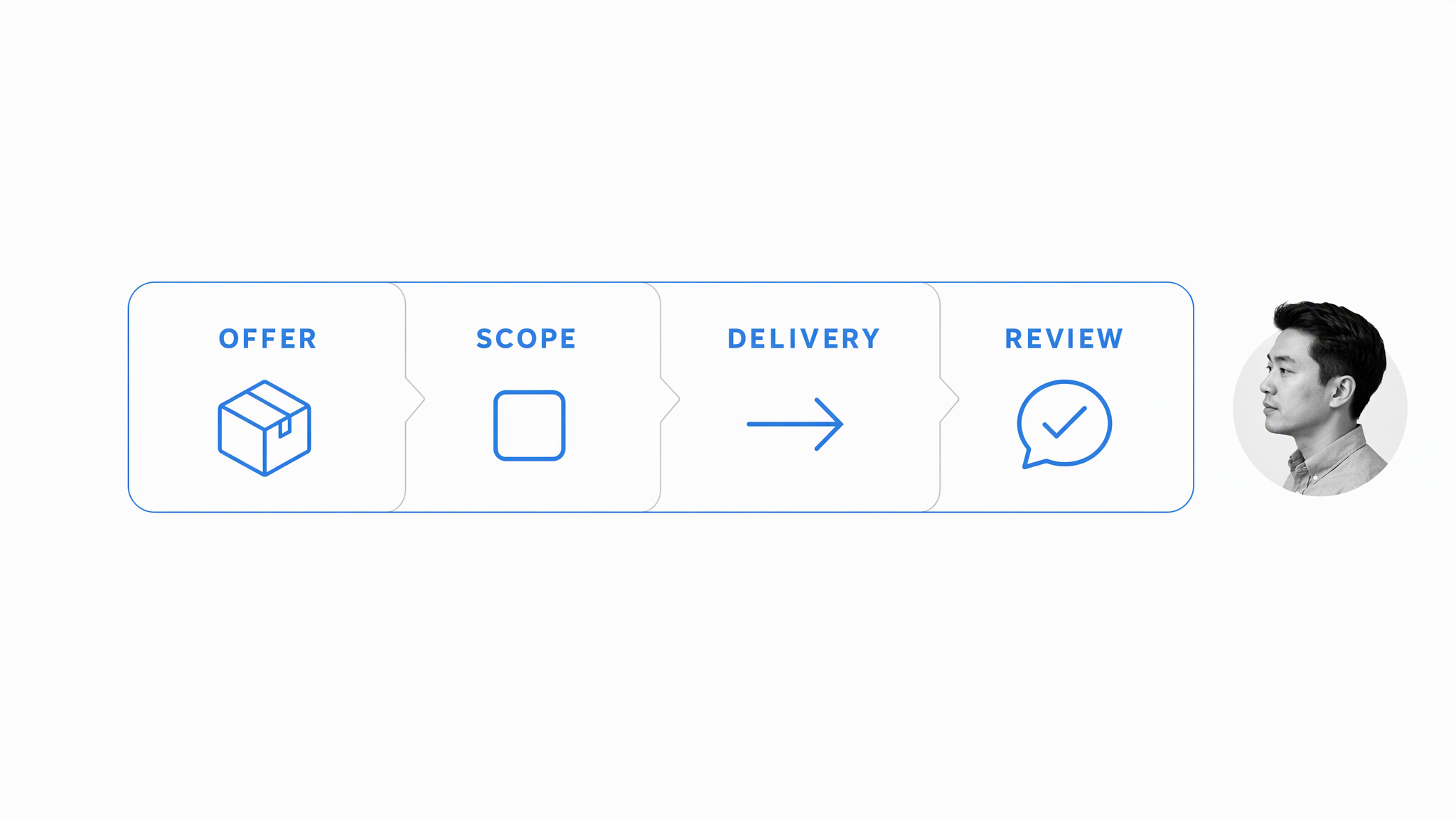
Building a remote agency: Customized chaos
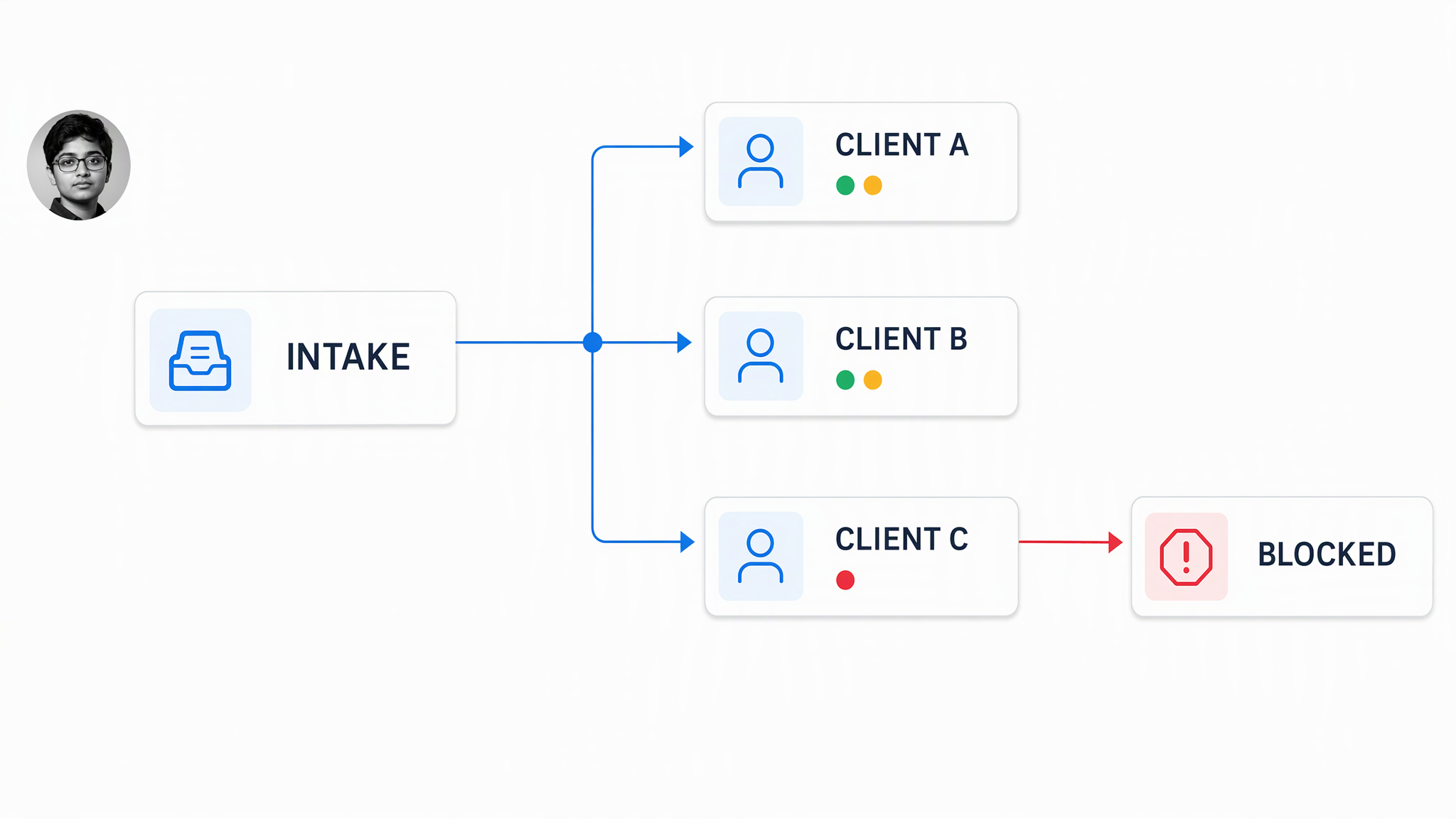
“It would all be okay if I could find more clients!”Sound familiar? But, in truth, very few are ready for real growth. Taking on two new clients would be carnage, let alone 10. The problem with delivering a customized solution to every client is that it requires you to continually create new systems that you’ll never use again. You’re stuck in learning mode. And not only is that the least profitable time for any business, but it also keeps you as the business owner stuck in implementation. You’re the underpaid technician rather than the expert consultant, continually trying to problem-solve whilst having to do most of the work yourself. It’s a recipe for burn out and being overwhelmed, fast.
Building a remote agency: Repeatable systems
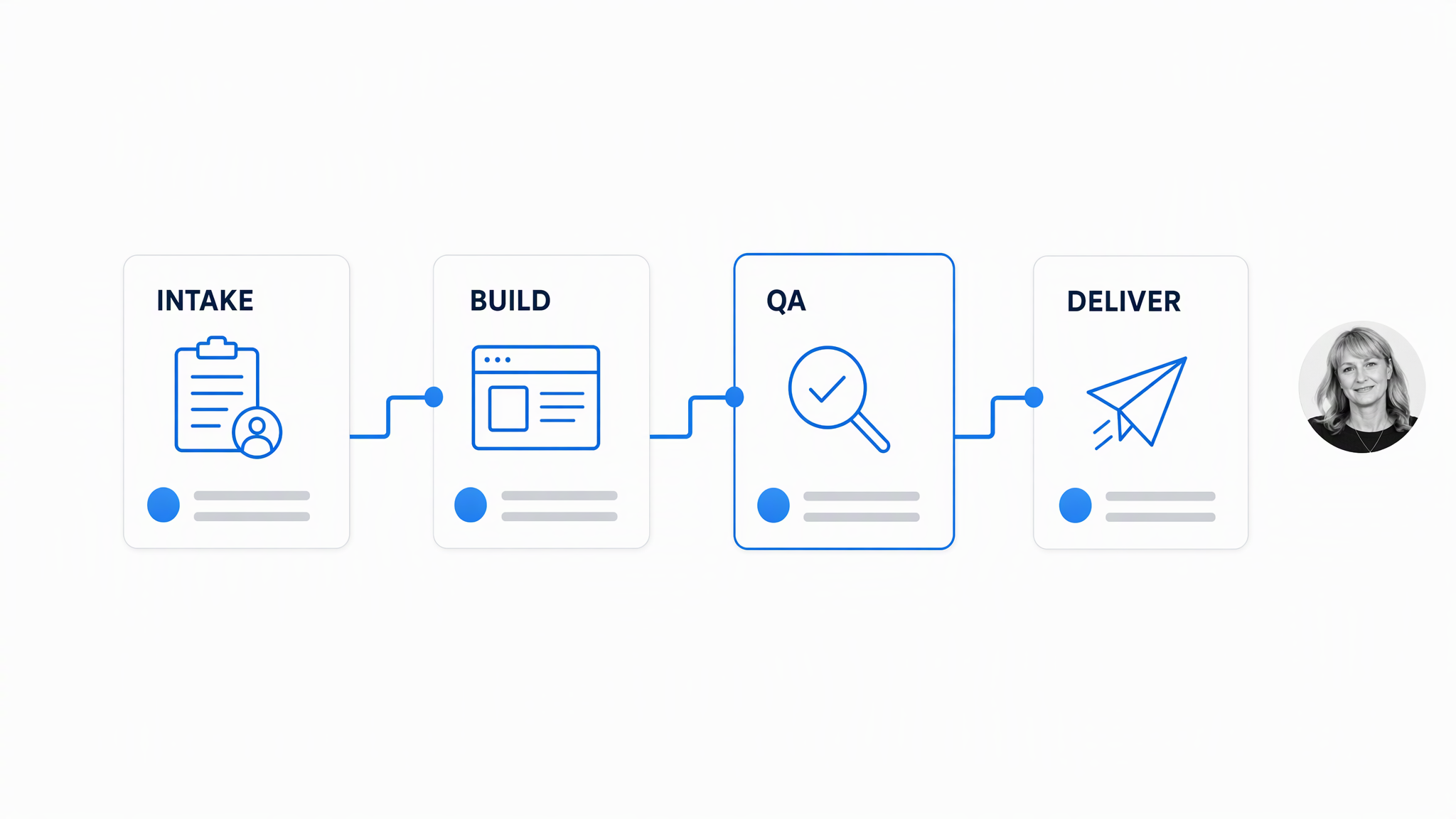
Building a remote agency: Customized chaos vs repeatable systems
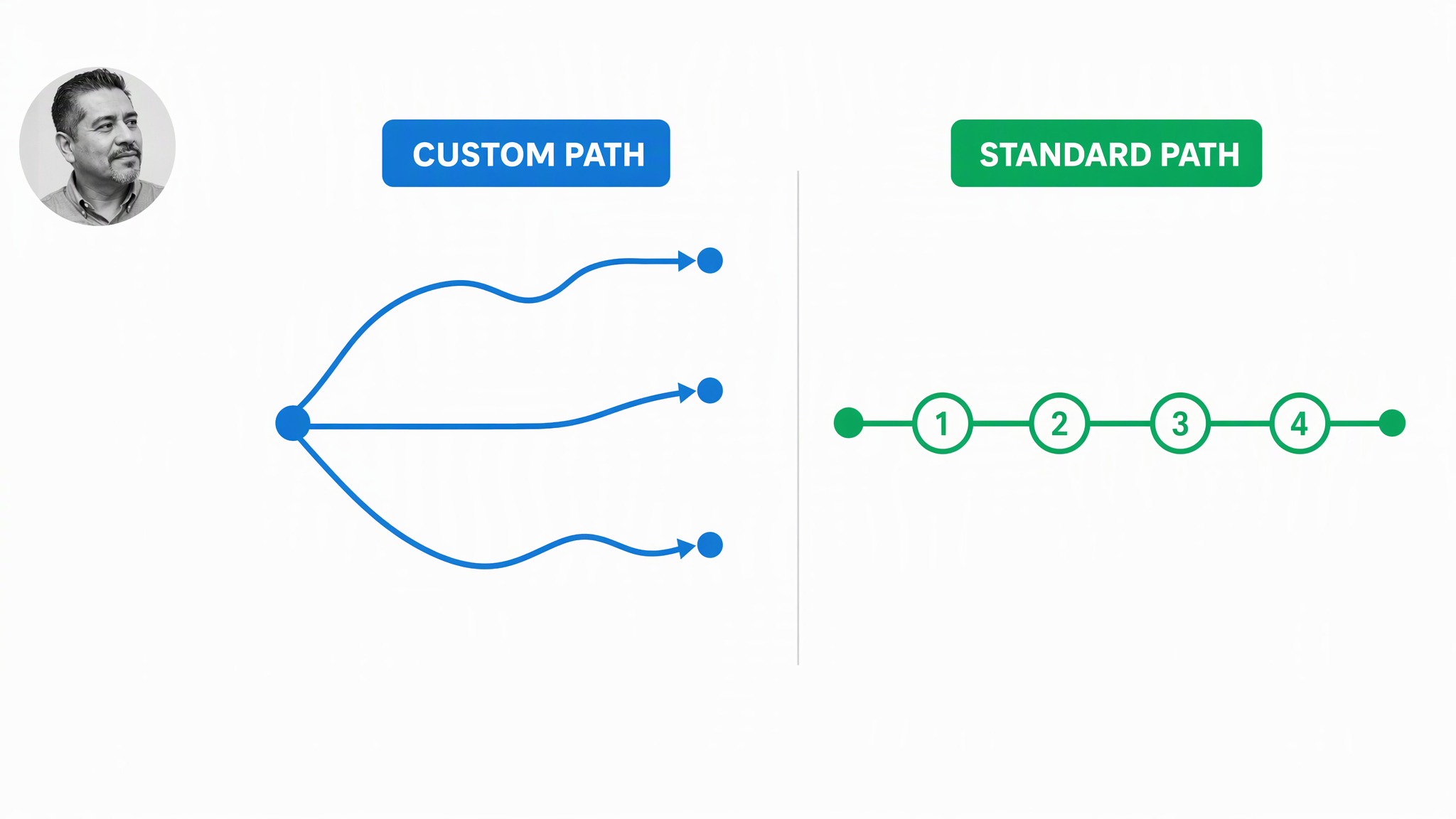
| Customized chaos | Repeatable systems |
|---|---|
| Serves many different customers | Serves a defined ideal customer |
| Offers many different solutions | Offers one core solution |
| Uses many different conversion tools | Uses one primary conversion system |
| Has many different sources of traffic | Focuses on a primary traffic channel |
Customized systems vs repeatable systems, Customers served
So, in the customized version, the version that you are probably more familiar with, you’ll often have an open door policy about the type of client you’ll work with. I know when I started freelancing, I worked with the whole alphabet, Accountants through to Zumba Teachers. It was the number one reason why I failed to deliver any sort of significant result, there’s no way that anyone can be enough of an expert in everything to deliver killer results for everyone! And that is why I was stuck in the feast-to-famine cycle that so many freelancers struggle with. On the other hand, the repeatable model focuses on serving one main customer or market. Preferably a market that you enjoy working with, a market with a real problem that you can solve, and a market that is willing to pay to have that problem solved.Customized systems vs repeatable systems, Solutions offered
To make yoursay yes to anyone with a dimeapproach work, you’re likely offering a range of solutions, from web design, social media, photography, SEO, and who knows, maybe you’re also delivering their lunch and picking their kids up from school… Whatever makes the client happy, right? Wrong, no one wants a Jack-of-all-Trades doing lots but making no visible impact to the bottom line. All your clients care about is results. So I want you to consider, what is the single most impactful thing you can offer to your clients, and what is the single most impactful way you can deliver it? That is, what one repeatable solution can you offer that you know will deliver results every single time. Having one repeatable solution doesn’t mean you give precisely the same deliverables to every client. Your blog posts will still be unique. The websites you create will be unique. Your SEO recommendations will be unique. But the process you go through to create those deliverables will be systemized. More on that later!
Customized systems vs repeatable systems, Conversion tools and main source of traffic
The next two are less critical when you’re starting to grow your business, but will become more important as you scale up, so they’re worth mentioning. The customized model will tend to rely on several different conversion tools, email, sales calls, webinars, seminars, etc. And the repeatable model focuses on one. The customized model will have many different traffic sources, partnerships, paid ads, content, etc. And the repeatable model will focus on, you guessed it, one. On understanding how the systemized model looks compared to the customized model, let’s see how Process Street’s processes fit into the picture…Building a remote agency: Business processes
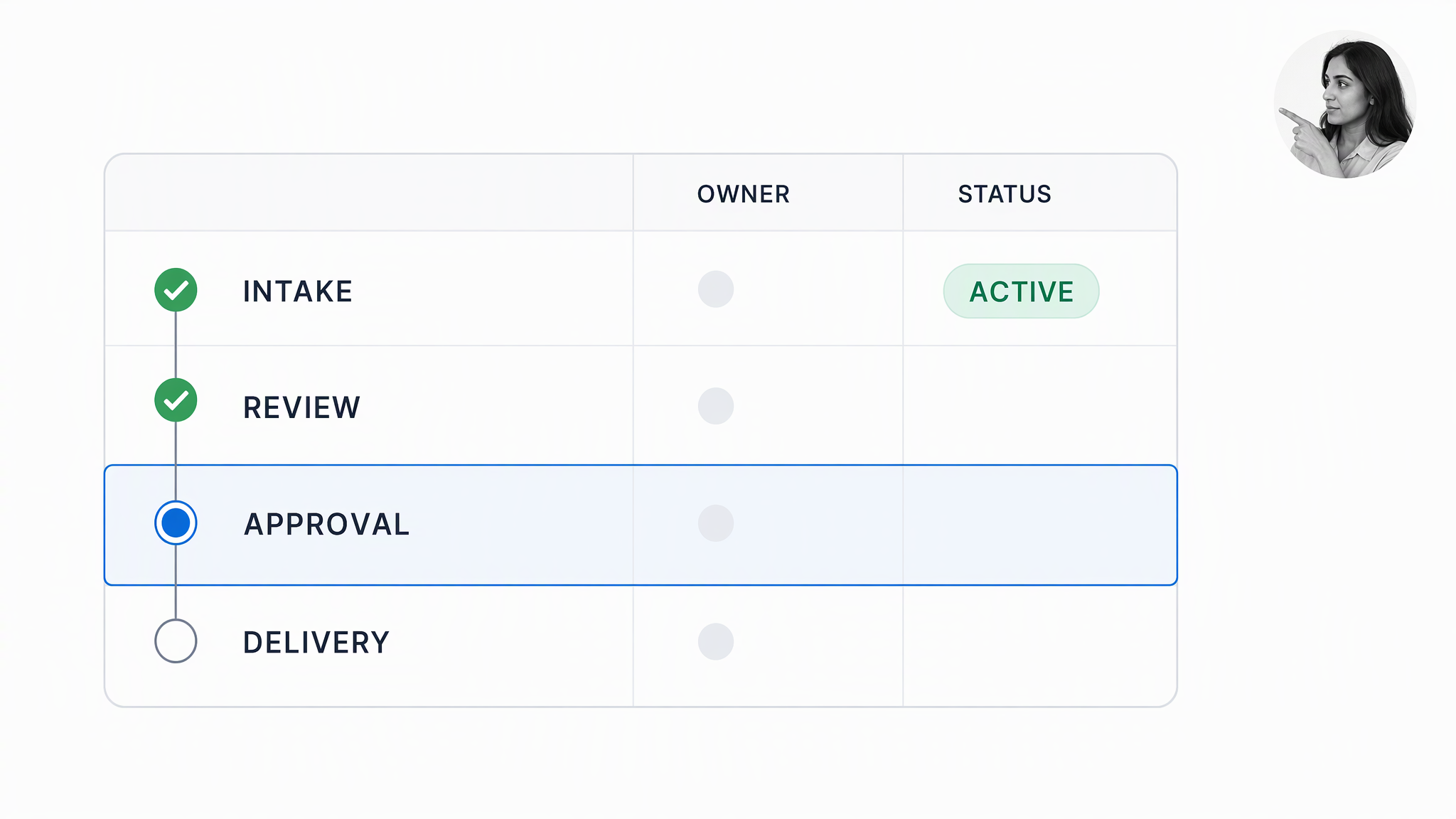
- Sales
- Client Onboarding ♀️
- Client Management
- Employee Onboarding ♀️
- Invoicing
- Service Delivery
Building a remote agency: Why do business processes matter?
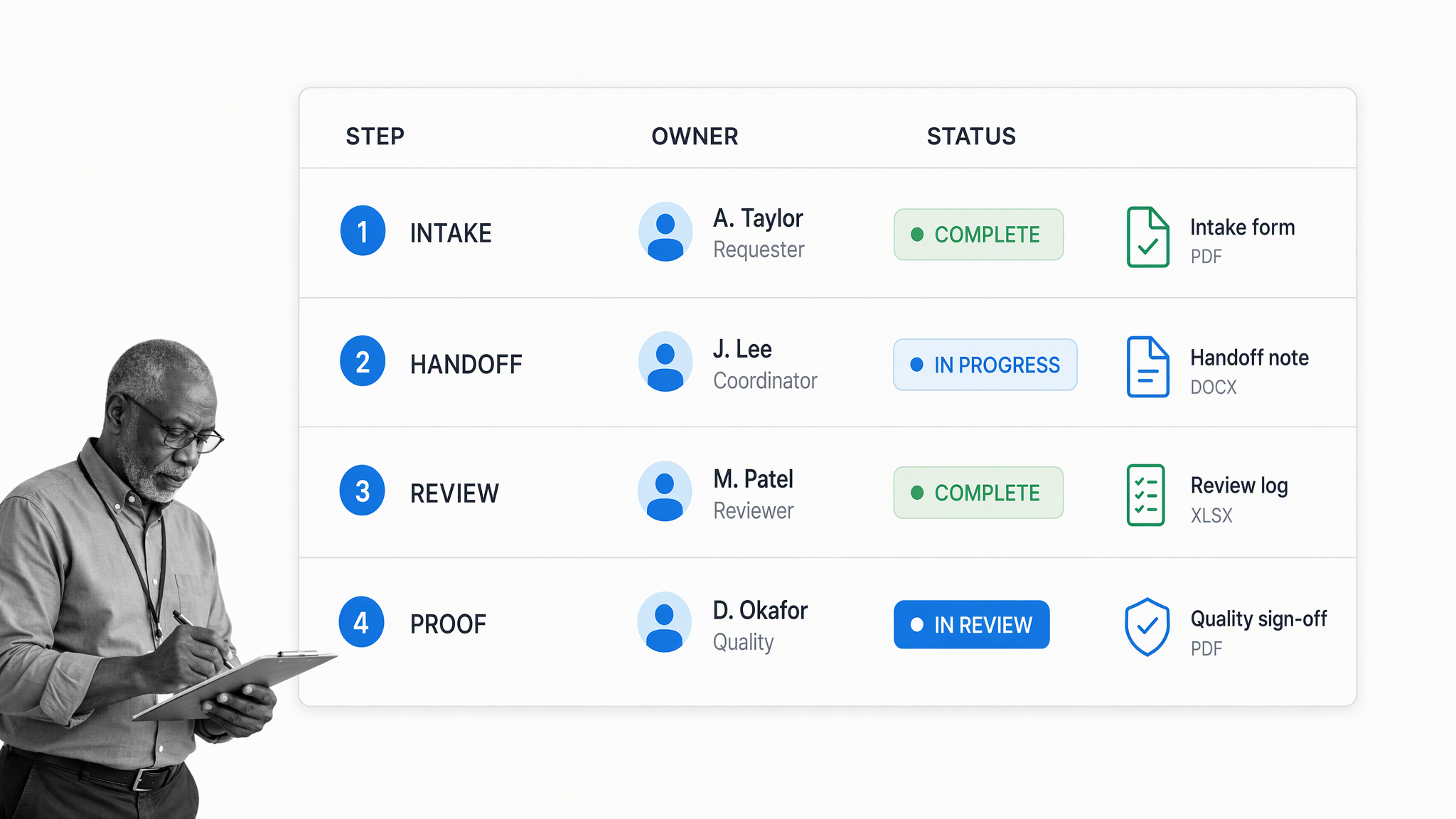
Why do business processes matter? Reason #1, Documented processes are more powerful than goals
I’m going to state this as a fact: documented processes are more powerful than documented goals. Everyone is always telling us how important it is to set goals for our business, but in truth, how many times have you set a goal, and then failed to achieve it? I’ll be the first to admit I failed to hit the majority of goals I set for myself or my business in the early years. And the reason is that I didn’t make a solid plan for getting there. In other words, I didn’t have a documented process. Think about this… It’s the New Year, and you promise yourself that you’re going to get fit. You have two choices, set a goal, or document the process. A goal could be something likeLose 10lbs in 6 months, it’s clear and concise. But is it actionable? On the other hand, a process would be more like: I’m going to workout each weekday morning for 20 minutes. In each workout, I will do 15 minutes of cardio and 5 minutes of ab exercises. If you then went on to write a list of exercises and the number of repetitions and you stuck it on your wall, put an alarm on your phone and laid out your workout clothes each evening, which do you think would be more effective– the goal, or the process? To find out more about the difference between goals and processes, and why the latter is better for achieving your aims, read: Systems vs Goals: How I Lost 70lbs and Learned Piano When you create a process, you’re essentially taking a goal and breaking it into actionable steps. The goal is what you need to do, but the process is how you do it. Both are important, but I can’t stress enough that without a process, a goal is meaningless. So, let’s say that your goal is to make $30,000 a month in your freelance or agency business whilst working less than 20 hours a week. That’s a great goal! But to achieve an ambitious target like that, you’re going to need a whole heap of systems and processes.
Why do business processes matter? Reason #2, Deliver better results
If you care about delivering results for your clients (and I’m going to assume you’re a decent person who does), then you need a process! For a start, a documented process is, by its nature, something you’ll do over and over again, and as they say, practice makes perfect, no more learning curves. And no more being directed by the client, you are the expert who can solve their problem. You will stay focused and on track from start to finish because you know what works, and what doesn’t. And while your processes are something you’ll be continuously optimizing, even the most top-level, early-stage version is going to give you the ability to spot issues, plug gaps, and address inconsistencies. Like looking at the top of the box when you’re struggling to complete a puzzle, a documented process makes it easier to solve problems and challenges.Why do business processes matter? Reason #3, Save time for yourself and the client
Processes will also save you and your business a ton of time. Imagine, no more decision-fatigue, every choice you need to make is mapped out. No more wasting time thinking up a new strategy, the plan is already there, ready and waiting for you to hit start. And no more time-consuming learning curves, you rinse, optimize and repeat.Why do business processes matter? Reason #4, Reduce mistakes and increase transparency
Processes will also help you significantly reduce the chance of human error. A well-documented process hosted in a user-friendly process management system, like Process Street, captures each task required to complete a job, which significantly reduces the chance of mistakes happening. On a macro scale, that means no more budget overruns, and no more missed deadlines. But on a day-to-day level, it means no more waking up in the middle of the night thinking,Did I send that email?,
Did I press publish on that blog post,
Were we supposed to have a catch-up call today?!The process captures every variable because one task can only start once the previous task is marked as completed. If something does slip through, then you update the process to ensure it never happens again!
Why do business processes matter? Reason #5, Processes keep you and your team on track
Processes help you and your team stay on track. Take McDonald’s for instance, everyone has sight of every moving piece of the puzzle; everyone knows their role, everyone has accountability, everyone is clear about the job to be done, and the jobs that aren’t done can be identified. A process helps you stay focused from the moment a client pops into your inbox asking forone quick favor… Say goodbye to your old friend, scope creep!
Why do business processes matter? Reason #6, Processes allow you to outsource or automate
This one’s important because it’s the key to working less in your business. Outsourcing and automating will free up your time to either focus on growing your business, or squeezing more joy out of life. Most freelancers and agency owners I know say that they’ve tried to outsource with poor results. And the reason is simple, they didn’t have a clear instruction manual for the contractor or employee to follow. But, when you document your processes, it allows you to outsource the work with significantly more confidence. Documented processes become the instruction manual for your business, and they are the only way to build a business that can run without you. When it comes to automating, it’s only possible when you can see all the steps required to complete a job. When you look at the process as a whole, you can quickly identify the tasks that could be carried out by a tool more efficiently than a human. For more information about Business Process Automation read: The Ultimate Guide to Business Process Automation If you want more freedom then processes are your new best friend.Why do business processes matter? Reason #7, Processes help you close deals
Yes, we even use our processes to close deals. A few years back, I was in a big pitch up against another, bigger agency. I was losing. They had all the bells and whistles, from a presentation packed with fancy graphics to a ton of case studies from happy clients. At the last moment, I decided to take a risk to try and pull it back. I pulled up my Process Street account and gave them a glimpse inside the machine, the process we follow for delivering our service. The client didn’t understand most of what they were looking at, but instantly the atmosphere in the room changed. By demonstrating we had a clearly defined process, they could see that we had done this over and over again. The client asked the other agency if they could present something similar, and they confidently replied that they didn’t follow a specific process. I’m sure at that moment they thought they looked better because they were offering the client a bespoke service. But the truth is, business owners prefer proven systems to bespoke solutions because having a system means you’ve worked out the kinks and you know it works. And that’s all that they care about, getting results. Our process proved we had a system to achieve their goals. And that client has been with us for two years and has been worth almost $200k to our business. After that experience, we built a sample of our service delivery process into our pitch deck, so prospects can see that we have a proven system for success before we get on the discovery call. Almost every prospect mentions it, and our close rate improved instantly. For more information on Process Documentation and the benefits it brings read: Business Process Documentation: 5 Benefits and Why You Should Use It.Building a remote agency: How to get started
How to get started, Tip #1, set up your operating system
To build a remote agency that can run without constant founder intervention, put the work in one governed system. Process Street is a Compliance Operations Platform: Docs helps teams govern procedures, Ops turns those procedures into repeatable workflows, and built-in AI helps draft, route, and improve the work.
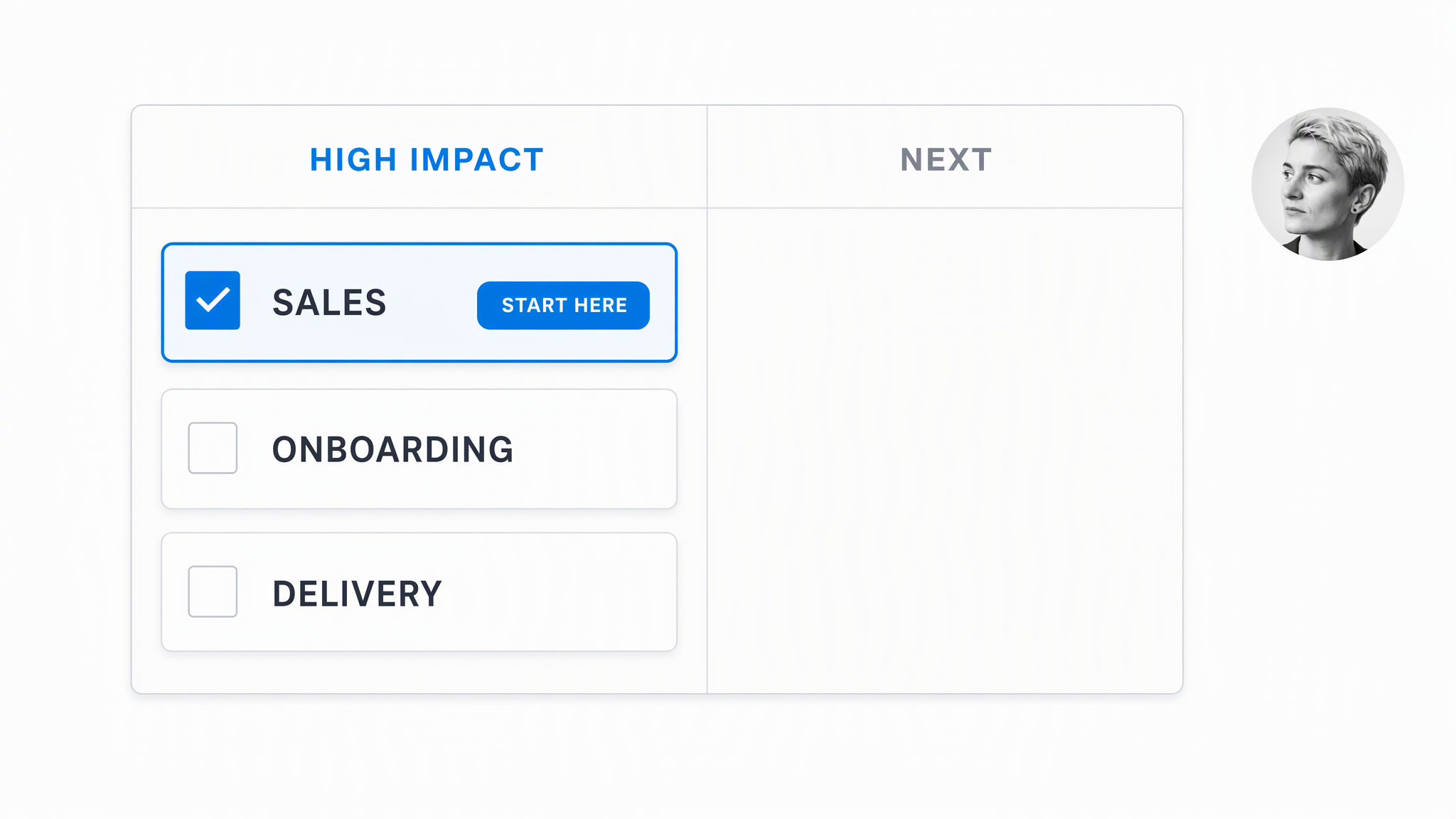
Start with one high-impact workflow, assign clear owners, add approvals where judgment matters, and capture proof as each step is completed. Process Street has 5,000+ integrations, so the workflow can coordinate the rest of your stack without turning the process into another manual handoff.
A business process management template gives you a practical starting point for documenting the first repeatable process.
How to get started, Tip #2, Prioritize
Next, you need to prioritize, what 20% of your processes can you document right now to get 80% of your business under control? The processes I’d recommend prioritizing are:- Discovery call process
- Closing process
- Client onboarding process
- Payment process
- Service delivery process
- Hiring process
- Employee onboarding process
How to get started, Tip #3, Start high level
Perfection is the enemy of progress. The thing that stops people from making progress with their process documentation, is feeling like it needs to be perfect from the outset. Forget that! The way I always start is by writing out the process in a paragraph, describing all the steps I can think of at that time. So, for my current sales process, I might write something like:“First, the prospect opts-in to get my lead magnet. After they’ve watched the free training, they’re offered a free strategy call with me. If they decide to book the call, they get a link to my calendar in ScheduleOnce, and they are added to my CRM in ActiveCampaign. That triggers an automated email sequence where they’re asked to complete an application form, which qualifies them as a good fit before I get on the call with them. The application information is put into ActiveCampaign, and if they are marked as qualified, they receive another email that includes my presentation deck designed to help build my authority, case studies, testimonials, links to podcasts and blogs, etc. This makes sure they show up to the call. I take the 30-minute call and determine if I can help them reach their business goals. If I can, I mark the call as successful in ActiveCampaign, and that triggers a Zap in Zapier to send a standardized proposal from Proposify. If the client signs the proposal and pays the first invoice, another Zap sends the information to ActiveCampaign where the prospect status is changed to Client. This triggers the next process, Client Onboarding.”Okay, so that’s messy, it’s a stream of consciousness. But it’s a great way to get started with documenting, there’s nothing intimidating about writing a few messy paragraphs about your current process, right? From there, the next step is to break the paragraph into its component steps. In Process Street, these are called tasks. It doesn’t need to be perfect! Start messy, iterate and improve. This is something you can build out over time. Which brings me onto my final point…
How to get started, Tip #4, Have patience
Please don’t feel like you have to document all of your processes at once. The end goal is to have comprehensive systems built out for every area of your business, but, like the goal of losing weight, it’s something that you’ll work at every day to get there. The processes you build inside Process Street will be working documents for a long time to come.Building a remote agency: Embedding processes in your business
- Make your process engaging by utilizing all of the multimedia options inside Process Street, videos, screenshots, photos and audio
- Start every task with a verb, forcing yourself to use action words will help ensure each task drives the process forward.
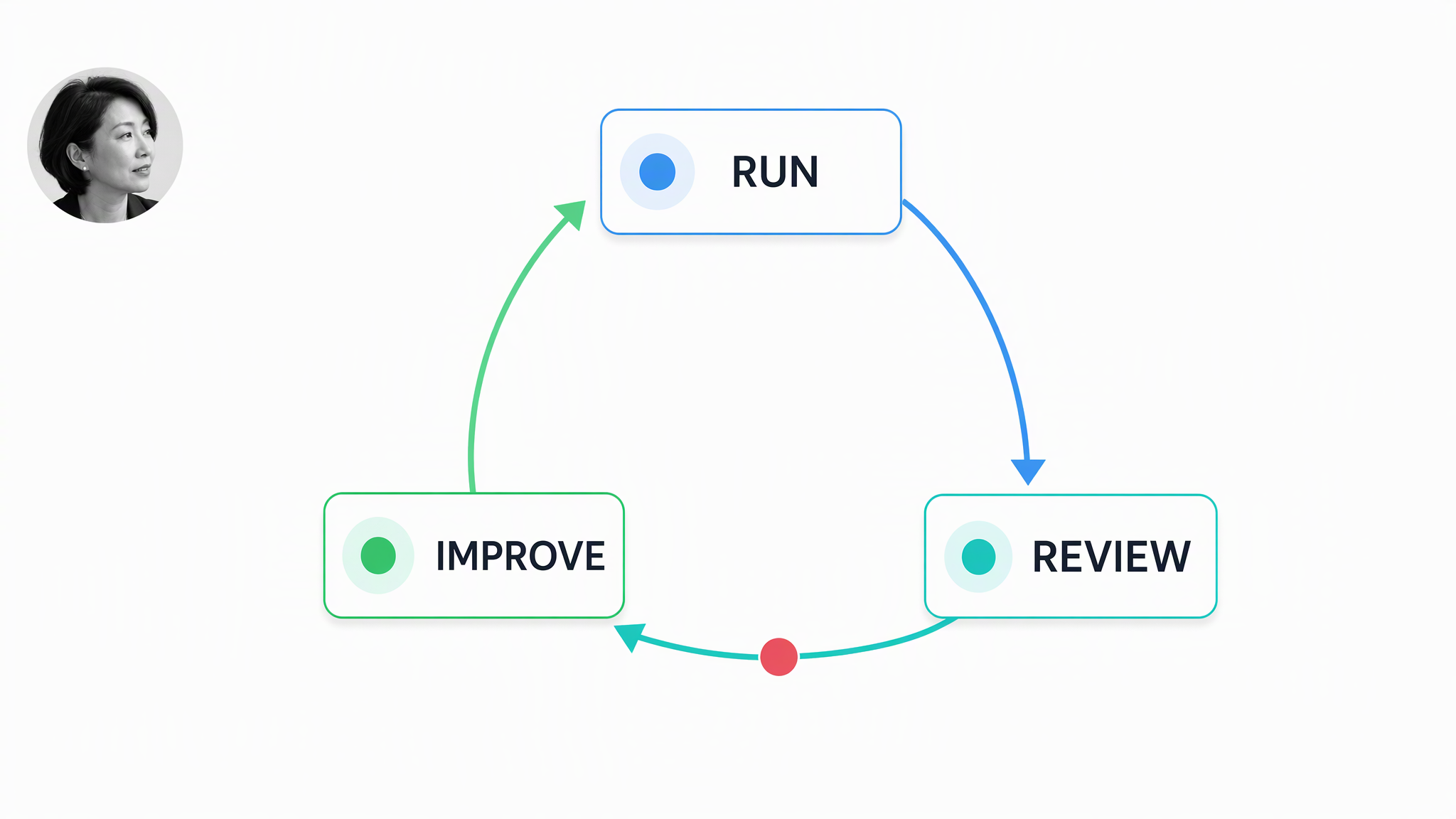
- Conduct post-mortems periodically to ensure you’re continually improving your processes. Running a process-driven business is about starting strong, and from there getting better and better. This is the single biggest reason I only work 5-10hrs in my agency. It didn’t start that way, but by making small improvements every time we ran the process, I managed to optimize to a point where I don’t have to micromanage anything.
Building a remote agency: The secret sauce