All posts by Vinay Patankar

Find the Best Customer Success Software & Grow Lifetime Customers

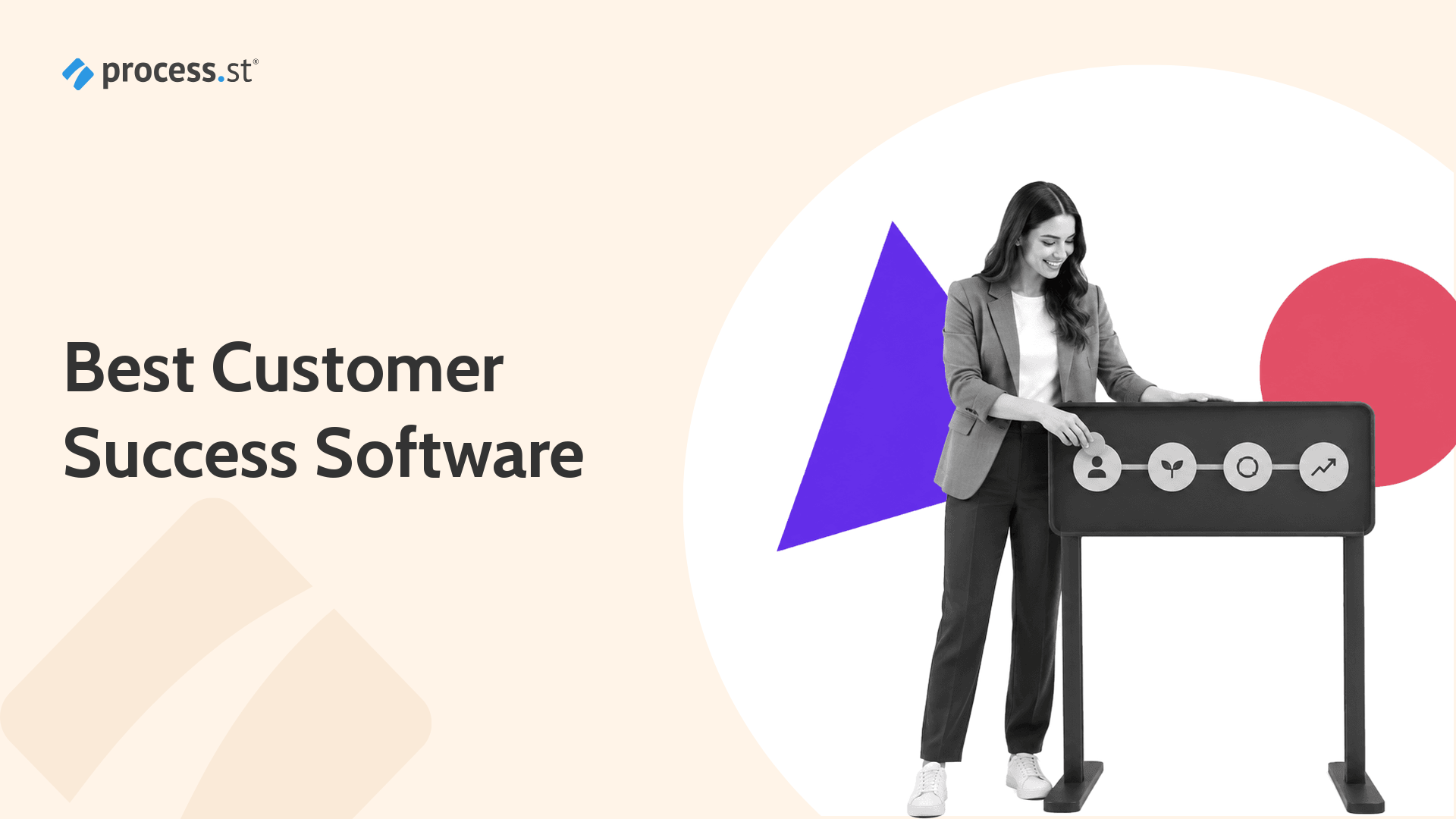
Customer success operations leader moving a customer token through a physical lifecycle board

Have you ever typed a full message on your phone, only to realize you misspelled something at the very beginning? Moving a tiny cursor back to the mistake can take longer than writing the message.

Slide your finger across the spacebar and the cursor moves quickly and accurately, letter by letter. That small tip helps you get more value from a product you already use. It is also a simple example of customer success.

Continue Reading
What Is Headless BPM? The Process Layer Agents Can Call

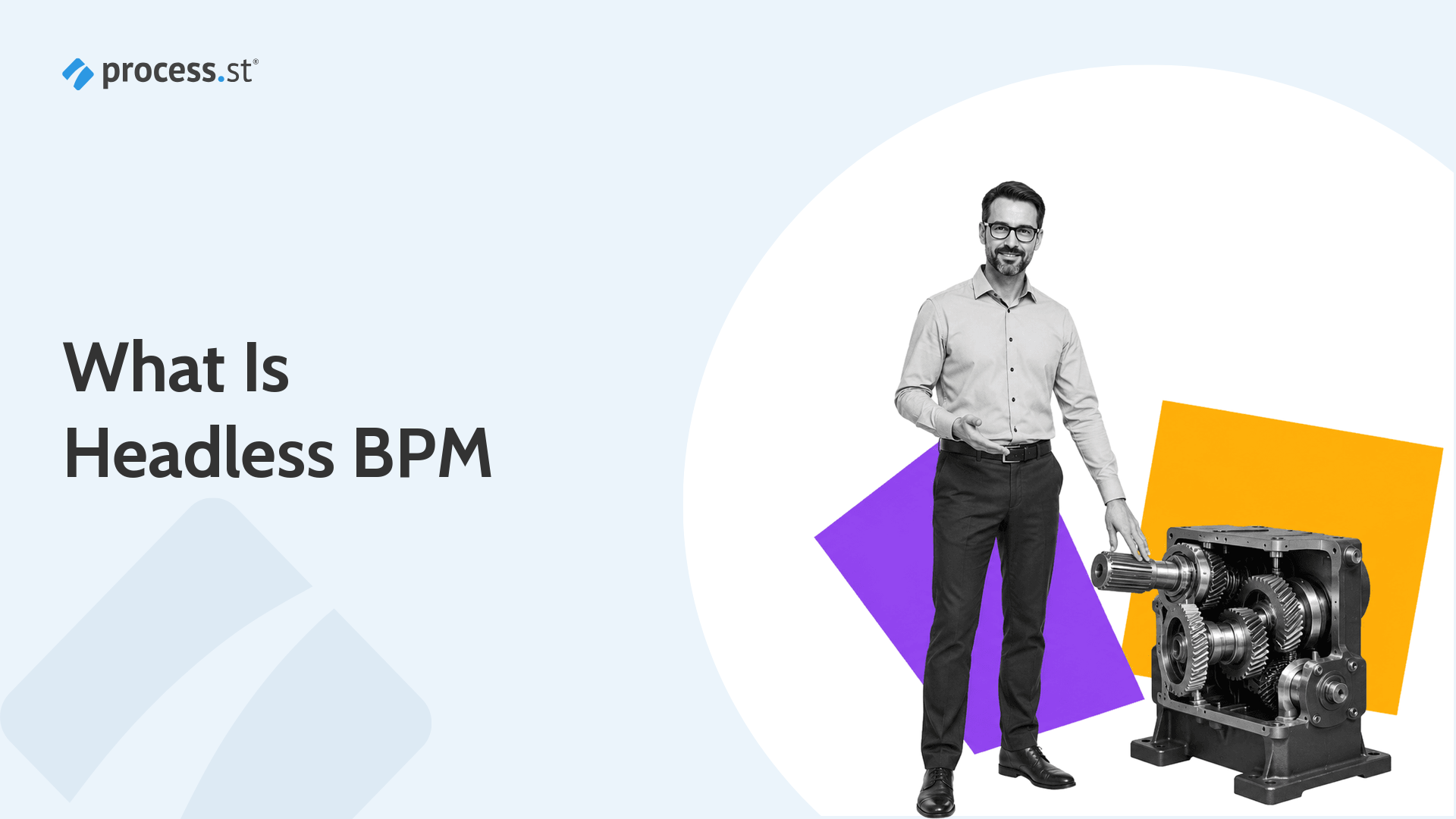
What is headless BPM, a process engine running with its cover removed

Headless BPM is business process management in which the process engine runs independently of any user interface. The process definitions, the runs, the task state, the approvals and the audit trail all live in the engine, and every one of them is reachable over an API. Whatever calls the engine gets the same behaviour and the same enforcement, whether that caller is a custom front end, a mobile app, a nightly script or an AI agent.

The word headless comes from content management, where a headless CMS separates the content repository from the presentation layer. Business process management had the same separation available for years and mostly ignored it, because the interface was the product. Agents changed that arithmetic. A process that exists only as a sequence of screens is a process no agent can read.

Continue Reading

Femtech & Wellness Apps: How to Find Product-Market Fit in a Pandemic

Header image: Find Product-Market Fit

Femtech uses technology to address women’s health needs, while wellness apps help people understand and improve areas such as stress, sleep, movement, and recovery. For both categories, product-market fit means more than attracting downloads. A product has to solve a specific problem for a defined group well enough that users return, recommend it, and make it part of their lives.

That is difficult in health, where a simple interface often rests on complex evidence, sensitive data, and widely different user needs. The stories of Reeva Misra, founder of Walking on Earth, and Hélène Guillaume, founder of Wild.AI, show how focused experiments, patient product development, and credible outcomes can turn an ambitious idea into a product people value. Their pandemic-era lessons remain useful for anyone building a femtech or wellness app.

Continue Reading

Exactly Why Small Businesses Fail — Michael E. Gerber Interview

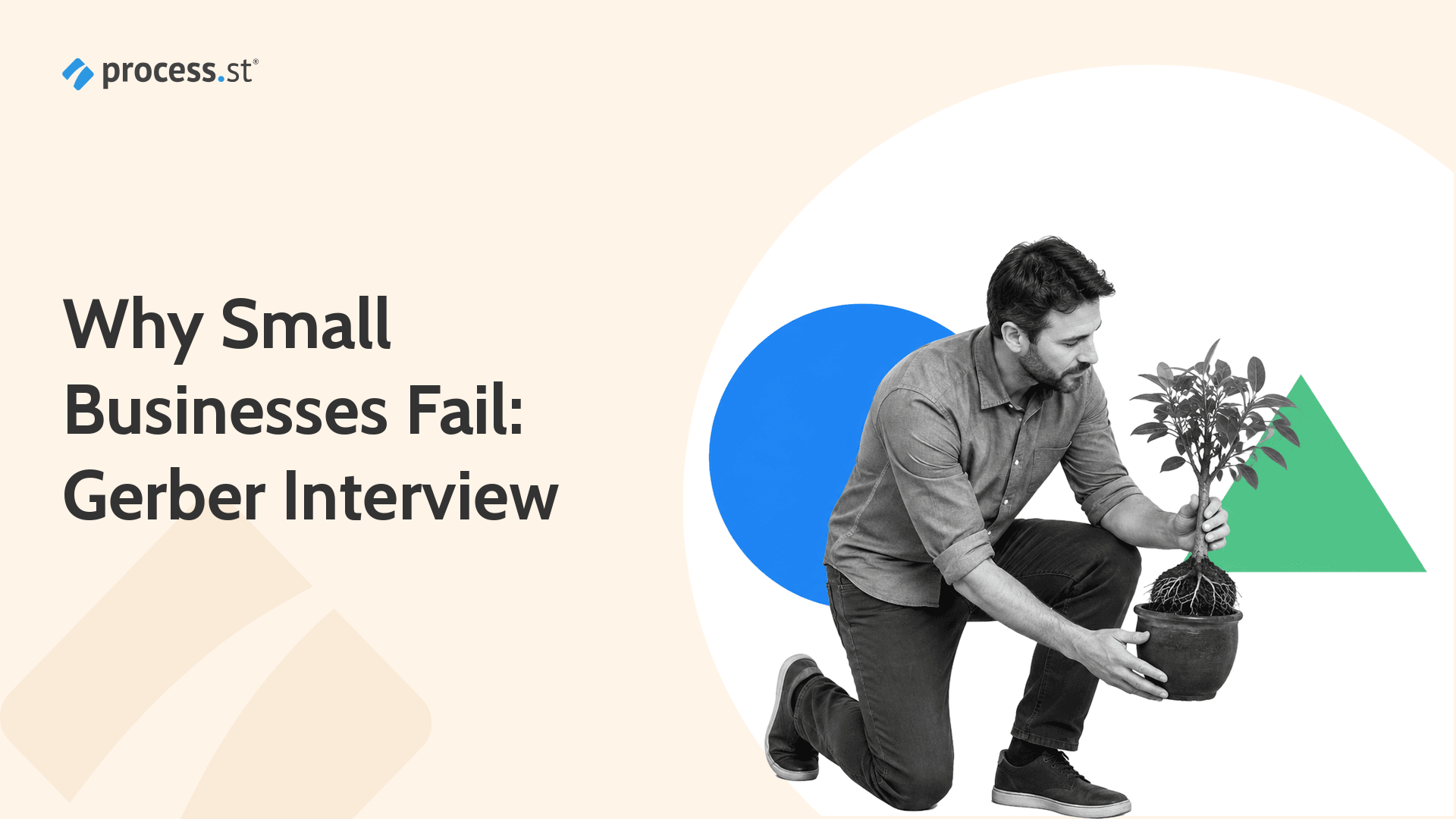
Small business systems advisor examining the shallow roots of a potted sapling

The central reason small businesses fail, in Michael E. Gerber’s framework, is a structural trap: founders stay stuck doing the technical work instead of building systems that let the company operate beyond them. Gerber calls this the entrepreneurial myth. Being good at the work does not automatically make someone good at building the business that delivers it.

In this episode of Business Systems Explored, Gerber explains the thinking behind The E-Myth, the technician trap, and the operating systems that help an owner step back from daily busyness without losing control of quality.

Continue Reading

From Marx to Microsoft: The Origins of Flat Design and How It Was Almost Ruined

Design historian tracing the origins of flat design across a physical evolution board

Flat design is a visual style that removes decorative depth, realistic textures, and ornamental effects in favor of simple shapes, clear typography, and direct hierarchy. Its roots run through Modernism, Mondrian, Swiss Style, early graphical interfaces, Microsoft Metro, and the sweeping redesigns that followed Windows 8 and iOS 7.

I first wrote about that history while using a Windows 8 laptop. Like many others, I hated it and thought it was the worst operating system since the not-so-distant Vista. With distance, though, it is easier to appreciate that Microsoft made a bold design decision that became influential even when the product around it was frustrating.

Continue Reading

Economic Sustainability For Success: What It Is And How To Implement It

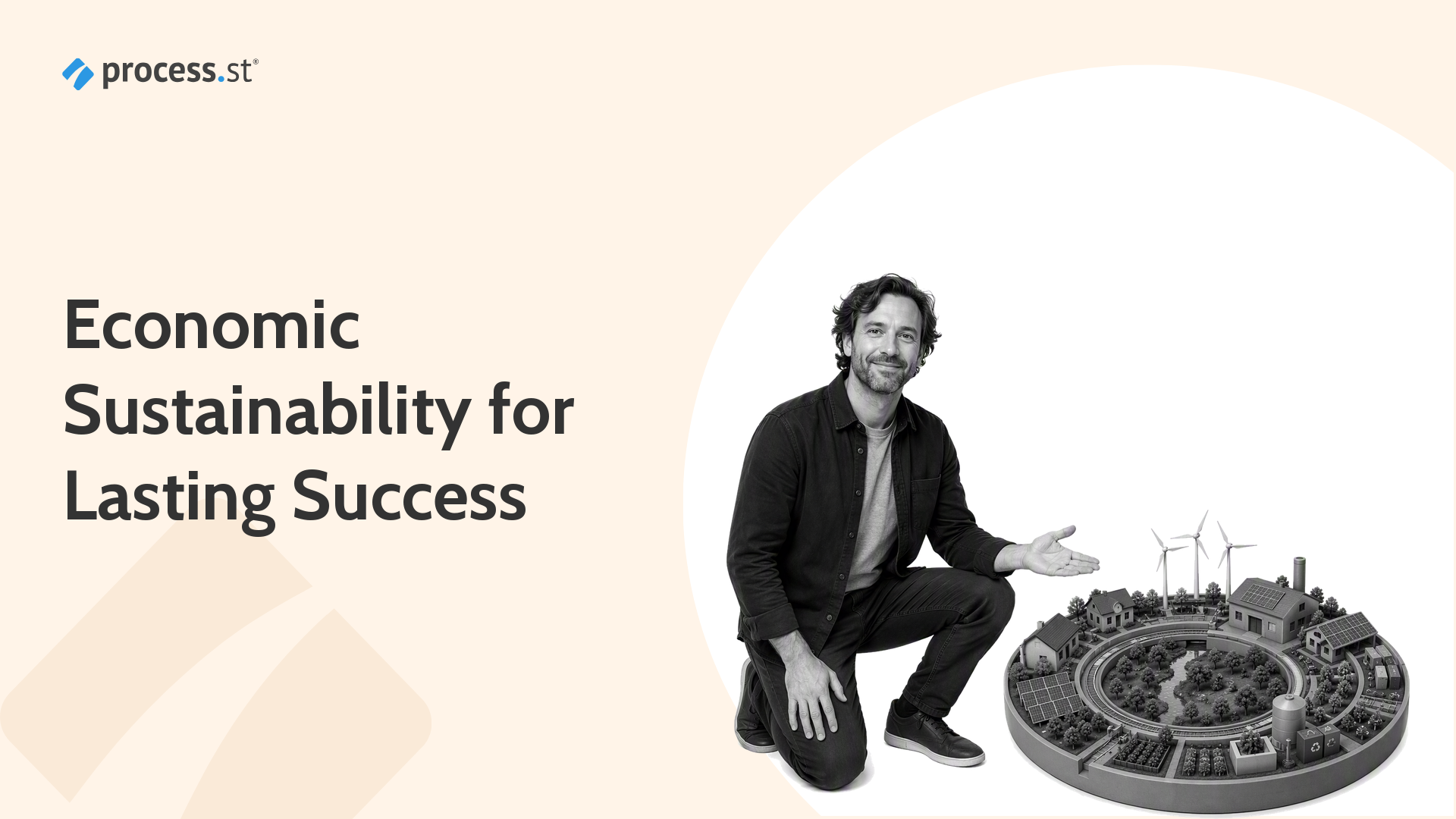
Sustainability operations leader presenting a closed-loop economic system model

Economic sustainability is the ability to create lasting prosperity without weakening the environmental and social systems that prosperity depends on. For a business, that means more than keeping revenue growing. It means using resources responsibly, managing long-term risks, and creating value without shifting hidden costs to workers, communities, or the planet.

This guide explains how economic, social, and environmental sustainability fit together, why GDP alone cannot measure sustainable progress, and how organizations can turn sustainability goals into repeatable day-to-day practices.

Continue Reading

Everything You Need to Know About Conducting Employee Pulse Surveys (+ Free Template)

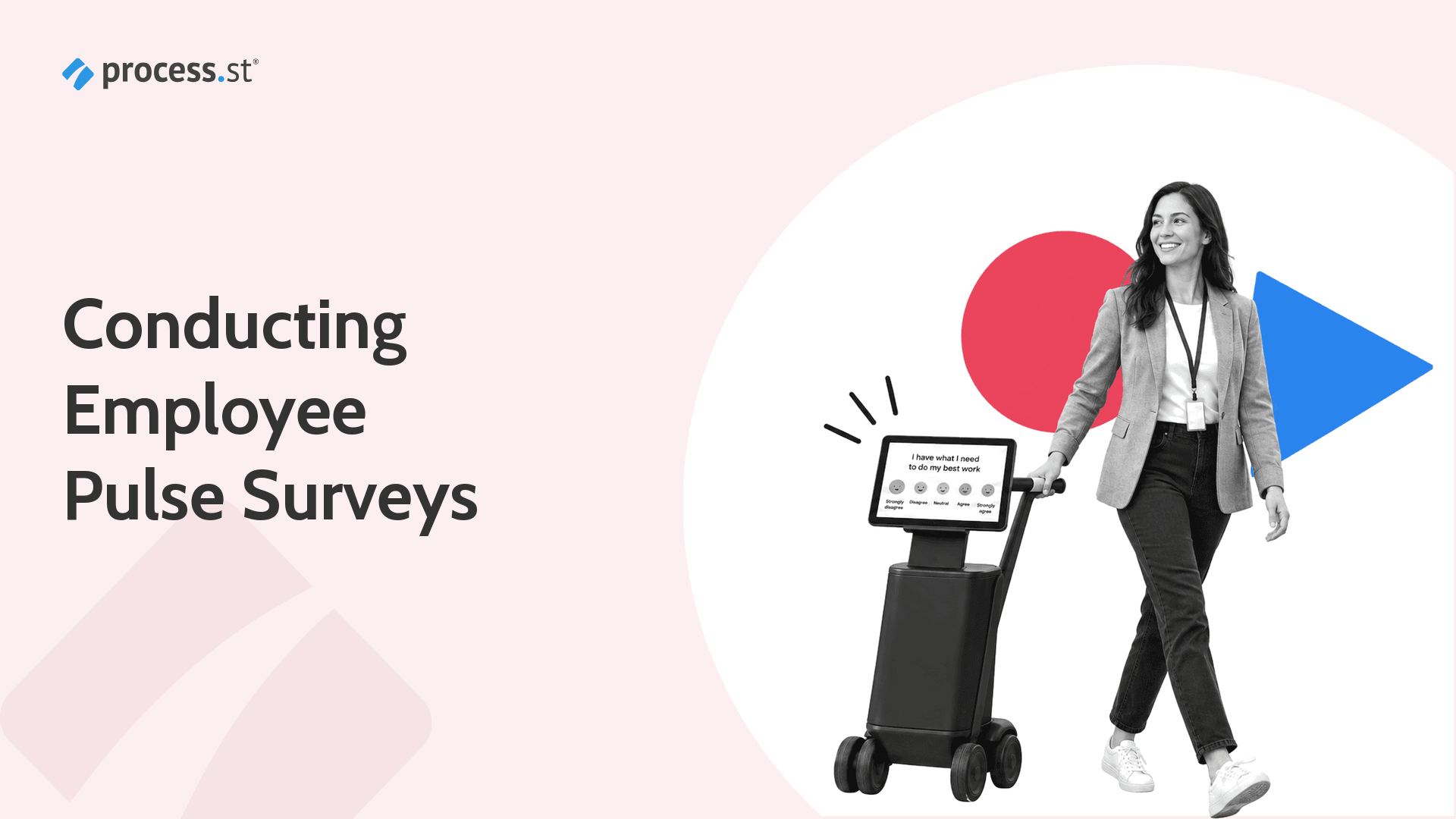
Employee experience leader moving a feedback collection cart for pulse surveys

An employee pulse survey is a short, focused questionnaire sent regularly to track employee sentiment and changes over time. It can monitor engagement, but it can also evaluate a new procedure, strategy, policy, or business practice while the experience is still recent enough to act on.

Pulse surveys are most useful between broader engagement surveys and after meaningful workplace changes. They only build trust when employees know why the survey is being run, how confidentiality will be protected, and what will happen next. A strong program also tells people when results will be shared and who owns the response. This guide explains the difference between pulse and engagement surveys, a practical cadence, question examples, and a free template you can adapt.

Continue Reading

9 Places to Find The Best Copywriting Examples for Your Swipe File

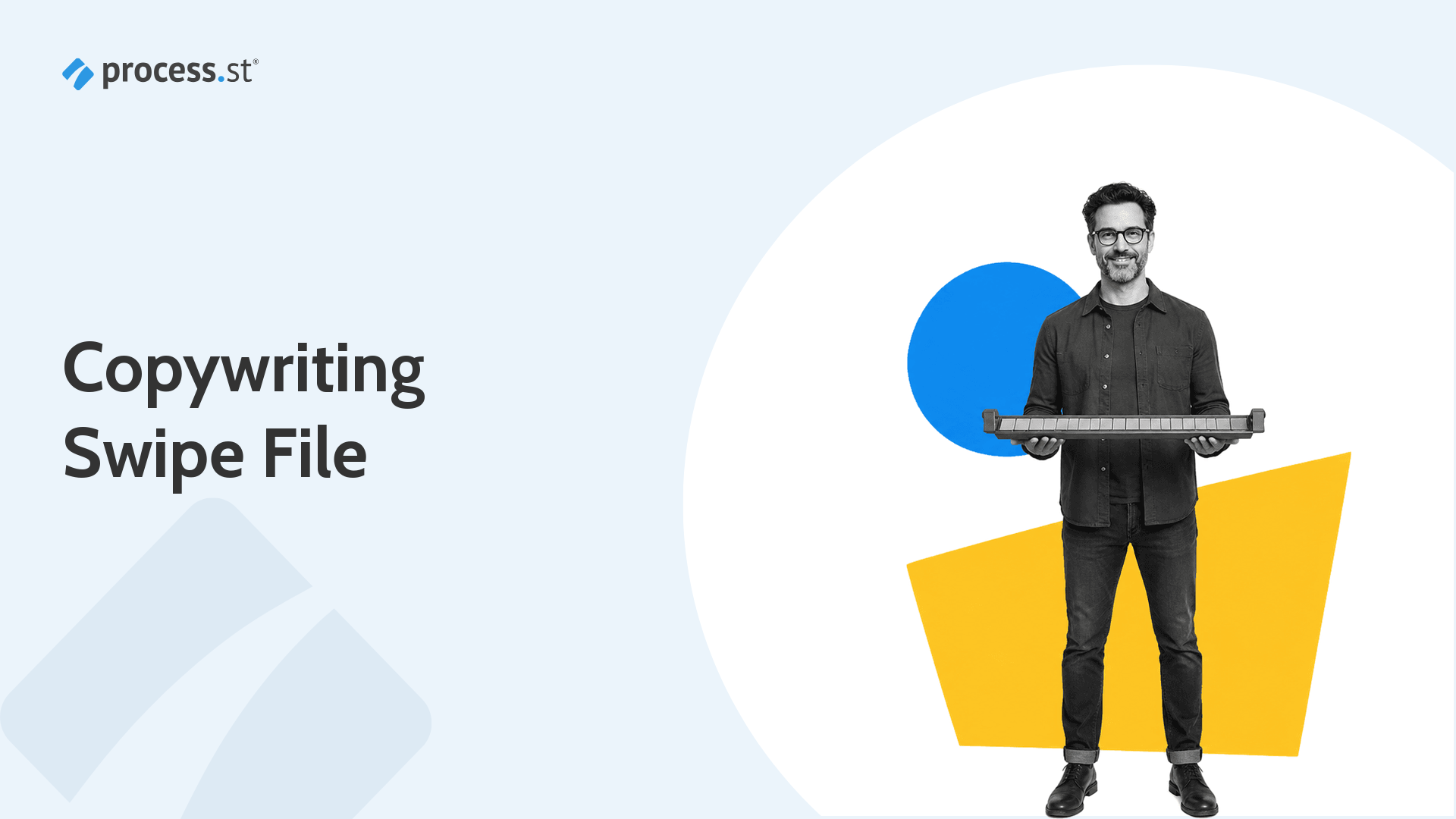
Copywriter presenting a metal typesetting composing stick beside the title Copywriting Swipe File

A copywriting swipe file is a searchable collection of ads, emails, headlines, landing pages, and other copywriting examples that you can study when you need a stronger hook, offer, or structure.

Your boss has asked you to write an email telling customers their free trial has ended and encouraging them to upgrade. A blank page is a bad place to start. A well-organized swipe file gives you proven patterns to examine without copying someone else’s words.

Continue Reading

8 Electrical Inspection Checklists to Keep Your Workspaces Safe

Black-and-white electrical safety inspector checking a freestanding electrical service panel

An electrical inspection checklist turns a complex safety review into a repeatable sequence of checks, evidence, findings, and corrective actions. It helps a qualified inspector cover the right ground without relying on memory or scattered notes.

This collection gives you eight ready-to-run checklists for general electrical systems, premises motor circuits, marinas, electric vehicle charging equipment, agricultural buildings, health-care facilities, residential rough-ins, and air-conditioning or refrigerating equipment.

Continue Reading

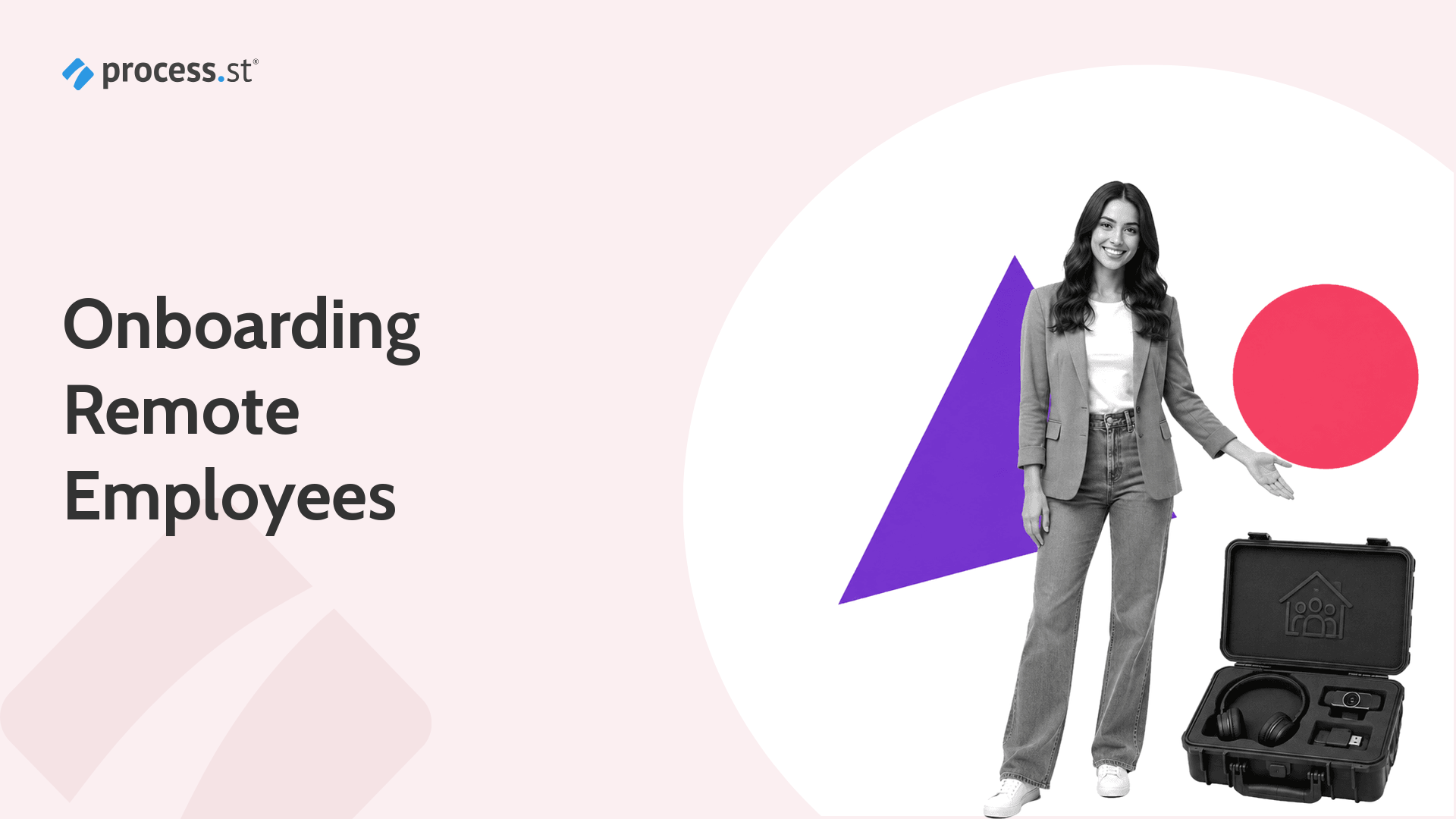
Everything You Need to Know About Onboarding Remote Employees

People Operations leader presenting a remote employee onboarding equipment kit

Onboarding remote employees is the process of giving new hires the access, context, relationships, and clear expectations they need to contribute from anywhere. The work starts before day one and continues through the employee’s first 30, 60, and 90 days.

A strong remote onboarding process makes progress visible without forcing people into constant meetings. This guide gives People Operations leaders and managers a practical checklist for secure access, role clarity, early feedback, and genuine connection.

Continue Reading

Take control of your workflows today

Choose which optional cookies to allow. You can change or withdraw consent here at any time.