






Guest post by Harry Southworth, a professional writer and editor.
An ecommerce strategy is the coordinated plan for attracting a defined customer, converting demand into profitable orders, delivering the promise, and earning the next purchase. The best ecommerce books build that plan with lessons from entrepreneurship, positioning, customer experience, analytics, psychology, and process design.
Opening an online store is easier than building an ecommerce business. A storefront can be live in an afternoon, but a durable strategy must connect customer demand, product economics, merchandising, acquisition, fulfillment, retention, and measurement. The books below cover that complete operating system, from the first idea to the routines that keep a growing store under control.
You do not need to read all 21 in order. Start with the bottleneck that is most expensive today. If you do not know who the customer is, begin with discovery and positioning. If traffic is weak, focus on launch, content, and distribution. If customers buy once and disappear, move to service and retention. If the team is improvising every order, study systems and execution.
Keep a decision log as you read. Record the claim that matters, the evidence behind it, the assumption it challenges, and the smallest test your team can run. This prevents highlights from becoming a substitute for action. It also makes disagreements useful: two books may recommend different tactics because they assume different customers, economics, capabilities, or stages of growth. Make those assumptions visible before choosing a direction.
Ecommerce strategy fundamentals
An ecommerce strategy is the coordinated plan for attracting a defined customer, presenting the right offer, completing a profitable transaction, delivering the promise, and encouraging the next purchase. It includes the commercial choices customers see and the operational choices they do not: inventory, payment handling, content, support, returns, analytics, approvals, and handoffs.
That is broader than choosing a platform or running ads. Useful strategy identifies a customer problem, decides where the brand will compete, defines the economics that make growth sustainable, and translates those decisions into repeatable work. A customer journey mapping tool can help connect what customers experience with the internal processes responsible for each moment.
AI now assists with product discovery, merchandising, content, service, and analysis, but it does not remove the need for judgment. Teams still need reliable source data, human review, clear ownership, and controls for high-impact decisions. Treat AI as a capability inside the operating model, not as a substitute for one.
21 best ecommerce books for building a durable business
These recommendations cover the decisions an ecommerce operator repeatedly faces. Some are ecommerce-specific. Others earned their place because they explain a durable skill that online sellers cannot avoid. Together, they form a practical curriculum for finding demand, communicating value, improving conversion, and delivering consistently.
A balanced reading plan should cross functions. Marketing insight is less valuable when fulfillment cannot keep the promise. Operational consistency is less valuable when the offer has no demand. Analytics is less valuable when nobody has agreed which decision a measure will inform. Pair one market-facing book with one operations or measurement book, then bring the resulting questions to the same planning session.
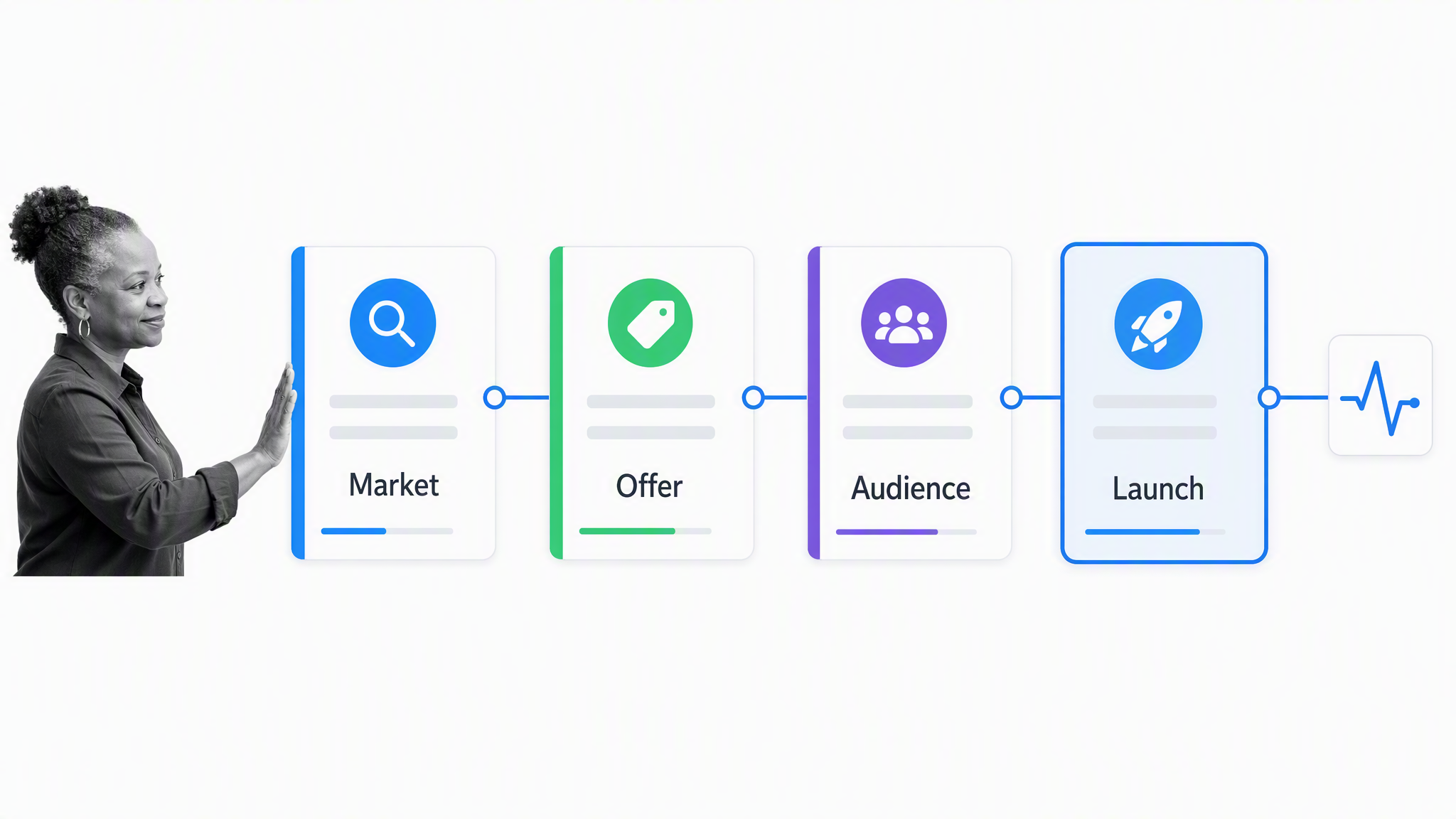
Launch by Jeff Walker
Launch explains how to turn attention into a structured product introduction rather than publishing an offer and hoping people notice. Its most useful lesson is sequencing. Research, anticipation, education, and the sale each have a distinct job. For an ecommerce founder, that can mean validating demand before committing to stock, building a waiting list, answering objections through useful content, and making the opening of an offer feel like a clear event.
Read it when you are preparing a new product, collection, or market entry. Do not copy a launch formula mechanically. Use the sequence to make customer feedback arrive earlier and to give merchandising, inventory, support, and marketing teams one coordinated plan.
The Best Service Is No Service by Bill Price and David Jaffe
The Best Service Is No Service argues that many support contacts are symptoms of preventable friction. That idea is especially powerful in ecommerce, where customers contact support about unclear product information, failed payments, delayed dispatch, missing tracking, confusing returns, and inconsistent policies.
The goal is not to make human help difficult to reach. It is to remove the reasons customers need help in the first place while making the remaining service excellent. Read this with a support-contact log beside you. Group recurring questions by cause, then fix the product page, checkout message, fulfillment handoff, or policy that creates them.
Everybody Writes by Ann Handley
Everybody Writes is a practical guide to creating useful, credible business content. Ecommerce teams write constantly: product descriptions, category pages, comparison pages, lifecycle email, packaging inserts, support replies, social posts, and internal briefs. Weak writing makes the offer harder to understand and increases hesitation.
Handley focuses on empathy, clarity, voice, and disciplined editing. Those principles help a store sound like one recognizable brand across channels. They also provide a sensible standard for AI-assisted drafting: use automation to accelerate research and first drafts, then apply human judgment to accuracy, specificity, tone, and customer value.
The Startup Owner’s Manual by Steve Blank and Bob Dorf
The Startup Owner’s Manual treats a new business as a search for a repeatable model, not a smaller version of an established company. Its customer-development discipline is useful before an ecommerce team spends heavily on inventory, design, or acquisition.
Use the book to state your assumptions about the customer, problem, channel, pricing, and repeat purchase. Then design small tests that could prove those assumptions wrong. Interviews, waitlists, preorder experiments, prototype product pages, and limited launches are less glamorous than a full rollout, but they reveal what customers will actually do.
Digital Business and E-Commerce Management by Dave Chaffey, Tanya Hemphill, and David Edmundson-Bird
Digital Business and E-Commerce Management offers the broadest strategic map in this list. It connects digital models, marketplaces, customer experience, supply chains, relationship management, performance measurement, and organizational change.
It is more textbook than quick read, which is precisely why it is useful when a team has outgrown isolated tactics. Use it to understand how a decision in one area affects another. A promotion can change demand, inventory pressure, service volume, cash flow, and delivery performance at the same time. Strategy needs to see the whole system.
How to Do More with Less by Simon Robinson and Maria Moraes Robinson
How to Do More with Less examines how organizations can improve value while reducing waste and unnecessary complexity. Ecommerce operators feel this tension acutely. Every new channel, tool, promotion, and product variant can add revenue, but it can also add handoffs, exceptions, fees, and failure points.
Read it when growth is making the business harder to operate. Map which activities customers value, which steps protect quality or compliance, and which exist only because the process has accumulated workarounds. The lesson is not indiscriminate cost cutting. It is designing a simpler system that can deliver more reliably.
Building a StoryBrand 2.0 by Donald Miller
Building a StoryBrand 2.0 provides a framework for making a brand message easier to understand. The customer is the central character, the brand is a guide, and the offer should clarify the problem, plan, action, and outcome.
Apply the framework to a homepage or product page and ask whether a new visitor can quickly tell what is sold, who it is for, why it is better, and what to do next. Ecommerce pages often bury the value under clever headlines, crowded navigation, or feature lists. Clarity is not simplistic when it helps the right buyer decide.
Ecommerce Evolved by Tanner Larsson
Ecommerce Evolved looks at an online store as a connected commercial system. The useful shift is from isolated conversion tricks to the relationship between market selection, offers, funnels, customer value, and backend economics.
That systems view helps founders avoid optimizing a single number while weakening the business. A higher conversion rate is not automatically better if discounts destroy margin or attract customers who never return. Use the book to trace how the storefront, payment experience, marketing engine, and retention plan support the same positioning and profit model.
Product-Led SEO by Eli Schwartz
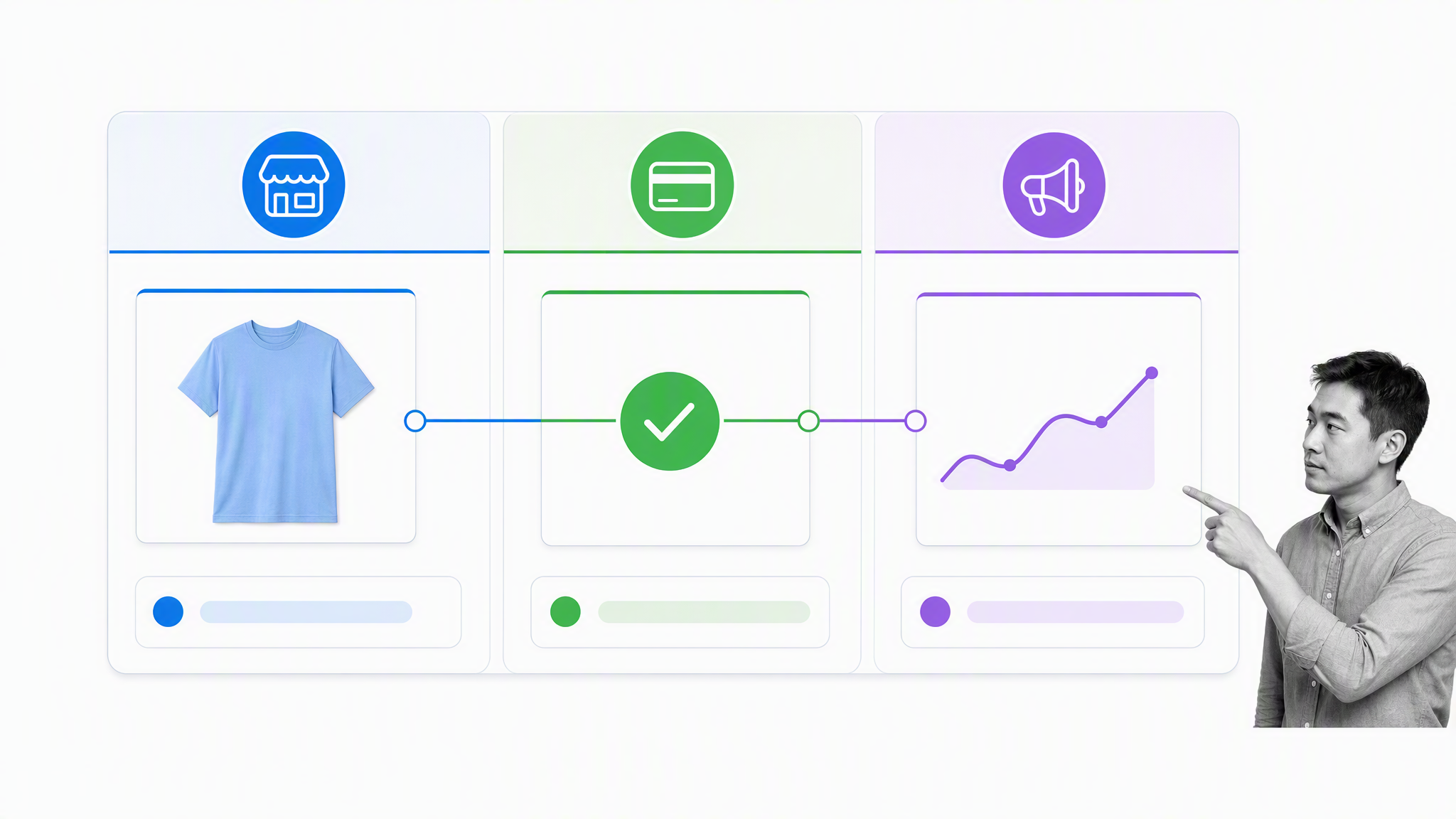
Product-Led SEO argues that sustainable organic growth starts with the product and the customer opportunity, not a pile of keywords. For ecommerce, that means deciding which search needs deserve a page, how the site architecture expresses the catalog, and what genuinely useful information helps a shopper choose.
The approach is a corrective to publishing generic AI content at scale. Search pages still need a clear job, accurate inventory and product data, distinctive expertise, and a path to conversion. Build the strategy first, then use a repeatable research and review process such as this SEO checklist to execute it consistently.
One Click by Richard Brandt
One Click is a history of Amazon and the strategic choices behind its growth. Read it as business history, not as a current operating manual. The durable lesson is that convenience is produced by an enormous amount of deliberate operational work.
Reducing friction for the customer often increases the need for internal discipline. Fast purchasing, dependable delivery, broad selection, and easy service require coordinated technology, inventory, measurement, and fulfillment. Smaller stores cannot copy Amazon’s scale, but they can study where their own customer journey creates avoidable effort or uncertainty.
The Future of Shopping by Kate Ancketill
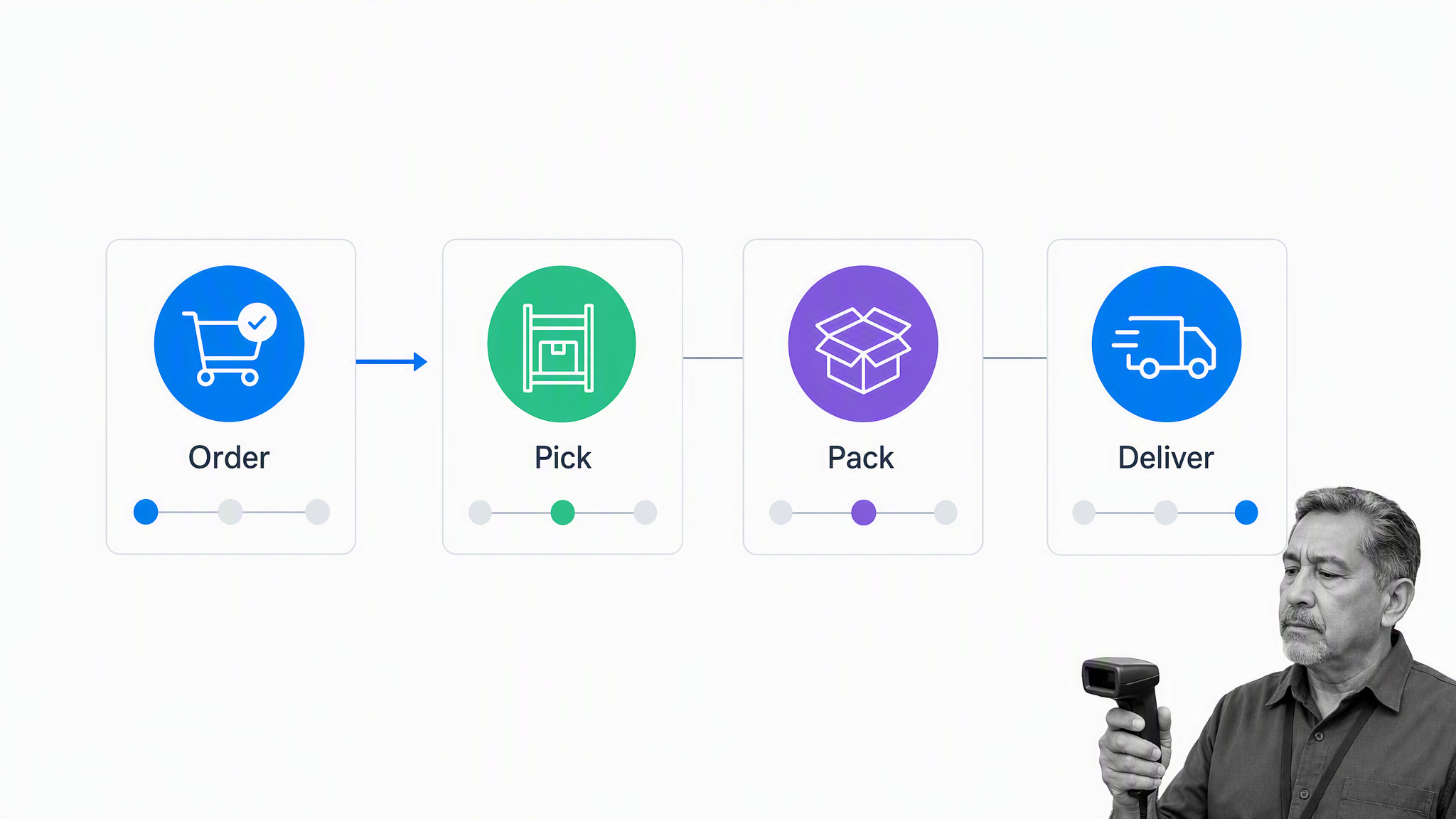
The Future of Shopping explores how physical retail, digital commerce, social platforms, immersive interfaces, and AI are converging. It is useful for separating durable changes in customer behavior from short-lived novelty.
The strategic question is not whether to adopt every new interface. It is where discovery, evaluation, purchase, service, and loyalty are moving for your specific customer. Read it to challenge assumptions about channels, then choose a small number of experiments with a measurable customer outcome instead of treating technology adoption as the outcome.
Anyone Can Do It by Sahar and Bobby Hashemi
Anyone Can Do It tells the story of building Coffee Republic from an idea researched at a kitchen table. Although the business is not an online store, the founders’ practical approach to customer research, planning, financing, site decisions, and execution travels well.
The book is a reminder that useful evidence is often available before a large investment. Observe behavior, ask focused questions, compare alternatives, and make the economics explicit. Ecommerce tools can make a launch look polished very quickly, but polish cannot rescue an offer that customers do not value or a cost structure that cannot work.
Generation AI by Matt Britton
Generation AI examines how AI is changing consumer expectations, discovery, personalization, creation, and brand relationships. Ecommerce teams need this perspective because AI affects both how customers shop and how companies operate.
Use the book to frame experiments, not to outsource strategy. A useful AI use case has a defined customer or operational problem, reliable inputs, an accountable owner, a review step, and a measure of quality. Product recommendations, content variations, support summaries, and demand analysis can all help, but only when the team also manages accuracy, privacy, bias, and escalation.
Don’t Make Me Think, Revisited by Steve Krug
Don’t Make Me Think, Revisited is a concise guide to web usability. Its central idea is immediately relevant to ecommerce: customers should not have to decode navigation, labels, controls, or the next step.
Use quick usability tests on search, category navigation, product selection, the cart, checkout, and returns. Watch where people hesitate or make an incorrect assumption. A polished interface can still fail if shoppers cannot find sizing, delivery timing, total cost, or the button that advances the purchase. Small observations often reveal improvements that analytics alone cannot explain.
Never Lose a Customer Again by Joey Coleman
Never Lose a Customer Again focuses on the period after someone buys. That is where an ecommerce brand either confirms the customer’s decision or creates anxiety through silence, delays, surprises, and indifferent service.
Map the first hundred days from confirmation through delivery, use, support, replenishment, and the next relevant offer. Decide what the customer needs to know and feel at each stage. Retention is not a sequence of promotional emails. It starts with keeping the original promise and making ownership of the product easier.
Traction by Gabriel Weinberg and Justin Mares
Traction presents a disciplined way to test customer-acquisition channels. Ecommerce teams are often pulled toward whichever channel is fashionable or familiar. The book encourages a wider initial scan, small comparable experiments, and concentration once evidence identifies a promising route.
Define the audience, offer, spend, measurement window, and success threshold before each test. Compare channels using contribution and customer quality, not clicks alone. The strongest channel may change as the catalog, price, market, and brand mature, so keep the testing process alive even after one source of demand begins to work.
Learning Google Analytics by Mark Edmondson
Learning Google Analytics explains modern event-based analytics with practical attention to collection, configuration, reporting, and data work. It replaces the outdated habit of treating pageviews and sessions as a complete picture of ecommerce performance.
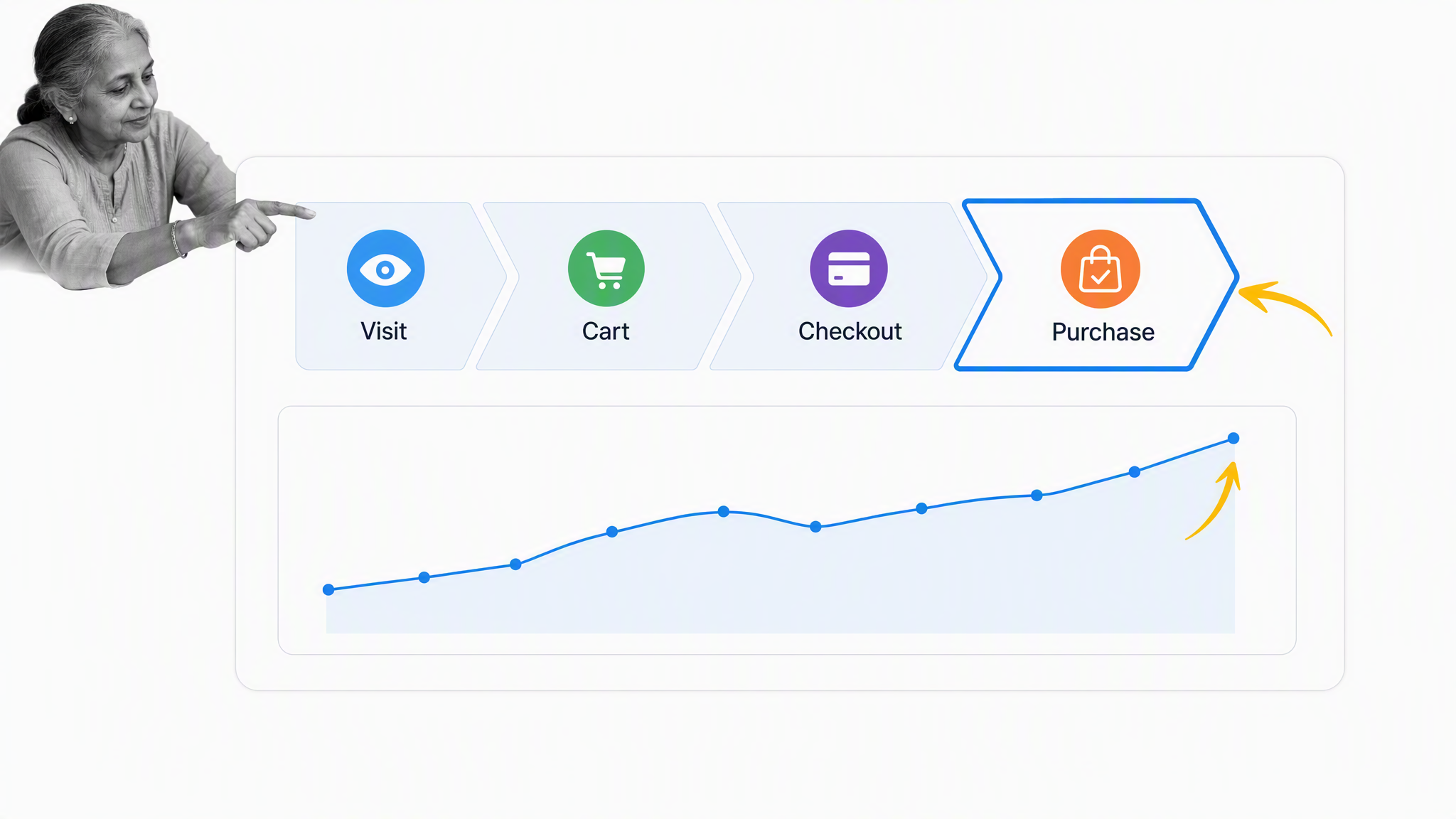
Start with decisions, then define the events and properties needed to support them. A useful measurement plan connects product views, cart activity, checkout progress, purchases, refunds, campaigns, and customer segments without collecting data merely because a tool allows it. Document event definitions and ownership so reports remain interpretable as the site changes.
Lean Analytics by Alistair Croll and Benjamin Yoskovitz
Lean Analytics helps teams choose the measure that matters most at a particular stage of a business. Ecommerce dashboards can contain hundreds of numbers, but more visibility does not automatically create better decisions.
Use the book to identify the constraint behind the current growth model. Depending on the business, that might be qualified traffic, product-page conversion, gross margin, repeat purchase, inventory turns, refund rate, or fulfillment reliability. A focused metric creates a testable conversation. Pair it with guardrails so improving one number does not quietly damage customer experience or economics elsewhere.
Influence, New and Expanded by Robert Cialdini
Influence, New and Expanded explains principles that shape human decisions, including reciprocity, social proof, authority, consistency, liking, scarcity, and unity. Ecommerce marketers encounter these ideas in reviews, expert evidence, guarantees, communities, and limited availability.
Read it with an ethical lens. Persuasion should help the right customer evaluate a genuine offer, not manufacture pressure or hide material information. Reviews should be authentic, scarcity should be real, claims should be supportable, and choice architecture should not trap people. Trust compounds when the experience after purchase validates the promise made before it.
Getting Everything You Can Out of All You’ve Got by Jay Abraham
Getting Everything You Can Out of All You’ve Got asks operators to find overlooked leverage in assets they already possess: customer relationships, offers, channels, expertise, partnerships, and processes.
For an ecommerce team, that might mean improving merchandising before adding traffic, increasing repeat purchase before expanding acquisition, turning support insight into clearer product content, or creating a useful bundle from products already stocked. The book is most valuable when it prompts a concrete inventory of underused assets rather than another list of disconnected marketing tactics.
The E-Myth Revisited by Michael E. Gerber
The E-Myth Revisited explains why a business cannot depend forever on the founder remembering and doing everything. Ecommerce creates recurring work everywhere: catalog updates, campaign launches, order exceptions, supplier reviews, returns, refunds, quality checks, and customer follow-up.
Document the best current method, assign responsibility, run it, capture evidence, and improve it when reality changes. A process should support good judgment rather than suppress it. Clear routine work gives specialists more time for the exceptions and creative decisions that genuinely need them.
Turning reading into an ecommerce operating plan
A reading list only becomes strategy when it changes decisions and behavior. Choose one commercial problem, one relevant book, and one operating measure. Capture the few ideas that matter, translate them into a small experiment or process change, assign an owner, and set a review date. Share the note with everyone whose work will change, including the people closest to customers and day-to-day exceptions. Their practical questions can expose missing assumptions before a promising idea becomes an expensive rollout.
- Discovery: define the customer, problem, alternative, and evidence that demand exists.
- Offer: clarify positioning, pricing, margin, proof, and the reason to choose now.
- Experience: remove uncertainty from discovery, product evaluation, checkout, delivery, and returns.
- Growth: test acquisition channels and content against customer quality and contribution, not vanity metrics.
- Retention: design the post-purchase experience around successful use, support, and the next relevant need.
- Operations: standardize recurring handoffs, approvals, evidence, and exception paths.
- Measurement: define events and metrics that answer a decision the team is prepared to make.
Review the system monthly. Keep what produces a useful result, revise what creates friction, and stop work that no longer serves the strategy. The point is not to imitate every author. It is to build a coherent business whose choices reinforce one another.
For each experiment, record the baseline, the change, the expected signal, the observation window, and the person authorized to decide what happens next. Include a rollback or escalation path when the change affects pricing, customer data, payments, inventory, or a public claim. That level of discipline keeps learning fast without confusing speed with recklessness.
Process Street for ecommerce execution
Process Street is a single product with Docs and Ops capability areas plus built-in AI. As a Compliance Operations Platform, it helps teams document procedures, coordinate recurring work, assign responsibility, collect approvals and evidence, and improve execution across departments.
An ecommerce team can use Docs to maintain the approved method for product publishing, campaign review, returns, supplier onboarding, and customer-service escalation. Ops turns those instructions into trackable runs with owners, due dates, forms, conditional paths, approvals, integrations, and an audit trail. Built-in AI can assist inside governed workflows while people retain control of policy and high-impact decisions.
To show how a repeatable workflow supports ecommerce strategy, I have detailed the Ecommerce Product Listing template below. It gives a team one place to coordinate product information, imagery, pricing, search details, and review before a listing goes live.
Ecommerce Product Listing template
Use the template as a starting point, then adapt its fields, roles, approvals, and evidence requirements to your catalog and risk level. The same approach can support launches, campaign quality checks, order exceptions, return approvals, supplier reviews, and post-purchase follow-up.
How many of these books have you read so far? Pick the one that addresses your clearest constraint, capture one decision it changes, and put that decision into a process your team can actually run.
Grab your new book and turn the bed lamp on. These books are not just educational. They are fun to read, too!