All posts by Vinay Patankar

Business Process Optimization: How to Improve Workflows Like a Pro (Free Templates!)

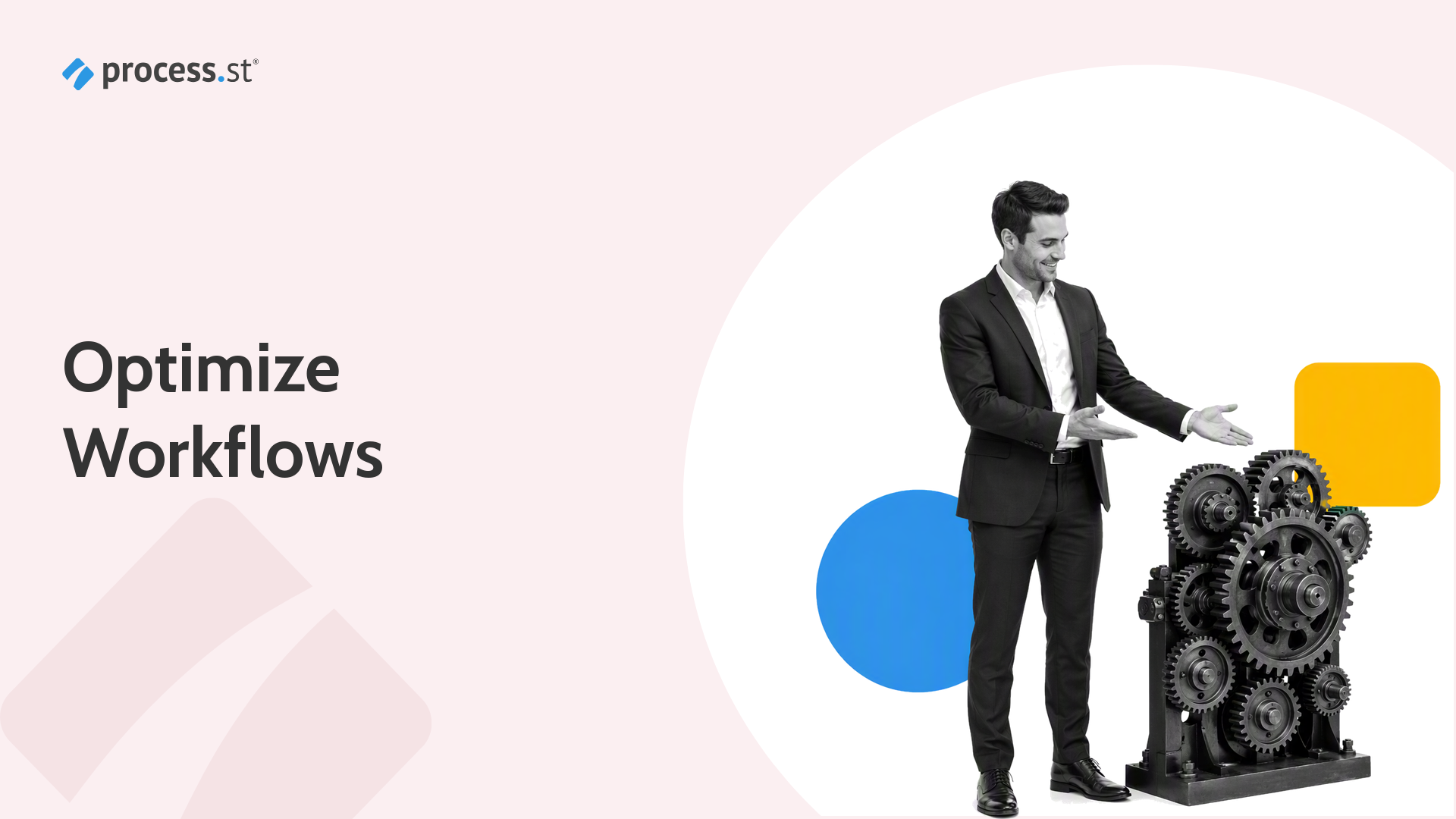
Operations leader reconfiguring a physical process model to remove a workflow bottleneck

Business process optimization is the disciplined practice of measuring how work moves today, finding the constraint that matters most, testing a better method, and controlling the result so the improvement lasts.

This guide shows you how to diagnose a process, work through a real optimization example, apply a DMAIC-based method, and use free templates. It also explains how Process Street connects controlled documentation, repeatable workflows, approvals, evidence, and built-in AI in one Compliance Operations Platform.

Continue Reading

A Step-by-Step Guide to Creating an Effective Swim Lane Diagram

Black-and-white process analyst balancing beside a physical swim-lane handoff structure

Burkhard Berger, founder of Novum, contributed this guide based on lessons from building and scaling digital businesses. A swim lane diagram is a process map that divides work into parallel lanes, with each lane assigned to the person, team, department, or system responsible for that step.

That structure makes cross-functional ownership and handoffs visible at a glance. This step-by-step process mapping guide explains where swim lanes came from, when they help, where they fall short, and how to create an effective swim lane diagram in desktop Microsoft Word.

Continue Reading

Bullet Journal Ideas to Create Routines for Work and Life

Professional presenting a bullet journal rapid-logging board with task, completion, migration, and event symbols

A bullet journal gives you one place to capture tasks, events, and notes, then review what actually happened. For work, that means you can see recurring activities, missed commitments, and useful routines instead of relying on memory.

The strongest bullet journal ideas do more than organize a page. They help you create routines by identifying repeatable work, testing a better way to do it, and moving mature patterns into a documented workflow when the details outgrow paper.

Continue Reading

Beat Bottlenecks, Remove Redundancies & Cut Costs with Process Analysis

Operations analyst opening a flow-control valve to clear a bottleneck, illustrating process analysis to remove redundancies and cut costs

Want to lose weight? Shape up? Get fitter? Gain muscle?

If you do, I have one thing to say to you:

Continue Reading

Business Process Reengineering: What to Do If Your Business Is Failing

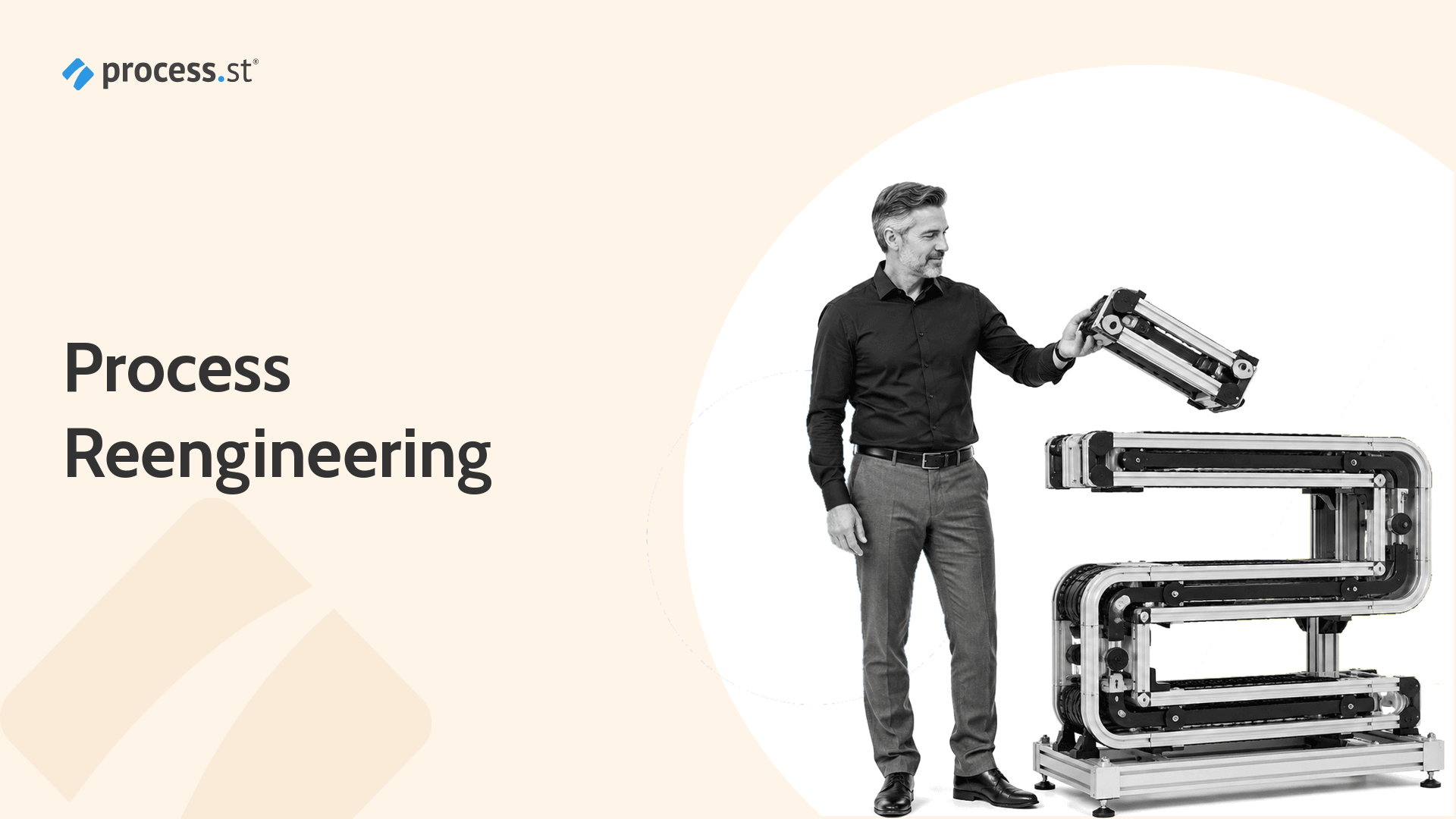
Operations leader reengineering a failing business process with a modular flow machine

Business process reengineering (BPR) is the radical redesign of an end-to-end process when incremental fixes are no longer enough. It starts with the outcome the business needs, then rebuilds the work, roles, rules, and technology required to deliver it.

This guide explains what business process reengineering is, when to use it, the six-step BPR methodology, and what Google, Taco Bell, and Ford teach us about redesigning broken work. It also shows how governed documentation, workflows, and built-in AI can keep the new process from drifting after launch.

Continue Reading

A Simple Guide to Process Modeling & Optimization with UML Diagrams

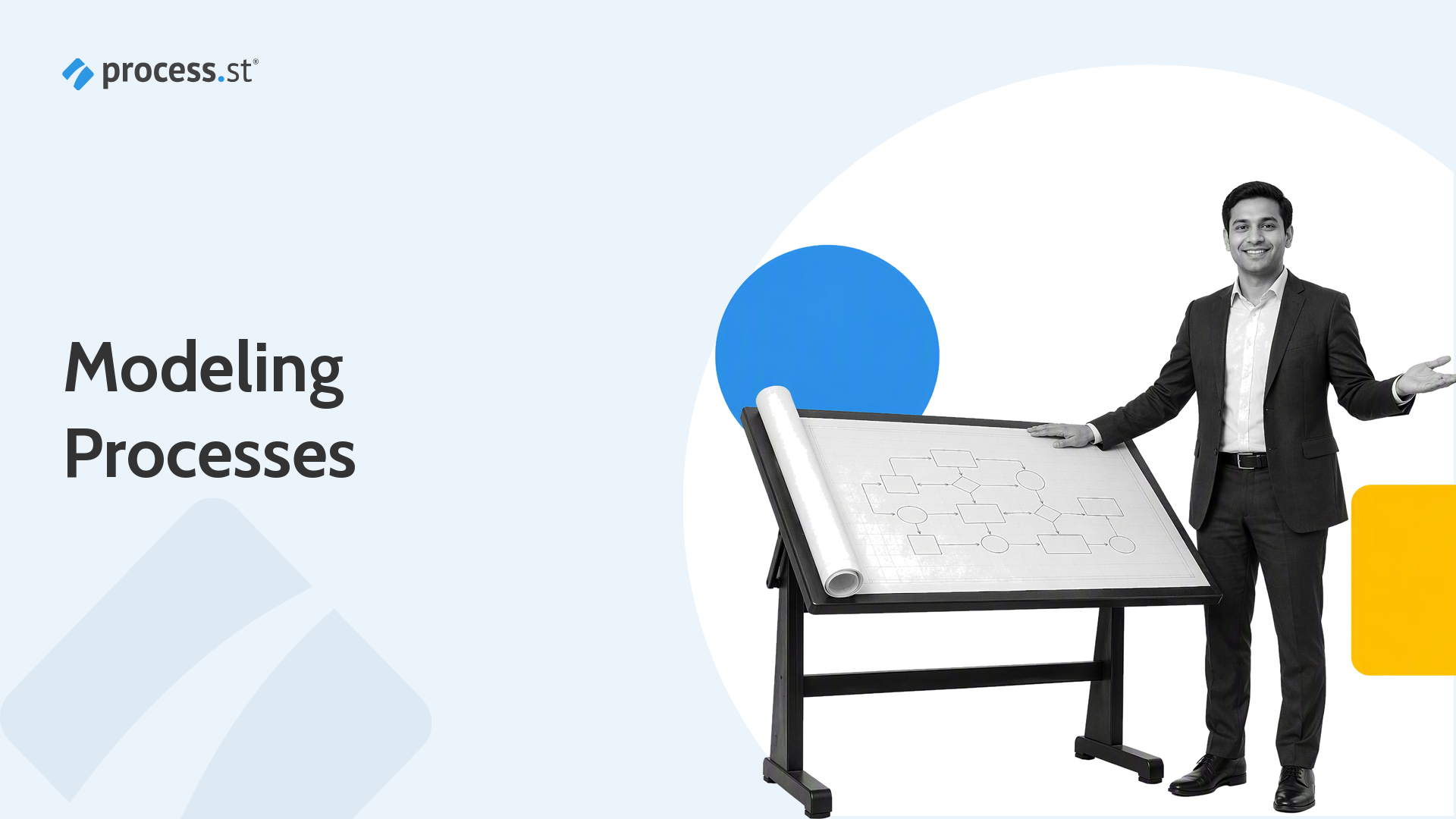
Systems architect using a physical UML class diagram model

Unified Modeling Language (UML) is a visual language for describing how a system is structured and how it behaves. A UML diagram can map software classes and components, show how people interact with a system, or trace how actions and decisions move through a business process. It also provides a consistent modeling optimization method for comparing the current system with a proposed change.

For process modeling, the most useful member of the UML family is usually the activity diagram. It gives teams a shared view of actions, responsibility, branching logic, and handoffs, making it easier to turn a process idea into work that can be tested and improved.

Continue Reading

An Expert’s System to Manage Facebook Ad Campaigns

Performance marketer presenting an organized Facebook ad campaign testing case

In this 2016 episode of Business Systems Explored, Armando Biondi, then CEO of AdEspresso, explains the expert system he used to manage Facebook ad campaigns through disciplined testing.

If you have ever run a quick Facebook campaign to test the waters, you know what a shot in the dark it can be. A first tentative campaign can produce a painfully high cost per click and very little else.

Continue Reading

Audit Process: 5 Expert Steps for You to Get Your Audit Right

Black-and-white photo of an internal auditor pressing an official approval stamp to certify a completed audit process.

$22 trillion was the cost of the 2008 financial crisis to the U.S. economy. Roughly 200,000 small businesses vanished into the recession, taking around 3 million jobs with them. The Financial Crisis Inquiry Commission later concluded that much of that devastation traced back to audit process failures.

Follow a sound audit process and you catch problems early. Skip it and the fallout scales from a single business right up to the national economy. This guide breaks down what an audit process is, why it matters, the five steps professional auditors follow, and how to run the whole thing inside Process Street.

Continue Reading

Brand Audit: How to Help Win Over 91% of Your Target Audience

Brand strategist auditing brand perception with an oversized magnifying glass

Branding is a fickle thing.

Even the most consistent brand images can be shaken by a few high profile missteps, but used correctly, branding is a powerful tool for making your product or services instantly recognizable and attractive to your target audience.

Continue Reading

Are You Poka-Yoke Woke? Stop Mistakes With This Error Prevention Method (10 Examples)

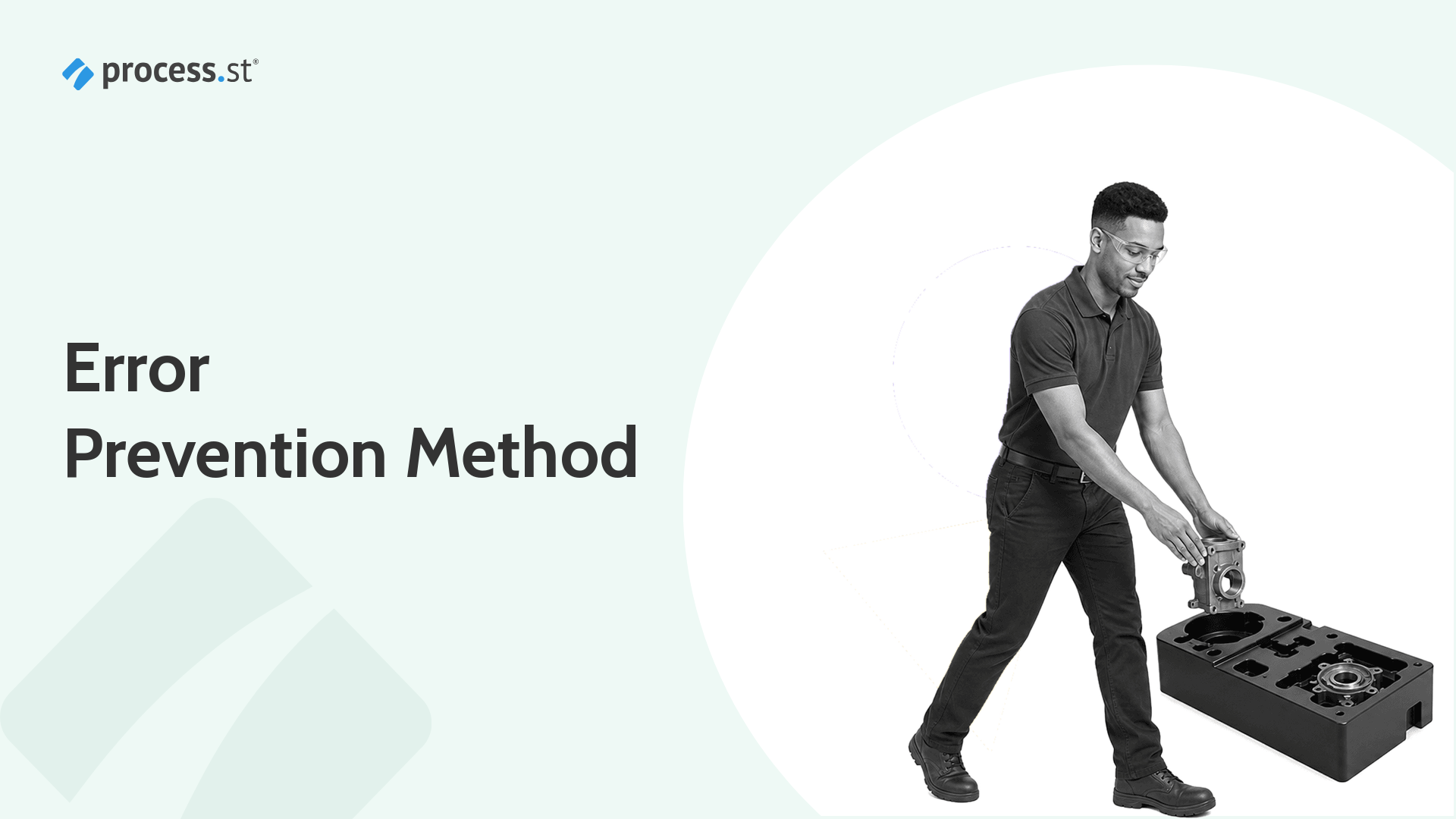
Quality engineer using a keyed parts tray to prevent assembly mistakes

What is better than fixing something when it breaks? Stopping it from breaking in the first place. Are you poka-yoke woke? Stop mistakes with this error prevention method by adding a simple safeguard to a process so a mistake becomes impossible, obvious, or unable to move forward. A poka-yoke woke stop is a deliberate point where the process catches the error.

Born from the Toyota Production System, poka yoke turns quality from a final inspection into part of the work itself. The approach applies far beyond manufacturing. Any team can use mistake-proofing to design safer workflows, catch omissions, and prevent defects before they reach a customer.

Continue Reading

Take control of your workflows today