A content creator researches, makes, publishes, and improves material for a specific audience. That material may be a video, article, podcast, livestream, webinar, design, email, or social post. The job is not simply to produce more. It is to turn a clear audience need into captivating upvote-worthy work that earns attention and trust.
This guide explains what content means, what creators do, why different media require different skills, and what strong podcasts, blog posts, streams, and webinars have in common. It also shows how to build a repeatable content creation workflow that protects sources, quality, ownership, approvals, distribution, and learning without flattening the creator’s point of view.
Content – which is synonymous with digital content, online content, web content, or digital media – is media that you come across on the internet. It could be a blog post, a video pop-up, a video game, an interactive website, music, social media – the list is endless (and not to mention broad).
Simply put, pretty much everything you look at while online is content.
This very blog post by us at Process Street is content.
A product demonstration, a research report, a podcast, a livestream, and this article are all content because each packages information or entertainment for an audience.
A workflow, policy, form, approval record, and audit trail can also be content when each one gives the right person information needed to act.
Now, content is something of a holy grail for marketing teams, solopreneurs, and makers alike.
For example, it:
Engages audiences with entertainment and/or information.
No matter if you’re a content marketer at a SaaS company or a Twitch streamer, you can hook an audience in line-and-sinker with gripping content (especially if you’re making use of digital storytelling).
Establishes a relationship with your audience.
Once an audience has been found, you can establish, foster, and develop a relationship with your audience through content. Trust and loyalty can grow when the work is accurate, useful, consistent, and recognizably made for the audience.
Builds personal/brand credibility and authority.
I recently took to Google for plant advice. Specifically, my monstera wasn’t looking too spritely due to the change in season. I scoured Reddit, specific-plant forums, and professional blogs to find authoritative advice I could follow to bring my monstera back from limbo. It took mere minutes to find exactly what I needed (Miracle-Gro is a wondrous thing), and I now use two particular sites for all my green-thumbed needs. So, if you’re publishing solid content on the world wide web, you’re promoting your brand as credible and authoritative, which helps visitors turn into more permanent fixtures.
Helps convert traffic into leads. ➡️
Once you build traffic, that audience can be converted into customers, users, donators, and subscribers. That can lead to subscriptions, qualified demand, sales conversations, community participation, or another outcome the creator has defined.
Provides value.
Let’s say that somebody stumbles upon your content, but they don’t stick around to become a part of your audience – there’s still value in getting content out there! After all, it provides useful information or entertainment, helps business branding, increases brand awareness, and furthers your business’ internet clout.
Content earns trust when it answers a real question clearly, provides distinctive evidence, and helps the audience make progress. That brings us to the person responsible for doing the work.
But what is a content creator? Who is a content creator? How is the term defined?
It’s time to find out.
The content creator role
A content creator is someone who researches, makes, publishes, and improves material for a specific audience. The medium may be writing, video, audio, design, live streaming, education, or a combination of formats. Independent creators own the whole cycle, while in-house creators often share it with strategists, editors, designers, subject-matter experts, and approvers.
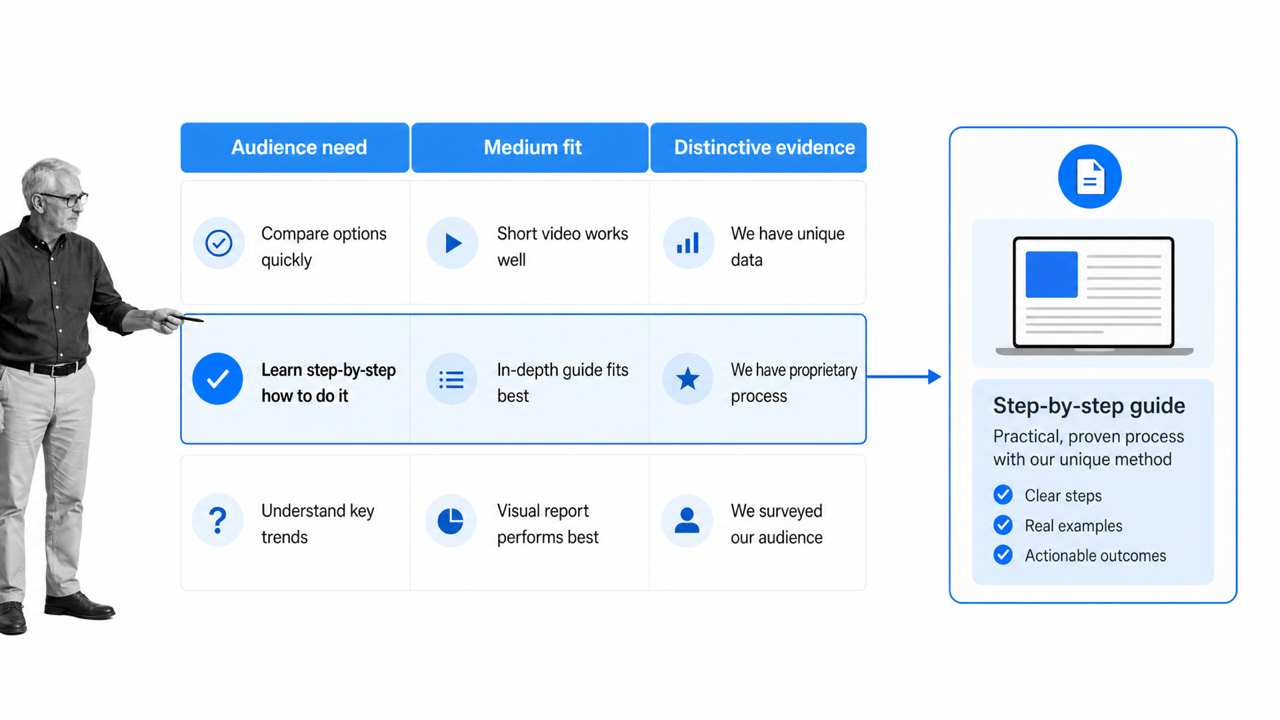
The role begins with judgment. A creator has to decide which audience problem deserves attention, which sources are trustworthy, which medium makes the idea easiest to understand, and which promise can be delivered honestly. Production skills matter, but they serve those decisions. A polished video with no useful point is still weak content, while a simple explanation backed by distinctive experience can be enormously valuable.
Creators also manage constraints that audiences rarely see. They secure permission for assets, record sources, coordinate contributors, meet accessibility standards, respond to feedback, and keep claims current. In a regulated or high-trust environment, those responsibilities include evidence, review, approval, and a record of who changed what. This is why content creation is both a craft and an operating process.
Performance closes the loop. Reach shows whether distribution worked, but it does not prove the content helped. A creator should pair attention metrics with signals such as completion, saves, qualified replies, conversions, support impact, or whether readers can complete the task the material promised to teach. The right measure depends on the job the content was made to do.
Anthony D’Angelo, who is a content creator and something of a digital content historian and sociologist (he was even dubbed “YouTube’s unofficial historian” by Chris Stokel-Walker), also discusses the content creator definition in this insightful, thought-provoking video:
With Sutton’s and D’Angelo’s similar definitions in mind, I, myself, am classified as a content creator.
Why?
Because I’ve spent a significant amount of time thinking of content ideas, researching, penning the content down, editing the piece, developing it so it’s informative, interesting, and unlike anything else on the web, and then publishing it.
Now, you might not be so focused on written content; perhaps your medium is video, animation, sound, or design. But that doesn’t detract away from the fact that you, too, could be a content creator.
Don’t believe me?
In the next section, I’ll explain – and show – the different kinds, types, and variations of content creators, and the mediums they’re working with to create captivating material!
Content creators and their work
How YouTube content creators work
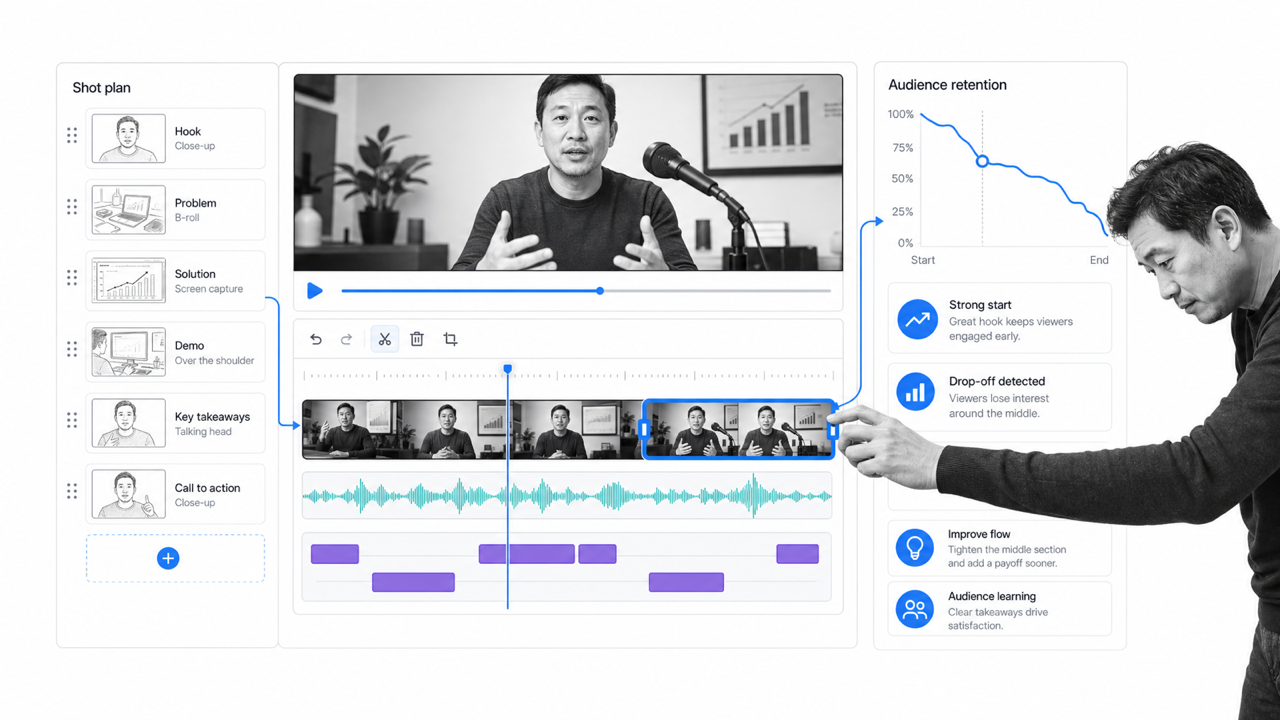
YouTube makes content creation look immediate, but useful video usually begins before the camera turns on. A creator studies the audience, chooses one clear promise, plans the hook and visual proof, records deliberately, edits for pace and comprehension, then reviews retention and comments to learn what should change next.
The platform’s history still gives us a valuable lesson. In 2005, co-founder Jawed Karim uploaded Me at the zoo. It was simple, direct, and recognizably human. The production bar has risen dramatically, but viewers still respond to a person communicating a clear idea without unnecessary distance.
Accessibility is part of the format’s power. A screen demonstration can show a process that would take pages to explain. An interview can preserve tone and expression. A short can test one idea quickly, while a longer tutorial can earn attention through depth. The medium works when the format matches the audience’s question.
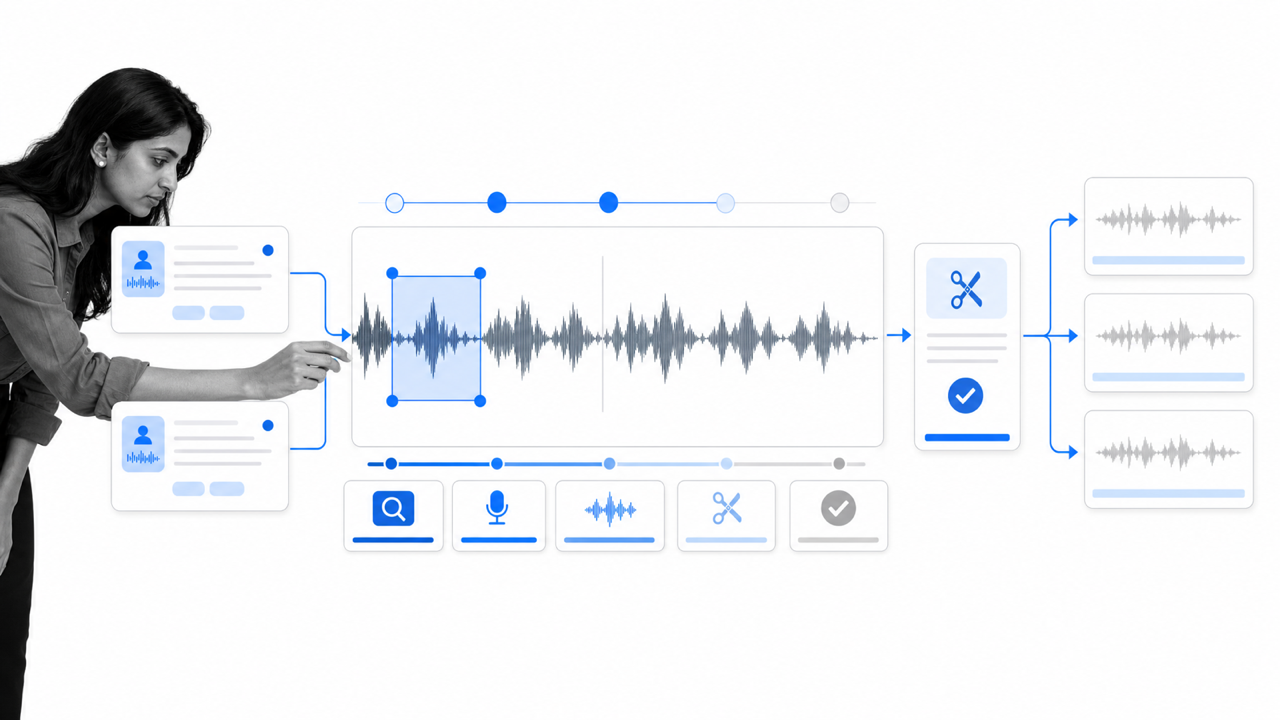
A strong video creator therefore needs more than camera confidence. Research, storytelling, shot planning, sound, editing, platform literacy, packaging, source verification, and analytics all matter. AI can help create transcripts, suggest cuts, organize footage, and generate variants, but the creator remains responsible for accuracy, permission, judgment, and the final human point of view.
Whether the subject is makeup, software, education, or entertainment, sustained usefulness beats a single viral spike. Publish on a repeatable cadence, learn from the audience, and keep the promise of each video honest.
How social media content creators work
Follow. Like. Upvote. Share. Comment.
Social media has changed how people discover, discuss, and redistribute creative work. The important question is not which platform is biggest this month. It is where a specific audience already pays attention and which format makes the evidence easiest to understand.
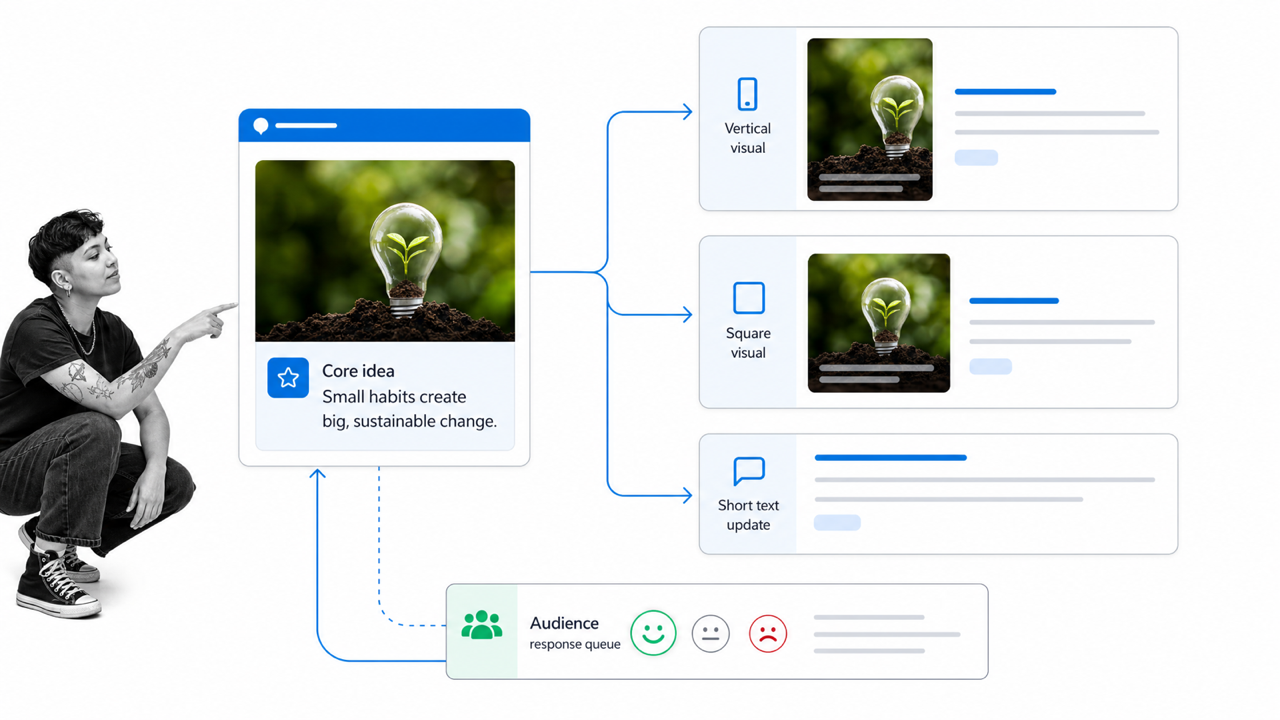
Social media creators adapt ideas to the habits of each audience. Some teach, some entertain, some document a craft, and some build a business around a trusted point of view. The work is strongest when the format follows the evidence instead of copying whatever happens to be trending.
Considering each social media platform is different, you’ll usually find differing kinds of content creators on each.
For instance, Instagram is particularly popular for content creators in the fields of beauty and health, diet, wellness, fitness, and clothing. This is mainly because they can visually show the benefits of their products and/or services.
For instance, I’ve got a personal trainer called Mark (hi Mark! ) who works at the gym I’m a member of. Mark’s Instagram feed is chock-full of results pictures, showcasing how he’s transformed the bodies of his clients after improving their diets, workout regimes, and overall healthcare.
A text-led network would not show the result as clearly; it is the visual content that captures the attention of potential leads. That’s why for P.T. Mark – and thousands of others in the fitness sector – Instagram is the go-to app.
Writers, analysts, and B2B creators may prefer a text-led format such as LinkedIn, newsletters, or an owned blog. The durable principle is audience and medium fit, not loyalty to one platform.
Speaking of which…
How written content creators work
In my article How to Gain Customers and Influence People with Digital Storytelling, I discussed the benefits of great, written digital content at length.
You see, there’s a deep-rooted need for the written word. From the fairy tales of olde to the modern-day digital blog post, the written word informs, challenges, excites, and encourages.
Current writing tools can accelerate research, transcription, outlining, drafting, collaboration, and repurposing. They do not remove the need to verify sources, understand the reader, build a coherent argument, and edit until every sentence earns its place.
But what exactly does a written content creator, well, create?
Ultimately, it depends on the sector the writer is working in. A content creator/writer for a SaaS company – like me – could find themselves writing any number of things, including (but not limited to):
Landing pages
Onsite blog posts
Offsite blog posts
Product descriptions/copy
Help site articles
Subscriber emails
Newsletters
Social media posts
Each kind of written content here has a varying purpose, but what ties them all together is that they’re there to inform readers; about the product or service, why it’s useful, ways to use that product/service, and updates on any features that are added to the product/service in question.
However, content writing for a video game will have a wildly different set of duties, such as:
Establishing and building the story
Creating the narrative arc
Writing quest or mission text
Establishing dialogue between characters
Penning the dialogue that’s directed to the player, not the player character
Writing the game’s website copy
Most of these duties are carried out so the game contains an engaging narrative, ensuring gamers will keep playing the game over and over.
This is something that game developer Valve exceeded at with their Half-Life series. Ever since the original Half-Life in 1998, which my colleague Oliver Peterson discusses in his post Secrets of the Cabal: Half-Life’s Organizational Management & Other Agile Tales, people return to the decades-old game due to the game’s thrilling content, with the written content playing an undeniably important part of its overall success!
As you can see from these two examples, what a written content creator will work on differs on a case-by-case and sector-by-sector basis.
However, it’s a staple for solopreneurs and multi-national businesses alike to properly acknowledge, invest, and believe in written content.
Because it works.
(You’ve read this far, after all.)
Examples from the best content creators
In the last section, I covered the hows and whys of content creators – the mediums they use to create, the platforms they use to host their creations, why they use those specific platforms.
But now we’ll be looking at some of the best content that’s been created by various content creators.
Let it be known: Compiling this list was no easy task. Plus, it’s highly subjective.
What I think are glorious examples of content could highly differ from yours. But that’s the (great) thing about content – there’s a lot of it, and each piece works for different people!
From podcasts to blog posts, streams to webinars, here’s the best content on the web from 4 different mediums.
Examples of the web’s best content: Podcasts
Imagine a world without podcasts.
What would we do while at the gym? On the bus? Waiting at the airport?
It’s almost unthinkable!
Podcasts persist because they are portable, intimate, and well suited to sustained conversations. A listener can follow a detailed argument while commuting, training, cooking, or walking. An episodic format also gives a creator a reason to return with new evidence and a fresh guest.
A favorite business podcast – and a shining example of continually great podcast content – is the SaaStr podcast.
One of the (many) reasons why SaaStr is at the top of their game is due to the varied, interesting, and intelligent guests they bring on the show.
This keeps things fresh and exciting – a quality that all great content possesses. From HubSpot to Chargebee, Glassdoor to Airtable, tech-loving listeners are treated weekly to thoughts, opinions, and advice from some of the world’s best brains.
Have I piqued your interest? Fancy giving it a listen yourself?
I don’t blame you.
Check out the official page for their podcast here. Or, give it a whirl via Soundcloud by following this link.
Examples of the web’s best content: Blog posts
Blog posts are the culmination of various content; from written content to interesting infographics, great graphic design to innovative web design.
It’s one of the many reasons why pretty much every business (or business-minded individual) has a blog.
One company that built a recognizable editorial voice around workplace experience is Workleap Officevibe.
They effortlessly meld the aforementioned elements (written content, infographics, graphic design, etc) to create engaging, informative posts that are a joy to both look at and read.
In fact, whenever I get a notification that they’ve published a new post, I’ll wait until I’ve finished work so I can sit down and enjoy it!
For example, check out their post Performance review tips for more effective reviews.
The topic is still a useful test of blog quality because it combines a real workplace problem, an opinion readers can evaluate, and practical guidance a manager can use.
This is something, I too, have written about in my post How to Provide a Successful Performance Appraisal (With 5 Free Templates) because annual reviews just aren’t working for modern businesses.
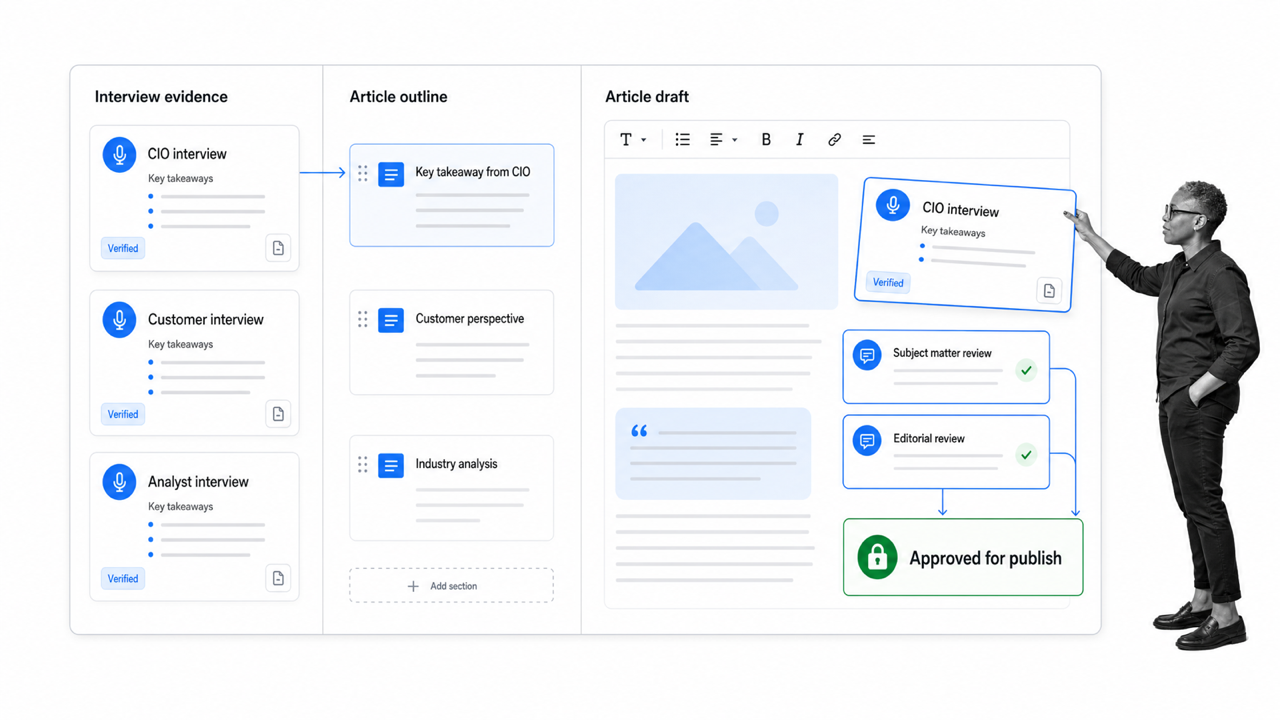
The strongest version of this kind of article brings in practitioner evidence, explains why the old habit fails, and shows the reader what to do instead.
It’s an eye-opening read I’d advise everyone to read through – not only to learn about why annual appraisals are no longer cutting the mustard, but also to understand what makes a solid blog post.
If you’re also interested in performing regular reviews for your organization, we have a performance review template for that – 4, even!
Examples of the web’s best content: Streams
As mentioned earlier, content can be incredibly varied. Sometimes it’s business-focused. At other times, it’s more entertainment-focused.
Then, once in a while, it’s just plain wild.
Earlier I mentioned a platform called Twitch. If you don’t know what it is, or have never even heard of it before, it’s an incredibly popular streaming platform for gamers.
Usually, subscribers tune in to watch their favorite streamers play a wide variety of games. The streamers in question will interact with their audience via chat, and entertain their viewers.
Well, this is what usually happens.
In 2014, an anonymous Australian programmer wrote a variation of the classic 90s game Pokémon. The premise behind their version was that the Twitch audience would have direct input, deciding what the character would do through what they typed in the chat bar.
The experiment ultimately involved 1,165,140 participants. Thousands of people issued competing commands through chat, all trying to steer one shared character through the same game.
Suffice to say, (slow) chaos ensued.
Considering the programmer of this content was anonymous, who was the content creator here? Was it the programmer? Or was it the enormous audience whose direct, democratic input produced the event?
It raises a lot of thought-provoking questions. Plus, it’s a good little philosophical lesson on what happens when there’s no leadership!
It has since become a mythical piece of streamed (and recorded) content – and it even achieved a Guinness World Record for most participants playing a single-player video game!
Examples of the web’s best content: Webinars
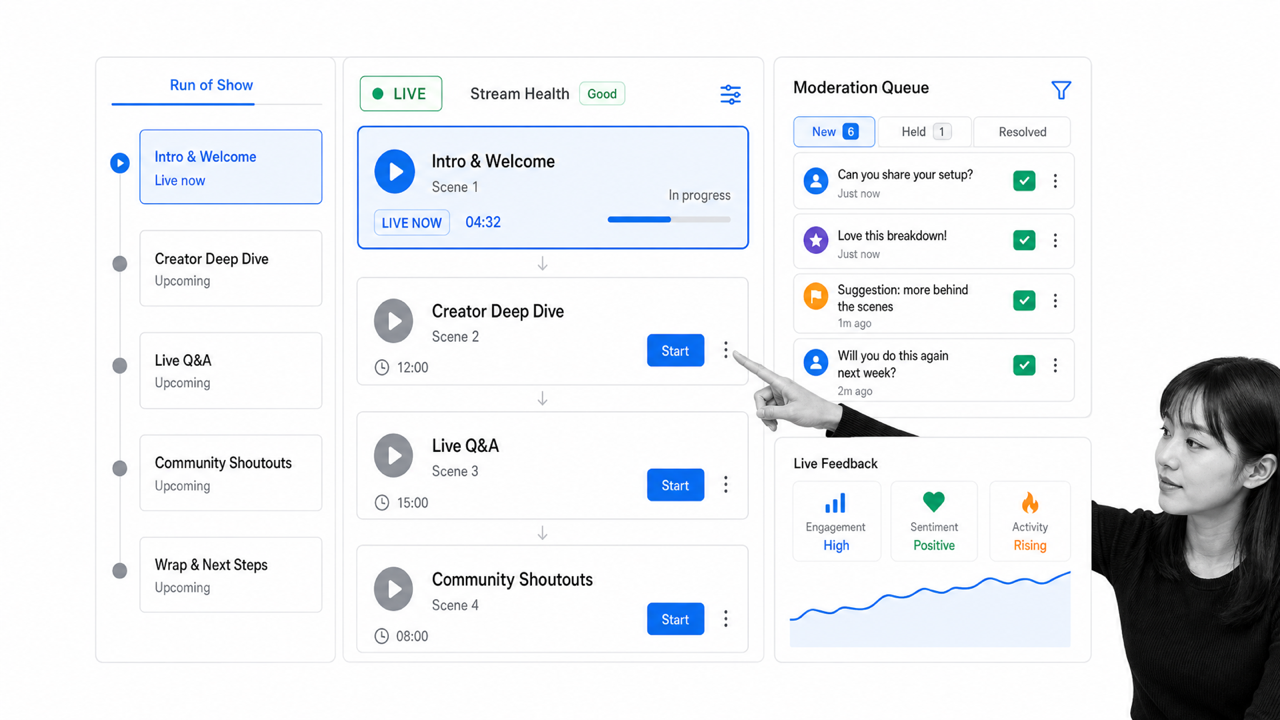
A webinar combines prepared teaching with live audience participation. That combination makes it different from a recorded tutorial. The presenter has a clear promise and run of show, but the audience can challenge assumptions, ask for examples, and reveal which parts need a better explanation.
The production work starts with the registration page and audience question, not the slide deck. Define who the session is for, what they should be able to do afterward, what evidence will make the lesson credible, and where interaction belongs. Rehearse the transitions, demonstration, timing, handoffs, and failure recovery before going live.
Tools such as Zoom make screen sharing and questions accessible, but the software is not the content strategy. A strong presenter welcomes beginners without boring experienced viewers, uses examples at several levels of depth, and protects enough time for real Q&A.
The questions are also source material. After the session, turn the recording into focused clips, answer unresolved questions in follow-up posts, update help material, and feed repeated objections into the next brief. One webinar can become a useful content system when the creator treats registration, rehearsal, delivery, Q&A, and repurposing as one workflow.
Process Street for content creators
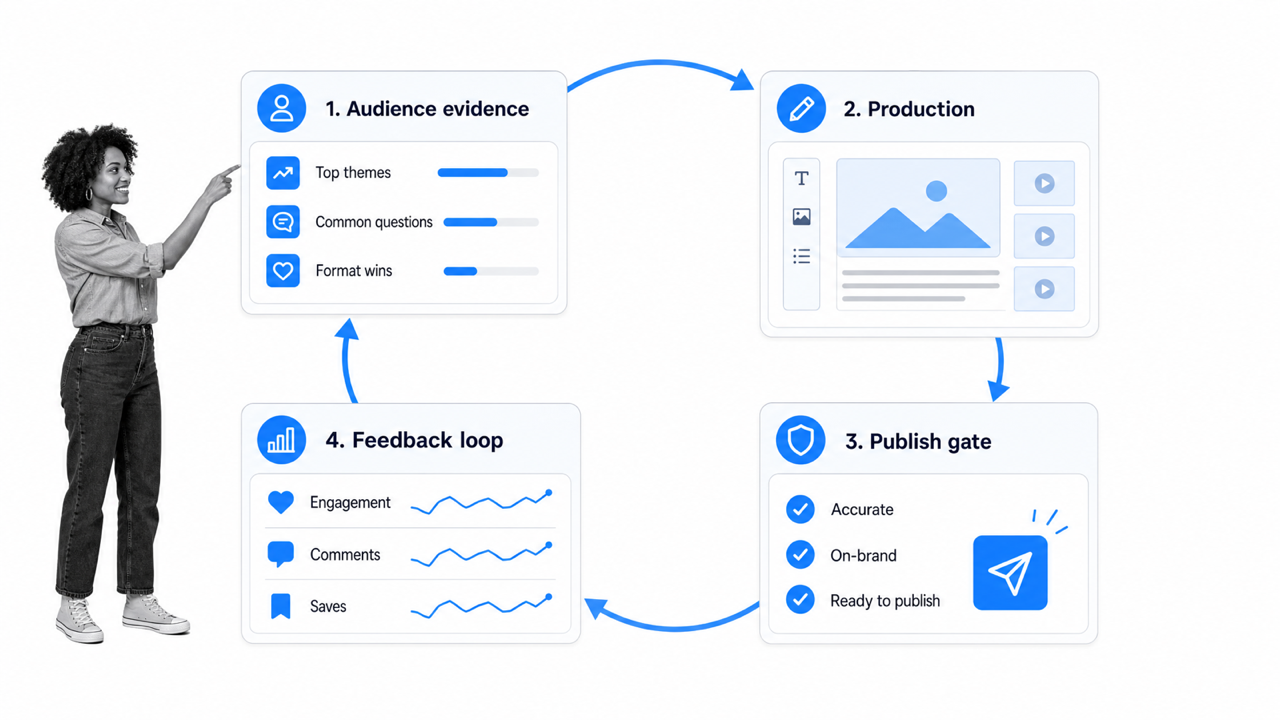
Becoming a better content creator is less about collecting tools and more about building a repeatable system for good judgment. The work starts with an audience question and ends only after publication data and reader feedback change what you do next.
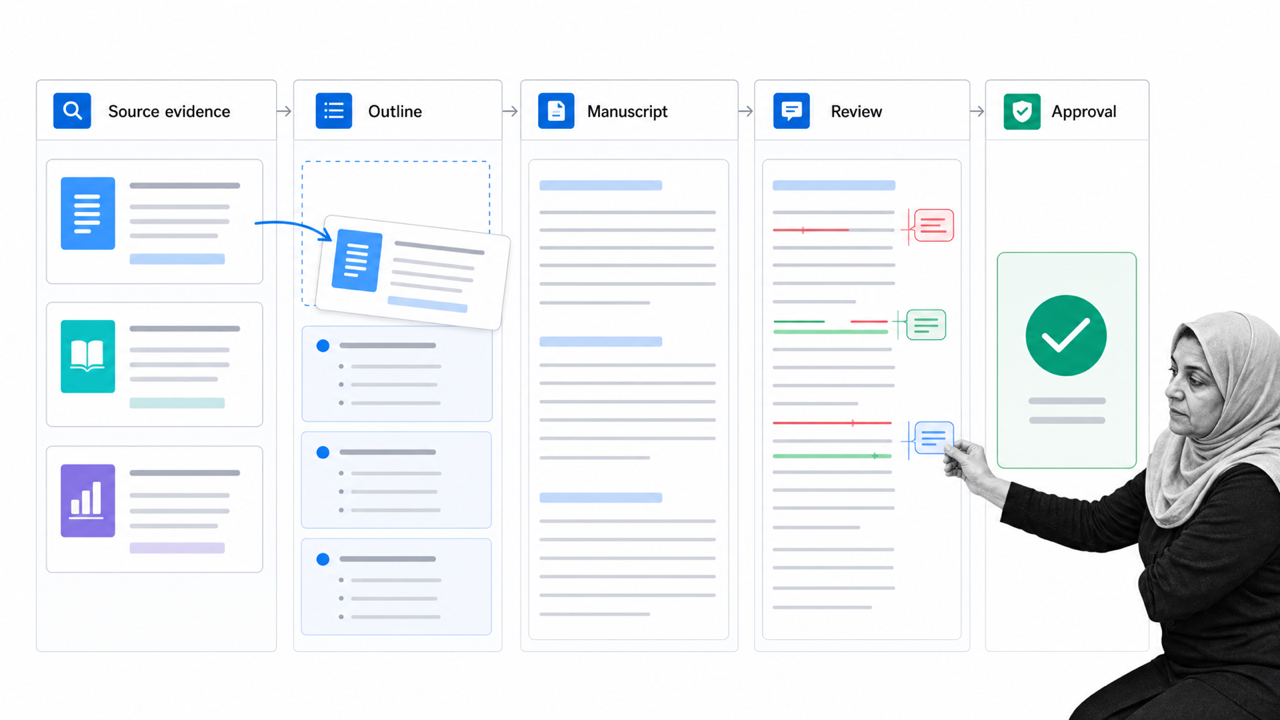
Process Street is a single Compliance Operations Platform with Docs and Ops capability areas plus built-in AI. A content team can keep editorial standards, briefs, source requirements, brand rules, and approval policy in governed documentation, then run the creation process with owners, due dates, conditional paths, approvals, evidence, and an audit trail.
Intake: Capture the audience question, source, channel, business purpose, and requested outcome.
Brief: Define the promise, angle, evidence, format, owner, deadline, and approval requirements.
Create: Research and produce the draft, recording, design, or live-session plan with sources attached.
Review: Separate subject-matter, editorial, brand, legal, and final approval when the risk requires it.
Publish and distribute: Confirm metadata, accessibility, channel adaptation, and the promotion plan.
Learn: Record performance, audience response, sales or support feedback, and the next improvement.
Built-in AI can help summarize research, turn a recording into a first workflow, suggest repurposing options, compare a draft with the brief, and route work. Human reviewers remain accountable for sources, rights, claims, voice, and the decision to publish.
Process Street also connects content work to the rest of the stack through direct, universal integrations to 5,000+ systems. Need a new one? An AI agent builds it on the fly. That lets the workflow update records, request approval, notify contributors, and retain evidence without making a creator manually copy the same status between tools.
The best content system protects creativity from preventable chaos. It gives creators room to experiment while making sources, ownership, review, approval, publication, and learning impossible to lose. It also preserves the reasoning behind important decisions, so a later editor can update the work without erasing its evidence or voice across channels and teams as audience needs continuously evolve. That is how captivating upvote-worthy material becomes repeatable without becoming generic.
Get our posts &
product updates earlier by simply subscribing
Optional cookies and similar technologies support analytics, advertising and visitor identification, and embedded content. Change or withdraw consent in Cookie settings. Cookie policy.