





Engaged customers do more than complete a transaction. They return, respond, share feedback, use the product more deeply, and recommend the brand when the experience earns their trust. That makes customer engagement a relationship to manage across the full customer journey, from the first meaningful interaction through support, loyalty, and advocacy.
In this guest post for Process Street, I’ll explain what customer engagement means, why it matters, and five practical customer engagement strategies you can use to strengthen that relationship. The aim is not to create more noise. It is to make each useful interaction timely, relevant, and easy to act on.
- What is customer engagement?
- Why customer engagement matters
- Five ways to increase customer engagement
- How Process Street supports customer engagement
What is customer engagement?
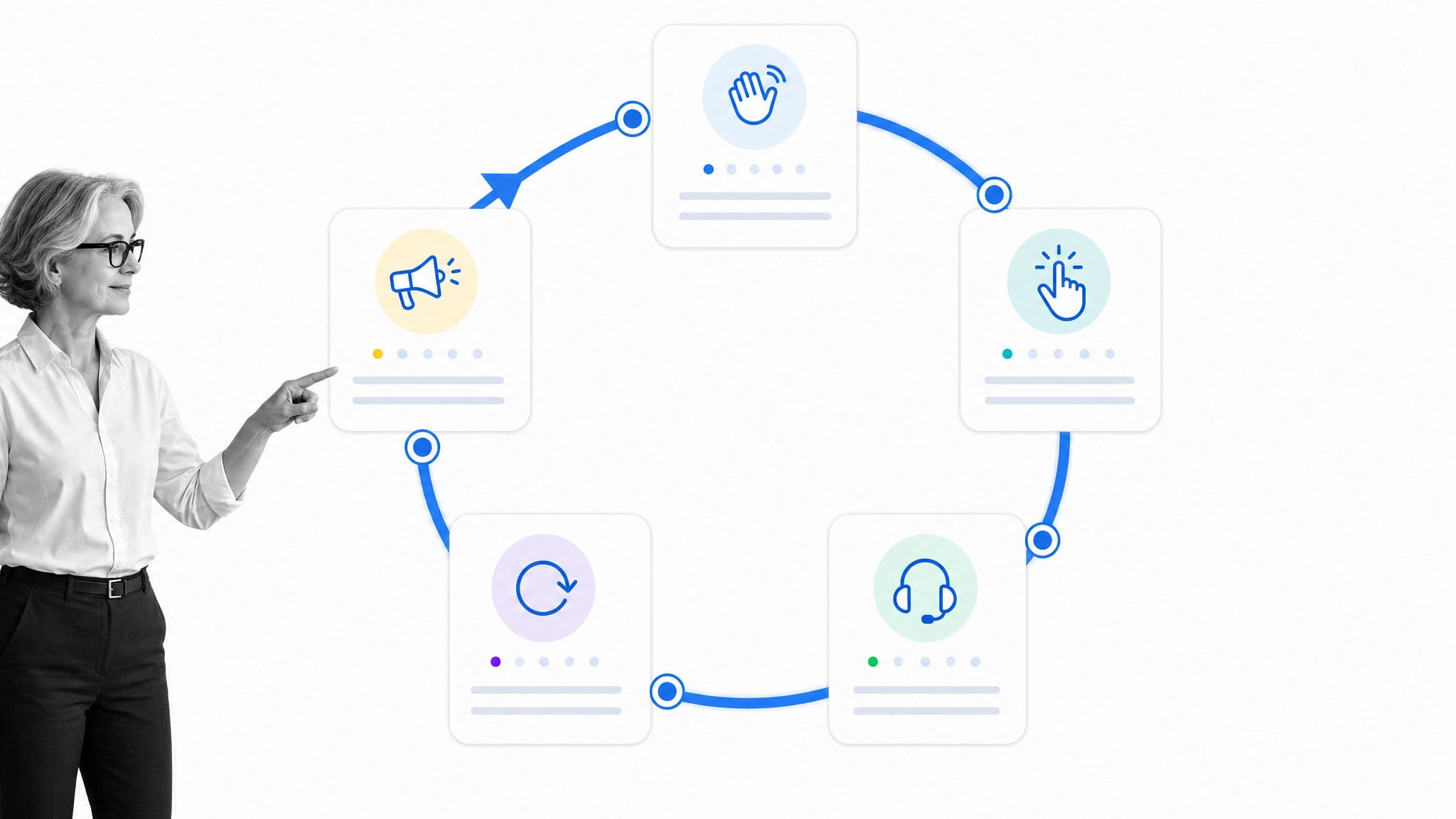
Customer engagement is the interactive and emotional relationship a customer develops with a brand through repeated experiences. It includes what customers do, such as opening a message, completing onboarding, asking for help, renewing, or recommending a product, and how those interactions make them feel. A strong customer engagement strategy connects both sides of that relationship.
Customer experience and customer engagement are related, but they are not identical. Customer experience is the customer’s perception of an interaction or journey. Engagement is the ongoing pattern of participation and connection that develops from those experiences. A useful experience can encourage engagement, while repeated poor experiences can weaken it.
Amazon’s Customer Obsession leadership principle describes starting with the customer and working backward. That idea has lasted because customer-centric companies do more than optimize individual transactions. They listen, remove friction, and improve the system that produces the experience.
For your business, that means defining the relationship you want to build and the actions that demonstrate it. A welcome message matters only if it helps the customer take the next step. A loyalty reward matters only if the benefit is useful. A support channel matters only if the issue reaches an owner and gets resolved.
Why customer engagement matters
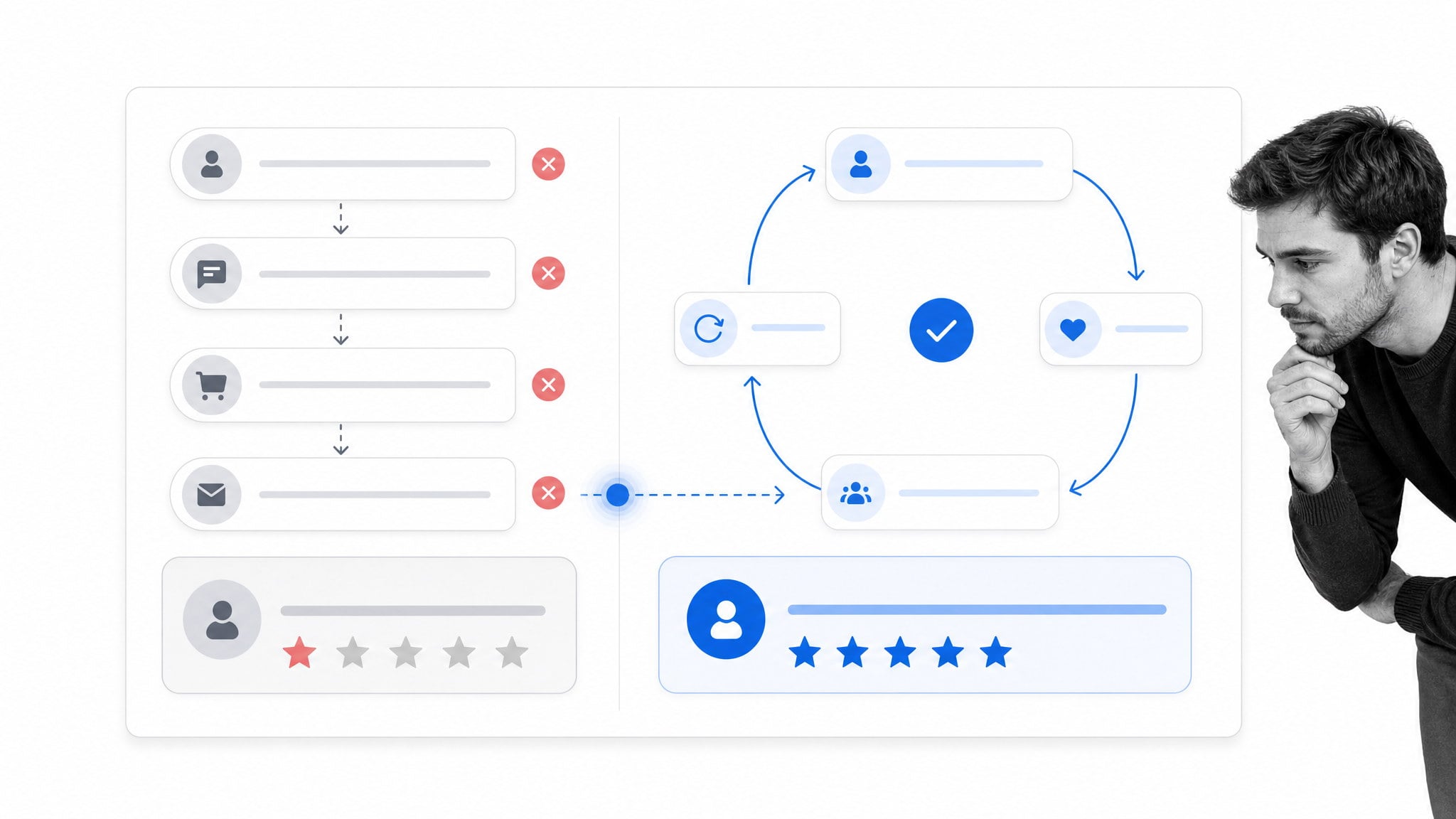
Customer engagement matters because it connects experience to behavior. Customers who trust a company are more likely to keep using the product, share useful feedback, consider another purchase, and recommend the brand. The result is not guaranteed by a single campaign. It comes from consistent interactions that prove the business understands the customer and follows through.
Current research also shows how quickly weak service can break that relationship. Salesforce’s State of the AI Connected Customer reports that poor customer service was a common reason consumers stopped buying from a brand. The same research shows a gap between customers feeling recognized and feeling that companies use their information for their benefit.
That gap is the real engagement challenge. Collecting behavior, preferences, and support history is not enough. A business has to use that context responsibly to make the next interaction more relevant. Otherwise, personalization feels intrusive and automation feels like interruption.
Engagement also creates a learning loop. Support conversations expose friction. Onboarding behavior shows where customers stall. Feedback reveals unmet needs. Loyalty and advocacy show which parts of the experience customers value enough to repeat. When those signals reach the teams responsible for the underlying marketing processes, product decisions, and service workflows, the business can improve the experience rather than merely measure it.
5 ways to increase customer engagement
The following techniques work across different stages of the customer lifecycle. Use them as a connected strategy, then measure whether they improve the customer’s next action, resolution, retention, or willingness to advocate.
Send triggered messages
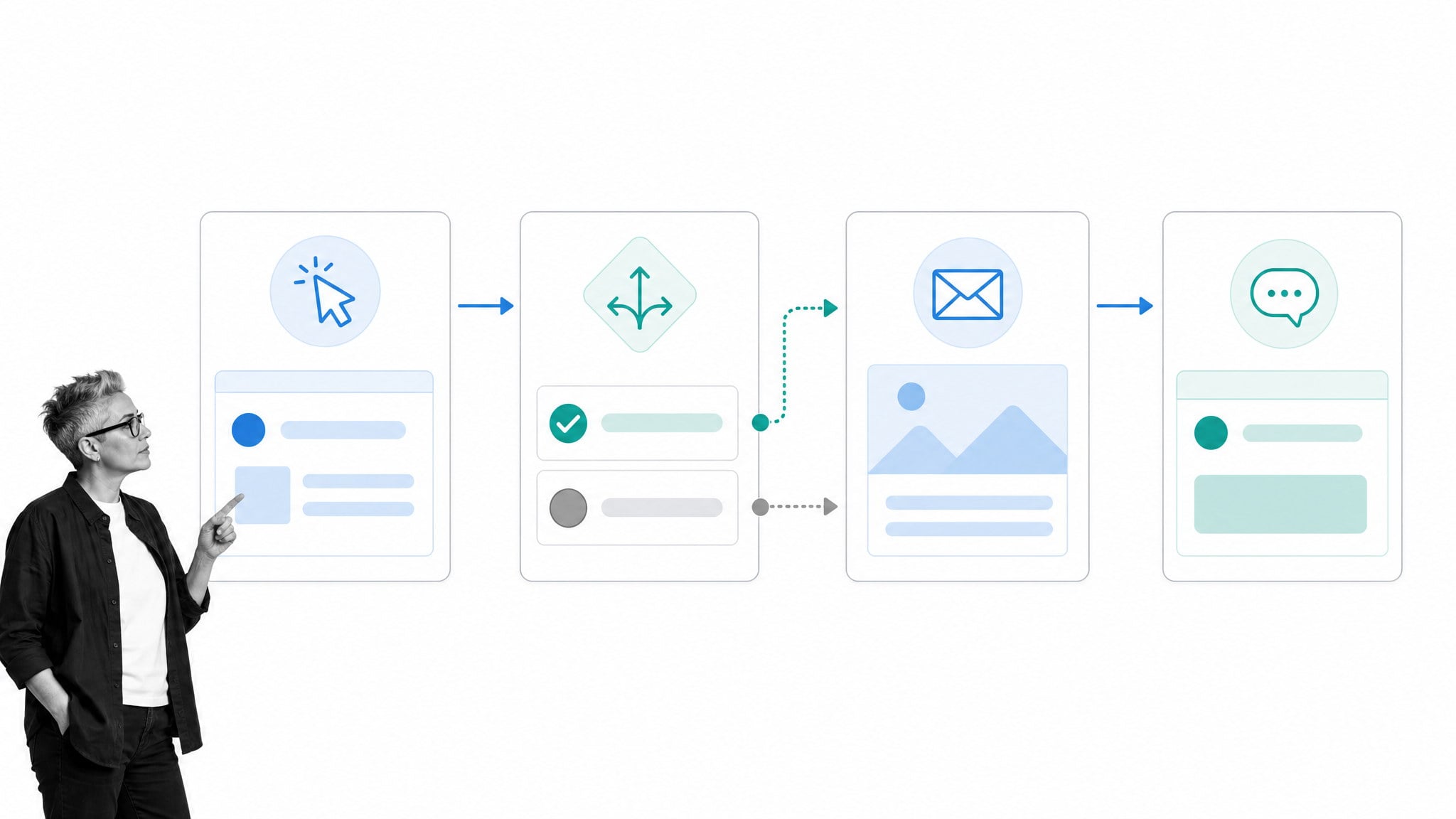
Triggered messages respond to a customer action or change in context. A purchase can trigger a receipt and delivery update. A completed download can trigger a short follow-up survey. An unfinished onboarding step can trigger useful guidance. A support resolution can trigger a check that the issue is actually closed.
The advantage is relevance. The message arrives because something happened, not because a campaign calendar says it is time to send another email. That principle applies across email, in-product messages, SMS, push notifications, and human follow-up.
Behavioral data should make communication more useful, not more invasive. Define the trigger, the customer benefit, the owner, the permitted channel, and the exit condition. Current Buffer notification controls, for example, cover milestones, publishing activity, queues, and collaboration events. The pattern is simple: use a real event to send a message that helps the customer understand or complete the next step.
Focus on customer support
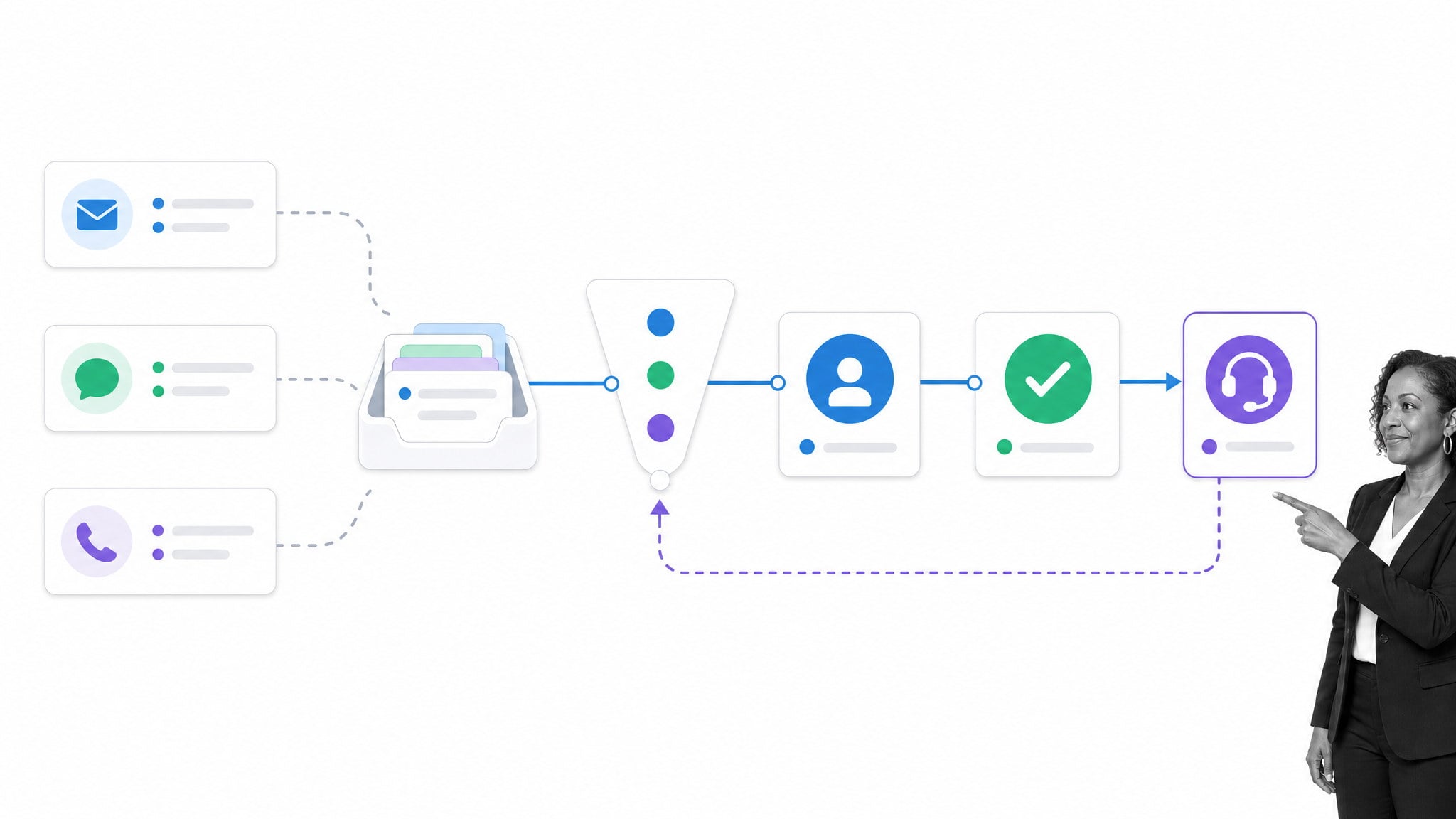
Support is one of the clearest tests of customer engagement because the customer is already investing effort in the relationship. Fast acknowledgement helps, but speed alone is not enough. The issue needs context, clear ownership, useful communication, and a resolution that the customer can understand.
Coordinate requests across email, chat, social channels, and in-product support so customers do not have to repeat the same story. A reliable customer service process should capture the issue, route it, escalate when needed, record the decision, and confirm the outcome.
AI can assist with triage, knowledge retrieval, summarization, and suggested responses. Customers should still know when they are interacting with AI, and the process needs a clear path to a person when judgment, empathy, risk, or an exception is involved. Customer service automation works best when it reduces repetitive work while preserving accountable human escalation.
Personalize customer interactions
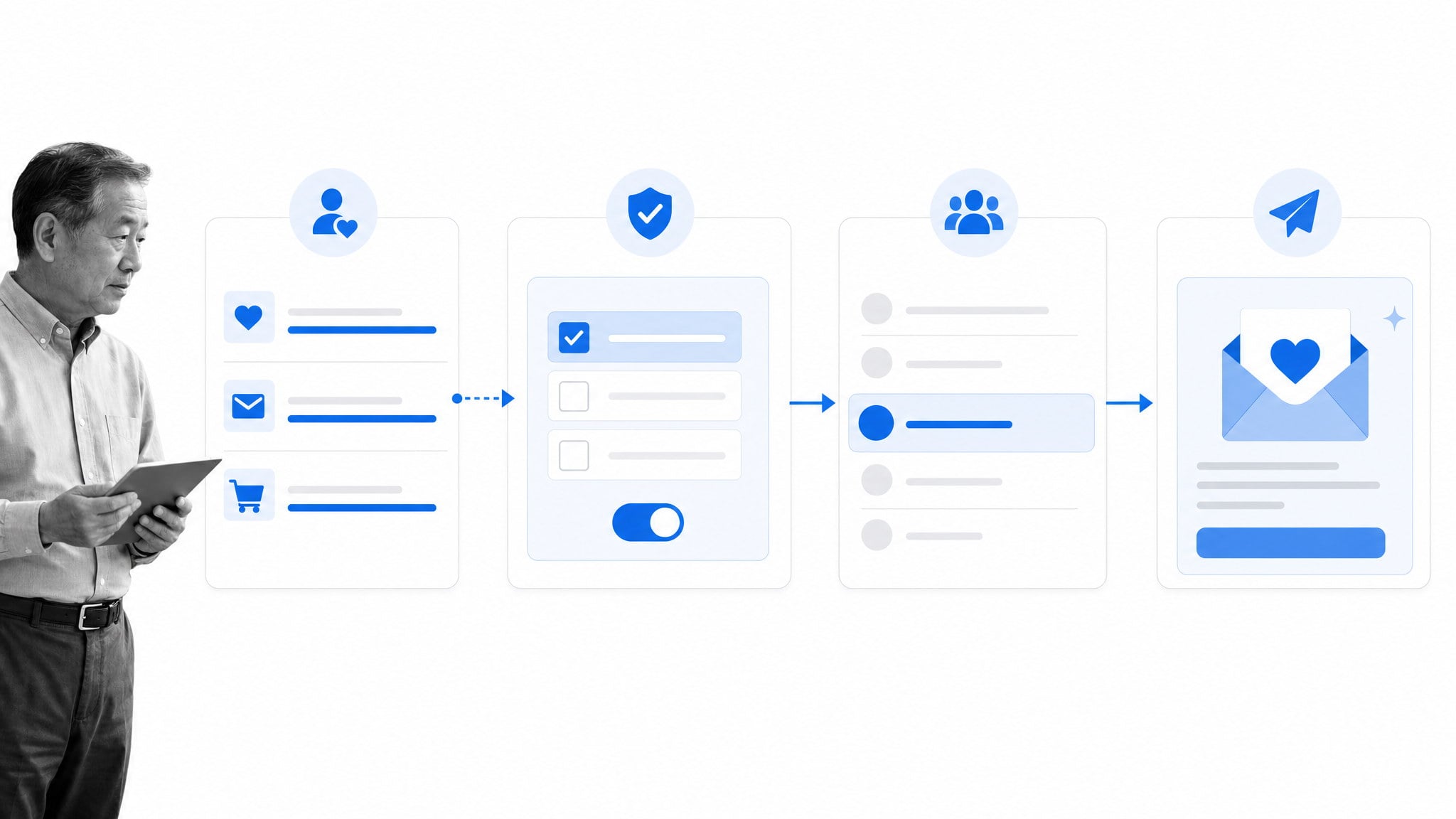
Personalization can be as simple as a birthday offer, a recommendation based on an expressed preference, or onboarding guidance matched to the customer’s role. The goal is not to prove how much data the company has. It is to remove friction or make the interaction more useful.
Start with information the customer knowingly provided and behavior that has a clear relationship to the service. Keep consent, access, retention, and suppression rules visible. A business process automation can apply those rules consistently, but owners should review the outcomes and make sure the system is not producing unfair, repetitive, or irrelevant experiences.
Good personalization also leaves room for correction. Let customers change preferences, choose channels, adjust frequency, and reach a person. A tailored interaction earns trust when it serves the customer. It loses trust when it traps the customer inside an assumption.
Provide useful incentives
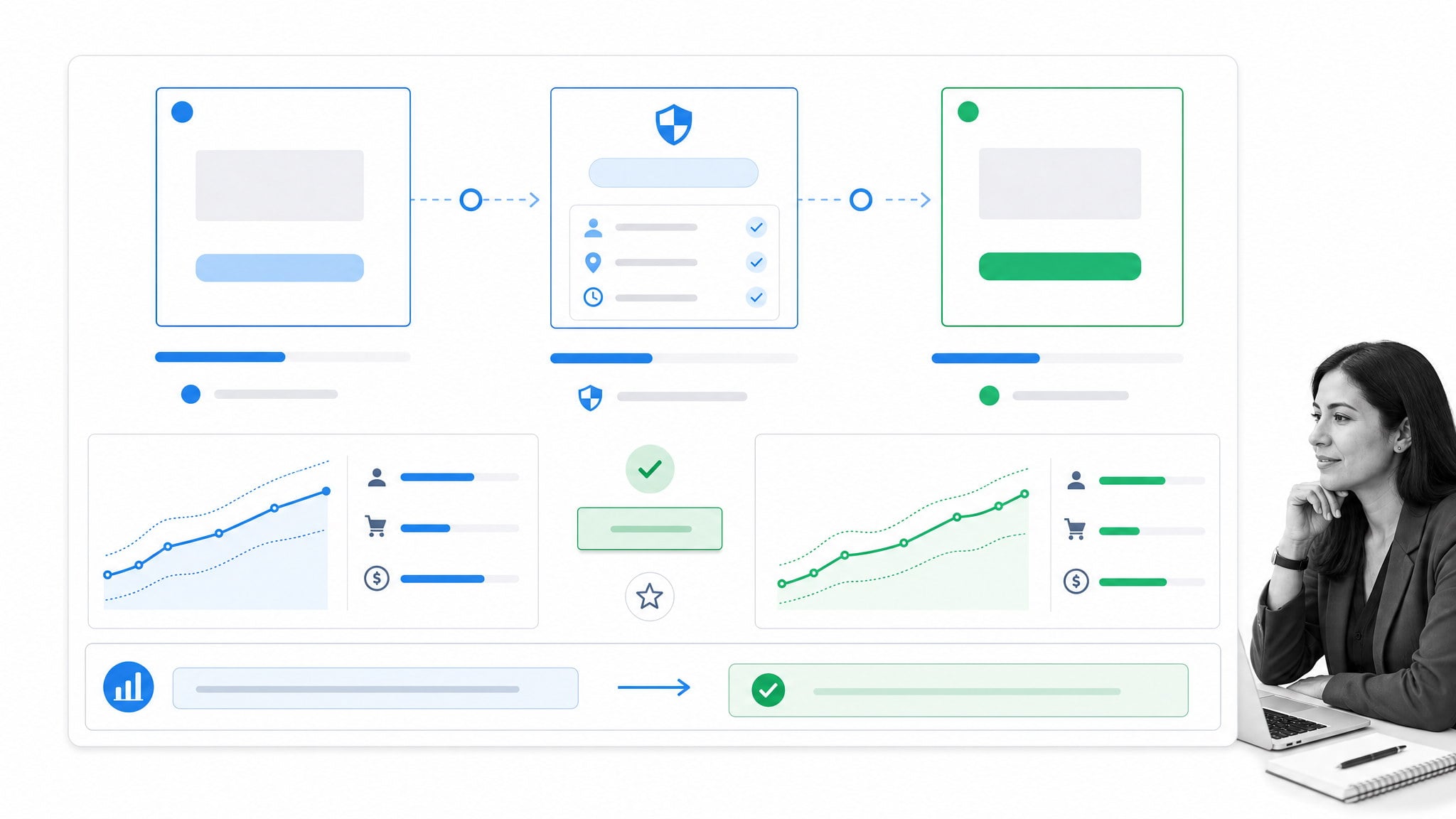
The right incentive helps a customer take an action that has real value for both sides. It might encourage a product trial, feedback, a referral, participation in a community, or adoption of a useful feature. The wrong incentive is a superficial promise that attracts a click but damages credibility.
Define the behavior you want to support and the customer value behind it. Then test the offer, eligibility, timing, message density, and follow-through. Keep a control group where practical, and measure whether the incentive changes meaningful behavior rather than only increasing short-term response.
A structured A/B testing process makes that learning repeatable. The lesson from incentive experiments is not that every customer needs a reward. It is that small changes in value and communication can alter response, and the team should use evidence instead of guesswork.
Build a well-crafted customer loyalty program
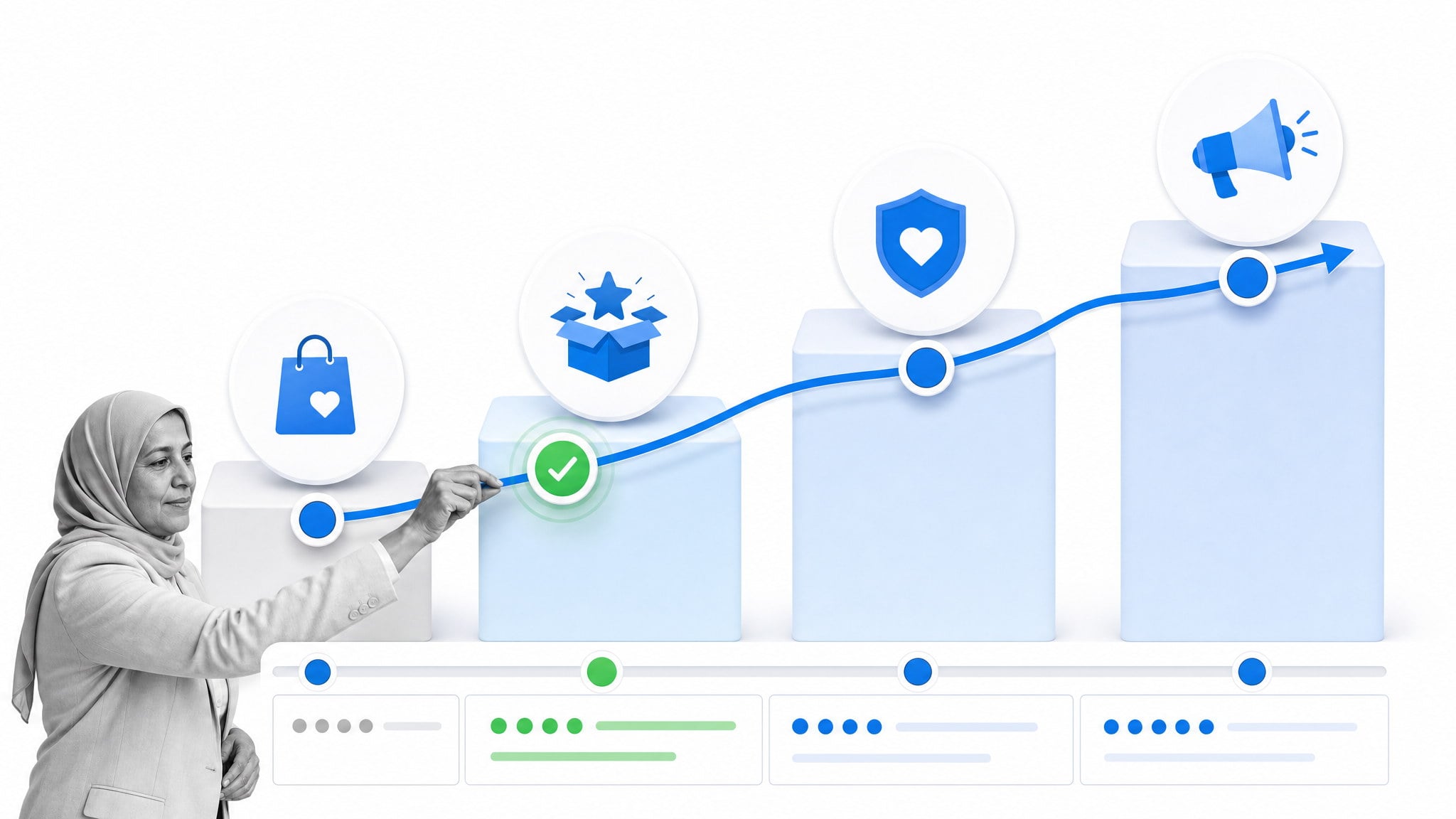
A loyalty program works when the value is easy to understand and relevant to how customers already use the business. Points alone do not create loyalty. Useful benefits, consistent service, fair rules, and recognition of the ongoing relationship do.
Target’s former REDcard is now the Target Circle Card. The current program still makes the benefit concrete with 5% off eligible purchases plus additional delivery and return benefits. Customers can understand the value before they join and receive it through behavior they already intended to repeat.
Review loyalty programs as operating systems. Track enrollment, active use, reward liability, service issues, fraud, exclusions, and the customer behaviors the program is meant to support. Retire benefits that add complexity without value, and test whether the program improves retention and advocacy rather than merely subsidizing existing purchases.
Those are my five practical tips for improving customer engagement. The common thread is consistency across the journey. Triggered communication, support, personalization, incentives, and loyalty should reinforce the same customer promise instead of operating as separate campaigns. That is how you keep customers hooked throughout the sales cycle and the relationship that follows it.
Use Process Street to support your customer engagement strategy
Customer engagement depends on reliable execution behind the scenes. A strategy may include newsletter production, onboarding, support triage, sales-to-service handoffs, feedback collection, loyalty operations, and escalation. Customer engagement software handles many customer-facing interactions. Process Street coordinates the governed work that makes those interactions consistent.
Process Street is a Compliance Operations Platform. It is one product with Docs and Ops capability areas plus built-in AI. Teams use Docs to create and govern policies, procedures, and operational knowledge. They use Ops to run repeatable workflows, assign work, collect data and evidence, route approvals, manage exceptions, and track completion. Built-in AI helps classify information, draft and summarize content, find relevant knowledge, and support workflow execution inside those controls.
For customer engagement, that means the promise made to a customer can become a repeatable process with an owner, due dates, decision rules, approvals, evidence, and escalation. Teams can standardize the common path while still routing unusual cases to the right person.
The following ready-made workflows cover practical parts of the customer journey. Each one can be adapted to your team, customer, policy, and systems.
Customer Journey Map Template
Use the Customer Journey Map Template
Sales to Service Handoff Process Template
Use the Sales to Service Handoff Process Template
Creating a Newsletter Template
Use the Creating a Newsletter Template
Email Onboarding Sequence Process
Use the Email Onboarding Sequence Process
Asking Valuable Customers for Feedback Checklist
Use the Asking Customers for Feedback workflow
Process Street also connects governed work to other systems. It has direct, universal integrations to 5,000+ systems. Need a new one? An AI agent builds it on the fly. That lets customer activity trigger the right internal workflow while preserving ownership, approvals, and evidence.
You can start a Process Street trial, adapt the workflows above, and build the operating system that supports your customer engagement strategy from first interaction through loyalty and advocacy.